
Tobi retweetledi
Tobi
2.4K posts



😭These people foolish gan mehn
I am Oluwademilade ❤️@__DeeeCR7
Dear @wizkidayo, This is going to be short. I know we can’t tell you what to do with your life and who you move with; but I just wanted to let you know that Odumodu called us, your fans who stream your songs every day of our lives and support you with everything we have, poor and jobless because we called him out for posting a picture of you and Fela. Grandson who has been disrespecting you all week long. I swear by my parents’ grave, even my family members know I would lay my life down for you without thinking twice; but even you wouldn’t be able to convince me to listen to any songs you have with him. If you think we don’t really matter in the grand scheme of things, no problem. Bye for now.
English

English


@ArchivoVAR Esta liga es una vergüenza. Y luego tienes que leer y escuchar a los de la caverna y al subnormal de Arbeloa llenarse la boca con indirectas de Negreira.
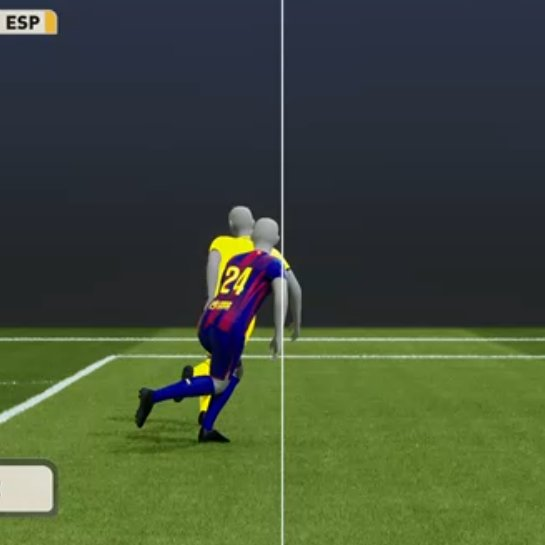
Español
Tobi retweetledi
Tobi retweetledi

Why start both Pedri and gavi, why not alternate them for both halves
Reshad Rahman@ReshadFCB
🚨 LINEUP:
English

He dives too much. No one knows what to believe anymore when he goes down in the box.
Archivo VAR@ArchivoVAR
🖥️💥 Cruce de cables del VAR en el Real Madrid - Girona. 👉🏻 Mbappé recorta a Vitor Reis y el defensor eleva el brazo impactando con el brazo en el rostro del francés. ❌ 𝗣𝗘𝗡𝗔𝗟𝗧𝗜 𝗖𝗟𝗔𝗥𝗢. ▪️Absolutamente inexplicable que Trujillo Suárez decidiera no intervenir.
English

That’s a pk sha
Stop That Messi@stopthatmessiii
DOES THIS CLUB HAVE ANY SHAME WHATSOEVER?? 😂😂😭😭😭
English
@General_D__ Na who no understand your post get issue 😂
English


Tobi retweetledi

Yeah bench Kounde who had a good game and start Rashford
Neal 🇦🇺@NealGardner_
Here’s what I’m thinking for the second leg.
English
Tobi retweetledi

@fcbjournalist We edit those fucking sunglasses and earphones on this uncle and we run it back
GIF
English
Tobi retweetledi


🚨 Hansi Flick when asked about Real Madrid and Arbeloa comments on Barça: “I don't waste my energy on that. It's his opinion, I focus on my team”.
“We have to focus on ourselves, not on what Real Madrid do”.

English
Tobi retweetledi

The Pope literally just asked for peace and MAGA is losing it
English