
Triangula Capital

619 posts

Triangula Capital banner
Triangula Capital

Triangula Capital

@triangulacaptl

Investing in undervalued securities worldwide on eToro. https://t.co/bX6clbeEVS Not investment advice. Your capital is at risk.

Dubai, UAE Katılım Eylül 2021
78 Takip Edilen887 Takipçiler
Triangula Capital
Triangula Capital@triangulacaptl·
When portfolios come under pressure, criticism naturally increases. That is not always easy to read, but it can still be useful. One recent comment suggested moving half the portfolio into bonds, cash and gold until the macro picture becomes clearer. I am not going to do that, but it did raise an important question: is the portfolio clearly positioned for the current environment? At the moment, the portfolio is split into five equal buckets: •⁠ ⁠Banks (20%) – positioned for improving growth and easing recession fears •⁠ ⁠Oil & oil-related (20%) – reflects the persistent impact of the Strait of Hormuz disruption on energy markets •⁠ ⁠Healthcare (20%) – adds resilience if growth weakens and stagflation risks rise •⁠ ⁠Consumer Staples (20%) – provides defensive exposure in a slower-growth, higher-inflation environment •⁠ ⁠Other value opportunities (20%) – diversified holdings where valuations remain attractive Just as important is what the portfolio does not own. I remain underweight Technology, especially Hardware, because I do not believe I have a strong enough edge there. I am also underweight Real Estate, given the risk that interest rates stay higher for longer, which could pressure valuations. Overall, the portfolio is positioned for two broad outcomes: •⁠ ⁠Inflationary boom – through Banks and Oil •⁠ ⁠Stagflation – through Healthcare and Staples If the Hormuz situation improves materially, it may make sense to reduce some defensive exposure and lean more into cyclicals. For now, balance still looks like the right approach. #Investing #PortfolioManagement #AssetAllocation #MacroInvesting 𝘛𝘩𝘪𝘴 𝘤𝘰𝘯𝘵𝘦𝘯𝘵 𝘪𝘴 𝘧𝘰𝘳 𝘪𝘯𝘧𝘰𝘳𝘮𝘢𝘵𝘪𝘰𝘯 𝘰𝘯𝘭𝘺. 𝘐𝘵 𝘪𝘴 𝘯𝘰𝘵 𝘢𝘯 𝘰𝘧𝘧𝘦𝘳 𝘰𝘳 𝘳𝘦𝘤𝘰𝘮𝘮𝘦𝘯𝘥𝘢𝘵𝘪𝘰𝘯 𝘵𝘰 𝘣𝘶𝘺, 𝘩𝘰𝘭𝘥 𝘰𝘳 𝘴𝘦𝘭𝘭 𝘢𝘯𝘺 𝘪𝘯𝘷𝘦𝘴𝘵𝘮𝘦𝘯𝘵, 𝘯𝘰𝘳 𝘭𝘦𝘨𝘢𝘭, 𝘵𝘢𝘹, 𝘰𝘳 𝘧𝘪𝘯𝘢𝘯𝘤𝘪𝘢𝘭 𝘢𝘥𝘷𝘪𝘤𝘦. 𝘗𝘢𝘴𝘵 𝘱𝘦𝘳𝘧𝘰𝘳𝘮𝘢𝘯𝘤𝘦 𝘪𝘴 𝘯𝘰𝘵 𝘪𝘯𝘥𝘪𝘤𝘢𝘵𝘪𝘷𝘦 𝘰𝘧 𝘧𝘶𝘵𝘶𝘳𝘦 𝘳𝘦𝘴𝘶𝘭𝘵𝘴.

Triangula Capital tweet media
English
0
0
0
185
Triangula Capital retweetledi
Peter Berezin
Peter Berezin@PeterBerezinBCA·
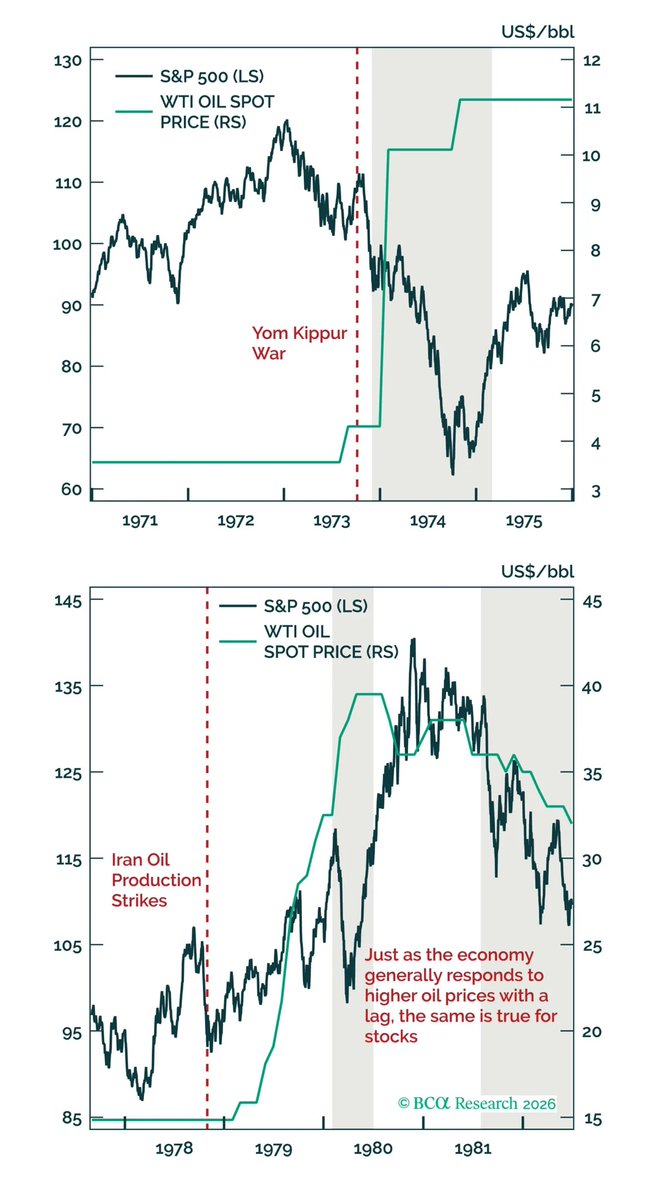
Just as the economy generally responds to higher oil prices with a lag, the same is true for the stock market. The S&P 500 declined by only 11% between the outbreak of the Arab-Israeli war on October 6, 1973 and the lifting of the oil embargo on March 18, 1974, a period during which oil prices rose by 135%. The S&P 500 then fell by 36% over the subsequent seven months as the economy plunged deeper into recession. A similar pattern played out in the early 1980s. Despite a 166% jump in oil prices following the Iranian Revolution in 1979, the S&P 500 reached an all-time high in November 1981. The stock market then proceeded to swoon as the economy entered a deep recession.
Peter Berezin tweet media
English
8
44
148
17.5K
Triangula Capital
Triangula Capital@triangulacaptl·
AI stocks have been among the best performers globally this year. Micron Technology is up 90%, South Korean equities 70%, Alphabet Inc. 20%. In private markets, OpenAI and Anthropic are raising capital at valuations approaching $850 billion, roughly double where they stood just a few months ago. Such rapid rises have led many to question whether we are now in an AI bubble. I am not convinced. We have not yet reached the kind of extreme valuation levels seen during the technology bubble of 1999–2000. The largest AI hyperscalers trade at around 26 times forward earnings, compared with 70 times for the leading technology companies at the peak of the dot-com bubble. If a true bubble to were to develop, AI equities could still rise meaningfully from current levels. That does not mean risks are absent. Microsoft, Alphabet, Amazon, Meta and others are spending hundreds of billions of dollars on data centres, chips and infrastructure. If AI adoption continues and these investments generate strong returns, earnings can keep growing and current valuations may be justified. But if too much capital flows into the sector, competition between players could increase, destroying returns for all. Today’s AI leaders are, however, not loss-making start-ups but some of the most profitable companies in the world. Over the past three years, forward P/E multiples for listed AI companies have actually declined, even as earnings expectations have risen sharply. This fundamental strength underpins my view that the AI theme may still have further to run. Bubbles rarely stop at “somewhat expensive”. They usually end when valuations become extreme, capital allocation turns indiscriminate, and investors start believing that price no longer matters. We are seeing signs of excitement, but not yet the full speculative excess of the late 1990s. My approach is to avoid paying more than 25 times forward earnings for a company, and much of the AI ecosystem sits above that threshold today. As a result, the portfolio has limited direct exposure to AI. That said, for more aggressive investors, many AI companies could still deliver strong returns over the next 12 months. The greater risk, in my view, lies further out, particularly if US interest rates move above 5%, which would put pressure on valuations. #ArtificialIntelligence #Investing #StockMarket #MarketOutlook 𝘛𝘩𝘪𝘴 𝘤𝘰𝘯𝘵𝘦𝘯𝘵 𝘪𝘴 𝘧𝘰𝘳 𝘪𝘯𝘧𝘰𝘳𝘮𝘢𝘵𝘪𝘰𝘯 𝘰𝘯𝘭𝘺. 𝘐𝘵 𝘪𝘴 𝘯𝘰𝘵 𝘢𝘯 𝘰𝘧𝘧𝘦𝘳 𝘰𝘳 𝘳𝘦𝘤𝘰𝘮𝘮𝘦𝘯𝘥𝘢𝘵𝘪𝘰𝘯 𝘵𝘰 𝘣𝘶𝘺, 𝘩𝘰𝘭𝘥 𝘰𝘳 𝘴𝘦𝘭𝘭 𝘢𝘯𝘺 𝘪𝘯𝘷𝘦𝘴𝘵𝘮𝘦𝘯𝘵, 𝘯𝘰𝘳 𝘭𝘦𝘨𝘢𝘭, 𝘵𝘢𝘹, 𝘰𝘳 𝘧𝘪𝘯𝘢𝘯𝘤𝘪𝘢𝘭 𝘢𝘥𝘷𝘪𝘤𝘦. 𝘗𝘢𝘴𝘵 𝘱𝘦𝘳𝘧𝘰𝘳𝘮𝘢𝘯𝘤𝘦 𝘪𝘴 𝘯𝘰𝘵 𝘪𝘯𝘥𝘪𝘤𝘢𝘵𝘪𝘷𝘦 𝘰𝘧 𝘧𝘶𝘵𝘶𝘳𝘦 𝘳𝘦𝘴𝘶𝘭𝘵𝘴.
Triangula Capital tweet media
English
1
0
4
211
Triangula Capital
Triangula Capital@triangulacaptl·
The portfolio has lagged the index so far in 2026, in what has been a difficult environment for European cyclical stocks exposed to growth sentiment and higher energy prices. Several holdings in the portfolio have declined by 20% or more year to date. At the same time, US equities have performed strongly, supported by record profits from AI hardware companies and an economy that has remained resilient despite the recent Middle East energy shock. With the Strait of Hormuz still closed, over the past week I have made the portfolio more balanced, reducing some cyclical European exposure and increasing allocations to Healthcare and Energy. The aim is to run an all-weather portfolio for the time being, improving resilience if growth slows, while still retaining upside if conditions stabilise. If tensions in the Middle East gradually ease, some of the recent pressure on European equities and cyclical sectors could reverse quickly, particularly given how cautious investor sentiment towards the European economy has become. On the other hand, if Hormuz remains closed, cyclical sectors could stay under pressure, while Energy and defensive areas could continue to outperform. Alongside current holdings, I am monitoring selected commodity opportunities. Gold may benefit if geopolitical stress and fiscal concerns remain elevated, while agricultural commodities such as wheat appear to be emerging from a multi-year consolidation. Bank of America market strategist Michael Hartnett argued recently that commodities could be one of the most interesting areas of the global markets over the next few years. If supply shocks continue to shape the investment landscape of the 2020s, that view may well prove correct. #Investing #Markets #Commodities #PortfolioManagement 𝘛𝘩𝘪𝘴 𝘤𝘰𝘯𝘵𝘦𝘯𝘵 𝘪𝘴 𝘧𝘰𝘳 𝘪𝘯𝘧𝘰𝘳𝘮𝘢𝘵𝘪𝘰𝘯 𝘰𝘯𝘭𝘺. 𝘐𝘵 𝘪𝘴 𝘯𝘰𝘵 𝘢𝘯 𝘰𝘧𝘧𝘦𝘳 𝘰𝘳 𝘳𝘦𝘤𝘰𝘮𝘮𝘦𝘯𝘥𝘢𝘵𝘪𝘰𝘯 𝘵𝘰 𝘣𝘶𝘺, 𝘩𝘰𝘭𝘥 𝘰𝘳 𝘴𝘦𝘭𝘭 𝘢𝘯𝘺 𝘪𝘯𝘷𝘦𝘴𝘵𝘮𝘦𝘯𝘵, 𝘯𝘰𝘳 𝘭𝘦𝘨𝘢𝘭, 𝘵𝘢𝘹, 𝘰𝘳 𝘧𝘪𝘯𝘢𝘯𝘤𝘪𝘢𝘭 𝘢𝘥𝘷𝘪𝘤𝘦. 𝘗𝘢𝘴𝘵 𝘱𝘦𝘳𝘧𝘰𝘳𝘮𝘢𝘯𝘤𝘦 𝘪𝘴 𝘯𝘰𝘵 𝘪𝘯𝘥𝘪𝘤𝘢𝘵𝘪𝘷𝘦 𝘰𝘧 𝘧𝘶𝘵𝘶𝘳𝘦 𝘳𝘦𝘴𝘶𝘭𝘵𝘴.
Triangula Capital tweet media
English
0
0
3
167
Triangula Capital
Triangula Capital@triangulacaptl·
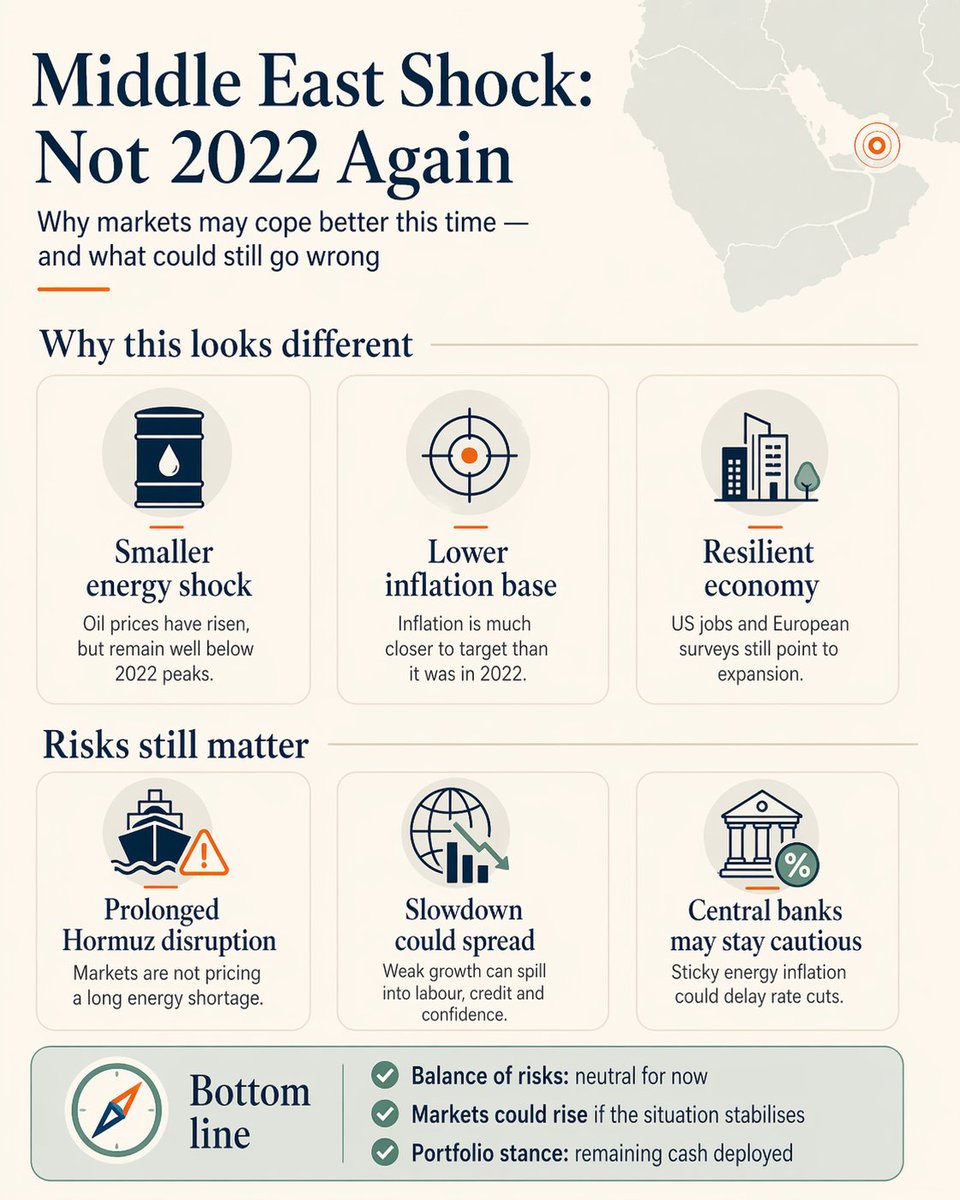
Many investors have compared the current Middle East crisis with 2022, when markets initially recovered after Russia’s invasion of Ukraine before falling much further. But there are several important differences this time. First, the energy shock has so far been smaller. Oil prices have risen, but remain well below the levels seen in 2022. Natural gas prices in Europe are only a fraction of where they were during that crisis. Second, inflation is starting from a far lower base. In 2022, inflation was already running near 6% in both the US and Europe before the war shock, forcing central banks into aggressive rate hikes. Today, inflation is much closer to target, which gives policymakers more flexibility. Third, the global economy has remained resilient so far. US employment data and European business surveys continue to suggest expansion rather than recession. In past major oil shocks, economic data often weakened immediately. That does not mean risks have disappeared. First, disruption in the Strait of Hormuz could last longer than expected. Markets are not currently pricing in a prolonged energy shortage. If the Strait remains closed, oil prices could move well beyond previous peaks. Second, the economic damage seen so far may not prove temporary. Short periods of weaker growth can sometimes trigger wider problems in labour markets, credit markets or consumer confidence. If that happens, a mild slowdown could turn into recession. Finally, central banks may not be as relaxed as investors hope. If higher energy prices keep inflation elevated, rate cuts could be delayed or policy tightened again. Markets can often look through temporary inflation shocks, but not tighter monetary policy. Overall, the balance of risks appears neutral for now. Positioning is not stretched and could rise further if the situation improves. On the other hand, past episodes of Trump backing down may have made investors too complacent about that pattern repeating. My preference is to lean towards being invested once the situation appears to have stabilised, so the remaining cash in the portfolio has now been deployed. #MacroInvesting #MarketOutlook #GlobalMarkets #Geopolitics 𝘛𝘩𝘪𝘴 𝘤𝘰𝘯𝘵𝘦𝘯𝘵 𝘪𝘴 𝘧𝘰𝘳 𝘪𝘯𝘧𝘰𝘳𝘮𝘢𝘵𝘪𝘰𝘯 𝘰𝘯𝘭𝘺. 𝘐𝘵 𝘪𝘴 𝘯𝘰𝘵 𝘢𝘯 𝘰𝘧𝘧𝘦𝘳 𝘰𝘳 𝘳𝘦𝘤𝘰𝘮𝘮𝘦𝘯𝘥𝘢𝘵𝘪𝘰𝘯 𝘵𝘰 𝘣𝘶𝘺, 𝘩𝘰𝘭𝘥 𝘰𝘳 𝘴𝘦𝘭𝘭 𝘢𝘯𝘺 𝘪𝘯𝘷𝘦𝘴𝘵𝘮𝘦𝘯𝘵, 𝘯𝘰𝘳 𝘭𝘦𝘨𝘢𝘭, 𝘵𝘢𝘹, 𝘰𝘳 𝘧𝘪𝘯𝘢𝘯𝘤𝘪𝘢𝘭 𝘢𝘥𝘷𝘪𝘤𝘦. 𝘗𝘢𝘴𝘵 𝘱𝘦𝘳𝘧𝘰𝘳𝘮𝘢𝘯𝘤𝘦 𝘪𝘴 𝘯𝘰𝘵 𝘪𝘯𝘥𝘪𝘤𝘢𝘵𝘪𝘷𝘦 𝘰𝘧 𝘧𝘶𝘵𝘶𝘳𝘦 𝘳𝘦𝘴𝘶𝘭𝘵𝘴.
Triangula Capital tweet media
English
0
0
1
179
Triangula Capital
Triangula Capital@triangulacaptl·
Several stocks in the portfolio have declined as a result of the war in Iran, among them the following: 1. Vonovia, a German residential real estate landlord, fell 20%. Higher oil prices have pushed up near-term inflation expectations, leading investors to anticipate tighter policy from the European Central Bank. This has been negative for Vonovia, as rising rates tend to weigh on real estate valuations. Following the recent decline, the shares trade at a 50% discount to the value of the company’s underlying property portfolio. 2. Eurazeo, a French investment company, fell 10% amid concerns about a potential European recession, the company's exposure to the software industry, and broader pressures in private equity markets. The shares now trade at a discount of more than 50% to net asset value, levels last seen during the 2011–2012 European sovereign debt crisis. The long-term average discount is closer to 20%. 3. Adidas declined 15%. Weak results from competitor Nike, though widely seen as company-specific, hurt the stock, while higher interest rates have raised concerns about consumer spending. The shares now trade on around 15x forward earnings, the lowest valuation since at least 2013. 4. Pernod Ricard fell 15%. The company is perceived as relatively highly leveraged and therefore more exposed to rising interest rates. Weak results from competitor Diageo shortly before the war also weighed on sentiment. The shares now trade at below 12x 2026 earnings, the lowest level in at least 15 years. 5. Deutsche Bank declined 10%. Banks are sensitive to the economic outlook, which could deteriorate if disruption in the Strait of Hormuz persists. In addition, concerns remain around Deutsche’s exposure to private credit. The shares trade at 8.4x expected earnings, below the 10-12x a normal bank can command in normal times. In my view, valuations across the portfolio remain attractive. That said, this is not a risk-free positioning. An end to the war would likely support a recovery in the names above and others in the portfolio, while a prolonged conflict could lead to further downside. At present, equity markets appear to be pricing in de-escalation, whereas oil markets remain more cautious. The coming weeks should clarify which market proves more accurate. #Investing #EuropeanEquities #Geopolitics #ValueInvesting 𝘛𝘩𝘪𝘴 𝘤𝘰𝘯𝘵𝘦𝘯𝘵 𝘪𝘴 𝘧𝘰𝘳 𝘪𝘯𝘧𝘰𝘳𝘮𝘢𝘵𝘪𝘰𝘯 𝘰𝘯𝘭𝘺. 𝘐𝘵 𝘪𝘴 𝘯𝘰𝘵 𝘢𝘯 𝘰𝘧𝘧𝘦𝘳 𝘰𝘳 𝘳𝘦𝘤𝘰𝘮𝘮𝘦𝘯𝘥𝘢𝘵𝘪𝘰𝘯 𝘵𝘰 𝘣𝘶𝘺, 𝘩𝘰𝘭𝘥 𝘰𝘳 𝘴𝘦𝘭𝘭 𝘢𝘯𝘺 𝘪𝘯𝘷𝘦𝘴𝘵𝘮𝘦𝘯𝘵, 𝘯𝘰𝘳 𝘭𝘦𝘨𝘢𝘭, 𝘵𝘢𝘹, 𝘰𝘳 𝘧𝘪𝘯𝘢𝘯𝘤𝘪𝘢𝘭 𝘢𝘥𝘷𝘪𝘤𝘦. 𝘗𝘢𝘴𝘵 𝘱𝘦𝘳𝘧𝘰𝘳𝘮𝘢𝘯𝘤𝘦 𝘪𝘴 𝘯𝘰𝘵 𝘪𝘯𝘥𝘪𝘤𝘢𝘵𝘪𝘷𝘦 𝘰𝘧 𝘧𝘶𝘵𝘶𝘳𝘦 𝘳𝘦𝘴𝘶𝘭𝘵𝘴.
Triangula Capital tweet media
English
0
0
2
250
Triangula Capital
Triangula Capital@triangulacaptl·
The near-term picture has improved enough for me to start moving back into the market today. The tentative two-week ceasefire between the U.S. and Iran, together with the reopening of the Strait of Hormuz, has sharply reduced immediate tail risk. Oil has fallen back below $100, global equities are rallying, and volatility has eased. There are still risks. The ceasefire is temporary, supply conditions may take time to normalize, and the broader medium-term backdrop remains uncertain. But for now, the probability of the worst-case scenario has fallen enough to justify adding risk back. #Investing #Markets #Geopolitics #Oil 𝘛𝘩𝘪𝘴 𝘤𝘰𝘯𝘵𝘦𝘯𝘵 𝘪𝘴 𝘧𝘰𝘳 𝘪𝘯𝘧𝘰𝘳𝘮𝘢𝘵𝘪𝘰𝘯 𝘰𝘯𝘭𝘺. 𝘐𝘵 𝘪𝘴 𝘯𝘰𝘵 𝘢𝘯 𝘰𝘧𝘧𝘦𝘳 𝘰𝘳 𝘳𝘦𝘤𝘰𝘮𝘮𝘦𝘯𝘥𝘢𝘵𝘪𝘰𝘯 𝘵𝘰 𝘣𝘶𝘺, 𝘩𝘰𝘭𝘥 𝘰𝘳 𝘴𝘦𝘭𝘭 𝘢𝘯𝘺 𝘪𝘯𝘷𝘦𝘴𝘵𝘮𝘦𝘯𝘵, 𝘯𝘰𝘳 𝘭𝘦𝘨𝘢𝘭, 𝘵𝘢𝘹, 𝘰𝘳 𝘧𝘪𝘯𝘢𝘯𝘤𝘪𝘢𝘭 𝘢𝘥𝘷𝘪𝘤𝘦. 𝘗𝘢𝘴𝘵 𝘱𝘦𝘳𝘧𝘰𝘳𝘮𝘢𝘯𝘤𝘦 𝘪𝘴 𝘯𝘰𝘵 𝘪𝘯𝘥𝘪𝘤𝘢𝘵𝘪𝘷𝘦 𝘰𝘧 𝘧𝘶𝘵𝘶𝘳𝘦 𝘳𝘦𝘴𝘶𝘭𝘵𝘴.
Triangula Capital tweet media
English
0
0
4
231
Triangula Capital
Triangula Capital@triangulacaptl·
The MSCI World index has fallen 5.5% this year, largely owing to the war in Iran and the rise in interest rates caused by higher oil prices. The situation is little changed from last week, with oil still trading around $110 per barrel. At this level, oil is likely to reduce GDP growth by 0.5% in the U.S. and 1% in Europe. Applying a simple rule of thumb—that equity markets move by ten times the change in GDP—would imply declines of 5% in the U.S. and 10% in Europe. This is is more or less what has happened. So is now a good time to buy back in, given the fall already experienced? I would be cautious about drawing that conclusion. In my view, there remains a meaningful probability, perhaps around 50%, that the oil shock intensifies. If the Strait of Hormuz were to remain closed and oil were to move towards $200, the impact on oil importers such as Europe could be severe, with GDP contracting by 3–5%. In such a scenario, equity markets could fall 30–50%. Even if the Strait gradually reopens, the global economy is already in a late-cycle phase, so it is more vulnerable than usual, and a recession could still follow. I am positioning for a weak economy this year by overweighting cash and defensive sectors such as Healthcare and Consumer Staples. Opportunities may emerge to buy back into more cyclical areas such as Real Estate and Industrials should there be a clear resolution to the conflict. #EquityMarkets #OilPrices #Geopolitics 𝘛𝘩𝘪𝘴 𝘤𝘰𝘯𝘵𝘦𝘯𝘵 𝘪𝘴 𝘧𝘰𝘳 𝘪𝘯𝘧𝘰𝘳𝘮𝘢𝘵𝘪𝘰𝘯 𝘰𝘯𝘭𝘺. 𝘐𝘵 𝘪𝘴 𝘯𝘰𝘵 𝘢𝘯 𝘰𝘧𝘧𝘦𝘳 𝘰𝘳 𝘳𝘦𝘤𝘰𝘮𝘮𝘦𝘯𝘥𝘢𝘵𝘪𝘰𝘯 𝘵𝘰 𝘣𝘶𝘺, 𝘩𝘰𝘭𝘥 𝘰𝘳 𝘴𝘦𝘭𝘭 𝘢𝘯𝘺 𝘪𝘯𝘷𝘦𝘴𝘵𝘮𝘦𝘯𝘵, 𝘯𝘰𝘳 𝘭𝘦𝘨𝘢𝘭, 𝘵𝘢𝘹, 𝘰𝘳 𝘧𝘪𝘯𝘢𝘯𝘤𝘪𝘢𝘭 𝘢𝘥𝘷𝘪𝘤𝘦. 𝘗𝘢𝘴𝘵 𝘱𝘦𝘳𝘧𝘰𝘳𝘮𝘢𝘯𝘤𝘦 𝘪𝘴 𝘯𝘰𝘵 𝘪𝘯𝘥𝘪𝘤𝘢𝘵𝘪𝘷𝘦 𝘰𝘧 𝘧𝘶𝘵𝘶𝘳𝘦 𝘳𝘦𝘴𝘶𝘭𝘵𝘴.
Triangula Capital tweet media
English
0
0
0
243
Triangula Capital
Triangula Capital@triangulacaptl·
This could turn out to be bad — or very, very bad. It could also be fine. Most investors still expect Trump to chicken out, as he has done before. That belief helps explain why the MSCI World index is down only 5% year-to-date. There may indeed be a 50% chance that the conflict de-escalates over the coming weeks and months. It is the other 50% that is problematic. If the Strait of Hormuz remains disrupted for an extended period, oil could rise to $150–200 per barrel. That would likely trigger a global recession, with equities falling 20–30%. In a more extreme scenario — where Middle Eastern oil and gas infrastructure is significantly damaged — oil could spike to $200–300. That would imply a severe global recession and a market drawdown closer to 40%. The crash could become even worse If the conflict escalates into a US ground invasion. The US budget deficit is already running at 6% of GDP. An oil shock causing a mild recession plus the cost of the invasion could push this to 8-10% of GDP. At that point, markets may begin to question US fiscal credibility. A sharp rise in interest rates — and the risk of a financial crisis — could not be ruled out. The likely policy response would be yield curve control, effectively capping rates at the cost of a much weaker US dollar. In such a scenario, equity losses could approach 50% — a 2008-style outcome. None of these outcomes in the “bad” half of the distribution appear meaningfully priced into equities today, which is why the majority of the portfolio is in cash. The priority now is simple: preserve capital, stay in the game, and be in a position to deploy the cash when the uncertainty clears. #Markets #Investing #Macro #Geopolitics 𝘛𝘩𝘪𝘴 𝘤𝘰𝘯𝘵𝘦𝘯𝘵 𝘪𝘴 𝘧𝘰𝘳 𝘪𝘯𝘧𝘰𝘳𝘮𝘢𝘵𝘪𝘰𝘯 𝘰𝘯𝘭𝘺. 𝘐𝘵 𝘪𝘴 𝘯𝘰𝘵 𝘢𝘯 𝘰𝘧𝘧𝘦𝘳 𝘰𝘳 𝘳𝘦𝘤𝘰𝘮𝘮𝘦𝘯𝘥𝘢𝘵𝘪𝘰𝘯 𝘵𝘰 𝘣𝘶𝘺, 𝘩𝘰𝘭𝘥 𝘰𝘳 𝘴𝘦𝘭𝘭 𝘢𝘯𝘺 𝘪𝘯𝘷𝘦𝘴𝘵𝘮𝘦𝘯𝘵, 𝘯𝘰𝘳 𝘭𝘦𝘨𝘢𝘭, 𝘵𝘢𝘹, 𝘰𝘳 𝘧𝘪𝘯𝘢𝘯𝘤𝘪𝘢𝘭 𝘢𝘥𝘷𝘪𝘤𝘦. 𝘗𝘢𝘴𝘵 𝘱𝘦𝘳𝘧𝘰𝘳𝘮𝘢𝘯𝘤𝘦 𝘪𝘴 𝘯𝘰𝘵 𝘪𝘯𝘥𝘪𝘤𝘢𝘵𝘪𝘷𝘦 𝘰𝘧 𝘧𝘶𝘵𝘶𝘳𝘦 𝘳𝘦𝘴𝘶𝘭𝘵𝘴.
Triangula Capital tweet media
English
1
1
1
283
Triangula Capital
Triangula Capital@triangulacaptl·
The most difficult periods for my strategy have historically been those when the economy weakens, especially when it happens abruptly and unexpectedly. The most recent example was February–March 2020. I did not anticipate the economic impact that COVID would have on the global economy, and as a result the portfolio lost 30% within a few weeks. By contrast, in 2022 the economy transitioned gradually from expansion to contraction. Leading indicators signalled the slowdown well in advance, which allowed time to reposition the portfolio. 2022 ended up being a good year with only a limited drawdown. In 2026 the economy has again been hit by an external shock, this time from war, and the portfolio has suffered relative to the index. Most of the time I run a pro-cyclical portfolio that benefits from a strong economic environment. When an unexpected shock occurs, this positioning can lead to significant short-term losses. From experience, I would rather accept a 10–15% loss early than allow a drawdown to grow to 30% or more if the economic environment continues to deteriorate. Although I am a risk-tolerant investor, the majority of my liquid assets are invested in this strategy. Historically the maximum drawdown of the strategy has been 30%. While I am comfortable with this level of volatility, I would prefer to avoid larger losses than this if possible. There are currently a few indications that the economy may weaken later this year. The war is of course the most immediate risk, but employment data has also been soft recently. As a result, I have exited all bank positions in the portfolio. The sector performed very well from 2022 to 2025 thanks to higher interest rates and low starting valuations. I believe banks could continue to perform well if the war ends quickly, but given the stage of the economic cycle, the risks are also increasing. One area that may offer pro-cyclical exposure with lower systemic risk is Industrials. Companies in this sector usually carry limited debt and therefore are less exposed to the risk of a financial crisis. To replace the bank exposure, I have added defensive Healthcare positions. Investors currently appear willing to buy any dip, even in the face of potentially very negative developments. This optimism may ultimately prove justified if the war ends quickly. However, current market prices also offer little risk premium if the conflict continues and economic conditions deteriorate. For this reason, I am maintaining a defensive portfolio with a significant cash position. If the cash remains in the portfolio for longer, it will be invested in cash ETFs to earn interest. #Investing #RiskManagement #Macro #PortfolioStrategy 𝘛𝘩𝘪𝘴 𝘤𝘰𝘯𝘵𝘦𝘯𝘵 𝘪𝘴 𝘧𝘰𝘳 𝘪𝘯𝘧𝘰𝘳𝘮𝘢𝘵𝘪𝘰𝘯 𝘰𝘯𝘭𝘺. 𝘐𝘵 𝘪𝘴 𝘯𝘰𝘵 𝘢𝘯 𝘰𝘧𝘧𝘦𝘳 𝘰𝘳 𝘳𝘦𝘤𝘰𝘮𝘮𝘦𝘯𝘥𝘢𝘵𝘪𝘰𝘯 𝘵𝘰 𝘣𝘶𝘺, 𝘩𝘰𝘭𝘥 𝘰𝘳 𝘴𝘦𝘭𝘭 𝘢𝘯𝘺 𝘪𝘯𝘷𝘦𝘴𝘵𝘮𝘦𝘯𝘵, 𝘯𝘰𝘳 𝘭𝘦𝘨𝘢𝘭, 𝘵𝘢𝘹, 𝘰𝘳 𝘧𝘪𝘯𝘢𝘯𝘤𝘪𝘢𝘭 𝘢𝘥𝘷𝘪𝘤𝘦. 𝘗𝘢𝘴𝘵 𝘱𝘦𝘳𝘧𝘰𝘳𝘮𝘢𝘯𝘤𝘦 𝘪𝘴 𝘯𝘰𝘵 𝘪𝘯𝘥𝘪𝘤𝘢𝘵𝘪𝘷𝘦 𝘰𝘧 𝘧𝘶𝘵𝘶𝘳𝘦 𝘳𝘦𝘴𝘶𝘭𝘵𝘴.
Triangula Capital tweet media
English
0
0
4
218
Triangula Capital retweetledi
Mark Zandi
Mark Zandi@Markzandi·
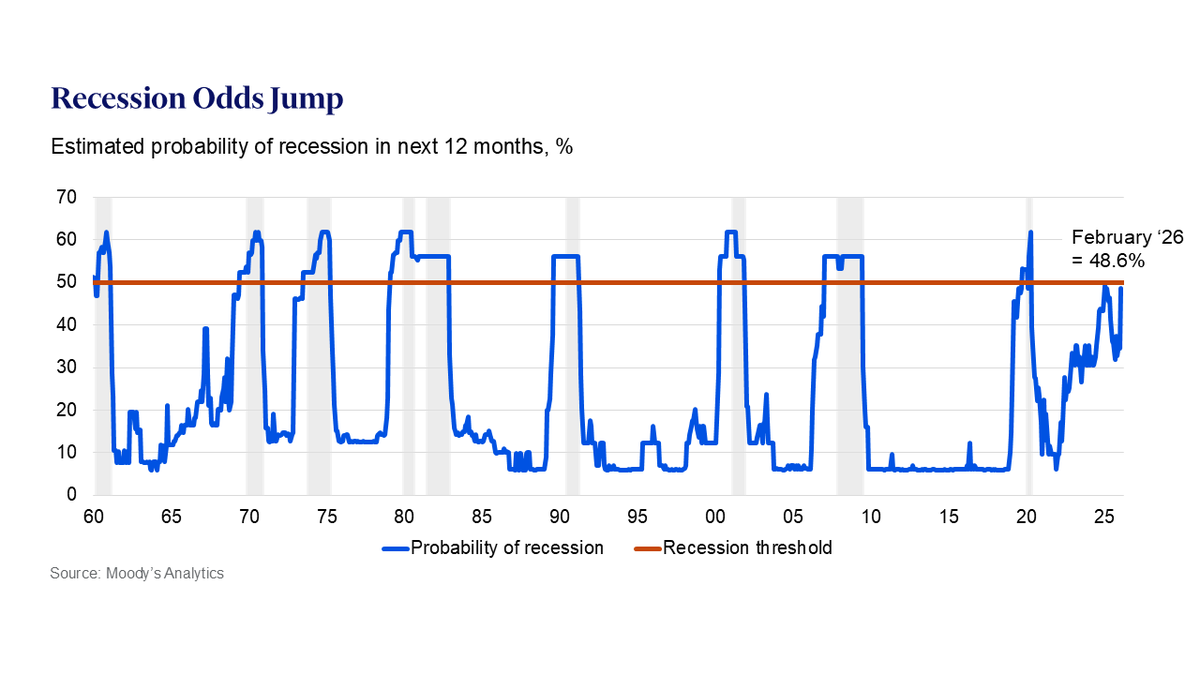
Recession is once again a serious threat. Even before the recent disconcerting events in the Middle East, our machine learning based leading economic indicator model put the probability of a recession starting in the next 12 months at an uncomfortably high 49%. Behind the recent jump are primarily the weak labor market numbers, but almost all the economic data have turned soft since the end of last year.
Mark Zandi tweet media
English
28
166
570
73.9K
Triangula Capital
Triangula Capital@triangulacaptl·
The portfolio entered the war in Iran in about the worst possible position: heavily exposed to banks, travel companies and the UAE. My view had been that the global economy was strengthening, with the expansion likely continuing until at least mid-2026. Being positioned for that scenario rather than for war, the portfolio lost 10% in the last week. The reaction of markets to the war has differed across geographies depending on whether they are oil importers or exporters. Japanese equities have fallen 8%, European markets 9%. Both geographies are oil importers. The U.S. market, by contrast, has fallen only 3%. If you looked at the S&P 500, you would not even know that a war is going on or that oil prices have surged. What will happen next? One explanation for the S&P 500’s resilience is the expectation that President Trump will soon chicken out and negotiate a ceasefire. This would be consistent with his behaviour last year, when tariffs were quickly rolled back after markets panicked. The problem with this line of reasoning is that, unlike unilateral tariffs, ending a war requires two parties to agree. Iran has now been attacked twice in the past twelve months. To restore deterrence against future attacks, Iran will have to show that attacking them carries a very high cost. The only way they can do this is to keep the Strait of Hormuz closed. If the Strait were closed for a prolonged period, oil prices would need to rise enough to destroy demand. That level is probably in the $150–200 per barrel range — far above current prices. Oil at those levels would push inflation higher, force interest rates up again and weaken economies globally. In that scenario, we could be looking at the end of the current economic cycle. I cannot rule out this outcome, which is why I have again increased the share of cash in the portfolio. I would be happy to increase the risk level of the portfolio again if the war ends, or if markets fall sufficiently in response to higher oil prices that bargains start to emerge. #Markets #Oil #Geopolitics #Investing #Macro 𝘛𝘩𝘪𝘴 𝘤𝘰𝘯𝘵𝘦𝘯𝘵 𝘪𝘴 𝘧𝘰𝘳 𝘪𝘯𝘧𝘰𝘳𝘮𝘢𝘵𝘪𝘰𝘯 𝘰𝘯𝘭𝘺. 𝘐𝘵 𝘪𝘴 𝘯𝘰𝘵 𝘢𝘯 𝘰𝘧𝘧𝘦𝘳 𝘰𝘳 𝘳𝘦𝘤𝘰𝘮𝘮𝘦𝘯𝘥𝘢𝘵𝘪𝘰𝘯 𝘵𝘰 𝘣𝘶𝘺, 𝘩𝘰𝘭𝘥 𝘰𝘳 𝘴𝘦𝘭𝘭 𝘢𝘯𝘺 𝘪𝘯𝘷𝘦𝘴𝘵𝘮𝘦𝘯𝘵, 𝘯𝘰𝘳 𝘭𝘦𝘨𝘢𝘭, 𝘵𝘢𝘹, 𝘰𝘳 𝘧𝘪𝘯𝘢𝘯𝘤𝘪𝘢𝘭 𝘢𝘥𝘷𝘪𝘤𝘦. 𝘗𝘢𝘴𝘵 𝘱𝘦𝘳𝘧𝘰𝘳𝘮𝘢𝘯𝘤𝘦 𝘪𝘴 𝘯𝘰𝘵 𝘪𝘯𝘥𝘪𝘤𝘢𝘵𝘪𝘷𝘦 𝘰𝘧 𝘧𝘶𝘵𝘶𝘳𝘦 𝘳𝘦𝘴𝘶𝘭𝘵𝘴.
Triangula Capital tweet media
English
1
0
1
269
Triangula Capital
Triangula Capital@triangulacaptl·
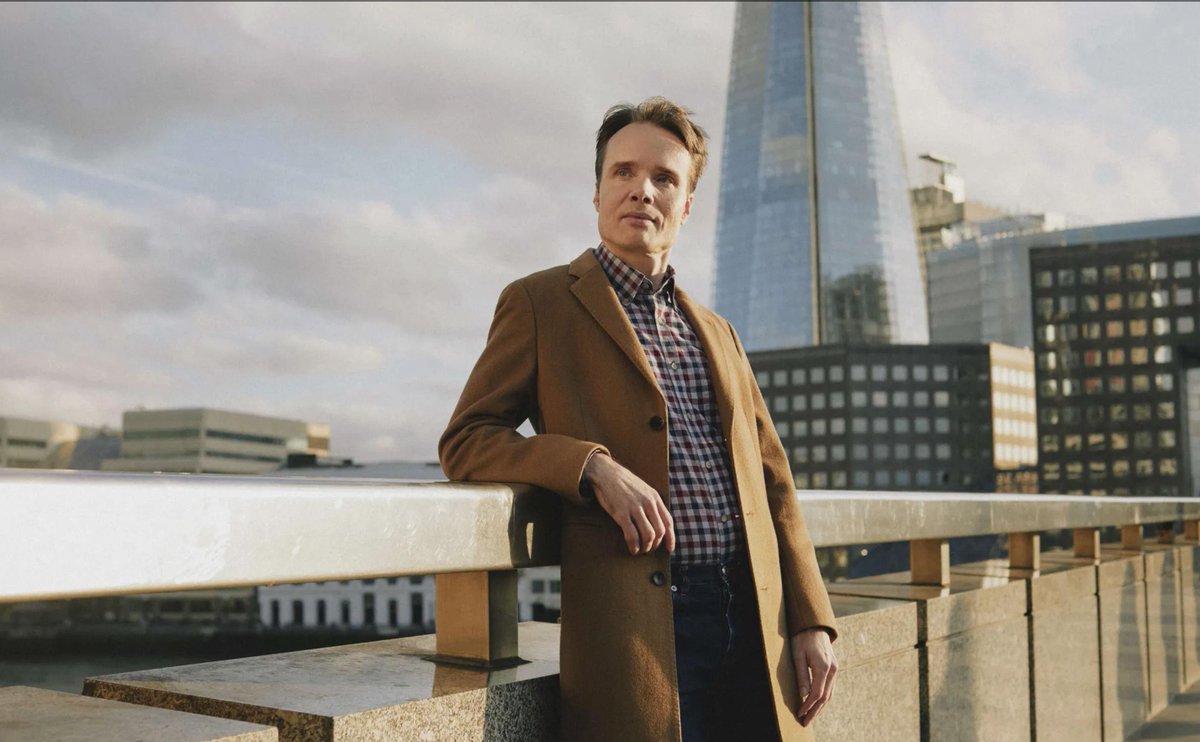
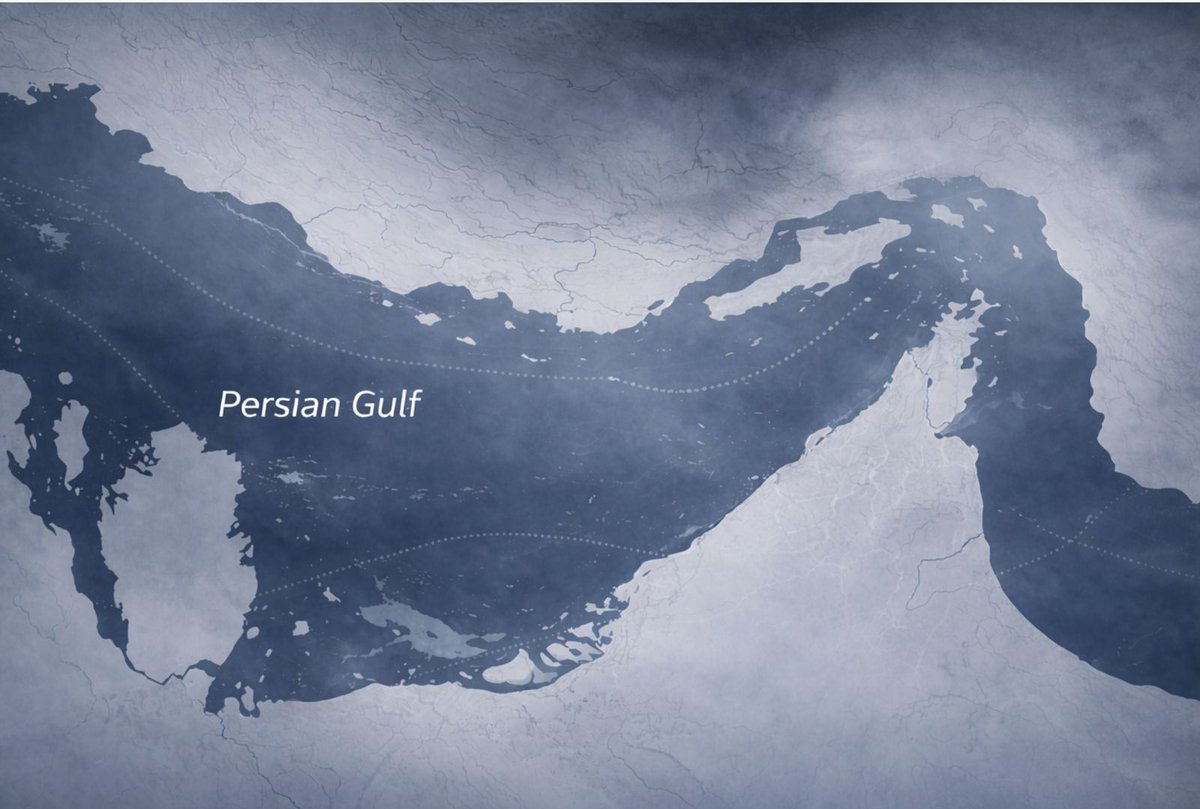
Pietari Laurila featured in Helsingin Sanomat Visio today! While on a business trip in London, Pietari was unable to return to Dubai due to the escalating situation in the Persian Gulf and is currently waiting in Finland for the first opportunity to fly back. The article discusses his views on how the conflict could affect global markets, particularly through higher oil prices, inflation pressures and increased volatility if the situation persists. It also touches on broader portfolio positioning, including the shift toward more physical sectors such as energy and commodities, as well as the longer-term impact of AI on certain digital business models. #Investing #Markets #Geopolitics #HelsinginSanomat hs.fi/visio/art-2000…
Triangula Capital tweet media
English
0
0
3
342
Triangula Capital
Triangula Capital@triangulacaptl·
The U.S. attacked Iran on the weekend. As expected, oil prices moved sharply higher. Because higher oil raises inflation expectations, bond yields rose. European equities fell around 2%, while U.S. markets traded flat. The muted reaction in the U.S. may be because markets already priced in some risk of a war over the last month. Europe underperformed because it is more exposed to high oil prices than the energy independent U.S. The portfolio fell 3% yesterday reflecting its substantial exposure to European banks, the travel industry and real estate - some of the sectors worst affected by war in the Middle East. To contain exposure in case the conflict escalates, I have reduced the risk level of the portfolio by raising 30% cash. There are two paths from here. The positive scenario is that the war ends quickly, in which case the cash will be quickly redeployed. In an adverse scenario, the war continues, the Strait of Hormuz stays closed, and panic conditions ensue. The cash would also then be deployed, but at better prices. Cash is held in the portfolio only if uncertainty about the future path of the global economy increases significantly. The current positioning is designed to protect capital in the adverse scenario while preserving flexibility if tensions ease. #GlobalMarkets #MacroOutlook #MarketUpdate #OilPrices 𝘛𝘩𝘪𝘴 𝘤𝘰𝘯𝘵𝘦𝘯𝘵 𝘪𝘴 𝘧𝘰𝘳 𝘪𝘯𝘧𝘰𝘳𝘮𝘢𝘵𝘪𝘰𝘯 𝘰𝘯𝘭𝘺. 𝘐𝘵 𝘪𝘴 𝘯𝘰𝘵 𝘢𝘯 𝘰𝘧𝘧𝘦𝘳 𝘰𝘳 𝘳𝘦𝘤𝘰𝘮𝘮𝘦𝘯𝘥𝘢𝘵𝘪𝘰𝘯 𝘵𝘰 𝘣𝘶𝘺, 𝘩𝘰𝘭𝘥 𝘰𝘳 𝘴𝘦𝘭𝘭 𝘢𝘯𝘺 𝘪𝘯𝘷𝘦𝘴𝘵𝘮𝘦𝘯𝘵, 𝘯𝘰𝘳 𝘭𝘦𝘨𝘢𝘭, 𝘵𝘢𝘹, 𝘰𝘳 𝘧𝘪𝘯𝘢𝘯𝘤𝘪𝘢𝘭 𝘢𝘥𝘷𝘪𝘤𝘦. 𝘗𝘢𝘴𝘵 𝘱𝘦𝘳𝘧𝘰𝘳𝘮𝘢𝘯𝘤𝘦 𝘪𝘴 𝘯𝘰𝘵 𝘪𝘯𝘥𝘪𝘤𝘢𝘵𝘪𝘷𝘦 𝘰𝘧 𝘧𝘶𝘵𝘶𝘳𝘦 𝘳𝘦𝘴𝘶𝘭𝘵𝘴.
Triangula Capital tweet media
English
0
0
2
280