Thom Scott-Phillips

6.5K posts

Thom Scott-Phillips banner
Thom Scott-Phillips

Thom Scott-Phillips

@tscottphillips

Cognitive scientist • Language, Psychology, Culture, Society, Evolution • When not doing science I dance the lindy hop This account no longer active

@thomscottphillips.bsky.social Katılım Haziran 2012
767 Takip Edilen3.2K Takipçiler
Sabitlenmiş Tweet
Thom Scott-Phillips
Thom Scott-Phillips@tscottphillips·
This account is no longer active. You can find me over at Bluesky or Substack
English
0
0
2
305
Thom Scott-Phillips retweetledi
Cadernos de Linguística
Cadernos de Linguística@CadernosL·
From cognitive science and evolutionary work on communication, Thom Scott-Phillips brings a new proposal to a classic debate on linguistic intuitions and grammar—linking judgments of “oddness” to communicative relevance. Read: doi.org/10.25189/2675-…
Cadernos de Linguística tweet media
English
0
4
9
690
Thom Scott-Phillips
Thom Scott-Phillips@tscottphillips·
@robsica I see now what happened. In the original submission I just mentioned 'common ground': what communicators do is make informative intentions common ground The editor felt this needed unpacking. Between me and the copy-editor, we've provided a gloss that confuses in a different way
English
0
0
1
46
Thom Scott-Phillips
Thom Scott-Phillips@tscottphillips·
@acerbialberto I agree with the implications of the questions. Some people have real sexual desires towards children. Discourse rarely distinguishes the desires themselves from the actions that some take based on those desires.
English
0
0
1
142
Alberto Acerbi
Alberto Acerbi@acerbialberto·
Ok this guy started with images of real children. But what if images are completely synthetic? Wouldn’t be good? People that get aroused by these sorts of things wouldn’t look for real images. What is the discussion on that? theguardian.com/uk-news/2024/o…
English
2
0
4
677
Thom Scott-Phillips
Thom Scott-Phillips@tscottphillips·
@camhmorin @AdamCSchembri I sometimes use 'communicator' and 'audience' That terminology isn't specific to language of course, but the fact that language is a special case of human communication is often my point!
English
0
0
4
224
Cameron Morin
Cameron Morin@camhmorin·
I am looking for inclusive terminology extending the notions of "speaker/hearer" to non-spoken language users. Any references? @AdamCSchembri
English
12
4
12
3.5K
Owen Winter
Owen Winter@OwenWntr·
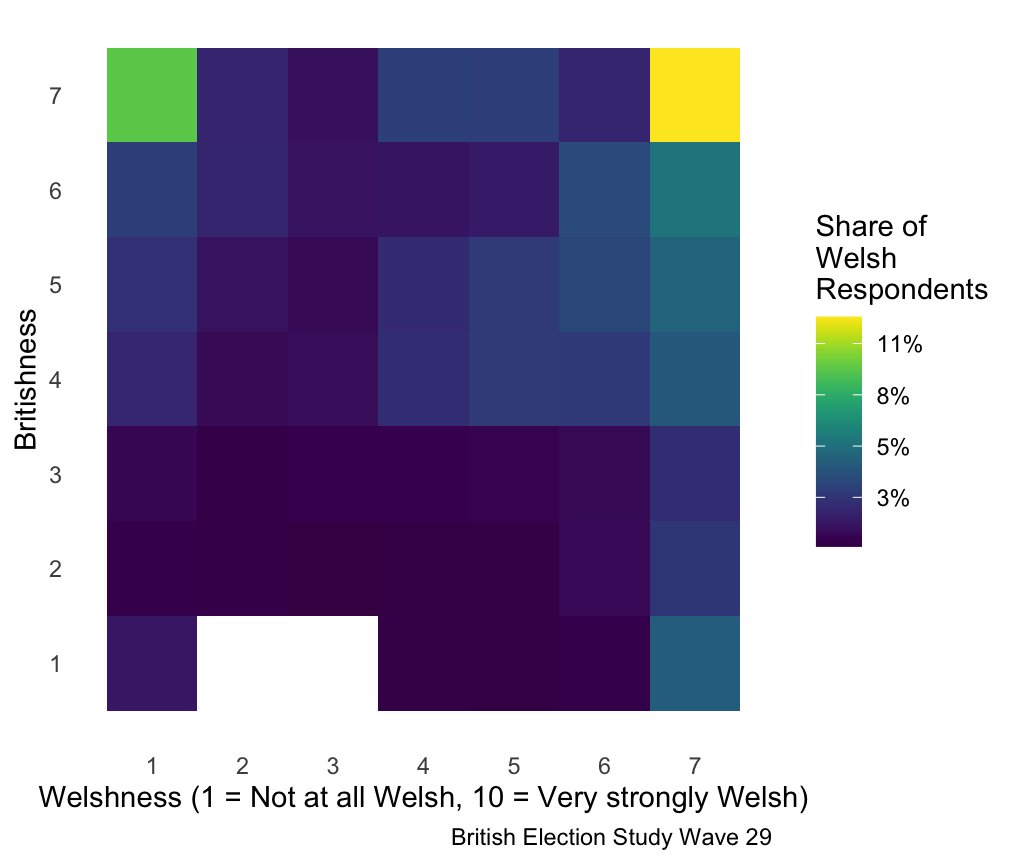
@tscottphillips Yep, small sample size but there are plenty of Welsh/Scottish not British respondents
Owen Winter tweet mediaOwen Winter tweet media
English
1
0
1
71
Owen Winter
Owen Winter@OwenWntr·
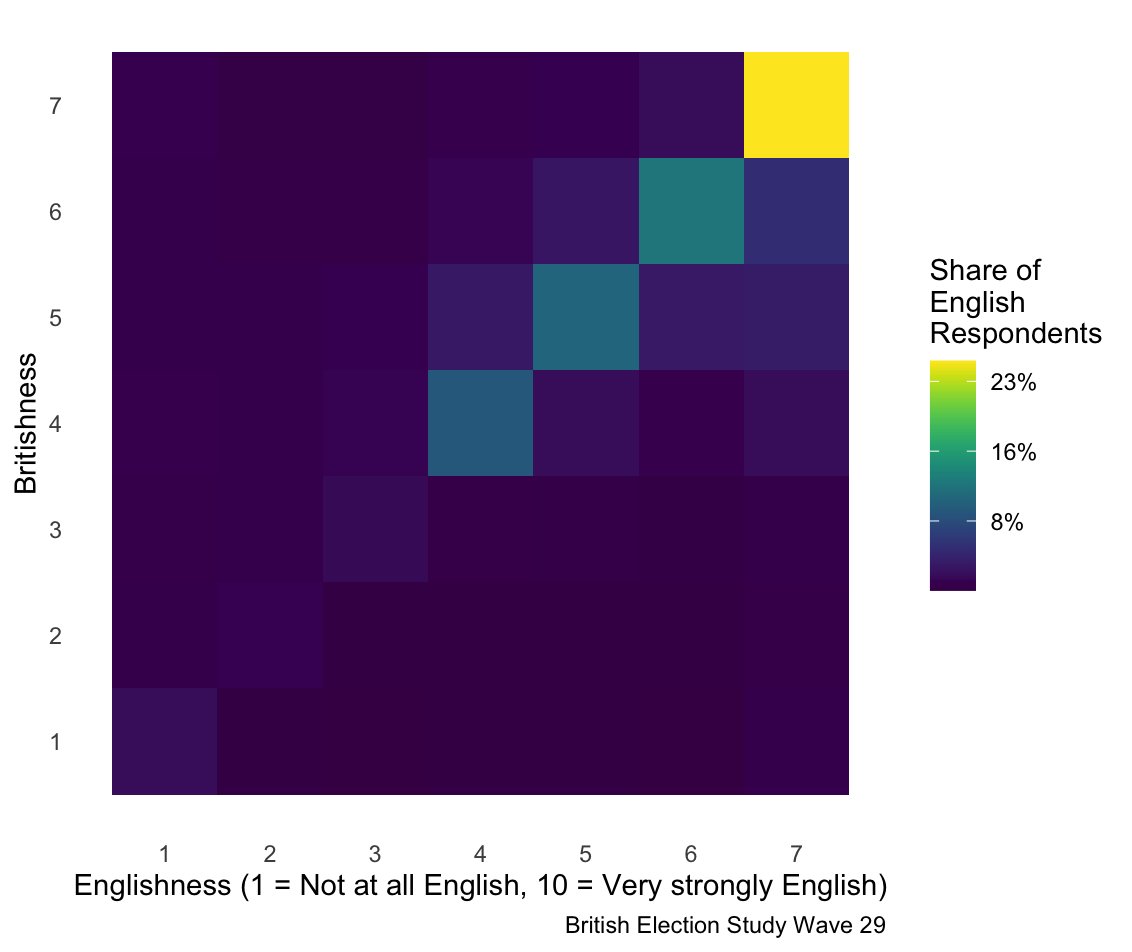
Yes, which is why it was a strange 2010s turn to treat them as antagonistic. In BES data, over 60% of English people say they are equally English and British on a 7 point scale. Very few say they are strongly one and not the other
Owen Winter tweet media
Stephen Bush@stephenkb

It's quite hard for '84 per cent of the population' to be "the remainder". One reason why there is no distinct English/British identity, and why Jenrick could not answer, is the average British person is...English, that's just maths.


English
4
8
29
41.2K
Thom Scott-Phillips retweetledi
dan sperber @dansperber.bsky.social
The archives of the International Cognition and Culture Institute (active 2008-2021) are now freely online with past blogs, webinars, and discussions from anthropologists, biologists, cognitive scientists, historians, linguists, and philosophers. cognitionandculture.net/index.html
English
1
46
94
10.6K
Thom Scott-Phillips retweetledi
Thom Scott-Phillips
Thom Scott-Phillips@tscottphillips·
"Many approaches to language, especially but not only those in the generative tradition, have long sought a minimal set of general principles that underpin linguistic intuitions." What are the best overt statements to this effect?
English
4
3
6
1.2K
Thom Scott-Phillips
Thom Scott-Phillips@tscottphillips·
@DStibbardHawkes @robsica While the question behind these is the same/similar, these phrasings are microassertions and micro-recreations of quite different assumptions (about power, agency, etc). These assumptions can have pernicious effects at the level of society
English
1
0
1
74
Thom Scott-Phillips
Thom Scott-Phillips@tscottphillips·
@DStibbardHawkes @robsica As for microaggressions, whatever term we use, I don't think the empirical phenomena even need be aggressive Compare e.g. "Why haven't you just [do X]?" "I'm guessing there's a reason why you haven't [done X]?"
English
1
0
2
56
Rob Sica
Rob Sica@robsica·
"a concept [microaggression] that cannot be objectively verified by outside observers is a poor candidate for scientific scrutiny... evidence doesn't even come close to proving that most of us walk around w/ unacknowledged & unconscious biases in our heads"direct.mit.edu/books/oa-monog…
English
1
5
24
1.8K
Duncan Stibbard Hawkes
Duncan Stibbard Hawkes@DStibbardHawkes·
@robsica @tscottphillips Simply think dyad-level explanations for normally dyad level behaviours are more powerful. This is true of status and hierarchy-related interactions broadly.
English
1
0
2
98
Thom Scott-Phillips
Thom Scott-Phillips@tscottphillips·
@garicgymro Oh yes, they totally hold up. Replaying them today makes complete sense. But remaking is a different game altogether
English
0
0
1
16
Gareth Roberts
Gareth Roberts@garicgymro·
@tscottphillips I will also say that, while I don't disagree about TTOI advancing the genre, I've been rewatching the original Yes Minister and Yes Prime Minister recently, and it really still holds up.
English
1
0
0
25
Gareth Roberts
Gareth Roberts@garicgymro·
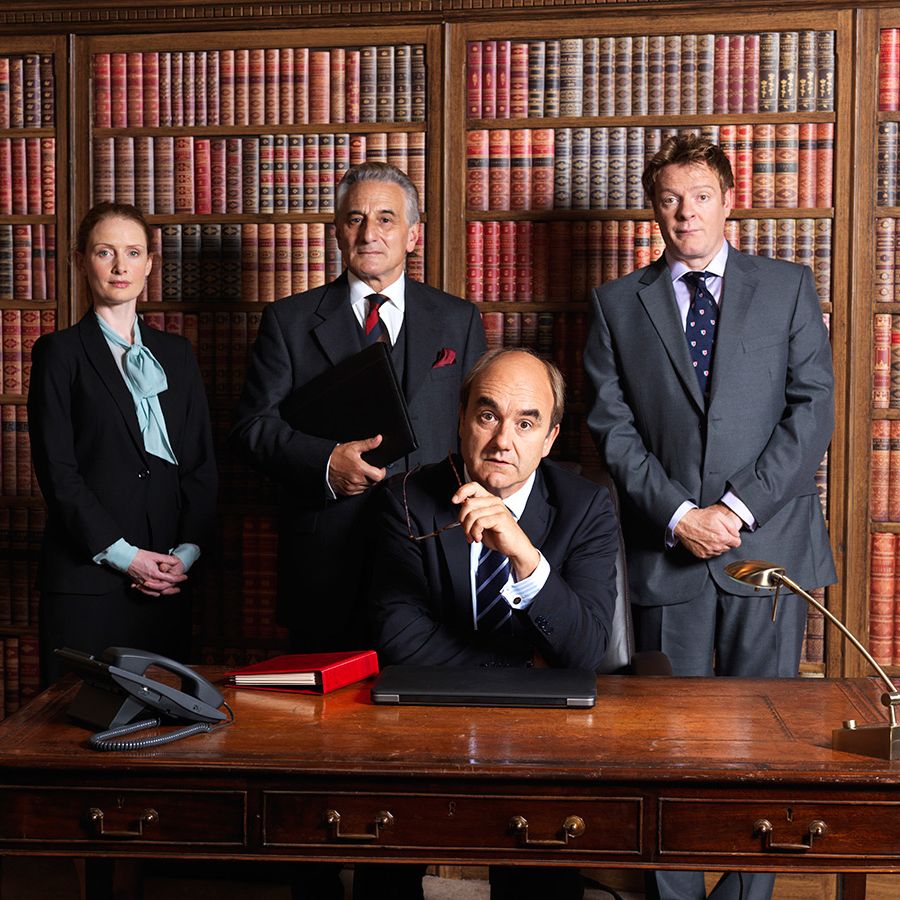
Whenever I see clips of the Yes Prime Minister remake I'm ever more convinced that they perfectly hit that sweet spot of being different enough from the original to be grating but not so different as to be interesting
Gareth Roberts tweet media
English
2
0
3
484