fred thomas

2.2K posts

fred thomas banner
fred thomas

fred thomas

@turtlespeed2020

Student of life! Learning never ends! No post or RT is an investment recommendation. Do your own research.

Katılım Kasım 2021
231 Takip Edilen707 Takipçiler
Sabitlenmiş Tweet
fred thomas
fred thomas@turtlespeed2020·
$PCT
fred thomas tweet media
QME
1
0
36
4.3K
fred thomas
fred thomas@turtlespeed2020·
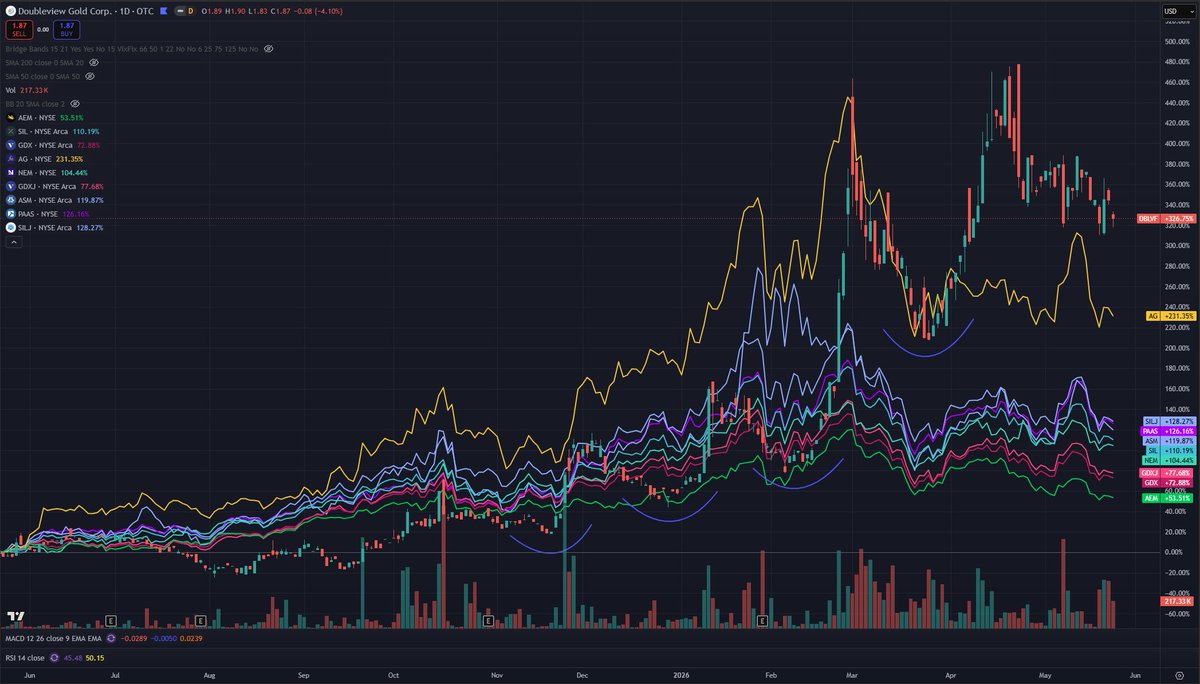
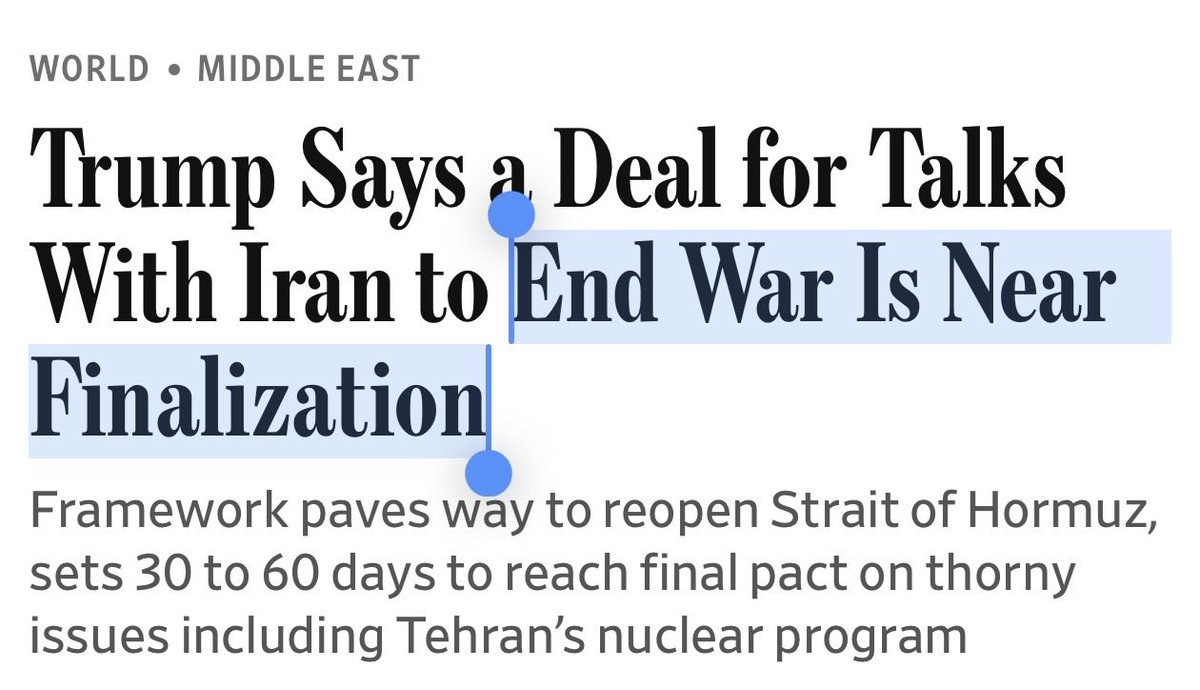
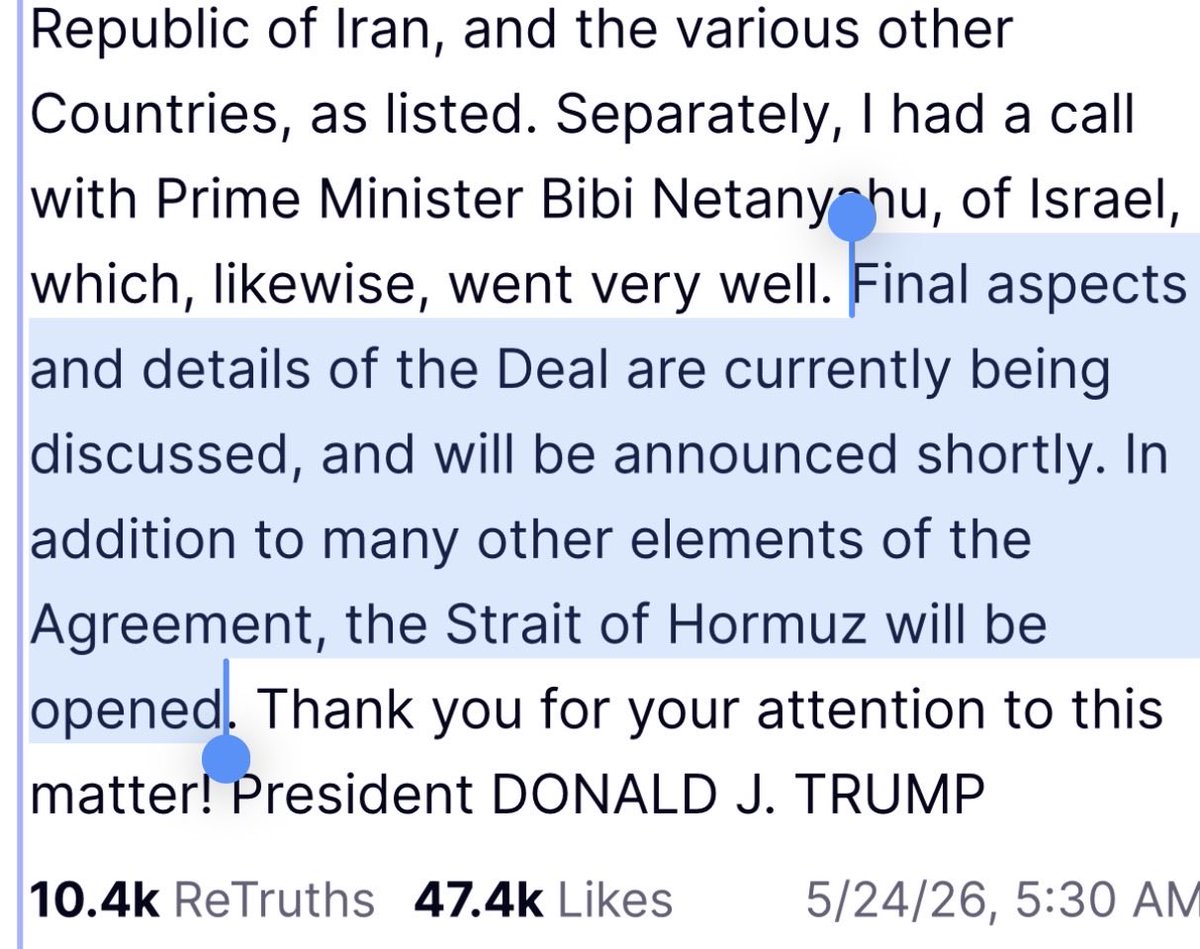
$GLD $AAAU $SLV $PSLV $CPER I have no edge when it comes to miners and metals, or critical mineral/metals. So, here is how I go about finding them and it may be different from how you approach them. I pick the outperformers from a list of names I have collected overtime from gold/silver and from commodity traders. For now, I am tracking and selectively buying one year outperformers and outperformers since March 1, if market conditions are favorable. I don’t need to know the stories, drilling results or the fundamentals. Market eventually prices fundamentals and I follow the price signals. I know there are good fundamental analyst out there, but I just know these on my watchlist at times move up faster than benchmark I have created. I buy and set a tight stop. I trim at tops and buy at lows. For most people ETFs may be a better choice or the royalty names serve the purpose. But individual names could provide tremendous alpha. The end of Gulf war may significantly impact the list but I may not change or visit the list often. Do your own due diligence. I try to avoid microcaps. I have position in graphene, uranium and rear earth stocks but not listed here. My bench mark is made up of ETFs and leading names in gold and silver. Bench Mark = $GDX $GDXJ $NEM $AEM $ASM $SIL $SILJ $AG $PAAS Why these names are in my benchmark because I look at these names often. I did not include royalty names. + sign signifies outperformance since start of war, March 1 ✔️ signifies current holding, but that could change any minute Outperform over 1 year $AGXPF, $ANPMF, $AUGO, $AUMBF, $GSVRF, $HGLD, $NRRSF, $NTCPF, $SCZM, $THM, $TUNGF, $UUUU Outperform since March 1 $AFMJF(tin), $ARREF, $ASCUF, $BYAGF, $DBLVF, $GMTLF, $GRLVF, $GSHRF, $OMGGF, $PMCOF HONARABLE MENTION $ASCUF, $PMCOF, $AUMBF, $GRSLF(microcap), $FDMIF, $RLMLF(microcap) Featured: $GRSLF $DBLVF $GMTLF (Tungsten)
fred thomas tweet mediafred thomas tweet mediafred thomas tweet mediafred thomas tweet media
English
1
0
7
630
fred thomas
fred thomas@turtlespeed2020·
@aleabitoreddit If he is in WH, then, why is Truth Social message dated tomorrow morning.
English
8
0
4
5.6K
Serenity
Serenity@aleabitoreddit·
Well, looks like Iran War is about to end. Markets/Indexes are probably going like this Monday. Probably even better for Europe/Taiwan/Korean equities that were dragged down more from oil fears. If something goes up during this time… probably goes higher in better macro.
Serenity tweet mediaSerenity tweet mediaSerenity tweet media
English
98
67
1.5K
253.8K
fred thomas
fred thomas@turtlespeed2020·
Jeff Currie explains why AI will not scale like software. Best explanation for the cost model. "Big Tech grew up in bits — search, social, e-commerce, office software: asset-light, infinitely scalable, natural monopolies. Build once, serve billions, watch costs fall every year. So they assume AI is the same game and will spend whatever it takes to own the market. But inference is also atoms, i.e. land, critical minerals and electrons, which are mostly molecules. In the commodity world, competition drives price to marginal cost: P = MC, which is upward sloping as volume rises. The better the models get, the faster they compete their own margins down to the physical floor which rises with volume."
Jeffrey Currie 🆔++@CommodMkt

This @HedgieMarkets post illustrates where the infinity scalable asset-light technology model meets the physical realities of an asset-heavy business that faces an upward sloping supply curve. We have long argued that AI compute is just another bit-atom commodity (like crypto) that uses a lot natural resources to create a valuable (unlike crypto) virtual asset. On the bit side, Big Tech is a price-maker with fat margins. On the atom side, a price-taker. Big Tech grew up in bits — search, social, e-commerce, office software: asset-light, infinitely scalable, natural monopolies. Build once, serve billions, watch costs fall every year. So they assume AI is the same game and will spend whatever it takes to own the market. But inference is also atoms, i.e. land, critical minerals and electrons, which are mostly molecules. In the commodity world, competition drives price to marginal cost: P = MC, which is upward sloping as volume rises. The better the models get, the faster they compete their own margins down to the physical floor which rises with volume. You can already see it. Microsoft just cancelled Claude Code because the cost to run it exceeded the value it returned — demand retreating the moment price met real cost. The irony: the customer pulling back was itself a hyperscaler. In April, Uber confirmed once again that AI compute demand is price elastic. Bottom line: they assumed AI costs would keep falling like they always did on the bit side; however, on the atom side, there is a hard floor that likely rises in the short run. I am not denying that the margins are still fat. But it’s not the same model. These guys are running towards obsolescing their own pricing power. Why did Rockefeller stop at the gas station and not vertically integrate into cars?

English
0
1
1
662
fred thomas
fred thomas@turtlespeed2020·
Sign of excess. And Serenity account reaching 300k+ followers being another sign. The European/SK/Taiwanese/Japanese photonics/memory/AI supply chain names are crowded for now. Play them carefully with options where available and not commit to common. $AXTI $POET $LITE $EWY $VIAV $TSEM $COHR $ALMU $SANM $AEHR $3163 $3363 $6451 $5801 $4977
Jukan@jukan05

Just in: Employees at high-end and supercar dealerships in Korea say their showrooms are packed with Samsung and SK hynix employees.

English
0
0
7
2K
fred thomas retweetledi
Jeffrey Currie 🆔++
Jeffrey Currie 🆔++@CommodMkt·
This @HedgieMarkets post illustrates where the infinity scalable asset-light technology model meets the physical realities of an asset-heavy business that faces an upward sloping supply curve. We have long argued that AI compute is just another bit-atom commodity (like crypto) that uses a lot natural resources to create a valuable (unlike crypto) virtual asset. On the bit side, Big Tech is a price-maker with fat margins. On the atom side, a price-taker. Big Tech grew up in bits — search, social, e-commerce, office software: asset-light, infinitely scalable, natural monopolies. Build once, serve billions, watch costs fall every year. So they assume AI is the same game and will spend whatever it takes to own the market. But inference is also atoms, i.e. land, critical minerals and electrons, which are mostly molecules. In the commodity world, competition drives price to marginal cost: P = MC, which is upward sloping as volume rises. The better the models get, the faster they compete their own margins down to the physical floor which rises with volume. You can already see it. Microsoft just cancelled Claude Code because the cost to run it exceeded the value it returned — demand retreating the moment price met real cost. The irony: the customer pulling back was itself a hyperscaler. In April, Uber confirmed once again that AI compute demand is price elastic. Bottom line: they assumed AI costs would keep falling like they always did on the bit side; however, on the atom side, there is a hard floor that likely rises in the short run. I am not denying that the margins are still fat. But it’s not the same model. These guys are running towards obsolescing their own pricing power. Why did Rockefeller stop at the gas station and not vertically integrate into cars?
Hedgie@HedgieMarkets

🦔Microsoft canceled its internal Claude Code licenses this week after token-based billing made the cost untenable, even for a company with effectively infinite cloud resources. Uber's CTO sent an internal memo warning the company burned through its entire 2026 AI budget in just four months. American AI software prices have jumped 20% to 37%, and GitHub (owned by Microsoft) is dropping flat-rate plans for usage-based billing across its products. My Take The AI subsidy era is ending in real time. The same company that put $13 billion into OpenAI and built the Azure infrastructure powering most of Anthropic's compute just looked at the bill from a competitor's coding tool and decided it was not worth paying. That is not a productivity failure on Anthropic's end. Token-based pricing is forcing every enterprise customer to confront the actual cost of running these models at scale, and the number turns out to be far higher than the flat-rate experiments suggested. This ties directly to my Gemini Flash post yesterday. Anthropic, OpenAI, and Google all raised effective prices in the last six months. Enterprises that built workflows assuming AI costs would keep falling are now watching annual budgets evaporate in months. Two outcomes look likely from here. Either enterprises scale back AI usage to fit budgets, which slows the revenue ramp the labs need to justify their valuations ahead of IPOs, or the labs cut prices and absorb the losses, which makes the unit economics worse at exactly the wrong moment. Both paths land in the same place, the numbers stop working, and somebody has to take the writedown. Hedgie🤗

English
40
183
900
233.8K
fred thomas
fred thomas@turtlespeed2020·
$PCT Purecycle signed many contracts in the past for delivery or preferential treatment in receiving recycled resins. Some may have expired. They had one contract with Berry that merged with Amcor in 2025. That contract should be still valid and they may be delivering to them as we speak. packagingsolutions.amcor.com/en/news/articl…
English
0
0
14
773
fred thomas
fred thomas@turtlespeed2020·
PureFive® + PP Revolution™ = winning "PP Revolution™ a new portfolio of polypropylene (PP) recycle ready dip cup arrays and lidding solutions for condiments, dressings and sauces for foodservice. Amcor’s PP Revolution™ platform is designed to help brands transition from traditional polystyrene while maintaining performance, efficiency and consumer appeal." amcor.com/media/news/amc…
English
2
0
18
675
fred thomas
fred thomas@turtlespeed2020·
$AMCR $PCT Amcor will be a good partner now and in the future for Purecycle. It is the biggest plastic converter and has the expertise to get new customer ideas shelf ready in a short order. With a global footprint, they have the reach and the expertise to help customers navigate regulatory requirements.
fred thomas tweet media
English
2
3
40
2.6K
fred thomas
fred thomas@turtlespeed2020·
@campbe14425505 Announcement is not about Purecycle. But $PCT management has dropped hints to indicate Amcor is or will be a partner.
English
0
0
7
617
Hemingway (Geopolitical Risk Discount)
@turtlespeed2020 We should see more of these types of announcements as the projected startup for Antwerp comes closer. The writing is on the wall for circularity requirements. $PCT is at the forefront
English
3
0
1
606
fred thomas
fred thomas@turtlespeed2020·
$HGRAF $HG Moon is home to the largest depository of Helium-3 closest to the earth. Space transportation containers will be build that are lighter and stronger to haul He-3 to earth. Graphene will be an enabler for that to happen.
ian@Archie_155

Bookmark this post and practically all of @ArneriDesign’s posts as the time will likely soon come when the stock starts to really move and you will need to estimate just how big the TAM is for $hgraf’s unique graphene - and let’s just say it’s REALLY big. DYODD

English
1
0
13
2K
fred thomas
fred thomas@turtlespeed2020·
@FordWealth PR is not about recycled plastic. They designed packages to replace polystyrene that are easily recyclable. But they have a vast portfolio of packaging products and will prove to be the premier converter for Purecycle.
English
0
0
1
94
fred thomas retweetledi
Plastics World
Plastics World@PlasticsWorld·
A new report from the Progressive Policy Institute (PPI) finds that expanding advanced recycling at existing oil refineries and new standalone facilities nationwide can more than double the U.S. plastic recycling rate from 9% to 19-23%. prnewswire.com/news-releases/…
English
1
1
6
423
fred thomas
fred thomas@turtlespeed2020·
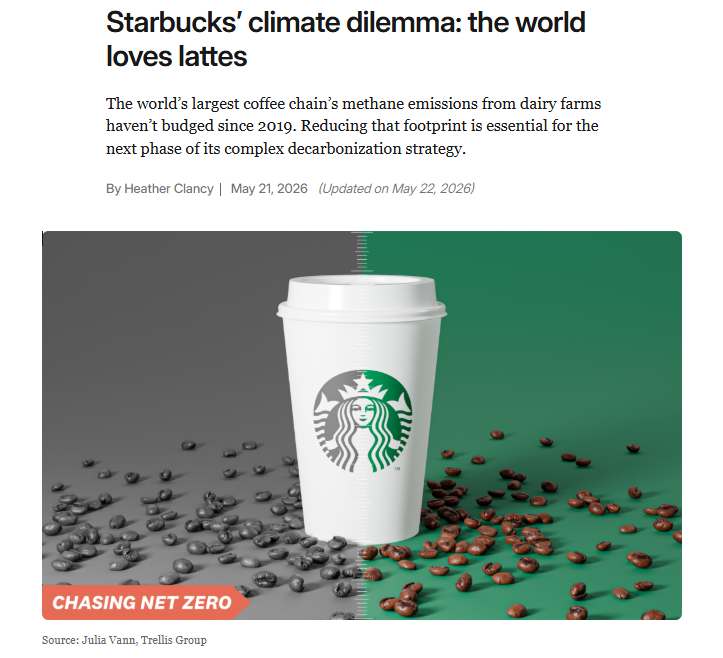
$SBUX Loonies on attack again. Beyond Plastics claims Starbucks is cheating on store PP recycling. We wait to hear from Starbucks about that. Their claims about Purecycle is false. Greenpeace, Beyond Plastics and such groups are a mob that are not looking for solutions. They are looking to attack businesses for self-serving reasons. @PureCycleTech beyondplastics.org/publications/s…
English
4
2
28
2.9K
fred thomas
fred thomas@turtlespeed2020·
*Total 279m shares
English
0
0
0
200
fred thomas
fred thomas@turtlespeed2020·
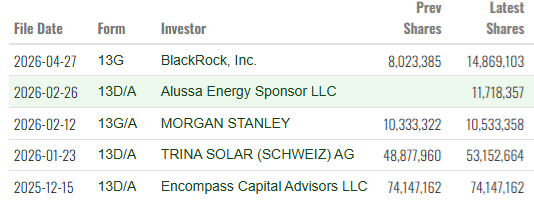
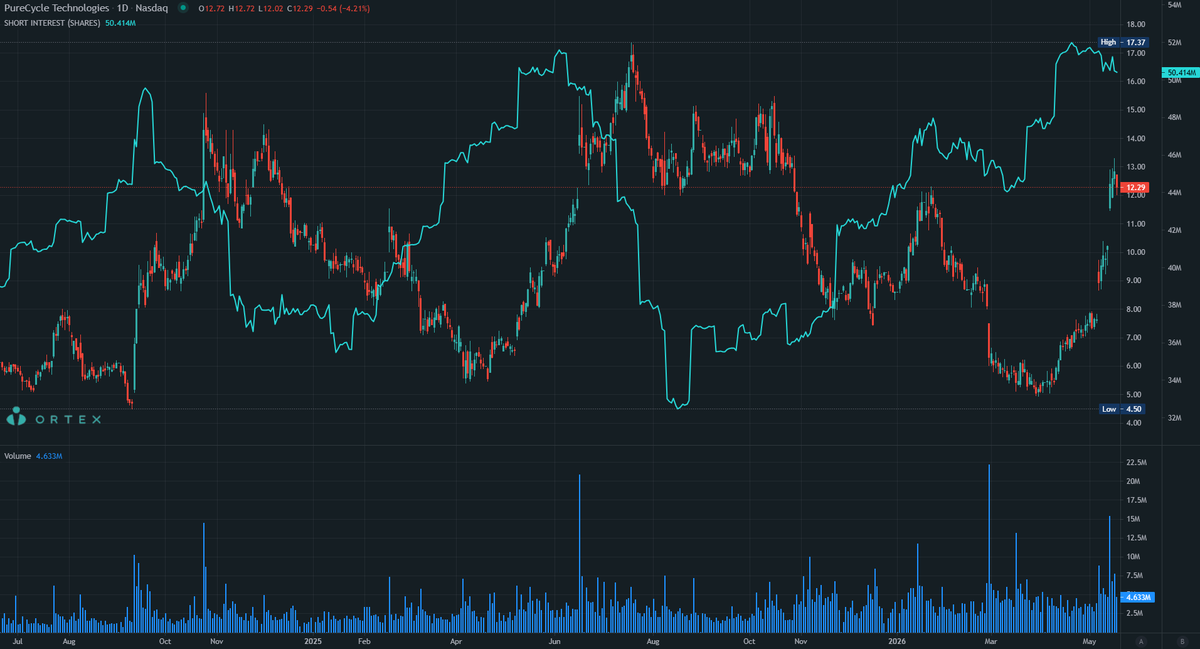
$TE Picked up by AI fund manager, Leopold Aschenbrenner, in Q1. It says 27% of float short (47m shares). But total shares outstanding are 270m. A back of envelope sum of these two lists below says literally most of that 270m shares are in a few hands.
fred thomas tweet mediafred thomas tweet media
Serenity@aleabitoreddit

Yeah I'm not sure all the shorts on $TE is a good idea... When the OpenAI runway model likely has enough to buy the entire company. That being said: Anyone remember I predicted Faker to win worlds, and they actually did?
English
3
1
16
3.3K
fred thomas
fred thomas@turtlespeed2020·
@campbe14425505 They can trade 100 times a second. With much less shares they can generate a big volume and make money if they can attract enough suckers to the casino.
English
1
0
3
87
fred thomas
fred thomas@turtlespeed2020·
$PCT The daily game. They covered some on this dip.
fred thomas tweet mediafred thomas tweet media
English
4
0
24
2.5K