
Sabitlenmiş Tweet
tygozan🔞
9.7K posts


tygozan🔞
@tygozan
🔞 NSFW artist | Sexy illustrations & WIPs 🍑🥵 | Burnt toast vibes 😈🍞 | Commissions open DMs
Katılım Şubat 2025
2.1K Takip Edilen116 Takipçiler

tygozan🔞 retweetledi

tygozan🔞 retweetledi


tygozan🔞 retweetledi

tygozan🔞 retweetledi

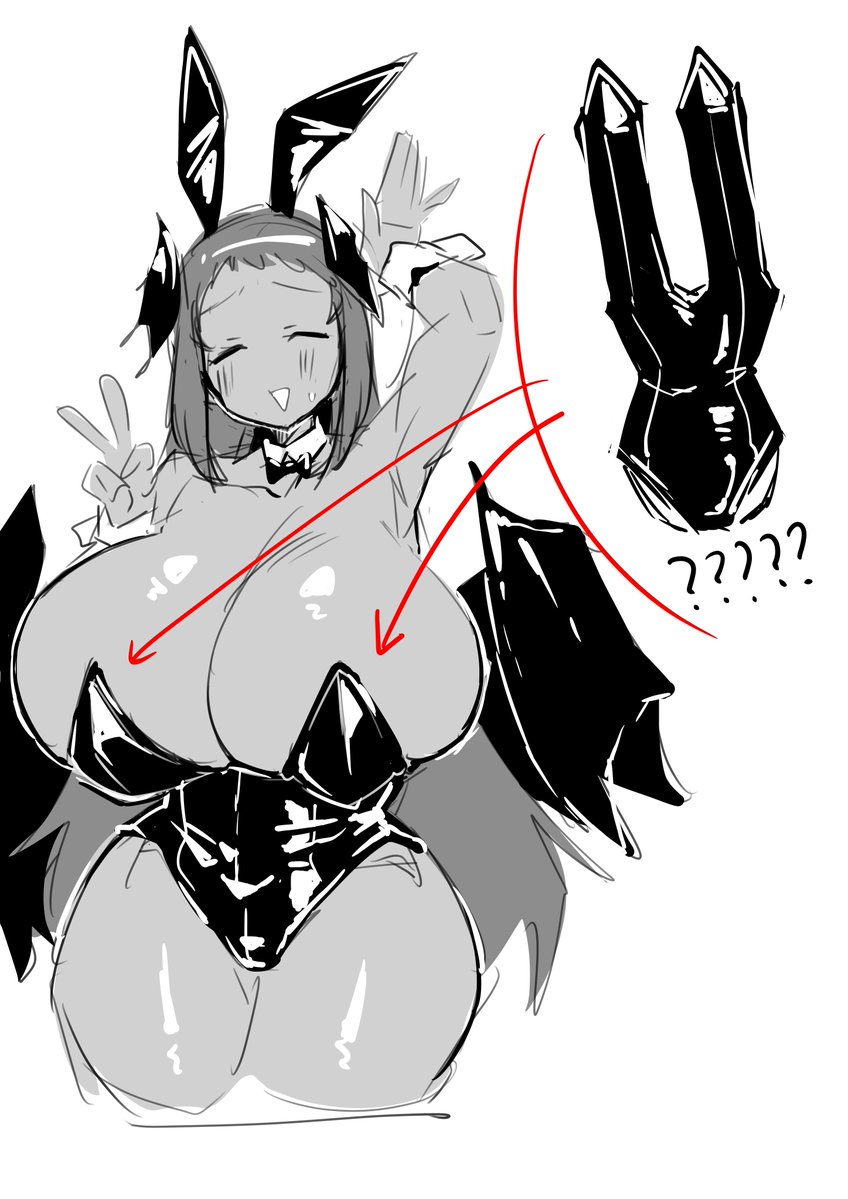
ステレオアメリカ人を描く作家さんが本当に少ないから良さを広めていきたい😊
Character dialogue
「Wow! I looove this so much! Japanese boys are sooo cool! If I’m gonna get close with a Japanese guy, it’s gotta be with a paizuri!
I just discovered Japanese manga! Starting tonight, I’m gonna give you a paizuri every single night, so you better be ready, okay? ♥」
I absolutely love bright, sexy, stereotypical American girls. They’re actually what got me started drawing in the first place.
It all began when I saw the character Jody from KochiKame(Kochira Katsushika-ku Kameari Kōen-mae Hashutsujo). That’s when I fell in love with stereotypical American characters in manga.
But there are very few Japanese creators who draw them. Especially 10–20 years ago, the slim and slender body type was the big trend. So there were almost no characters that matched what I was really looking for.
I love American girls with extremely voluptuous, exaggerated figures — huge breasts and a massive ass. That’s my favorite kind of character.
Since I couldn’t find what I wanted, I decided, “I’ll just have to draw them myself.” And that’s how I became a manga artist.
Now, I want to spread the appeal of my ideal stereotypical American girl — the super curvy, big-boobed, big-butted kind — to as many people as possible.

日本語
tygozan🔞 retweetledi

tygozan🔞 retweetledi


tygozan🔞 retweetledi

tygozan🔞 retweetledi


tygozan🔞 retweetledi


tygozan🔞 retweetledi

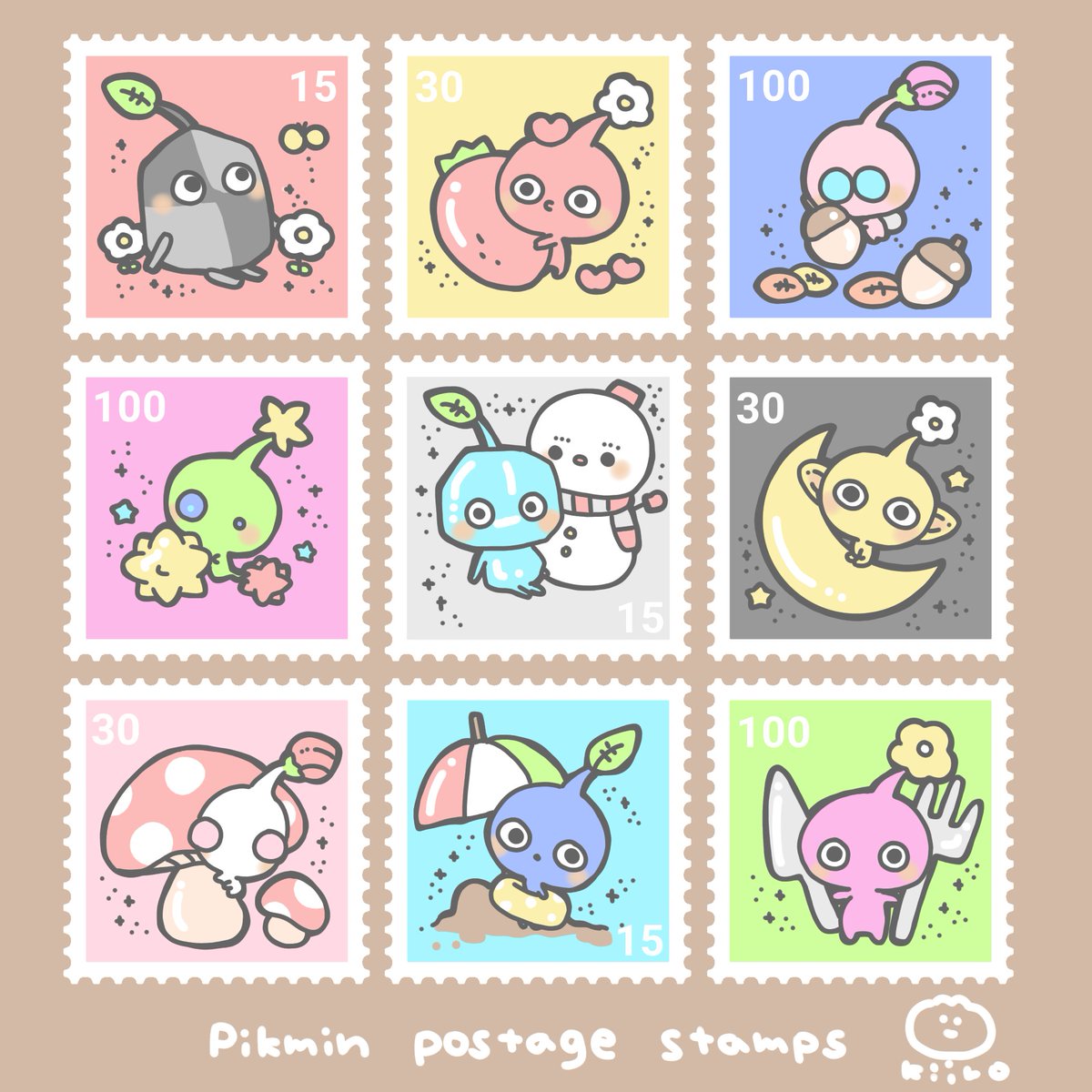


Wow this did numbers! Just finished setting up my games, already so in love with this little beast
Nifast🍀Greentail@NGreentail
Well, question answered!! Ahhh!!!!
English

the whole RAM crisis thing has pushed Laurie to find every single historical way to conserve memory size or bandwith and i am loving every second of this because the stuff she is finding is insane
LaurieWired@lauriewired
In the 90s, Hitachi came up with a bizarre way to conserve memory bandwidth. Their SuperH architecture, intended to compete with ARM, was a 32-bit architecture that used…16 bit instructions. The benefit was really high code density. If you can fit twice as many instructions into every cache line, the CPU pipeline stalls way, way less. This was *really* important for embedded devices, which were often extremely bandwidth constrained in the era. Sega famously used the processors for the Dreamcast, and ARM actually ended up licensing their patents for Thumb mode! I think perhaps the weirdest thing about SuperH was its concept of “upwards compatibility”. The ISA itself is a microcode-less design, all future instructions were trapped and emulated by older chipsets. It’d be slow…but you could run future code on very old chips! Very neat design, a massive success through the 90s and 2000s, that slowly faded.
English
tygozan🔞 retweetledi


It needs to be studied why young men are leaving the workforce and college in droves. I don't think the culture is going to like the answer.
Fox & Friends First@FoxFriendsFirst
STAY-AT-HOME BOYFRIENDS: As Of Early 2026 Women Hold More Payroll Jobs Than Men In The U.S. Turning The Stay-At-Home Boyfriend Into An Economic Trend. Gen Z Influencer Maggie Anders Joined F&F First This Morning To React!
English
tygozan🔞 retweetledi



tygozan🔞 retweetledi

Evolution heading in the right direction. 📈

Hassaan@MjhyWamitHoRahi
Women are getting too tall in this generation
English