
🐎.
69 posts
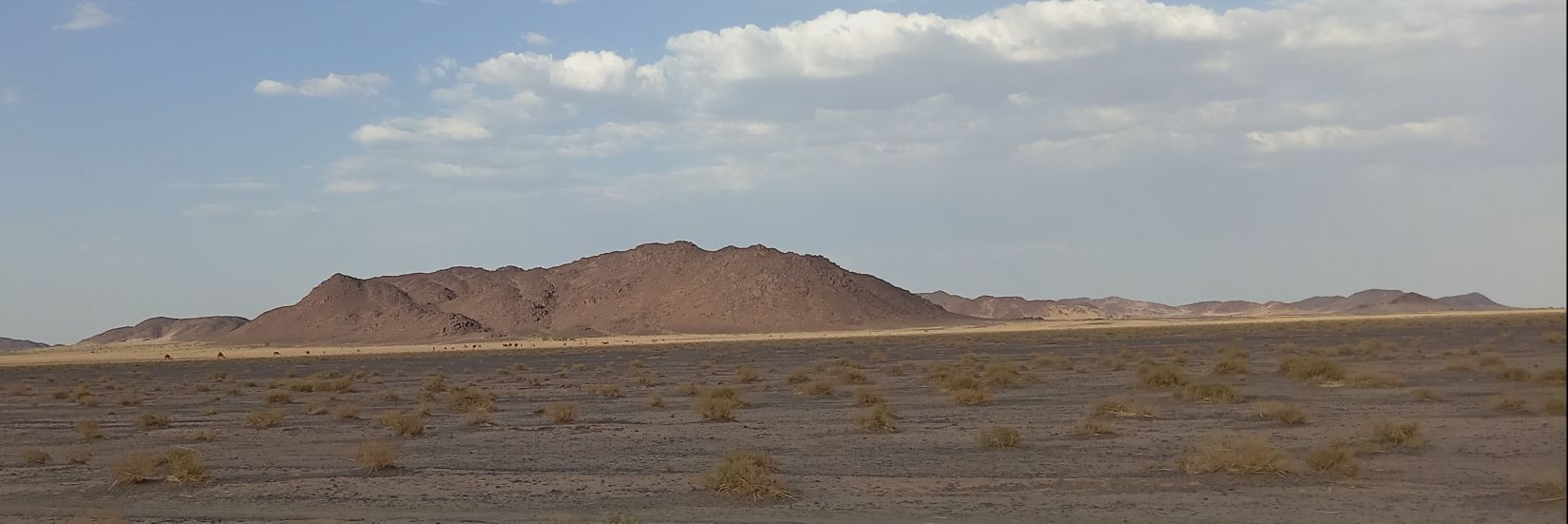


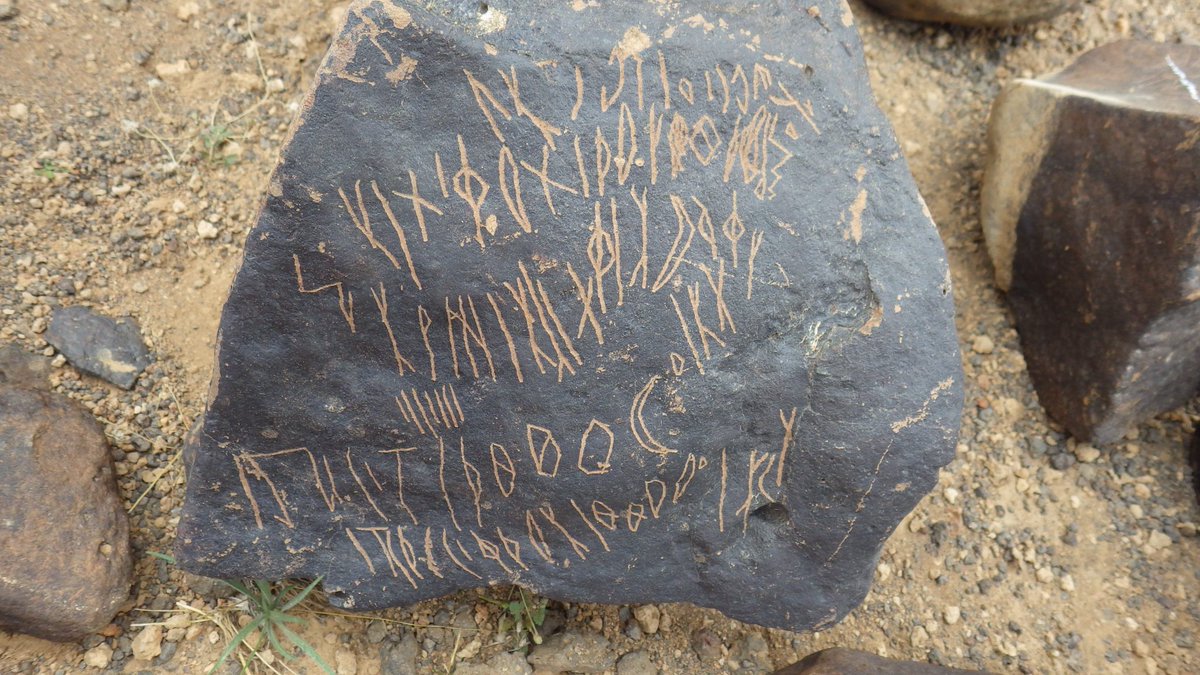
ذكر قبيلة طيء قبل 2000 عام 🇸🇦 نقش BES17 1334 في الأردن 🇯🇴 يوثق صراعًا مع قبيلة طيء وأنتصار طيء ويدعي الله الانتقام من قبيلة طيء ليس مرورًا عابر … بل نفوذٌ يمتدّ من نجد إلى الشمال.


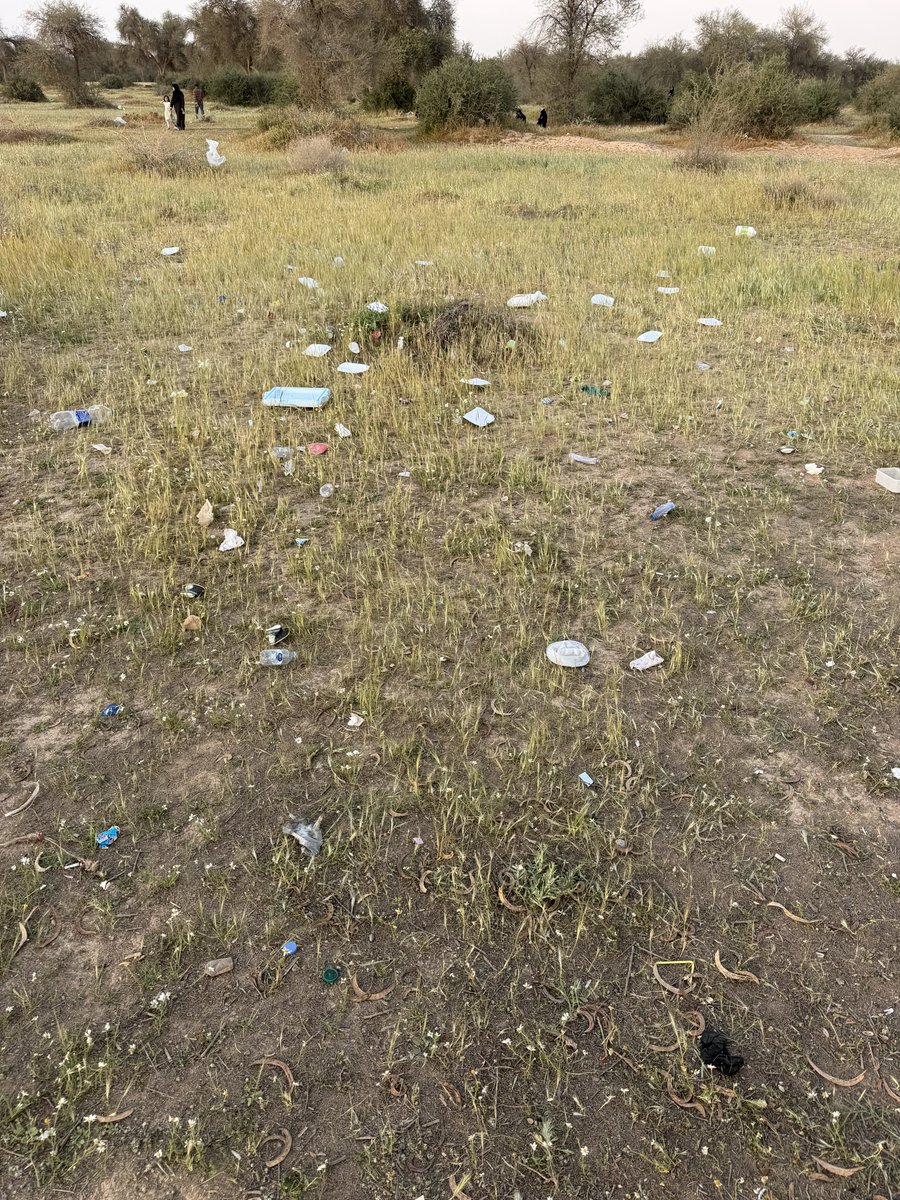


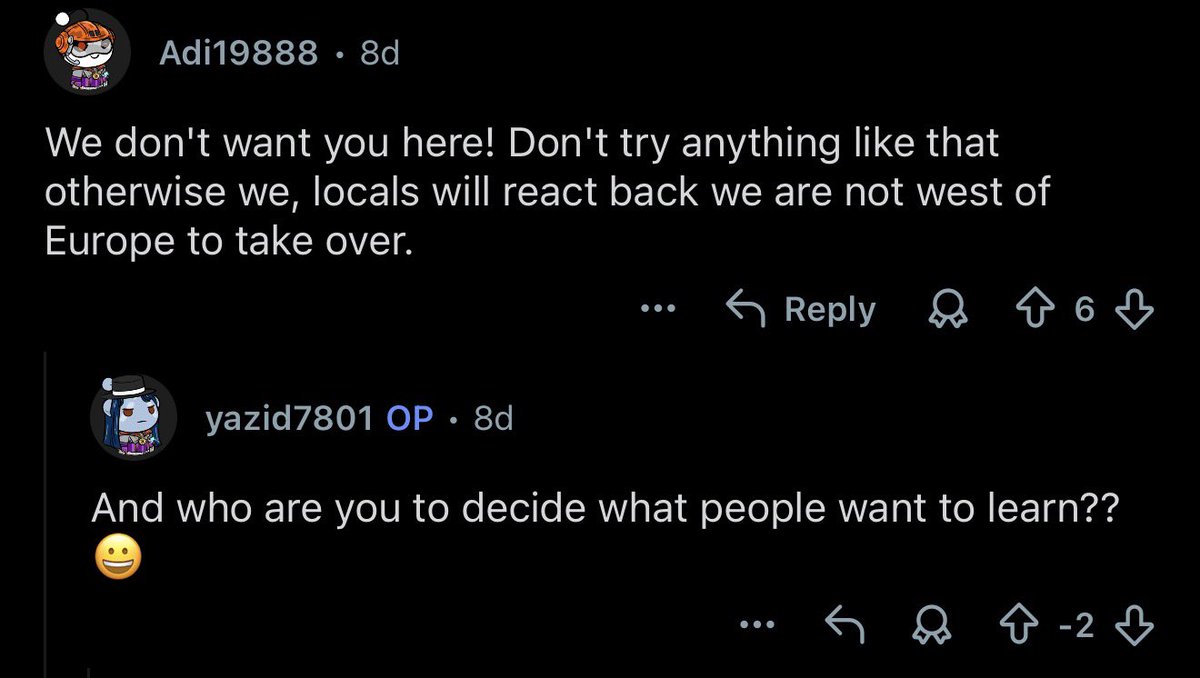

Safe to say Arabs don’t seem to have a good reputation amongst Albanian hotel owners, kek



This is probably the most important article of the month: an op-ed by Oman's Foreign Minister, who mediated the talks between the U.S. and Iran, in which he writes that the U.S. "has lost control of its foreign policy" to Israel. He repeats that a deal was possible as an outcome of the talks (something confirmed by the UK's National Security Advisor, who also attended: x.com/i/status/20341…) and that the military strike by the U.S. and Israel was "a shock." Interestingly, given he is one of Iran's neighbors and given that Oman has been struck multiple times by Iran since the war began (en.wikipedia.org/wiki/2026_Iran…), he writes that "Iran’s retaliation against what it claims are American targets on the territory of its neighbours was an inevitable result" of the U.S.-Israeli attack. He describes it as "probably the only rational option available to the Iranian leadership." He says the war "endangers" the region's entire "economic model in which global sport, tourism, aviation and technology were to play an important role." He adds that "if this had not been anticipated by the architects of this war, that was surely a grave miscalculation." But, he adds, the "greatest miscalculation" of all for the U.S. "was allowing itself to be drawn into this war in the first place." In his view this was the doing of "Israel’s leadership" who "persuaded America that Iran had been so weakened by sanctions, internal divisions and the American-Israeli bombings of its nuclear sites last June, that an unconditional surrender would swiftly follow the initial assault and the assassination of the supreme leader." Obviously, this proved completely wrong, and the U.S. is now in a quagmire. He says that, given this, "America’s friends have a responsibility to tell the truth," which is that "there are two parties to this war who have nothing to gain from it," namely "Iran and America." He says that all of the U.S. interests in the region (end to nuclear proliferation, secure energy supply chains, investment opportunities) are "best achieved with Iran at peace." As he writes, "this is an uncomfortable truth to tell, because it involves indicating the extent to which America has lost control of its own foreign policy. But it must be told." He then proposes a couple of paths to get back to the negotiating table, although he recognizes how difficult it would be for Iran "to return to dialogue with an administration that twice switched abruptly from talks to bombing and assassination." That's perhaps the most profound damage Trump did during this entire episode: the complete discrediting of diplomacy. If Iran was taught anything, it is: don't negotiate with the U.S., it's a trap that will literally kill you. The great irony of the man who sold himself as a dealmaker is that he taught the world one thing: don't make deals with my country. Link to the article: economist.com/by-invitation/…


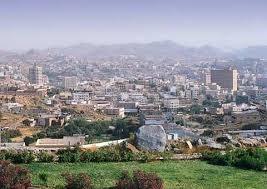

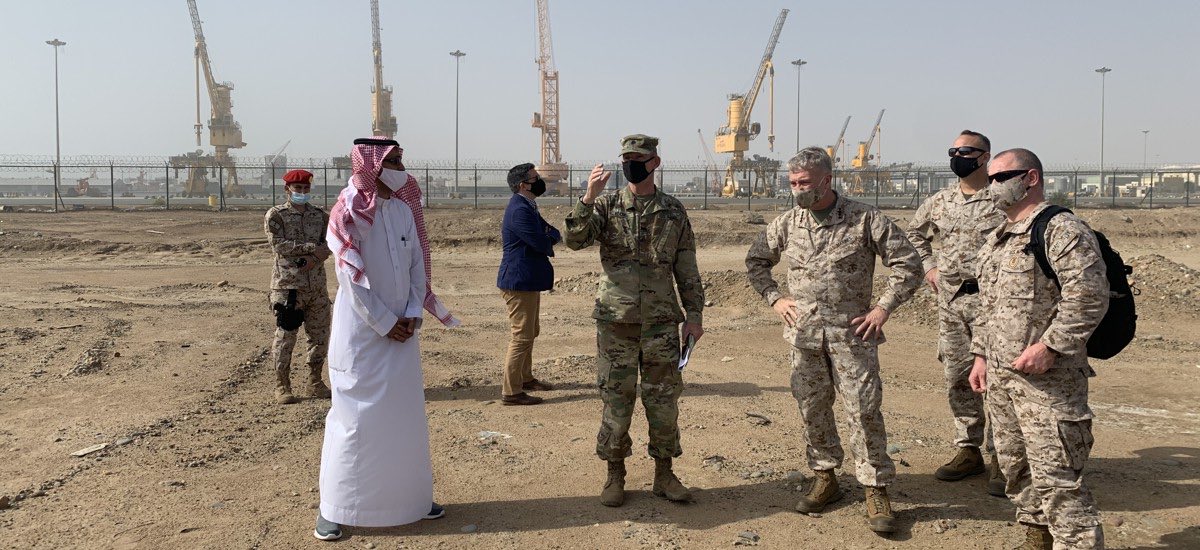

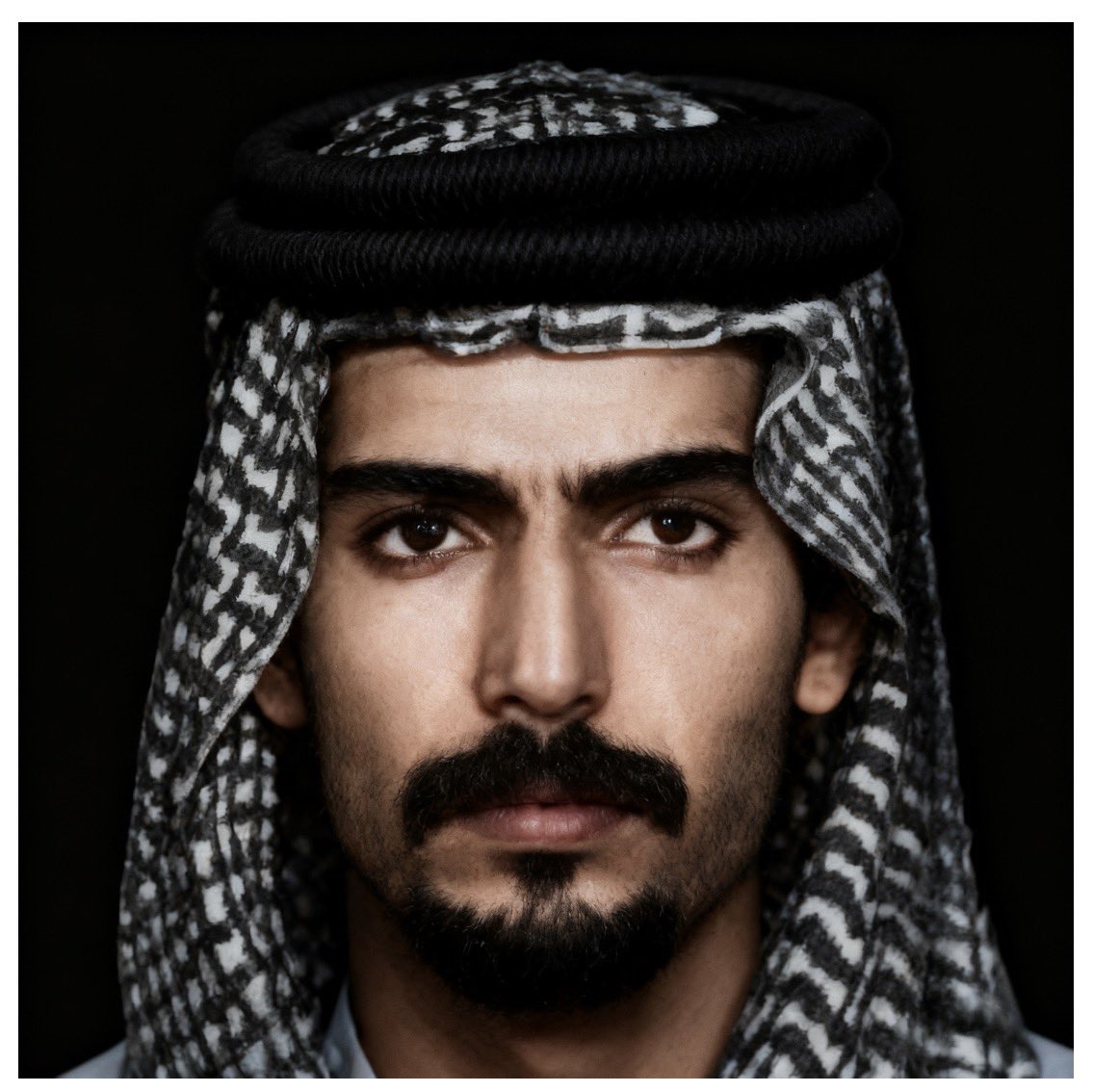





Pretty huge! A sample from the Nabataean period from the site of Qurayyah (Area H) clusters with Southern Levantines, not Arabians This is a K36 sim of the upcoming sample so we'll have to wait for the official results, but I doubt it changes much

تظهر الأميرة مضاوي بنت عبد العزيز في صورة وهي ترتدي البخنق ، وهو غطاء رأس تقليدي ترتديه الفتيات الصغيرات في وسط وشرق الجزيرة العربية. هذا الغطاء المصنوع من الشيفون مطرز بدقة بخيوط ذهبية وفضية، وعادة ما يتم ارتداؤه خلال الاحتفالات الثقافية.