Uganda Climate Smart Agric Transformation Project retweetledi
Uganda Climate Smart Agric Transformation Project
126 posts

Uganda Climate Smart Agric Transformation Project
@UCSATP
Uganda Climate Smart Agricultural Transformation Project. To increase productivity, market access and resilience of select value chains in the project area.
Katılım Kasım 2024
212 Takip Edilen427 Takipçiler
Uganda Climate Smart Agric Transformation Project retweetledi

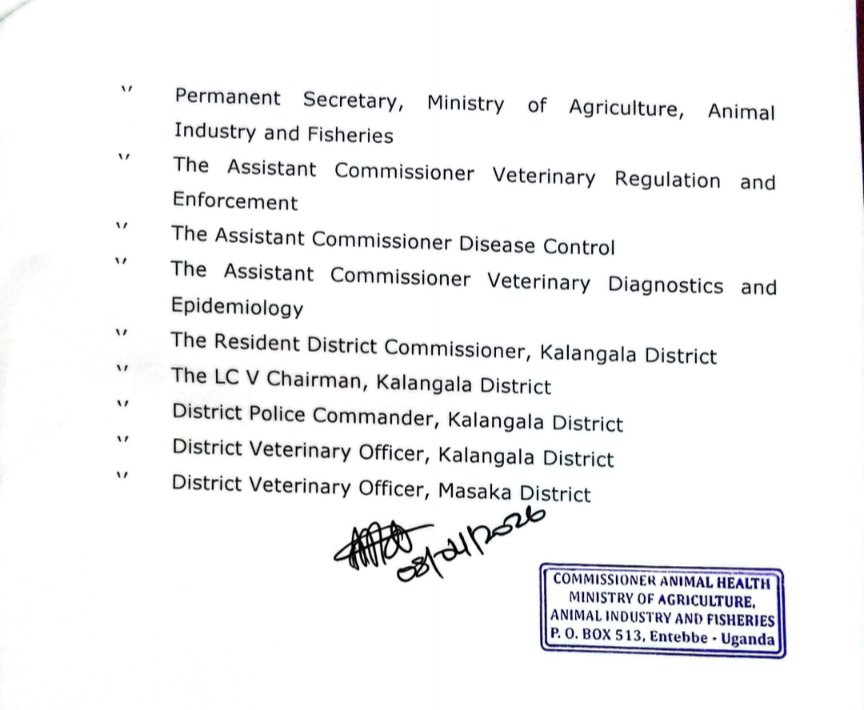
@MAAIF_Uganda has put in place quarantine measures to curb the recent spread of African Swine Fever in Kalangala District.
Read the communication below:


English
Uganda Climate Smart Agric Transformation Project retweetledi

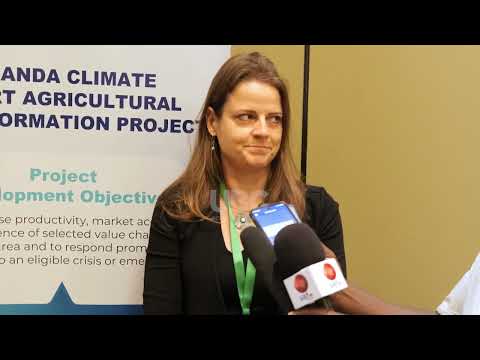
Govt, World Bank partner to assess livestock environmental impact
#UBCNews | youtu.be/-8Sa7Db1NDg

YouTube
English
Uganda Climate Smart Agric Transformation Project retweetledi

DEATH ANNOUNCEMENT
We are deeply saddened by the passing of Dr. Andrew Kiggundu, Principal Research Officer and Anti-tick Vaccine Production Manager at @NaLIRRI
For over 25 years, he served NARO with distinction advancing agricultural biotechnology, biosafety, and research innovation for national development.
His legacy will endure in the science he championed and the lives he impacted.
May his soul rest in eternal peace

English

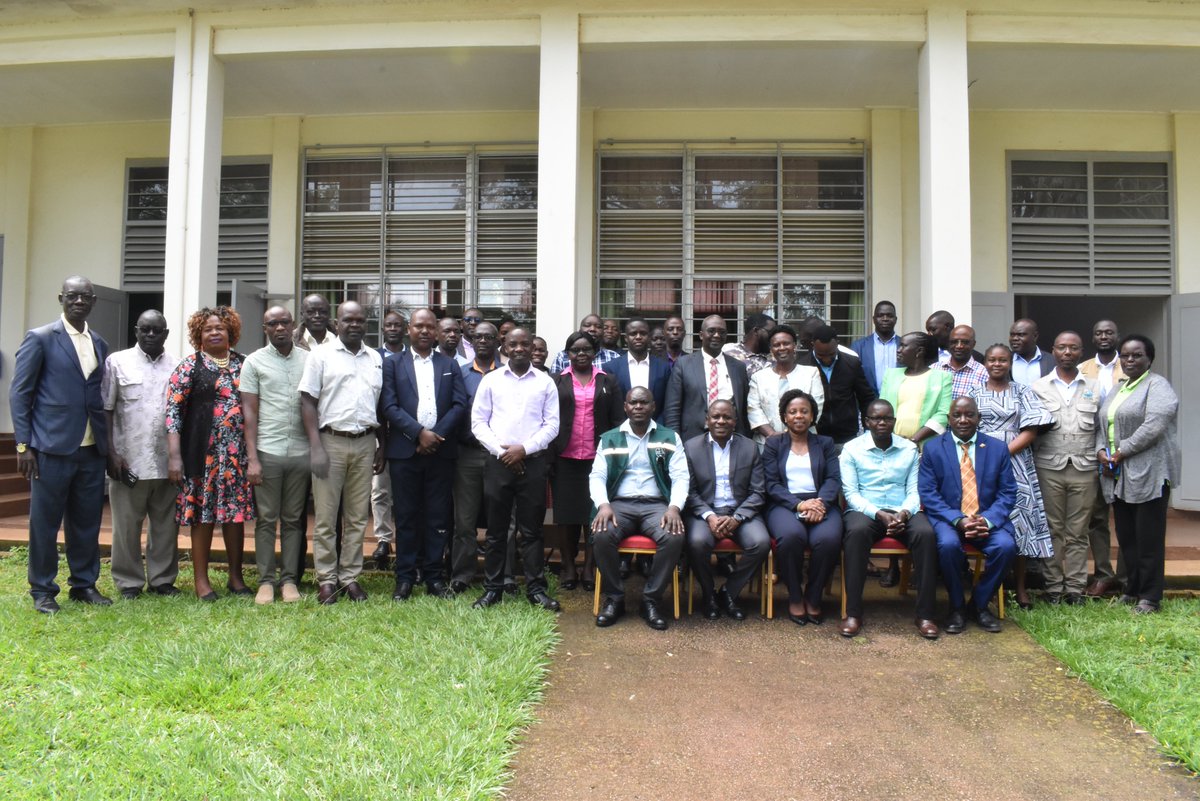
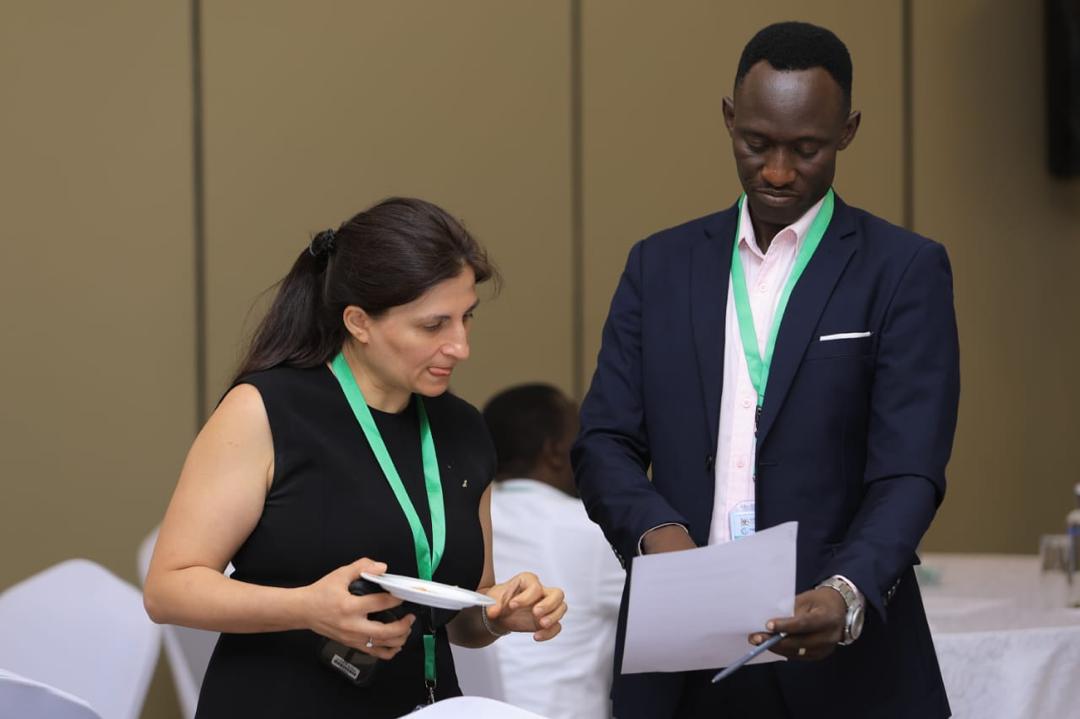
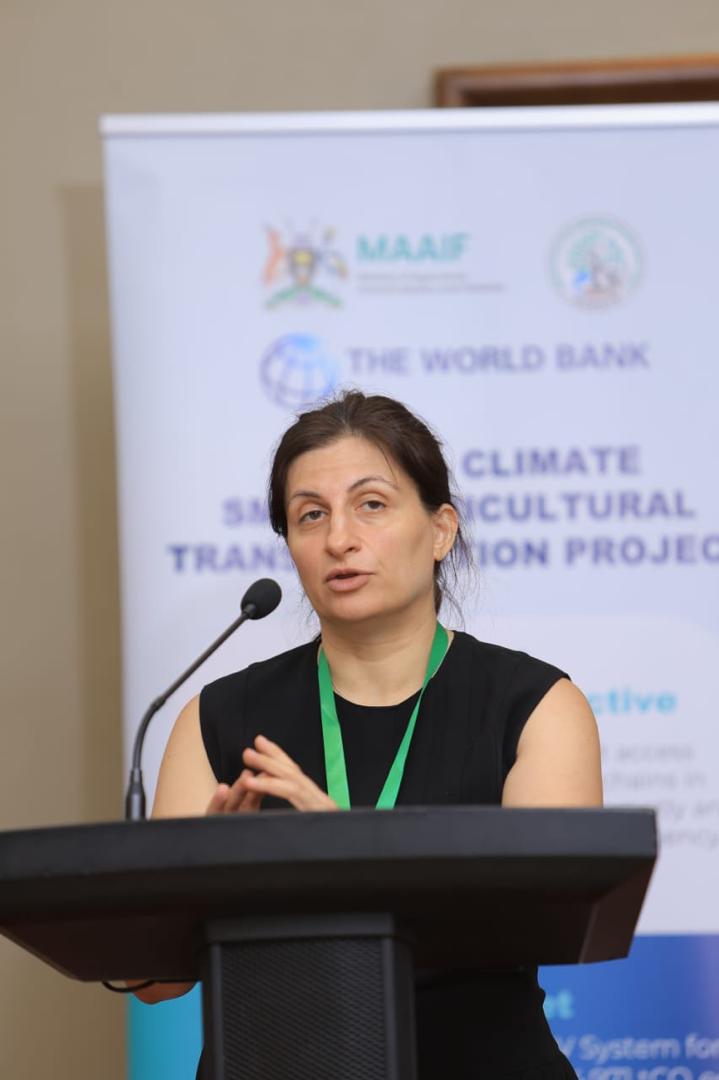
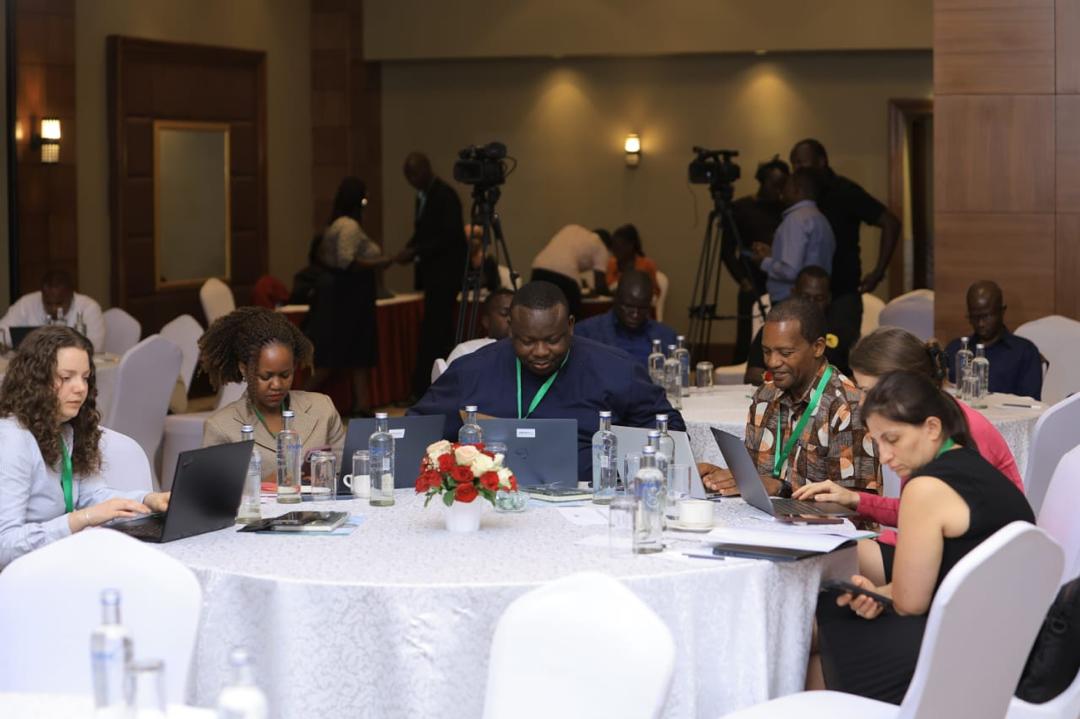
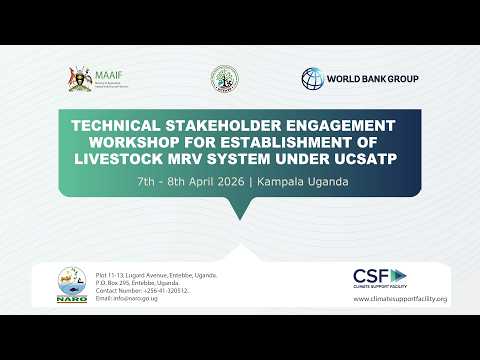
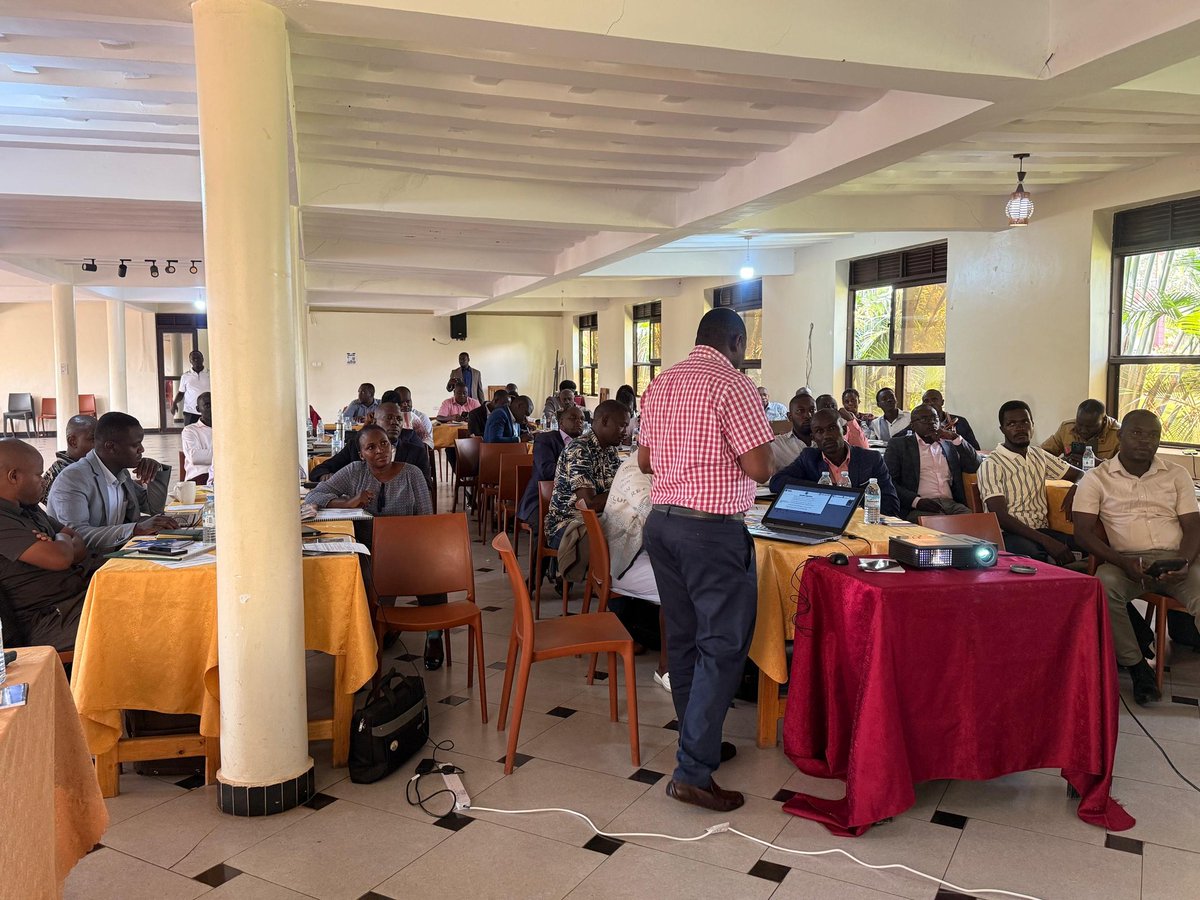
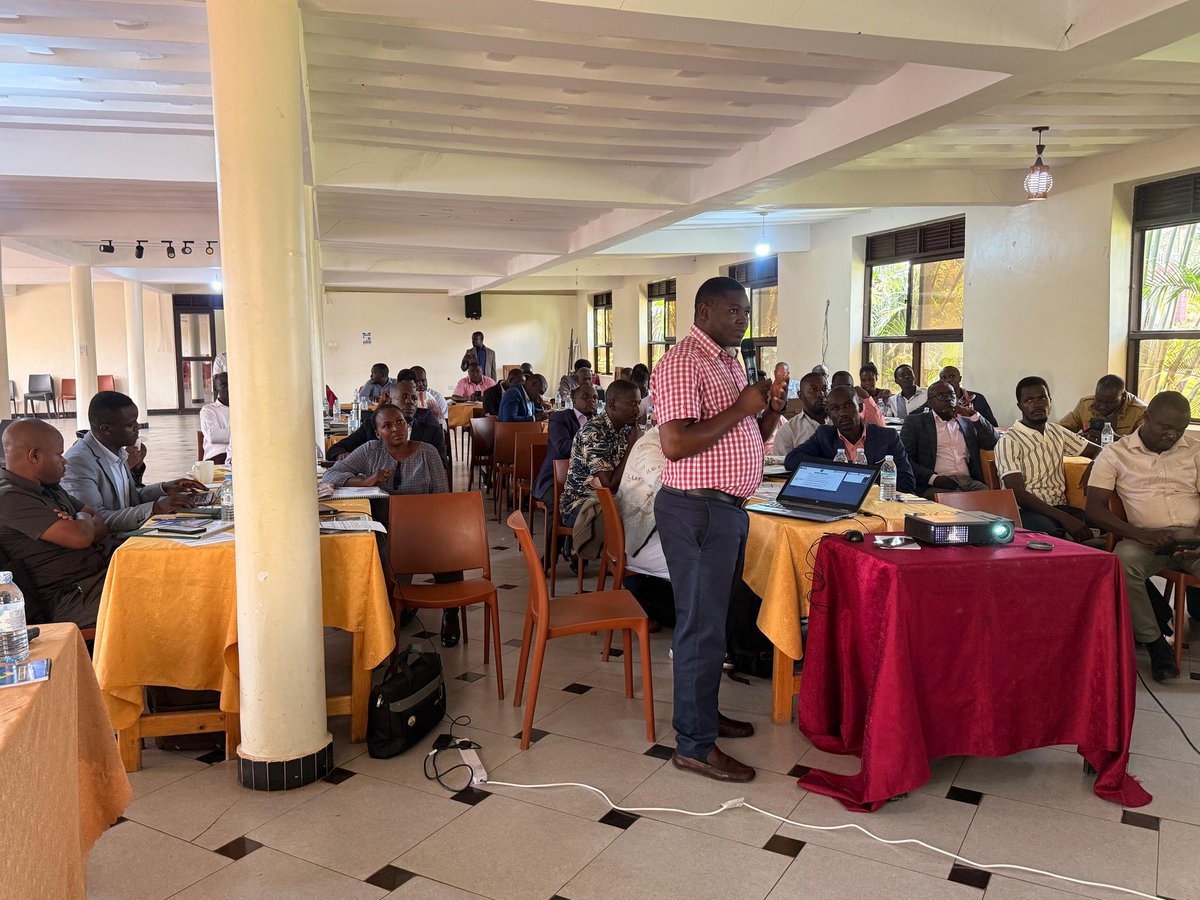
Yesterday, a two day technical stakeholder engagement workshop was officially kicked off in Kampala under the Uganda Climate Smart Agriculture Transformation Project (UCSATP), bringing together key actors in the livestock and climate sectors. The workshop aims to build a shared understanding of livestock greenhouse gas (GHG) emissions and lay the foundation for establishing a functional Livestock Monitoring, Reporting, and Verification (MRV) system in Uganda.
The engagement provides a platform for participants to deepen their knowledge of livestock-related emissions, align on national MRV requirements, and strengthen coordination among institutions. Through technical discussions and knowledge sharing, stakeholders are working towards harmonizing approaches that support accurate measurement and reporting of emissions within the livestock value chain.
Additionally, the workshop seeks to identify critical data and research gaps that must be addressed to operationalize an effective livestock MRV system. Outcomes from this engagement are expected to guide future actions, inform policy, and enhance Uganda’s capacity to track and manage livestock emissions in line with climate-smart agriculture goals.


English
Uganda Climate Smart Agric Transformation Project retweetledi

We are LIVE 🔴🐄🌍
Uganda is taking bold steps toward climate-smart livestock systems!
Join the ongoing stakeholder workshop on the Livestock Monitoring, Reporting & Verification (MRV) system as experts dive into:
📊 Data-driven insights,
🌱 Emissions tracking,
🚀 Pathways to sustainable livestock production
Be part of the conversation shaping the future of Uganda’s livestock sector 👇
youtube.com/live/lwcavTVcD…
#LiveNow #ClimateSmartAgriculture #Uganda #SustainableLivestock
@FAOUganda @Makerere @MAAIF_Uganda @WorldBankAfrica @NaLIRRI

YouTube
English

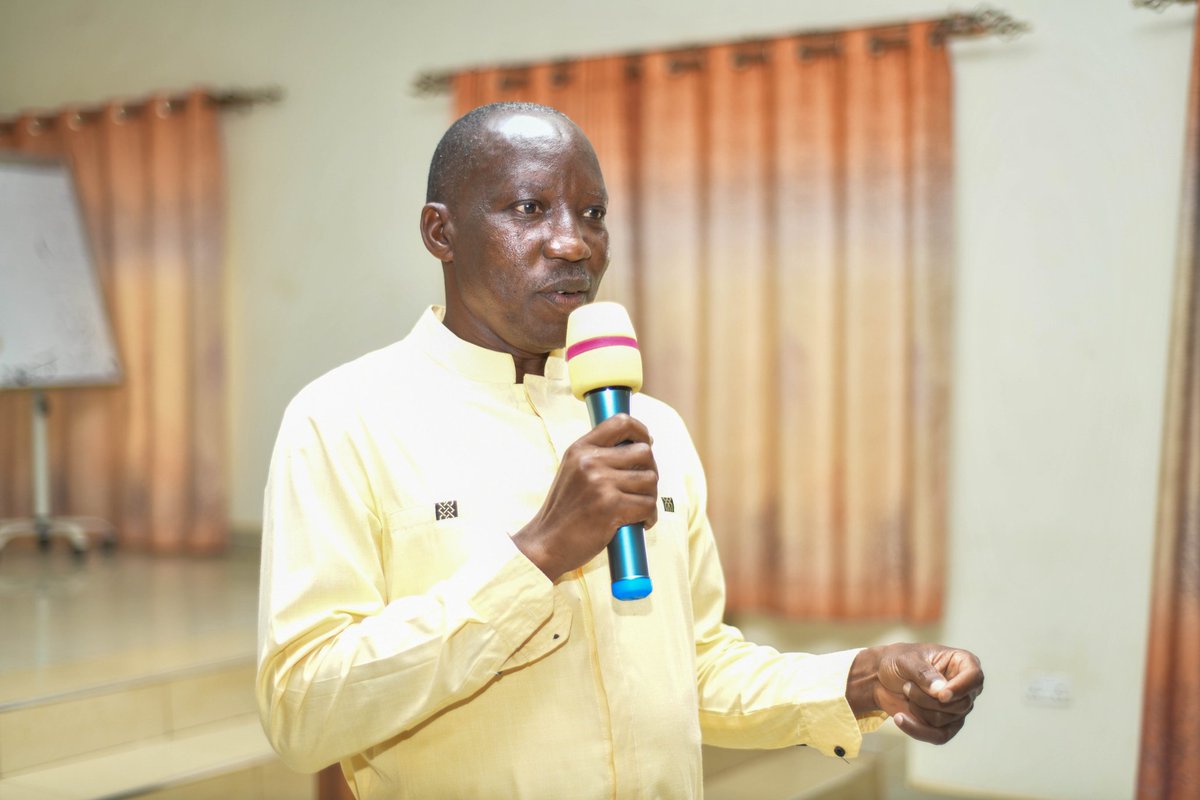
In his remarks, Dr. Higenyi James, the Principal Veterinary Officer, provided a comprehensive overview of the project, highlighting its transition into full-scale implementation across the supported districts, Highlighted the project road map, project development objectives, outcome indicators and the project components. Further emphasised the importance of building strong livestock value chains, improving access to quality inputs and services, and strengthening coordination among stakeholders. He noted that the training is a strategic investment in human capacity to ensure that farmers receive timely, relevant, and market-driven advisory services.


English

Through this engagement, participants are gaining practical knowledge and hands-on skills aimed at enhancing livestock productivity, promoting market-oriented enterprises, and improving the quality of services provided to farmers. The training is a critical step towards building a more resilient and commercially driven livestock sector.


English
A two days Regional Training of Trainers (ToT) workshop on Livestock Business Development Services has officially kicked off today at the National Agricultural Research Laboratories Kawanda. The workshop has brought together key stakeholders and facilitators from Makerere University, SNV Netherlands Development Organisation, and Uganda Meat Producers Cooperative Union UMPCU, all working collaboratively to strengthen the capacity in delivering effective livestock business support services.

English
Uganda Climate Smart Agric Transformation Project retweetledi

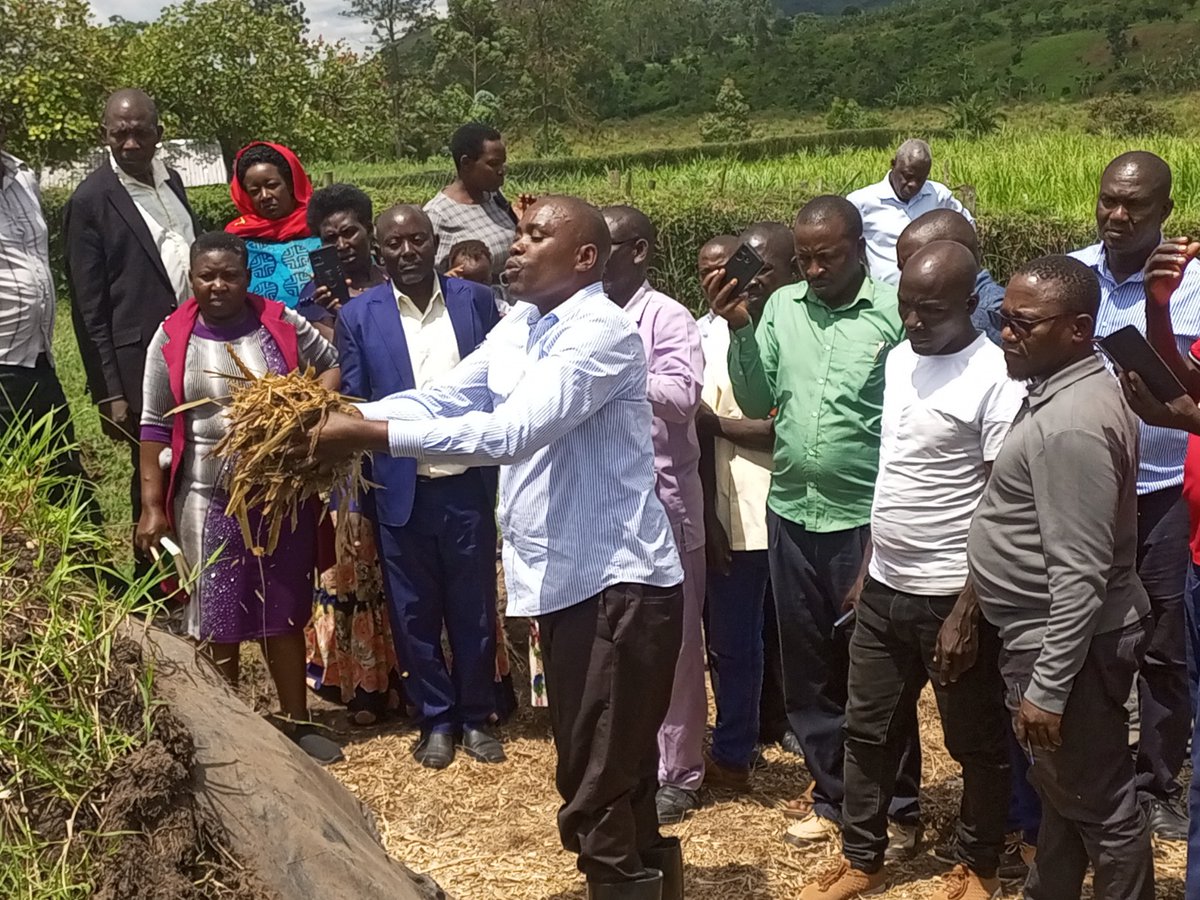
A delegation of leaders, technocrats, and farmers from Kyegegwa District has today conducted a learning and benchmarking visit to Isingiro District to strengthen their capacity in climate-smart agriculture practices.
@UCSATP


English

Alex We truly appreciate your efforts.
The project has now transitioned from the planning phase to full-scale implementation, and the e-voucher system is fully operational as the main channel for input delivery.
The project is supporting Nakasongola, Butambala, Kyankwanzi, Nakaseke, Gomba, Sembabule, and Mubende districts in Buganda sub region.
English
@UCSATP Thanks to the Ministry for the start of the implementation of UCSATP but I would like to know about when the project is expected to be fully operational, the e-voucher input supply system to be ready? And Which districts in central and western Uganda are included in the program.
English

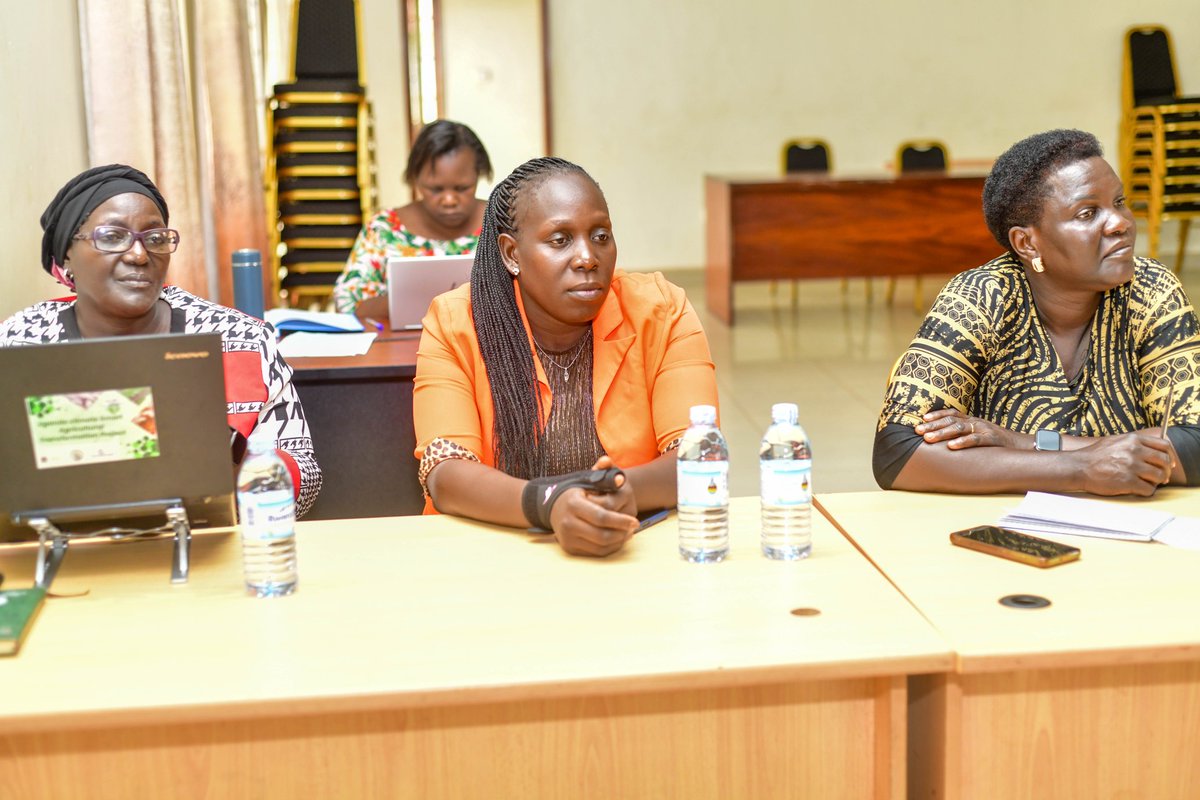
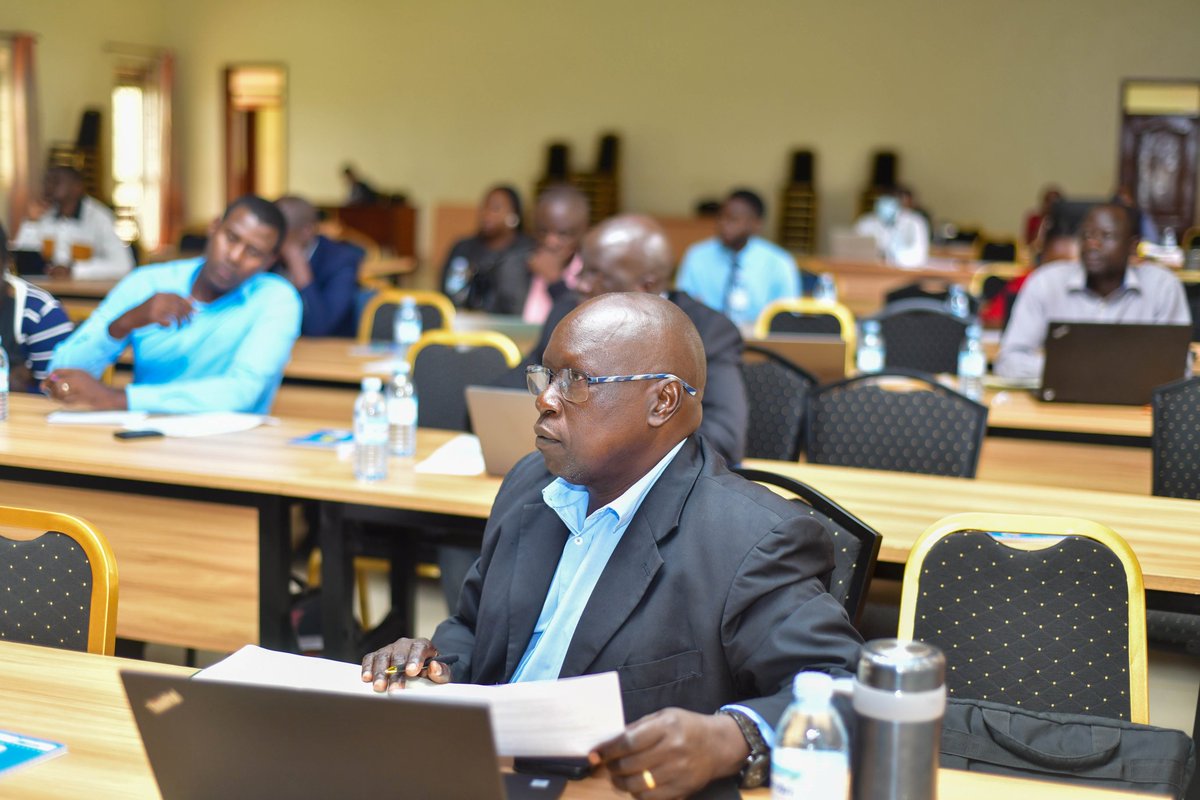
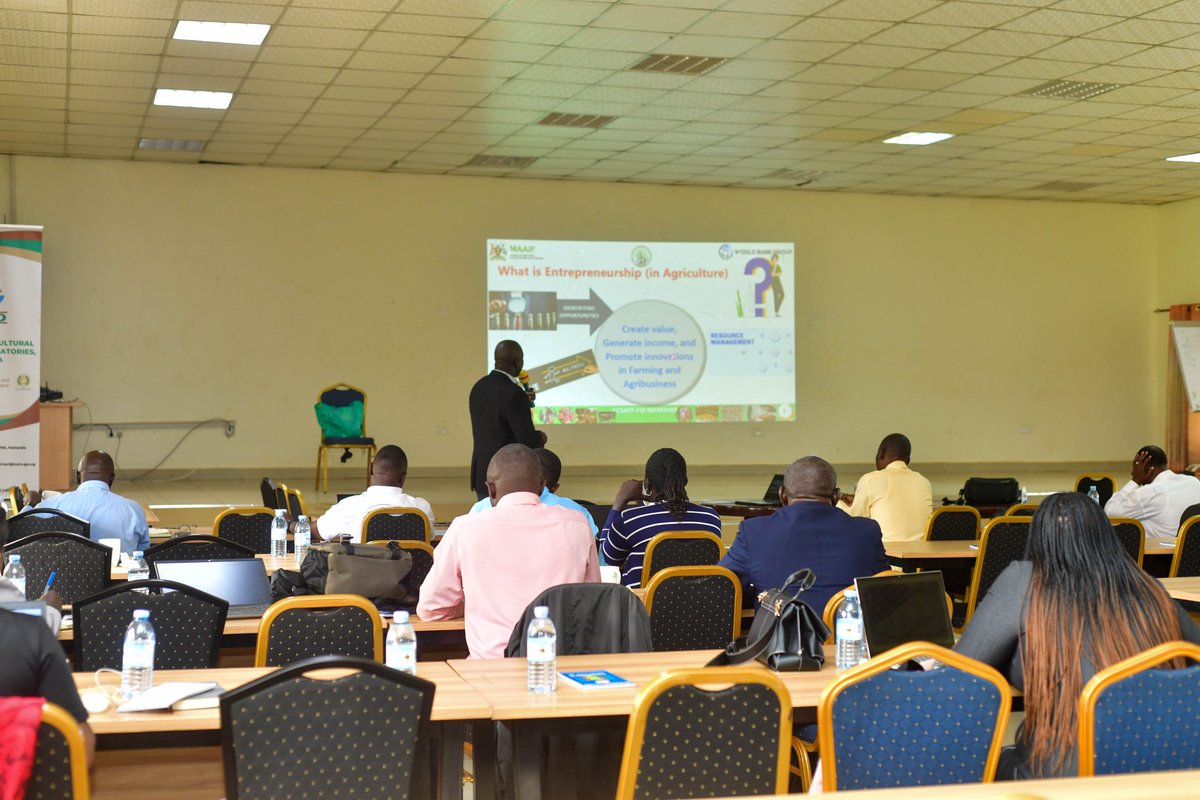
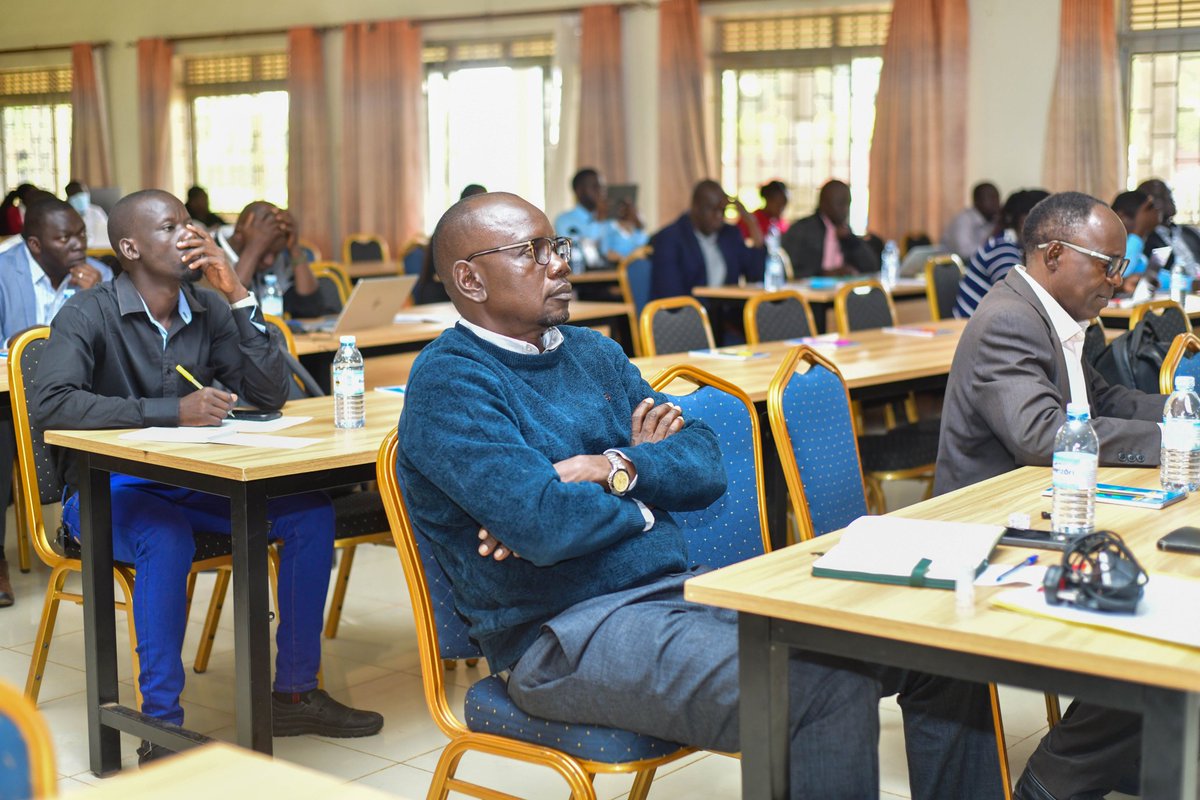
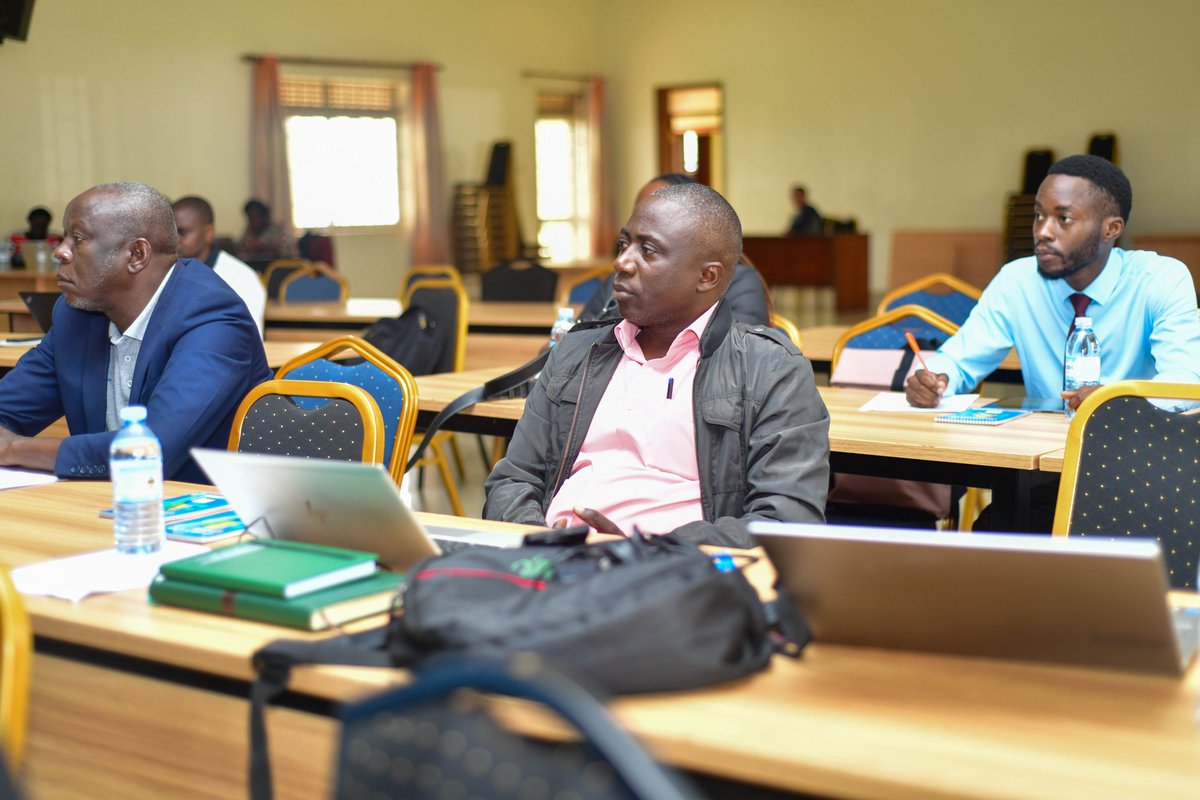
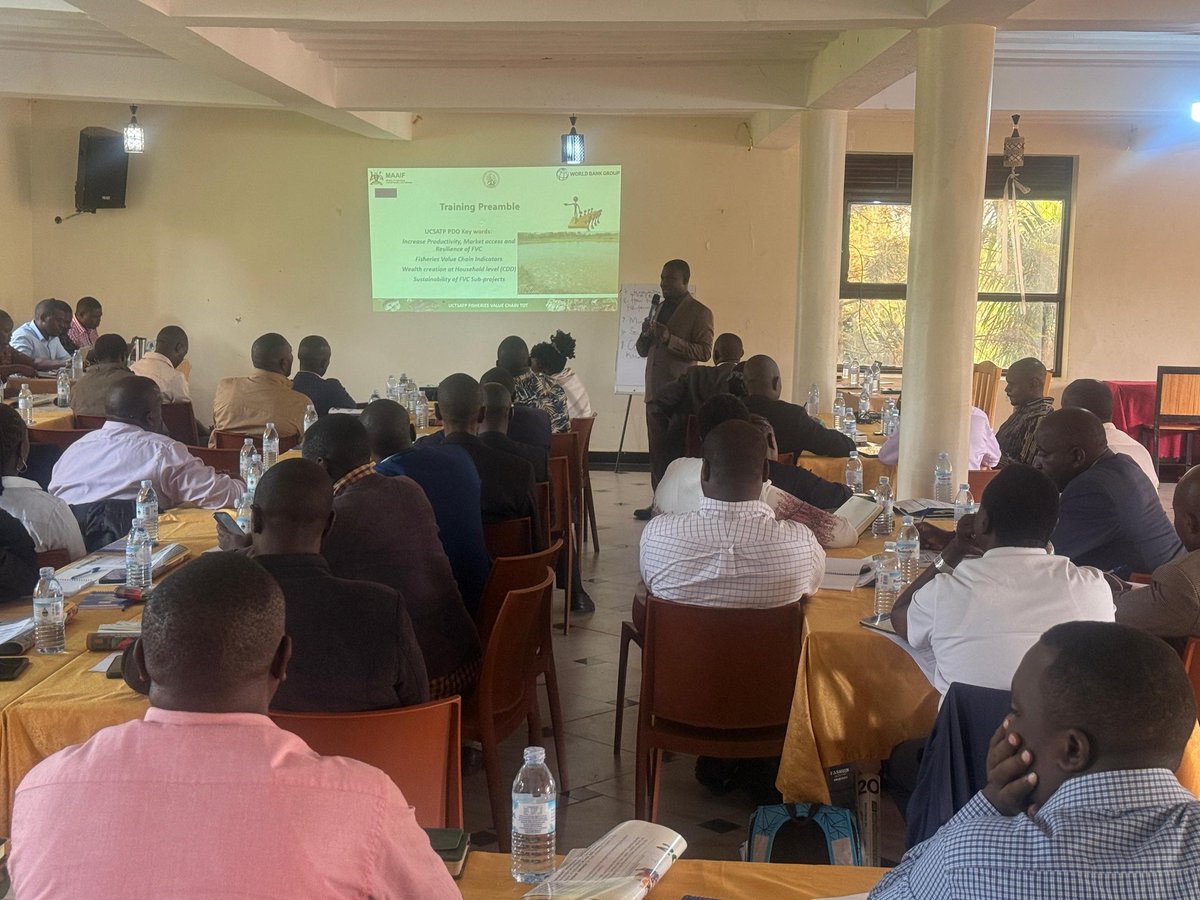
The Ministry of Agriculture, Animal Industry and Fisheries, through the Uganda Climate Smart Agricultural Transformation Project, is currently conducting Regional Agribusiness Development Refresher Trainings for Fisheries Extension Workers, District Fisheries Officers, and Commercial Officers across the country.
Facilitated in collaboration with Makerere University, the training is equipping participants with practical knowledge and skills to strengthen agribusiness advisory services within the fisheries sector.


English

Thank you for your observation Gabriel. It’s important to note that UCSATP is currently supporting 69 districts out of the 146 districts in Uganda as part of its implementation design.
This means that districts not covered, including Karenga, were not specifically excluded, but rather fall outside the current project coverage.
We appreciate your interest in the program and encourage continued engagement as opportunities for expansion or future interventions may arise.
English
@akoragye_alex Hello Alex. The project is supporting only 69 districts out of the 146 districts we have in the country. It is unfortunate Rakai is not part of the 69 districts supported by the project.
English

@UCSATP Is Rakai District included in this project this time around?
English
Greetings! Thanks for Your engagement and feedback. These are important to us especially at this critical time of implementing the project.
The project is now in full-scale implementation, and the e-voucher system is fully operational as the main channel for input delivery. This therefore means that
Input distribution will be commencing soon.
We kindly ask for your patience as final preparations are completed to ensure a smooth rollout.
English

@UCSATP Just operationalise the e-voucher input supply system so that farmers get inputs. They are missing out too much as you traverse the country doing trainings that have been done time and again.
English
Uganda Climate Smart Agric Transformation Project retweetledi

What do you know about Uganda’s backbone- Agriculture?
Join the PS, Ministry of Agriculture, Animal Industry and Fisheries @MAAIF_Uganda - Maj. Gen (Rtd) David Kasura Kyomukama as he shares more about this sector on #theugandanpodcast
Link: linktr.ee/theugandanpodc…
English

So far, the training has been successfully rolled out across multiple sub-regions, reaching dozens of districts, with the Western Uganda session currently underway. This initiative is expected to enhance productivity, improve market access, and boost incomes for actors along the fisheries value chain, contributing to a more resilient and commercially driven fisheries sector in Uganda.


English

The ongoing sessions are focusing on key areas such as entrepreneurship, fish value chain development, production and business planning, market linkages, and financial management. Through interactive learning methods including group discussions and practical exercises, participants are gaining hands-on experience to better support farmers and stakeholders in adopting market-oriented and sustainable fisheries enterprises.


English