Sabitlenmiş Tweet
🚅 昭和 ÜSANOCROSS 弐号機
13.3K posts
🚅 昭和 ÜSANOCROSS 弐号機
@usanocross
#音楽制作 & #ガジェットおじさん #公園管理 #障がい支援 no art,no life
超時間的空間的存在 Katılım Mayıs 2014
323 Takip Edilen262 Takipçiler

おー。当時、AMラジオで聴いてたバンバンとFMラジオで聴いてたピーターさんと…
えーーしかも神戸で!
明日…w
明日はカフェにギター弾きに行く日やわ∈·_·∋🎸
Peter Barakan@pbarakan
初めてお会いする相手ですが、かなり共通点がありそうです。1970年代後半の音楽をピンポンDJスタイルでかけます。事前準備なしで、互いに相手の球を上手に返すラリーを楽しみます。
日本語

@kauichiro iPad完結しますもんね!
高校生の頃にバイト代で買ったアナログシンセとか…
あーやっぱし無理です💦
日本語

@usanocross そうなんです。先を見据えて制作はiPadだけでできるようにはしたんですが、やっぱり実機は残しておきたくて。でも残されて一番困るのも機材でしょうからねえ…。
日本語

@kauichiro 問題は機材ですよね?
全部取っ払ってProphet-5 一台のみって憧れてるんです。
でもいま、さらにお高い値ですよね、、、SEQUENTIAL
日本語

「Skylarking」はリアルタイムで聴き、大変感動しましたが、当時XTCとトッド・ラングレンの間にこのような軋轢があったとは知りませんでした。
amass@amass_jp
XTC『Skylarking』は制作方針を巡り、アンディ・パートリッジとトッド・ラングレンが対立。アンディは新たに本作の制作について回想。トッド起用の経緯、トッドの優れた点とダメな点、「Dear God」を外したのを自分じゃない、変えたいところ等 amass.jp/189044/
日本語
🚅 昭和 ÜSANOCROSS 弐号機 retweetledi

JAPANの音楽性が劇的に変化する上で、欠かせない存在となったキーボード奏者リチャード・バルビエリ。新しいインタビューの中で、JAPANの音楽性の変貌について振り返っています。レイン・トゥリー・クロウについても amass.jp/188825/
日本語

@usanocross 私も同じくカナル型が苦手で、最近はもっぱらオープンエアタイプです。音質的にはカナル型に比べて不利と言われてましたが、最近進化がめざましく、リスニングには全く問題ない感じです。個人的には。
日本語

@kauichiro ありがとうございます!そうそう!
小生、密閉型やカナルが苦手でイヤーカフタイプと迷ってたので
参考になります。
この手(耳掛けタイプ?の方が音質的にも良いんでしょうね?
日本語
🚅 昭和 ÜSANOCROSS 弐号機 retweetledi

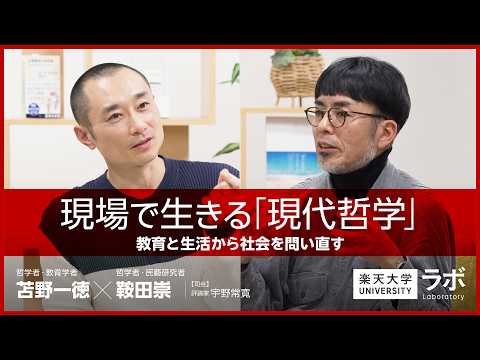
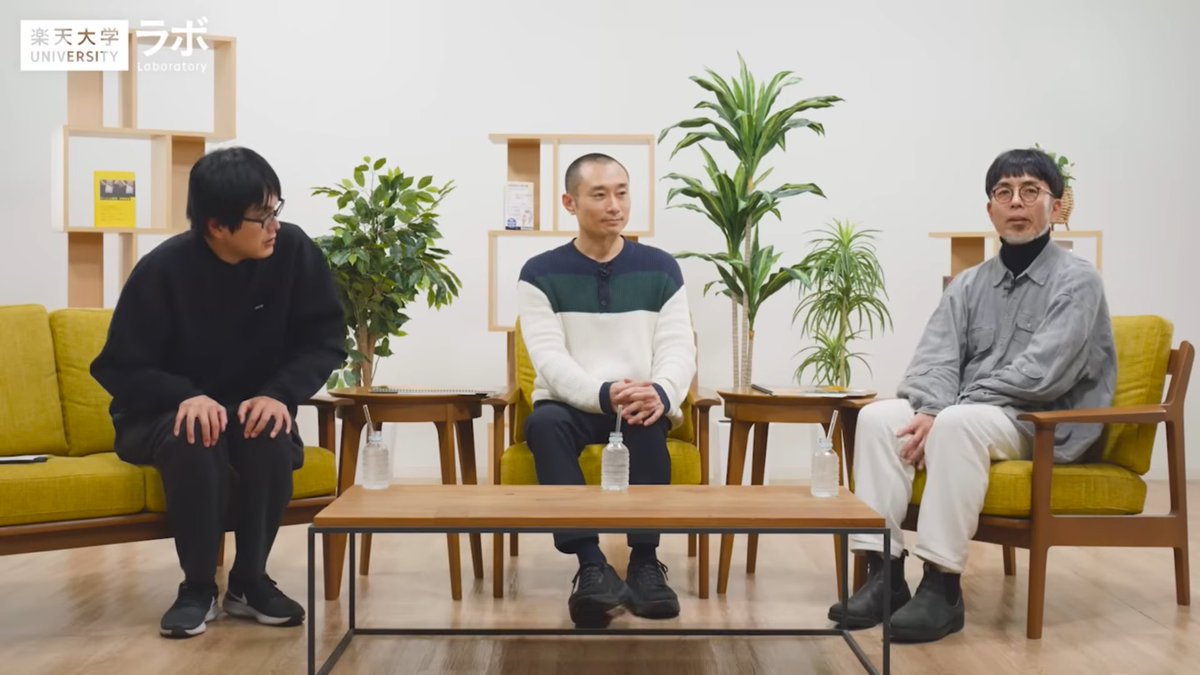
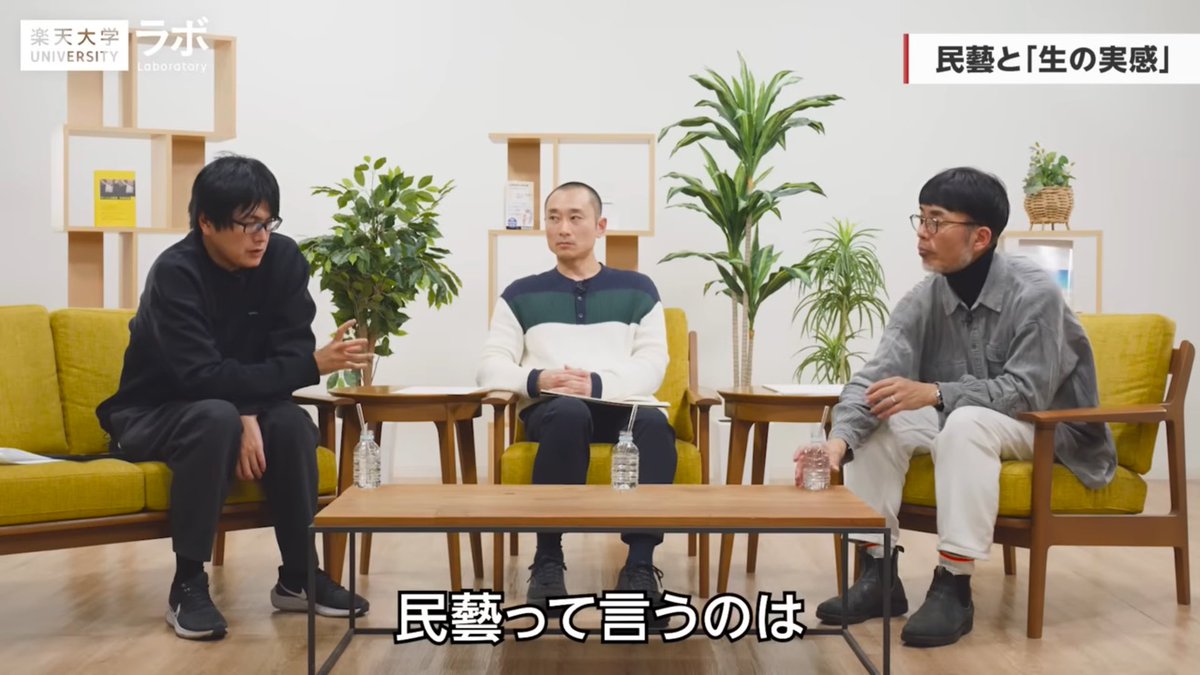
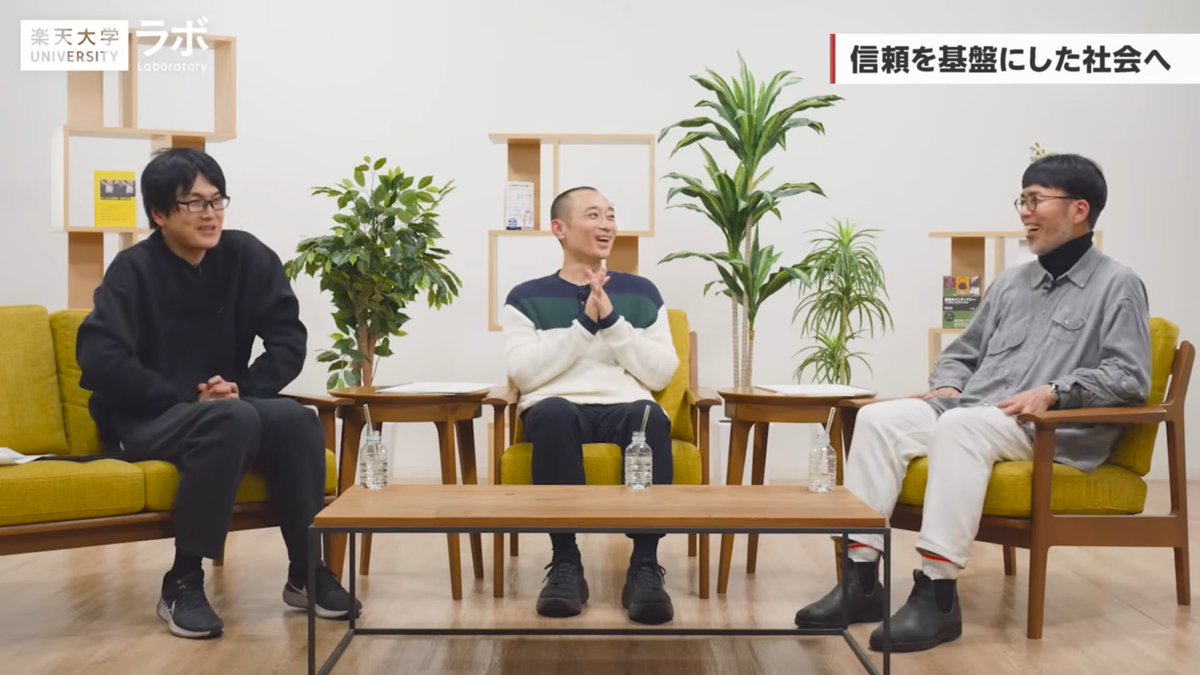
苫野一徳さんと対談させていただきました。初対面ながら言葉を交わしあううち、じわじわと共振の深さと確かさのレベルが上がっていき、さいごは「おお、ここに来たか」という展開に。宇野常寛さんからのお声がけで実現した企画で動画配信されています。ぜひご視聴ください。
youtu.be/widrGnEiWuk

YouTube


日本語
🚅 昭和 ÜSANOCROSS 弐号機 retweetledi

NHK Eテレ『クラシックTV「謎多き先駆者 エリック・サティー」』は3月19日放送。“謎”と“不思議”の作曲家エリック・サティーの世界を特集。100年以上前に生み出した斬新な音楽。ユニークすぎる人物像とは? amass.jp/188286/
日本語
🚅 昭和 ÜSANOCROSS 弐号機 retweetledi

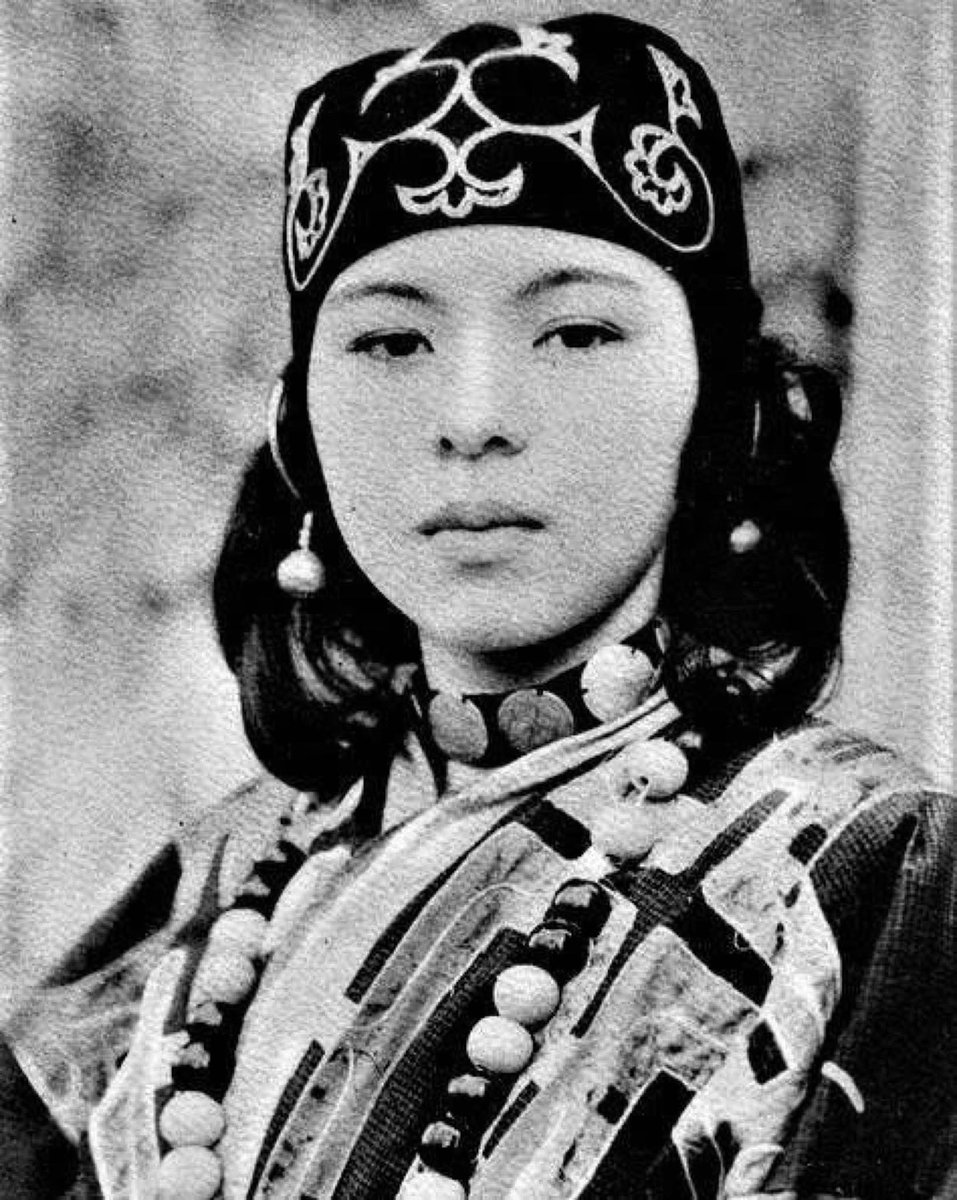
The Ainu are the indigenous people of northern Japan. In the Ainu language, “Ainu” means “human.” Little is known about the beginnings of Ainu culture. The earliest documented mention of the Ainu is thought to date from the mid-1300s. They inhabited Ezo (present-day Hokkaido) as hunters, gatherers, and fishermen, and has a deep understanding of the land in which they lived. The Ainu originally occupied a vast area that included Sakhalin and the Kuril Islands, as well as the northern tip of the Tohoku region. At the core of their culture was a spirituality that placed great importance on coexisting harmoniously with nature.
The Ainu people have their own language, belief system, and traditions, separate from those of other Japanese. Traditionally, there was no written language, with knowledge being passed orally from generation to generation. The Ainu language’s influence can be seen in the names of numerous sites across Hokkaido. Many of these place names refer to geographical features or characteristics of the surrounding area, showing how closely Ainu are connected to the natural world around them. They hold the belief that there are two separate worlds: the one in which they live and the spirit world. All living things in the human world, as well as man-made tools and even natural disasters, are thought to be spirits that have come from the spirit world to either aid or harm them in some way. These spirits are revered as being either indispensable to human life or as forces beyond their control. Rituals called kamui-nomi are performed to give thanks to the spirits and pray for continued peace. Brown bears are worshipped as reincarnated gods that have come from the spirit world to deliver meat for food and fur for warmth. A ritual called iomante sends off these bear spirits to the spirit world. At such events, Ainu wear embroidered garments whose patterns all have meaning. For example, the patterns on cuffs and hems are believed to ward off evil spirits. During special ceremonies, Ainu perform traditional dances and songs. Popular dances include the Crane Dance, when dancers lift their coats up behind them symbolizing the wings of a crane, and the Dance of the Ainu Girl’s Black Hair, when women rhythmically swing their long hair back and forth.
Ainu women historically played significant roles within their traditional, nature-focused culture, which was characterized by unique languages, spirituality, and arts like wood carving and embroidery. They were integral to cultural practices such as traditional dances, family events, and festivals. With the rise of Japanese settler colonialism, Ainu women, like the broader Ainu community, faced assimilation and discrimination but also became active in cultural revival, activism, and scholarship to reclaim their heritage and address ongoing issues of indigeneity.
Ainu women were deeply involved in the spiritual traditions that saw spirits (ramat) residing in all parts of the natural world. They participated in and preserved practices such as traditional dances, festivals, and family gatherings. Ainu women were prominent in the creation of distinctive Ainu textiles and crafts, known for their unique patterns and artistic expression.
Ainu women were subjected to the impacts of Japanese settler colonialism, including imposition of the koseki system (family registers) and policies aimed at assimilation. Like the broader Ainu community, Ainu women experienced discrimination and a loss of traditional ways of life.
Ainu women are actively involved in preserving and reviving cultural practices, including traditional dances and music. Contemporary Ainu women contribute to activism, scholarship, and cultural production through efforts like those discussed in works such as Beyond Ainu Studies, which explores their experiences with gender, indigeneity, and political reforms.
📷 : Ainu woman from Hokkaido, Japan (1910s) 🇯🇵
📸© Japan Shorts Page
#archaeohistories

English

まいど。ワイン・ガードナーを観てるで
Prime Videoで、はよチェックしてや! watch.amazon.co.jp/detail?gti=amz…
日本語

なにがいいってコーナー入る前に足掘り出す奴
一人もいないからなこの時代w
あれ絶対不細工やわ。美しくない。
#WGP500
日本語