

One-Million
1.8K posts

One-Million
@vanlxbds
Spot BTC- ETH-ARB-DYM-ALT
Hà Nội, Việt Nam Katılım Kasım 2022
863 Takip Edilen1.3K Takipçiler



From closed systems to open protocols.
Ondo Finance is accelerating one of the biggest upgrades in capital markets history.
English
WHICH ONE WILL ATH FIRST???
$HBAR
$ETH
$ONDO
$PLUME
$OM
$LINK
$ADA
$INJ
$HBAR
$S
$CSPR
$DOGE
English

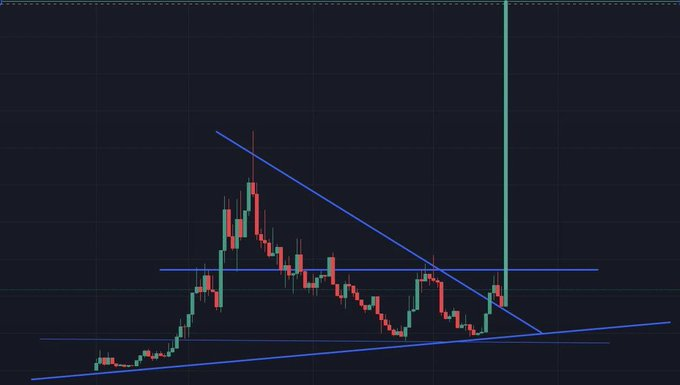
$HBAR, $ONDO, $ADA, $S, $LINK, $QNT, $SUI, $WAL, $SOL.
THIS IS ALL YOU NEED!!!
English
🚨 BREAKING: 🇺🇸US SEC is in talks with 🇸🇻El Salvador’s CNAD to test real-world tokenization 🌐
A cross-border sandbox could be coming
TRILLIONS ARE LOADING.... #RWA🚀

English
GM #RWA fam! 🌞
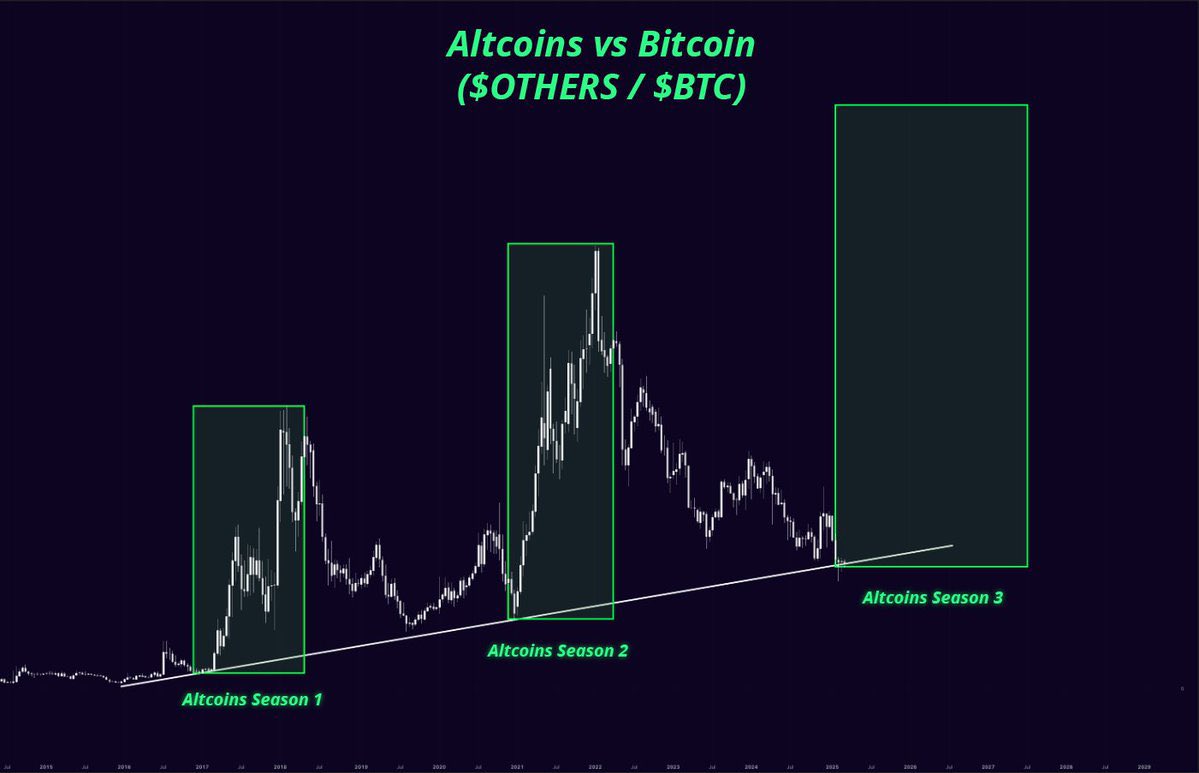
Stocks down, crypto up. 🚀
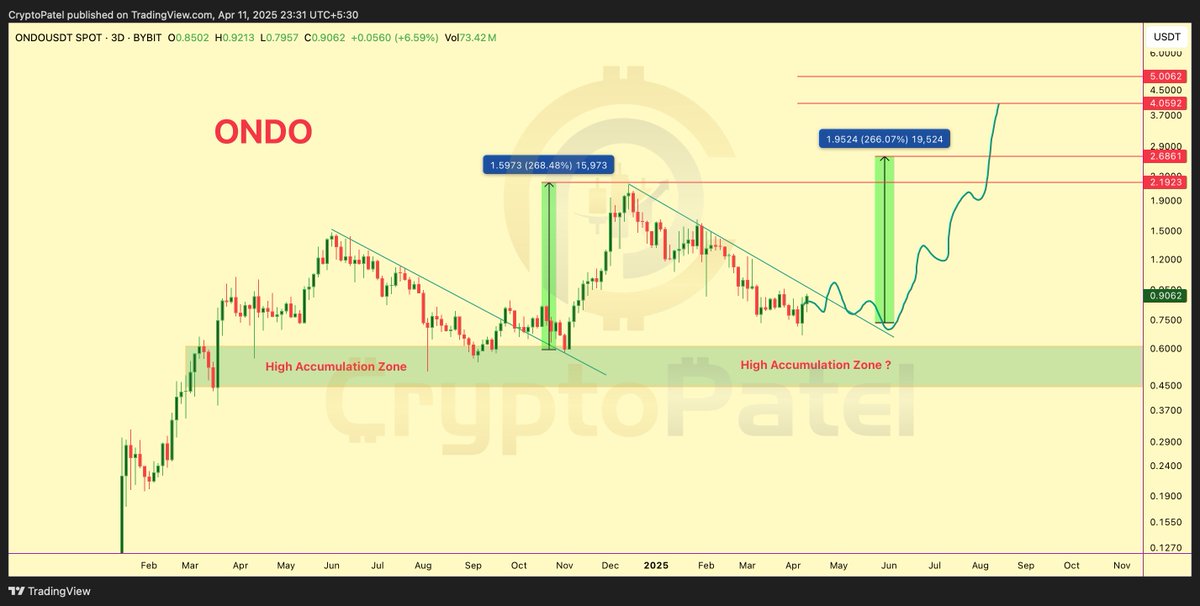
Which projects are you accumulating?👇
English


The competition is heating up - don't miss out on CodeSprint v3!
Tomorrow is the last day to register ↓
forms.monday.com/forms/92baadc0…

English

Is $ONDO a good investment?
Find out! 👇
thewealthmastery.io/ondo-finance-t…
English
Catch up on March’s highlights in the Ondo Monthly Roundup. 👇
Following major announcements in February, the Ondo team engaged with global audiences through events, podcasts, and live TV appearances to share our vision for Wall Street 2.0.
English

What stablecoins did for dollars, Ondo is doing for securities.
Ondo Global Markets will bring publicly traded stocks, bonds, and ETFs onchain—accessible everywhere 24/7, easily tradable, and built for DeFi.
The US markets, reimagined for the world.
Learn more about Ondo Global Markets at: ondo.finance/global-markets
English

English



#Binance Will list alot of coins in Feb .
Guess the Ticker || win $500
English
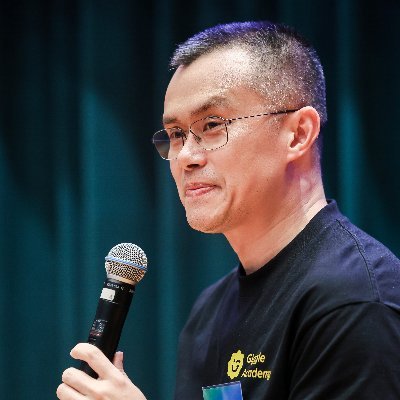
Some thoughts on the recent hack(s).
There is a pattern where hackers were able to steal large amounts of crypto from multi-sig “cold storage” solutions, as with ByBit, Phemex, WazirX and potentially others. In the most recent ByBit case, the hackers were able to make the front-end user interface show a legitimate transaction while the actual signing was for a different transaction. I am less familiar with the other cases, but they sound similar based on limited available info.
What’s more scary is that the affected exchanges used different multi-sig solution providers. The hackers, the Lazarus Group, are highly advanced and broad in their abilities to penetrate. It is still unclear whether the hackers were able to penetrate multiple signing devices, or the server side, or both in each of these cases.
Some people questioned my suggestion of halting all withdrawals as a standard security precaution (in a tweet I posted from a shuttle bus to the plane). My intention was to share a practical approach based on my experiences and observations, yet there is no absolute right or wrong in either approach. My guiding principle is always to lean on the safer side. After any security incident, pause everything, make sure we fully understand what happened, how hackers penetrated the systems, which devices were compromised, triple-check all is safe, and then resume operations.
Pausing withdrawals could cause more panic, of course. In 2019, we paused withdrawals for a week after a massive $40 million hack. When we resumed withdrawals (and deposits), we saw more deposits than withdrawals. Not saying this is a better approach. Every situation is different. It’s a judgment call. My tweet was to share what might work and my intention was to show support in a timely manner. I am sure Ben made the best decision based on the info he had.
Ben did a good job maintaining transparent communication and calmness in dealing with a challenging situation. That shows a sharp contrast to other less transparent CEOs, like WazirX, FTX, etc.
The cases mentioned here are all different. FTX was fraud. WazirX, I will refrain from commenting as there is an ongoing lawsuit.
Most importantly, we should never take security for granted. It is important to learn about security yourself so that you can choose the right tools for your needs. For this, I will share an article I wrote a few years ago. It’s a little outdated, but the fundamental concepts still apply. Stay SAFU! binance.com/en/blog/from-o…
English

🚨 🚨 🚨 🚨 🚨 100,000,000 #USDT (100,094,750 USD) transferred from Tether Treasury to unknown wallet
whale-alert.io/transaction/et…
English