Venipedia

5.7K posts

Venipedia banner
Venipedia

Venipedia

@venipedia

Per menti curiose, genuinamente da #Venezia. / For curious minds, genuinely from #Venice.

Venezia Katılım Haziran 2012
1.2K Takip Edilen3.3K Takipçiler
Venipedia
Venipedia@venipedia·
🇮🇹 (ENG below) A Mestre c’era un castello. I suoi testimoni si trovano nei luoghi più insospettabili, come alla base di un’abitazione, visibile da un… parcheggio di auto. Nel XII secolo la Torre Moza o Rocha costituiva infatti una delle strutture del lato ovest del Castello insieme alla Torre dell'Orologio. Nelle mappe del XVI e XVII secolo questa torre rappresentava l'estremità nord-ovest del Castello. Secondo alcuni risale al tardo 1200, secondo altri in epoca diversa da quella medievale. Scopri di più 👉 venipedia.it/it/enciclopedi… Sempre tuoi, I Mastri Venipediani 🌏 There was a castle in Mestre. Evidence of its existence can be found in the most unexpected places, such as at the base of a house, visible from a car park. In the 12th century, the Torre Moza or Rocha was one of the structures on the west side of the castle, together with the Torre dell'Orologio. On 16th and 17th century maps, this tower represented the north-western end of the castle. According to some, it dates back to the late 1200s, while others believe it dates from a period other than the Middle Ages. Enjoy more 👉 venipedia.it/en/encyclopedi… Forever yours, The Venipedian Masters
Venipedia tweet media
Italiano
0
0
1
101
Venipedia
Venipedia@venipedia·
🇮🇹 (ENG below) Tommaso Rangoni e il suo metodo per vivere fino ai 120 anni. Figura indubbiamente originale e controversa, sempre in costante equilibrio tra mecenatismo ed egocentrismo puro, tra figura autorevole e ciarlatano. La tesi centrale di Rangoni è che la durata naturale della vita umana sia di 120 anni, un limite stabilito da Dio e dalla natura, ma raramente raggiunto a causa di errori nello stile di vita, ignoranza medica e influenze ambientali negative. Alimentazione e dieta, ambiente e aria, esercizio e riposo, stato mentale e astrologia medica si potrebbero descrivere come i pilastri alla base del suo “metodo”. Scopri di più 👉 venipedia.it/it/enciclopedi… Sempre tuoi, I Mastri Venipediani 🌏 Tommaso Rangoni and his method for living to 120. Undoubtedly an original and controversial figure, he was constantly balancing between patronage and pure egocentricity, between authority and charlatanism. Rangoni's central thesis is that the natural lifespan of humans is 120 years, a limit set by God and nature, but rarely reached due to lifestyle mistakes, medical ignorance and negative environmental influences. Nutrition and diet, environment and air, exercise and rest, mental state and medical astrology could be described as the pillars of his “method”. Enjoy more 👉 venipedia.it/en/encyclopedi… Forever yours, The Venipedian Masters
Venipedia tweet media
Italiano
0
0
0
120
Venipedia
Venipedia@venipedia·
🇮🇹 (ENG below) Carrozze… a Venezia? Nella sua incisione, Michele Marieschi ci mostra una veduta del campo dei Frari, che ad una prima veloce occhiata sembra uno dei classici ritratti di paesaggi veneziani dell’epoca. Guardando con più attenzione, però, salta all’occhio un elemento che spicca per la sua curiosa presenza nella città lagunare: una vera e propria carrozza. Un capriccio? Uno scherzo? Lo storico Giuseppe Tassini lo documenta nelle sue Curiosità Veneziane: "Benchè in Venezia non ci fosse l'uso delle carrozze, se ne fabbricavano tuttavia per la Terra Ferma" — tanto che già nel 1562 una legge della Serenissima vietava di ornare le carrozze con oro o argento, "salvo che nelli pomoli". Scopri di più 👉 venipedia.it/it/visiva/vedu… Sempre tuoi, I Mastri Venipediani 🌏 Carriages… in Venice? In his engraving, Michele Marieschi shows us a view of Campo dei Frari, which at first glance appears to be one of the classic depictions of Venetian landscapes from that period. On closer inspection, however, one element catches the eye due to its curious presence in the lagoon city: a real carriage. A whim? A joke? The historian Giuseppe Tassini documents it in his Curiosità Veneziane: “Although carriages were not in use in Venice, they were nevertheless manufactured for the mainland” — so much so that as early as 1562 a law of the Serenissima prohibited the decoration of carriages with gold or silver, “except on the knobs”. Enjoy more 👉 venipedia.it/en/visiva/view… Forever yours, The Venipedian Masters
Venipedia tweet media
Italiano
0
0
1
115
Venipedia
Venipedia@venipedia·
🇮🇹 (ENG below) Campi, campielli e campazzi a Venezia. Se normalmente nelle città ci si trova nelle piazze, nei parchi e nei giardini, a Venezia c’è il campo. Nei campi ci si ritrova, ci si dà appuntamento, si gioca (ahinoi, non più così spesso), ci si rilassa, si legge, si chiacchiera. E non ci sono solo campi, ci sono anche campielli, più piccoli, e campazzi, più grandi. Un tempo coltivati, erbosi o in terra battuta (come in questo particolare di campo a San Francesco della Vigna), i campi veneziani sono parte del DNA cittadino, sebbene oggi pavimentati, tranne alcuni casi. E tu, quale campo veneziano preferisci? 😊 Scopri di più 👉 venipedia.it/it/folio/piazz… Sempre tuoi, I Mastri Venipediani 🌏 Fields in Venice. While in most cities people gather in squares, parks and gardens, in Venice there are the campi (fields). People meet in the campi, arrange to meet up, play games (alas, not so often anymore), relax, read and chat. And there are not only campi, there are also smaller campielli and larger campazzi. Once cultivated, grassy or clay (as in this detail of Campo San Francesco della Vigna), Venetian campi are part of the city's DNA, although today they are paved, except in a few cases. Which Venetian campo do you prefer? 😊 Enjoy more 👉 venipedia.it/en/folio/what-… Always yours, The Venipedian Masters
Venipedia tweet media
Italiano
0
0
0
74
Venipedia
Venipedia@venipedia·
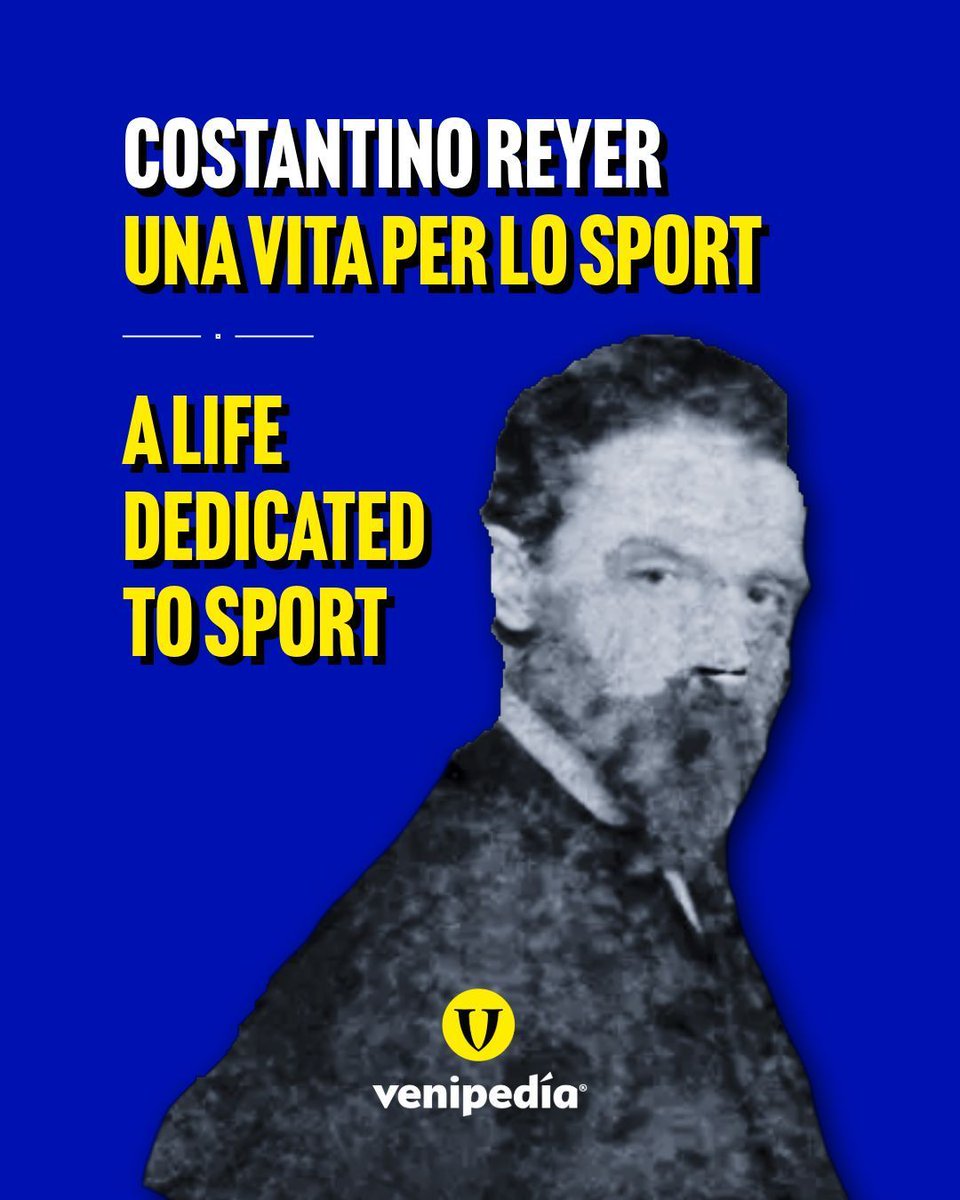
🇮🇹 (ENG below) Reyer: Non solo pallacanestro. Il nome Costantino Reyer è noto anche oggi, soprattutto nell’ambiente sportivo veneziano e nazionale, in particolare in quello della pallacanestro. Uomo di mondo e di cultura: parlava perfettamente tedesco, italiano, francese e inglese, era scacchista e appassionato alpinista. Ginnasiarca e innovatore nei moderni concetti dello sport. Una personalità unica ed eclettica, la cui vita è stata costellata di impegni, innovazioni e con una mentalità europea, in anticipo sui tempi. Scopri di più 👉 venipedia.it/it/folio/costa… ✅ Open Access Sempre tuoi, I Mastri Venipediani 🌏 Reyer: Not just basketball. The name Costantino Reyer is still well known today, especially in Venetian and national sporting circles, particularly in basketball. A man of the world and of culture, he spoke perfect German, Italian, French and English, was a chess player and a keen mountaineer. He was a gymnast and an innovator in modern sporting concepts. A unique and eclectic personality, whose life was marked by commitments, innovations and a European mindset that was ahead of its time. Enjoy more 👉 venipedia.it/en/folio/costa… ✅ Open Access Forever yours, The Venipedian Masters
Venipedia tweet media
Italiano
0
0
0
75
Venipedia
Venipedia@venipedia·
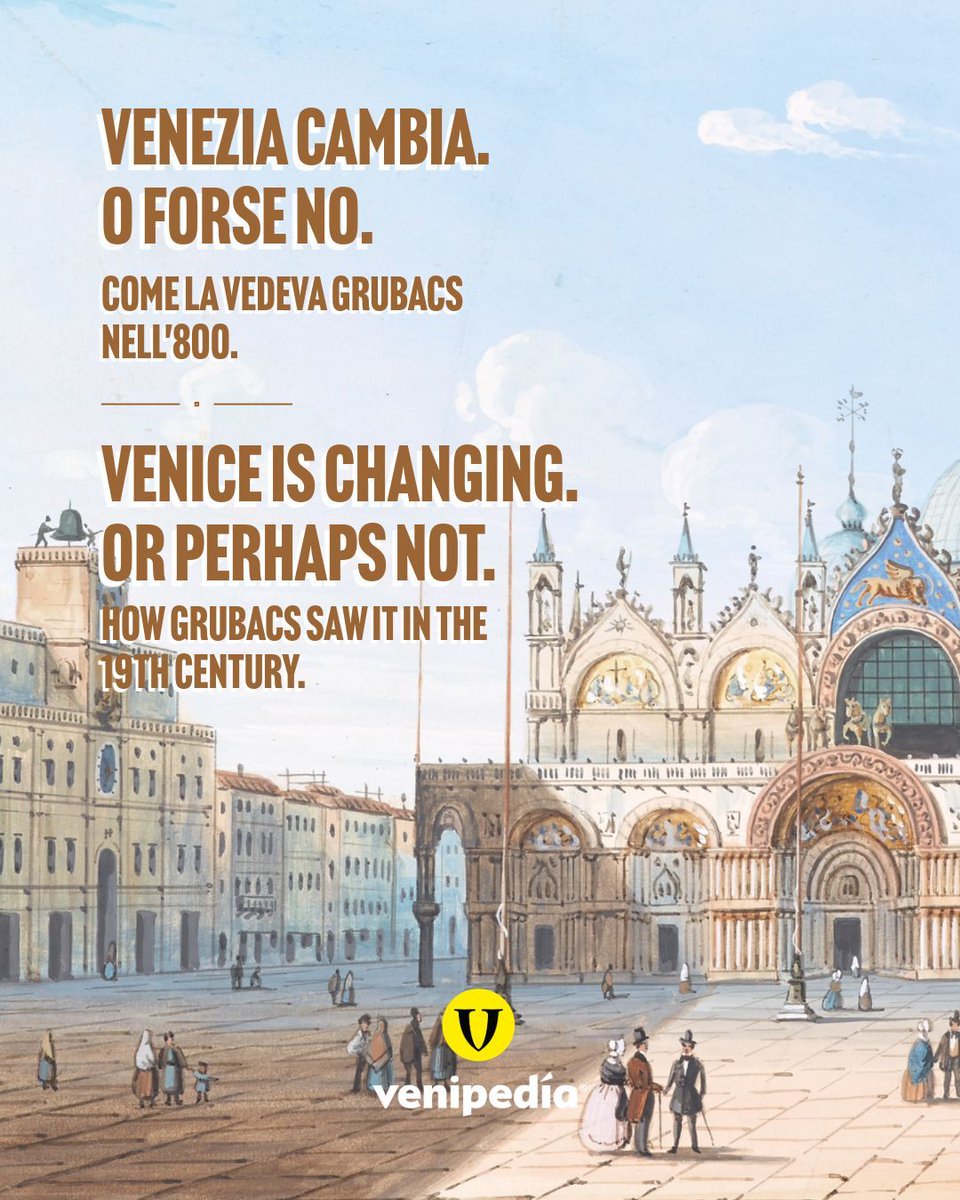
🇮🇹 (ENG below) Venezia cambia. O forse no. Questo particolare del dipinto ottocentesco di Grubacs mostra Piazza San Marco in modo quasi identico a oggi — eppure qualcosa non torna. Manca la Piazzetta dei Leoncini, accanto alla Basilica. La pavimentazione è diversa. Nel dipinto completo, ai piedi del campanile c'era una costruzione che oggi non esiste più. I luoghi che sembrano immutabili sono spesso quelli che cambiano di più — dettagli invisibili a chi li guarda solo di passaggio. E tu, hai un luogo che percepisci allo stesso modo? Scopri più dettagli 👉 venipedia.it/it/visiva/piaz… Sempre tuoi, I Mastri Venipediani 🌏 Venice is changing. Or perhaps not. This detail from Grubacs’s 19th-century painting depicts St Mark’s Square almost exactly as it looks today — yet something is amiss. The Piazzetta dei Leoncini, next to the Basilica, is missing. The paving is different. In the full painting, there was a building at the foot of the bell tower that no longer exists today. The places that seem most unchanged are often those that have changed the most — details lost on those who never truly look. And you, is there a place you perceive in the same way? Enjoy more details 👉 venipedia.it/en/visiva/st-m… Forever yours, The Venipedian Masters
Venipedia tweet media
Italiano
0
0
3
166
Venipedia
Venipedia@venipedia·
🇮🇹 (ENG below) Il doge inaspettato: Carlo Contarini. Fa numero tondo: è il 100° doge di Venezia. La sua elezione è inaspettata, preceduta da un evento drammatico: durante i festeggiamenti in occasione dell’anniversario della fondazione della città, 50 persone rimangono schiacciate dalla ressa con esito fatale. Il suo dogado, breve, sarà dedicato a risolvere i problemi delle fasce più deboli della popolazione. Scopri di più 👉 venipedia.it/it/enciclopedi… Sempre tuoi, I Mastri Venipediani 🌏 The unexpected doge: Carlo Contarini. He is the 100th Doge of Venice. His election is unexpected, preceded by a dramatic event: during the celebrations for the anniversary of the city's foundation, 50 people are crushed to death in a stampede. His brief dogate will be dedicated to solving the problems of the weakest sections of the population. Enjoy more 👉 venipedia.it/en/encyclopedi… Always yours, The Venipedian Masters
Venipedia tweet media
Italiano
0
0
1
95
Venipedia
Venipedia@venipedia·
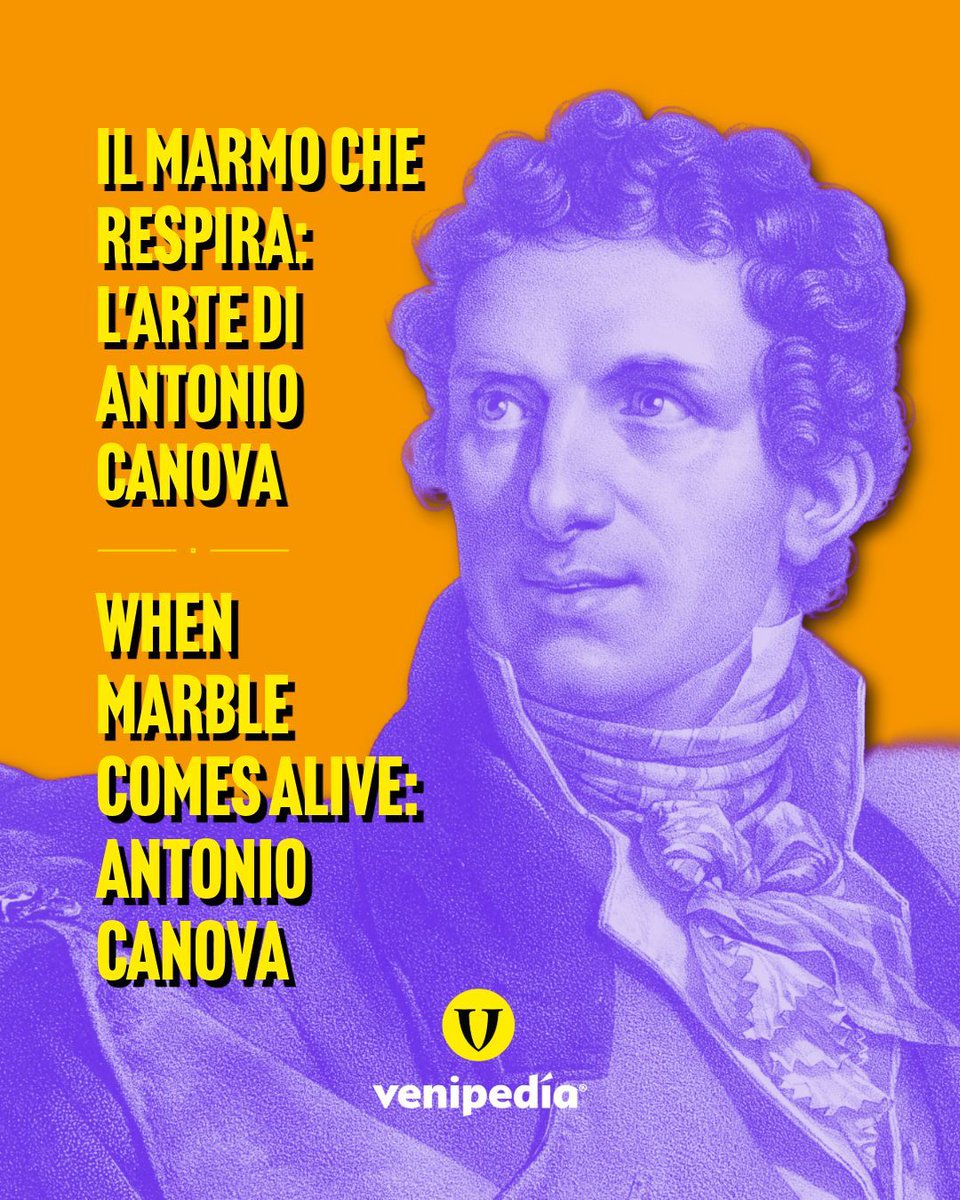
🇮🇹 (ENG below) Il marmo che respira: l'arte di Antonio Canova Antonio Canova nasce a Possagno nel 1757 in una famiglia di scalpellini: la scultura è quasi un destino. Dopo gli anni di formazione a Venezia, si trasferisce a Roma nel 1781, dove la sua arte raggiunge piena maturità. Opere come Teseo e il Minotauro rivelano una padronanza del marmo fuori dal comune: le superfici sembrano vive, la pietra diventa carne. La sua fama cresce rapidamente fino a varcare i confini italiani — Napoleone è tra coloro che gli commissionano opere — e il suo nome diventa sinonimo di una nuova estetica: forme semplici e regolari, ispirate all'antichità classica. È considerato, insieme al pittore Jacques-Louis David, uno dei principali precursori del Neoclassicismo. A Possagno, paese natale, progetta il Tempio Canoviano, che diventa il luogo della sua sepoltura. Muore nel 1822: le commemorazioni si tengono a Roma, a Venezia e a Possagno, e tutta Europa ne piange la perdita. Scopri di più 👉 venipedia.it/it/enciclopedi… Sempre tuoi, I Mastri Venipediani 🌏 When Marble Comes Alive: Antonio Canova. Antonio Canova was born in Possagno in 1757 into a family of stonemasons: sculpture was almost his destiny. After training in Venice, he moved to Rome in 1781, where his art reached full maturity. Works such as Theseus and the Minotaur reveal an extraordinary mastery of marble: the surfaces seem alive, the stone becomes flesh. His fame grew rapidly, spreading beyond Italy’s borders — Napoleon was among those who commissioned works from him — and his name became synonymous with a new aesthetic: simple, regular forms inspired by classical antiquity. He is considered, alongside the painter Jacques-Louis David, one of the principal precursors of Neoclassicism. In Possagno, his birthplace, he designed the Canovian Temple, which became his final resting place. He died in 1822: commemorations were held in Rome, Venice and Possagno, and the whole of Europe mourned his loss. Enjoy more 👉 venipedia.it/en/encyclopedi… Forever yours, The Venipedian Masters
Venipedia tweet media
Italiano
0
0
1
71
Venipedia
Venipedia@venipedia·
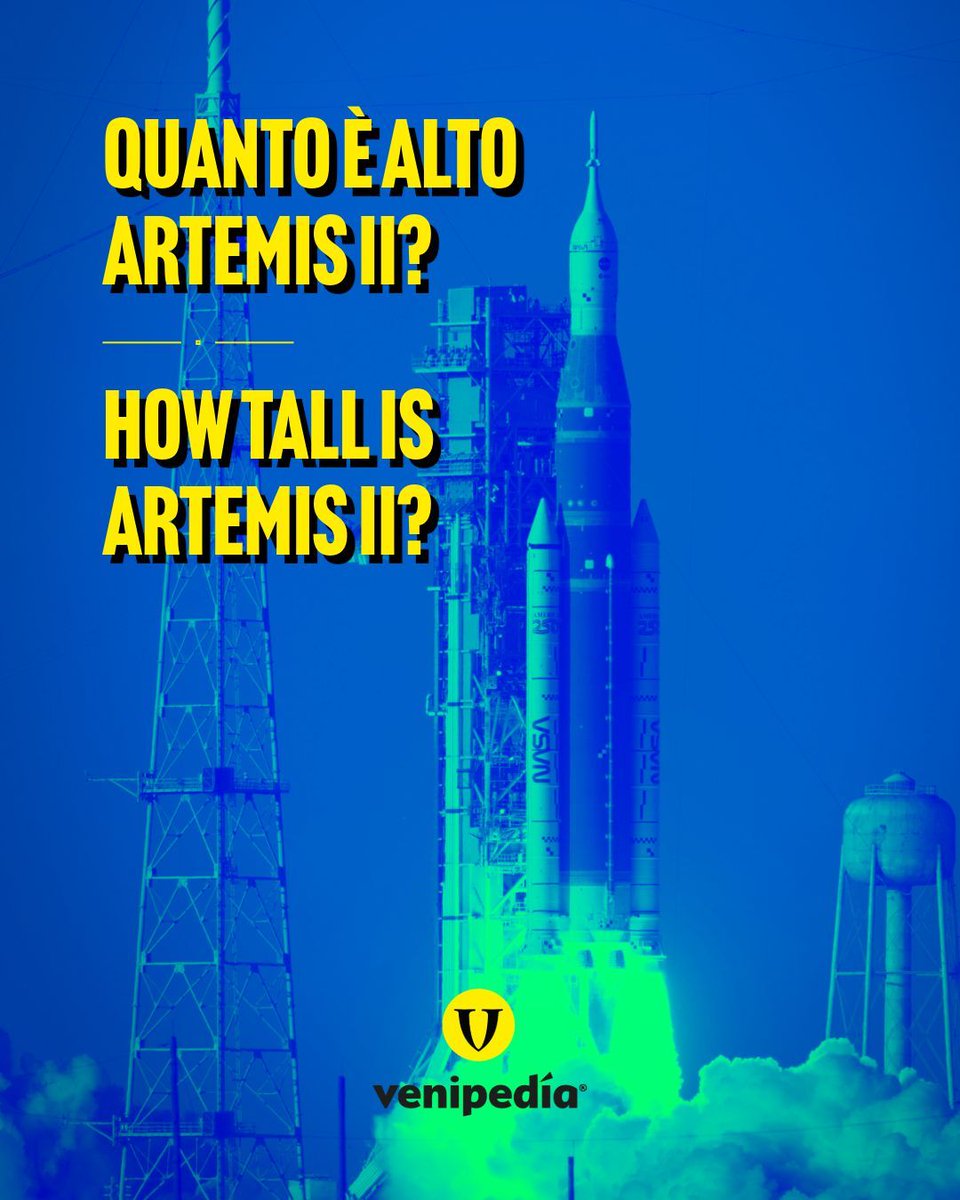
🇮🇹 (ENG below) Quanto è alto Artemis II? Te lo dice il Campanile di San Marco. Abbiamo visto l’emozionante partenza degli astronauti in missione lunare, abbiamo assaporato la bellezza delle foto che ci hanno trasmesso in presa diretta… ma quanto alto è Artemis II? La risposta si trova in Piazza San Marco a Venezia: Artemis II (SLS Block 1) e il Campanile di San Marco condividono praticamente la stessa altezza, cioè circa 98 metri. In pratica, salire sulla cella campanaria a San Marco, è un po’ come alloggiare nella capsula Orion degli astronauti al momento della partenza. 📸 ©ESA-S. Corvaja Scopri di più 👉 venipedia.it/it/enciclopedi… Sempre tuoi, I Mastri Venipediani 🌏 How tall is Artemis II? St Mark’s Bell Tower will tell you. We’ve witnessed the thrilling launch of the astronauts on their lunar mission, and marvelled at the beauty of the live photos they’ve sent back… but just how tall is Artemis II? The answer can be found in St Mark’s Square in Venice: Artemis II (SLS Block 1) and St Mark’s Bell Tower are practically the same height, namely around 98 metres. In short, climbing the bell tower at St Mark’s is a bit like being inside the astronauts’ Orion capsule at the moment of launch. 📸 ©ESA-S. Corvaja Enjoy more 👉 venipedia.it/en/encyclopedi… Forever yours, The Venipedian Masters
Venipedia tweet media
Italiano
0
0
0
57
Venipedia
Venipedia@venipedia·
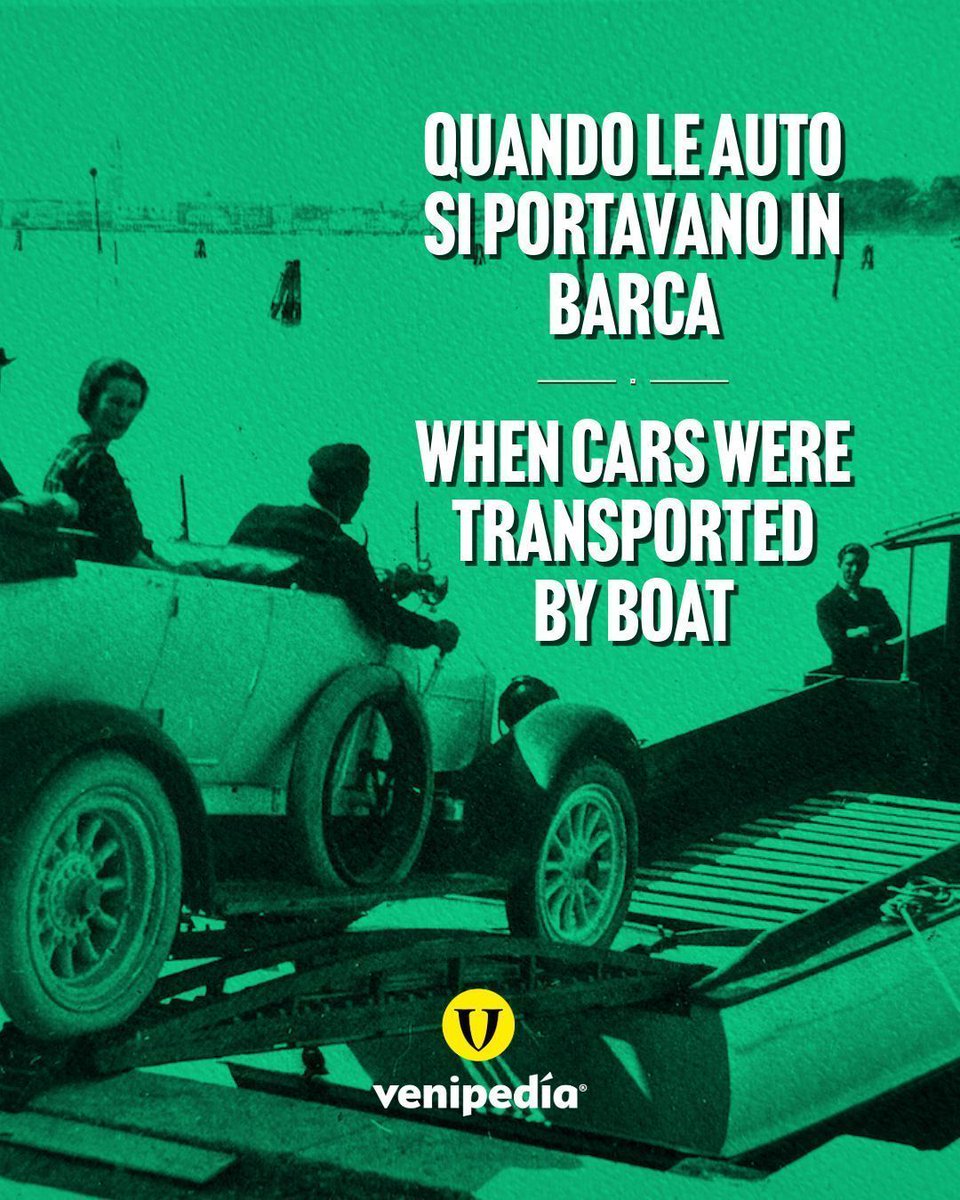
🇮🇹 (ENG below) Quando le auto si portavano (davvero) in barca, a Venezia. Prima che i ferry boat diventassero parte del paesaggio veneziano, c’era chi caricava l’automobile a mano su piccole barche come questa. Una scena dei primi del ’900 che oggi sembra surreale: cinque passeggeri a bordo, il motore ancora caldo, e una traversata verso una nuova destinazione, partendo dal Lido di Venezia. Una Venezia diversa, inaspettata, un po’ temeraria. Un frammento di storia che profuma di avventura. Scopri di più 👉 venipedia.it/it/visiva/un-p… Sempre tuoi, i Mastri Venipediani 🌏 When cars were (really) transported by boat in Venice. Before ferry boats became part of the Venetian landscape, there were those who loaded their cars by hand onto small boats like this one. A scene from the early 1900s that seems surreal today: five passengers on board, the engine still warm, and a crossing to a new destination, departing from the Lido di Venezia. A different, unexpected, somewhat reckless Venice. A fragment of history that smells of adventure. Enjoy more 👉 venipedia.it/en/visiva/fore… Forever yours, the Venipedian Masters
Venipedia tweet media
Italiano
0
0
0
128
Venipedia
Venipedia@venipedia·
🇮🇹 (ENG below) Che faceva il Doge a Pasqua? Magari immagini una villa nell'entroterra, frutta fresca, uccelli canterini. O un banchetto con ospiti e amici, tra brindisi e risate. Niente di tutto questo. Il Doge lavorava. Come si vede in questo particolare dell'incisione di Brustolon — tardo Settecento — era impegnato in visita e processione a Campo San Zaccaria. Funzioni ufficiali, abiti di rappresentanza, nessuna scusa che tenesse: nemmeno la Pasqua. Una cosa colpisce però: chiesa e campo sono rimasti pressoché identici. Quello che vedi tu oggi, a parte qualche differenza, lo vedeva anche Brustolon. Scopri di più 👉 venipedia.it/it/visiva/visi… Sempre tuoi, I Mastri Venipediani 🌏 What did the Doge do at Easter? Perhaps you picture a villa in the countryside, fresh fruit, birds singing. Or a banquet with guests and friends, amid toasts and laughter. None of the above. The Doge was working. As can be seen in this detail from Brustolon’s engraving — from the late 18th century — he was engaged in a visit and procession at Campo San Zaccaria. Official duties, ceremonial robes, no excuse would do: not even Easter. One thing is striking, however: the church and the square have remained almost identical. What you see today, apart from a few differences, is exactly what Brustolon saw. Enjoy more 👉 venipedia.it/en/visiva/visi… Forever yours, The Venipedian Masters
Venipedia tweet media
Italiano
0
0
1
121
Venipedia
Venipedia@venipedia·
🇮🇹 (ENG below) Carrozze… a Venezia? Nella sua incisione, Michele Marieschi ci mostra una veduta del campo dei Frari, che ad una prima veloce occhiata sembra uno dei classici ritratti di paesaggi veneziani dell’epoca. Guardando con più attenzione, però, salta all’occhio un elemento che spicca per la sua curiosa presenza nella città lagunare: una vera e propria carrozza. Un capriccio? Uno scherzo? Lo storico Giuseppe Tassini lo documenta nelle sue Curiosità Veneziane: "Benchè in Venezia non ci fosse l'uso delle carrozze, se ne fabbricavano tuttavia per la Terra Ferma" — tanto che già nel 1562 una legge della Serenissima vietava di ornare le carrozze con oro o argento, "salvo che nelli pomoli". Scopri di più 👉 venipedia.it/it/visiva/vedu… Sempre tuoi, I Mastri Venipediani 🌏 Carriages… in Venice? In his engraving, Michele Marieschi shows us a view of Campo dei Frari, which at first glance appears to be one of the classic depictions of Venetian landscapes from that period. On closer inspection, however, one element catches the eye due to its curious presence in the lagoon city: a real carriage. A whim? A joke? The historian Giuseppe Tassini documents it in his Curiosità Veneziane: “Although carriages were not in use in Venice, they were nevertheless manufactured for the mainland” — so much so that as early as 1562 a law of the Serenissima prohibited the decoration of carriages with gold or silver, “except on the knobs”. Enjoy more 👉 venipedia.it/en/visiva/view… Forever yours, The Venipedian Masters
Venipedia tweet media
Italiano
0
0
4
109
Venipedia
Venipedia@venipedia·
🇮🇹 (ENG below) Il 25 marzo 421 nasce un brand leggendario. La data di nascita di Venezia rappresenta più un mito fondativo che un fatto storico verificabile, eppure la Repubblica di Venezia seppe creare una narrazione così potente da diventare "storia ufficiale". Non molte sono le città che possono definirsi leggendarie, ma Venezia e la sua storia riescono con successo nell’impresa, a partire dalla propria nascita. La leggenda del 421 d.C. simboleggia l'incredibile impresa di costruire un impero millenario sull'acqua, ricordandoci che le grandi imprese sono sempre possibili. Scopri di più 👉 venipedia.it/it/folio/la-le… Sempre tuoi, I Mastri Venipediani 🌏 On 25 March 421, a legendary brand was born. The date of Venice’s founding is more of a founding myth than a verifiable historical fact, yet the Republic of Venice managed to create such a powerful narrative that it became ‘official history’. Few cities can call themselves legendary, but Venice and its history have succeeded in doing so, right from the moment of its birth. The legend of 421 AD symbolises the incredible feat of building a thousand-year empire on water, reminding us that great achievements are always possible. Enjoy more 👉 venipedia.it/en/folio/legen… Forever yours, The Venipedian Masters
Venipedia tweet media
Italiano
0
0
2
107
Venipedia
Venipedia@venipedia·
🇮🇹 (ENG below) La chiesa restaurata e abbellita dai pescatori. Se c’è una testimonianza di come una comunità unita può realizzare atti importanti e ammirevoli è quella dei Mendicoli a Venezia, che nonostante la povertà ha contribuito a creare una preziosa gemma, trasmessa fino a noi. Una testimonianza che arriva direttamente da un passato antico, tra i luoghi di culto più antichi di Venezia, approdando ai giorni nostri in tutta la sua bellezza, un patrimonio di cui oggi possiamo godere, grazie anche agli importanti eventi di restauro prodotti nei secoli successivi e in tempi più recenti. Scrive il parroco Lando nel 1604: «(…) in circa ventisei anni hanno speso dodici o tredici mila ducati per abbellire la chiesa e mantenere i loro altari.» Scopri di più 👉 venipedia.it/it/enciclopedi… Sempre tuoi, I Mastri Venipediani 🌏 The church restored and embellished by fishermen. If there is any proof of how a united community can achieve important and admirable deeds, it is that of the Mendicoli in Venice, who, despite their poverty, helped to create a precious gem that has been handed down to us. This testimony comes directly from the distant past, from one of the oldest places of worship in Venice, and has survived to the present day in all its beauty, a heritage that we can enjoy today thanks to the important restoration work carried out in subsequent centuries and in more recent times. In 1604, the parish priest Lando wrote: “(…) in about twenty-six years, they spent twelve or thirteen thousand ducats to embellish the church and maintain their altars.” Enjoy more 👉 venipedia.it/en/encyclopedi… Forever yours, The Venipedian Masters
Venipedia tweet media
Italiano
0
0
0
70
Venipedia
Venipedia@venipedia·
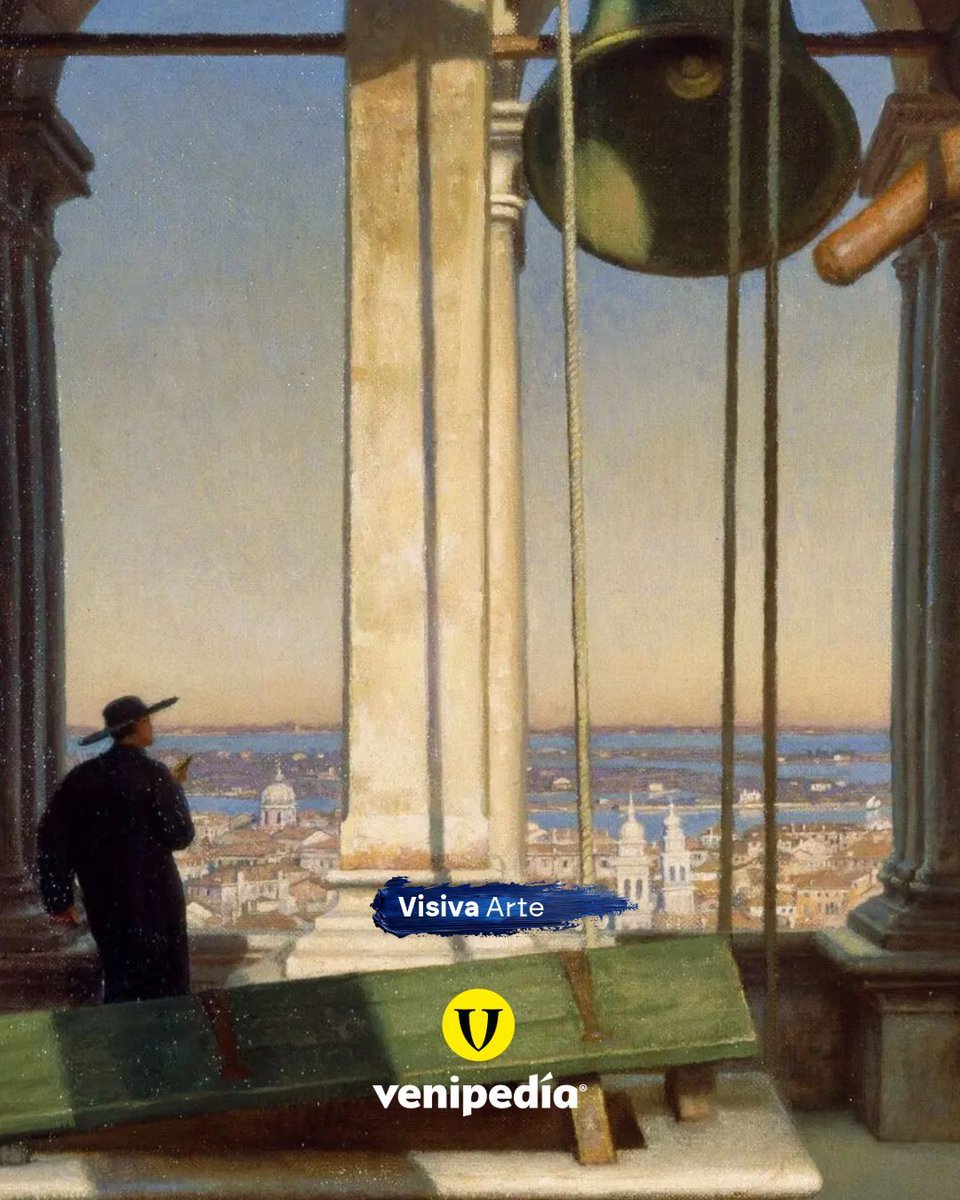
🇮🇹 (ENG below) Le campane di San Marco, attraverso gli occhi di Sir Edward Poynter. Quasi incollato al margine sinistro un uomo scruta l’orizzonte lagunare, all’ombra di una colonna che lo ripara dal sole. Il soggetto di questo dipinto di Poynter sono le campane del Campanile di San Marco, tuttavia in questo dettaglio del quadro è ammirevole come il ritratto acquisisca un livello quasi fotografico nel rappresentare il panorama circostante. Sir Edward Poynter è stato direttore a Londra della National Gallery e presidente della Royal Academy, all'inizio del secolo scorso. Scopri di più 👉 venipedia.it/it/visiva/le-c… Sempre tuoi, I Mastri Venipediani 🌏 The bells of St Mark’s, as seen through the eyes of Sir Edward Poynter. Almost pressed against the left-hand edge, a man gazes out over the lagoon, standing in the shadow of a column that shields him from the sun. The subject of this painting by Poynter is the bells of St Mark’s Campanile; however, in this detail of the painting, it is remarkable how the portrait achieves an almost photographic quality in its depiction of the surrounding landscape. Sir Edward Poynter was Director of the National Gallery in London and President of the Royal Academy at the beginning of the last century. Enjoy more 👉 venipedia.it/en/visiva/bell… Forever yours, The Venipedian Masters
Venipedia tweet media
Italiano
0
0
2
75
Venipedia
Venipedia@venipedia·
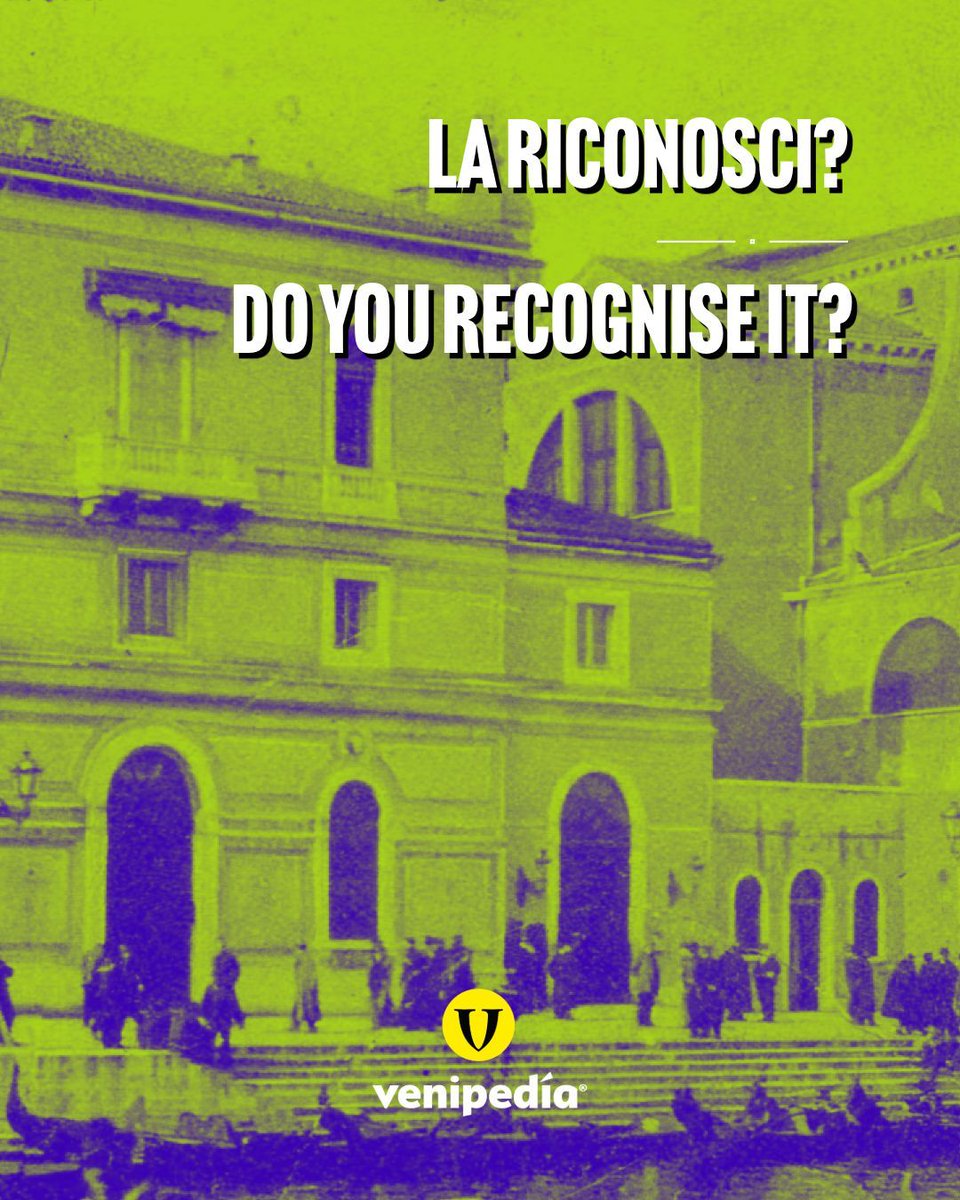
🇮🇹 (ENG below) Ad inizio ‘900, uscire dalla stazione ferroviaria a Venezia era diverso. La stazione Santa Lucia di Venezia si chiama così perché un tempo sullo stesso luogo sorgeva una chiesa dedicata alla Santa. Poi la modernità ha fatto il suo corso, sono arrivati anche a Venezia i trasporti su rotaia e così la chiesa è stata sostituita da una stazione ferroviaria. Oggi abbiamo presente l’attuale stazione, moderna ed essenziale. Ad inizio Novecento la sua forma era però molto diversa, più allineata all’architettura dei palazzi veneziani. Scopri più dettagli 👉 venipedia.it/it/visiva/staz… Sempre tuoi, I Mastri Venipediani 🌏 At the start of the 20th century, stepping out of the railway station in Venice was a different experience. Venice’s Santa Lucia station is so named because a church dedicated to the saint once stood on the same site. Then modernity took its course, rail transport arrived in Venice too, and so the church was replaced by a railway station. Today we are familiar with the current station, modern and minimalist. At the start of the 20th century, however, its appearance was very different, more in keeping with the architecture of Venetian palaces. Enjoy more details 👉 venipedia.it/en/visiva/stat… Forever yours, The Venipedian Masters
Venipedia tweet media
Italiano
0
0
2
146
Venipedia
Venipedia@venipedia·
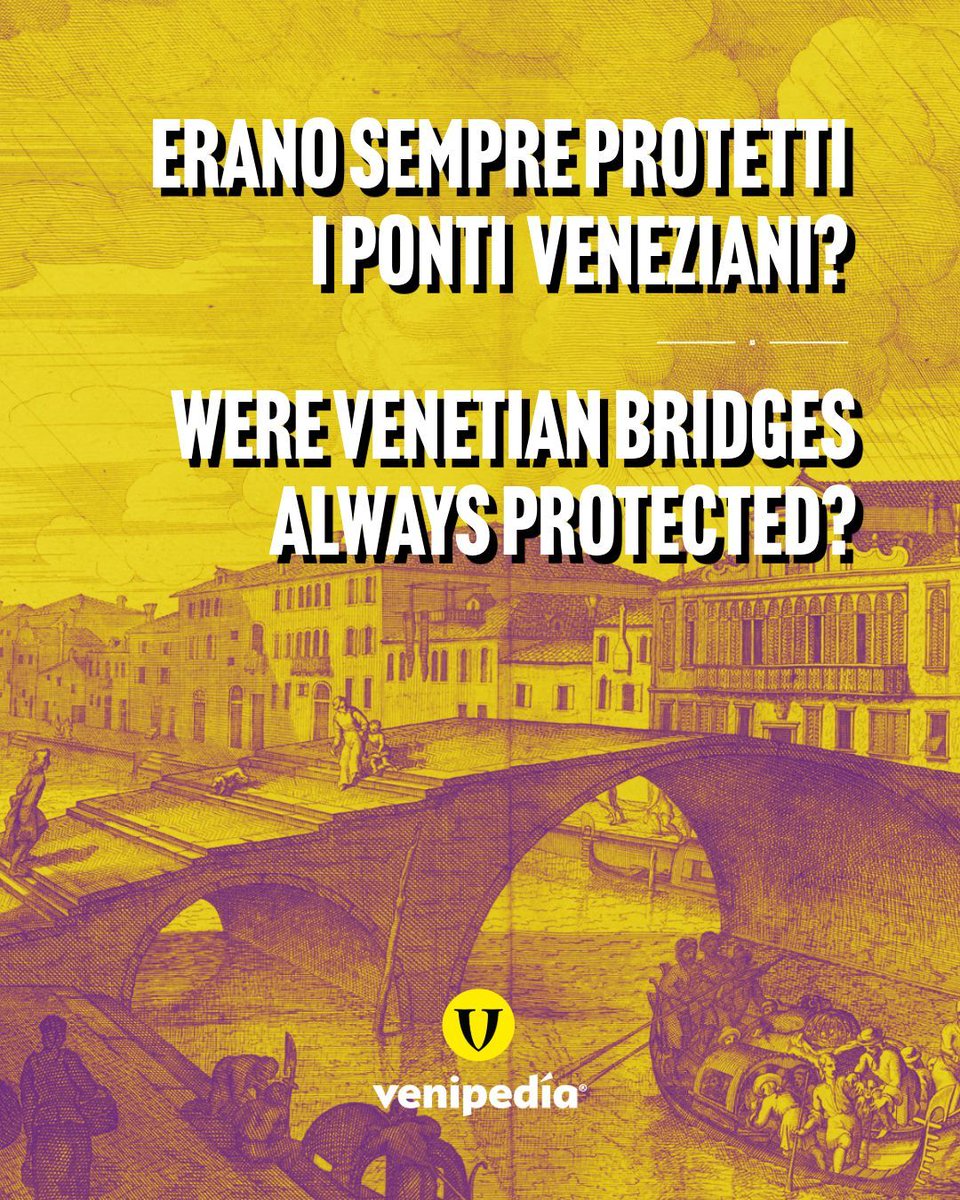
🇮🇹 (ENG below) Quando i ponti a Venezia non avevano protezioni. Oggi siamo abituati ai ponti “tradizionali”, cioè attrezzati di gradini e parapetti laterali, ma la Venezia di un tempo offriva un paesaggio urbano diverso, che oggi possiamo continuare ad apprezzare nei pochi testimoni rimasti, come il Ponte del Diavolo a Torcello. Nel particolare di questa incisione, si può verificare anche la diversa gestione dei gradini del ponte (l’attuale “Tre Archi”), più “diluiti” rispetto al quotidiano. Scopri di più 👉 venipedia.it/it/visiva/pont… Sempre tuoi, I Mastri Venipediani 🌏 When the bridges in Venice had no safety barriers. Today we are used to “traditional” bridges, equipped with steps and railings on either side, but Venice once offered a different urban landscape, which we can still appreciate today in the few remaining examples, such as the Ponte del Diavolo (Devil's Bridge) in Torcello. In this engraving, you can also see the different layout of the bridge steps (now known as the “Tre Archi”), which are more “spaced out” than today. Enjoy more 👉 venipedia.it/en/visiva/pont… Forever yours, The Venipedian Masters
Venipedia tweet media
Italiano
0
0
1
128
Venipedia
Venipedia@venipedia·
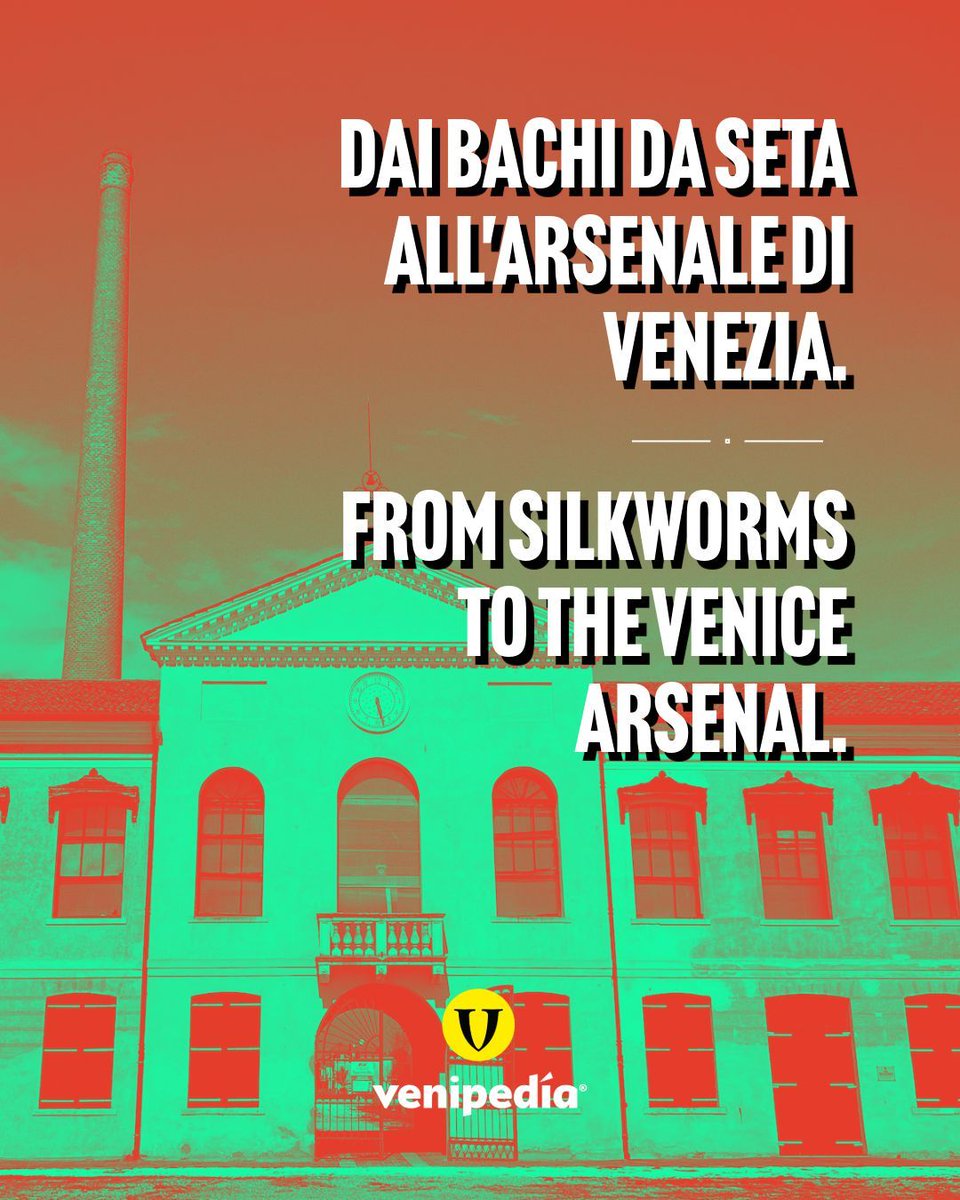
🇮🇹 (ENG below) Dai bachi da seta all’Arsenale di Venezia. Esiste un paese nella provincia veneziana che custodisce ancora oggi ciò che un tempo è stato fonte di ricchezza per il paese stesso, per i propri abitanti e gli abitanti limitrofi. Tra il tardo Ottocento e la metà del Novecento la filanda Romanin-Jacur di Salzano è stata una delle più importanti in Veneto, nonché opportunità di emancipazione femminile per più di 200 donne in forza lavoro. Dalle sue lavorazioni usciva anche un prodotto molto utile all’Arsenale veneziano. Scopri di più 👉 venipedia.it/it/enciclopedi… Sempre tuoi, I Mastri Venipediani 🌏 From silkworms to the Venice Arsenal. There is a village in the province of Venice that still preserves what was once a source of wealth for the village itself, its inhabitants and those living nearby. Between the late 19th and mid-20th centuries, the Romanin-Jacur silk mill in Salzano was one of the most important in the Veneto region, as well as providing opportunities for female emancipation for more than 200 women in the workforce. Its production also yielded a product that was very useful to the Venetian Arsenal. Enjoy more 👉 venipedia.it/en/encyclopedi… Forever yours, The Venipedian Masters
Venipedia tweet media
Italiano
0
1
1
58
Venipedia
Venipedia@venipedia·
🇮🇹 (ENG below) Vivaldi, il prete rosso. Musicista, violinista e compositore veneziano che dedicò tutta la sua vita alla musica, sua unica passione. Durante la sua parentesi clericale presso il conservatorio femminile del Pio Ospedale della Pietà, venne ironicamente soprannominato “prete rosso” per il suo colore di capelli. Abbandonò la carriera ecclesiastica per dedicarsi alla musica, diventando famoso in tutta Europa per le sue composizioni, tra cui “L’estro armonico” e “Le quattro stagioni”. Scopri di più 👉 venipedia.it/it/enciclopedi… Sempre tuoi, I Mastri Venipediani 🌏 Vivaldi, the red priest. A Venetian musician, violinist and composer who devoted his entire life to music, his only passion. During his clerical interlude at the female conservatory of the Pio Ospedale della Pietà, he was ironically nicknamed “the red priest” because of his hair colour. He abandoned his ecclesiastical career to devote himself to music, becoming famous throughout Europe for his compositions, including “L'estro armonico” and “The Four Seasons”. Enjoy more 👉 venipedia.it/en/encyclopedi… Forever yours, The Venipedian Masters
Venipedia tweet media
Italiano
0
0
2
112
Venipedia
Venipedia@venipedia·
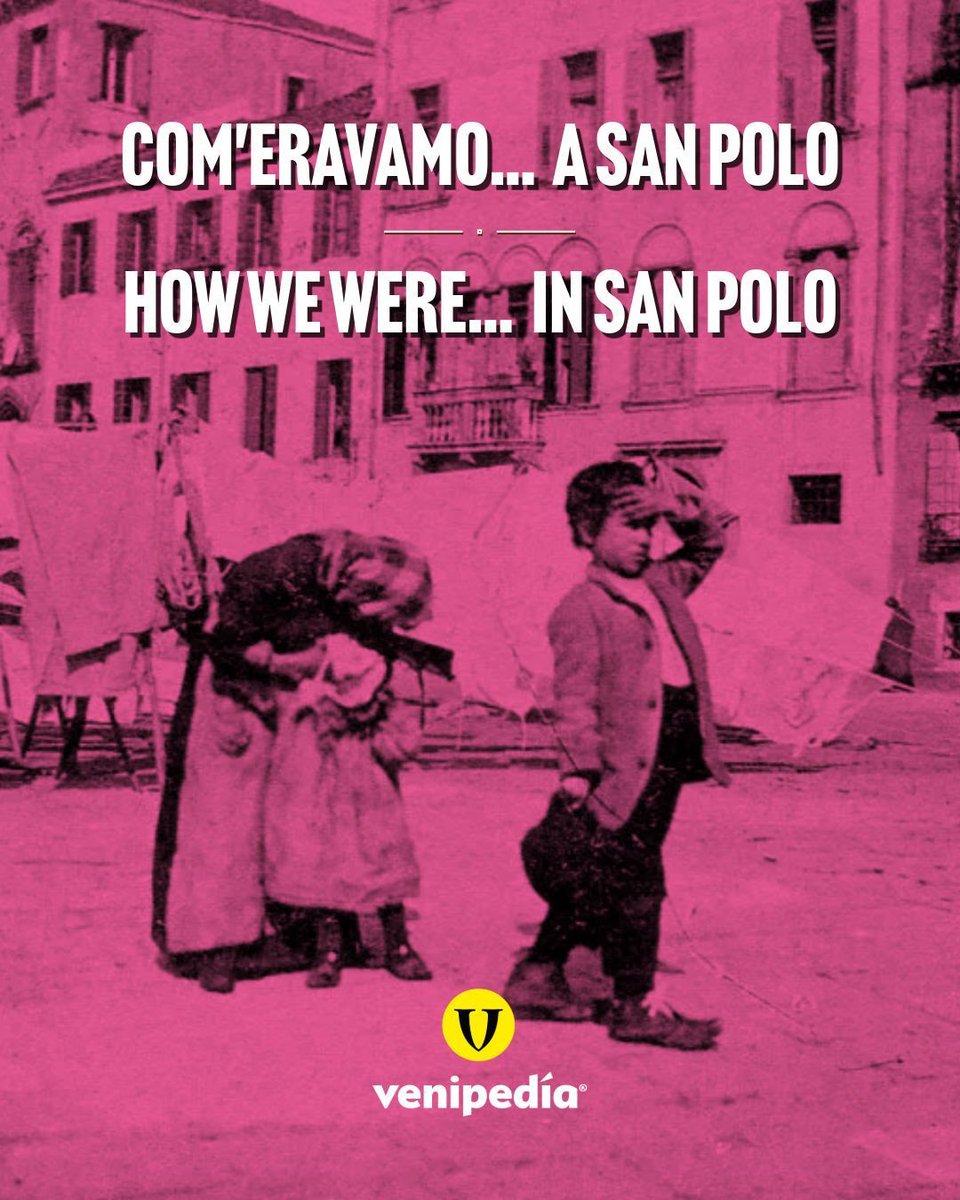
🇮🇹 (ENG below) Com’eravamo… a San Polo si stendevano i panni. I luoghi, le città, le persone cambiano. Venezia è forse uno dei luoghi che più incarnano il detto “tutto cambia, niente cambia”. Una città che sembra sospesa nel tempo, con i suoi palazzi che abbiamo imparato a conoscere anche attraverso i quadri dei più famosi vedutisti veneziani. Questo particolare di cartolina ci mostra come i campi veneziani un tempo fossero non solo un luogo di aggregazione sociale del tutto veneziana, ma anche uno strumento comune attivamente utilizzato. Ad esempio per mettere panni stesi ad asciugare. Scopri di più 👉 venipedia.it/it/visiva/camp… Sempre tuoi, I Mastri Venipediani 🌏 How we were... in San Polo, clothes were hung out to dry. Places, cities and people change. Venice is perhaps one of the places that best embodies the saying “everything changes, nothing changes”. A city that seems suspended in time, with its palaces that we have come to know through the paintings of the most famous Venetian landscape artists. This postcard detail shows us how Venetian squares were once not only a place for social gatherings, but also a commonly used tool. For example, for hanging out laundry to dry. Enjoy more 👉 venipedia.it/en/visiva/camp… Forever yours, The Venipedian Masters
Venipedia tweet media
Italiano
0
0
3
145