
𝕎𝕖𝕓³𝕤𝕥𝕠𝕣𝕞𝕘𝕚𝕣𝕝
8.4K posts

𝕎𝕖𝕓³𝕤𝕥𝕠𝕣𝕞𝕘𝕚𝕣𝕝
@web3storm6
𝕁𝕦𝕤𝕥 𝔸 𝔾𝕚𝕣𝕝 𝕎𝕙𝕠 𝕃𝕚𝕜𝕖𝕤 𝕋𝕠 ℂ𝕒𝕦𝕤𝕖 𝔸 𝕃𝕚𝕥𝕥𝕝𝕖 𝔻𝕖𝕔𝕖𝕟𝕥𝕣𝕒𝕝𝕚𝕤𝕖𝕕 ℂ𝕙𝕒𝕠𝕤 🥰👑😁🎃🤑

Robin Hood NFT GIVEAWAY 🏹 We're giving out 15GTD spot for @therobinhoodxyz mint. Requirements: - Follow @therobinhoodxyz,@Hikmahcodes - Like & RT this post - Comment EVM address Details: Mint pieces : 3,333 Mint price : 0.001ETH Mint date : TBD
thank you for 2,000 followers send it higher



When Ownership Becomes Infrastructure, The Quiet Shift Powered by Permacast and Dango What’s unfolding with Permacastapp and Dango isn’t just another layer of Web3 tooling, it’s a shift in how permanence, ownership, and distribution are being redefined at the protocol level. Permacastapp is pushing content into truly permanent rails, while Dango is reinforcing the structural logic around control, execution, and governance. Together, they signal a move away from fragile, platform-dependent systems toward infrastructure where data, value, and intent are no longer easily altered or taken away. The deeper insight here is not about storage or broadcasting alone, it’s about the convergence of permanence and authority. Permacastapp operates on the idea that content should outlive platforms, creators should not depend on algorithms, and information should remain intact regardless of external control. Dango complements this by introducing a framework where actions tied to that content can be governed, executed, and validated in a way that removes ambiguity. This pairing closes a long-standing gap in Web3, where data could be decentralized but its control layer remained inconsistent or exposed. What makes this evolution significant is how it challenges the existing creator and builder economy. Today, most systems still rely on intermediaries that can throttle reach, alter visibility, or even erase history. Permacastapp disrupts that by anchoring content permanently, while Dango ensures that the rules around interaction with that content are not arbitrary but enforceable. This creates an environment where both information and its usage are resistant to manipulation, giving creators and developers a level of certainty that has been largely theoretical until now. Looking forward, the real impact lies in how these primitives can be composed. When permanence meets programmable control, new categories of applications emerge, ranging from uncensorable media networks to autonomous knowledge systems. Permacastapp and Dango are not just building products, they are redefining expectations around what digital ownership should feel like in practice. The shift is subtle now, but its implications are foundational.









Permacast and Dango are redefining how history is treated in decentralized systems, turning it from a passive record into an active, usable layer. @permacastapp History in most systems is fragile. Even when data is stored, it is often difficult to access, verify, or integrate into new applications. @Permaweb_DAO changes this by making history both permanent and accessible. Content is not just archived, it is indexed in a way that allows it to be reused across applications. This creates opportunities for entirely new types of systems. Historical content can be used to build search engines, recommendation systems, and knowledge graphs that operate on immutable data. Developers can create applications that analyze trends, reconstruct events, or provide context based on permanent records. The key shift is that history becomes an active layer rather than a passive archive. Instead of storing data for preservation alone, Permacast enables systems that use historical data as a core input. This is particularly important for areas like governance, education, and research, where context is critical. Permacast ensures that history is not lost and can be continuously leveraged. @dango In financial systems, history is equally important but often fragmented. Transaction records may exist, but their continuity can be broken by upgrades or migrations. Dango ensures that financial history remains intact across all system changes. This allows developers to build applications that rely on long term data without worrying about inconsistencies. Analytics platforms can track trends over time, risk models can incorporate historical behavior, and governance systems can reference past decisions without gaps. For users, this creates transparency. Their entire financial history remains accessible and verifiable, regardless of how the system evolves. This continuity strengthens trust and enables more sophisticated financial tools. Dango turns financial history into a stable layer that can support advanced applications and long term analysis.

We're rolling out another $500K in ALTU rewards on @merkl_xyz, starting on April 30. Simply hold AVLT to qualify. Rewards from ongoing opportunities roll over, and all current vault depositors will remain eligible with no further action required.


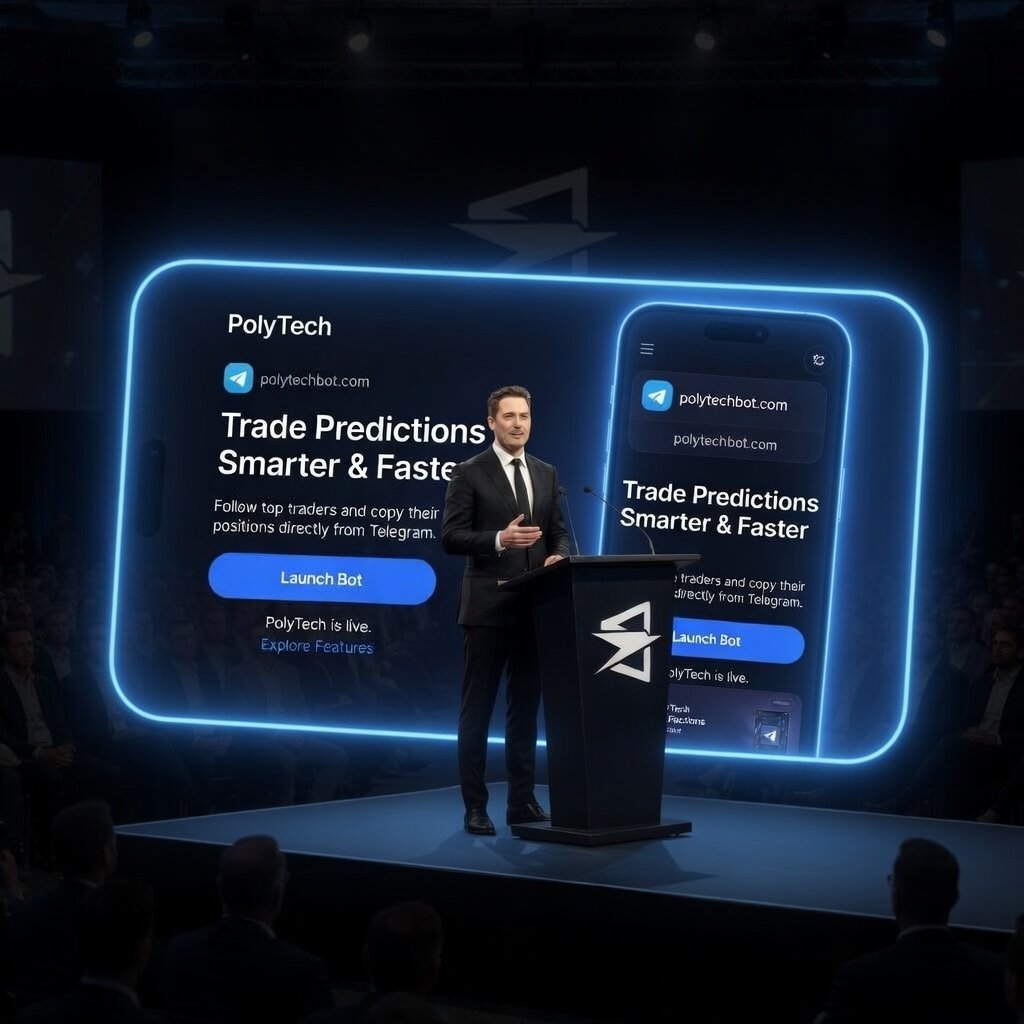
PolyTech Features That Make Trading on Polymarket Faster & Smarter 🧵 1.Super-fast trading You can buy or sell shares in just 0.3 seconds (almost instant). No waiting, no refreshing the website. This is called "zero-block" or very quick execution in the screenshot.





Every technology transition produces a moment where the infrastructure designed for the old paradigm becomes visibly insufficient for the new one. That moment doesn't arrive gradually. It arrives when a threshold application hits a ceiling and the inadequacy of the underlying infrastructure becomes impossible to attribute to anything else. Web2 hit that moment with distributed systems infrastructure when centralized architectures couldn't handle the traffic patterns of social media at scale. The infrastructure that was designed for the new paradigm was already being built before most people recognized the old one was failing. Decentralized AI is approaching the same moment. The threshold applications that will expose the inadequacy of retrofitted infrastructure for AI workloads are being built right now. When they hit their ceilings, the migration toward purpose-built infrastructure accelerates faster than incremental adoption would suggest. 0G Labs is the purpose-built option at the data layer. Not retrofitted. Not adapted. Designed from first principles around the data availability requirements of AI inference at production scale. @dango is the purpose-built option at the capital layer. Mechanics that were conceived for the operational economics of AI applications rather than general DeFi use cases adapted to fit. permacastapp is the purpose-built option at the storage layer. Permanent archival infrastructure whose design assumptions match the output permanence requirements of production AI applications precisely. Purpose-built for the new paradigm. Already operational before the threshold moment arrives. The transition is coming. The infrastructure designed for it is already here. 0G Labs, Dango, and PermawebDAO.

Pavel Durov just made TON 10x faster 🚀 Catchain 2.0 is live, bringing 400ms blocks and subsecond finality to a billion Telegram users. And this is only step 1 of the 7-step MTONGA roadmap. In Episode 8 of Running Web3, we break down what this actually unlocks for AI agents, high-frequency DeFi, and Telegram Mini Apps. We also explain why 6x more blocks will crush public RPC nodes, and how you can prepare your infrastructure for the load. Dive into the full episode below 🎦 @ton_blockchain @durov @telegram @ton_society @getblockio
