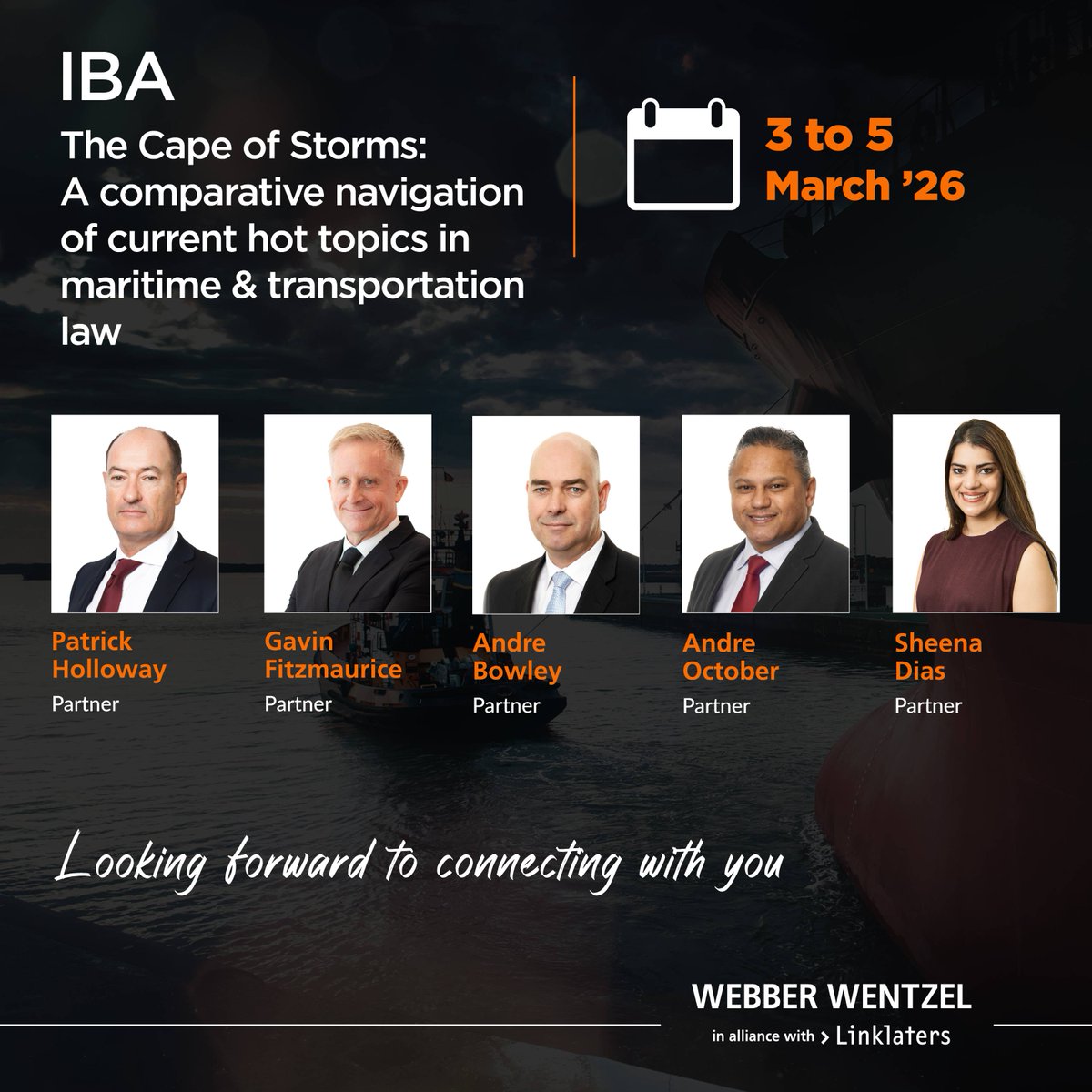
Webber Wentzel

13.4K posts

Webber Wentzel

Webber Wentzel

@webberwentzel

The official Webber Wentzel Twitter account. A leading African law firm. Est. 1868. None of the information here should be construed as legal advice.

Johannesburg | Cape Town Katılım Ağustos 2010
2.1K Takip Edilen14.9K Takipçiler
Webber Wentzel
Webber Wentzel@webberwentzel·
Navigating white-collar crime in Africa requires more than legal knowledge. It requires real, on-the-ground insight across jurisdictions. Africa is complex, connected, and constantly evolving. Understanding this landscape demands more than jurisdictional knowledge; it calls for insight that cuts across borders and reflects how systems operate in practice. We are proud to launch our White-Collar Crime & Forensic Investigations Guide, co-created with our trusted relationship firms across the continent. Covering South Africa, Kenya, Nigeria, Zambia, Mauritius and the DRC, the guide offers a practical, comparative view of regulatory frameworks, investigative processes and enforcement trends shaping Africa today. From reporting obligations to cross-border investigations, it reflects the realities of navigating enforcement across multiple jurisdictions. Access the guide here: bit.ly/4x7eKkD What makes it different is the collaboration behind it, a shared perspective shaped by experience across multiple jurisdictions and grounded in what’s happening on the ground. At Webber Wentzel, our strength lies in combining deep local knowledge with seamless collaboration across Africa. By working alongside leading firms across the continent, we deliver insight where it matters most and help clients navigate complexity with confidence. Because we don’t just work in Africa. We understand it across borders. Download your copy and explore the full picture: bit.ly/4x7eKkD #ForensicInvestigations #CorporateInvestigations #AML #RegulatoryCompliance #LegalInsight #WebberWentzel
Webber Wentzel tweet media
English
0
0
0
66
Webber Wentzel
Webber Wentzel@webberwentzel·
There is widespread uncertainty regarding whether Zimbabwean Exemption Permit (ZEP) holders can access South African permanent residence through an expedited process. Current legal frameworks confirm that no such dedicated route exists. To secure long-term compliance, corporate employers and ZEP holders must look to mainstream options. Nivaani Moodley and Bianca Rutherfoord-Jones outline the essential compliance realities: ► ZEP status is a temporary dispensation and does not confer automatic rights to permanent residence, regardless of stay duration. ► Permitholders must first transition to standard temporary residence visas before qualifying for permanent residence. ► Recent DHA extensions and concessions preserve lawful status until May 2027, but they do not relax statutory eligibility criteria. Read more: webberwentzel.com/News/Pages/zep… #CorporateImmigrationLaw #ImmigrationLaw #ZEP #LegalInsights #WebberWentzel
Webber Wentzel tweet media
English
0
3
2
213
Webber Wentzel
Webber Wentzel@webberwentzel·
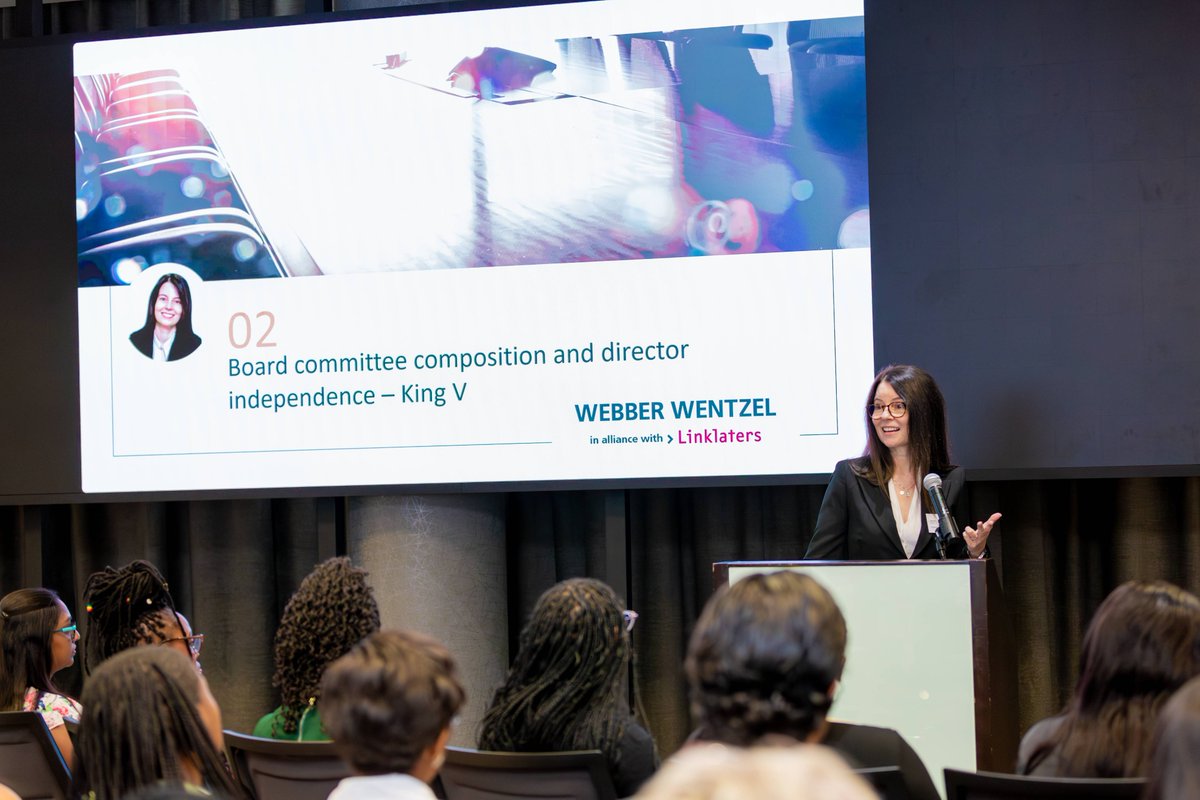
New statutory remuneration framework for South African public and state-owned companies now in effect, 22 May 2026. Sections 30A and 30B of the Companies Act, 2008 are now effective. Here's what you need to know: ▪️Remuneration policies must be put to shareholders every three years ▪️Annual remuneration reports require binding shareholder approval, with real consequences for non-approval ▪️Pay gap disclosures are now mandatory If your AGM is approaching, now is the time to review your remuneration policies, update reporting structures, and engage shareholders proactively. If AGM notices have already been issued, consider what supplementary steps may be needed to address the new requirements. For tailored advice, reach out to Madelein van der Walt or your usual Webber Wentzel contact. Read the full alert here by Madelein van der Walt, Nasrin Kharsany, Serena Kalbskopf: lnkd.in/dBCD7qKF #Remuneration #CompaniesAct #CorporateGovernance #WebberWentzel
Webber Wentzel tweet media
English
0
0
0
196
Webber Wentzel
Webber Wentzel@webberwentzel·
As South African insurers increasingly embed AI into underwriting and claims processing, a landmark US class action serves as a timely warning light. Erwyn Durman and Imaad Hajat highlight the key risks corporate clients should proactively address to safeguard operations. Read more on how to deploy AI responsibly and transparently: bit.ly/42SKP1G #InsuranceLaw #AIGovernance #LegalInsights #WebberWentzel
Webber Wentzel tweet media
English
0
1
0
126
Webber Wentzel
Webber Wentzel@webberwentzel·
Proposed amendments to the section 24G Fine Regulations aim to align the framework with changes already in force since June 2023. While much of the content is not new, the draft introduces important developments, including a potential opportunity for applicants to make representations before directives are issued and a formalised two-stage public participation process that may extend timelines. Garyn Rapson, Mikaella Bodeux and Sabeeha Loonat unpack the key changes, including the emerging right to challenge directives pre-issuance, the implications of a longer consultation process and the continued uncertainty around repeat contravention exposure: bit.ly/4v0RNNT #EnvironmentalLaw
Webber Wentzel tweet media
English
0
1
0
309
Webber Wentzel
Webber Wentzel@webberwentzel·
When evaluating corporate funding structures, treating tax risk as something to manage only in the event of an assessment is no longer a viable strategy. Following a definitive Constitutional Court GAAR judgment, the defensibility of mid-spectrum corporate funding structures now heavily relies on clear, objective commercial rationale for every single step. In this article, Joon Chong outlines the practical consequences for preference share agreements and why contractual protections must be reconsidered at the structuring stage. Read more on how to manage this risk from day one: bit.ly/4wVkOMW #TaxLaw #ConstitutionalCourt #CommercialLaw #CorporateGovernance #GAAR
Webber Wentzel tweet media
English
0
1
0
165
Webber Wentzel
Webber Wentzel@webberwentzel·
In our latest Legal Lens episode, Lerato Lamola Esq. and Analisa Ndebele explore how the regulation of virtual assets across Africa is beginning to take clearer shape. What was once a space defined by caution, informal guidance, and in some cases outright prohibition is steadily shifting toward more structured oversight, licensing regimes, and clearer compliance expectations. A few themes emerge strongly from the discussion. Across several African jurisdictions, regulators are increasingly moving to bring virtual assets into the formal financial system, even where full legislative frameworks are still in development. In many cases, anti-money laundering requirements are leading the way and effectively setting the baseline for future regulation. At the same time, virtual assets are not recognised as legal tender across the continent, and stablecoins are generally being regulated through broader existing definitions rather than bespoke frameworks, at least for now. That position is expected to evolve as global standards continue to develop. What is particularly interesting is the direction of travel. As jurisdictions move from policy intent to implementation, a more distinct African approach is starting to emerge, one that is risk-based, open to innovation, and aligned with international expectations, while still responding to local market realities. For businesses operating in this space, the takeaway is clear. This is no longer an emerging regulatory conversation, it is already underway and evolving quickly. Watch the full episode here: bit.ly/4tLAHm8 #VirtualAssets #CryptoRegulation #FinancialRegulation #Blockchain #AML #DigitalAssets #Fintech #FinancialServices #WebberWentzel #LegalLens
English
0
0
0
85
Webber Wentzel
Webber Wentzel@webberwentzel·
How do we implement AI responsibly whilst driving true innovation? Wendy Tembedza, Partner, will be exploring this critical question at the University of Johannesburg's SA Artificial Intelligence Unfiltered: Executive Roundtable. This high-level engagement brings together senior ICT leaders, government representatives, and strategic stakeholders for a focused dialogue on the responsible and ethical adoption of AI, governance frameworks, and digital sovereignty in South Africa. Find out more: bit.ly/4unH93M #TechLaw #AIPolicy #AIGovernance #ArtificialIntelligence #Innovation #WebberWentzel
Webber Wentzel tweet media
English
0
0
2
150
Webber Wentzel
Webber Wentzel@webberwentzel·
Dismissing Absa's appeal 9-to-1, the Constitutional Court has fundamentally altered how tax risk must be evaluated. Joon Chong explains why GAAR risk must now be managed contractually and structurally from day one, rather than treated as a risk to manage only in the event of a SARS assessment. Catch up on the practical consequences for preference share agreements: bit.ly/4wVkOMW #TaxLaw #ConstitutionalCourt #CommercialLaw #CorporateGovernance
Webber Wentzel tweet media
English
0
2
2
311
Webber Wentzel
Webber Wentzel@webberwentzel·
Green bonds have transformed sustainable finance, but as greenwashing risks continue to unsettle investors, what comes next? Following her participation in a panel discussion at the Water Security Africa Summit, exploring South Africa's first nature-linked, outcomes-based water performance bond, Khurshid Fazel, Head of Banking & Finance, makes a compelling case for why outcomes-based structures are the future of sustainable finance. By legally linking financial returns to independently verified environmental outcomes, this innovative model offers a genuine solution to Africa's water crisis. Discover how Webber Wentzel advised FirstRand Bank on this landmark, replicable Western Cape transaction. Read more: bit.ly/4dTTQgX #SustainableFinance #ESGInvestor #WaterSecurity #BankingAndFinanceLaw #WebberWentzel
Webber Wentzel tweet media
English
0
2
0
100
Webber Wentzel
Webber Wentzel@webberwentzel·
SARS' discretion to refuse a suspension of payment is not a discretion to ignore the facts. In Ferreira v CSARS, the Gauteng High Court reviewed and substituted SARS' refusal to suspend a R531 million assessment — finding the decision factually unsustainable and improperly made. Joon Chong, Partner, draws out the key lessons for practitioners, read the full analysis: bit.ly/49aRpUK #TaxLaw #TaxAdministration #SouthAfricanTax #PAJA
Webber Wentzel tweet media
English
0
3
4
553
Webber Wentzel
Webber Wentzel@webberwentzel·
Molisaesi v Jacobs offers a sobering lesson in mandate management and professional responsibility. The court found an attorney liable for settling a Road Accident Fund claim without a valid power of attorney, for the wrong client's injuries, and for a fraction of what the plaintiff may have been entitled to recover. Partner Raynold Tlhavani, Associate Maano Manavhela and Mandy Mdluli unpack the judgment and what it means for attorneys managing demanding, high-volume practices. Read the full article: bit.ly/3ReZIsp #DisputeResolution #Litigation #ProfessionalNegligence #RAF
Webber Wentzel tweet media
English
0
1
2
400
Webber Wentzel
Webber Wentzel@webberwentzel·
We are proud to share that Khurshid Fazel, Partner and Head of Banking & Finance, will be joining an exciting panel discussion unpacking a landmark moment in sustainable finance. South Africa's First Nature-Linked, Outcomes-Based Water Performance Bond This session will explore the first capital-markets instrument issued by a commercial bank globally where investor outcomes are directly tied to verified ecological and environmental restoration outcomes — a significant milestone for outcomes-based and sustainable finance in South Africa. This groundbreaking bond demonstrates how capital markets can play a powerful role in supporting climate-resilient infrastructure, aligning investor returns with independently verified environmental results. Khurshid will be joined by an exceptional panel: ▪️Deo Onyango — Senior Industry Specialist, Sustainable Finance, International Finance Corporation ▪️Louise Stafford — South Africa Country Director, The Nature Conservancy ▪️Justin Smith — Chief Strategy Officer , Sustainable Finance Coalition (Moderator) #BankingAndFinanceLaw #SustainableFinance #GreenBonds #ESG
Webber Wentzel tweet media
English
0
1
0
184
Webber Wentzel
Webber Wentzel@webberwentzel·
South Africa's approach to unlawful occupations may be about to change, but the proposed amendments are not without risk. Ayanda Khumalo and Thomas Karberg analyse the Draft PIE Amendment Bill, recently published by the Minister of Human Settlements for public comment. While the Bill aims to strengthen state and private landowner recourse against organised unlawful occupations, certain provisions raise serious concerns. Getting this balance right matters for municipalities, landowners, and the most vulnerable occupiers alike. Read the full article here: bit.ly/4uNJqoX #PropertyLaw #SouthAfricanLaw #HousingRights #EvictionLaw #PIEAct
Webber Wentzel tweet media
English
0
0
0
208
Webber Wentzel
Webber Wentzel@webberwentzel·
Under section 12(3) of the Prescription Act, a creditor is deemed to have knowledge of the debtor's identity if that knowledge could have been acquired through the exercise of reasonable care. A recent Western Cape Full Bench judgment has shown just how strictly this standard can be applied. In this article, Raynold Tlhavani and Maano Manavhela examine the judgment in Superstrike Investments v Van der Merwe and what it means for claimants navigating prescription in practice. #InsuranceLaw #InsuranceDisputes #Disputes #WeberWentzel #LegalInsights
Webber Wentzel tweet media
English
1
1
3
526
Webber Wentzel
Webber Wentzel@webberwentzel·
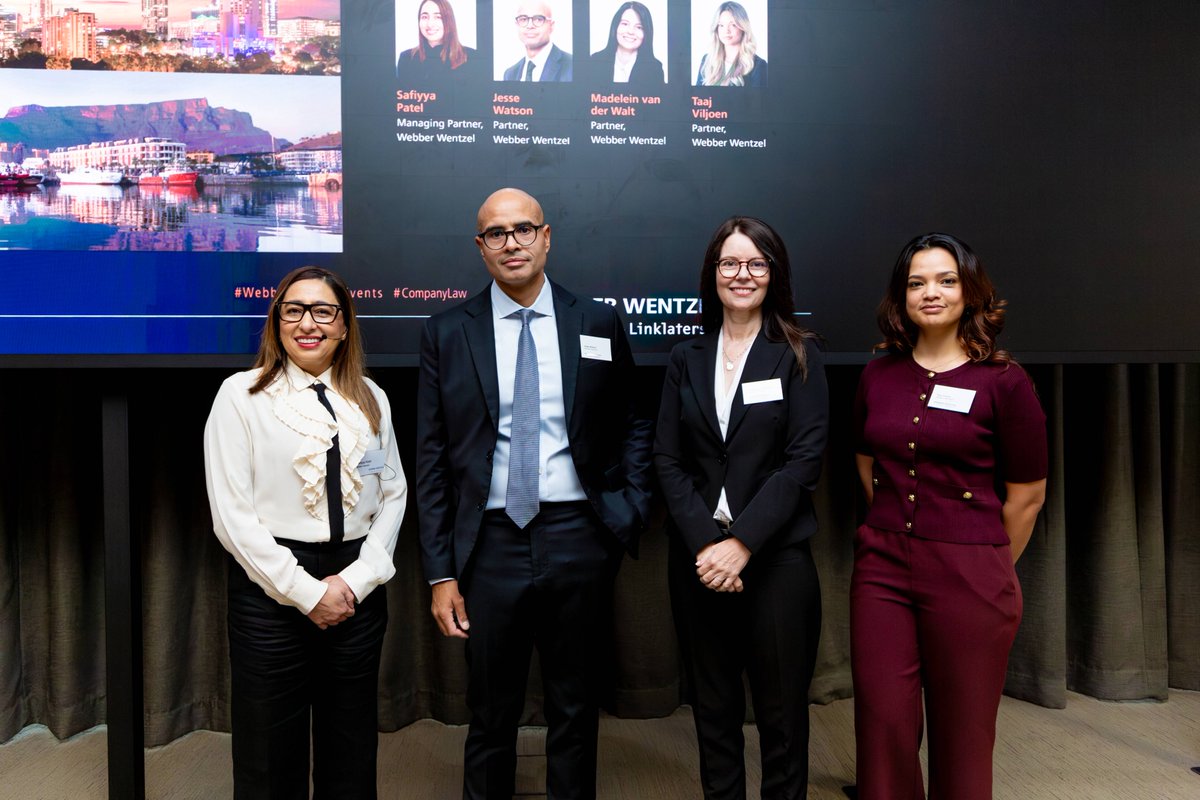
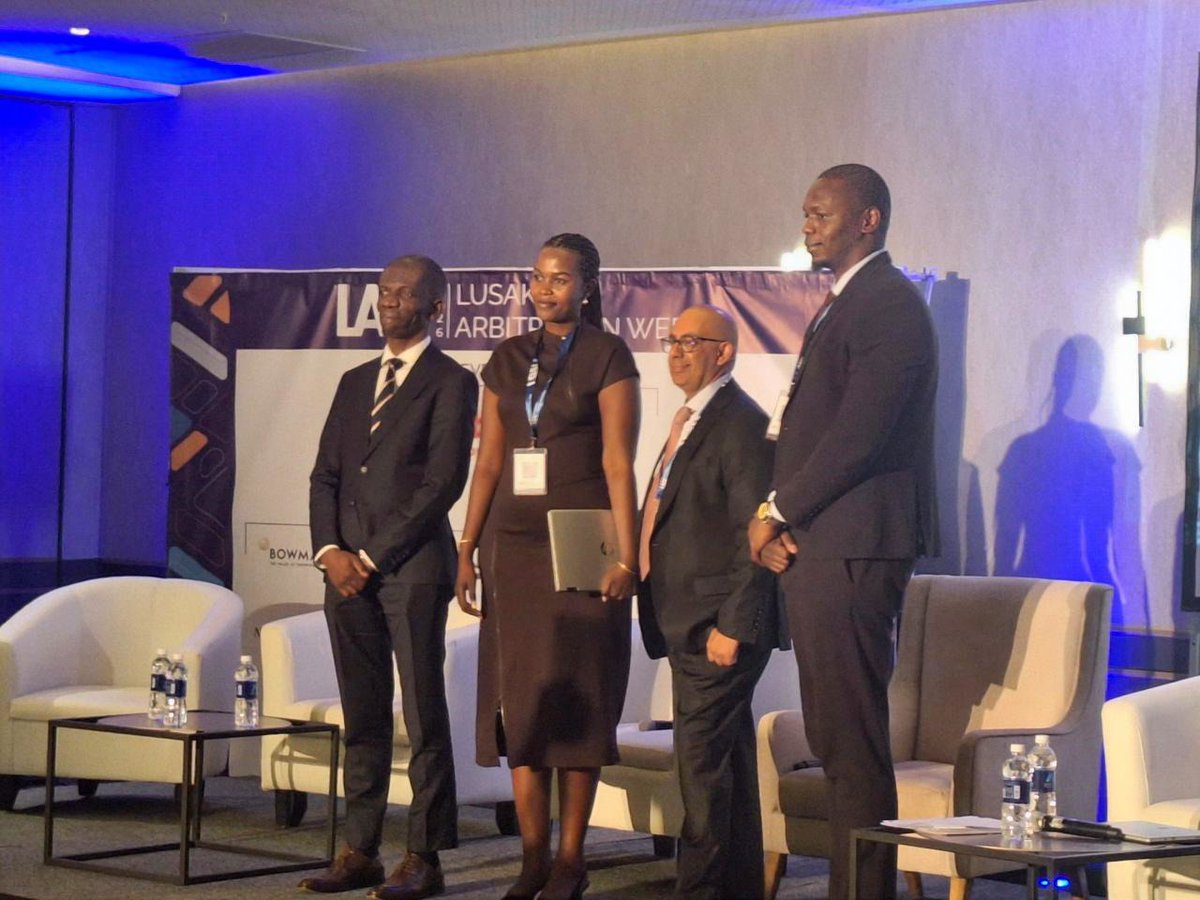
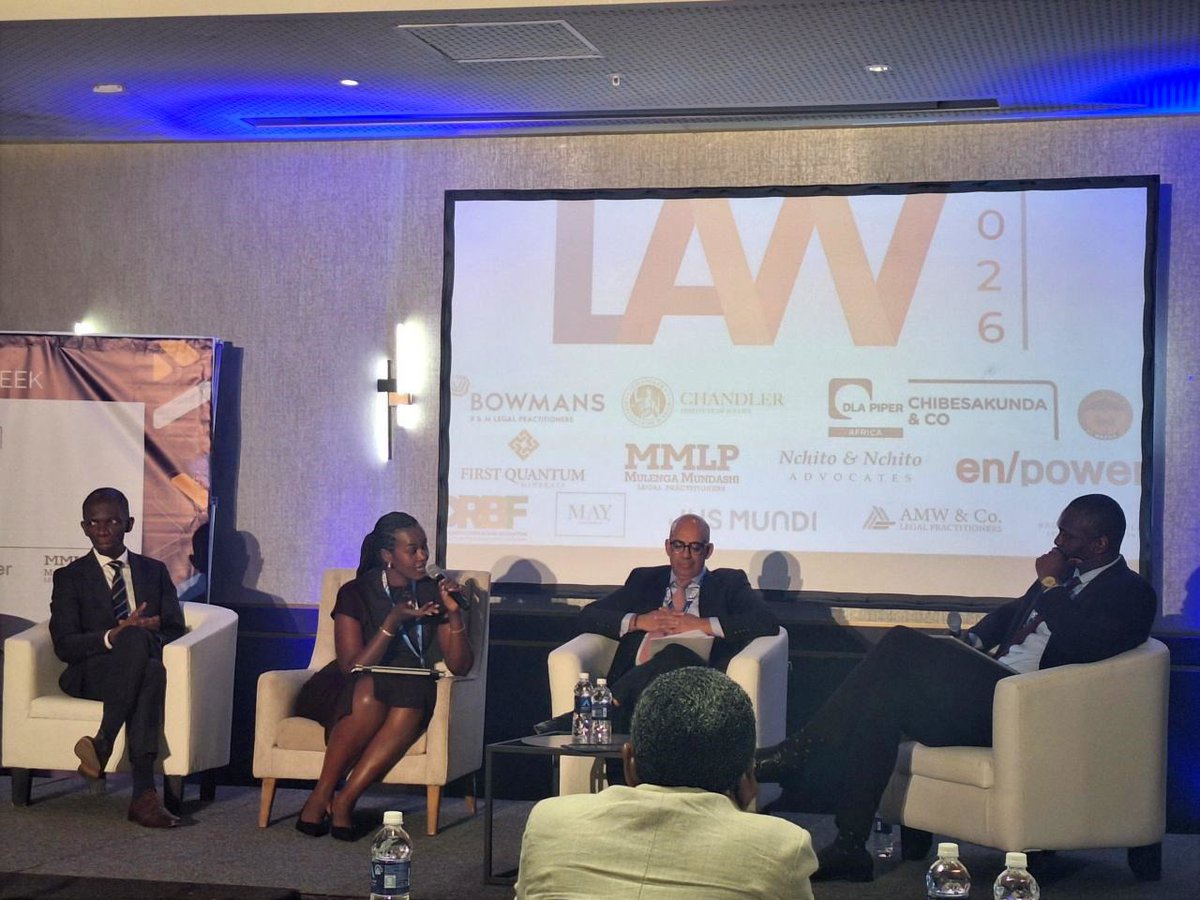
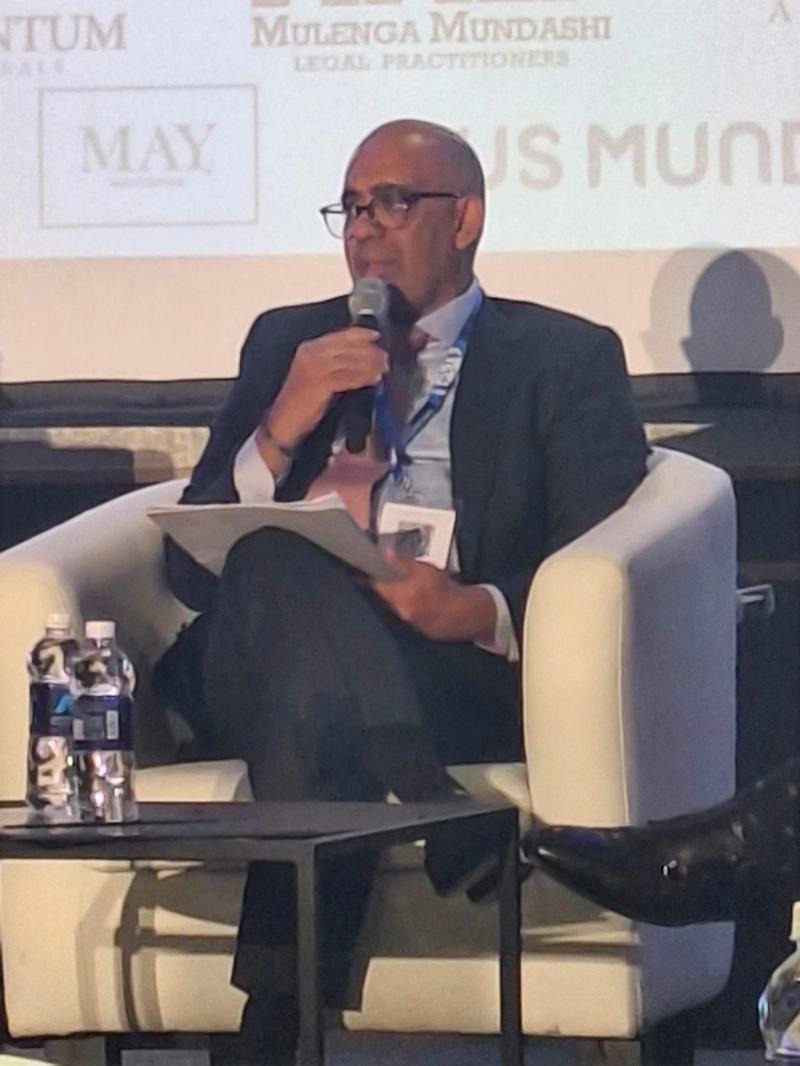
From London to the frontiers of space, literally. Julian Jones and Lara Kahn joined leading insolvency and restructuring professionals from around the world at the INSOL International London Conference 2026 (20–22 April), tackling some of the most forward-looking questions in the sector. From the role of AI in asset tracing, to preventive restructuring frameworks, to insolvency considerations in the space industry, the conversations were as wide-ranging as they were thought-provoking. Proud to be part of the global dialogue shaping the future of cross-border restructuring. #INSOL2026 #InsolvencyLaw #Restructuring #WebberwentzelGlobal #CrossBorderLaw
Webber Wentzel tweet mediaWebber Wentzel tweet mediaWebber Wentzel tweet mediaWebber Wentzel tweet media
English
0
0
0
117
Webber Wentzel
Webber Wentzel@webberwentzel·
"You cannot use medical evidence as a sword while keeping the full truth as a shield." The Limpopo High Court's recent ruling in Coca-Cola Beverages SA v Daswa Khuthadzo Witness makes one thing clear: if you base a personal injury claim on medical evidence, you cannot simultaneously shield that evidence from scrutiny. Justin Malherbe, Nosiphiwo Rala, and Faygn Prinsloo unpack what this landmark judgment means for litigants navigating the delicate balance between the constitutional right to privacy and the right to a fair trial. Read the full article: bit.ly/4dl2DHi #Disputes #Litigation #WebberWentzel #LegalInsight
Webber Wentzel tweet media
English
0
0
0
173
Webber Wentzel
Webber Wentzel@webberwentzel·
With effect from 1 May 2026, the Department of Trade, Industry, and Competition increased the mandatory merger thresholds and filing fees. It has been almost a decade since the merger thresholds and filing fees were last increased, in an investment climate marked by slow economic growth and regulatory hurdles. Daryl Dingley, Dudu Mogapi and Gina Lodolo unpack what the amendments mean in practice and the potential impact on mergers and acquisitions in South Africa: bit.ly/3OYti4O #CompetitionLaw #CTI
Webber Wentzel tweet media
English
0
0
0
172