WeGene

34 posts

WeGene

WeGene

@wegenecom

Personal Omics service provider, Personal Genome, Biological Age, Population Omics Studies

Singapore Katılım Aralık 2024
11 Takip Edilen607 Takipçiler
WeGene
WeGene@wegenecom·
WeGene now ships globally. Choose your level: 🔬 Standard Test — 750K SNPs, 850+ reports — $199 🧪 Whole Genome Sequencing — 3B bases, 1050+ reports — $999 wegene.com/en
WeGene tweet media
English
1
0
0
16
WeGene retweetledi
Sandy Welch
Sandy Welch@SWelchPhotos·
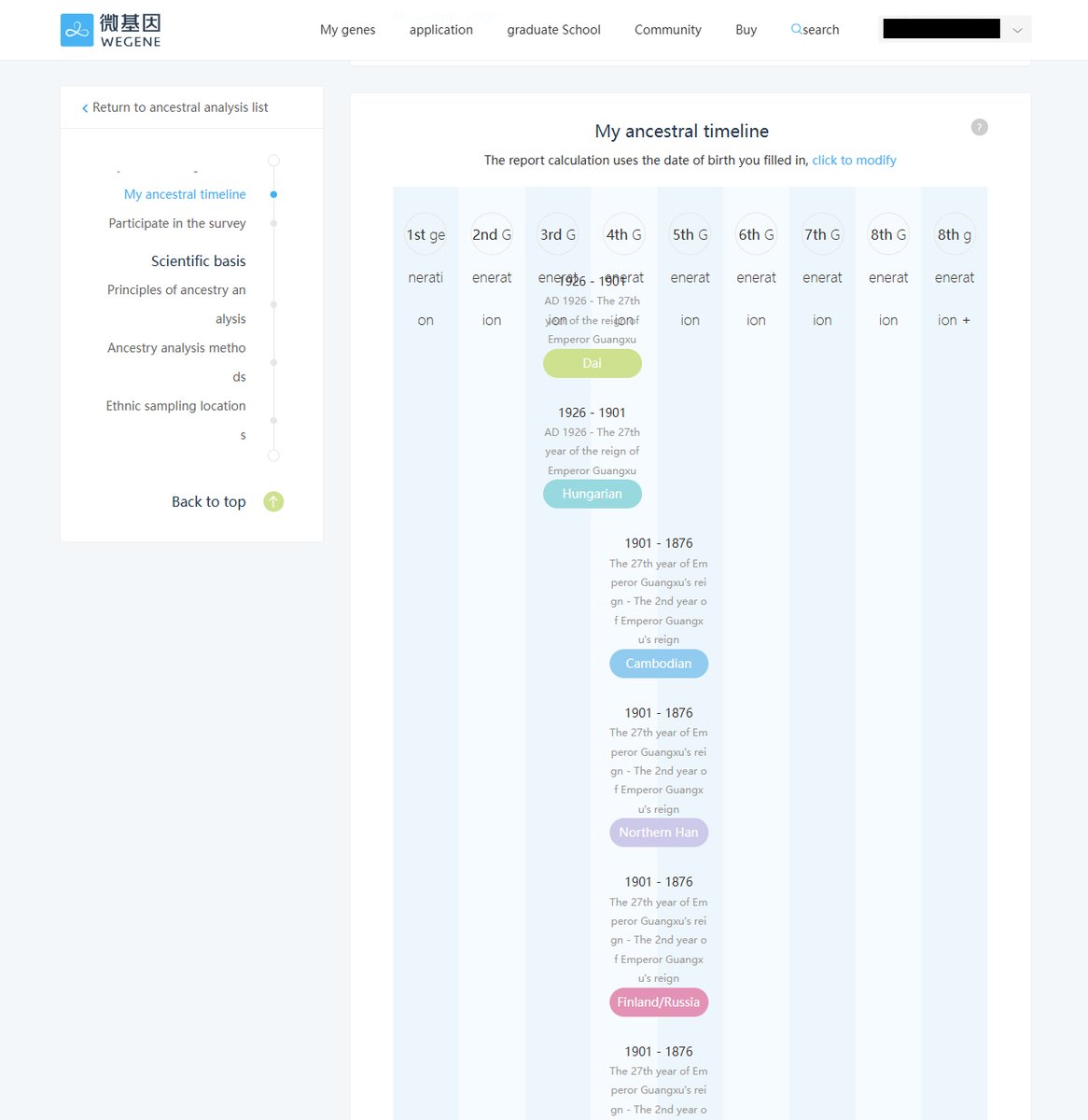
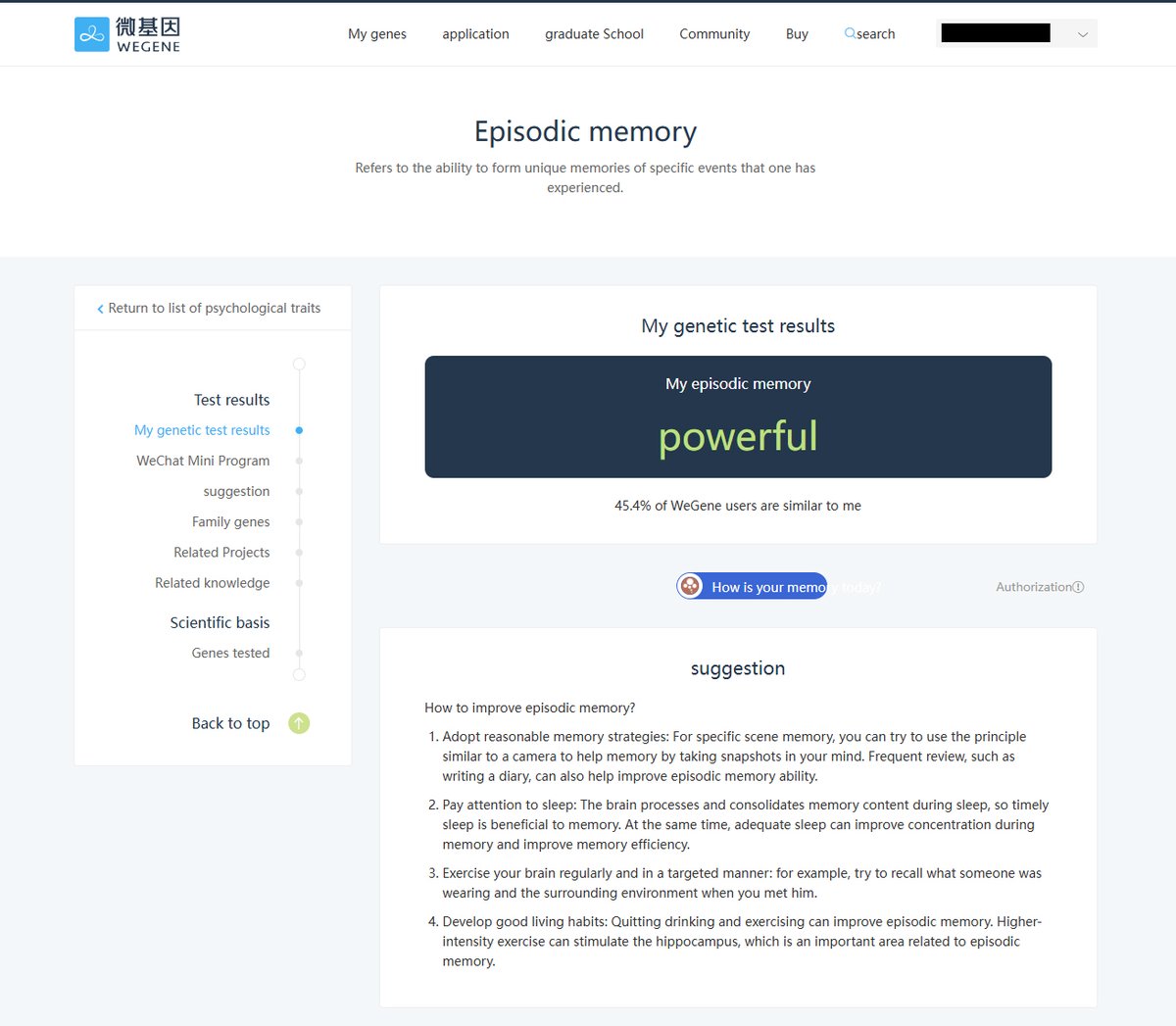
Asian ancestry with WeGene dna test via uploading raw dna file, from My Heritage (2018) to their website. Results in the next post... I received my dna results back from WeGene. I specifically took the test with them, because I have very mixed ancestry or multiple ethnicities. They are supposed to be good at detecting different kinds of Asian ethnicities or have a larger database of samples they use. They're also located in China. Since I'm half Asian and most Western dna tests, don't break down the Asian ethnicities, I wanted to see what their report could give me. So, if you know you're full European, for example, then I wouldn't suggest takings their test. ", WeGene is a genetic testing company headquartered in Shenzhen, Guangdong Province, China . Founded in 2014, WeGene specializes in providing DNA testing services tailored for individuals of East Asian descent, particularly focusing on Chinese populations." sp-edge.com/companies/1101… For perspective or the bigger picture. The two photos below, show that they go back about 7-8 generations to test for Modern Ancestry. Most of the Modern ancestry dna tests like 23 & Me, My Heritage, Ancestry, etc. only go back about 300 years. So if I had ancestors from the 1300's or Colonial times, these tests would not pick up on that, even though 1400's were only approximately 526 to 625 years ago. By contrast, Ancient ancestry tests will match you to actual skeletons and chromosomes from thousands of years ago. So, they're a bit more accurate than some Modern dna tests that only compare your dna to populations. It's also better if they actually match your chromosomes for more accuracy. In addition to all of that, a dna test is only as good as it's panel group they use or sample sets. So, if you don't match to the particular individuals they use, then the results may say you're not that ethnicity, when you actually are. Which is part of why I wanted a dna test that had a more refined breakdown of Asian. As a side note to photo below: I do like that I have some Neanderthal ;-). It makes me feel a bit ancient. Most of the Modern dna tests offer medical information like what diseases you might be at risk for, etc.. I generally only look at certain parts of them. Unless you want to be super stressed out reading through all of the illnesses you can get or things wrong with your biology. Also, while I have found a lot of the WeGene medical reports to be pretty accurate, they are not supposed to be used as a diagnoses and also things can also be by chance. You don't know if you're going to have a disease in later life or not as you get older. Some of it is lifestyle, overall health and what you eat, your environment, like being around people who smoke affecting your otherwise healthy lungs, all the time, etc.. Also, while I was amused that their test said I have good long term memory for specific events; remembering what happened, how I felt, details and it was very true about me...I also wonder how a dna test can tell you about your personality. So, who knows about those parts of some dna tests. More on that later. As always, I'm not a dna expert. But, like many people who are exploring their dna I am only sharing.
Sandy Welch tweet mediaSandy Welch tweet mediaSandy Welch tweet mediaSandy Welch tweet media
English
0
1
2
238
WeGene
WeGene@wegenecom·
@SWelchPhotos Thanks:) We strive to share scientific details with users to help them understand their genome.
English
0
0
1
33
Sandy Welch
Sandy Welch@SWelchPhotos·
WeGene context for Ashkenazi sample... Here is something explaining that WeGene uses 42 reference groups/ethnicities to measure against a person's dna. It also gives exact locations of a sample/samples used in the test. This was helpful, because as I mentioned before, I probably didn't match the sample they used. It was also from Poland and the Ashkenazi I've been matching with are mainly from Germany,
Sandy Welch tweet mediaSandy Welch tweet media
Sandy Welch@SWelchPhotos

Native Americans of Los Angeles, Nicoleno, San Nicoleno Island, Channel Islands (3700 BC - 78 BC) This was a really neat discovery. I found 5 ancient Native American samples I share dna with. All of the skeletons were from different time periods, between 3700 BC and 78 BC. When checking their ethnicities, all were Indian. These ones, call the Nicoleno, lived on San Nicoleno Island 61 miles directly off the coast of Los Angeles. They inhabited the island for over 10,000 years, before the Christian missionaries removed them during the 1800's, and they went extinct. Fuck the Christian Missionaries for being genocidal Nazis. Also screw the Russians who massacred them in 1811, before that. But, how amazing is it to be deeply connected to Los Angeles through the local Native Americans? Now, every time I go to the beach, I can look out at the ocean, in the far distance, where my ancient Indian ancestors once lived. More about the Nicolenos and San Nicolas Island below. GROK 3: The Indian tribe that lived on San Nicolas Island in California was the Nicoleño. They were a Uto-Aztecan people closely related to the Tongva of the mainland and nearby islands like Santa Catalina. The Nicoleño inhabited the island for at least 10,000 years until their population was decimated by a massacre in 1811 and most survivors were removed to the mainland in 1835. The island’s isolation and arid climate, with limited freshwater sources, influenced the Nicoleño’s resourcefulness. They relied heavily on the surrounding ocean, which provided abundant marine life, including fish, sea mammals, and shellfish, as well as materials for tools and trade. Culture and Lifestyle Subsistence and Economy: The Nicoleño were skilled hunter-gatherers and fishers, sustaining themselves through: Marine Resources: They harvested fish, seals, sea lions, abalone, and other shellfish. They used nets, bone hooks, and possibly small boats or rafts for fishing. Terrestrial Resources: The island had limited plant life, but they gathered seeds, roots, and bulbs. Small mammals like foxes may have been hunted. Trade: They engaged in trade with the Tongva and Chumash, exchanging shell beads, fish, and sea otter pelts for mainland goods like acorns and obsidian. Technology and Tools: The Nicoleño crafted tools from bone, stone, and shells. They likely used plank canoes or rafts similar to the Chumash tomol for fishing and possibly inter-island travel, though evidence is sparse. Their shell beads were a valuable trade item, often used as currency among Southern California tribes. Social Structure: Little is known about their social organization, but like the Tongva, they likely lived in small, kin-based villages with a chief or headman. Their population before European contact is estimated to have been 300–500, based on archaeological evidence and mission records. Spirituality and Art: Their religious practices probably resembled those of the Tongva, involving shamans, rituals tied to nature, and possibly the use of sacred sites. Archaeological finds include shell ornaments and stone artifacts, suggesting artistic expression through jewelry and tool decoration. Historical Context Pre-Contact Period: The Nicoleño thrived on San Nicolas for millennia, developing a sustainable lifestyle suited to their island. Archaeological sites, including middens (shell mounds), reveal a long history of occupation, with radiocarbon dating indicating human presence as early as 8,000–10,000 years ago. European Contact: Spanish explorers, starting with Juan Rodríguez Cabrillo in 1542, likely made brief contact with the Nicoleño, but significant interaction began with the Spanish mission system in the late 18th century. The Nicoleño were not directly missionized like the Tongva, due to their remote location, but their population was affected by disease and disruptions in trade networks caused by Spanish colonization. Decline and Tragedy 1811 Massacre: The Nicoleño population was devastated by a violent attack around 1811, perpetrated by Russian-led Aleut hunters seeking sea otter pelts. The hunters, working for the Russian-American Company, clashed with the Nicoleño, killing most of the men and taking women and children captive. This reduced the tribe to a few dozen survivors. 1835 Evacuation: In 1835, the Mexican government (California was under Mexican rule after 1821) sent a schooner, the Peor es Nada, to remove the remaining Nicoleño to the mainland, likely to Mission San Gabriel or San Fernando. Most were integrated into mission life or local communities, where they faced disease, forced labor, and cultural erasure. The "Lone Woman": One Nicoleño woman, later called Juana Maria, was left behind during the 1835 evacuation, possibly because she returned to the island to find her child. She lived alone on San Nicolas for 18 years (1835–1853), surviving by fishing, gathering, and crafting shelters. In 1853, she was found by a fur trapper, George Nidever, and brought to Santa Barbara. Unable to communicate (her dialect was unintelligible to Tongva speakers), she died of dysentery seven weeks later. Her story inspired Scott O’Dell’s novel Island of the Blue Dolphins. Archaeological and Cultural Legacy Archaeological Evidence: San Nicolas Island has numerous archaeological sites, including village remains, middens, and burial grounds. These sites have yielded tools, beads, and fishhooks, providing insight into Nicoleño life. The island’s restricted status as a U.S. Navy facility has limited excavations but also preserved many sites from looting. Cultural Continuity: The Nicoleño have no federally recognized descendants today, as their population was absorbed into the Tongva or other groups, or lost to disease and assimilation. However, modern Tongva communities honor the Nicoleño as part of their shared heritage, and efforts to preserve their history continue through cultural revitalization and archaeological studies. Juana Maria’s Legacy: The Lone Woman’s story remains a poignant symbol of resilience and loss. Her belongings, including a basket and clothing, are preserved at institutions like the Peabody Museum at Harvard. Her life has been commemorated in literature, education, and Native American storytelling. Modern Context San Nicolas Island is currently a U.S. Navy missile testing range, off-limits to the public, which complicates efforts to study or visit Nicoleño sites. The Tongva and other Native groups advocate for greater access to Channel Islands for cultural and historical purposes. The Nicoleño story underscores the broader impact of colonialism on California’s indigenous peoples, with ongoing discussions about repatriation of artifacts and recognition of Native histories.

English
1
0
1
130
WeGene
WeGene@wegenecom·
WeGene is the first personal omics testing service provider worldwide, not just a genome testing company. Epigenomics is the most accepted biological age test technology. Dr. Weng@WeGene (the handsome boy in the video) spent two years to develop it.
佳瑞Renée (💜,💛)@Renee7eth

《90%的人不知道,衰老是可逆的心》 Youtube🔗youtube.com/watch?v=aIWeA1… 几年前就做过了 @wegenecom 的基因检测 没想到前段时间去香港参加 @USDesci 组织的 #DeSci 峰 会 认识了 @wegenecom 的创始人 @chengangcs 回沪后就被安排了他们公司还没有上市的新产品—甲基 化检测 直接上门采血🩸 在Web2我们运营了一个生活方式社群近3年的时间社群的伙伴们来自各大投行、券商、银行、运动品牌等在高强度的工作环境下 大家却都还是马拉松、Hyrox等赛事的常客生活习惯也都很“干净” 以至于不少人外表看起来比实际年龄年轻很多(非常好奇这些伙伴的甲基化生物年龄是多少🤔) 内容时间🧵 00:10 实际年龄vs 身体年龄 00:37 被访者翁博士自我介绍 56 甲基化检测和基因检测的区别? 50 哪些因素会影响甲基化水平? 15 多长时间的行为会影响检测结果? 06 加速衰老的代表因素有⋯ 03:47 样本采集体验过程

English
0
0
2
226
OAG
OAG@oag0123412·
This is the O2b1 someone‘s cousin,hainan native islander,doesn't look like him tbh
OAG tweet media
English
1
0
5
1K
WeGene retweetledi
shabby
shabby@shabbster9·
@BharatObama @TRANNYKHAN @ZZZZ0123412 its because wegene's northern chinese sample is very southern so they use mongol as a proxy its also easier to get tibeto-burman on wegene
English
0
1
1
258
WeGene
WeGene@wegenecom·
@DFataliste @Topiramatee Oui, nous fournissons une analyse de santé complète aux utilisateurs de 23andMe. Yes, we provide a comprehensive health analysis to 23andme users.
Français
0
0
0
26
Epitomax 💊 🐍
Epitomax 💊 🐍@Topiramatee·
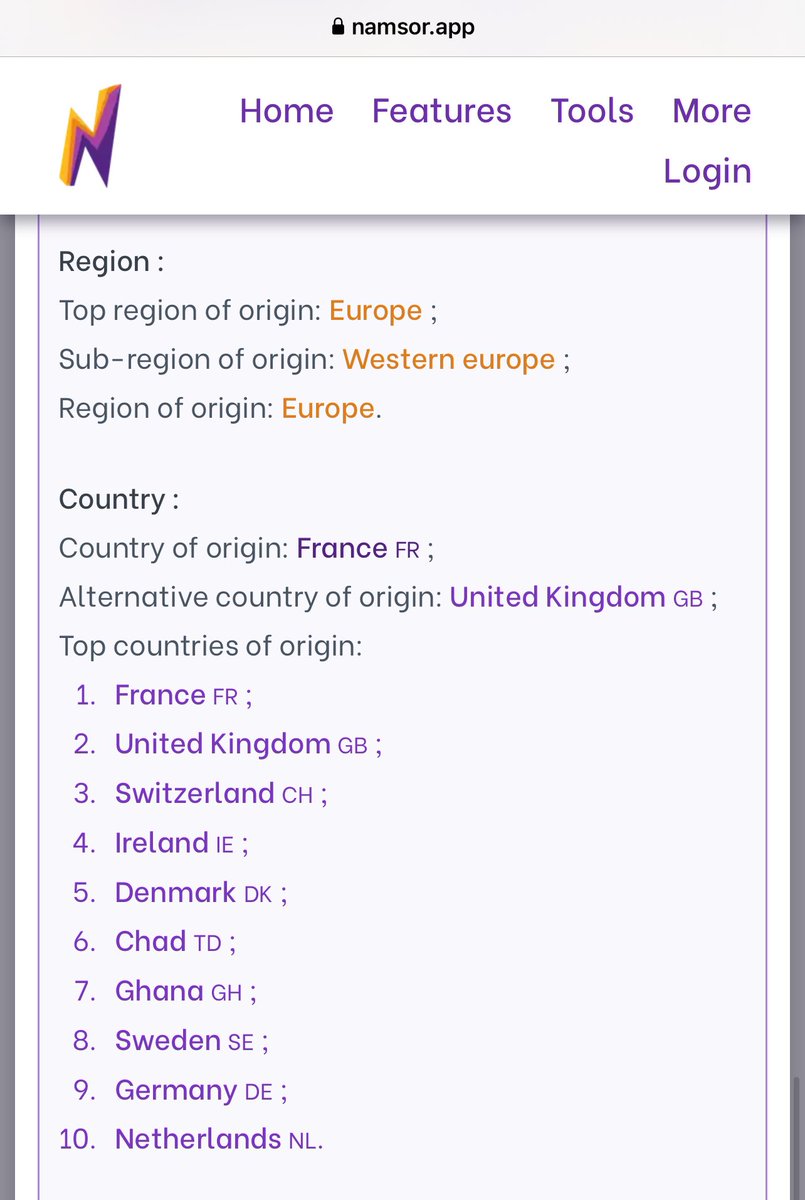
Il s’est passé quoi dans mon arbre généalogique pour que je me retrouve avec des origines du Tchad et du Ghana ? 🥲
Epitomax 💊 🐍 tweet media
Français
16
1
30
5.4K
WeGene
WeGene@wegenecom·
@0xStyrbjorn No. Have a look at @dlifexyz, they are building similar things in decentralized way with crypto.
English
0
0
0
19
WeGene
WeGene@wegenecom·
WeGene is providing personal genomics data storage and analysis service for #23andme users, wegene.com/en/ , contact me for discount.
Anne Wojcicki@annewoj23

The 23andMe Special Committee released news today indicating their plan to take the company through the Chapter 11 process.   While I am disappointed that we have come to this conclusion and my bid was rejected, I am supportive of the company and I intend to be a bidder.   I have resigned as CEO of the company so I can be in the best position to pursue the company as an independent bidder.  Nineteen years ago, when I co-founded 23andMe, the direct to consumer industry did not exist and most people had no idea why they would ever want to see their genome.   So much has changed.   There is now a thriving direct to consumer industry and over 15 million people are now 23andMe customers.   These customers are continuing to learn about their family relationships and how to optimize their health thanks to the incredible team of individuals at 23andMe who innovate and help customers gain insights from their genetic information. What made so many of our innovations possible were the 85% of our customers who opted in to research.  Thanks to them they have empowered an incredible platform for discovery.  You enabled our pursuit into novel drug discovery and our 50 programs with GSK.   In addition, over 250 publications have come out because of you and we have meaningfully impacted the research world.   Thank you. We have had many successes but I equally take accountability for the challenges we have today. There is no doubt that the challenges faced by 23andMe through an evolving business model have been real, but my belief in the company and its future is unwavering.  Consumers are rising up and asking for more control over their health and want greater knowledge about how to be healthy and why they may have health issues. We fought for consumers to have direct access to their information and for them to have choice and transparency with respect to their personal data.   As I think about the future, I will continue to tirelessly advocate for customers to have choice and transparency with respect to their personal data, regardless of platform. Since 2006, we have built an incredible consumer brand with one of the world's largest and most diverse genetic communities. Our foundation was the trust and respect of our customers, and they were always the guiding light on how we made decisions. If I am fortunate enough to secure the company’s assets through the restructuring process, I remain committed to our long-term vision of being a global leader in genetics and establishing genetics as a fundamental part of healthcare ecosystems worldwide.

English
2
0
0
111
WeGene
WeGene@wegenecom·
@Yanyi_Official @sth_like_human 微基因的全基因组测序也提供遗传性心血管疾病相关突变报告,同时也提供高深度测序的原始数据下载,可用于包括Promethease在内的第三方分析。推荐使用测序深度最高的版本:wegene.com/shop/item/13
中文
0
0
0
5
WeGene
WeGene@wegenecom·
WeGene is providing re-analysis service to 23andMe users, upload your raw data here: wegene.com/en/
English
0
0
0
50
WeGene
WeGene@wegenecom·
Ancestry Composition analysis relies on the reference panel and admixture algorithm. Generally, 23andMe's service is optimized for Caucasians, and WeGene's service is optimized for Asians.
李 明浩@peter750729

@Hakushu17 @CPhotographyC1 台灣都是找23andme做,但多數人的結果都是日韓和蒙古的基因比較顯性...網路上有很多分享,你不妨自己看。 而這些做出日韓和蒙古血統的,多半都堅稱自己祖上都是漢人...所以準確度如何,不好說。
English
1
0
0
94
WeGene
WeGene@wegenecom·
WeGene~~ #WeGene #23andme #分子人类学
Hannah.Hakushu@Hakushu17

@peter750729 @CPhotographyC1 作为从业者,简单科普一下:1、分子人类学基因测的是常染和y染序列。显性隐性是遗传学相关。2、基因层面蒙古人是C3,中国人主体是O2。人的外观取决于环境。阿伊努人高鼻深目像白人,其实他们是D1基因,算棕色人种的分支。3)检测准确度取决于样本积累,美国23andme和中国wegene有世界最大的样本量。

Deutsch
0
0
0
75
WeGene
WeGene@wegenecom·
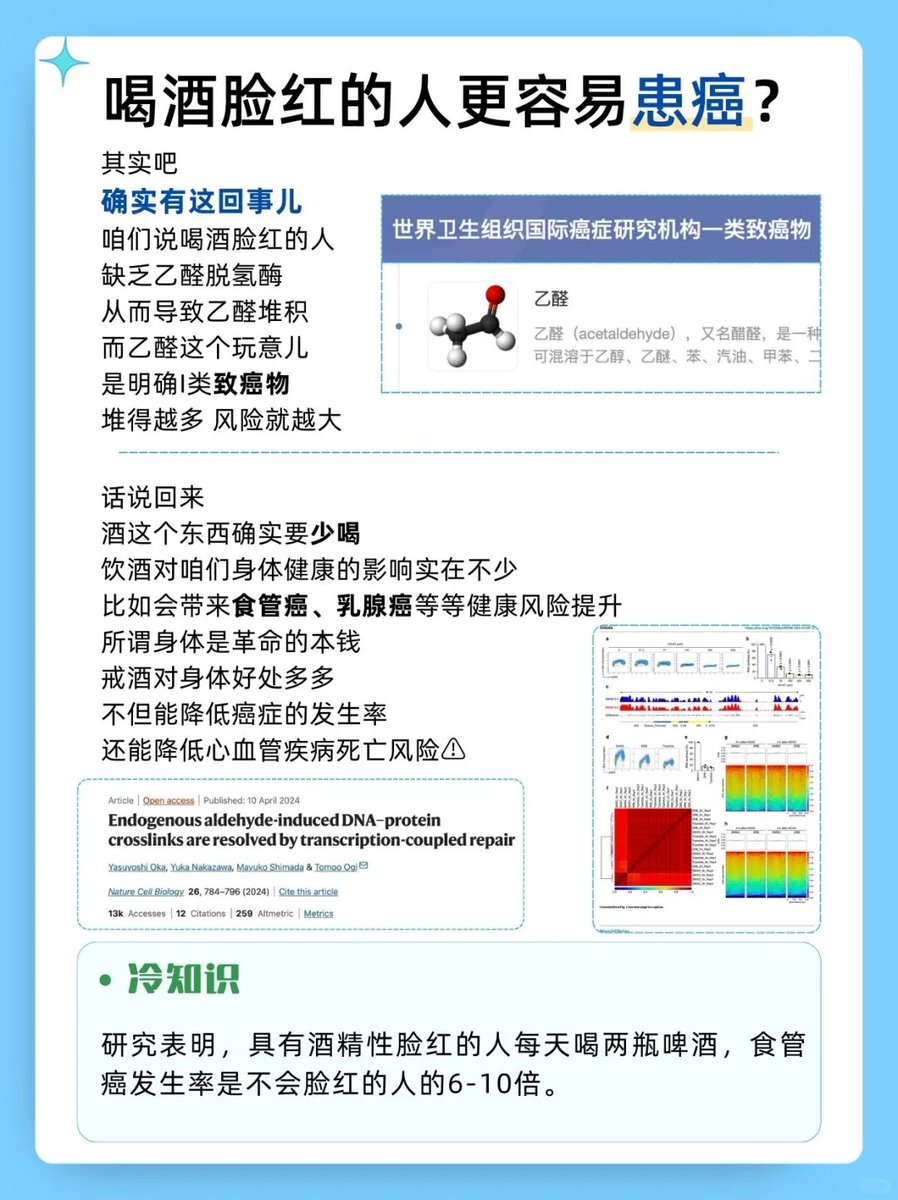
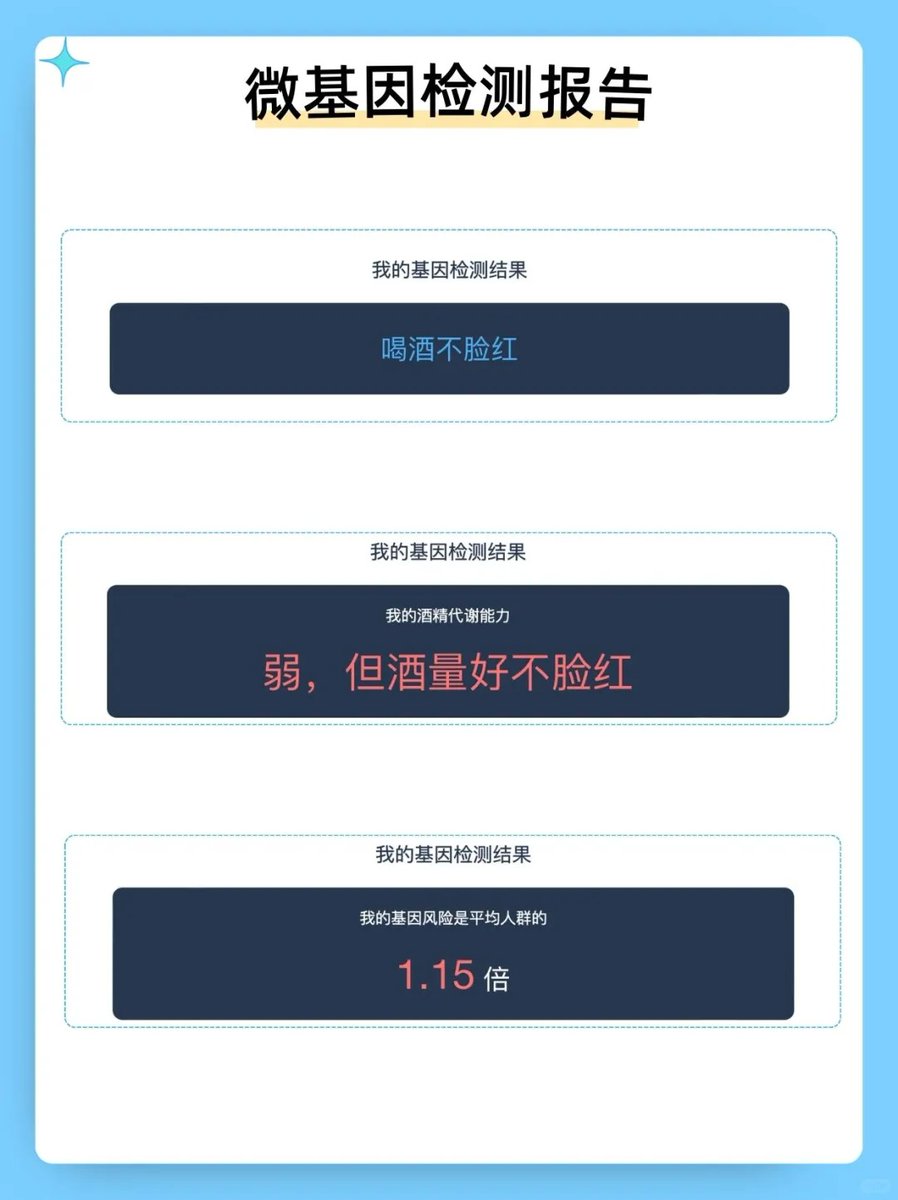
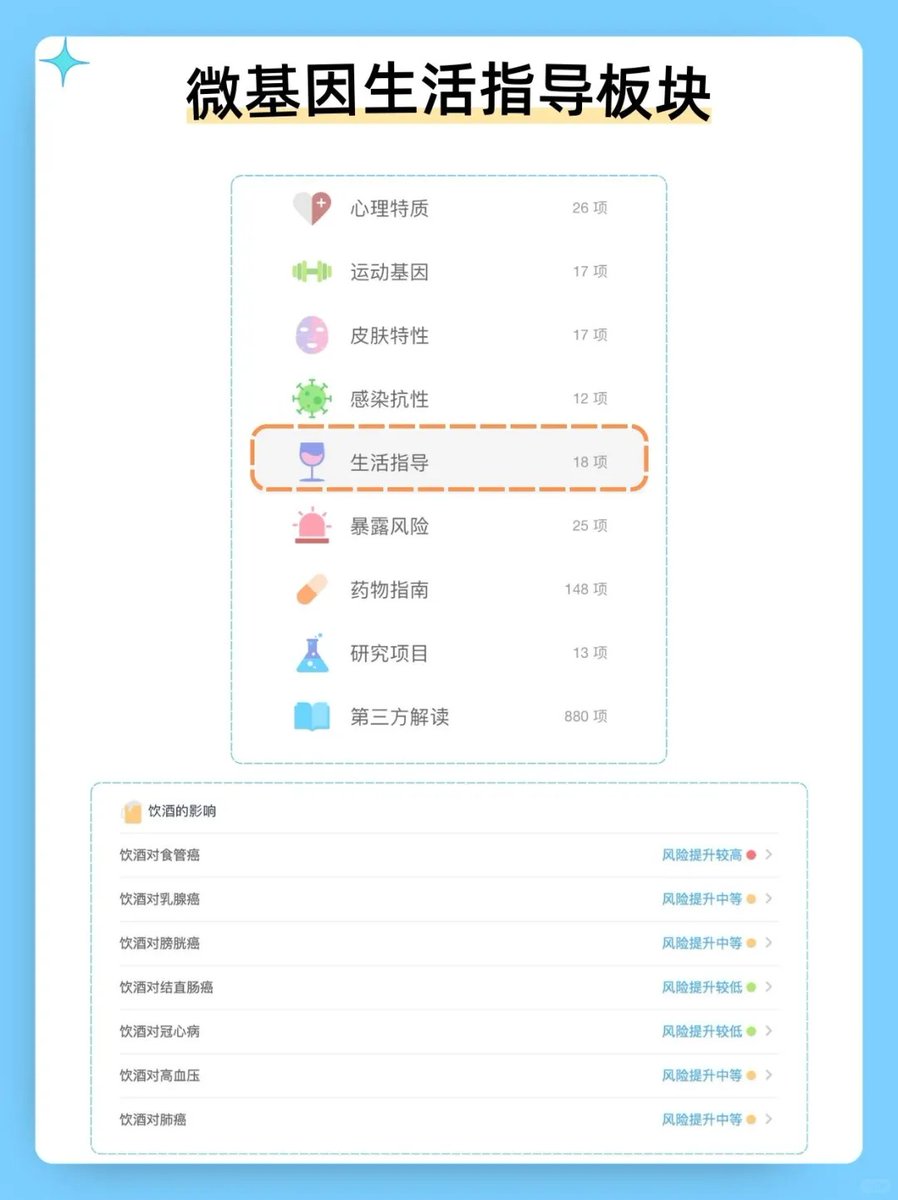
3/3 关键是:乙醛被明确归类为一类致癌物,积累得越多,风险就越大。如果你喝酒会脸红,可能真的该考虑减少或戒酒了,为了你的健康。你喝酒会脸红吗?我们来聊聊!
WeGene tweet mediaWeGene tweet media
中文
2
0
2
108
WeGene
WeGene@wegenecom·
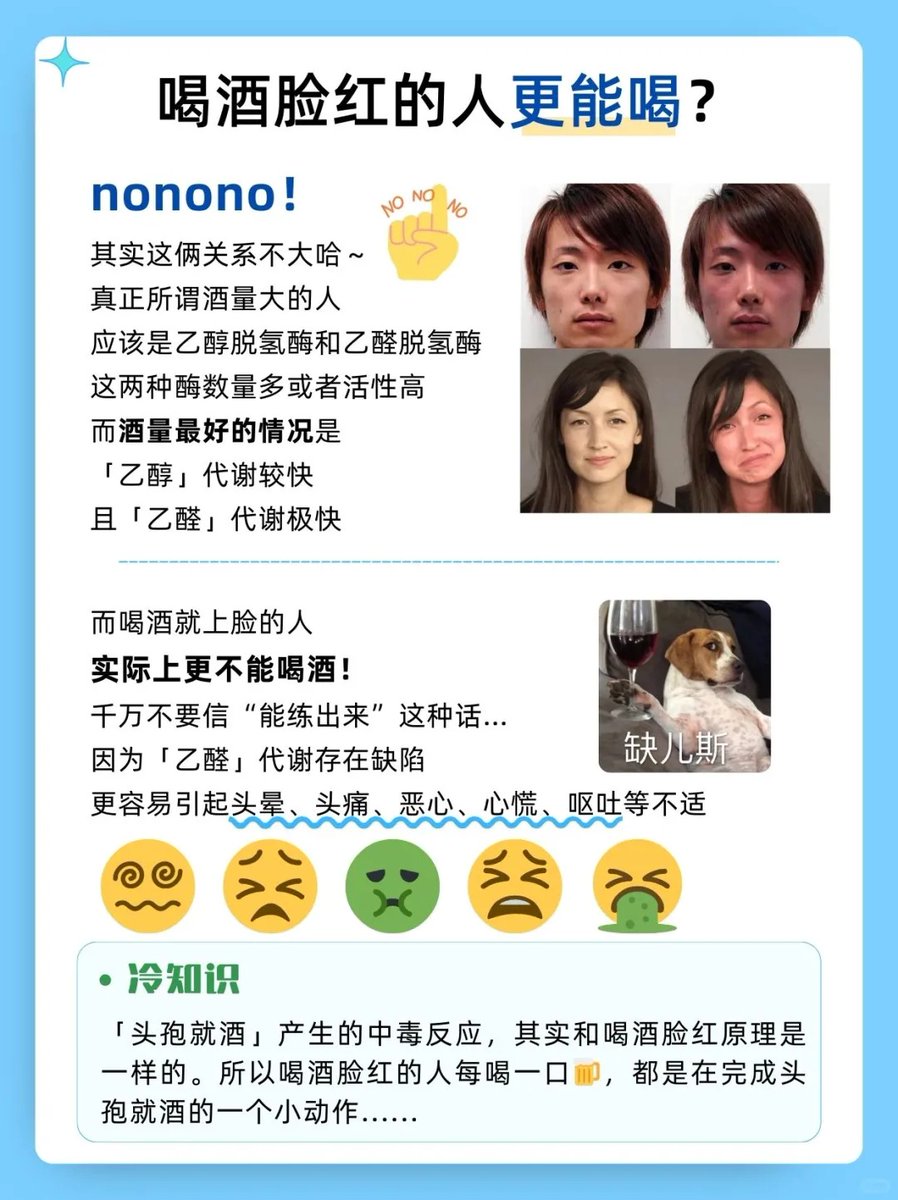
2/3 脸红并不代表你能喝。实际上,酒精马上上脸的人可能更不耐酒,因为身体代谢乙醛有缺陷,容易导致头晕😵‍💫、头痛📷、恶心📷、呕吐📷等不适🤮
WeGene tweet mediaWeGene tweet media
中文
1
0
1
139
WeGene
WeGene@wegenecom·
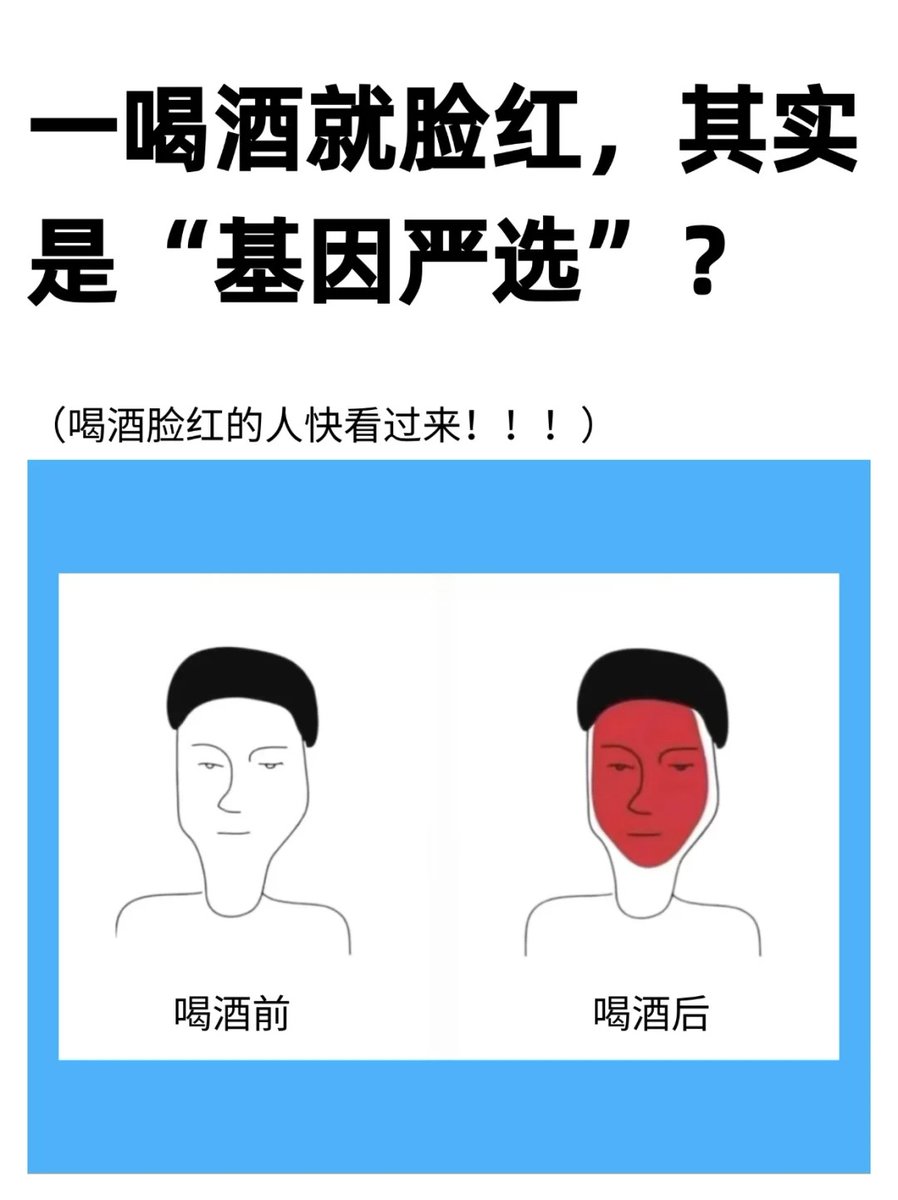
1/3 你有没发现有些人一喝酒脸就红得像猴屁股🍑📷?小微以前羡慕那些千杯不醉的人,但现在发现,这其实有它的好处!📷🍷喝酒脸红不是个简单的特征,而是基因在警告你:“酒精有害!☠️别喝了!”这是因为你缺乏“乙醛脱氢酶”,这是由基因决定的。#gene #23andme #WeGene
WeGene tweet mediaWeGene tweet media
中文
1
1
4
423