Sabitlenmiş Tweet

James Weidman 30S EPK youtu.be/3hk70gXeSuY via @YouTube
jamesweidman.hearnow.com
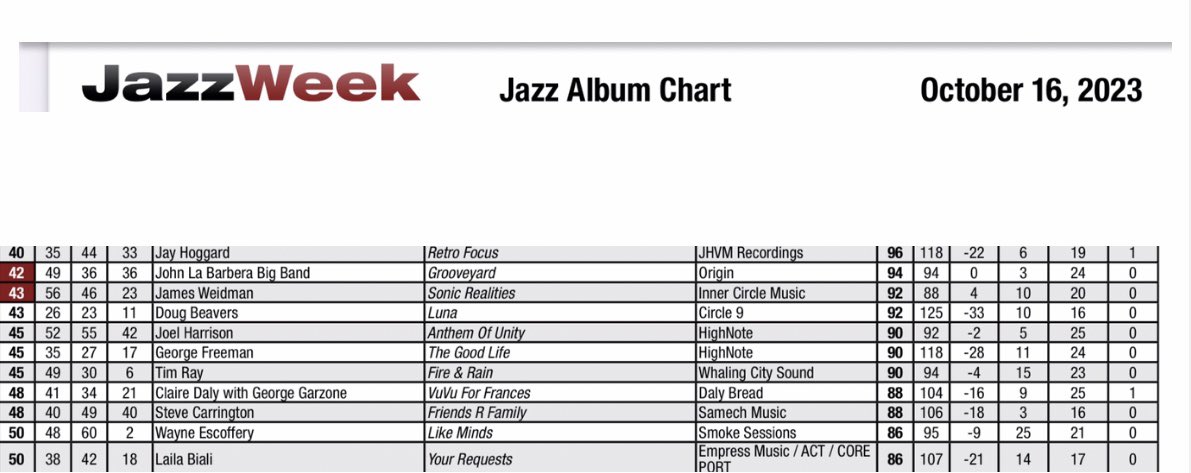
jamesweidman.com/album/sonic-re…

YouTube

Nederlands
James Weidman
1.8K posts
@weidmanjazz
Pianist and Assistant Professor of Jazz Piano and African American Studies at the University of Georgia. Listen to “Sonic Realities” on all platforms.

Born on this Day, Bobbi Humphrey On Tuesday, April 25, 1950 in Marlin, Texas, Bobbi Humphrey, born Barbara Ann Humphrey, emerged from her formative years in South Dallas with a flute, a scholarship, and a vision. She trained classically and in jazz at Texas Southern University and Southern Methodist University, where Dizzy Gillespie discovered her during a campus competition and urged her to move to New York. In 1971, Humphrey arrived in New York with just a few hundred dollars and, within days, was jamming with Duke Ellington and performing at the Apollo. That same year, she made history as the first female instrumentalist signed to Blue Note Records, launching a career that would redefine jazz‑fusion. Her early albums “Flute‑In” and “Dig This!” showcased her straight‑ahead jazz roots, but her breakthrough came with “Blacks and Blues (1973),” produced by the Mizell Brothers, an album that fused jazz, funk, and soul into a sound that became a cultural touchstone. Throughout the 1970s, Humphrey became a fixture on major stages, from Montreux Jazz Festival, Hollywood Bowl, Carnegie Hall, and collaborated with giants like Lee Morgan, George Benson, and Stevie Wonder, appearing on Wonder’s landmark album “Songs in the Key of Life (“Another Star”).” Humphrey’s accolades include Billboard’s Best Female Instrumentalist (1976), Record World’s Best Female Instrumentalist (1978), Ebony Magazine’s Best Flutist (1975–77), and was given the Key to the City of New Orleans (1977). By the late ’70s she expanded into business, founding Bobbi Humphrey Music Company and Innovative Artist Management, and later launching her own label, Paradise Sounds Records, in 1994. To this day, Humphrey’s self‑described style: “African American classical music,” continues to influence generations of artists.


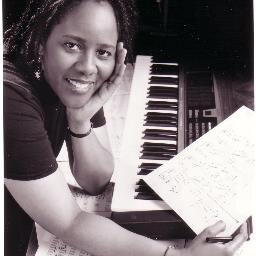




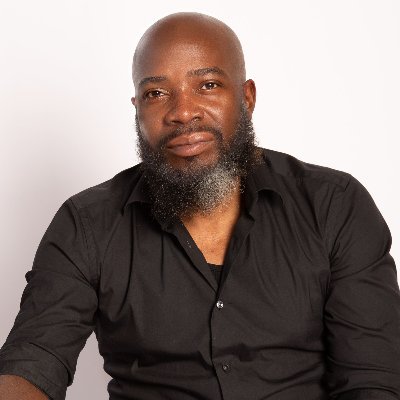
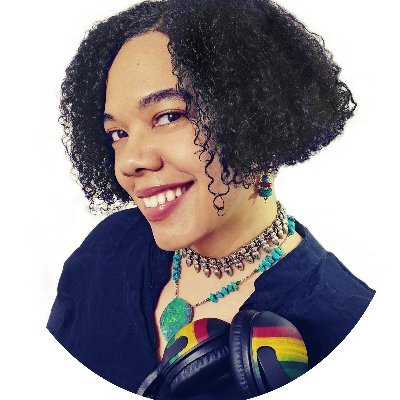

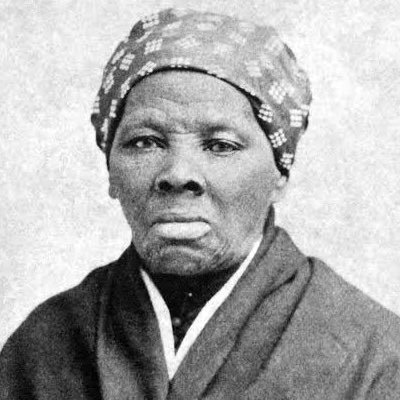

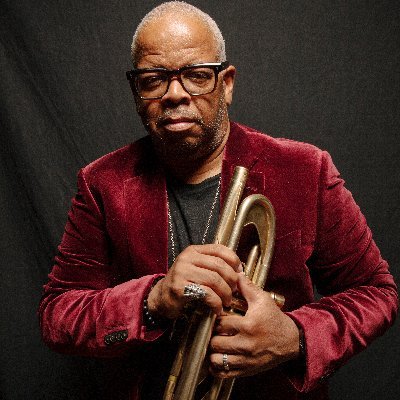


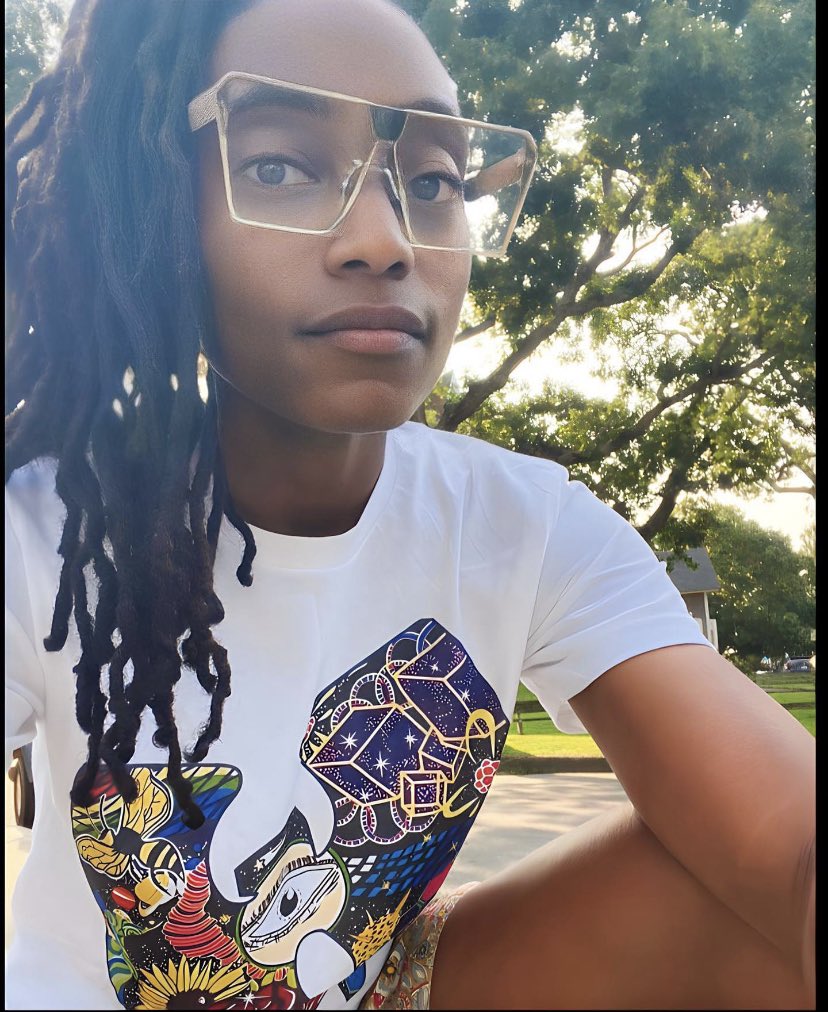
Kick off the 2023 Annual Torrance Lecture with a mini-conference celebrating African American music. Featuring guest speakers Greg Satterthwaite, Mokah Jasmine-Johnson, James Weidman, Marketus Presswood, Ed Pavlić, and Sydney Passmore.
Years ago, anthropologist Margaret Mead was asked by a student what she considered to be the first sign of civilization in a culture. The student expected Mead to talk about fishhooks or clay pots or grinding stones. But no. Mead said that the first sign of civilization in an ancient culture was a femur (thighbone) that had been broken and then healed. Mead explained that in the animal kingdom, if you break your leg, you die. You cannot run from danger, get to the river for a drink or hunt for food. You are meat for prowling beasts. No animal survives a broken leg long enough for the bone to heal. A broken femur that has healed is evidence that someone has taken time to stay with the one who fell, has bound up the wound, has carried the person to safety and has tended the person through recovery. Helping someone else through difficulty is where civilization starts, Mead said." We are at our best when we serve others. Be civilized. Credit: Ira Byock.


The RIAA's midyear report details record profits of $8.4 billion for recorded music in the first half of 2023. thefader.com/2023/09/18/ria…