Wherry Lines

8K posts

Wherry Lines banner
Wherry Lines

Wherry Lines

@WherryLines

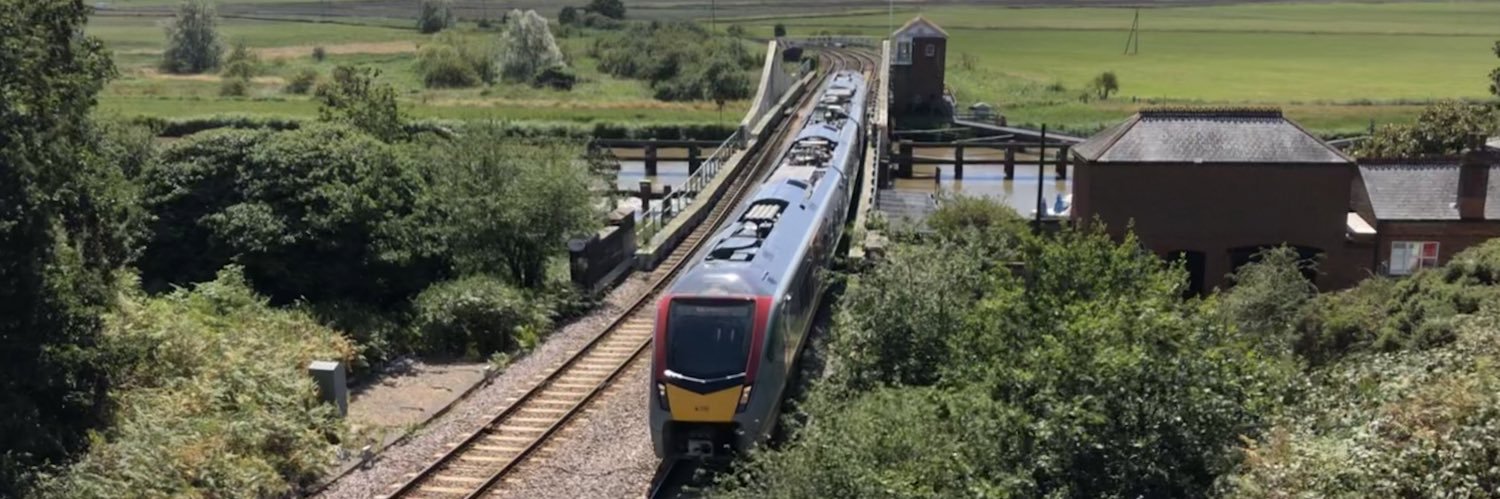
The award winning accredited Wherry Lines Community Rail Partnership supports the Wherry Lines between Norwich & GreatYarmouth/Lowestoft 🇬🇧

Norfolk & Suffolk England Katılım Şubat 2016
739 Takip Edilen1.6K Takipçiler
Sabitlenmiş Tweet
Wherry Lines
Wherry Lines@WherryLines·
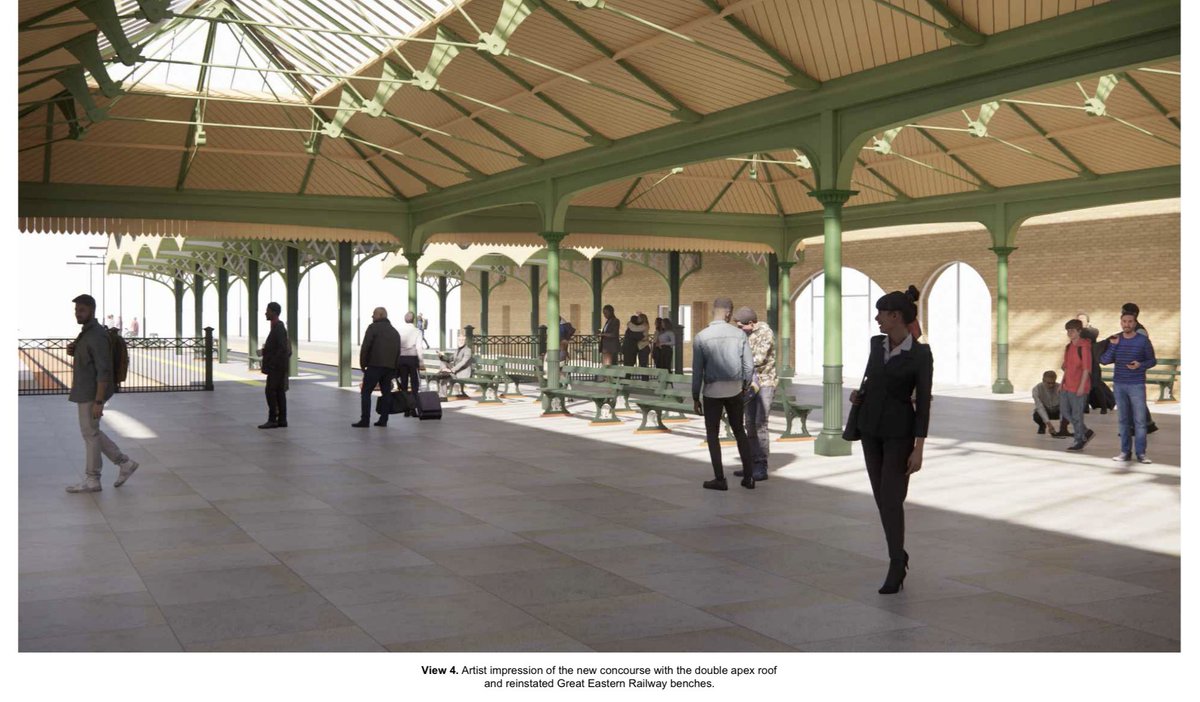
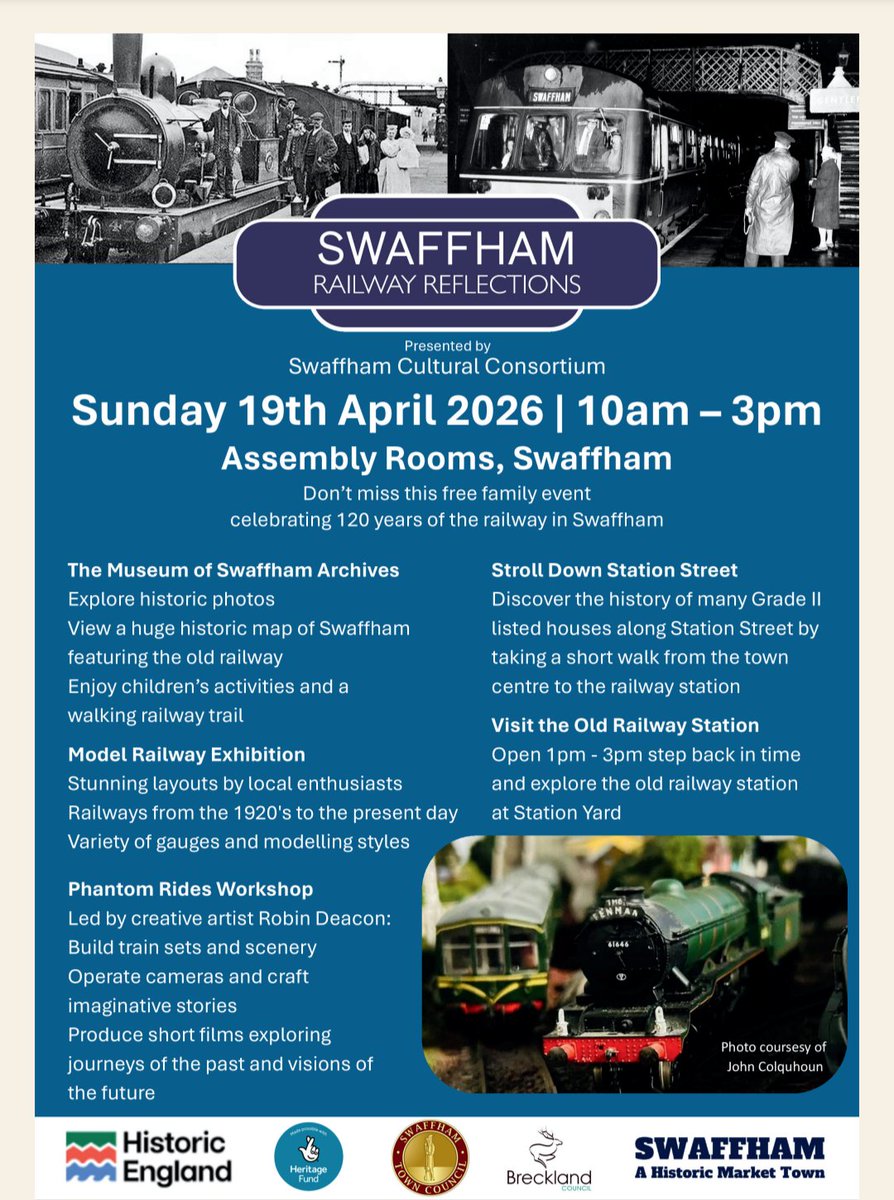
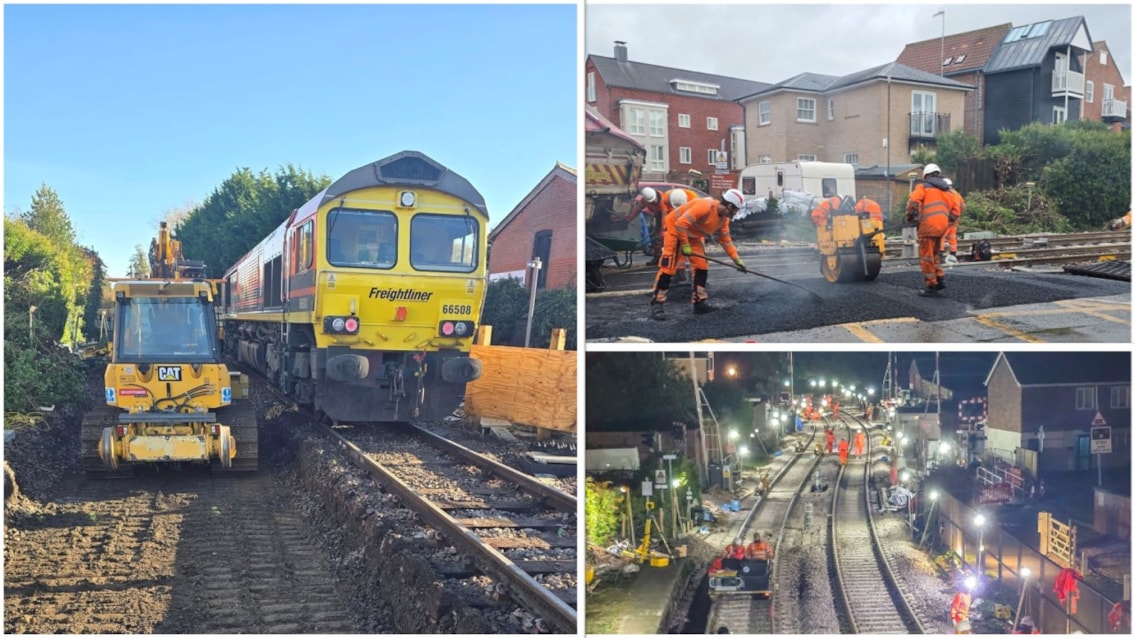
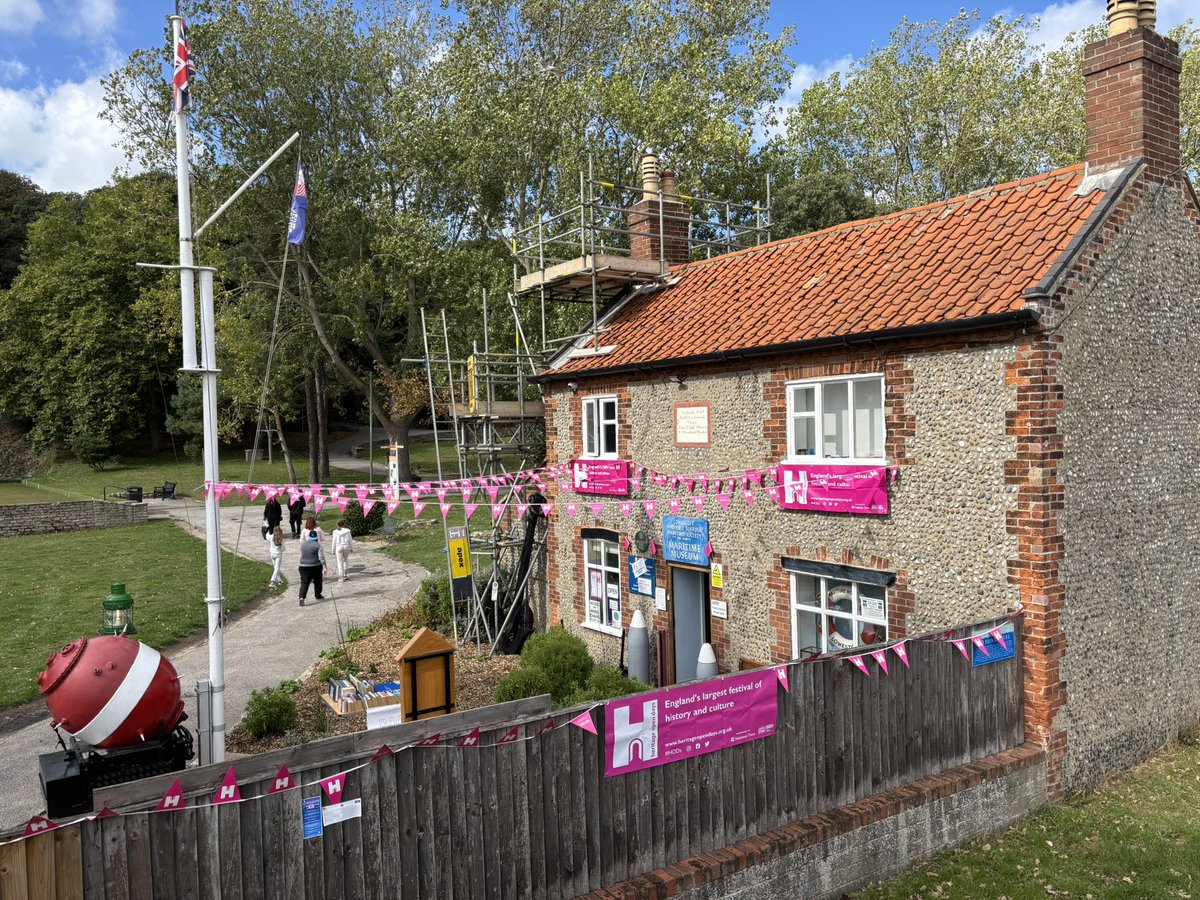
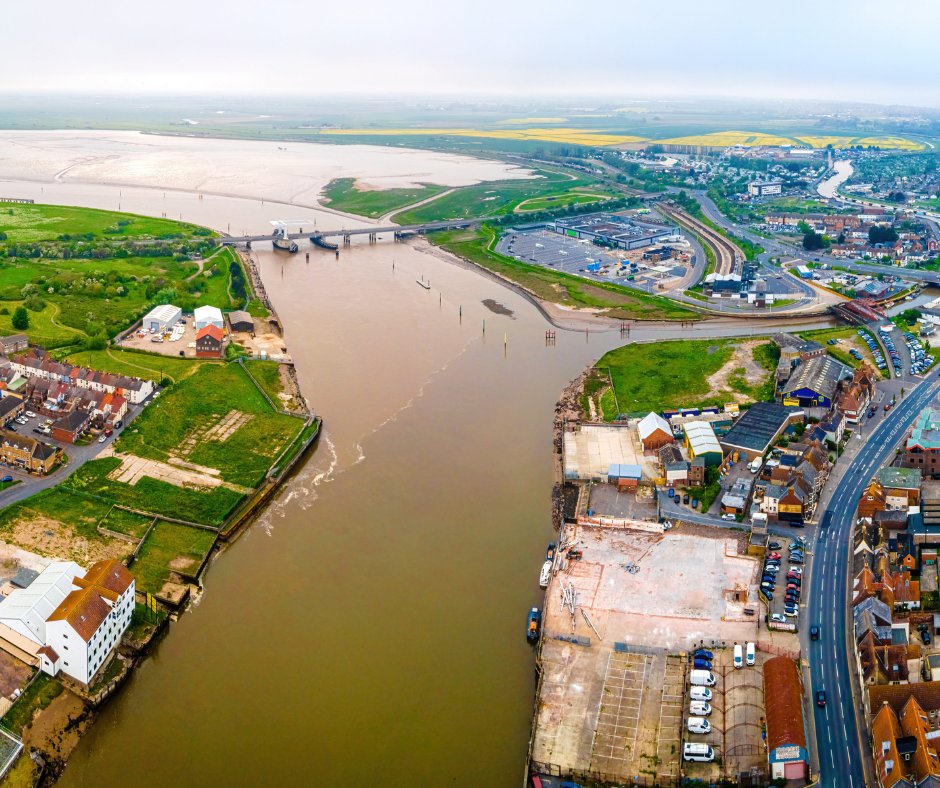
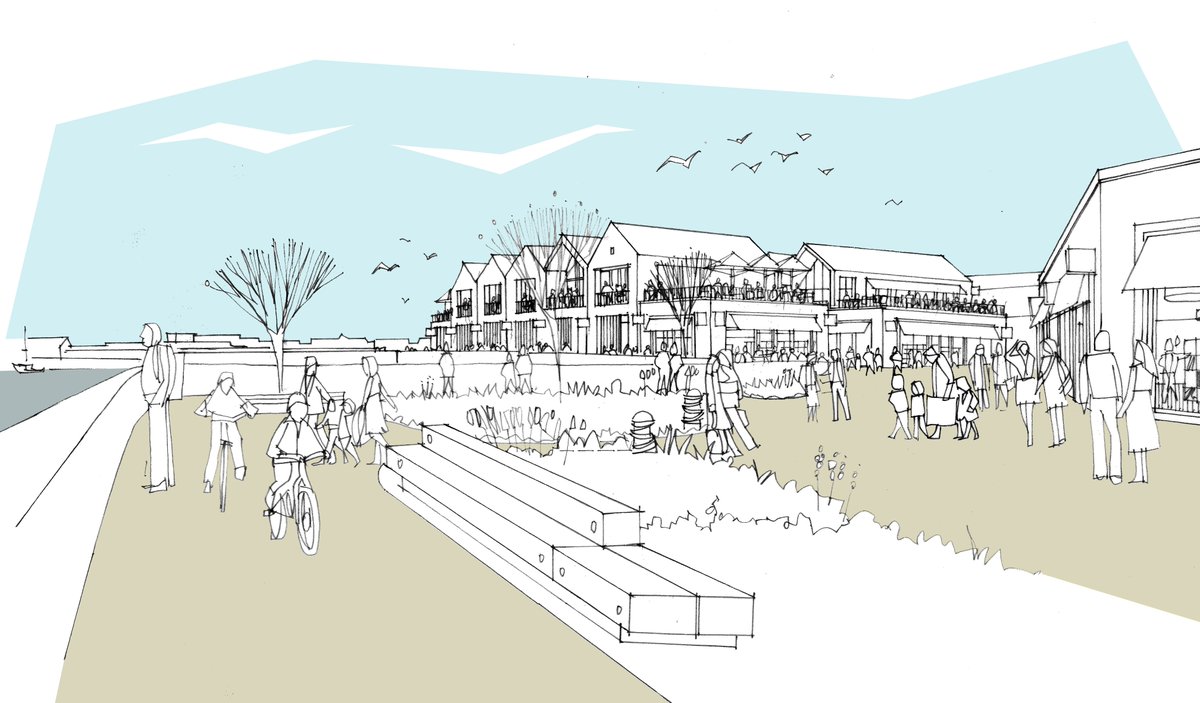
The Wherry Lines Community Rail Partnership have worked with @LowestoftCentr1 to fund some imagery showing how a reinstated roof and platform canopies at Lowestoft railway station could look. More info here: m.facebook.com/share/181KVLQY…
Wherry Lines tweet mediaWherry Lines tweet mediaWherry Lines tweet mediaWherry Lines tweet media
English
0
1
7
253
Wherry Lines retweetledi
Network Rail Anglia
Network Rail Anglia@NetworkRailAng·
This weekend we're working between: 🟠Ipswich - Norwich 🟠Ipswich - Bury St Edmunds What are we getting done? Here's our engineer, Alan, to explain more about our vital upgrades Please check before you travel @GreaterAngliaPR
English
2
6
15
1.2K
Wherry Lines retweetledi
Norwich City FC
Norwich City FC@NorwichCityFC·
Defeat.
Norwich City FC tweet media
English
298
41
385
90.3K
Wherry Lines retweetledi
Network Rail Anglia
Network Rail Anglia@NetworkRailAng·
So sad to see this old station building damaged by a fire overnight #OultonBroadNorth. Lines are currently blocked while we check the structure and secure it so that services can resume asap. Please check journey plans with @nationalrailenq or @greateranglia
Wherry Lines@WherryLines

We are so sad to hear that the historic station building at Oulton Broad North on the @greateranglia @WherryLines has been badly damaged by fire in the restaurant. Early days but we hope the building can be restored.

English
0
5
13
1.3K
Wherry Lines
Wherry Lines@WherryLines·
We are so sad to hear that the historic station building at Oulton Broad North on the @greateranglia @WherryLines has been badly damaged by fire in the restaurant. Early days but we hope the building can be restored.
Wherry Lines tweet media
English
5
12
58
5.6K
Wherry Lines retweetledi
Broads Authority
Broads Authority@BroadsAuth·
We have a new vacancy for an Environmental Learning Project Officer (£31,537 - £33,699 pro rata p/a). This role delivers high quality education and volunteering activities to schools, youth groups and families. Closes 17 April 2026. To apply visit: broads-authority.gov.uk/careers/curren…
Broads Authority tweet media
English
0
6
3
229
Wherry Lines
Wherry Lines@WherryLines·
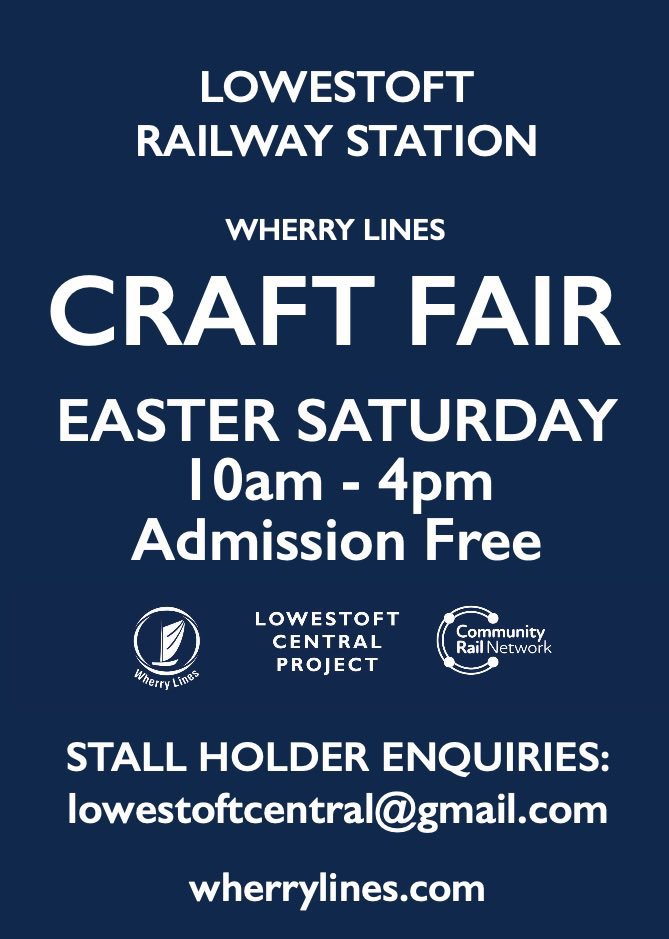
We are now accepting bookings for our Lowestoft railway station #EasterCraftFair taking place on Sat 4th April from 10am - 4pm. Indoor tables inside the @LowestoftCentr1 Parcels Office & outdoor pitches on the concourse. For info email: lowestoftcentral@gmail.com #CommunityRail
Wherry Lines tweet media
English
0
1
3
303
Wherry Lines retweetledi
Great Eastern Railway Society
The Great Eastern Railway’s Sugar Beet Traffic: A Historical Overview The Great Eastern Railway (GER), which operated extensively across East Anglia from 1862 until its grouping into the London and North Eastern Railway (LNER) in 1923, played a pivotal role in the development and transport of one of the region’s most significant agricultural commodities: sugar beet. This traffic, which involved hauling raw beets from farms to processing factories, became a cornerstone of rural freight operations in Norfolk, Suffolk, and surrounding areas. Below, we explore its history, the rolling stock employed, collection points, delivery factories, and the factors leading to its eventual decline. The History of Sugar Beet Traffic on the GER The sugar beet industry in the UK has roots in the early 19th century, but commercial success eluded early attempts. The first beet sugar factory opened in Lavenham, Suffolk, in 1860, but it failed due to lack of government support and insufficient beet supplies. It wasn’t until the early 20th century that the industry took hold, driven by wartime needs for domestic sugar production amid disruptions to cane imports from abroad. The breakthrough came in 1912 with the opening of the Cantley factory in Norfolk, built by Dutch investors (Anglo-Dutch Sugar Company). Cantley was strategically chosen for its proximity to the River Yare for water access and, crucially, its own railway station on the GER’s network, providing efficient links to Norwich, Great Yarmouth, Lowestoft, and key growing areas. Construction was delayed by the devastating 1912 flood, which inundated the railway between Reedham and Norwich, but the factory began operations slicing around 400 tons of beet per day—modest compared to modern standards but a vital start. World War I and post-war subsidies accelerated growth. By the 1920s, government encouragement through the 1925 subsidy scheme led to a boom, with 17 additional factories built across the UK. East Anglia, with its fertile soils ideal for arable farming, became the epicentre. The GER’s extensive branch lines, originally built for general agricultural and coal traffic, were perfectly suited to handle this seasonal influx. Freight revenues from perishable goods like sugar beet surpassed passenger income in many rural areas, transforming the local economy by enabling farmers to diversify from grains. Under the LNER and later British Railways (BR) after nationalisation in 1948, sugar beet traffic peaked in the interwar and post-World War II periods. In 1934, for instance, the Mid-Suffolk Light Railway (absorbed into the LNER) alone carried 21,000 tons of beet during the harvest season. The “campaign,” as the harvest period was known, ran from October to March, aligning with the factories’ processing schedules. Rail transport was essential early on, as beets are perishable and begin to lose sugar content quickly after harvest, necessitating rapid movement. During WWI and WWII, the sugar production from beets was vitally important, especially during in the second war as the West Indies output was extremely difficult to ship with the ever-present risk of U Boat attacks. Rolling Stock Used Early sugar beet traffic relied on any simple, versatile rolling stock available on the GER network. Ordinary open wagons were the mainstay, as they could handle the bulky, muddy roots without specialised modifications. These were typically wooden-bodied opens, with capacities around 12-16 tons, sheeted to protect the load from weather. As volumes grew under the LNER and BR, more robust options emerged. The ubiquitous 16-ton mineral wagons became common by the mid-20th century, valued for their durability and ease of loading/unloading. In the 1960s at sites like Wissington, trains featured a mix of 16-ton minerals, wooden opens, and even occasional 12-ton vans scavenged from across the network during peak season. By the 1970s and early 1980s, 21-ton hoppers were used for tripping raw beet to factories like Foley Park (though outside East Anglia), and vacuum-fitted vans (Vanfits) hauled bagged by-products like beet pulp nuts. Locomotives varied by era: GER-era steam engines like 0-6-0 freight types such as the J15s and in later years, BR diesels such as Class 31s. Special seasonal trains, detailed in working timetables, ran from East Anglian yards like Whitemoor to distant destinations for by-products. Where the Crops Were Collected Sugar beet was grown across East Anglia’s arable heartlands, particularly in Norfolk and Suffolk, where the light, sandy soils suited the crop. Collection points were typically rural sidings and goods yards on GER branch lines, close to farms to minimise wagon-hauling distances. Farmers originally harvested beets by hand, later adopting specialist machinery. The crop was piled them into “clamps” at field edges. From there, they were forked onto horse-drawn wagons or tractors with trailers for short hauls to the nearest goods yard. Key collection areas included regions around factories: the Norfolk Broads for Cantley, the Fens for Wissington, and Suffolk fields for Bury St Edmunds and Ipswich. Sidings at places like Ely, King’s Lynn, Sproughton, and Reedham served as aggregation points, where beets were loaded into wagons during the campaign. In the early days, some transport used wherries on rivers such as the Yare, but rail quicklydominated due to its speed and reach. As road transport improved, collection shifted: by the late 20th century, 90% of beets arrived at factories by lorry or tractor-trailer, with rail handling the remainder from distant or bulk suppliers. Factories Delivered To East Anglia hosted several key factories, many built in the 1920s boom and served by the GER/LNER/BR network: Cantley Norfolk, opened 1912: The pioneer, processing beets from the Broads and exporting via rail to markets.Wissington Norfolk, opened 1925: In the Fens, it received beets and oil tanks by rail until a pipeline replaced the rail delivery.Bury St Edmunds Suffolk, opened 1925: A major site, initially rail-dependent; today it processes 320,000 tons annually but mostly by road.Ipswich (Suffolk, opened 1925): Served local Suffolk growers; closed in the 1980s amid quota cuts.King’s Lynn Norfolk, opened 1928: Handled Fens traffic; closed in 1994 due to poor yields and reduced quotas. By 1928, 18 factories operated nationwide, but East Anglia’s cluster made it the industry’s hub. Beets traveled short distances averaging 28 miles but rail enabled efficient bulk delivery in the early years. Why It Stopped Sugar beet rail traffic declined steadily from the 1950s, ceasing almost entirely by the early 1980s in East Anglia. Several factors contributed: Rise of Road Transport: Lorries offered greater flexibility for door-to-door delivery from farms to factories, reducing reliance on fixed rail sidings. By the 1970s, most beets arrived by road, with rail trains becoming rare.Beeching Cuts (1960s): Dr. Richard Beeching’s report led to the closure of many rural branch lines and goods yards essential for collection, slashing freight capacity.Factory Closures and Quotas: EU sugar quotas in 1981, combined with poor crop yields (especially in northern England), prompted closures like Ipswich and King’s Lynn (1994). Fewer factories meant less rail-viable volume.End of Wagonload Freight: The vacuum-braked network’s closure in 1984 ended traditional beet trains. By-products like pulp nuts shifted to Speedlink services, but full trainloads vanished.Infrastructure Changes: Pipelines for inputs like oil (e.g., at Wissington) eliminated related rail flows. Economic shifts, including import competition and agricultural modernisation, sealed its fate. Today, British Sugar’s four remaining factories (Cantley, Wissington, Bury St Edmunds, and Newark) rely almost exclusively on road haulage, though the industry supports 2,500 growers and produces over a million tons of sugar annually. The GER’s sugar beet legacy endures in East Anglia’s agricultural heritage, a testament to how railways once sweetened the region’s economy. Photo: British Sugar Corporation No.2, Hudswell Clarke No.1800 of 1947, 0-6-0T at the Peterborough factory in the 1960s. ©️ Les Pitcher Phantasrail Galleries. #gers #great_eastern #GER_History
Great Eastern Railway Society tweet media
English
0
5
44
760
Wherry Lines retweetledi
Network Rail Anglia
Network Rail Anglia@NetworkRailAng·
Buses replace trains between Ipswich ↔️ Halesworth on 7 – 8, 14 – 15 & 21 – 22 March Our work includes: – replacing 100-year-old rail near Saxmundham 🛤️ – bridge repairs over the River Deben & River Alde – signalling & drainage upgrades gloo.to/Fb5F @GreaterAngliaPR
Network Rail Anglia tweet media
English
0
7
13
1K
Wherry Lines retweetledi
Great Yarmouth Borough Council
Great Yarmouth Borough Council@greatyarmouthbc·
📣 Don’t miss it — North Quay Consultation this Friday & Saturday! This is your chance to see the exciting plans for the North Quay regeneration and have your say on one of the biggest transformation projects Great Yarmouth has seen in a generation. 📅 Friday 20 February | 🕛 12pm – 6pm 📍 Great Yarmouth Town Hall 📅 Saturday 21 February | 🕥 10:30am – 2pm 📍 The Place, Market Place Meet the project team, explore the proposals and share your views before the planning application is submitted. ✨ Help shape a brighter, better connected Great Yarmouth. ✨ #NorthQuayGY #GreatYarmouth #HaveYourSay #Regeneration #FutureGY
Great Yarmouth Borough Council tweet mediaGreat Yarmouth Borough Council tweet mediaGreat Yarmouth Borough Council tweet media
English
0
1
2
121
Wherry Lines retweetledi
Broads Authority
Broads Authority@BroadsAuth·
We have a vacancy for a Quay Ranger (£26,403 – £28,142 pro rata p/a) to join our busy team based at Reedham Quay. Applications close at 9am on Thursday 26 February 2026. Apply here: broads-authority.gov.uk/careers/curren…
Broads Authority tweet media
English
0
3
4
293
Wherry Lines retweetledi
ORR
ORR@railandroad·
How busy was your local station from April 2024 to March 2025? Use our interactive tool to find out: dataportal.orr.gov.uk/station-usage
English
0
4
12
1.8K
Wherry Lines retweetledi
Lowestoft Central
Lowestoft Central@LowestoftCentr1·
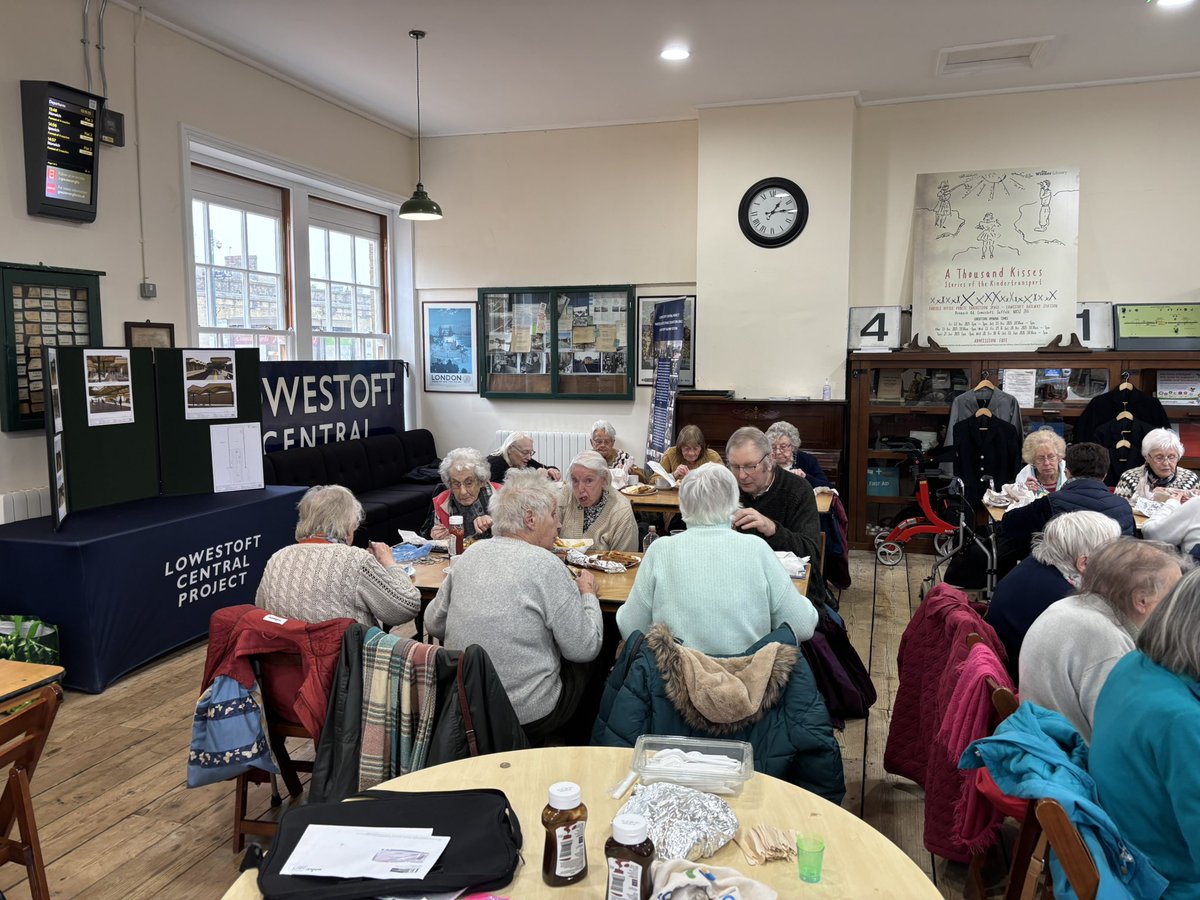
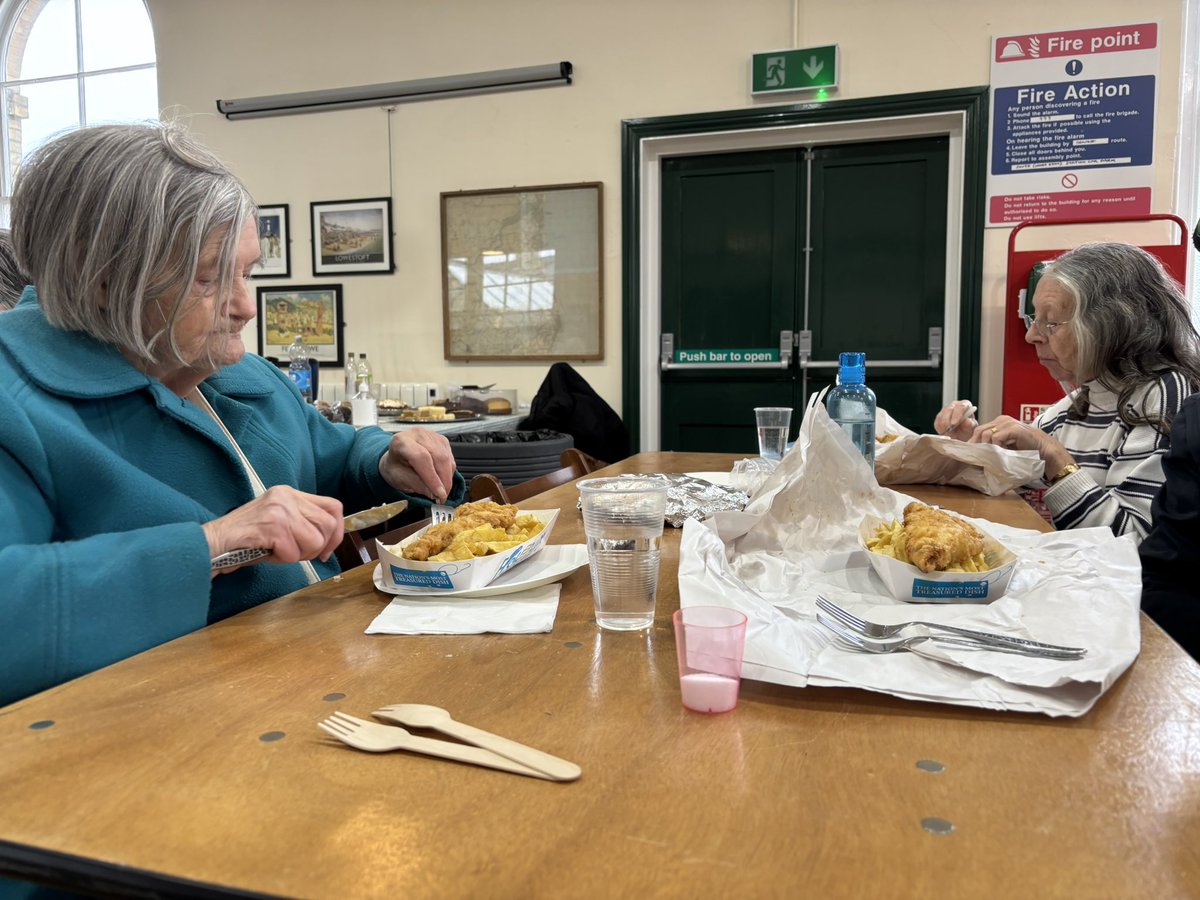
Quick turnaround in the Parcels Office today with the Friendship Club now enjoying their Fish & Chip lunch #CommunityRail
Lowestoft Central tweet mediaLowestoft Central tweet mediaLowestoft Central tweet media
English
0
2
10
272