

æƁ Jr 2000
2.4K posts

æƁ Jr 2000
@willard_001
#ᴘʀ | ᴍᴀʀᴋᴇᴛᴇʀ | ʜᴜSᴛʟᴇʀ | ᴇɴᴛʀᴇᴘʀᴇɴᴇᴜʀ | #ᴀʙᴊ2000
ʙʟᴀɴᴛʏʀᴇ Katılım Şubat 2022
1.8K Takip Edilen2.3K Takipçiler

So my cousin came kwathu saying, wathetsa chibwezi ndi girlfriend wake chifukwa anakanika kupemphera. They went to see my uncle yesterday madzulo, and nthawi yopemphera anamutchula to pray. Basitu kukanika nde zathapo, saying this is not the first time kukanika kupemphera.
Filipino



Unalowa manyi pano even chi calendar chakochi chinasiya kusangalatsa chifukwa choti you're biased sukumvera anthu akaika maganizo awo....zipase ulemu ndekuti chani nthawi imene umandiika pa calendar sunadziwe kuti ndine wa nkulu. Panya pako namachende iwe
M E R V I N @merv_inn
Amwene pangani calendar yanu muziyika anthu omwe mumafunawo Nthawi zonse mumapanga za ine koma sindimakuyankhani Ndinu munthu wa mkulu zipatseni ulemu
Filipino

æƁ Jr 2000 retweetledi

@NBMplc Huh🤔 ndekuti kungotchetcha ma 8,600 from 1 million customers mukhala mwapeza mtonyo wa 8.6 billion muli pheee 😂
Filipino

Thank you for your inquiry. Kindly note that the MWK 8,600 charge is the annual card fee, which is charged once per year for the usage of your bank card.
Bridget Munthali@briechikando
Ati card annual fee. Like what do you mean? Tikubwezeleni ma card kapena? @NBMplc
English

Top Shella don dada
sindingavaye out ngati kicks yada.

Filipino
æƁ Jr 2000 retweetledi

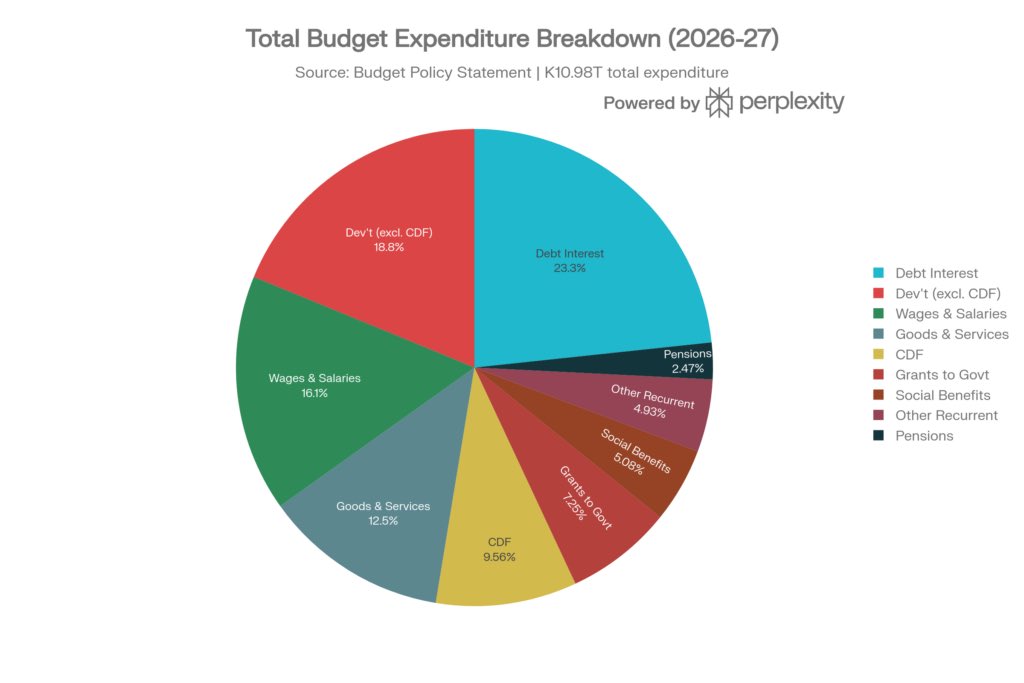
My thoughts on Malawi’s Budget 2026/2027:
Malawi has passed a 10.9 trillion kwacha budget, reflecting over 2 trillion kwacha increment from last year’s budget. The grim reality behind the numbers, however is worrisome. Let me explain. The country will only raise about 6.4 trillion kwacha in domestic revenue and will raise around 8.6 trillion in total revenue. This means on our budget of 10.9 trillion we have a deficit of over 2 trillion which as often is the case, will be covered through borrowing and begging. This essentially means we are operating using old archaic models with endless borrowing and begging for aid, planning our livelihood and economy based on money we presently do not have.
Imagine earning 10 million kwacha per year but planning to spend 13 million, hoping a friend will lend you money or someone else will step in to support you. That is exactly how our budgets are structured. Malawi can survive on 6.4 trillion kwacha from our own revenue. We do not need to borrow or beg for aid interminably. The fact that billions have been lost in the previous regime through white elephant programs like NEEF and the Green Belt Initiative suggests that a significant portion of the 10.9 trillion will be lost to corruption as usual, meaning the budget could realistically be reduced to reflect actual needs. We could as well operate within the 8.6 trillion in projected revenue and avoid the deficit altogether. For context, that was roughly last year’s budget, and little has fundamentally changed, in my opinion, apart from the need for increased spending. For example one could ask, in a country where students lack university fees, do we need 85 billion kwacha to rehabilitate state residences while we allocate 42 billion kwacha to students loans?
What deserves closer attention is how the money is being used. About 73 percent of the budget is allocated to recurrent spending such as salaries and administrative costs, while only 27 percent goes toward development like roads and infrastructure. In simple terms, most of our resources are being used to run government rather than build the future. Even more concerning is that development is largely funded by donors, while domestic revenue is absorbed by day-to-day government expenses. This creates a cycle in which we depend on others to develop while using our own resources to sustain consumption.
It is clear, that a large percentage of the 10.9 trillion will not translate into meaningful impact but just reckless spending. And to sustain this level of spending, citizens are being heavily taxed. Note, the majority being heavily taxed are now poorer for the kwacha has consistently devalued while earnings have remained the same largely, and cost of living has become higher than ever before. It is a sad fact that greed has taken hold of our nation, and it has become every man for himself. The daily examples of corrupt cases is a testament to this fact.
This year with this budget; our roads will remain potholed. Our hospitals will remain understaffed and without drugs and equipment. Our primary school learners will continue to huddle under trees to learn. Civil servants will continue earning peanuts while being expected to discharge their duties professionally. Meanwhile, someone will be awarded a contract worth 10 billion kwacha, with only 500 million kwacha going towards actual work and sometimes with no real output.
This is the reality for Malawi, and indeed for most of Africa. When you read up on Why Africa is Poor, authors like Greg Mills, after having worked with several african governments and leadership conclude that Africa's economic troubles can only essentially be solved through new leadership that really seeks to bring corruption to its knees and death, for so far most of our economic troubles stem from incompetent, greedy, and corrupt political leadership.
Until this changes, we will continue to shout like Alan Paton, Cry my Beloved Country!
English

@NyasaEmpress @Hannahkafulla It was a discussion, not an argument
English

Curious observation — did no women make it into the room?
MACRA@MACRAMALAWI
The World Bank has pledged support for MACRA’s data protection and cybersecurity initiatives through technical assistance and capacity building. Team Leader Tim Kelly said this comes as MACRA moves to make the Data Protection Authority (DPA) and MwCERT independent. #MACRA
English



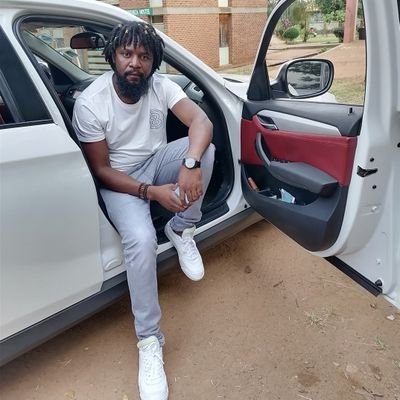
Me: Hie!
Beautiful girl: Hello!
Me: where to?
Beautiful girl: Lilongwe Academy’s turn
Me: Let me drop you
Ugly girl: No. We are walking
Me: Let me have your number (to beautiful girl)
Beautiful girl: Zero, nine…
Ugly girl: Tell him we don’t have a number
Me: Accelerate
English

@Siwinda_Jnr Achievement yawo ndiya kuti onsewo amakuposa looks
Indonesia
æƁ Jr 2000 retweetledi
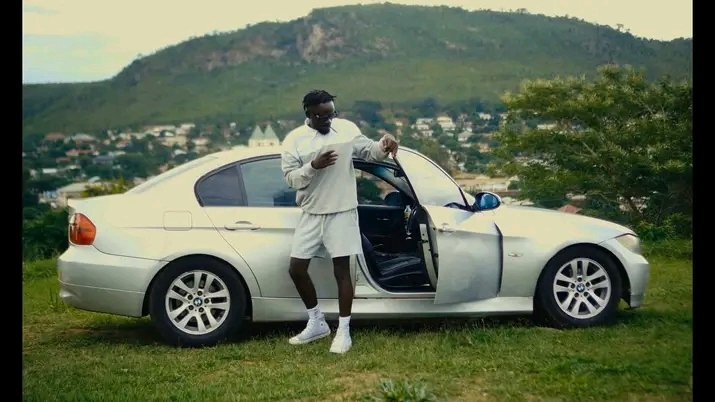
Crispy after kugulitsa ma "T shirt" ndi "chamba".
ʏᴇꜱᴜ@tiidrotafrikka2
“Jaa Kev ndi Charisma agula ma galimoto popanda kugulitsa ma T shirt ndi chamba” Spe:
Filipino

Clemjay after eating his lunch without posting on twitter

English
@TravEltonMalawi Eshii😅 what's the price for that moisturiser rn
English

