Sabitlenmiş Tweet
σℓινια | PIT N2 6/17
31.5K posts

σℓινια | PIT N2 6/17
@windchasing2016
Listening to The Life of a Showgirl by @taylorswift13
Katılım Temmuz 2017
664 Takip Edilen506 Takipçiler
σℓινια | PIT N2 6/17 retweetledi

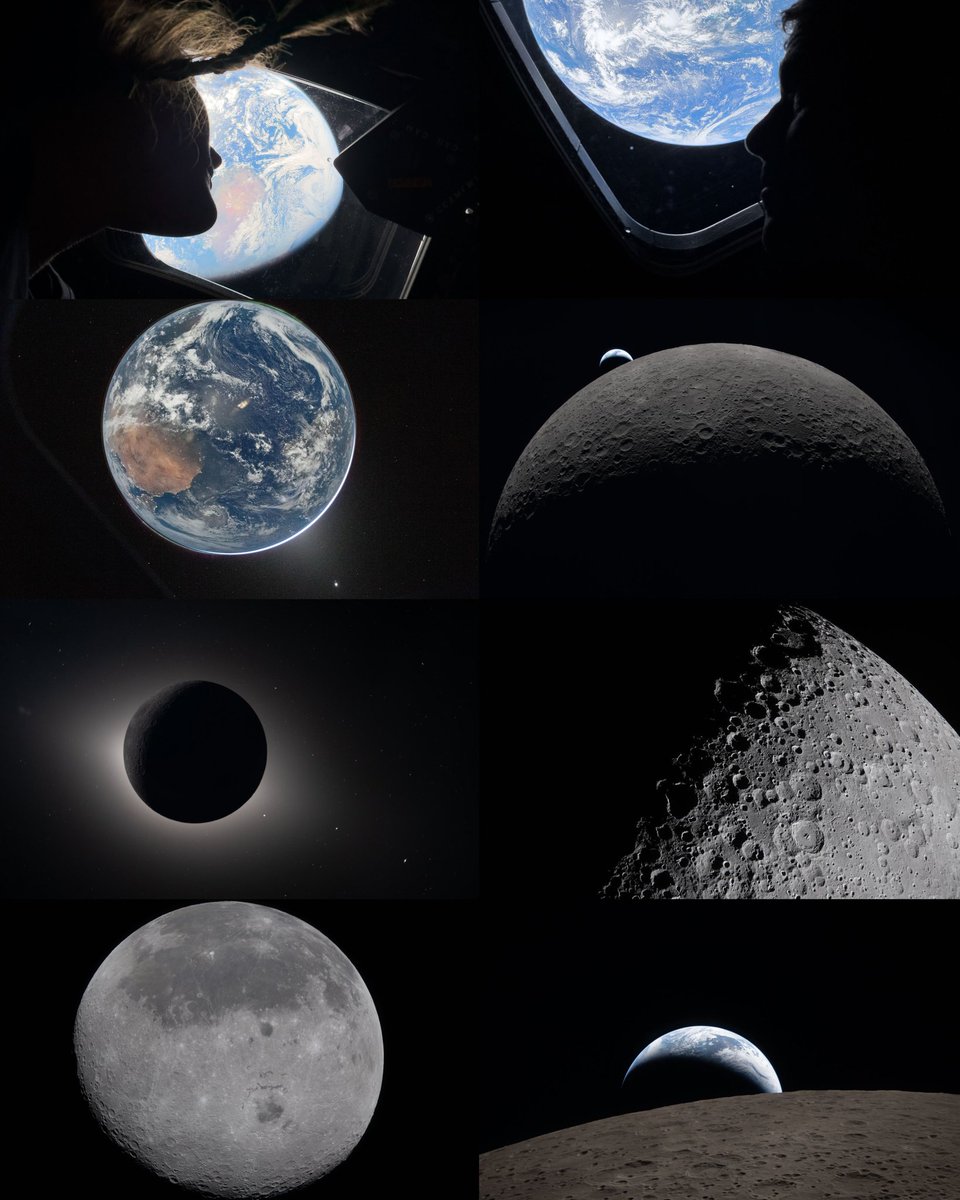
Rise and shine, space fans!
The official Artemis II wake‑up song playlist is here: open.spotify.com/user/nasaspoti…
Stay tuned to find out the crew’s picks for the rest of the mission.

English
σℓινια | PIT N2 6/17 retweetledi

σℓινια | PIT N2 6/17 retweetledi

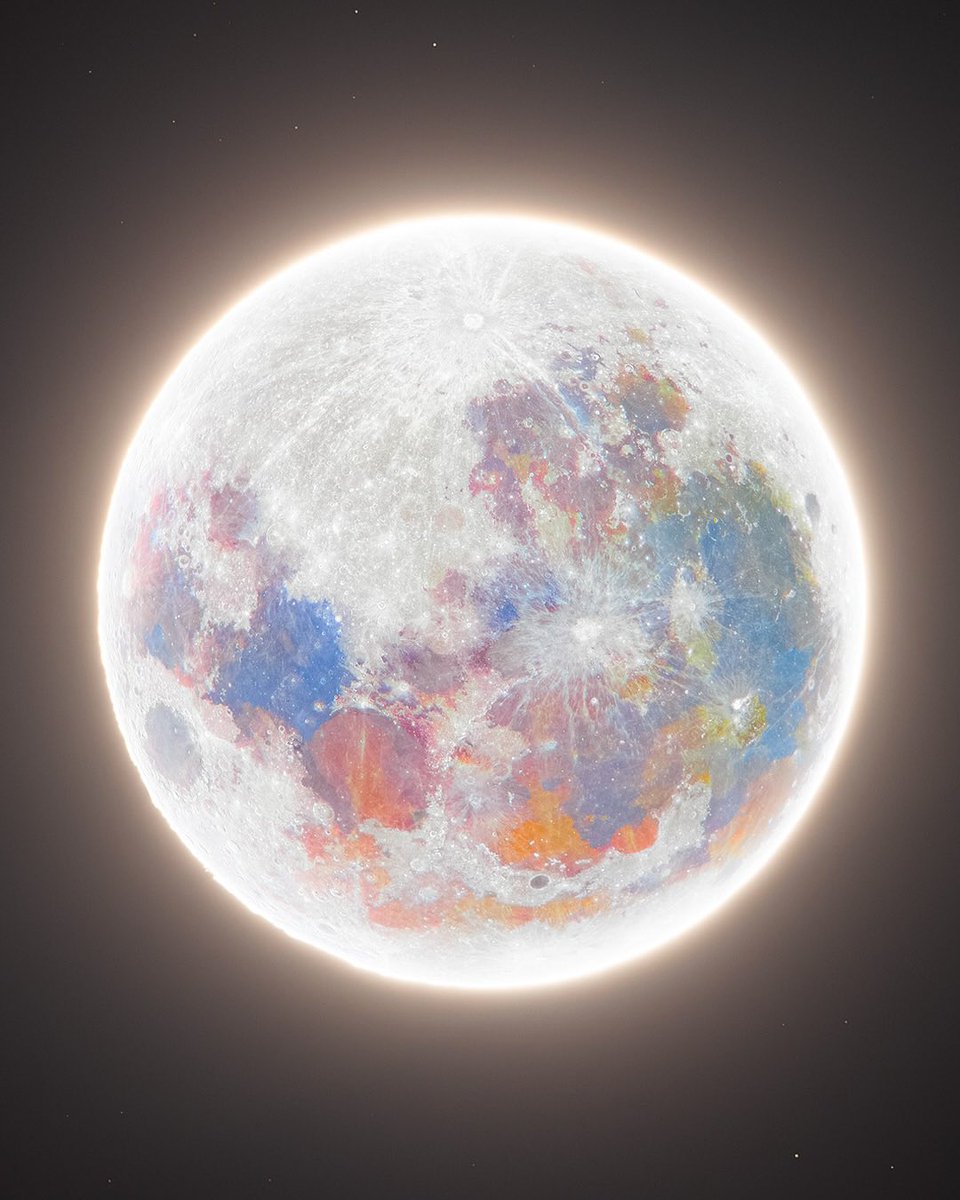
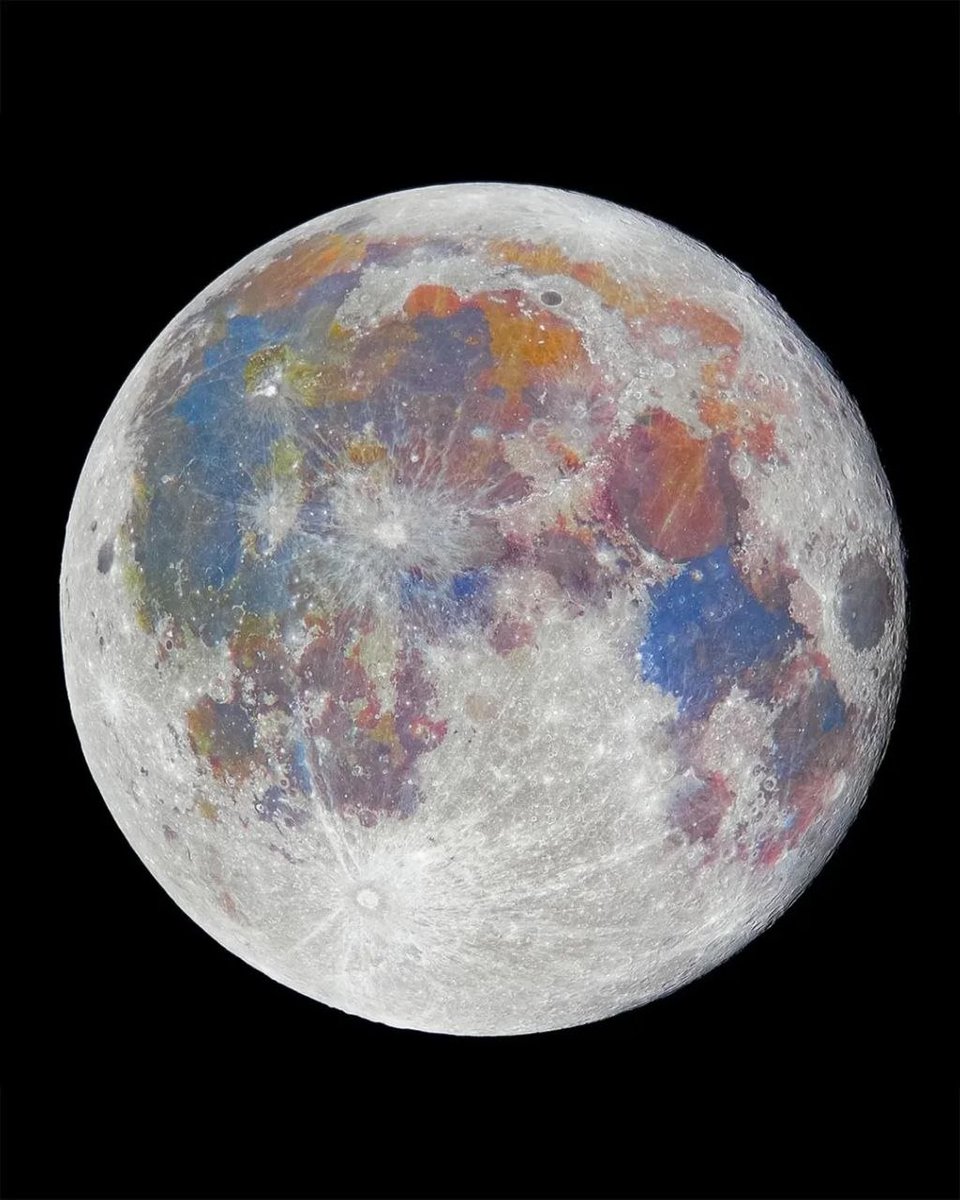
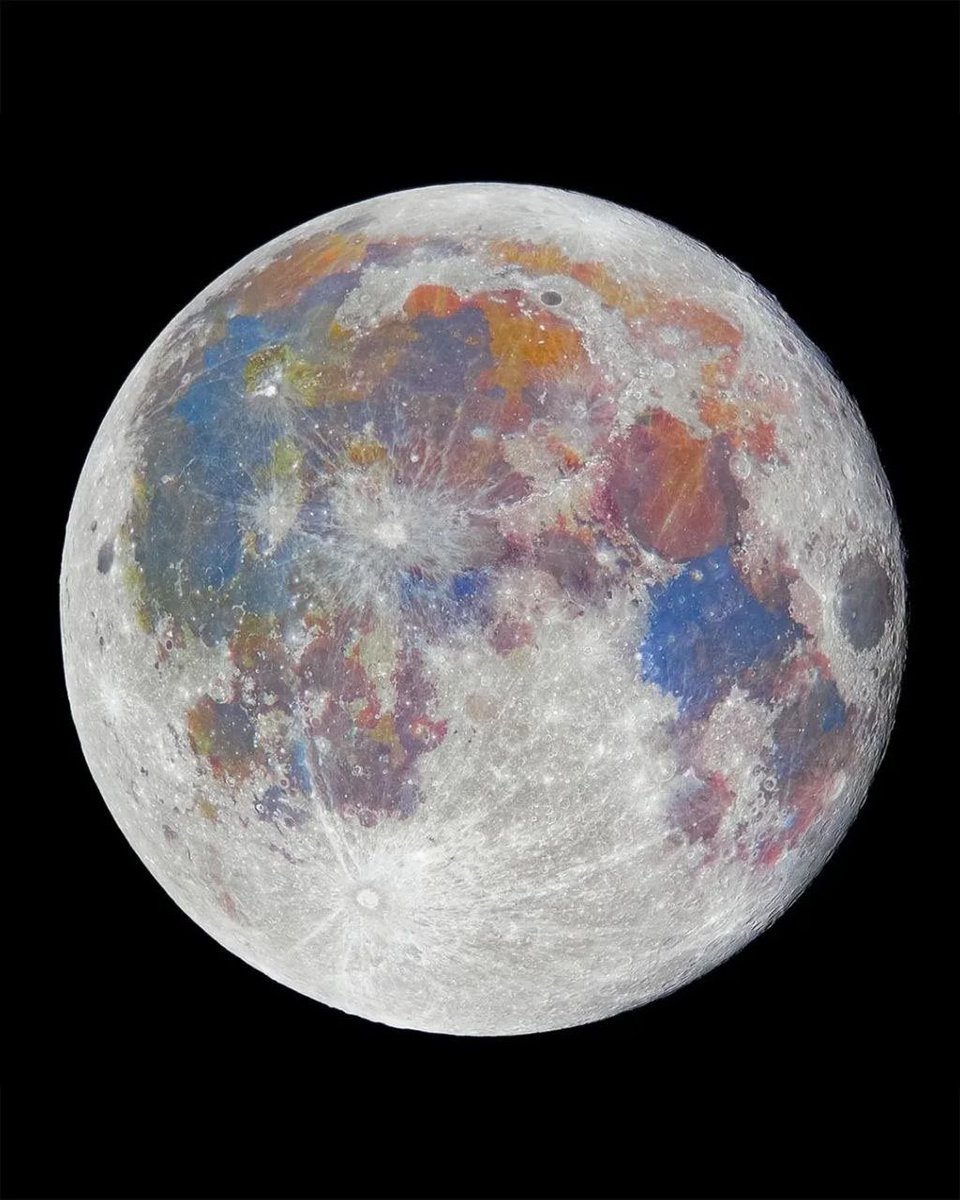
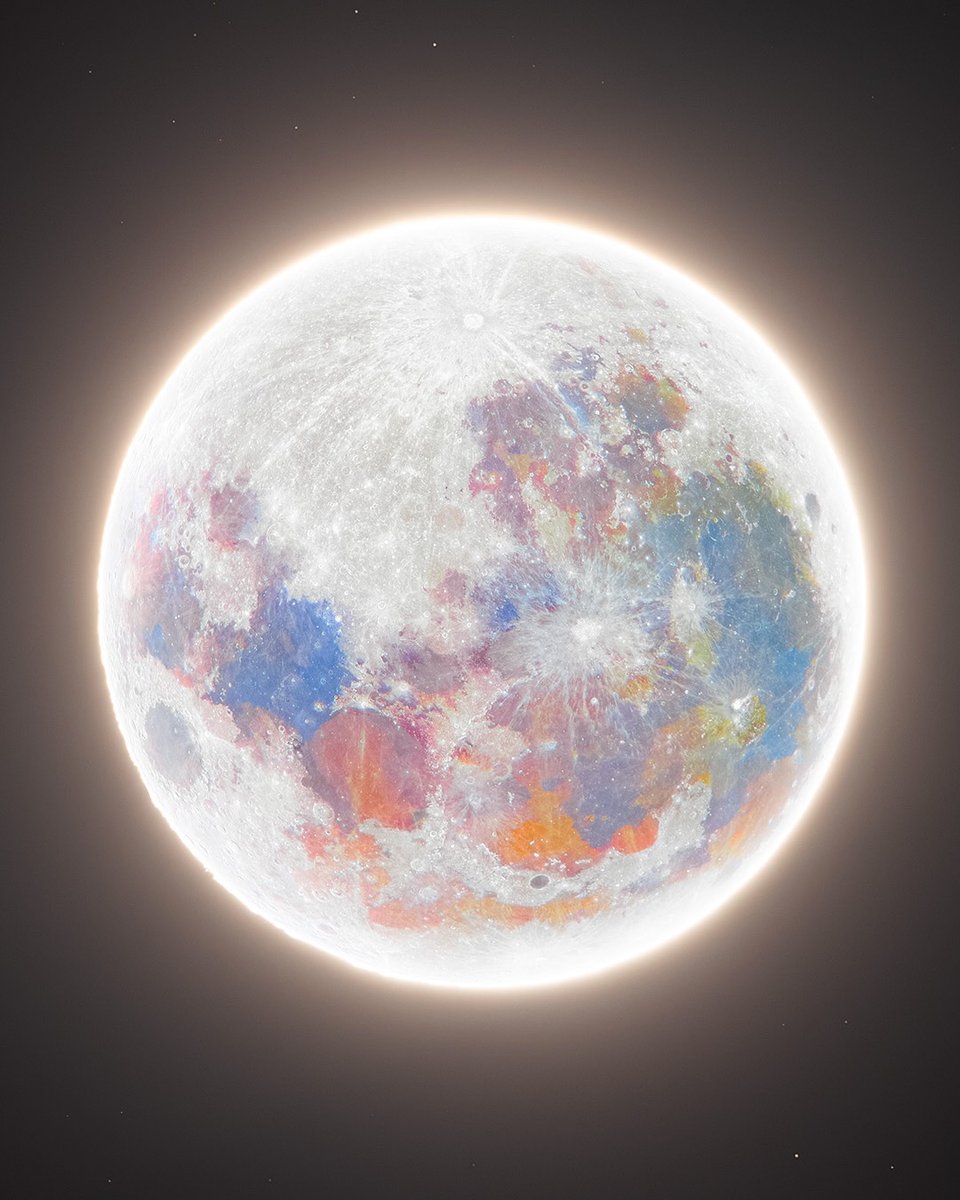
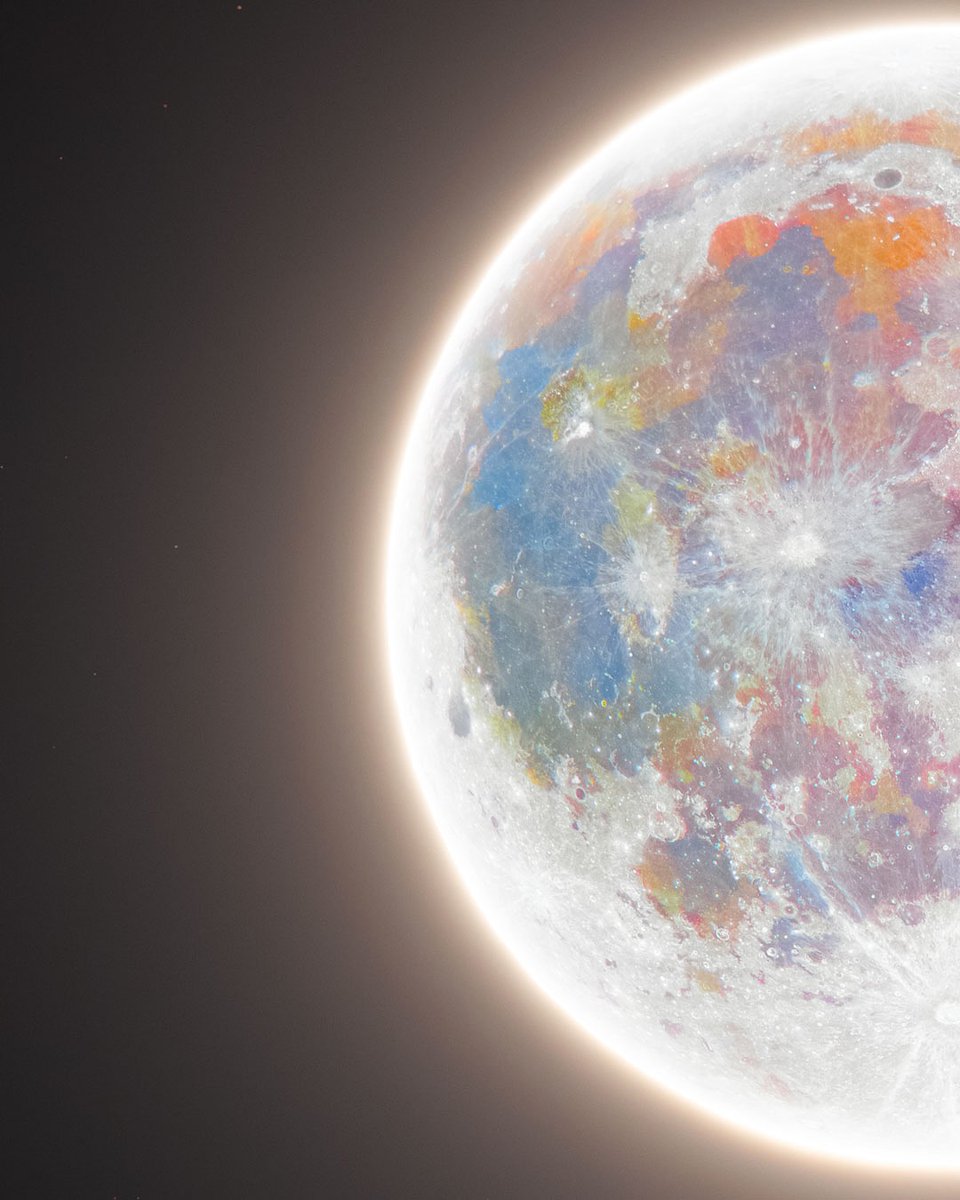
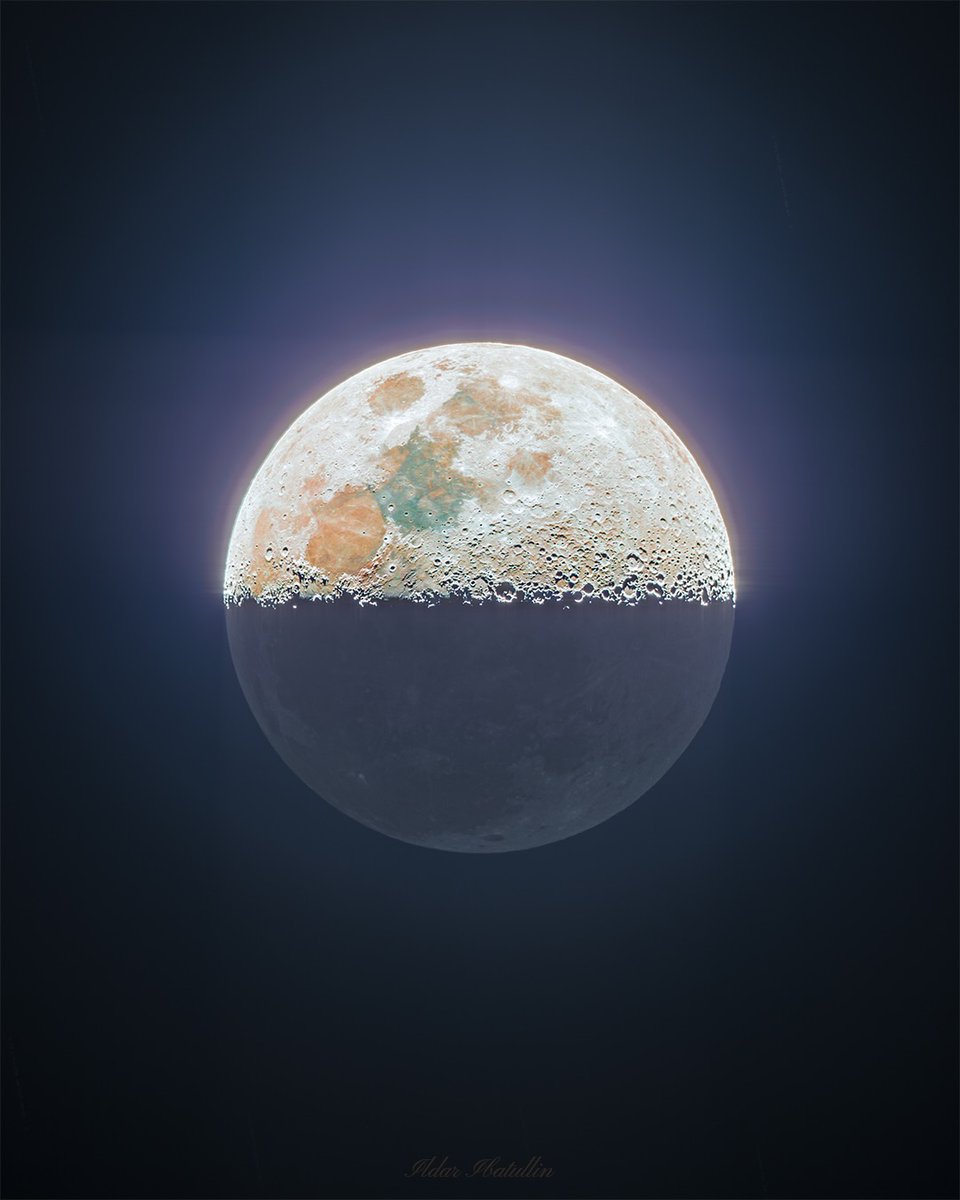
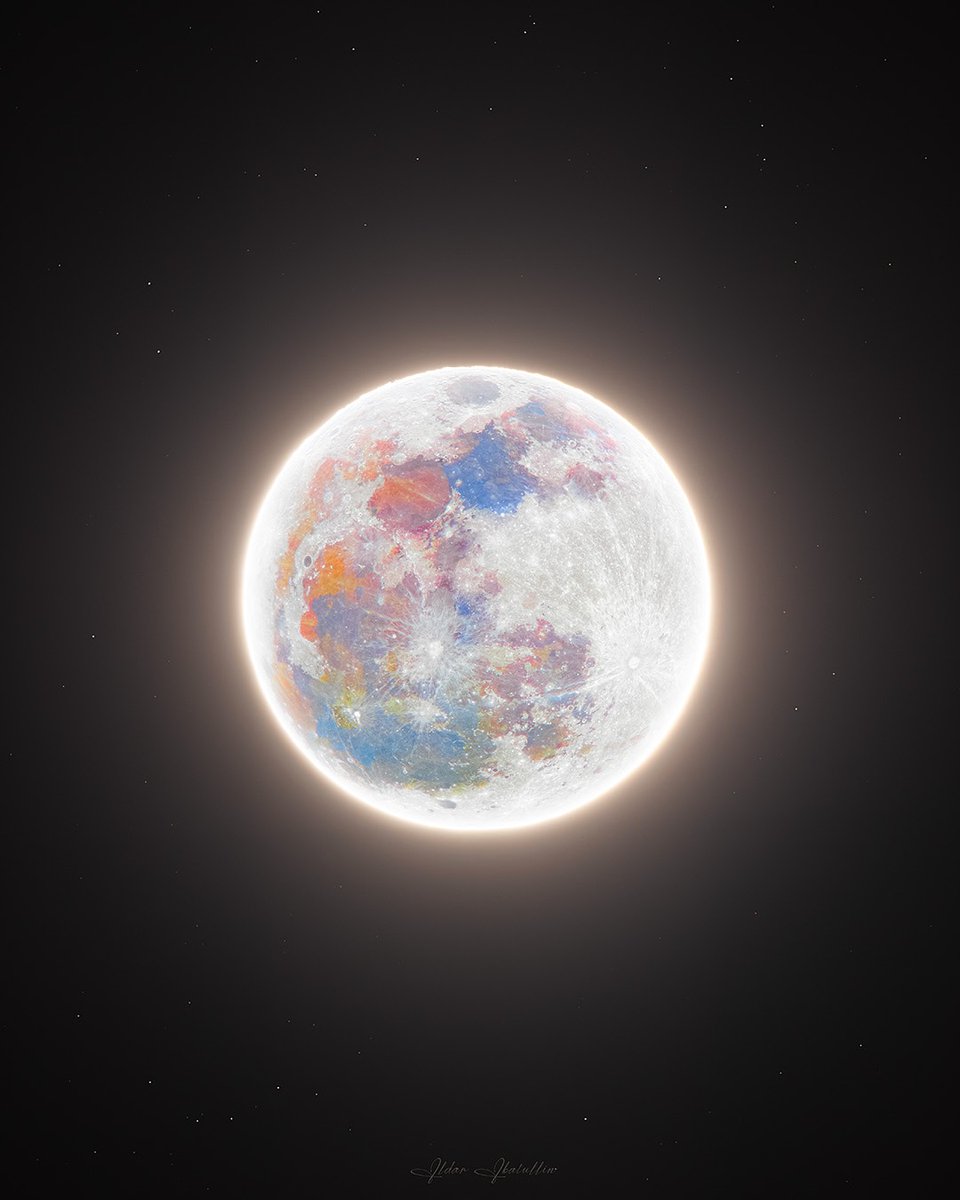
Your eyes can only see the moon in gray. It's actually covered in color, blues and oranges and pinks, all from different metals sitting in the rock. You just need a camera and some patience to pull them out.
These photos are called "mineral moons." A photographer points a telescope at the moon, takes hundreds or thousands of pictures, stacks them on top of each other to clean up the image, then slowly turns up the color intensity in editing software. The colors that show up were always there. Too faint for your eyes to catch on their own.
Each color is a different metal. The blue areas have a lot of titanium in them. The orange and brown zones have more iron. The pinkish-red patches around the edges are the oldest parts of the moon's crust, full of aluminum and calcium.
That deep blue region on the left side is called the Sea of Tranquility. Apollo 11 landed right there in July 1969. When Armstrong and Aldrin brought back 47 pounds of rock from that blue titanium zone, scientists cracked the samples open and found three minerals that had never been seen on Earth before. They named one "armalcolite" after the three astronauts (Arm-Al-Col: Armstrong, Aldrin, Collins). They named another "tranquillityite" after the landing site itself. For 40 years, tranquillityite was known as "the moon's own mineral" because nobody could find it here. Then in 2011, a geologist in Western Australia spotted a speck of it inside a billion-year-old rock.
Andrew McCarthy, a photographer in Sacramento, once stacked 150,000 separate pictures of the moon to build one color map. Each splash of blue or orange in these images is a real metal deposit on a surface that's been getting hit by space rocks for 3.5 billion years. The moon was never gray. We just couldn't see it.
freckxi ⋆˚࿔@freckxi
i’m sick she is so beautiful
English
σℓινια | PIT N2 6/17 retweetledi

σℓινια | PIT N2 6/17 retweetledi