Vaishnavi Chandrashekhar retweetledi
Vaishnavi Chandrashekhar
4.3K posts

Vaishnavi Chandrashekhar
@winterapples
Science and environment journalist. Consulting Editor @timesofindia. Contributing @sciencemagazine. Tips etc: [email protected]
Mumbai Katılım Temmuz 2011
1.6K Takip Edilen1.9K Takipçiler
Vaishnavi Chandrashekhar retweetledi

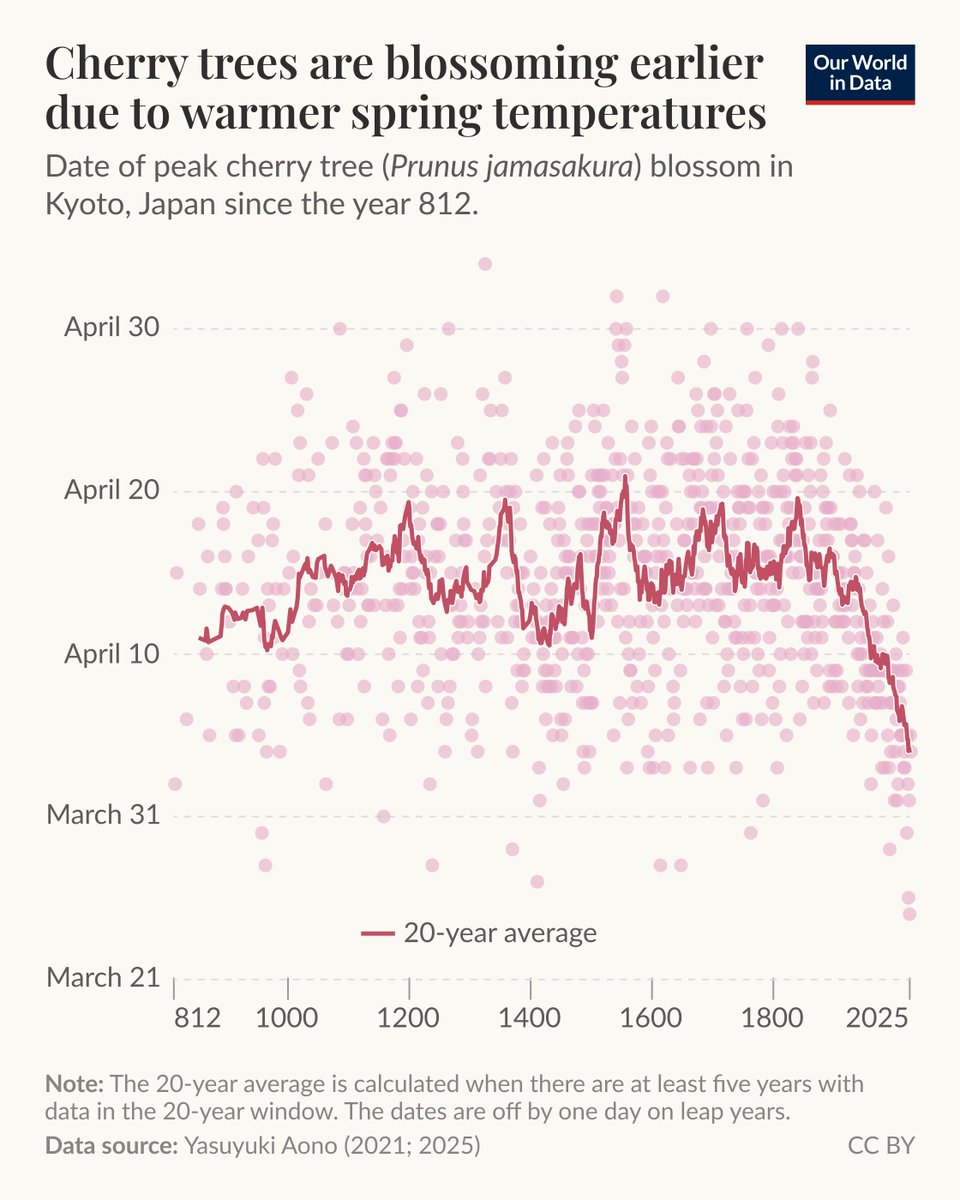
I'm a data scientist @OurWorldinData and I need help from a botanist or someone local to Kyoto, Japan! 🌸
We present one of the world’s longest climate records: 1,200 years of peak cherry blossom dates in Kyoto.
The researcher who maintained it, Professor Yasuyuki Aono, sadly passed away last year.

English
Vaishnavi Chandrashekhar retweetledi

Wildlife jobs are rare. Good ones are rarer.🐦 @BirdCountIndia is hiring a Project Coordinator in Bengaluru — coordinating bird counts, outreach, workshops, and citizen science across India.₹35,000–45,000/month. Deadline: 15 April 2026. Apply 👉 birdcount.in#BirdCountIndia #NCF #WildlifeJobs #BirdingIndia #CitizenScience #ConservationJobs #IndiaWildlifeNews
English
Vaishnavi Chandrashekhar retweetledi

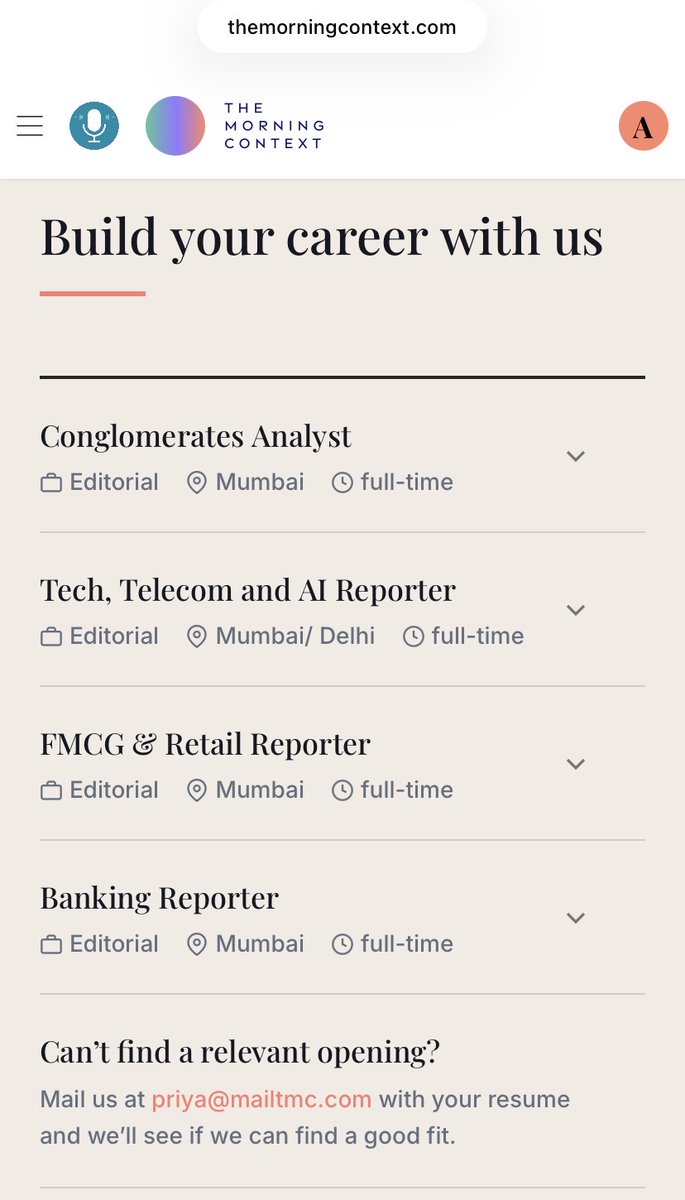
.@MorningContext is hiring. Roles are full time, location specific and in line with our ambition to continue telling stories that matter. It has never been a better time to be a serious business journalist.
themorningcontext.com/careers


English
Vaishnavi Chandrashekhar retweetledi

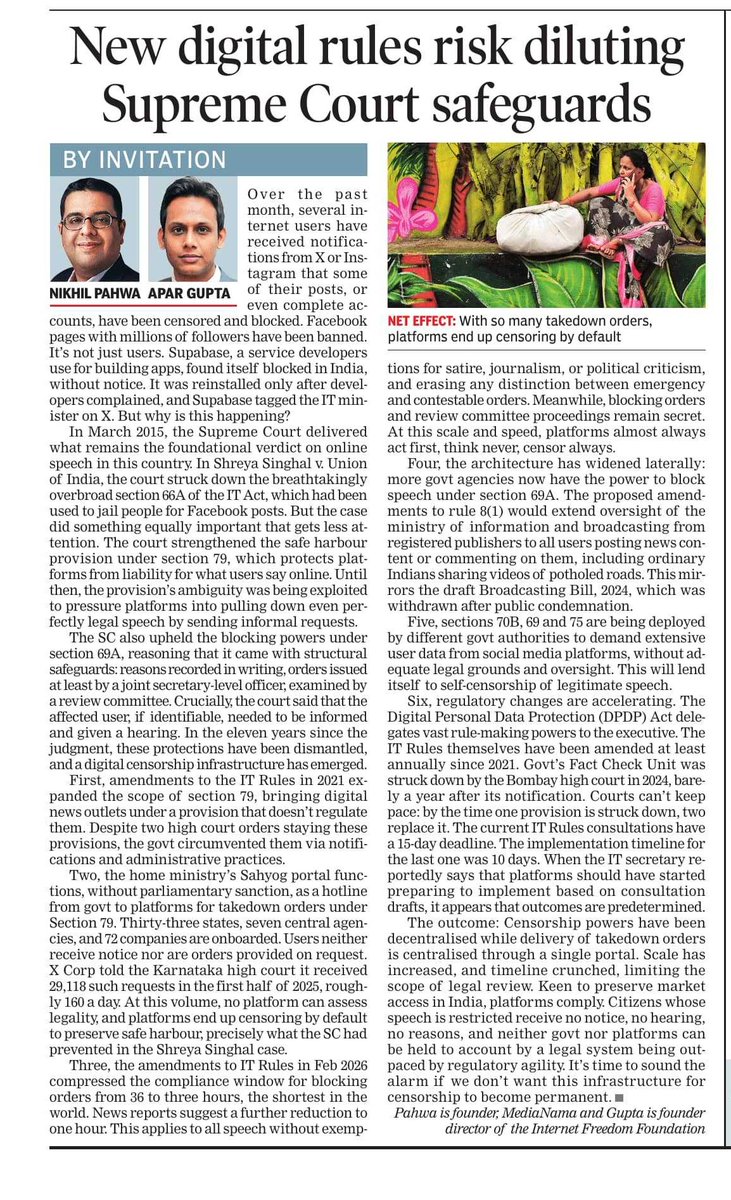
I want to clarify something about this article @apar1984 and I wrote:
An infrastructure for mass censorship is already in place, in India, and the new rules expand it.
We're seeing mass censorship of accounts and posts on X, Instagram and Facebook, because of this infrastructure. This infrastructure:
1. Operates with speed:
- blocking of posts has to be executed in 3 hours (govt is considering 1 hour), which means there's no scope for challenging them. This is the shortest takedown timeline in the world. Every order is an emergency order.
- When platforms get 100 at a time, which happens, they act first, think never, and censor always.
Impact: If someone was censored and can't understand why, this is why. No one has time to think.
2. Scale...Scope has expanded uncontested:
- The reasons for which speech and posts can be taken down keeps expanding.
New rules expand government powers to tweets like this one.
- News websites and platforms are covered under IT Rules (illegally)
- Streaming platforms are covered under the IT Rules (illegally)
Impact: more types of speech is already being censored...satire, journalism, or political criticism
3. Operates without challenge, in two ways:
- When you get 160 takedown orders a day (as X disclosed to a court) how many will you challenge?
- Platforms don't want to react because they can lose market access in India. They're faced with unrelenting pressure from regulators, and basically choosing which hill to die on. Us being censored is not their problem.
- Rules are changing frequently: 7 amendments to IT Rules since Feb 2021. By the time courts nullify one rule (and they don't always do this), new rules come up.
How often will people go to court?
4. Ordering takedowns has been decentralised:
- The (illegal) Sahyog portal, which is used for takedowns, is a hotline from government bodies to platforms. Thirty-three states, seven central agencies, and seventy-two companies are onboarded.
5. There is no transparency hence no accountability:
- Users receive no notice. censorship orders are not provided on request.
- blocking orders and the meetings of the committee that reviews them are protected by secrecy.
- RTI's are not responded to.
- Consultation responses are not public.
6. Government is seeking personal data of social media users using Sections 70B, 69 and 75 of the IT Act. This will lead to self censorship.
7. Lawmaking process has collapsed:
- The new IT Rules consultations have a 15 day deadline.
- Implementation timeline for the last one was 10 days.
- Rules are being made where there used to be laws government by Parliament. The new rules mirror provisions from the Broadcast Bill which was withdrawn in 2024. Parliament is being bypassed.
As we wrote: when the IT Secretary reportedly says that platforms should have started preparing to implement based on consultation drafts, it appears that outcomes are predetermined. Consultations appear to be a farce.
MEITY, DoT and MIB are not accountable to anyone but the government for rules that are not in line with laws, and go against a key free speech verdict we got in 2015.
That's why this is an infrastructure for censorship. It is in place, it is operational, and it is expanding. This is not just about the new rules.
This is why we're sounding the alarm about: people need to know what is going on, and the Supreme Court needs to take this up. They are the court of last resort, meant to preserve constitutionality.
P.s: Please keep a copy of this tweet, in case it gets censored. Or just tweet it and tag us... how many will they censor?

English
Vaishnavi Chandrashekhar retweetledi

Local communities bear the brunt of the costs of large infrastructure like the Versova-Bhayandar Coastal Road. And residents don't trust promises of environmental restoration #Mumbai

English
Vaishnavi Chandrashekhar retweetledi

#DECODE | Facial recognition is now being extended to children aged 3–6, with growing pressure across Anganwadi centres to enrol them with Aadhaar.
For those without Aadhaar, the system relies on a parent’s identity but if that face match fails too, children can be excluded from food and preschool education.
As documentation gaps and algorithmic failures collide, access to welfare under India’s 50-year-old nutrition programme is increasingly being tied to fragile tech.
Read our new Decode investigation by @HeraRizwan1, supported by the @pulitzercenter.
#Anganwadi #FacialRecognition #ChildSafety
boomlive.in/decode/indias-…
English
Vaishnavi Chandrashekhar retweetledi

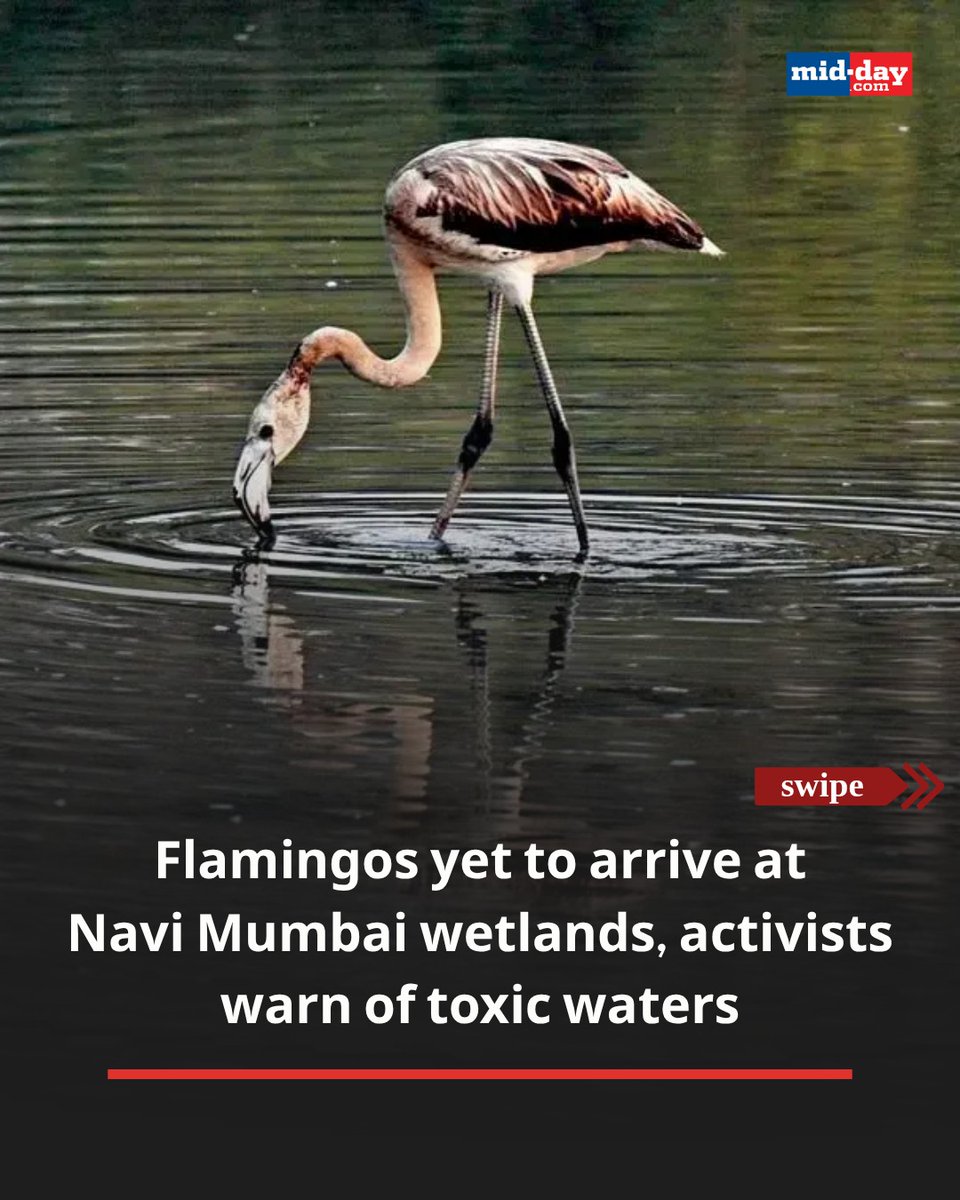
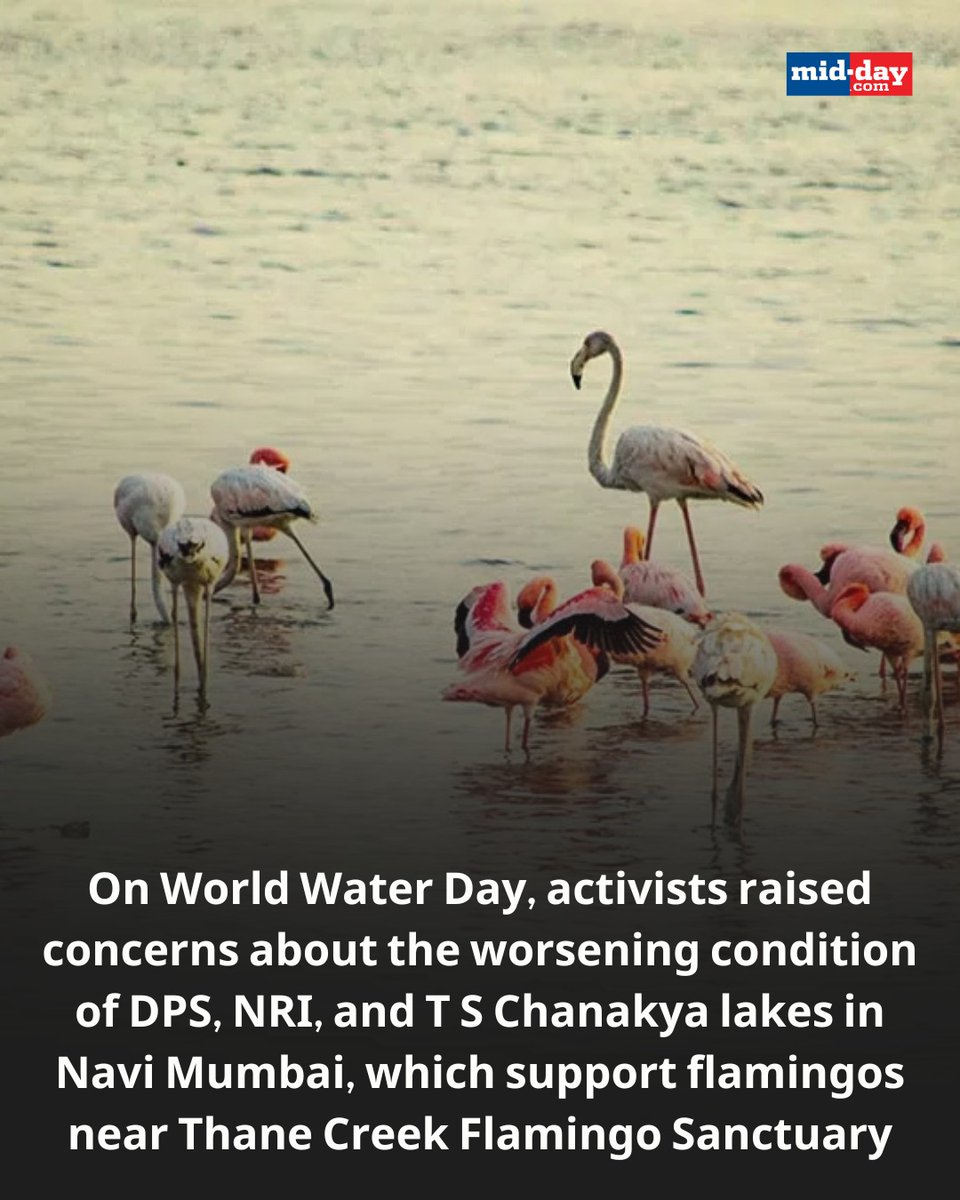
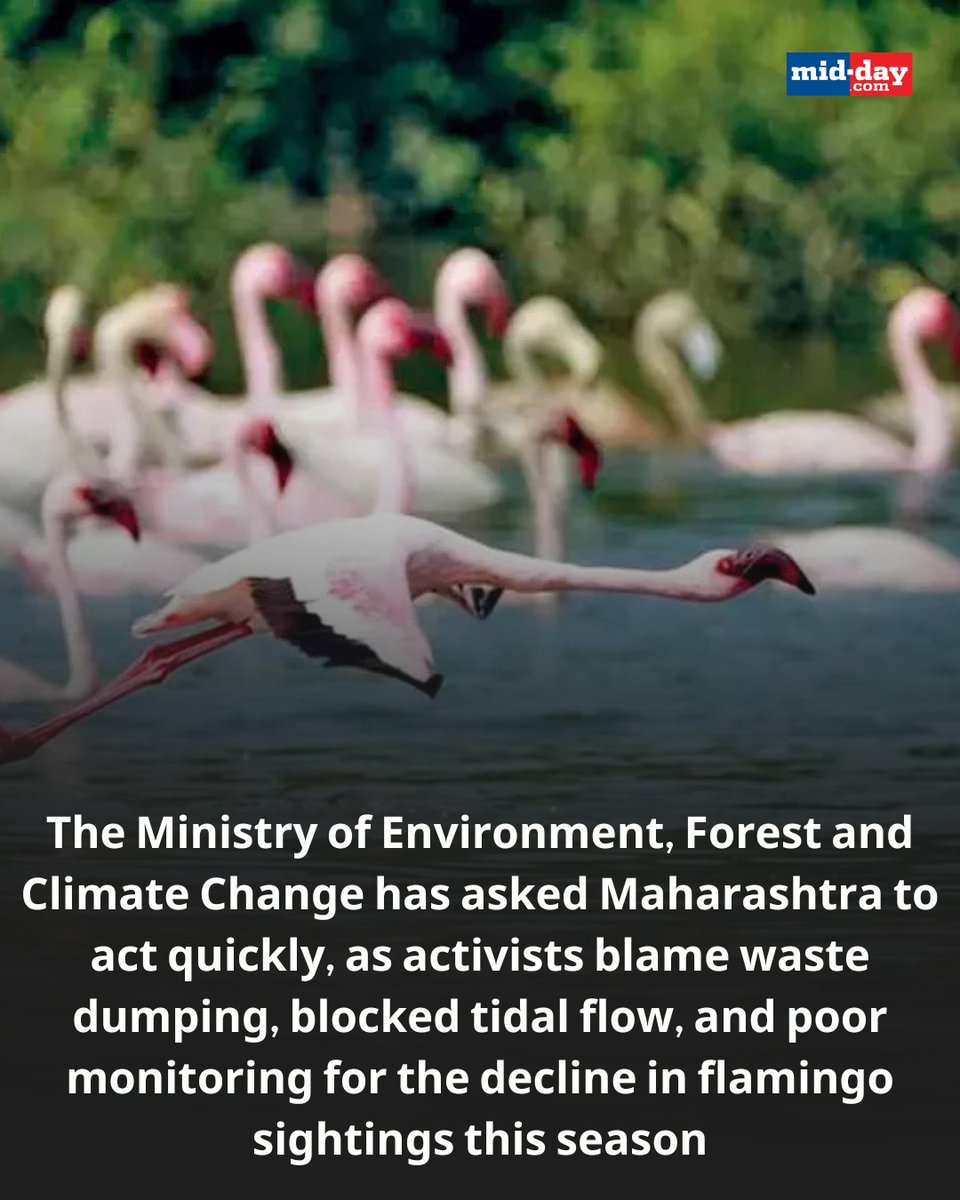
Activists have raised a wetland emergency in Navi Mumbai after water tests showed toxic conditions in key flamingo habitats, raising serious environmental concerns.
Authorities have been urged to take urgent action as pollution and poor water quality threaten flamingos and damage the fragile wetland ecosystem in the region.


English
Vaishnavi Chandrashekhar retweetledi

Just because it's renewable, doesn't mean it's all good. Large scale solar projects have sparked land conflicts, impacting herders in west Rajasthan. A story from Jaisalmer for @MongabayIndia
india.mongabay.com/2026/03/villag…
English
Vaishnavi Chandrashekhar retweetledi

Read this exclusive, intimate portrait of eight ordinary young Indians caught in an extraordinary situation, told in their own words, before they scatter back to their villages and disappear from the news cycle forever.
By @purnima_sah_
(7/8)
indianexpress.com/article/india/…

English
Vaishnavi Chandrashekhar retweetledi

outlookindia.com/national/ecolo… It reflected an emerging institutional disposition: large infrastructure in ecologically sensitive frontier regions is increasingly assessed through a balance of strategic necessity and procedural compliance,...
English
Vaishnavi Chandrashekhar retweetledi

550 ceramic factories in Gujarat cease production until April 15 due to the shortage of LNG and propane. This affects atleast 400,000 workers, most of whom are migrants from other parts of India.
The consequences of the war in West Asia will show up in ways we couldn’t imagine.
BBC News (World)@BBCWorld
India's ceramic hub grinds to a halt as Iran war chokes gas supply bbc.in/4cWjUIy
English

China demands evidence that traditional medicine injections really work | Science | AAAS science.org/content/articl…
English
Vaishnavi Chandrashekhar retweetledi

In an unusual move that has left experts divided, the Indian government has withdrawn a new earthquake hazard map and related building codes less than 4 months after issuing them. scim.ag/4lwcmOP
English
Vaishnavi Chandrashekhar retweetledi

.@nytimes: India Built the World’s Back Office. A.I. Is Starting to Shrink It. nytimes.com/2026/02/27/tec…
English
Vaishnavi Chandrashekhar retweetledi

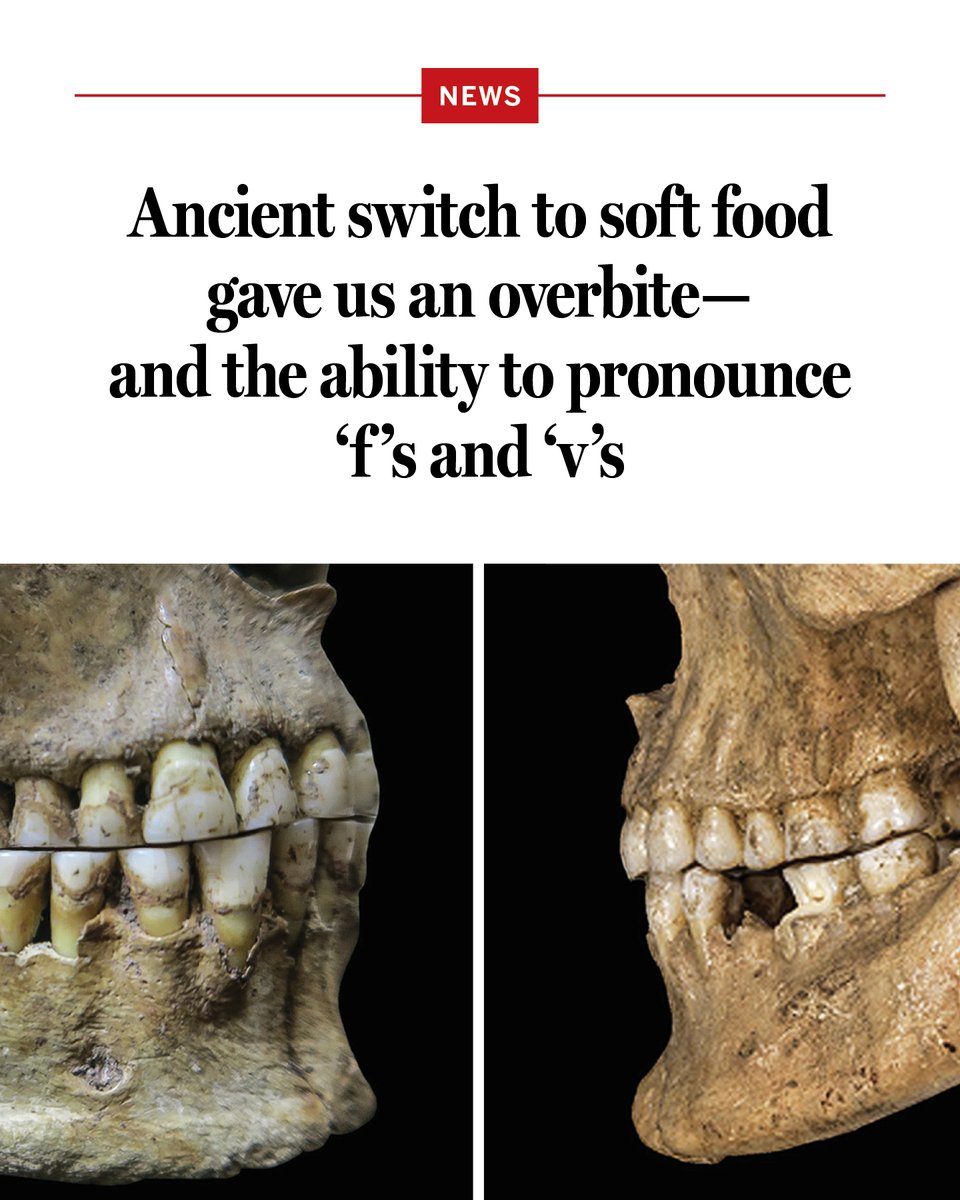
The spread of agriculture didn’t just change our diets—it altered our jaws as well, making it easy to pronounce "f"s and "v"s and opening a whole new world of words.
Learn more on #WorldAnthropologyDay: scim.ag/3ZubOPh

English