

@UgurTutarTR Amerika ve Israilin bir sonraki hedefi Turkiye gostermek icin ve zemin hazirlamak icin yalan haberleri basladi
Gencler "loading" diyor
Eski kafalar yeni savas yukleniyor diyor
Türkçe
Ben
6.3K posts

🇹🇷🇮🇷 TURKEY REPORTEDLY AIDING IRAN WITH WEAPONRY Reports are circulating that Turkey supplied Iran with advanced anti-aircraft and drone missiles, allegedly transported by intelligence-linked drivers to target US and Israeli aircraft. At least two reports suggest the F 15 US fighter jet was not shot down by the Iranian defense system, but was shot down by a Turkish-made shoulder-fired anti-aircraft missile. Developing. Stay connected, follow @MOSSADil.
Let's go to the tape.

"The crisis begins as an attempt to overthrow an unfriendly regime in the Middle East, in concert with the state of Israel. It is also a struggle for control of a key commercial waterway. Despite lacking a plausible basis in international law and popular support at home, the military operation is nevertheless a success in its own terms. The armed forces of the invaded state are swiftly overwhelmed." 2/5
Despite its shortcomings when compared to a great power like Russia or China, Iranian AD is completely fit for purpose for defeating the Americans, because it is decentralized, hard to detect, and capable of inflicting *attrition* over time. The US _cannot_ deal with attrition.

@can629242841687 Aynen öyle, bombardımanı bırak, sadece hava devriyesi+SEAD için 20 uçak İran sınırında uçsa, git gel belki 50 uçak sürekli havada. Tam rakamı bilmiyorum. 50 uçak sürekli uçuyorsa, yaklaşık 1000 uçağın sadece devriye+SEAD için sürekli bakımda olması gerekir! Bombardırman hariç!
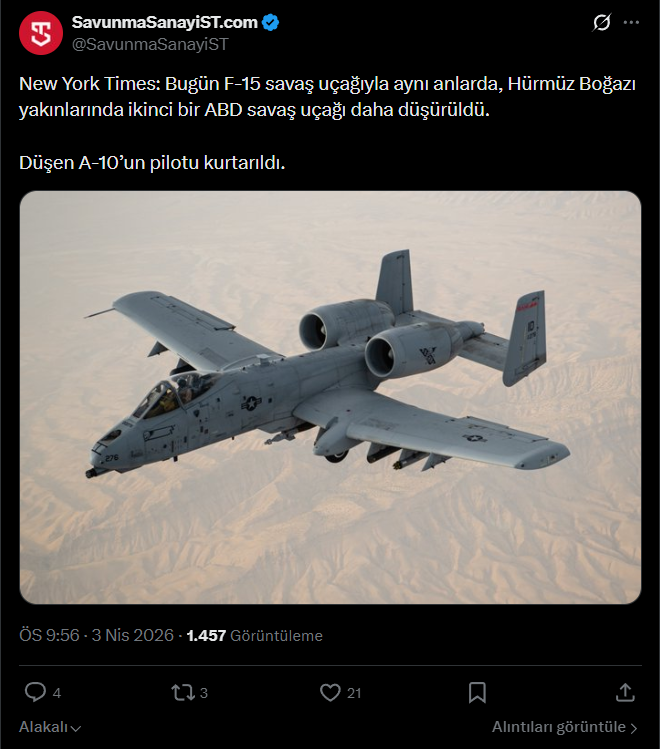
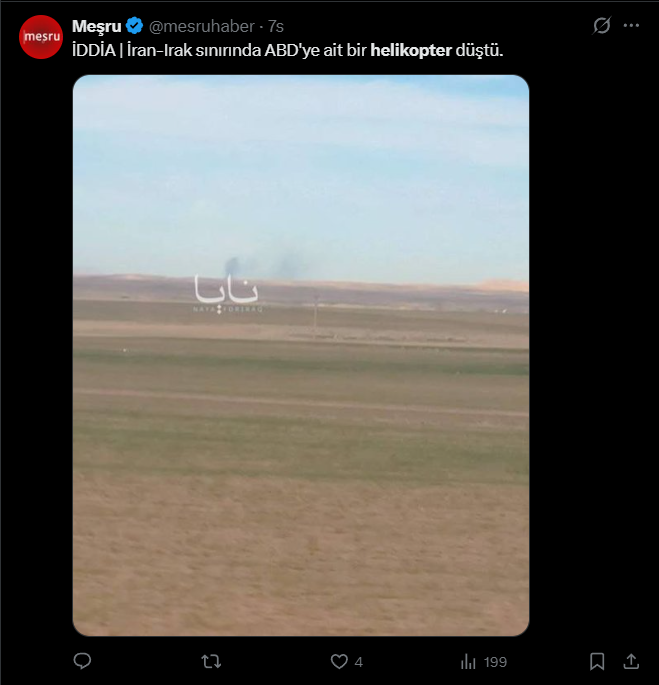
F-15E İran'ın pusu hava saldırı sistemleri "HSS" ile nasıl düşürüldü? Düşürülen F-15E'nin pilotlarını kurtarmak için uzun/orta/kısa menzilli HSS'lere hedef olmamak amacıyla alçak/çok alçak irtifadan uçarken 1'i isabet aldığı aktarılan UH-60 helikopterleri ve C-130 uçağına neden amansız nokta HSS müdehalesi yok: En çok merak edilen sorudan başlayalım; C-130 ve UH-60 helikopterlerinin alçak/çok alçak irtifada amansız bir HSS müdahalesiyle karşılaşmamasının sebebi aramanın yapıldığı bölgenin İran'ın sınır/kabuk bölgesinde değil de 100-150 km derinliğinde olmasıdır. Çok alçak/alçak irtifa, yani nokta hava savunması, İran gibi 1300x1300 =~ 1.6 milyon km² yüzölçümüne sahip bir ülkenin denizden/karadan taarruz ile kombine hava indirme riski olan sınır bölgesinde yoğunlaşmıştır. Dolayısıyla İran derinliklerinde eğer kritik bir tesis veya şehir muhitinde değilseniz, kısa menzilli HSS riski diğer bölgelere kıyasla nispeten düşük olacaktır. Dikkat edilirse, vurulduğu iddia edilen UH-60 helikopterinin hedeflendiği nokta bile zaten giriş veya çıkış yaptığı Körfez kıyısındaki sınır hattı! Tabii, tüm bunların üstüne bu tür bir kurtarma operasyonu da çılgınlık olduğu için İranlılar böyle bir çılgınlığı öngöremeyip bu işe uygun sistemleri alana ciddi miktarda yaymamışlardır. Çünkü 100-150 km derinliğe yapılacak bir hava indirmenin hiçbir manası yoktur! Tüm kuvvet İran içerisinde tuzağa atılmış olur! F-15E'nin hangi HSS sistemiyle düşürüldüğünü şu anda tam olarak bilemesek de, uygulanan taktik pusu HSS'dir. Yani zaten binlerce balistik + seyir füzesinin sızabileceği İran'ın savaşın başından beri ülkenin derinliklerine gerçekleştirilecek sayılı, belki 1-2 bine ulaşmayan sorti/vuruştan kendini korumaya çalışmasının manası da yoktur. Amaçları optimum şartlar altında uçaklara saldırı gerçekleştirmektir! Pusu HSS'ye kanıt olması için uçak düşürülmesine ihtiyaç yoktur. Körfez Savaşı'nda 5 haftada 70~ bin sortiye karşılık 140~ bin ton bomba atıldığı yaklaşık verisini biliyoruz. Fakat 28 şubatta başlayan savaşın 5. haftasında İran derinliklerine toplamda 2 bin ton mühimmat atıldığına dair bile en ufak kanıt yok! Vuruşların ciddi kısmı stand-off, uzun menzilli, pahalı ve nadir bulunan seyir füzesi + ALBM havadan atılan balistik füzeyle gerçekleştirildi. Yani Körfez Savaşı'ndakine benzer bir saldırı yoğunluğunun olmaması bize zaten pusu HSS'nin varlığını göstermektedir! Kapınızın gece sizi koruduğunu fark etmeniz için hırsızın kapı kilidini zorlama izlerini sabah görmenize gerek yok! F-15E'nin düşürülmesi sadece bir + kanıttır! Dün alçak/orta/uzun menzilli füzeleri kombine eden Khordad sisteminin kullanılmaya başlandığına dair haberler gelmişti. Yani ABD + koloni İsrail'in SEAD, düşman hava savunmasının bastırma faaliyeti zayıfladığı için radar güdümlü, daha cüsseli HSS'lerin de faaliyete geçtiğine dair bir yazı yaşmıştım. Belki bir Khordad varyantı F-15E'nin vurulmasından sorumlu olabilir! İran'ın 3-4 bin metrelere varan yüksek rakımı sebebiyle, 6-7 bin maksimum irtifaya ancak çıkabilen arama kurtarma helikopterlerinin, +3~ bin metre irtifa avantajı elde eden Manpads+uçaksavarlar ile çok kolay hedef olabileceğini ve pilot kurtarma görevlerinin zorlu geçeceğini yazmıştım. Hala aynı fikirdeyim! Kara operasyonu ve hava indirme çılgınlık, hala aynı fikirdeyim. Bu pilot kurtarma denemesi başarı olsa da, olmasa da oldukça akıl dışı bir girişimdir. İran bu mantıksız hamlelere kendini adapte ettikçe sonuçlar daha da ağırlaşabilir.

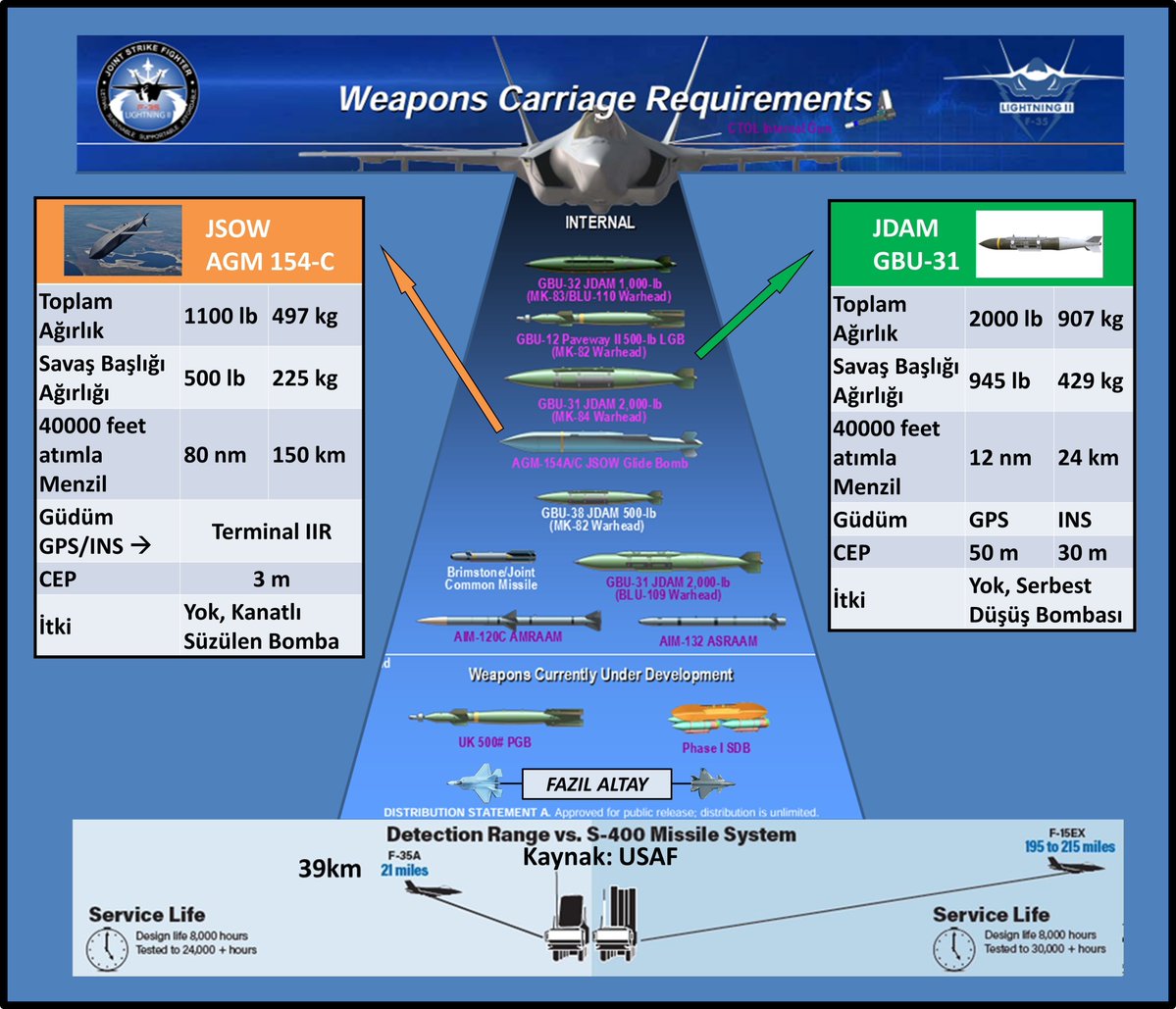
Where did all these donkeys go?
İran'ın kısa sürede pusu HSS ile havada savaşı kazanma planını tahmin ediyorum: İran, F-15, F-16... savaş jetlerini besleyen yolcu uçağından türetilmiş hantal tanker uçakları "Boeing KC-135 Stratotanker" ve havadan erken ihbar, yani radar taşıyan büyük yavaş uçakları "Boeing E-3 Sentry (AWACS)" ve seyir füzesi salan B-1/2/52 bombardıman uçaklarını Ortadoğu'daki vekillerine pusu HSS yaklaşımıyla hedefletecektir! Bu amaçla, Ortadoğu'daki vekillerine AIM-120 AMRAAM ve AIM-9 Sidewinder benzeri, muhtemelen booster eklemeli portatif HSS'leri, Yemen "Arabia Felix Kod" vekillerine gönderdiği gibi yayacaktır. Bu benim 10 aydır İran'ın ilk savaşı da kazandığını savunduğum ana teorimde 1 gün önce ulaştığım son noktadır! Pusu HSS İran sınırının içinde düşündüğümden çok daha etkili çalışıyor! İran içerisine uçak savaş uçağı girişi çok az! Bombardıman 50-100 km sınır çizgisinde! Savaş jetleri, koloni İsrail ve İran arasındaki 1000 km'lik "sadece sınır vuruşu için yoksa git-gel 3000-4000 km" hattı işe yarar seviyede bomba yüküyle bu tankerler olmadan uçamaz. Hatta ilgi tankerlerin vurulması durumunda yakıtsız kaldığı için atlayış yapmak zorunda kalan pilotlar dahi olabilir. Son 3 günde Basra'da 1 Siha, Lübnan'da 1 helikopter ve Körfez'de 1 helikopter daha düştüğü için artık İran'ın bu taktiği uyguladığına karar verip açıklama kararı aldım. Bu taktik sonunda İran çok hızlı bir zafer elde edecektir. Zira bu uçakların fiyatları 100-500 milyon $, her kayıpta mürettebat zaiyatı da var! Yorumlara bu savaşı pusu HSS'ler sebebiyle İran'ın neden kazanacağını 10 aydır anlattığım gönderilerimi ekliyorum.+
Are you curious about taking the "tactical Iranian AD" pill? I think many of us are curious at this stage. The Iranians are running the largest and most advanced guerilla war in human history. Maybe they did ration AD at the beginning for maximum effect. 🇺🇸🇮🇷
‼️ This article has aged very well. "What I believe the Iranians have done is to judiciously husband their air defense systems in anticipation of the day when the US and Israel would be compelled to venture into range in order to drop glide bombs." That day is here.
‼️ This article has aged very well. "What I believe the Iranians have done is to judiciously husband their air defense systems in anticipation of the day when the US and Israel would be compelled to venture into range in order to drop glide bombs." That day is here.
Not a single word or post from U.S. Central Command (CENTCOM) in nearly 10 hours, since the first reports of an American F-15E Strike Eagle being downed over Southern Iran.


Just had a long talk with a former IAF commander on why Iran is managing to shoot down these US planes. He told me that since the 12 day war Iran has rethought its entire system after seeing how easily it was bombed. The new system is far better and more resilient and Israeli pilots have noticed how difficult it is to operate there now: 1) Each of Iran's 31 zones now has the authority to operate independently if central command is cut off, allowing local commanders to launch missiles and engage aircraft without waiting for orders from Tehran. That was a major problem for them in the past. 2) Recognizing that fixed sites are easily destroyed, Iran moved many of its restored air defenses into missile cities, deeply buried underground tunnels and rugged coastal terrain that serve as cover for mobile launchers. These targets are now hardened. 3) Since traditional radar gives away a system's location, Iran has leaned into passive infrared (heat-seeking) sensors and new software algorithms that can track jets without emitting detectable signals. 4) Iran has increased reliance on mobile, medium-range surface-to-air SAM systems. Its mobility allows shoot-and-scoot tactics that make it difficult to target with pre-planned airstrikes. 5) Iran has moved away from Russian missiles to its own Bavar-373 which appears to be superior to the S-300 and possibly to the S-400 too. Recent upgrades include increased autonomy for launchers, allowing them to operate even if centralized command centers are destroyed. 6) They use new Majid system, which relies on passive infrared detection rather than radar. Because it doesn't emit radar signals, it is significantly harder for aircraft to detect before a missile is launched. 7) Most important, he confirmed to me that Iran is using HQ-9B, the best long-range surface-to-air missile China has to offer. It has both active radar homing and a passive infrared seeker. This makes it harder for aircraft to spoof the missile with standard electronic countermeasures and improves its ability to track stealth. It seems to be exceeding expectations. He told me, "the days when flying over Iran was a walk in the park are over." In sum, new tactics and a switch from Russian technology to Iranian and Chinese technology have turned Iranian airspace into a contested space. Air superiority there is gone. The IAF and USAF will have to adapt accordingly or lose more aircraft.
Hiçbir zaman Nozül Termal izini düşüremeyecek olan tek motorlu uçak F-35. F-22 ve KAAN ise supersonic uçuşta art yakıcıyı çalıştırmayıp Nozül Termal izini düşürürek, 5. Nesiller arası savaşta büyük avantaja sahip olmaktalar.
Just had a long talk with a former IAF commander on why Iran is managing to shoot down these US planes. He told me that since the 12 day war Iran has rethought its entire system after seeing how easily it was bombed. The new system is far better and more resilient and Israeli pilots have noticed how difficult it is to operate there now: 1) Each of Iran's 31 zones now has the authority to operate independently if central command is cut off, allowing local commanders to launch missiles and engage aircraft without waiting for orders from Tehran. That was a major problem for them in the past. 2) Recognizing that fixed sites are easily destroyed, Iran moved many of its restored air defenses into missile cities, deeply buried underground tunnels and rugged coastal terrain that serve as cover for mobile launchers. These targets are now hardened. 3) Since traditional radar gives away a system's location, Iran has leaned into passive infrared (heat-seeking) sensors and new software algorithms that can track jets without emitting detectable signals. 4) Iran has increased reliance on mobile, medium-range surface-to-air SAM systems. Its mobility allows shoot-and-scoot tactics that make it difficult to target with pre-planned airstrikes. 5) Iran has moved away from Russian missiles to its own Bavar-373 which appears to be superior to the S-300 and possibly to the S-400 too. Recent upgrades include increased autonomy for launchers, allowing them to operate even if centralized command centers are destroyed. 6) They use new Majid system, which relies on passive infrared detection rather than radar. Because it doesn't emit radar signals, it is significantly harder for aircraft to detect before a missile is launched. 7) Most important, he confirmed to me that Iran is using HQ-9B, the best long-range surface-to-air missile China has to offer. It has both active radar homing and a passive infrared seeker. This makes it harder for aircraft to spoof the missile with standard electronic countermeasures and improves its ability to track stealth. It seems to be exceeding expectations. He told me, "the days when flying over Iran was a walk in the park are over." In sum, new tactics and a switch from Russian technology to Iranian and Chinese technology have turned Iranian airspace into a contested space. Air superiority there is gone. The IAF and USAF will have to adapt accordingly or lose more aircraft.
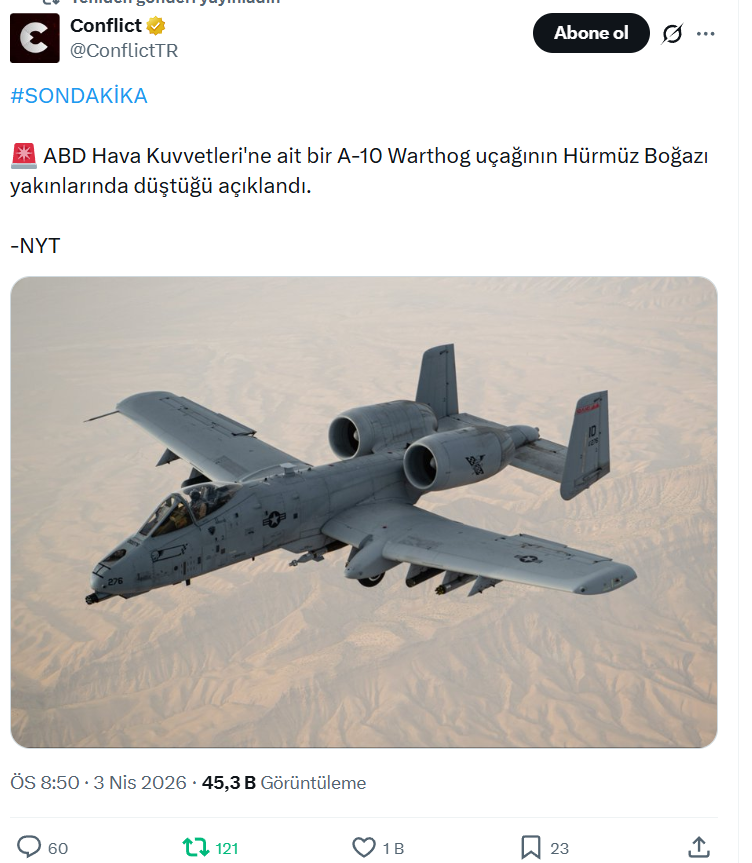
Afedersiniz Sıçtılar, sıvayacaklar
Just had a long talk with a former IAF commander on why Iran is managing to shoot down these US planes. He told me that since the 12 day war Iran has rethought its entire system after seeing how easily it was bombed. The new system is far better and more resilient and Israeli pilots have noticed how difficult it is to operate there now: 1) Each of Iran's 31 zones now has the authority to operate independently if central command is cut off, allowing local commanders to launch missiles and engage aircraft without waiting for orders from Tehran. That was a major problem for them in the past. 2) Recognizing that fixed sites are easily destroyed, Iran moved many of its restored air defenses into missile cities, deeply buried underground tunnels and rugged coastal terrain that serve as cover for mobile launchers. These targets are now hardened. 3) Since traditional radar gives away a system's location, Iran has leaned into passive infrared (heat-seeking) sensors and new software algorithms that can track jets without emitting detectable signals. 4) Iran has increased reliance on mobile, medium-range surface-to-air SAM systems. Its mobility allows shoot-and-scoot tactics that make it difficult to target with pre-planned airstrikes. 5) Iran has moved away from Russian missiles to its own Bavar-373 which appears to be superior to the S-300 and possibly to the S-400 too. Recent upgrades include increased autonomy for launchers, allowing them to operate even if centralized command centers are destroyed. 6) They use new Majid system, which relies on passive infrared detection rather than radar. Because it doesn't emit radar signals, it is significantly harder for aircraft to detect before a missile is launched. 7) Most important, he confirmed to me that Iran is using HQ-9B, the best long-range surface-to-air missile China has to offer. It has both active radar homing and a passive infrared seeker. This makes it harder for aircraft to spoof the missile with standard electronic countermeasures and improves its ability to track stealth. It seems to be exceeding expectations. He told me, "the days when flying over Iran was a walk in the park are over." In sum, new tactics and a switch from Russian technology to Iranian and Chinese technology have turned Iranian airspace into a contested space. Air superiority there is gone. The IAF and USAF will have to adapt accordingly or lose more aircraft.
NASA FIRMS - Strait of Hormuz
Just had a long talk with a former IAF commander on why Iran is managing to shoot down these US planes. He told me that since the 12 day war Iran has rethought its entire system after seeing how easily it was bombed. The new system is far better and more resilient and Israeli pilots have noticed how difficult it is to operate there now: 1) Each of Iran's 31 zones now has the authority to operate independently if central command is cut off, allowing local commanders to launch missiles and engage aircraft without waiting for orders from Tehran. That was a major problem for them in the past. 2) Recognizing that fixed sites are easily destroyed, Iran moved many of its restored air defenses into missile cities, deeply buried underground tunnels and rugged coastal terrain that serve as cover for mobile launchers. These targets are now hardened. 3) Since traditional radar gives away a system's location, Iran has leaned into passive infrared (heat-seeking) sensors and new software algorithms that can track jets without emitting detectable signals. 4) Iran has increased reliance on mobile, medium-range surface-to-air SAM systems. Its mobility allows shoot-and-scoot tactics that make it difficult to target with pre-planned airstrikes. 5) Iran has moved away from Russian missiles to its own Bavar-373 which appears to be superior to the S-300 and possibly to the S-400 too. Recent upgrades include increased autonomy for launchers, allowing them to operate even if centralized command centers are destroyed. 6) They use new Majid system, which relies on passive infrared detection rather than radar. Because it doesn't emit radar signals, it is significantly harder for aircraft to detect before a missile is launched. 7) Most important, he confirmed to me that Iran is using HQ-9B, the best long-range surface-to-air missile China has to offer. It has both active radar homing and a passive infrared seeker. This makes it harder for aircraft to spoof the missile with standard electronic countermeasures and improves its ability to track stealth. It seems to be exceeding expectations. He told me, "the days when flying over Iran was a walk in the park are over." In sum, new tactics and a switch from Russian technology to Iranian and Chinese technology have turned Iranian airspace into a contested space. Air superiority there is gone. The IAF and USAF will have to adapt accordingly or lose more aircraft.
Two US helicopters were struck by Iranian fire while recovering the pilot of the downed F-15E -a US official to NBC.


⚡️ÖNEMLİ - Malezya ve Bangladeş, İsrail pasaportu taşıyanların ülkelerine girişlerini yasakladı.
F-15E İran'ın pusu hava saldırı sistemleri "HSS" ile nasıl düşürüldü? Düşürülen F-15E'nin pilotlarını kurtarmak için uzun/orta/kısa menzilli HSS'lere hedef olmamak amacıyla alçak/çok alçak irtifadan uçarken 1'i isabet aldığı aktarılan UH-60 helikopterleri ve C-130 uçağına neden amansız nokta HSS müdehalesi yok: En çok merak edilen sorudan başlayalım; C-130 ve UH-60 helikopterlerinin alçak/çok alçak irtifada amansız bir HSS müdahalesiyle karşılaşmamasının sebebi aramanın yapıldığı bölgenin İran'ın sınır/kabuk bölgesinde değil de 100-150 km derinliğinde olmasıdır. Çok alçak/alçak irtifa, yani nokta hava savunması, İran gibi 1300x1300 =~ 1.6 milyon km² yüzölçümüne sahip bir ülkenin denizden/karadan taarruz ile kombine hava indirme riski olan sınır bölgesinde yoğunlaşmıştır. Dolayısıyla İran derinliklerinde eğer kritik bir tesis veya şehir muhitinde değilseniz, kısa menzilli HSS riski diğer bölgelere kıyasla nispeten düşük olacaktır. Dikkat edilirse, vurulduğu iddia edilen UH-60 helikopterinin hedeflendiği nokta bile zaten giriş veya çıkış yaptığı Körfez kıyısındaki sınır hattı! Tabii, tüm bunların üstüne bu tür bir kurtarma operasyonu da çılgınlık olduğu için İranlılar böyle bir çılgınlığı öngöremeyip bu işe uygun sistemleri alana ciddi miktarda yaymamışlardır. Çünkü 100-150 km derinliğe yapılacak bir hava indirmenin hiçbir manası yoktur! Tüm kuvvet İran içerisinde tuzağa atılmış olur! F-15E'nin hangi HSS sistemiyle düşürüldüğünü şu anda tam olarak bilemesek de, uygulanan taktik pusu HSS'dir. Yani zaten binlerce balistik + seyir füzesinin sızabileceği İran'ın savaşın başından beri ülkenin derinliklerine gerçekleştirilecek sayılı, belki 1-2 bine ulaşmayan sorti/vuruştan kendini korumaya çalışmasının manası da yoktur. Amaçları optimum şartlar altında uçaklara saldırı gerçekleştirmektir! Pusu HSS'ye kanıt olması için uçak düşürülmesine ihtiyaç yoktur. Körfez Savaşı'nda 5 haftada 70~ bin sortiye karşılık 140~ bin ton bomba atıldığı yaklaşık verisini biliyoruz. Fakat 28 şubatta başlayan savaşın 5. haftasında İran derinliklerine toplamda 2 bin ton mühimmat atıldığına dair bile en ufak kanıt yok! Vuruşların ciddi kısmı stand-off, uzun menzilli, pahalı ve nadir bulunan seyir füzesi + ALBM havadan atılan balistik füzeyle gerçekleştirildi. Yani Körfez Savaşı'ndakine benzer bir saldırı yoğunluğunun olmaması bize zaten pusu HSS'nin varlığını göstermektedir! Kapınızın gece sizi koruduğunu fark etmeniz için hırsızın kapı kilidini zorlama izlerini sabah görmenize gerek yok! F-15E'nin düşürülmesi sadece bir + kanıttır! Dün alçak/orta/uzun menzilli füzeleri kombine eden Khordad sisteminin kullanılmaya başlandığına dair haberler gelmişti. Yani ABD + koloni İsrail'in SEAD, düşman hava savunmasının bastırma faaliyeti zayıfladığı için radar güdümlü, daha cüsseli HSS'lerin de faaliyete geçtiğine dair bir yazı yaşmıştım. Belki bir Khordad varyantı F-15E'nin vurulmasından sorumlu olabilir! İran'ın 3-4 bin metrelere varan yüksek rakımı sebebiyle, 6-7 bin maksimum irtifaya ancak çıkabilen arama kurtarma helikopterlerinin, +3~ bin metre irtifa avantajı elde eden Manpads+uçaksavarlar ile çok kolay hedef olabileceğini ve pilot kurtarma görevlerinin zorlu geçeceğini yazmıştım. Hala aynı fikirdeyim! Kara operasyonu ve hava indirme çılgınlık, hala aynı fikirdeyim. Bu pilot kurtarma denemesi başarı olsa da, olmasa da oldukça akıl dışı bir girişimdir. İran bu mantıksız hamlelere kendini adapte ettikçe sonuçlar daha da ağırlaşabilir.


ALLIANCE CONCERNS: Turkey's NATO role questioned as a new Foundation for Defense of Democracies report alleges links to the Muslim Brotherhood and Hamas networks operating within the country. Reporting by @EfratLachter foxnews.com/world/turkeys-…