☁ retweetledi
☁
836 posts


☁ retweetledi

昔のドイツの家には、島ぜんぶがお墓みたいなこの絵が、当たり前のように飾ってあったそうです。
ベックリンの《死の島》。
糸杉のそびえる島へ、白い布をかけた棺を乗せた小舟が、音もなく近づいていきます。
この絵、昔からなぜかものすごい人気で、作曲家のラフマニノフも一曲書いているほど。
しかも彼が見たのは白黒の複製で、あとで本物の色を見たとき「先に色を見ていたら、作曲しなかったかも」ともらしたとか。
色がないほうが、想像がふくらんだのかもしれません。
ベックリン自身も、この島を5回くり返し描きました。
それだけ、手放せない景色だったんだと思います。
🖼 アルノルト・ベックリン《死の島(第3バージョン)》1883年、板に油彩、旧国立美術館(ベルリン)所蔵
#りんの鑑賞ノート

日本語
☁ retweetledi

☁ retweetledi


@kei_tsukishima @sfthnbhjt909090 BilibiliWorld 2026 Shanghai Pop-up Experience
Filipino


☁ retweetledi

A young woman whose beauty stood out in Verona in 1320; a funeral a few years later, an open and empty coffin discovered the next morning, a body shrouded in darkness...
This black-and-white composition by English book illustrator Frank C. Papé, from the 1928 illustrated edition, captures the end of a striking narrative about the body, beauty, and death.
The story's based on a chapter titled 'The Lady of Verona' from the English translation of Anatole France's 1895 work, 'Le Puits de sainte Claire'. At the heart of the tale is the young Signora Eletta, who enchanted Verona with her beauty on Good Friday in 1320.
Eletta's beauty is extraordinary. Married to the elderly jurist Messer Antonio Torlota when she's about fifteen, she gradually develops an obsessive devotion to her own physical beauty.
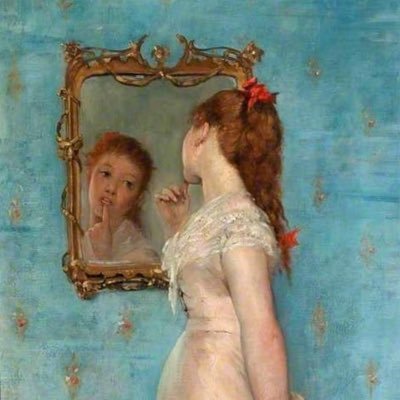
When she turns twenty, she falls gravely ill. She stares at herself in the mirror for a long time, horrified by the thought that her beauty will disappear beneath the earth. Moments before her death, she prays for the devil to claim her body along with her soul.
Her body's taken to San Zenone for the funeral; after the ceremony, her coffin is closed, sealed, and laid to rest among the tombs in the sacred ground surrounding the Basilica of San Zeno - also known in Verona as San Zenone. The next morning, the earth is found disturbed, and the coffin lies open and empty.
In the 1928 illustrated edition of the work - originally published in English in 1909 with a translation by Alfred Allinson - Papé doesn't depict this mysterious disappearance using a coffin, priests, or architectural details, but rather through a body that appears to be sinking into darkness. He pushes the historical setting into the background, focusing entirely on the body, the shadows, and the profound sensation of vanishing..

English
☁ retweetledi


☁ retweetledi


☁ retweetledi



☁ retweetledi
Columns of Amenhotep III, Thebes
Published in Émile Prisse d'Avennes' “Histoire de l'art égyptien (1878)”, this illustration records the monumental beam columns of Amenhotep III's temple complex at Thebes, a testament to the grandeur of Ancient Egypt's 18th Dynasty.
Original artwork held by The New York Public Library.

English
☁ retweetledi

Tip : 사진을 복사한 뒤 픽셀 유동화만 해도 물 표현에 밀도를 더할 수 있습니다!
✔️사용된 물 텍스쳐는 콜로소 얼리버드 혜택으로 배포 예정입니다.
한국어
@rrr666Xie 而且mo老师本就在第一季里面藏了很多草蛇灰线,第二季里依次把这些伏笔都掀开了,所以我一直觉得老婆的转变自然又流畅因为早有暗示,一直说ooc的人求求了再回去重新看一遍吧;;
中文
☁ retweetledi


☁ retweetledi

☁ retweetledi

☁ retweetledi

☁ retweetledi
☁ retweetledi

☁ retweetledi