Anonymous Architect 🐂 ⭕ 🉐
578 posts

@x_The_Architect
$BTC $DOT $RUJI || Believe in something and go balls deep.


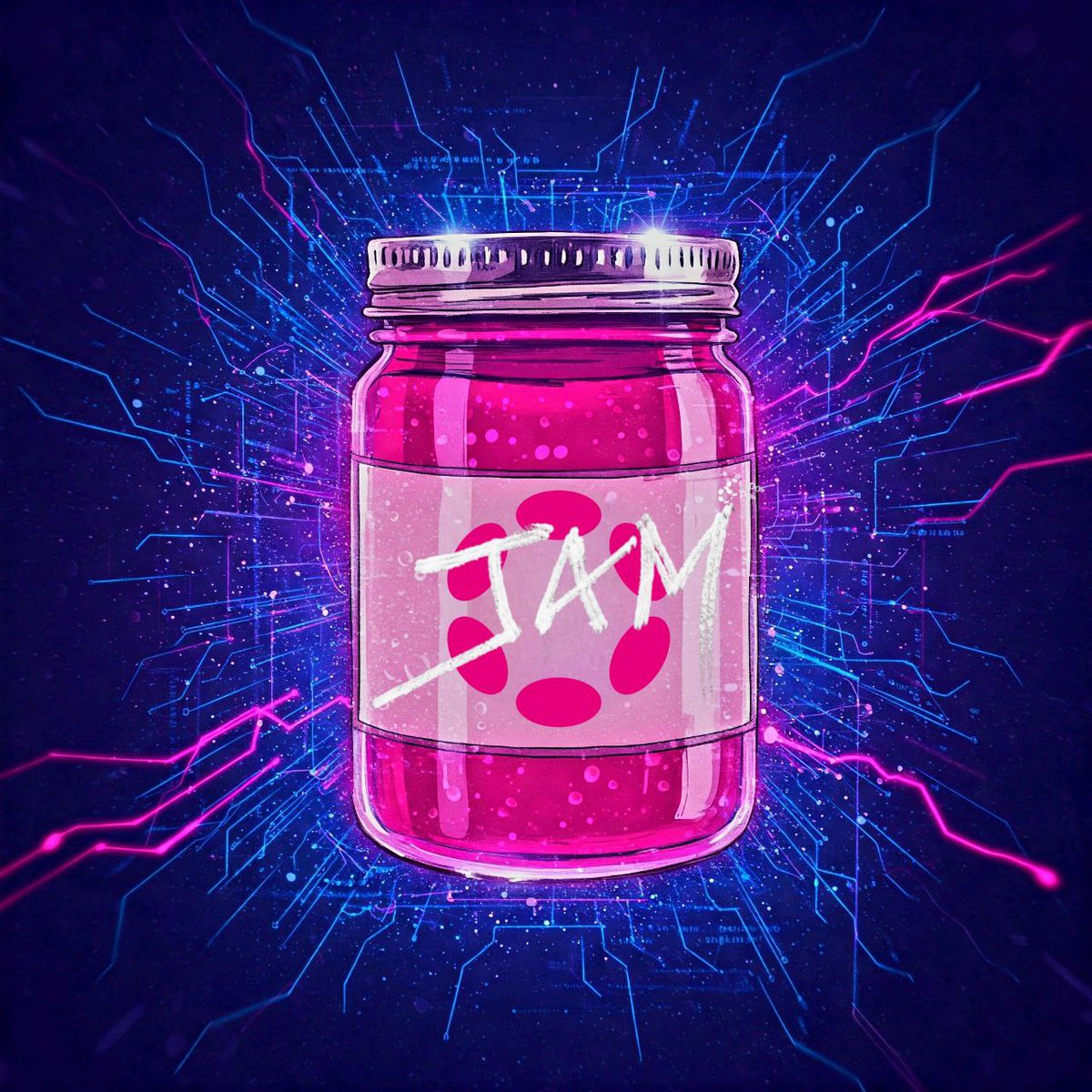
When the world finally understands Polkadot JAM, the price of being early will no longer exist. Every technological revolution rewards the early believers. Polkadot JAM might be the infrastructure layer the entire Web3 world runs on.


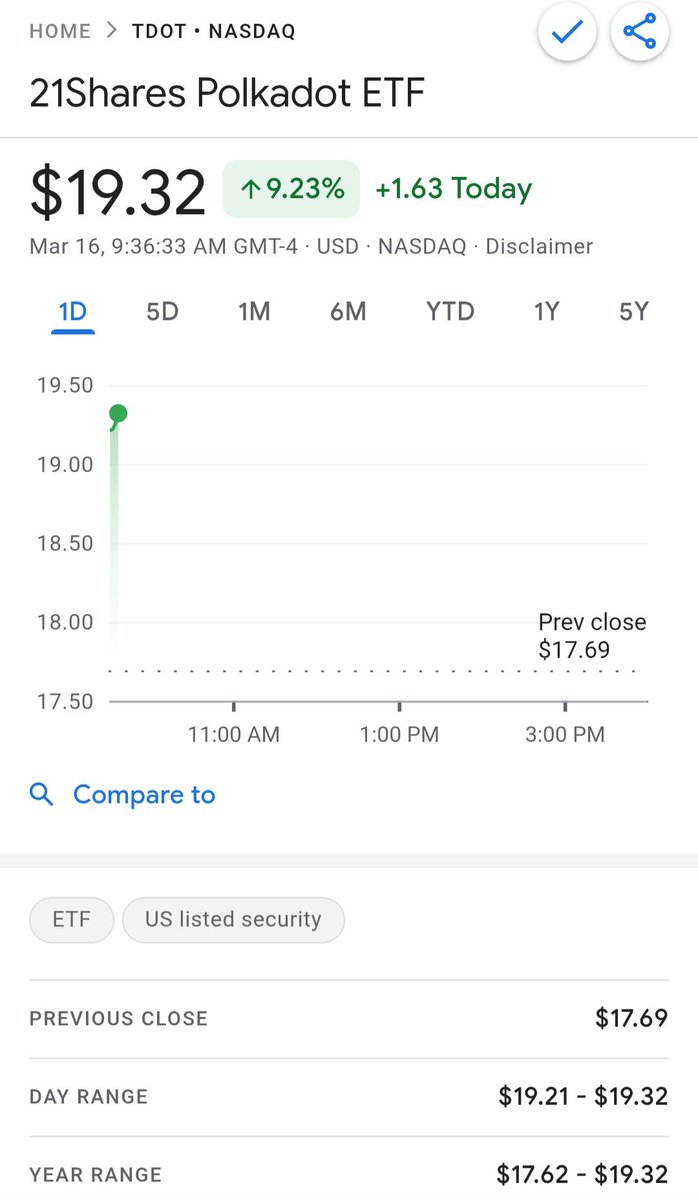
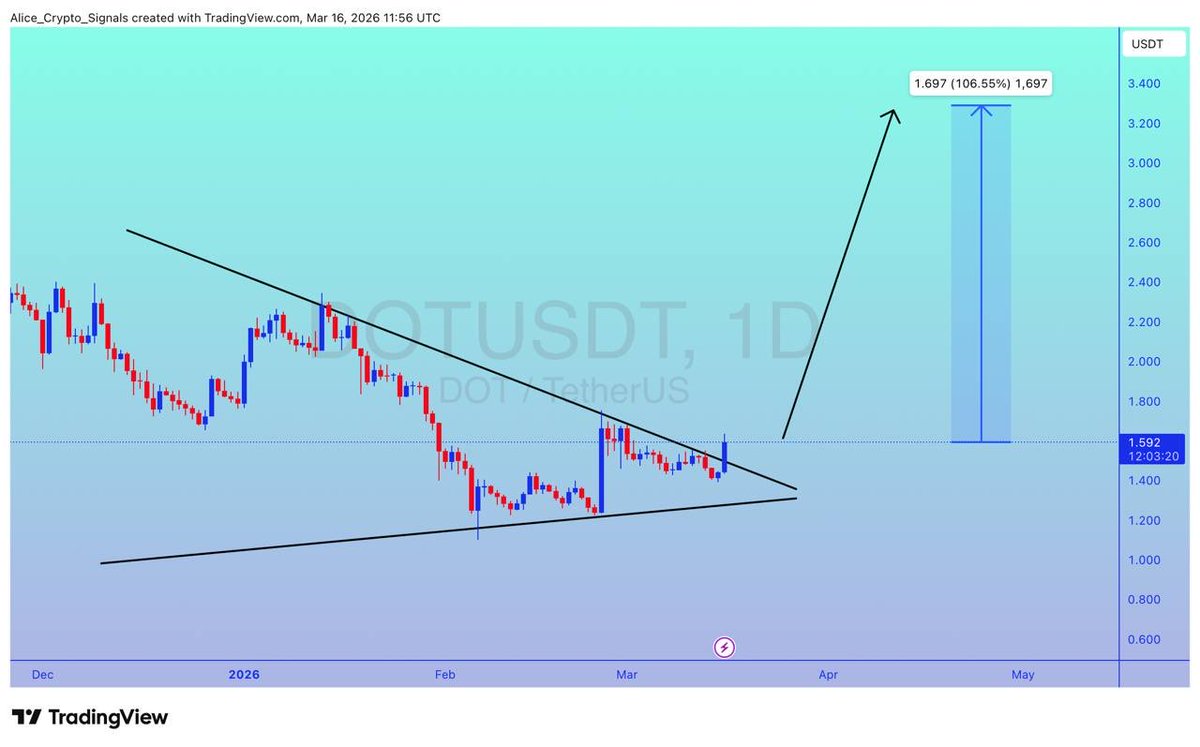
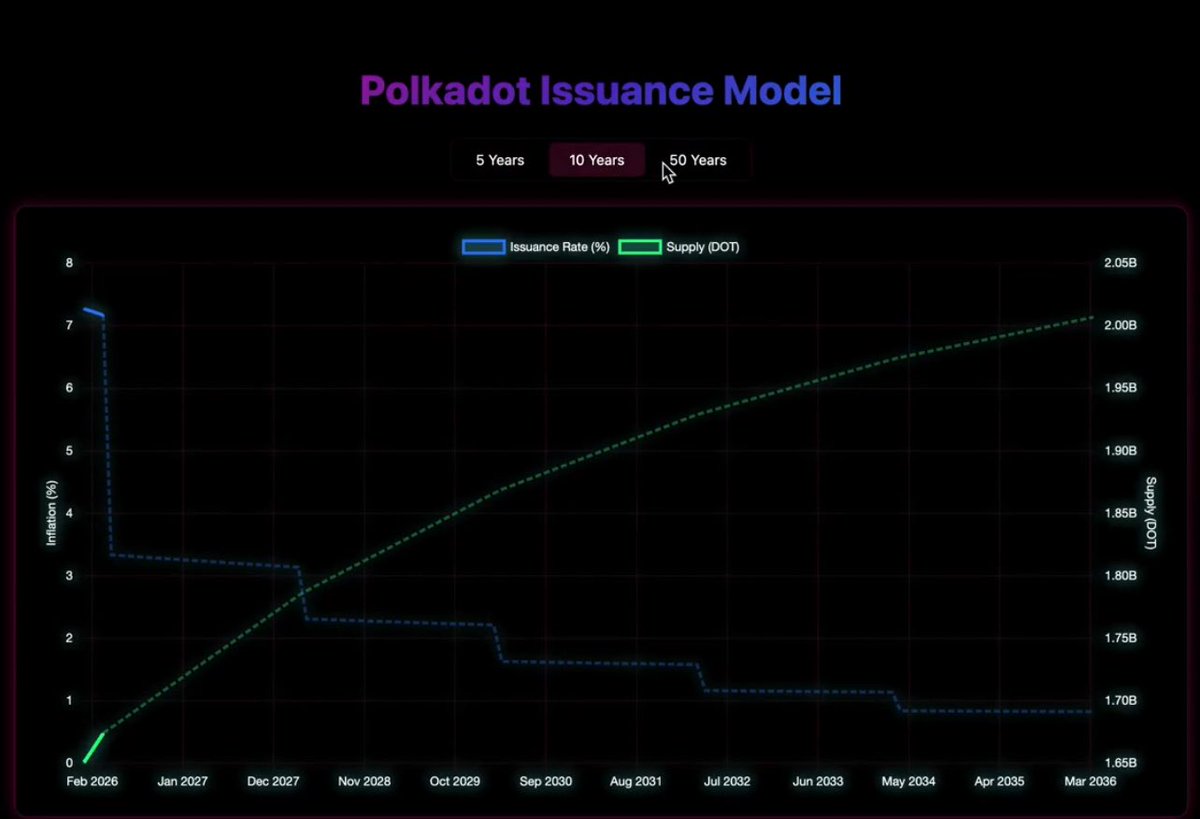
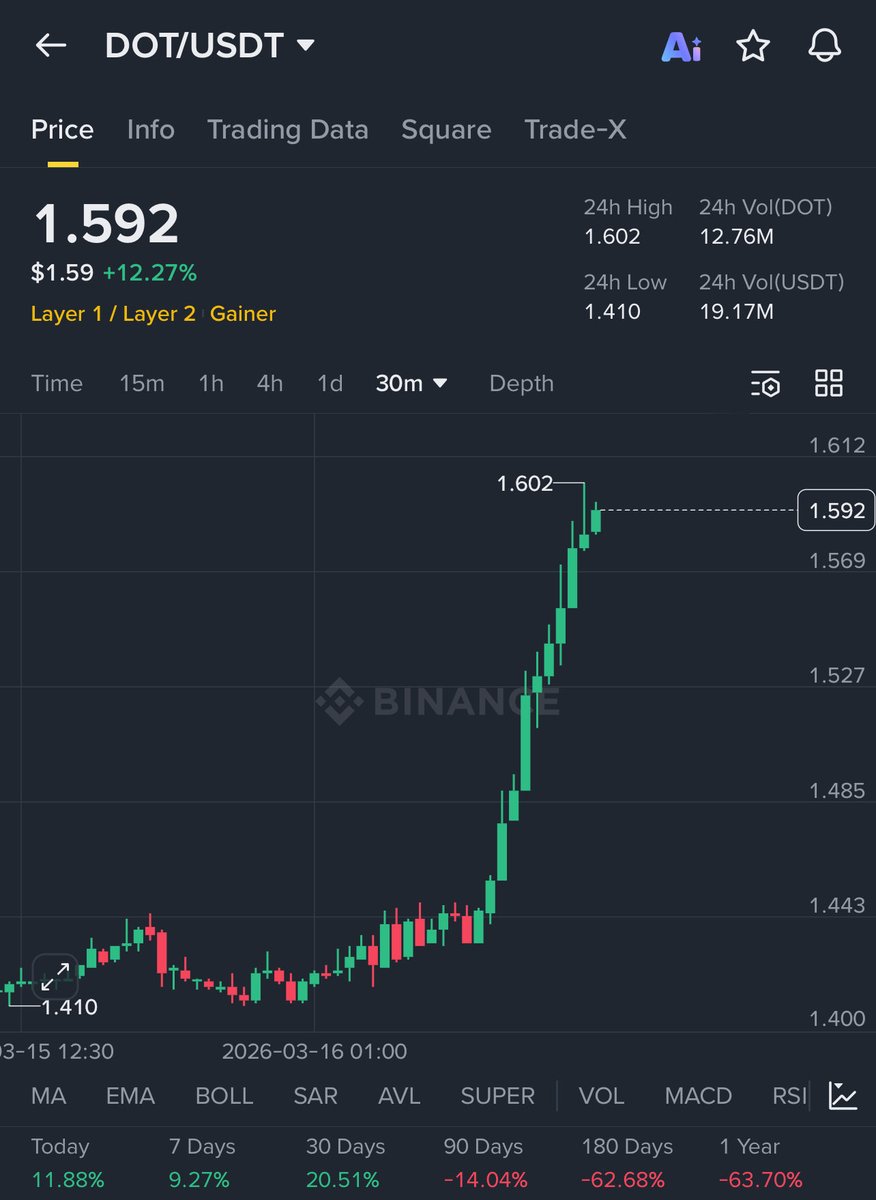
Is this an economic response to Polkadot’s new economic shift? The 21Shares Polkadot ETF ($TDOT) on Nasdaq is trading around $19.32, up 9.23% from the previous close of $17.69. On its own, the number means little. But the timing raises an interesting question. Polkadot has just entered one of the most significant economic transitions in its history. Issuance has been reduced by 53.6%, introducing stronger supply discipline and a defined long term 2.1B DOT cap. Validator participation is also becoming more capital intensive, while staking mechanics are evolving to reduce risk and improve liquidity for nominators. In other words, the protocol is actively reshaping how value moves through the network. At the same time, traditional markets now have direct exposure to that system through a Nasdaq listed ETF backed by real DOT. So the question becomes: Are traditional markets beginning to respond to Polkadot’s evolving economic design? Or is this simply early market noise? Time will answer that. $DOT


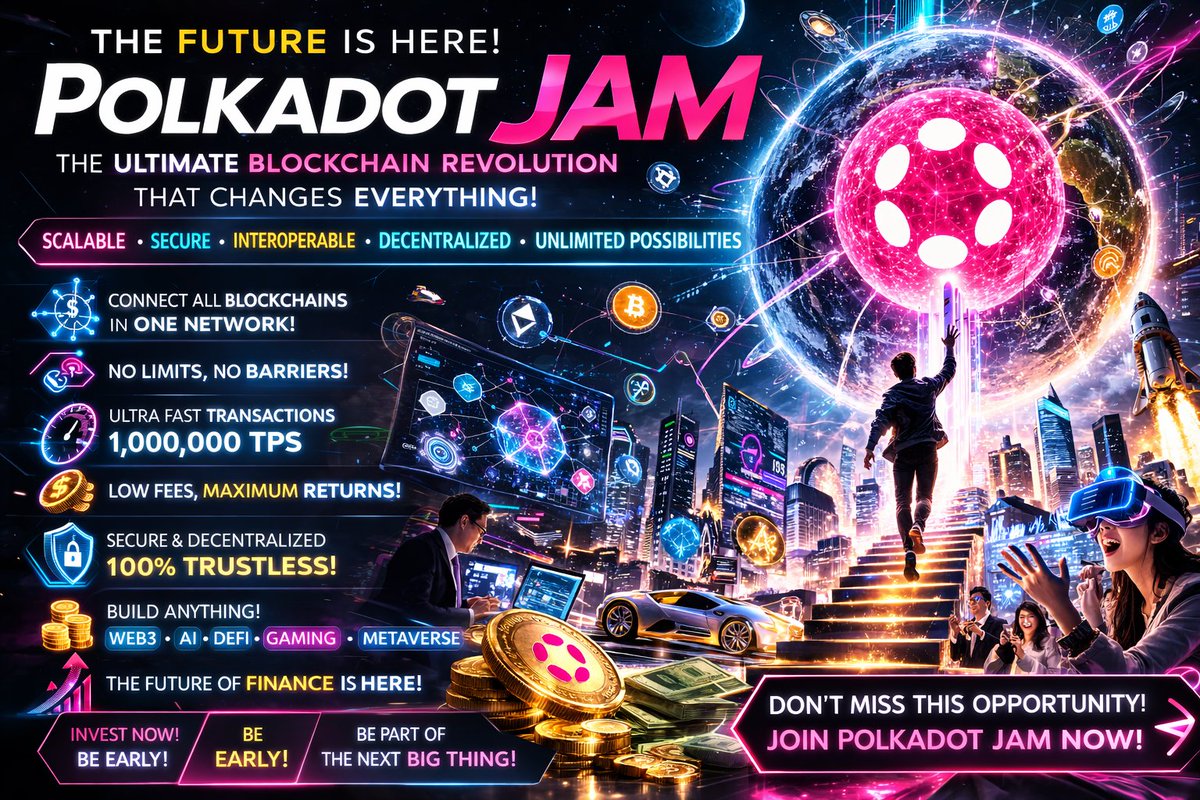
Polkadot JAM is a major upgrade planned for the @Polkadot ( $DOT) ecosystem. JAM stands for Join-Accumulate Machine, it is designed to replace the current relay chain and act as a new execution layer for the network. The goal is to make Polkadot more flexible and able to run many different types of applications. With JAM, developers will be able to build systems for DeFi, AI services, games, and virtual worlds, all running on the same shared infrastructure. The design focuses on scalability, interoperability, and trustless security. Promotional materials around JAM often highlight very high performance targets, sometimes mentioning up to 1,000,000 transactions per second (TPS), showing the ambition to support large-scale Web3 applications in the future. In simple terms, JAM is intended to turn Polkadot into a general-purpose computing layer for Web3, where different types of decentralized applications can run together on one network.