

Hotaru
64 posts



Peter Steinberger is joining OpenAI to drive the next generation of personal agents. He is a genius with a lot of amazing ideas about the future of very smart agents interacting with each other to do very useful things for people. We expect this will quickly become core to our product offerings.
OpenClaw will live in a foundation as an open source project that OpenAI will continue to support. The future is going to be extremely multi-agent and it's important to us to support open source as part of that.
English

Tomorrow at 10am PT legacy models (GPT-5, GPT-4o, GPT-4.1, GPT-4.1 mini, and OpenAI o4-mini) will be deprecated in ChatGPT.
openai.com/index/retiring…
English
We have a special thing launching to Codex users on the Pro plan later today. It sparks joy for me. I think you are going to love it...
English
The 5.3 lovefest is so nice to see.
Don't think we've had so much excitement for a model since the original GPT-4.
English
English
English
I am extremely excited to welcome @dylanscandinaro to OpenAI as our Head of Preparedness.
Things are about to move quite fast and we will be working with extremely powerful models soon. This will require commensurate safeguards to ensure we can continue to deliver tremendous benefits.
Dylan will lead our efforts to prepare for and mitigate these severe risks. He is by far the best candidate I have met, anywhere, for this role. He has his work cut out for him for sure, but I will sleep better tonight. I am looking forward to working with him very closely to make the changes we will need across our entire company.
English
OAI真是我见过最诡异的公司…#keep4o #keep4oAPI
Nat@ravien715
What Is OpenAI Trying to Hide? GPT‑4o Set to Vanish on Audit Deadline On January 28, 2026, Senator Elizabeth Warren sent a formal inquiry to OpenAI CEO Sam Altman regarding the company’s financial position and sustainability. She requested detailed disclosures by February 13, 2026. Separately, OpenAI announced plans to deprecate the GPT‑4o model—along with GPT‑4.1, 4.1 Mini, and o4 Mini—from its App and Web platforms on the same date, February 13, 2026. This alignment has raised concerns regarding the integrity of operational disclosures and audit transparency. 1. Senator Warren’s Financial Concerns Senator Warren’s inquiry centers on systemic financial risk associated with OpenAI’s infrastructure strategy and speculative funding model: • $1.4 Trillion Commitments: OpenAI has publicly committed to large-scale infrastructure spending over the next eight years. Warren highlights a projected $300 billion shortfall between these obligations and expected revenue. • Off-Balance-Sheet Financing: She questions OpenAI’s use of partnerships, such as with Microsoft and Oracle, to fund operations without assuming visible debt, raising issues around financial clarity. • Taxpayer Exposure: Warren is concerned that this structure may shift risk to the public in the event of financial instability, potentially leading to government intervention. 2. The February 13 Alignment The concurrent timing of the Senate inquiry deadline and the scheduled removal of GPT‑4o is significant: • Audit Relevance: GPT‑4o is one of OpenAI’s most advanced deployed models to date. Its operating costs, user engagement metrics, and retention behavior are central to understanding the company’s current burn rate and monetization logic. • Product Access and Subscription Basis: Since August 2025, OpenAI has restricted access to legacy models—including GPT‑4o—exclusively to paying subscribers. Many ChatGPT Plus and Pro users subscribed specifically to access GPT‑4o’s unique capabilities, and a portion of users chose annual subscription plans. Removing the model during an active inquiry may obscure key performance indicators directly tied to revenue streams. • Public Commitments on Model Availability: Between August and October 2025, OpenAI made a series of public statements: • “We have no plans to sunset 4o.” • “The GPT‑5 sunset period does not affect the availability of other legacy models.” • “If we ever do deprecate [4o], we will give plenty of notice.” These statements established a clear expectation of product continuity for both consumers and regulators. 3. GPT‑4o and Regulatory Considerations The deprecation of GPT-4o presents several regulatory concerns: • Data Integrity and Availability: Even if GPT‑4o remains accessible internally through APIs until February 17, its removal from public-facing services on February 13 alters both user perception and real-time auditability. • Legal Risk: Spoliation of Evidence: U.S. law obligates companies under investigation to preserve all materials relevant to the inquiry. Removing or restricting access to a flagship model while financial scrutiny is underway could be viewed as obstruction or spoliation if it limits access to operational data. • Regulatory Actions and Precedents: Agencies such as the Federal Trade Commission (FTC) or the Securities and Exchange Commission (SEC) may take actions to: • Request full operational snapshots and model metadata prior to the change; • Impose “status quo” conditions to maintain accessibility during the investigation; • Or require reinstatement of the asset if its removal is found to compromise the inquiry. 1/2 #keep4o #keep4oAPI #keep4oforever #no4onosubscription
中文
English
"AI coders just don't run out of dopamine. They do not get demoralized or run out of energy. They keep going until they figure it out."
English
@KobeissiLetter All companies interested in partnering with OpenAI, please note,OpenAI is a company with absolutely no credibility.They really don't respect their customers.The things they promised are as useless as nothing.Please don't work with a company like this.
English

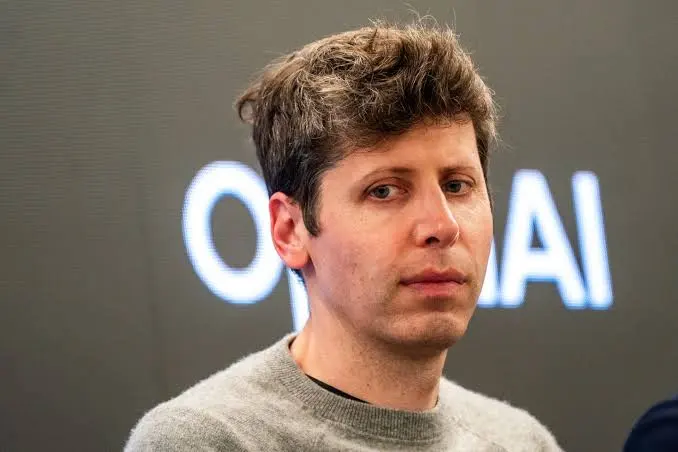
BREAKING: Talks over a $100 billion deal between OpenAI and Nvidia, $NVDA, have stalled.
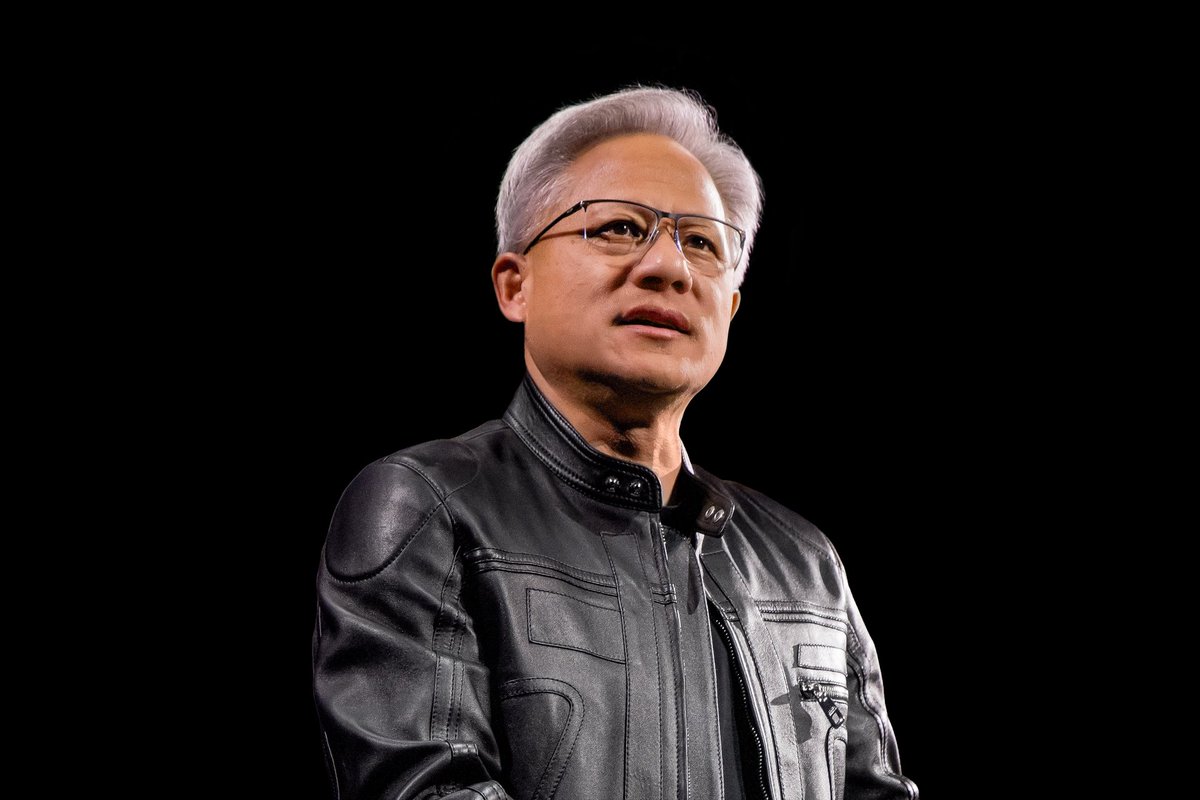
Nvidia's Jensen Huang has reportedly "privately criticized" OpenAI's business strategy.
English