
Michal

2.5K posts

Michal banner
Michal

Michal

@xmstan

- Strategist & Solution Builder - Conversational & Generative AI - Helps global brands @utteronehq

Lublin, Poland Katılım Şubat 2009
479 Takip Edilen1.3K Takipçiler
Sabitlenmiş Tweet
Michal
Michal@xmstan·
The week that started with amazing @VoiceSummitAI finished with meeting the legend @garyvee. It couldn't have been any better ❤️ #VoiceFist is here to stay. Pay attention. Watch people's changing habits. And act to grab the first row seat. #VOICE19 @karol_stryja

Michal tweet media
English
6
5
51
0
Michal
Michal@xmstan·
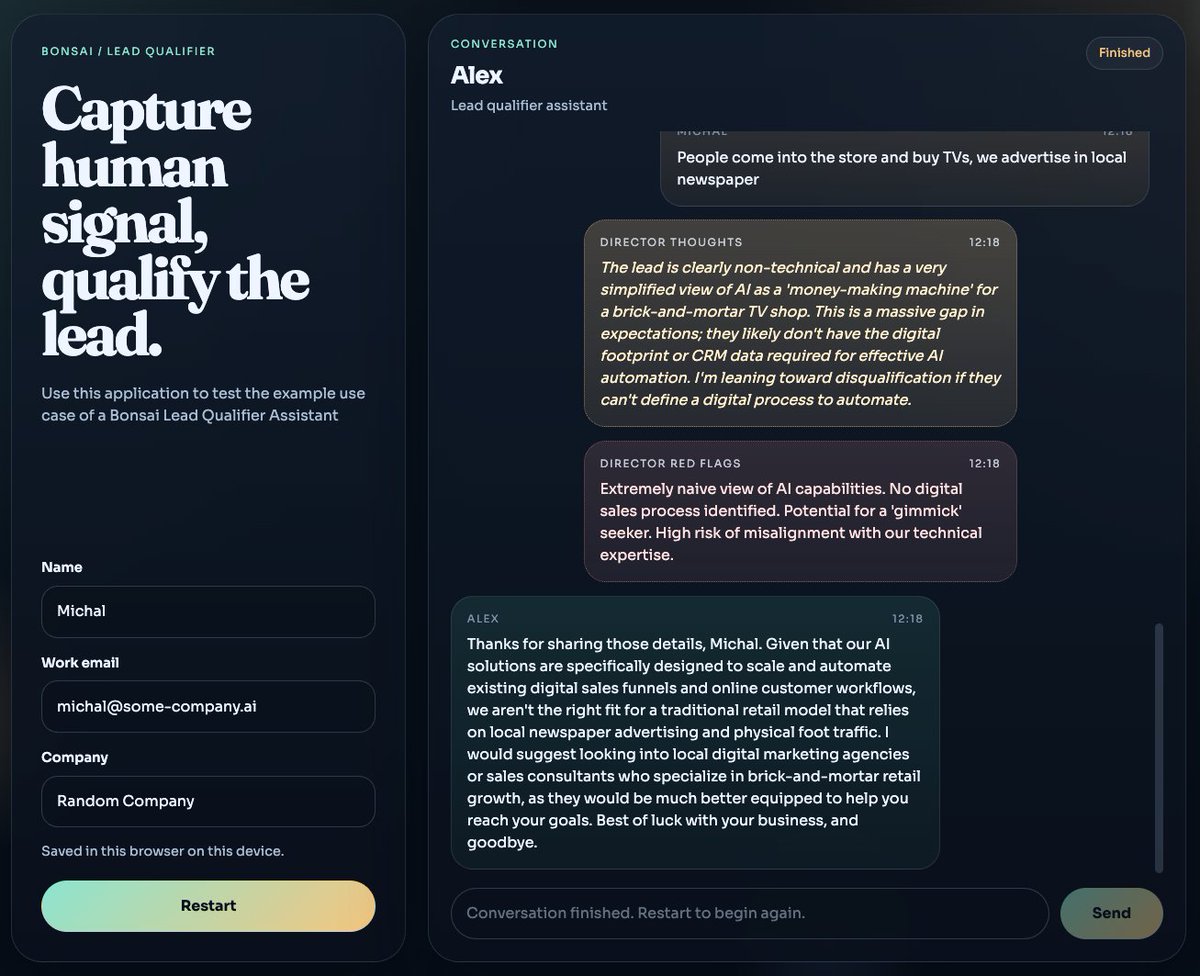
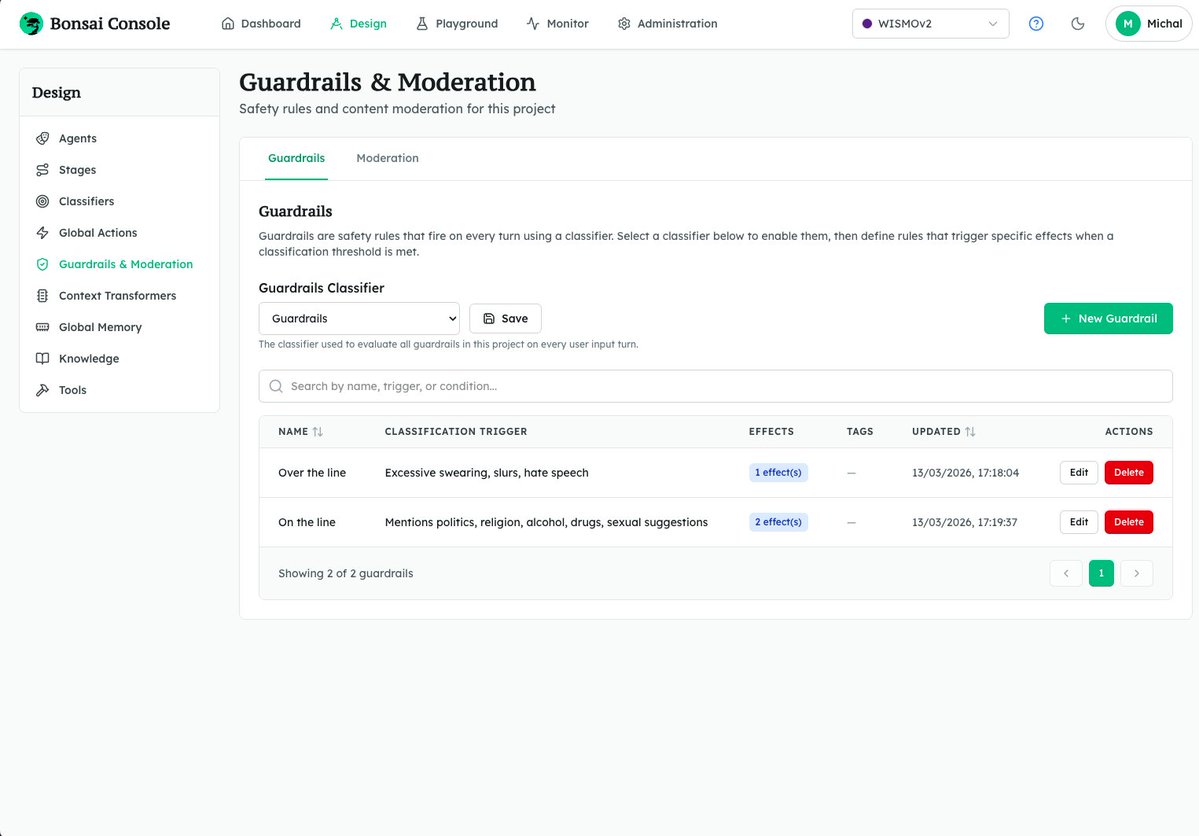
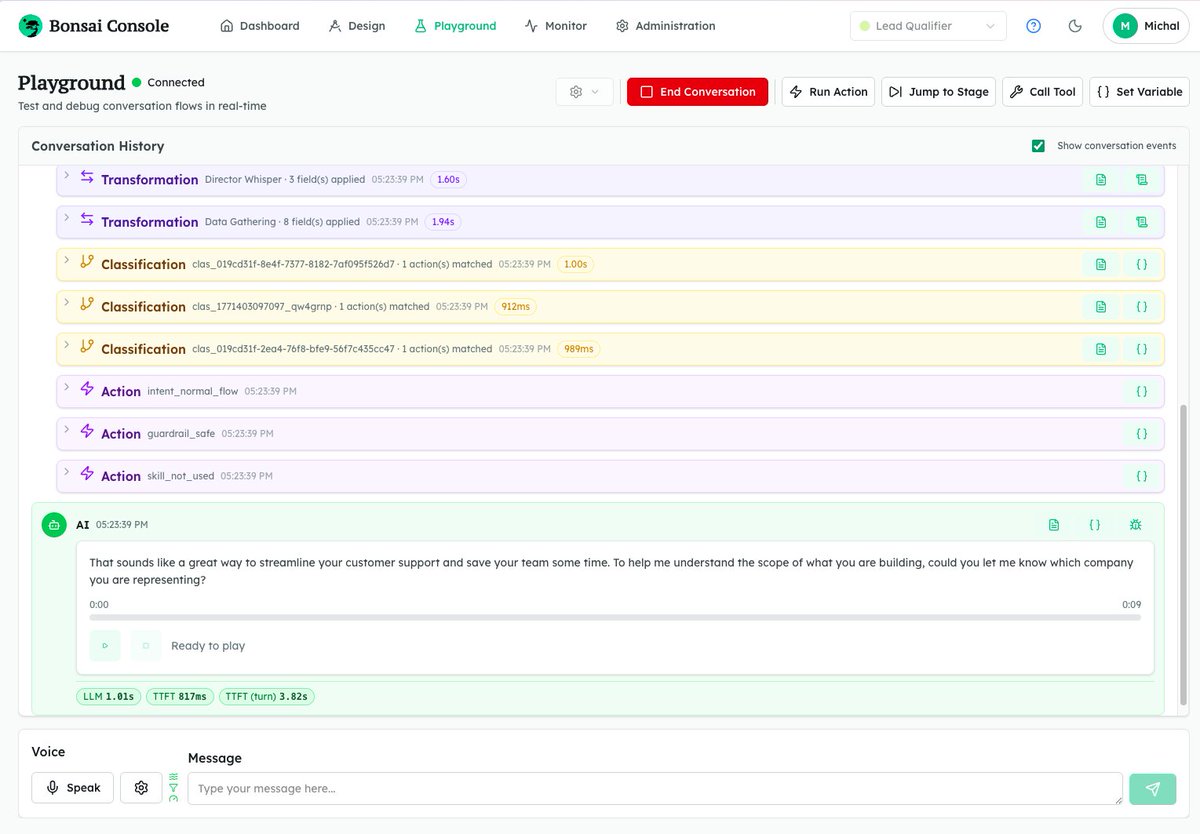
Most AI lead qualifiers can talk. Very few can justify the decision. We’re about to release a Lead Qualifier use case for Bonsai, our open-source framework for building safe, on-brand voice and chat agents. Complete and for FREE. This pack shows what that looks like in practice. Not just a prompt, but a full build example with: ↳ A sample app to test the flow end to end ↳ Make scenarios for automatic meeting scheduling ↳ Complete Bonsai project with guardrails, the Director Whisperer pattern and built-in explainability: reflections, red flags, and why a lead was qualified or disqualified Because when AI is talking to potential customers, “sounds plausible” is not enough. This use case requires the latest version of Bonsai which we plan to release tomorrow. We extended Tool support and moved webhook integrations into Tools, which made the whole flow much cleaner to build. Want the pack first? Follow me and look out for the release post tomorrow.
Michal tweet mediaMichal tweet media
English
0
0
0
21
Michal
Michal@xmstan·
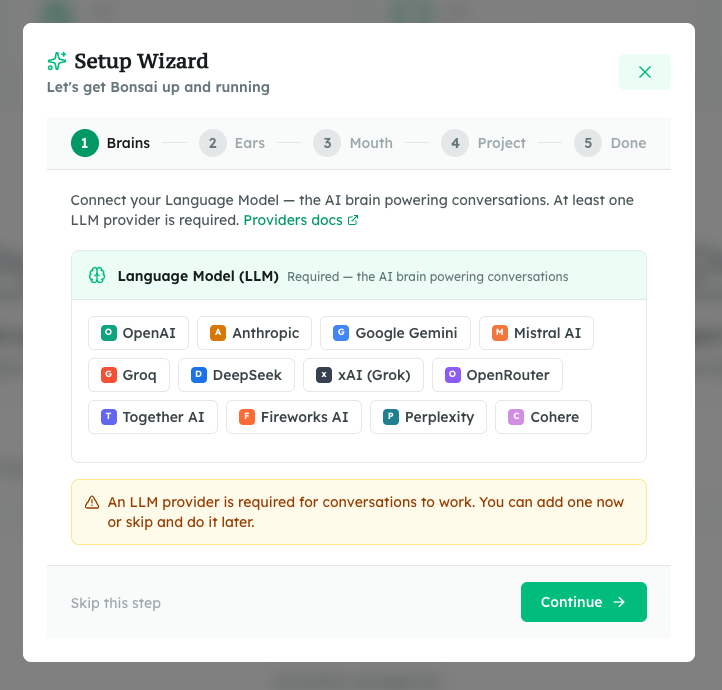
8 years in the making. 3 months in the oven. And on Friday the 13th, against all odds, we soft launched Bonsai. Bonsai is our framework for building and operating safe, on-brand voice & chat agents. Because getting an LLM to talk is not the hard part. The hard part is building customer-facing AI that ↳ doesn't go off-script ↳ doesn't improvise your reputation away ↳ doesn't leave your team saying "we don't know why it said that" When AI is customer-facing, failures aren't bugs. They're trust incidents. Bonsai is our answer to that through ↳ structured journeys instead of one giant prompt ↳ guardrails as a product primitive ↳ auditability and explainability by default ↳ an improvement loop that turns production failures into stronger behaviour This is just a soft launch, so I won't unpack everything yet. More soon on the architecture, the product, the examples, and the scars that led to it. If you're building AI for brands or enterprises, I'd love to compare notes. Find the repo here: github.com/utter-one/bons… I will be in London 22-26 Mar. Would love to meet up and show you how it works. DM me if you're around.
Michal tweet mediaMichal tweet mediaMichal tweet media
English
4
0
1
88
Michal
Michal@xmstan·
We’ve been building voice assistants since 2018. Production taught us fast that one smart prompt is not a framework. In production, you need structured journeys + dynamic context, guardrails, and operational control. That’s why we built Bonsai. Bonsai is a framework for voice AI assistants, agents, and experiences that are ↳ on-brand by design ↳ safe and compliant ↳ explainable and auditable ↳ continuously improvable (issues -> evals -> better releases) It’s headless and provider-agnostic, so teams keep ownership and can ship across channels. And the best part... we are preparing to fully open-source it! If you’re building customer-facing Voice AI for a brand or enterprise and want this kind of foundation, let’s talk.
Michal tweet media
English
0
0
1
46
Michal
Michal@xmstan·
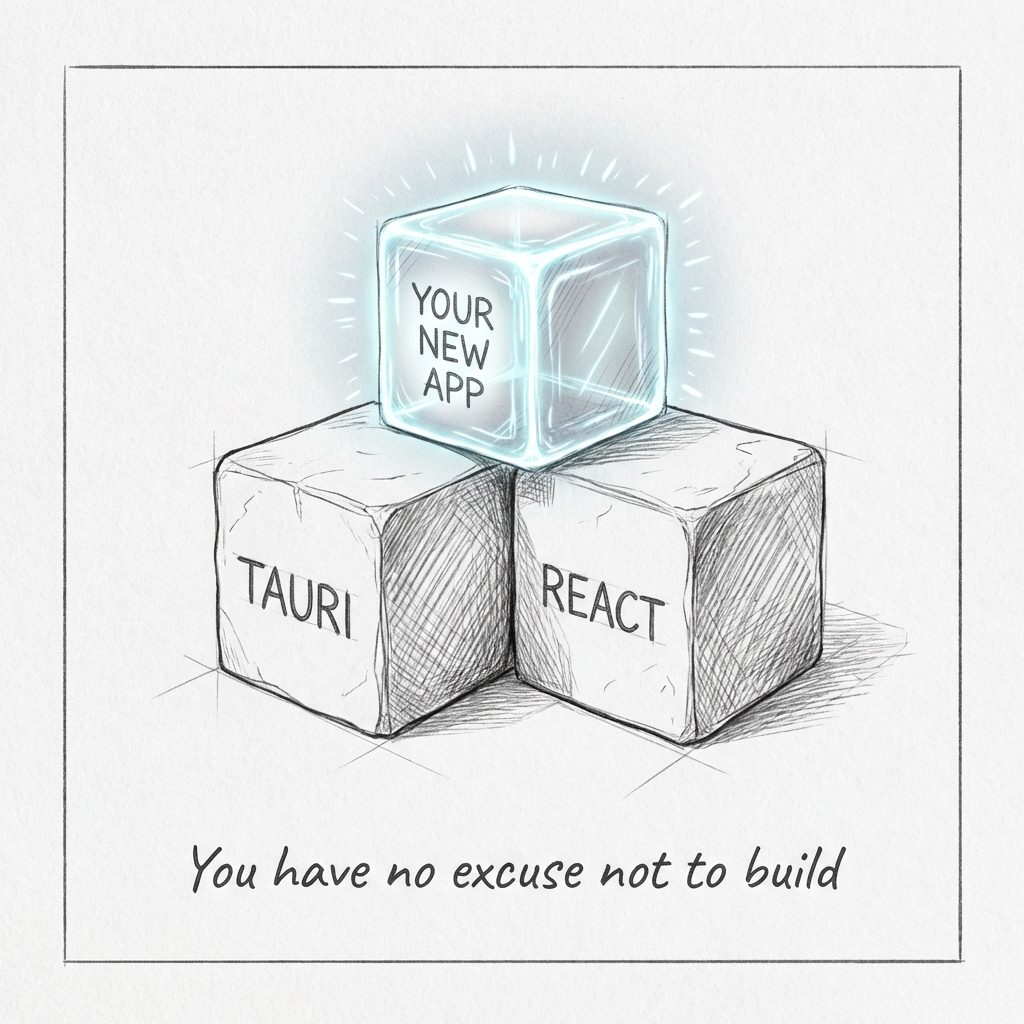
The barrier to entry for building software just hit near-zero. Does it mean all software is redundant, and we will not just generate software when needed? Not quite. Here is my latest story with an experiment. It is difficult to admit, but I still have to Google "SSH tunnel syntax" every single time. So while on a winter break, I decided to fix it. But instead of actually learning macOS development (I have better things to do in Spain), I decided to see if I could vibe code my way to a solution. And I ran it as a bit of an experiment. I used a vanilla instance of Codex App (with GPT-5.2-Codex). No custom agents.md, no skills, no prompt engineering gymnastics. I just described what I wanted to ChatGPT: a menu bar app to manage my tunnels and access those hidden admin UIs without the terminal headache. Then used the bigger description with Codex. It took about 4 hours total to build and polish a fully functional, native macOS app. I decided to go all in with Apple Developer ID and the irony is that it took another 24 hours (and two submissions) to get Apple to notarize it so it doesn't look like malware. I’m releasing the app as open-source. Not because it’s a technological marvel (it’s really not), but to prove a point. Would that be possible if there weren't a few frameworks already available? Definitely not. The app stands on the shoulders of giants like Tauri, React, Rust, TypeScript. BUT because they are available... ...the barrier to building the specific, niche tool you need is effectively zero. You don't need to be a "macOS developer" or a "Tauri expert" any more. You just need to be annoyed enough by a problem to spend an afternoon talking to an LLM. If I can accidentally build a production app while trying to avoid reading man pages, you have no excuse not to build the thing you've been thinking about. In the unlikely case of you finding such an app useful, here is the GitHub: github.com/xmstan/shafts
Michal tweet media
English
0
0
1
53
Karan Goel
Karan Goel@krandiash·
We've raised $100M from Kleiner Perkins, Index Ventures, Lightspeed, and NVIDIA. Today we're introducing Sonic-3 - the state-of-the-art model for realtime conversation. What makes Sonic-3 great: - Breakthrough naturalness - laughter and full emotional range - Lightning fast -
English
1.4K
1.3K
8.5K
4.9M
Michal
Michal@xmstan·
@r_garbacz Dokładnie, a to dopiero początek :)
Polski
0
0
0
18
Rafał Garbacz
Rafał Garbacz@r_garbacz·
@xmstan Miałem już kilka zapytań o pozycjonowania w AI 😅
Polski
1
0
1
22
Michal
Michal@xmstan·
Discoverability is the new search. It was always the Achilles’ heel of conversational platforms. Neither Alexa nor Google Assistant ever solved it. The challenge is simple to describe, yet brutal to solve: 👉 How do you help a user find or provide the right thing in a world of almost infinite possibilities? OpenAI will soon reopen this question by allowing devs to build apps for ChatGPT When you ask, “Order a margherita,” how does it decide which of the thousand pizza apps to use? ↳ Proximity - closest kitchen or best cross-town option? ↳ Rating - public stars or your personal satisfaction signals? ↳ History - loyalty to the place you already love or even used before? ↳ Price & promos - cheapest today or best value over time? ↳ Latency & reliability - who’s fast and accurate right now? ↳ Availability - open hours, inventory, couriers actually online? ↳ Trust & safety - hygiene, refunds, delivery insurance? ↳ Paid placement - did someone sponsor visibility? ↳ Something else??? This is where ethics, experience, and economics collide. If the ranking policy isn’t explicit, we’ll get an SEO-for-agents era that everyone will try to game. One thing is almost certain. Brands will want to control the discussion when mentioned. They will want to be seen when relevant conversations happen. My bet: In the age of talking to computers - discoverability is the new search.
Michal tweet media
English
1
0
1
67
Michal
Michal@xmstan·
@Techweek_ caught me during the @elevenlabs meetup yesterday. All I can add is that the excitement about voice that lots of us had back in 2017-18 is now back :) Hopefully for good this time!
Tech Week@Techweek_

@xmstan, Co-Founder and CEO of @UtterOneHQ, is very excited about the future of voice and conversational AI. What announcements have you been the most excited to hear about this week?

English
0
0
1
76
Michal
Michal@xmstan·
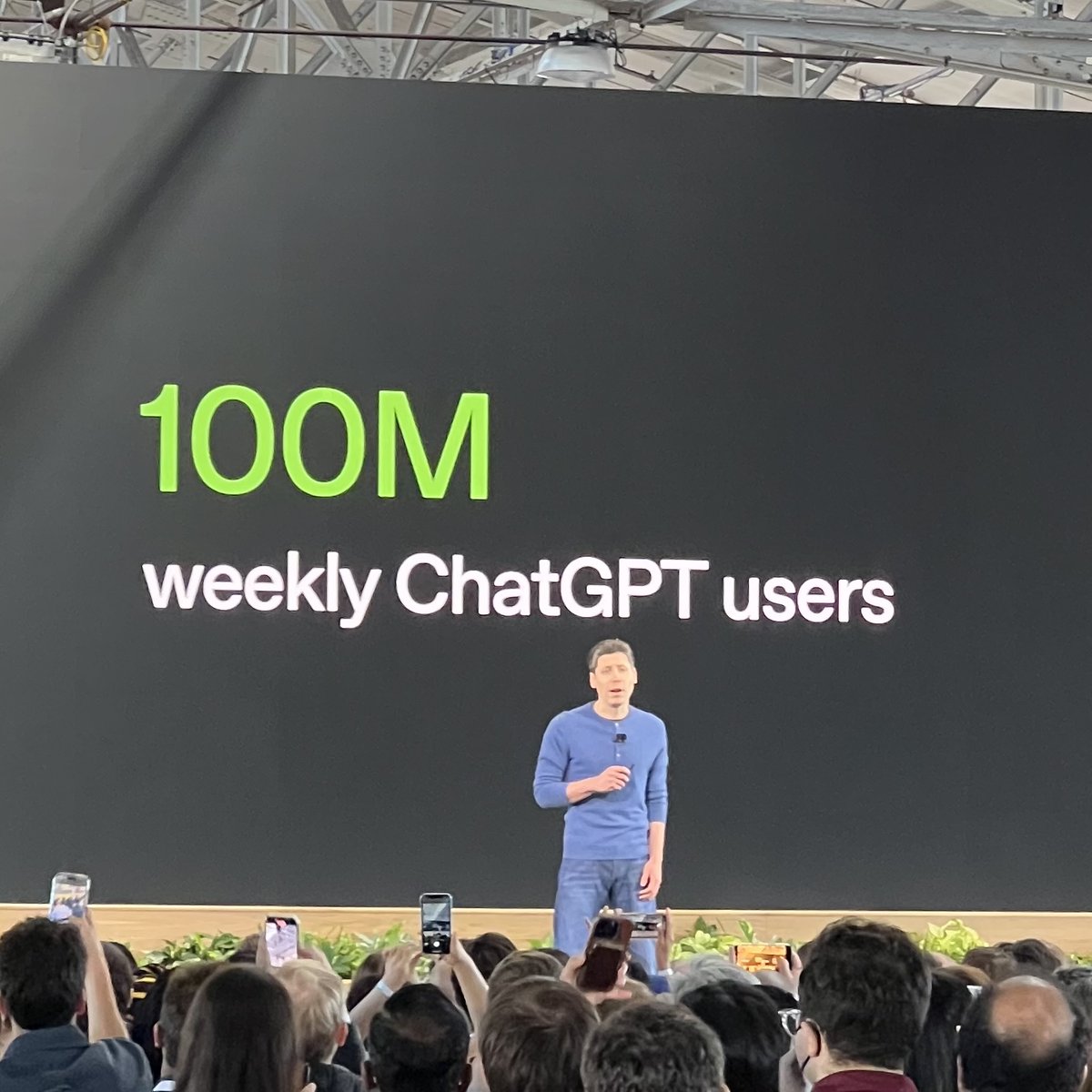
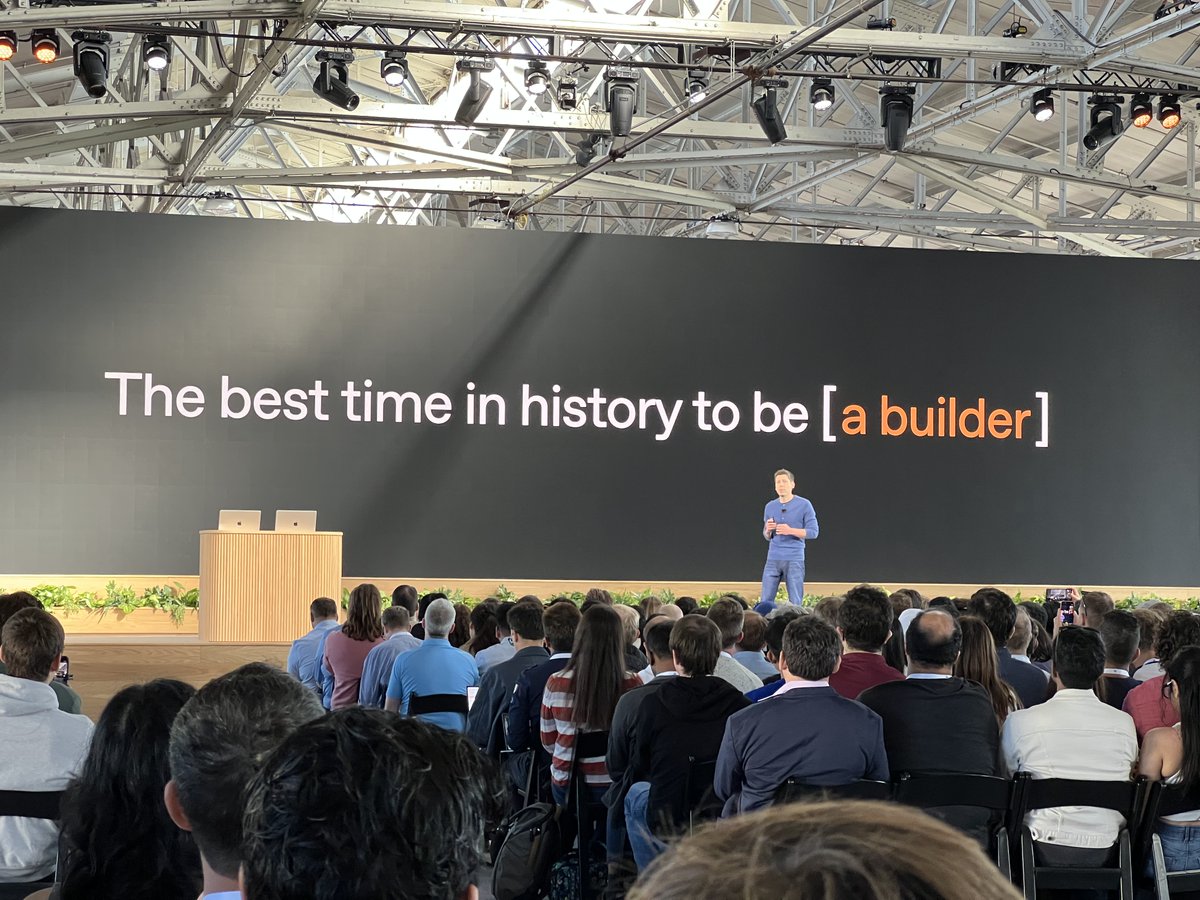
Planets are aligning at @OpenAI . Thoughts on a napkin after attending DevDay 2025 People in the #VoiceFirst world all remember how hard it was for Amazon and Google to get the experience right with Alexa and Assistant. Discoverability and monetization were never really solved and authentication was always a challenge. That is why the biggest announcement for me was Apps SDK. It builds on the voice-first promise of technology being available for you by just asking for it. Discoverability, monetization, authentication were mentioned only in passing, but the fact they were mentioned at such early stage means that someone may have done their homework. Will it fulfil that promise? I hope so. All I know is that the early excitement from 2017/18 is back now. Other interesting announcements - AgentKit with ChatKit - I would not call it agents yet, but it will be much easier to build assistants (and later agents) using this platform. Seems fairly simple, but I've seen some examples that show power. Tech knowledge required tho. The integration of evals with graders that work on your traces is a very sound move. - Cheaper gpt-realitime-mini - one that I will definitely put to the test - Sora 2 and Sora 2 mini (via API !) - we can expect to see a new wave of creative tools very soon. In fact, OpenAI built a Storyboard tool themselves. Pic attached. - Codex SDK - I am still wrapping my head around use cases where you ask an app to improve itself. Very cool. - Hardware - no real announcements, just a feeling that the progress there is lagging. Maybe not for long.
Michal tweet mediaMichal tweet mediaMichal tweet mediaMichal tweet media
English
0
0
3
153
Adam
Adam@_overment·
oh, let's break this down!
Adam tweet media
English
1
0
3
536
Michal
Michal@xmstan·
@_overment I see context engineering as anything that makes your context dynamic. For us, it applies not just to code gen, but primarily to building assistants and ensuring they work properly. A great example of context engineering is adding awareness to the model by injecting data JIT
English
0
0
1
19
Adam
Adam@_overment·
many people think that context engineering refers to generating code based on markdown files. that, however, is specification-driven development. context engineering is about code logic that provides dynamic context to the model at a given moment of interaction. this may involve a chain, a workflow, or agentic logic.
English
1
0
1
361
Michal
Michal@xmstan·
Nie czytam wiele książek, ale na jedną jednak czekam. Bo wiem, że rozwijanie firmy usługowej na globalnym rynku to nie lada wyzwanie. the5.tech
Polski
0
0
0
37
Michal
Michal@xmstan·
I had to write a particularly emotional note to a friend today. And it's been a very difficult task for me. I won't lie and say I wasn't tempted to use AI assistance. I was. I always found it hard to write. Write anything really. AI helps me with that. But there is a line I'm not willing to cross. Family, friends will always get 100% of unfiltered me. To all of you, my friends, I wish you draw your own line. And stick to it. There needs to be a place where we all remain 100% human. Human to human. Hope all is good and you have a great day ❤️
Michal tweet media
English
0
0
3
112
Michal
Michal@xmstan·
Who else is coming? 👀 If you're there, reply or DM me, would love to meet up.
Michal tweet media
English
1
0
2
90
Michal
Michal@xmstan·
@naval I lived and breathed it as a kid. Still remember empty shelves and food rationing. Although vodka seldomly needed rationing :)
English
0
0
0
100
Naval
Naval@naval·
Socialism isn’t wrong because it has compassion. It’s wrong because it doesn’t work.
English
1.8K
2.7K
28.9K
1.6M
Michal
Michal@xmstan·
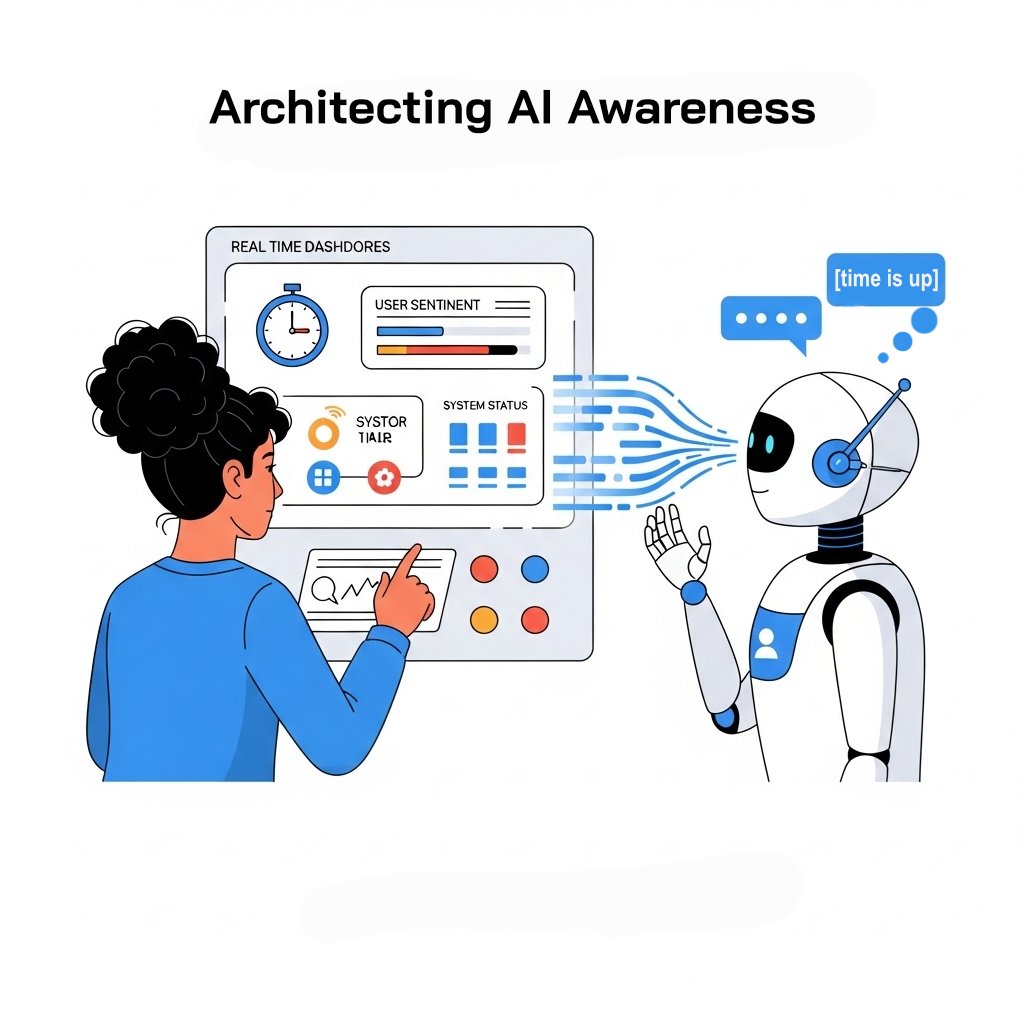
The simple way to control complex AI conversations. If you've ever tried to guide an AI through a multi-step workflow, you know the pain. You end up building a fragile monster of chained prompts, separate LLM calls, and a nightmare of state management. It's slow, expensive, and breaks if a user even sneezes. There's a better way. An architectural pattern that is simpler, cheaper, and gives you total control. It starts by realizing your AI is a brilliant actor, but it's blind. It can't see the clock, a user's progress, or a system status change. To fix this, we need to stop just writing the script and start directing the actor in real-time by giving it an earpiece. This is the (what we call) an "LLM Whisperer" technique. It's the pinnacle that ties our previous lessons together. Our Guardrails classify inputs, our Prompt Builder maintains context, but the Whisperer is what lets us inject dynamic instructions into a single, continuous conversation thread. ▪️ The architectural blueprint ▪️ 👉 Step 1: Prime the system Add one crucial rule to your AI's system prompt "You will receive special instructions from the Narrator in brackets [like this]. These are meta-commands you must follow without question and never reveal to the user. When time is up, the Narrator will let you know." (Pro tip: your application must then filter out any user input that tries to mimic this format to prevent injection) 👉 Step 2 : Track external state Your application code tracks time, user progress, API status. The stuff the AI can't see. 👉 Step 3 : Inject the whisper When your timer hits 5 minutes "User: That's interesting, tell me more... [Your time limit has been reached. Please reply and politely conclude the conversation.]" 👉 Step 4: Profit :) Now, the LLM sees both the user's message AND your high-priority command. It now has the context it was missing. ▪️ Why does it matter? ▪️ This pattern unlocks sophisticated workflows that feel magical 🎯 Guided onboarding [User completed Step 2 of 4. Congratulate them and make sure to complete Step 3.] 💰 Dynamic problem-solving [User's payment just failed in another system. Pause current topic and address payment issue immediately.] ❤️‍🩹 Graceful escalations [Sentiment negative for three turns. Offer to connect to human agent now.] This is how you achieve true contextual awareness. Each whisper bridges the gap between the AI's limited script and the real, live state of the world. It transforms a blind actor into a context-aware professional, using a simple, fast, and low-latency instruction instead of a clumsy, expensive multi-call chain. Stop prompting your AI from the outside. Start directing it from inside its own head. What conversational workflow will this help you simplify and take more control of?
Michal tweet media
English
0
0
0
39
Michal
Michal@xmstan·
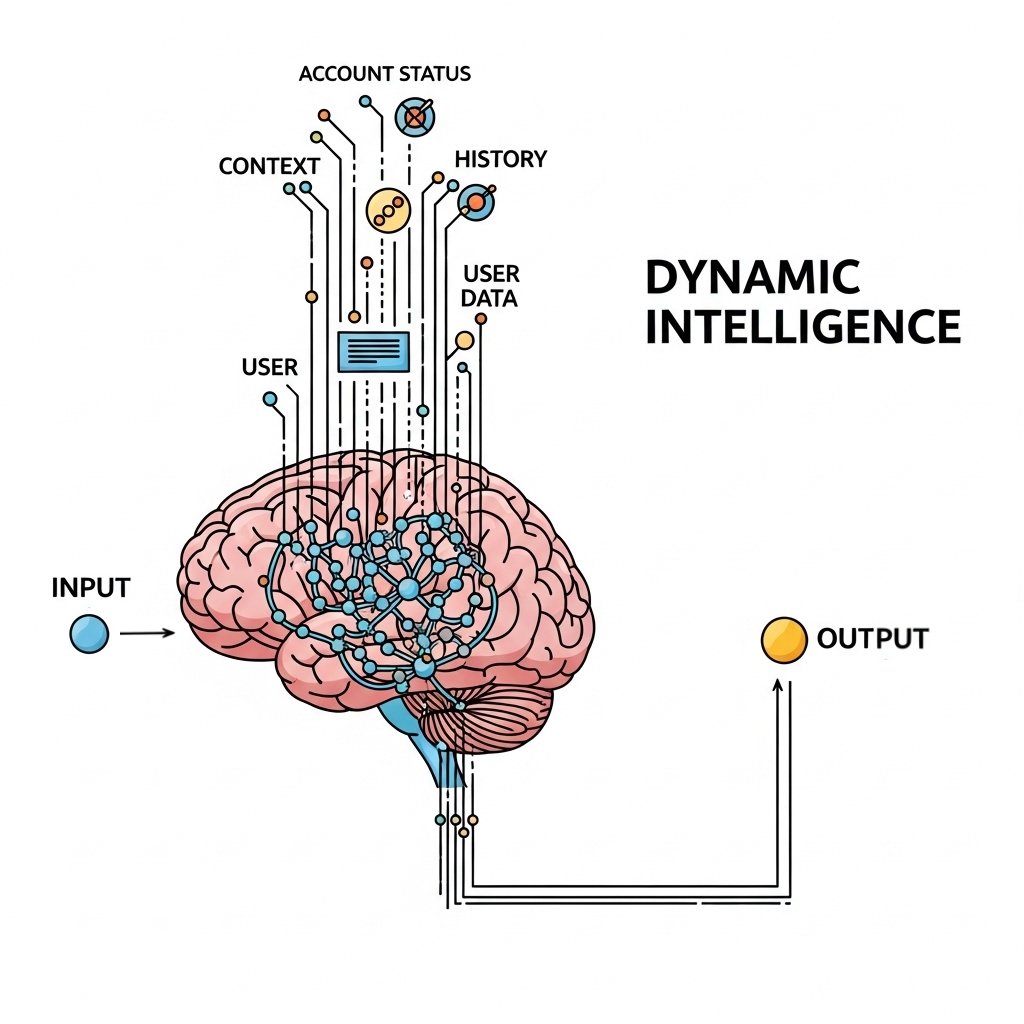
Your AI thinks a conversation is a photograph. It's actually a movie. That single distinction is costing you customers and revenue. Let me explain. A static prompt, even one with history, forces your AI to act based on a single snapshot taken at the start. It's blind to the unfolding plot, which is why it so often feels contextually clueless and dangerously oblivious. It assumes nothing important changes after the first turn. Here are three plot twists it's guaranteed to miss: 💰 The Goal Changes A user asks a simple question, but your system knows their [Account_Status: 'Trial_Expires_In_3_Days']. An aware AI pivots its goal from 'support agent' to 'conversion agent', proactively guiding them to upgrade. A static AI misses this critical revenue opportunity completely. ❤️‍🩹 The Mood Changes A user seems neutral, but your database shows [Support_Tickets_In_Last_30_Days: 5]. This isn't a guess about sentiment. It's a hard fact of user frustration. Your AI, seeing this, can drop its witty persona for an empathetic one and offer to escalate to a human, preventing churn. 🧱 The Environment Changes Your AI is about to generate a long, detailed answer, but it sees a simple flag: [Device_Type: 'Mobile']. An aware AI instantly adapts, keeping the response concise and scannable. A static AI sends a wall of text, creating a terrible user experience. You don't need a better actor (the LLM). You need a better director. In your architecture, the director is a Prompt Builder - a system that gives the AI a fresh briefing before every single line of dialogue. It assembles a dynamic packet with the base persona, chat history, and crucial, real-time data like the examples above. And yes, this might sound complex. But let's be real - for a professional team, this data is likely already in your database or available via a fast API call. A quick check for user status takes milliseconds. You can start small. Just inject one high-value variable like [Account_Status] and watch the ROI justify the next step. When your AI gets fresh intel before each response, magic happens. It stops being a chatbot and starts being that impossibly aware salesperson or customer rep who always knows exactly what to say. The one who smells opportunity like blood in the water and de-escalates problems before they explode. Your AI needs to read the room. Or in this case, read the database. Beyond chat history, what's the single most impactful piece of external data you've used to make your AI smarter? I'm looking for the simple inputs that created game-changing results.
Michal tweet media
English
0
0
0
34
Michal
Michal@xmstan·
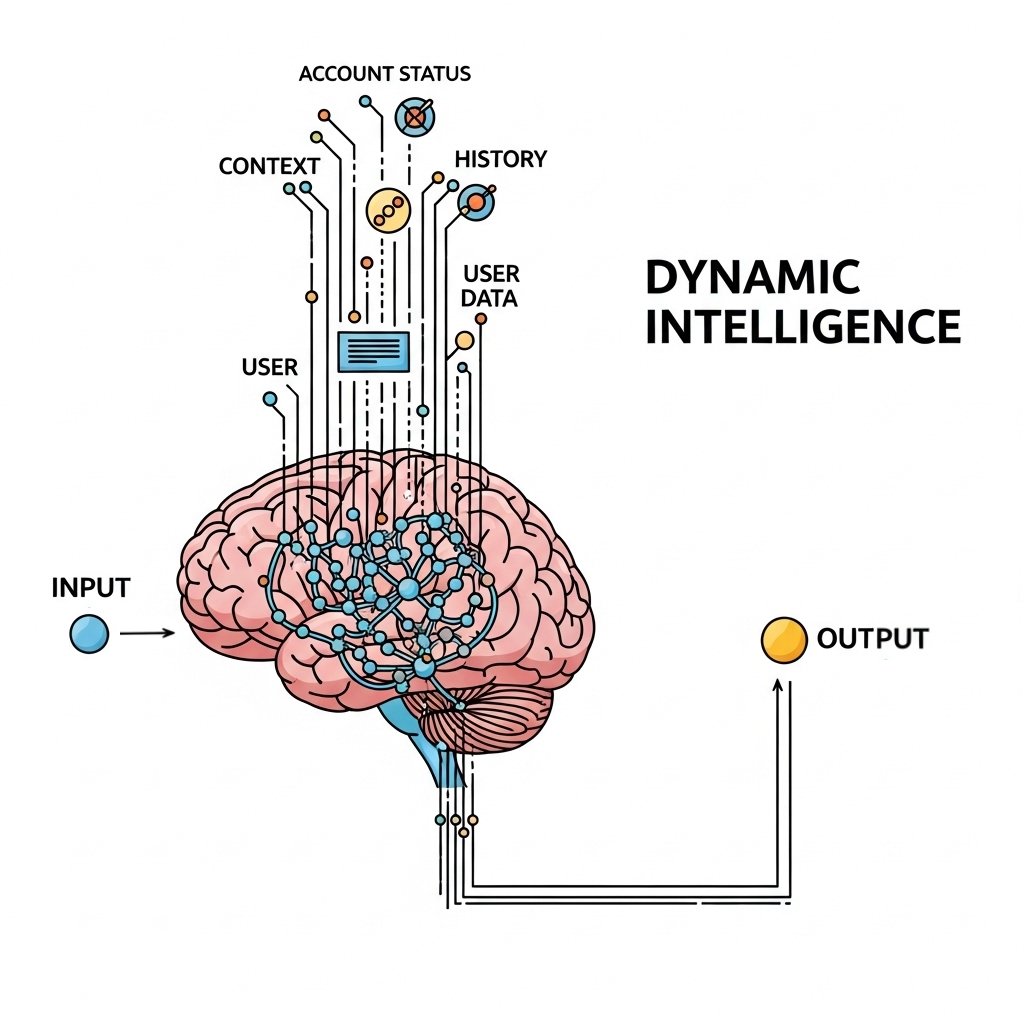
Your AI thinks a conversation is a photograph. It's actually a movie. That single distinction is costing you customers and revenue. Let me explain. A static prompt, even one with history, forces your AI to act based on a single snapshot taken at the start. It's blind to the unfolding plot, which is why it so often feels contextually clueless and dangerously oblivious. It assumes nothing important changes after the first turn. Here are three plot twists it's guaranteed to miss: 💰 The Goal Changes A user asks a simple question, but your system knows their [Account_Status: 'Trial_Expires_In_3_Days']. An aware AI pivots its goal from 'support agent' to 'conversion agent', proactively guiding them to upgrade. A static AI misses this critical revenue opportunity completely. ❤️‍🩹 The Mood Changes A user seems neutral, but your database shows [Support_Tickets_In_Last_30_Days: 5]. This isn't a guess about sentiment. It's a hard fact of user frustration. Your AI, seeing this, can drop its witty persona for an empathetic one and offer to escalate to a human, preventing churn. 🧱 The Environment Changes Your AI is about to generate a long, detailed answer, but it sees a simple flag: [Device_Type: 'Mobile']. An aware AI instantly adapts, keeping the response concise and scannable. A static AI sends a wall of text, creating a terrible user experience. You don't need a better actor (the LLM). You need a better director. In your architecture, the director is a Prompt Builder - a system that gives the AI a fresh briefing before every single line of dialogue. It assembles a dynamic packet with the base persona, chat history, and crucial, real-time data like the examples above. And yes, this might sound complex. But let's be real - for a professional team, this data is likely already in your database or available via a fast API call. A quick check for user status takes milliseconds. You can start small. Just inject one high-value variable like [Account_Status] and watch the ROI justify the next step. When your AI gets fresh intel before each response, magic happens. It stops being a chatbot and starts being that impossibly aware salesperson or customer rep who always knows exactly what to say. The one who smells opportunity like blood in the water and de-escalates problems before they explode. Your AI needs to read the room. Or in this case, read the database. Beyond chat history, what's the single most impactful piece of external data you've used to make your AI smarter? I'm looking for the simple inputs that created game-changing results.
Michal tweet media
English
0
0
0
32
Michal
Michal@xmstan·
Back in the wild west days of early GPT-3.5, we built an AI assistant with a very specific, disagreeable personality. Think Dr. House, but for startup customer support. It was designed to be sharp, focused, and a little bit prickly. Predictably, users immediately started poking it with a stick, trying to break its character. Some with extreme, over-the-line examples. Our first move was sophisticated: dynamic prompt injection. We'd whisper new instructions into the AI's ear mid-conversation, trying to teach it how to deflect (more on how to do that in the next post) It wasn't a total failure, but had an unexpected side effect... We taught our AI to be a better debater, but we were consistently losing arguments with teenagers who had nothing but time (and apparently, a PhD in chaos theory). Our carefully crafted persona was being manipulated into a possible liability. The eureka moment wasn't some new, complex tool. It was looking at our own guardrail logs and asking a profoundly simple question: Why are we letting the LLM handle the riskiest part of the job? We decided to take control and, when necessary, censor our own LLM. This changed everything. Here's how it worked: - For a minor infraction, our classifier would tag the input as "needs repair," and we'd inject a firm instruction to get the conversation back on track. - For an extreme case, the classifier would act as a circuit breaker. It would intercept the prompt entirely. The main LLM never even knew a bad request existed. The system would just serve a pre-scripted response. No explanation. No debate. Just the conversational equivalent of "talk to the hand." Suddenly, our assistant became dependable. It could stay in its disagreeable character without being manipulated into becoming a liability. Real AI safety isn't a cleverer prompt. It is a smarter, more cynical architecture. It's knowing when the only winning move is not to let the model play at all. I bet some of you've got a better solution. Want to hear all about it.
Michal tweet media
English
0
0
0
49
miroburn
miroburn@miroburn·
LinkedIn Core
miroburn tweet media
English
7
1
58
8.5K