

Lama
1.3K posts


@JSpitTrades playing Protoss as children ruined the Koreans
English

Koreans are S-Tier degenerates.
You can’t help but respect it.
Kalshi Crypto@Kalshi_Crypto
JUST IN: Korean funeral company loses $33M on a leveraged Ethereum ETF trade
English
Lama retweetledi

Nearly $2B of wstETH has been supplied into SparkLend.
Current positioning:
• ~$1.95B wstETH supplied
• $761M WETH borrowed
• WETH borrow rate: 1.85%
• 72.1% WETH utilization
Much of this activity follows a recursive ETH carry structure:
Deposit wstETH → borrow WETH → swap into wstETH → redeposit.
What stands out isn’t the existence of looping.
It’s the market structure supporting it:
• WETH borrow rates remain below broader market levels
• the market remains below the high-utilization rate escalation zone
• SparkLend’s ETH e-mode is designed around correlated ETH staking collateral
The result is a more efficient environment for scaled ETH-denominated credit positioning.
app.spark.fi/sparklend

English

Risk management in DeFi is no different from managing your health in life.
Making $ is great, but health always comes first.
Spark@sparkdotfi
Inside Spark’s loss absorption & risk frameworks. Spark’s security architecture is designed around: • bounded capital movement • explicit loss absorption layers • coordinated liquidity management • multi-layered oracle systems • constrained automation under governance-defined limits This deep dive breaks down how Spark structures risk, liquidity, and loss absorption across Spark Savings, SparkLend, and the Spark Liquidity Layer before losses propagate toward user deposits. Including: • updated loss absorption waterfall • Prime Agent risk capital • Genesis Capital Backstop • oracle and killswitch architecture • programmatic liquidity coordination • constrained allocation design under stress Security by design. Resilience by architecture. See what sits between losses and user deposits: @spark-11/spark-security-framework" target="_blank" rel="nofollow noopener">paragraph.com/@spark-11/spar…
English

Lama retweetledi

Lama retweetledi
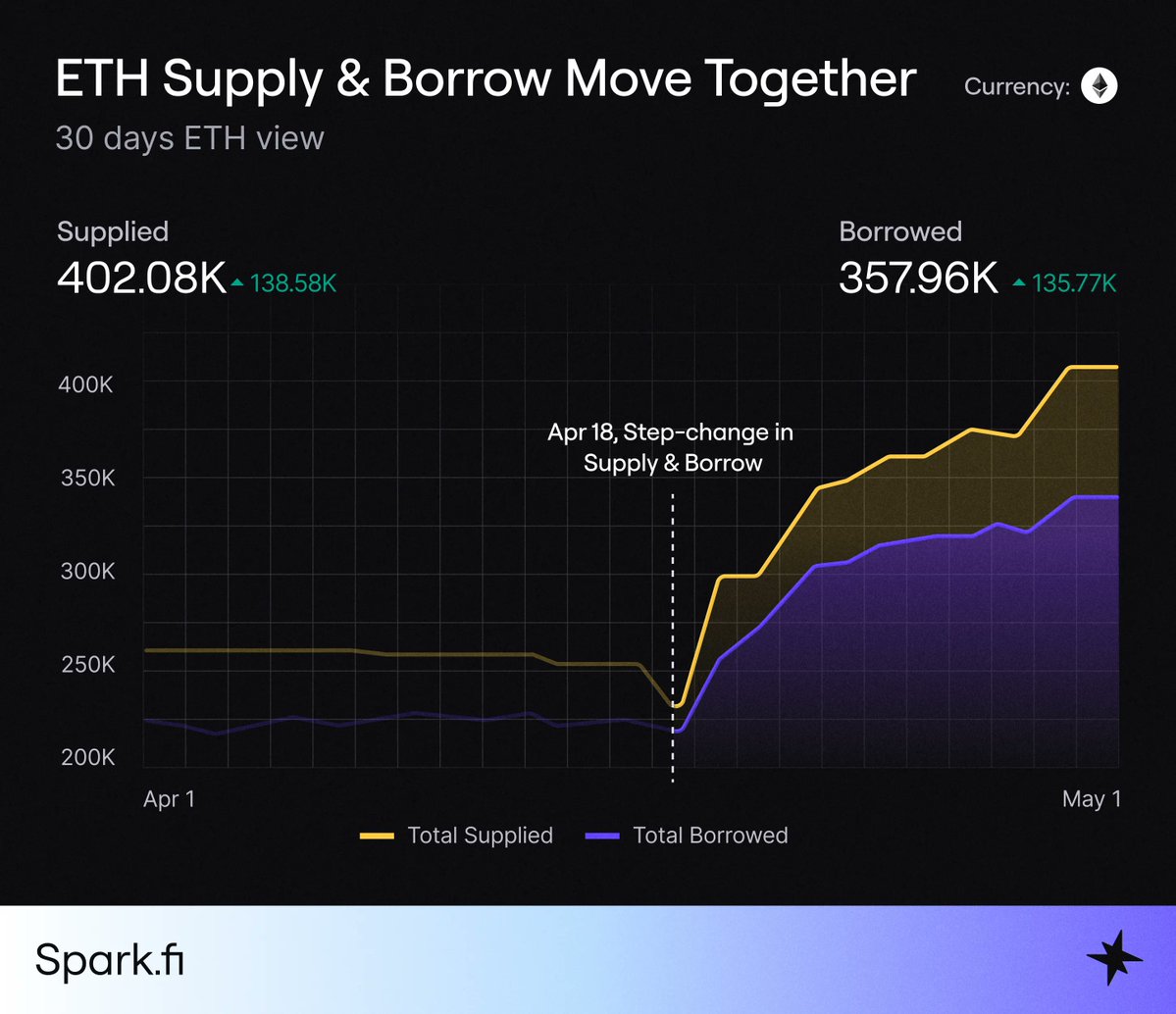
ETH deposits are up.
Borrowing scaled with them.
This isn’t idle liquidity, it’s a tightly coupled system.
On Spark, high-leverage ETH borrowing is restricted to wstETH in e-mode, not fragmented LRT collateral.
Structure matters.
app.spark.fi/markets
English


This GPT Image 2 prompt is going insanely viral right now.
“Redraw the attached image in the most clumsy, scribbly, and utterly pathetic way possible. Use a white background, and make it look like it was drawn in MS Paint with a mouse. It should be vaguely similar but also not really, kind of matching but also off in a confusing, awkward way, with that low-quality pixel-by-pixel feel that really emphasizes how ridiculously bad it is. Actually, you know what, whatever, just draw it however you want.”


English
@0xProfessorJo agree. when I ask friends at asset managers in Korea, just signing MOUs is often treated as a KPI.
English

Over the past few weeks, I’ve seen many posts suggesting that Korean financial institutions are “partnering” with certain crypto projects.
After meeting with 6 Korean financial institutions over the past 2 weeks, my takeaway is quite different.
English

This week we're excited to start piloting nearby payments in Cleveland, Philadelphia, and Chicago!
You can pay people nearby (or get paid 💰) faster, smoother, and easier than ever before. Feels like magic.
Will scale to all of you soon 😍
English
Lama retweetledi
USDT Savings powered by Spark is now live on Gate.
Not a single pool, capital is coordinated across on-chain credit markets to support scalable liquidity and consistent access to funds.
Campaign rates currently up to 4.5% APY.
Gate Launch@Gate_Launch
USDT Staking Powered by Spark 🚀 Earn up to 4.5% APR 💰 Start with as little as 1 USDT 🔄 Redeem anytime Get started now: gate.com/staking/USDT?p…
English

Very nice growth!
tobal@tobalgarcia_
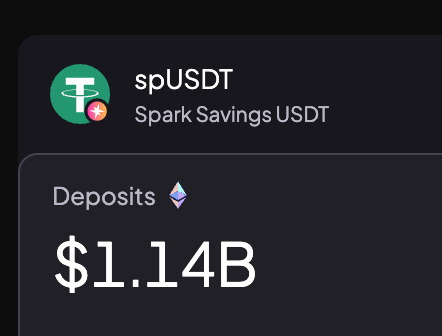
USDT on @sparkdotfi boosted to 3.5% APY + points. Simple. The most liquid, largest USDT yield vehicle in DeFi, with the best risk-adjusted returns. Historically handled hundreds of millions in liquidity even through the recent DeFi stress-test situation without any issues.
English
SparkLend’s E-Mode enables efficient capital deployment.
The difference between SparkLend and other protocols is structural. SparkLend ETH E-Mode reduces collateral minimums without increasing risk.
Recent market conditions demonstrate this. While TVL contracted across DeFi, SparkLend’s ETH supply reached a new high.
Sam MacPherson@hexonaut
SparkLend ETH has surpassed its previous ATH. Now at 380k ETH in deposits. (+50% growth since April 18) We restrict high LTV "e-mode" to only @LidoFinance wstETH to provide the safest possible liquid yield on ETH. No looping games with your deposits.
English
Retail access to infrastructure. A sign of what’s building. ⚡️
Spark@sparkdotfi
SPK is now available on @Revolut across the EU, and UK. This expands access to Spark through one of the largest consumer financial platforms in Europe. Spark is infrastructure for on-chain credit markets, allocating capital across lending markets and liquidity venues through a rules-based framework designed for predictable liquidity and transparent risk. Today, Spark coordinates over $11B in capital powering lending and savings activity across DeFi. More on Spark: docs.spark.fi
English

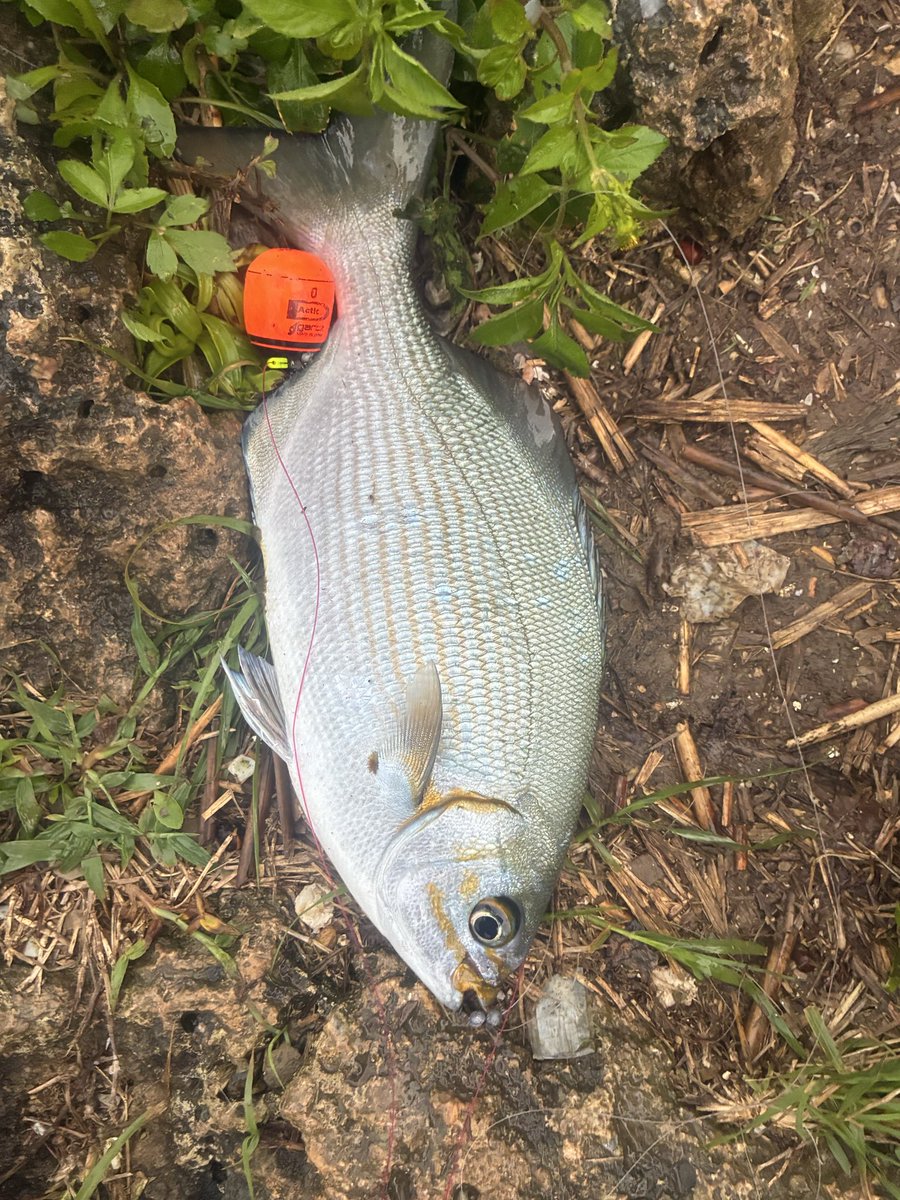
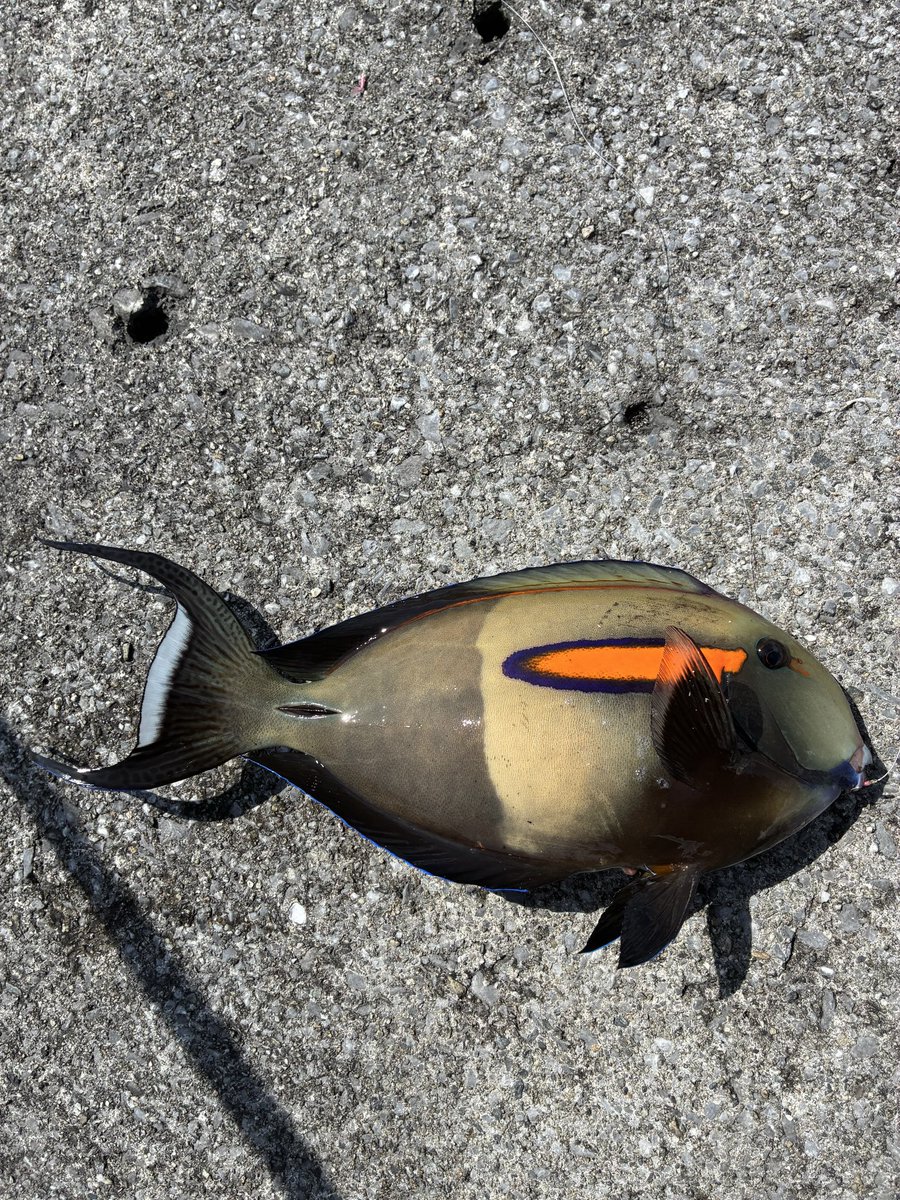
むしゃくしゃしてたので無理矢理、有給休暇取って釣りしようと有名ポイントに。
準備してたらアメリカー達が海に飛び込み…
腹が立ったのでパツキンの姉ちゃんのおっぱいを目の前でガン見してやった。
クソっ💦たまらない‼️
虚しさと苛立ちで北部に来たら土砂降りの雨☔
構わず釣行。リリース。

日本語
In utilization-driven systems, liquidity is conditional. Spark is engineered so it does not have to be.
See how the architecture works.👇
Spark@sparkdotfi
Liquidity is not defined in normal conditions. It is defined under stress. In on-chain credit markets, access to capital becomes conditional as utilisation rises and demand increases. Spark is designed so liquidity remains structured across market conditions. Read Designing for Liquidity Under Stress.👇 @spark-11/designing-for-liquidity-under-stress?referrer=0xA45F1D29943D19dff604133287047a35ccbADc8a" target="_blank" rel="nofollow noopener">paragraph.com/@spark-11/desi…
English
Lama retweetledi

More WBTC to Spark
timzz@timzz_sleep
New spell for #WBTC parameter updates (supply cap increased from 3,000 to 30,000) The gap for WBTC is set to 500, meaning SparkLend can increase the supply cap by a maximum of 500 WBTC per increment. 🛡️ The ttl (Time To Live) is set to 12 hours, acting as a cooldown period between each cap increase to give the system sufficient time to respond to extreme market events.🛡️ WBTC Proposal: forum.skyeco.com/t/may-7-2026-p…
English

: : We're excited to announce that @FourPillarsFP has raised Series A Funding from @PanteraCapital and @further.
This round marks our next chapter: scaling from a research firm into an institutional-focused blockchain research and infrastructure provider.

English
Spark's Q1 2026 started with strong performance.
The report includes quarterly insights and commentary. Explore the analysis.
Spark@sparkdotfi
Spark's Q1 2026 financial report has been published. Key highlights: • Gross protocol returns: $31.5M • Net protocol returns: $6.91M • Net protocol surplus: $3.46M • Spark Protocol treasury: $46.1M • SPK token buybacks: $986k Distribution overtook Spark Liquidity Layer (SLL) as the primary return driver for the first time, as lending spreads compressed, savings demand scaled. Read the full report here: @0xe483a65d600460eb65d4044f423204aa8b41237d-2269/spark-q1-2026-financial-report?referrer=0xA45F1D29943D19dff604133287047a35ccbADc8a" target="_blank" rel="nofollow noopener">paragraph.com/@0xe483a65d600…
English

This NFL player reveals the only exercise that sculpts abs for life, and it's surprisingly simple to do
English