トランプのイラン攻撃迷走に習近平の笑いが止まらない…怯える日本・台湾「歴史的大取引の恐怖が迫る」孤立主義を深める米国(集英社オンライン)
approach.yahoo.co.jp/r/QUyHCH?src=h…
日本語
yo.travel.world
5.8K posts

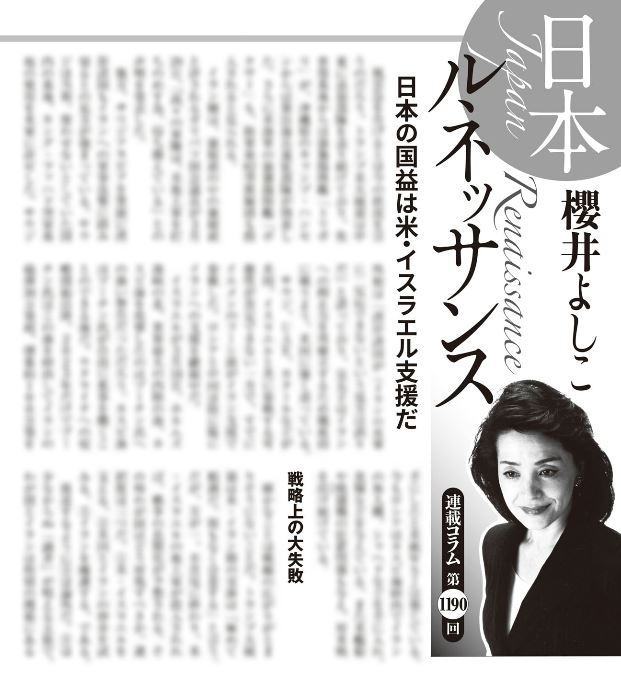

今日の日経広告が地獄だw


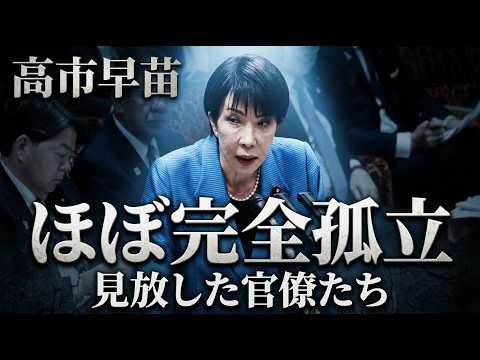
JUST IN: Japan’s Prime Minister just called Iran’s President. Twenty-five minutes. The first top-level contact between Tokyo and Tehran since the war began. And every word Takaichi chose was a weapon disguised as diplomacy. She called the Strait of Hormuz a vital artery for global logistics and an international public good. That phrase, international public good, is the most precisely calibrated language any leader has used since the ceasefire was announced. It is a direct legal rejection of Iran’s toll system without naming it. Under international law, a public good cannot be privatised. A public good cannot charge admission. A public good cannot require a secret code from an IRGC intermediary, a yuan payment to a military contractor, and an armed escort through territorial waters near Larak Island. Takaichi did not say this by accident. Japan imports 94.2 percent of its crude oil from Arab nations, nearly all of it transiting Hormuz. In February 2026, Japan imported 74.13 million barrels of crude. The effective closure of Hormuz forced Tokyo to release 80 million barrels from its national strategic reserves, enough to cover 45 days of domestic demand. The Nikkei has fallen 11 percent since the war began. The yen weakened to 20-month lows. The Bank of Japan warned of oil-driven inflation and markets are pricing a 70 percent chance of a rate hike this month. Japan’s entire economic stability is tethered to a 34-kilometre channel that an IRGC military council now controls through a toll booth it legislated on March 31. Takaichi’s call adds Japan to the coalition that is forming against the toll precedent. Oman’s transport minister told parliament today that international agreements prohibit Hormuz fees. Saudi Arabia, the UAE, and Bahrain called the tolls unacceptable. Trump offered to help with the traffic buildup. And now Japan, the world’s fourth-largest economy, has formally defined the strait as an international public good on a direct call with the Iranian president, creating a diplomatic record that can be cited at Islamabad on Friday and at every international forum thereafter. But Takaichi also spoke to Pezeshkian, not to the IRGC military council that actually runs the toll booth. Pezeshkian is the civilian president of a regime where the civilian president does not control the military, the intelligence apparatus, the provincial commands, or the strait. Takaichi’s statement will be filed in Tokyo. The IRGC’s clearance codes will still be issued at Larak. The gap between what diplomats say and what military operators do is the gap the ceasefire was built on, and it is the gap that will determine whether the toll precedent becomes permanent. Japan released 80 million barrels of reserves because it could not access the strait. It will now pay tolls to access the strait, or reroute around the Cape of Good Hope at $5 per barrel in additional shipping costs, or rely on US naval escorts that Trump described as “hangin’ around” to make sure everything goes well. None of these options restore the status quo ante. The strait that was free before the war is now either tolled, militarised, or both, and Japan’s 94 percent dependence means it absorbs the cost regardless of which option it chooses. The Strait of Hormuz was an international public good. It is now a contested chokepoint. And the distance between those two descriptions is measured in yuan. open.substack.com/pub/shanakaans…


JUST IN: 🇨🇳 China says it will continue to "play a constructive role in restoring peace" to the Middle East.



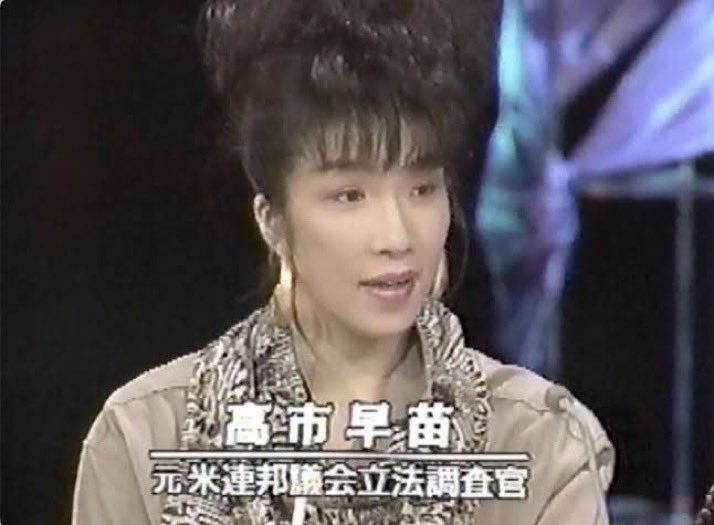
高市がトランプに媚び売りすぎて愛人みたいに振る舞ってるせいで、トランプの嘘つきぶりがうつったとかあまりに失礼なこと言う奴をみかけてムカついたわ。 彼女が嘘つきなのはトランプと出会う前からずっとです。 失礼なこと抜かすな。

【米大統領 停戦合意は米の完全勝利】 news.yahoo.co.jp/pickup/6575540