Jose Guilherme Zago

14.7K posts

Jose Guilherme Zago banner
Jose Guilherme Zago

Jose Guilherme Zago

@zaago

prof de história

Sao Paulo Katılım Temmuz 2009
2.7K Takip Edilen614 Takipçiler
bernardo
bernardo@_eubernardo·
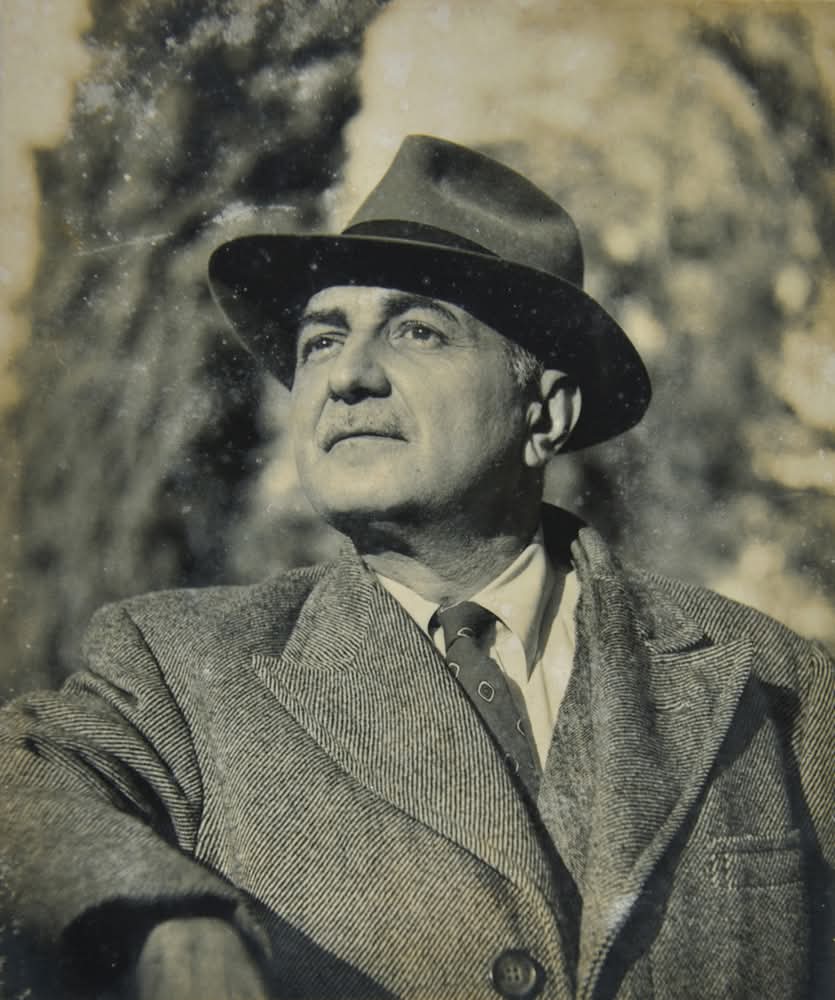
Gilberto Freyre, em 48, lamentando o desaparecimento do charuto dos meios sociais: "Não é justo que o charuto desapareça com a mesma finalidade com que está desaparecendo a cartola ou a polaina: como se fosse uma simples insígnia de majestade ortodoxamente burguesa. O melhor seria que o charuto, em vez de morrer como o rapé dos fidalgos e dos velhos, se renovasse num tipo novo, acessível a indivíduos de várias idades e situações. Como o cachimbo de cacique ameríndio, que se universalizou em cachimbo de homem de todas as condições sociais, de todas as raças e de quase todas as idades, a ponto de tanto o fumarem hoje o senador respeitável como o adolescente esportivo, o homem rústico como o artista britânico, o operário como o professor de universidade, o negro velho como o policial com pretensões a Sherlock." — Grandeza e decadência do charuto (O Cruzeiro, 2 de outubro de 1948)
bernardo tweet media
Português
9
20
125
6.9K
Jose Guilherme Zago
Eu já usei o doctolaria, mas eu acho que tem que ser meio "rede social", ficar respondendo cliente e ou atraindo com algum nome bem forte para ter score alto e aparecer nas primeiras páginas. Mas sinceramente, quem isso deve variar também de especialista pra especialista, talvez algumas especialidades trazem mais gente.
Português
1
0
0
244
cardiofofo
cardiofofo@Eduardoigbrasil·
Tô bem puto com a Doctoralia. Ano passado fiz o plano focando em atendimentos via teleconsulta e divulgação profissional. Pois bem, deu coisa de 5000 reais o pacote anual. Só que não me trouxe retorno. Atendi 3 pacientes pela plataforma e foi isso. Até aí tudo bem. Aí ontem...
Português
42
4
665
118.3K
Héraklès Citharède
Héraklès Citharède@HeraklesCithare·
Quel est, en français, votre mot préféré issu du grec ?
Français
238
9
84
26.8K
Jose Guilherme Zago retweetledi
Anish Moonka
Anish Moonka@anishmoonka·
The cathedral in this video is only standing because of one man. In 1906, a deep-sea diver in a 200-pound suit climbed down into pitch-black water under the building and started laying bags of cement by hand. Six hours a day. In total darkness. For five years. His name was William Walker. By the early 1900s, the cathedral was sinking. It was built in 1079 on what used to be a riverbed. The medieval builders knew the ground was soft, so they laid the foundations on wooden logs. That worked for 800 years. Then the wood rotted. Cracks opened in the walls. Some were big enough for owls to roost in. Stones started falling from the ceiling. The architect's report said the east end was going to collapse. The fix was supposed to be simple. Dig out the rotted wood. Pour concrete. But every time workers dug a trench, it flooded with groundwater. Even powerful steam pumps couldn't keep up. So the engineer in charge, Francis Fox, suggested something nobody had tried. Send a diver down there. A man in a sealed suit, breathing through a hose from the surface, could lay sacks of cement at the bottom of the trench. Once the cement set, the water could be pumped out and bricklayers could finish the job. Walker took the contract. He worked 20 feet under the surface. The water was so muddy that even at noon he couldn't see his own hands. He worked by touch. By 1911 he had laid 25,800 bags of cement, 114,900 concrete blocks, and 900,000 bricks under the cathedral. All of it by himself, in the dark. Every weekend he cycled 70 miles home to South London to see his wife and kids. Every Monday he took the train back and got back in the suit. When the work was done, King George V handed him a silver bowl in front of a packed cathedral. Walker said the whole thing made him uncomfortable. He died six years later in the Spanish flu pandemic. His gravestone in London reads: 'The diver who with his own hands saved Winchester Cathedral.' The statues in those alcoves were also carved much later than the building. They went up in the 1880s and 1890s. The medieval originals had been smashed in the 1540s. One of the new statues is Queen Victoria. So that feeling of 'this is incredible for something 500 years old' is only half right. A lot of what's in that frame is from the 1880s. And the building holding it up is only still standing because of one man and a hose.
World Scholar@WorldScholar_

It's unbelievable how this level of detail is possible today, let alone 500 years ago. How do you even fathom building something like this? Winchester Cathedral, England.

English
29
568
3K
159.6K
Rodrigo Casarin
Rodrigo Casarin@rodcasarin·
O livro é caro no Brasil? Levantamento feito pela Proyecto 451 corrobora o que digo já tem um tempo. O problema, na verdade, não é o preço do livro (na mesma faixa ou mais barato do que em outros canto do mundo), mas como ganhamos mal. Escrevo a respeito na coluna de hoje
Rodrigo Casarin tweet mediaRodrigo Casarin tweet mediaRodrigo Casarin tweet mediaRodrigo Casarin tweet media
Português
29
303
2K
59.8K
Jose Guilherme Zago retweetledi
Leonardo Bertozzi
Leonardo Bertozzi@lbertozzi·
Que documento histórico incrível... um jogo da liga dos Emirados em 1976, no meio do nada absoluto
Português
14
54
1.1K
50.7K
Darius J. Piwowarczyk
Darius J. Piwowarczyk@PiwowarczykJ·
Ergebnisse der Reichstagswahlen: 1871, 1881, 1890, 1903 und 1912. Berlin blieb während dieser gesamten Zeit sozialdemokratisch. Das Rheinland, Ermland, Oberschlesien sowie Ober- und Niederbayern stimmten konsequent für das katholische Zentrum. Pommern war Deutsch-Konservativ.
Darius J. Piwowarczyk tweet media
Deutsch
2
22
224
9.3K
Jose Guilherme Zago retweetledi
Könings
Könings@EdwardKonings·
Estamos vivendo em uma linha temporal onde o Rei da Inglaterra está discursando no Congresso dos Estados Unidos defendendo os valores da Revolução Americana. What a magical time to be alive.
GB News@GBNEWS

'They carried with them, and carried forward, the great inheritance of the British Enlightenment.' His Majesty King Charles comments on the 'spirit of liberty and the promise of America’s Founders' as part of his address to Congress.

Português
7
61
469
10K
Jose Guilherme Zago retweetledi
Eric Daugherty
Eric Daugherty@EricLDaugh·
🚨 JUST NOW: The entirety of US Congress ERUPTS in a standing ovation when King Charles III drops this line “Magna Carta is cited in at least 160 Supreme Court cases in 1789, not least as the foundation of the principle that executive power is subject to CHECKS AND BALANCES."
English
1.6K
3.8K
45.6K
4.7M
Jose Guilherme Zago retweetledi
Ayşe Baltacıoğlu-Brammer
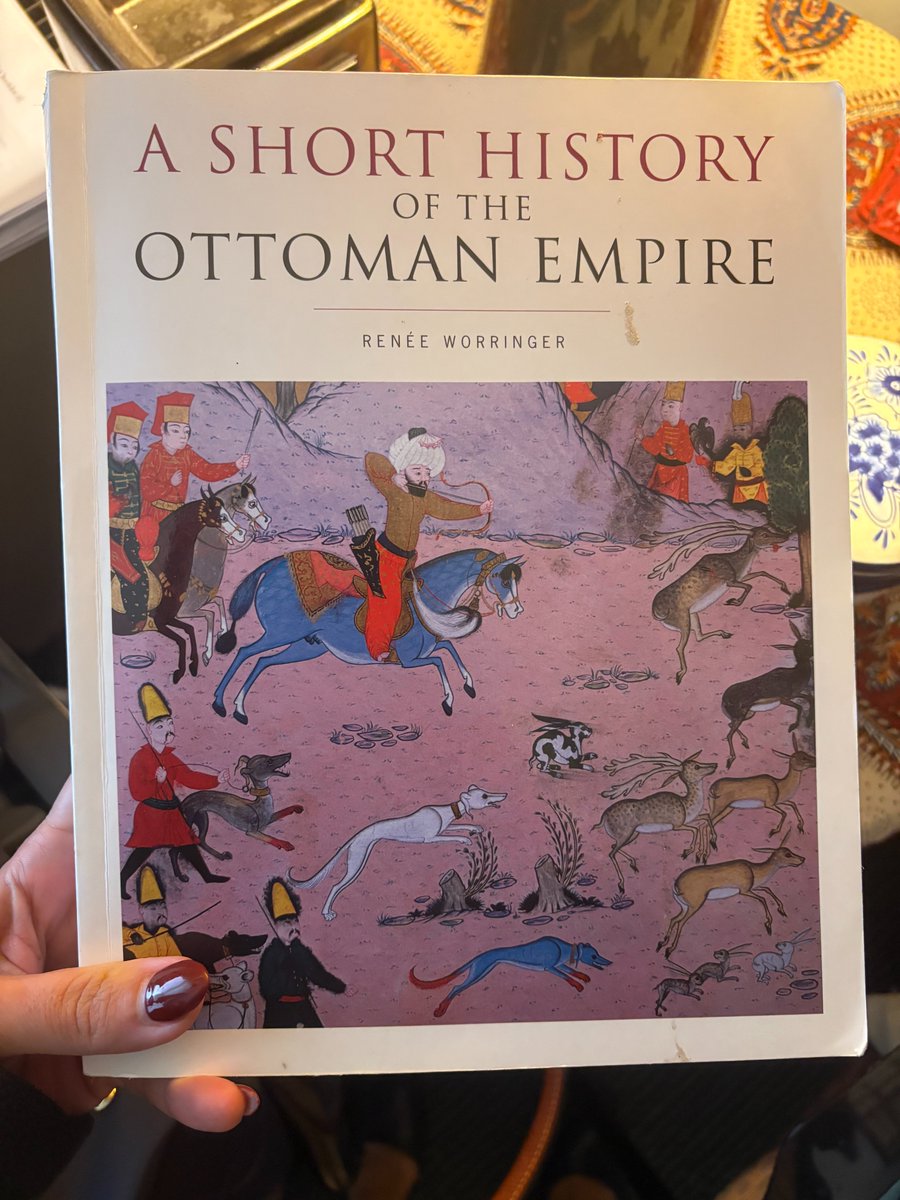
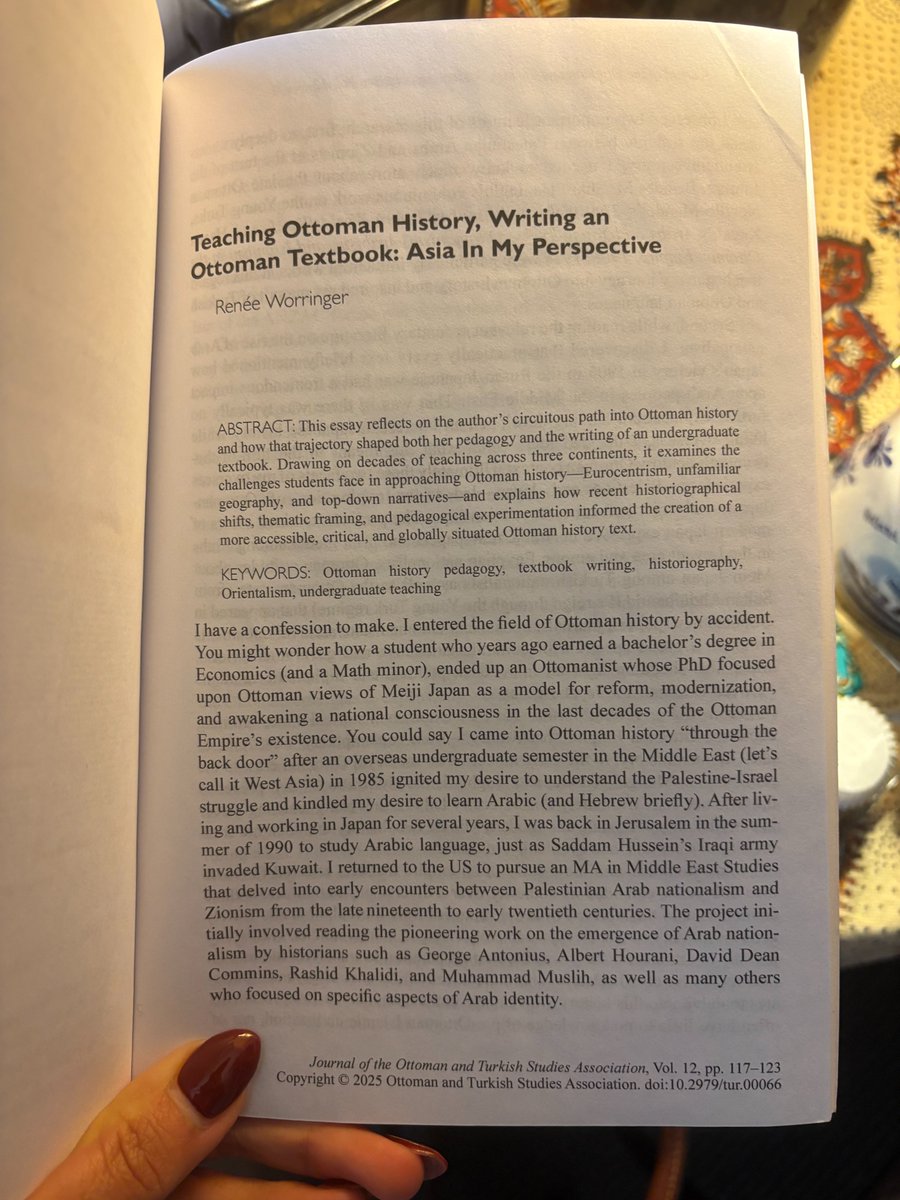
This semester was my second time using Renee Worringer’s book as the core text for my Ottoman Empire and the World Around It class and it works remarkably well. Covering 600+ years in one semester is not easy, but the book’s structure, primary sources, and rich visuals make it much more manageable and engaging. Worringer balances political, social, cultural, economic, and religious history, so every student finds an entry point (even animals make an appearance). In the latest issue of JOTSA, Worringer also reflected on how and why she wrote it, well worth a read.
Ayşe Baltacıoğlu-Brammer tweet mediaAyşe Baltacıoğlu-Brammer tweet media
English
4
33
310
12.6K
Jose Guilherme Zago retweetledi
Nahuel Lanzón
Nahuel Lanzón@nahuelzn·
🇦🇪 Un partido de la liga de Emiratos Árabes en 1976, entre el Al-Ain y el Al-Wahda. Sin extranjeros, casi sin estadio, pleno desierto sin megalopolis detrás... dos mundos opuestos en 50 años.
Español
62
570
5.3K
464.6K
Jose Guilherme Zago retweetledi
Sul Romanzo
Sul Romanzo@sulromanzo·
Una ragazza di diciott'anni pubblica il suo romanzo e diventa una star internazionale. Nel 1954, in una famiglia borghese del Midi francese, una liceale timida ma determinata finisce di battere a macchina un romanzo scritto di getto in poche settimane. Si intitola «Bonjour tristesse» e ha per protagonista una diciassettenne capricciosa che trascorre l’estate nella Costa Azzurra. La firma è uno pseudonimo, Françoise Sagan, dietro cui si nasconde Françoise Quoirez, nata nel 1935 a Cajarc, in Lot, cresciuta tra collegi, conventi e una solida educazione borghese. Il manoscritto, mandato quasi per scommessa a un editore parigino, diventa in pochi mesi un caso letterario. Il romanzo vince il Prix des Critiques e vende centinaia di migliaia di copie, suscitando scandalo per la libertà con cui parla di desiderio, ozio, sensualità e cinismo adolescenziale. La critica si divide, ma un Nobel come François Mauriac liquida ogni dubbio con una frase rimasta celebre: «Le talent de la terrible fille n’est pas discutable», il talento di quella terribile ragazza non è in discussione. Da quel momento Sagan non è più solo «la ragazza scandalosa che ha scritto Bonjour tristesse», ma una professionista della scrittura. In pochi anni pubblica «Un certain sourire» (1956), «Aimez-vous Brahms?» (1959), «Les Merveilleux Nuages» (1961), imponendo uno stile sobrio, psicologico, costruito attorno a personaggi borghesi disincantati e a dialoghi in cui serpeggiano solitudine ed echi esistenzialisti. Nel 1958 «Bonjour tristesse» arriva al cinema con la regia di Otto Preminger, consacrando definitivamente la sua creatura e fissando l’immagine pubblica di Sagan come icona irriverente della nuova gioventù europea. Dietro l’icona c’è una vita che procede per eccessi e cadute. Corse in auto, un grave incidente, amori turbolenti, due matrimoni (tra cui quello con l’editore Guy Schoeller), un figlio, processi per questioni fiscali, problemi di dipendenze. Eppure, per decenni, la costante è la pagina. Più di cinquanta opere tra romanzi, pièces teatrali, racconti, biografie, fino agli anni Novanta, sempre fedeli a una manciata di ossessioni – l’amore, la libertà, la noia, il prezzo delle scelte sentimentali – affrontate con una lingua nitida e apparentemente leggera. Quando muore nel 2004, a 69 anni, dopo un lungo periodo segnato da solitudine e difficoltà economiche, il suo nome resta legato per sempre a quel primo romanzo scritto da adolescente, capace di farla diventare in poche settimane la terribile ragazza della letteratura francese.
Sul Romanzo tweet media
Italiano
1
12
63
6.5K
Guibson Dantas
Guibson Dantas@guibsondantas·
Pessoal, livro magistral, maravilhoso. "A tragédia de um povo: A Revolução Russa (1891-1924)" é uma daquelas obras que mesmo você não estando de acordo com o autor, lê com prazer. Grande livro de Orlando Figes com 45% de desconto com o cupom. Tá valendo MUITO a pena. Link: amzn.to/42fYjEp
Guibson Dantas tweet media
Português
4
7
108
2.9K