Zane Griggs

5.5K posts

Zane Griggs banner
Zane Griggs

Zane Griggs

@zanegriggs

I help professionals over 40 improve their performance with fitness, nutrition and integrative health strategies.

Franklin, TN Katılım Ağustos 2008
3.9K Takip Edilen2.9K Takipçiler
Sabitlenmiş Tweet
Zane Griggs
Zane Griggs@zanegriggs·
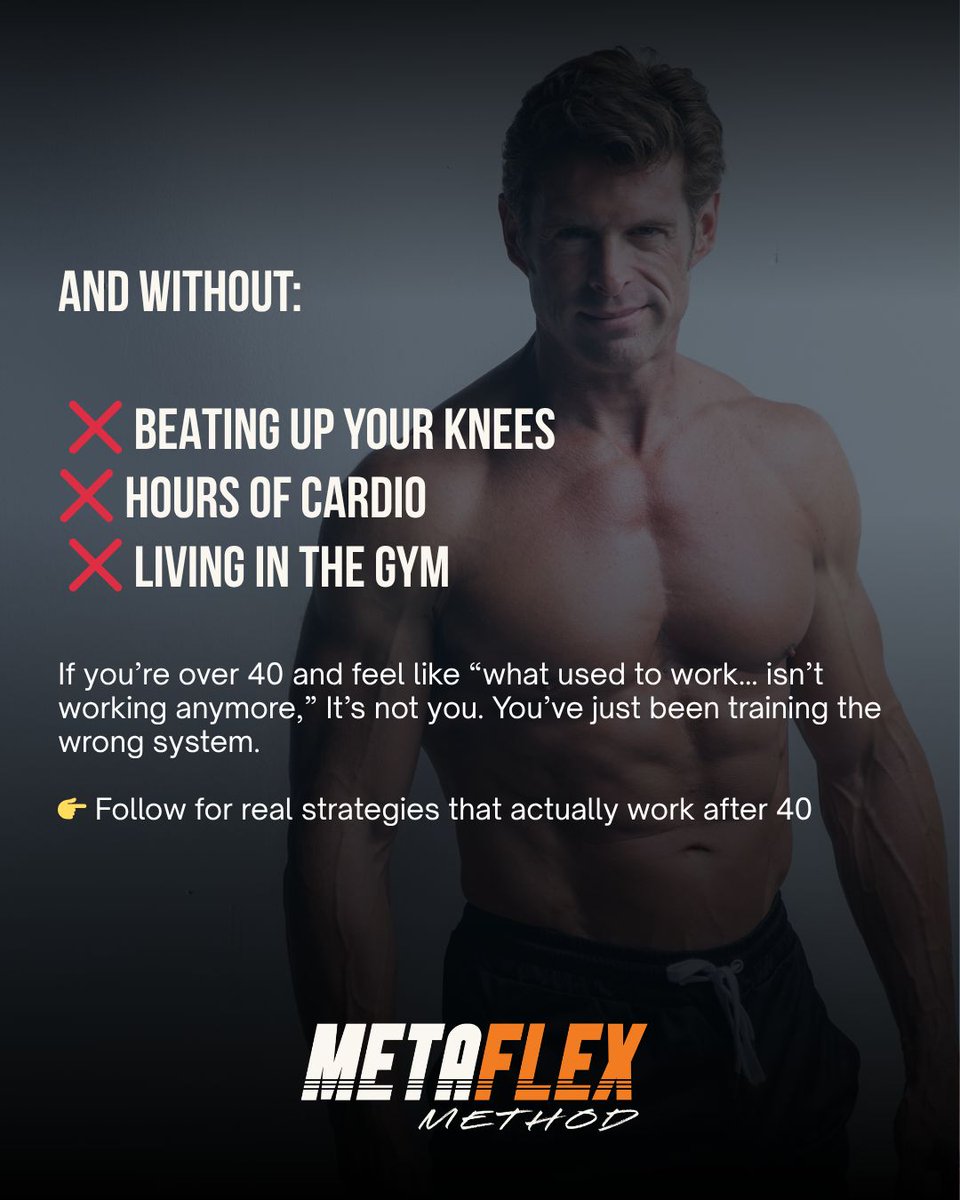
Problem: You’re over 40 and have a strong desire to keep charging forward in your career BUT your body isn’t keeping up like it used to. You have the knowledge, experience and network to leverage but your energy, focus, resilience and fitness aren’t what they used to be.
English
4
1
11
1.8K
Zane Griggs
Zane Griggs@zanegriggs·
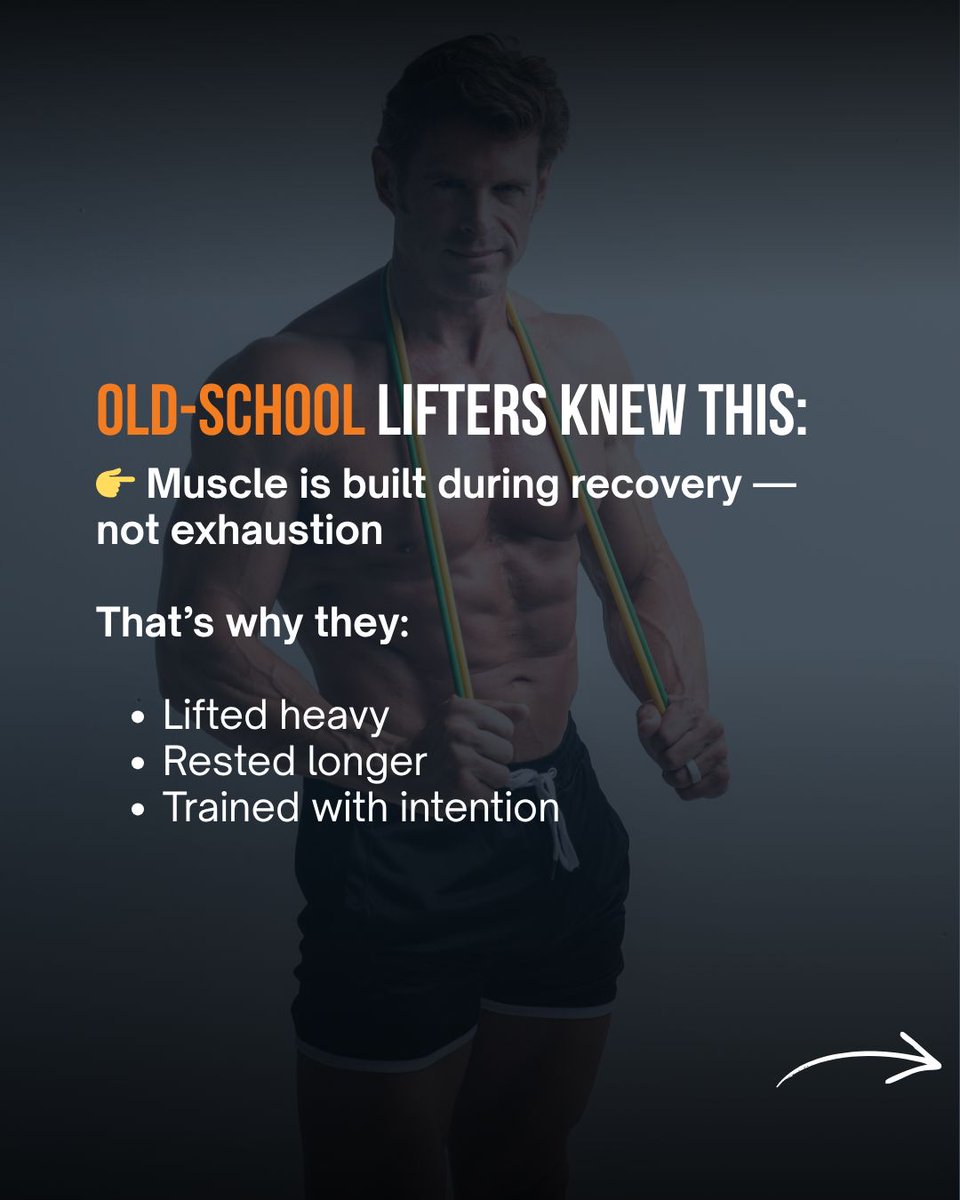
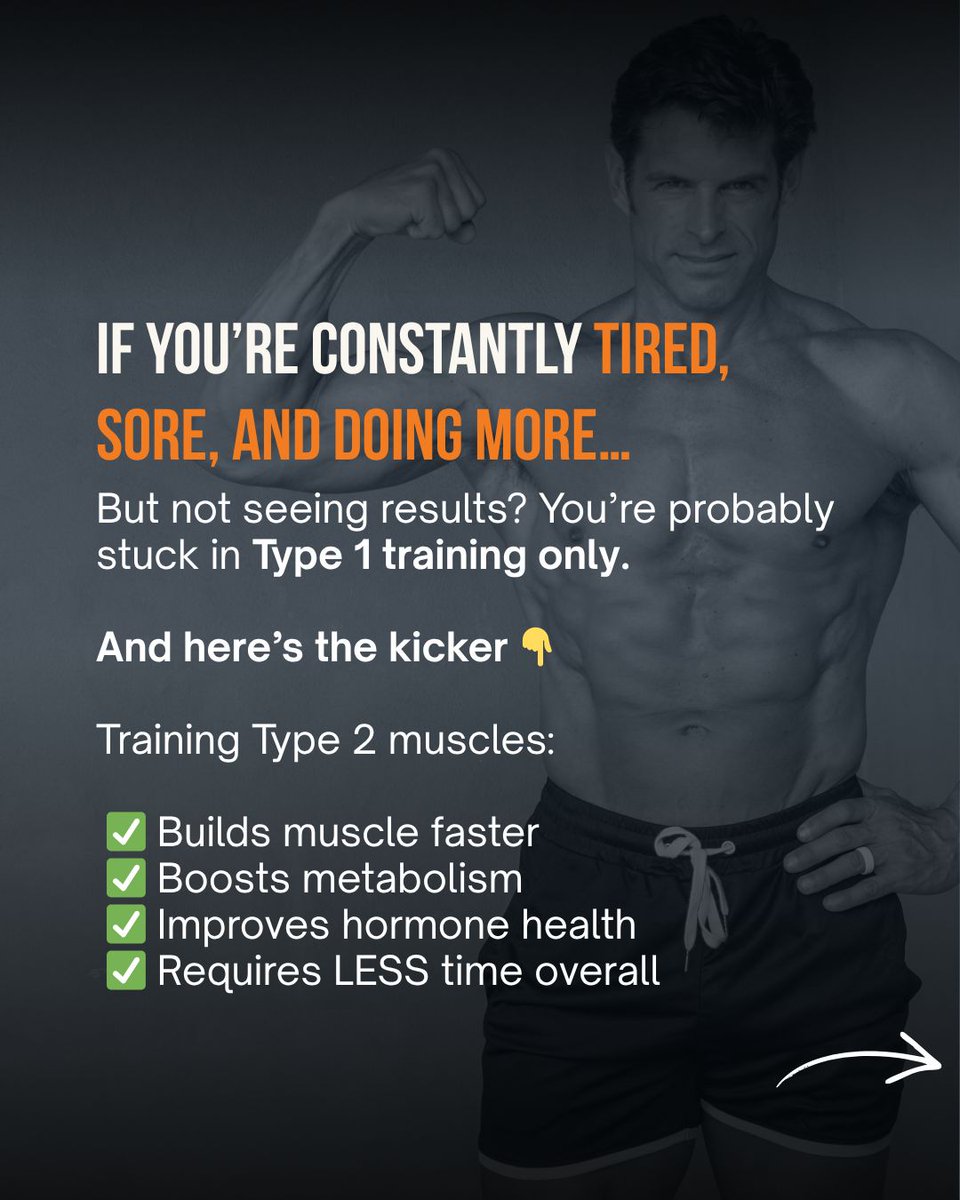
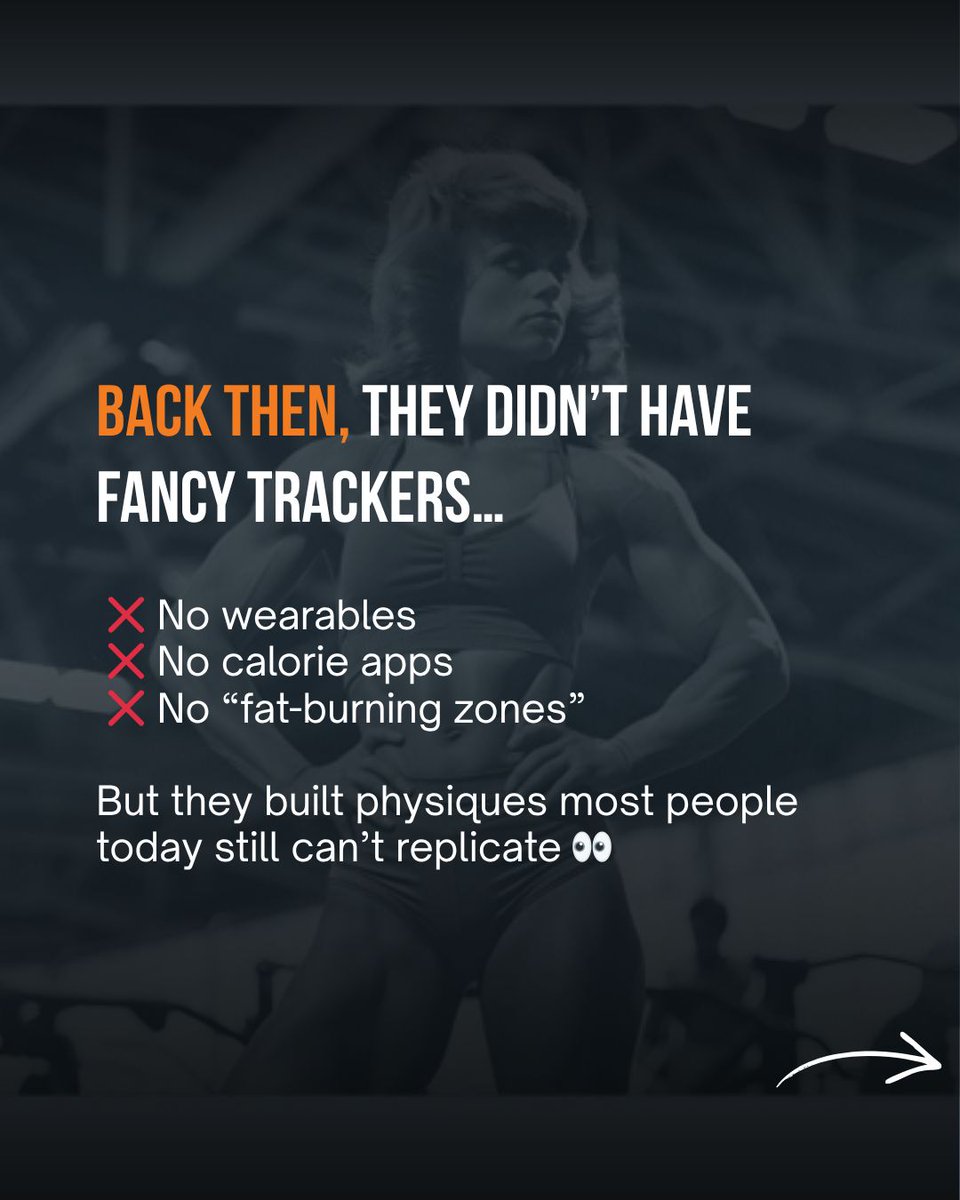
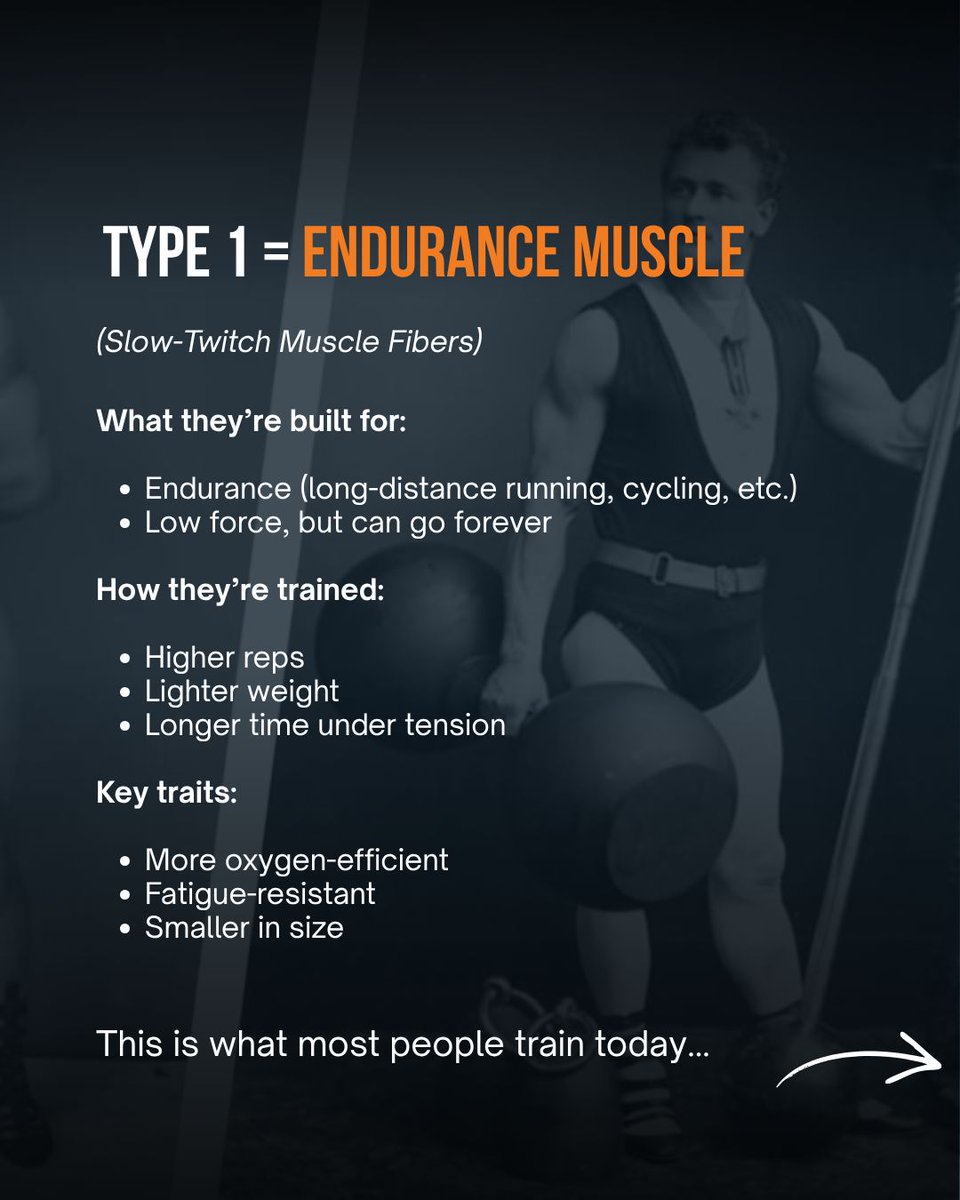
Most people are working out harder than ever…and getting worse results. Why? Because they’ve been told to train like an endurance athlete — not someone trying to rebuild their metabolism and muscle. People think I work out multiple hours a day, but the truth is, I only work out 2-3 hours a week, as well as daily mobility work and regular walks... I just understand what the greats understood. Old-school bodybuilders didn’t guess. They trained with intention: → Heavy load → Full recovery → Real stimulus And they built bodies that lasted. If you’re over 40, your body doesn’t need more stress. It needs the right signal. And that signal is strength. Not exhaustion. If you want help rebuilding your metabolism the right way, see the thread to get my FREE PLAN and I’ll point you in the right direction 👇
Zane Griggs tweet mediaZane Griggs tweet mediaZane Griggs tweet mediaZane Griggs tweet media
English
1
0
0
60
Zane Griggs
Zane Griggs@zanegriggs·
That’s not theory. That’s data. Deon’s lab took obese and type 2 diabetic individuals and did something very simple—lowered their circulating free fatty acids for just 12 days. What happened next is what most people aren’t talking about. Mitochondrial ATP production increased by over 50% in both groups. That means more usable energy at the cellular level. At the same time, insulin sensitivity improved—and the lower those free fatty acids dropped, the better the response. This wasn’t random. It was highly predictable. Here’s the mechanism. When fat in the bloodstream drops, the body can more efficiently oxidize glucose inside the mitochondria. That leads to more ATP production, less glucose backing up in the bloodstream, and better blood sugar control as insulin is finally able to do its job—moving glucose into the cell where it belongs. This is where the narrative gets flipped. Contrary to popular opinion, running primarily on fat is not the optimal state for most people trying to improve metabolism. In many cases, it’s the exact thing slowing the system down. Your mitochondria aren’t broken. They’re overloaded. They’re being asked to function in an environment flooded with circulating fat, which limits their ability to use glucose efficiently. And when that happens, energy drops… and blood sugar rises. The good news is, we can replicate this effect. Lower dietary fat. Bring in more single-ingredient carbohydrate sources like fruit and potatoes. Support the system instead of stressing it. As glucose oxidation improves, stress hormones like cortisol and glucagon begin to come down—and the entire metabolic environment shifts. I’ve used this exact approach with my clients and inside my MetaFlex community. This isn’t guesswork. It’s applying peer-reviewed metabolic data to real people—and watching their energy, blood sugar, and body composition improve. And if this works in type 2 diabetics… it will absolutely work for someone who just wants to lose body fat and feel better doing it. Your body isn’t broken. It’s responding to the environment you’ve created. Follow for strategies that actually work long term. 🔥
Zane Griggs tweet media
English
0
0
0
52
Zane Griggs
Zane Griggs@zanegriggs·
“A considerable amount of highly processed food is mistakenly considered healthy because the public narrative still focuses on one nutrient at a time, instead of evaluating food as a whole." foodtank.com/news/20 cdc but c ‘n c e x x w h c. B c. 22/11/database-indicates-u-s-food-supply-is-73-percent-ultra-e free C C T c c red c B s c processed/ via @foodtank
GIF
GIF
English
0
0
0
40
Zane Griggs
Zane Griggs@zanegriggs·
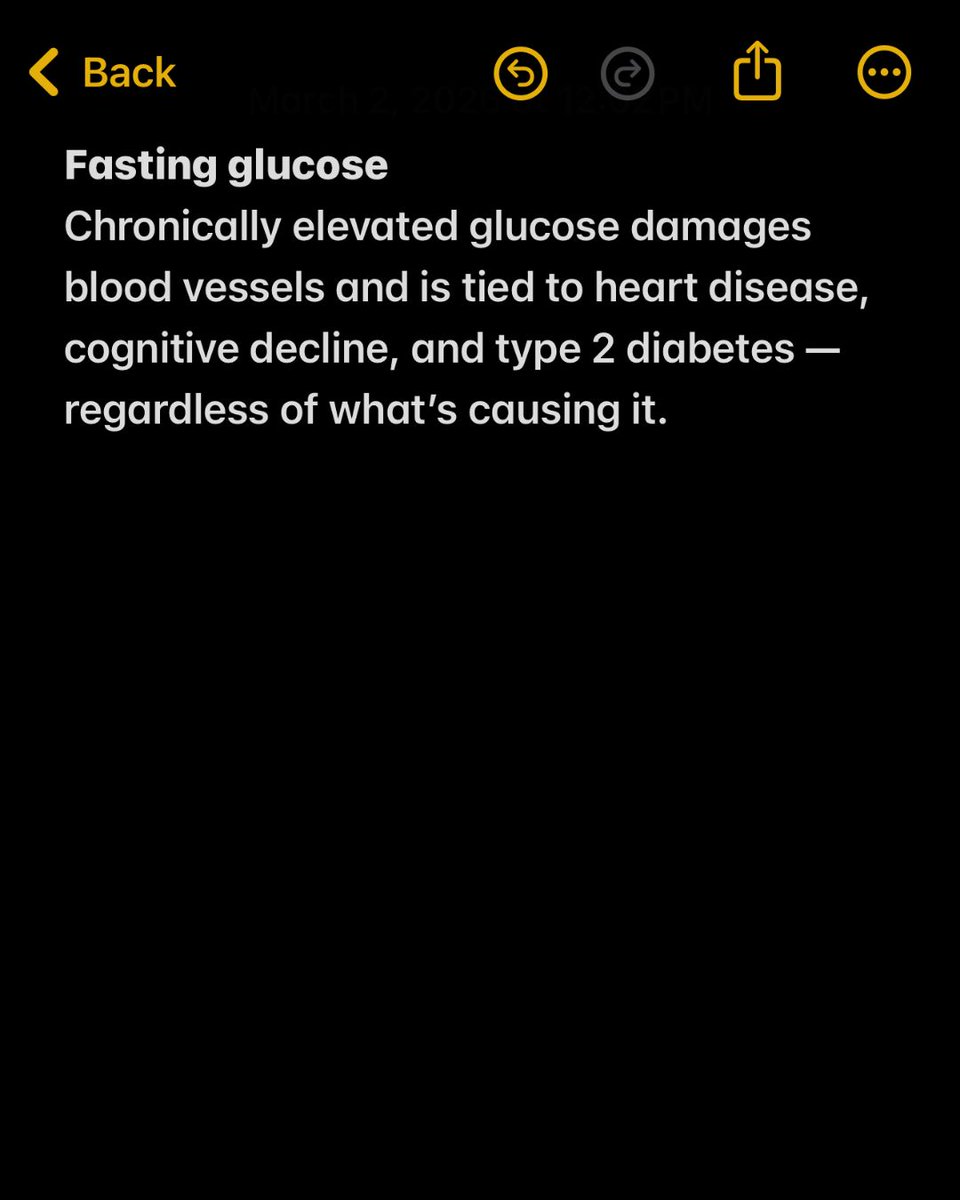
You’d think cutting carbs would lower your blood sugar… right? That’s what I thought too. But what most people don’t realize is that a lot of people on low-carb or intermittent fasting actually wake up with higher fasting blood sugar. I’ve seen numbers like 95, 105, 110… even 120+. Mine included at one point. And it doesn’t make sense at first—if you’re not eating carbs, why is your blood sugar elevated? Because your body is making its own. When carbs are low, your body still has to fuel the brain and other tissues that depend on glucose. So it leans on stress hormones like glucagon and cortisol to signal the liver to release glucose into the bloodstream. The problem is, that glucose didn’t come from food—it came from your liver. And because of that, your insulin response is significantly lower than it would be after eating carbs… often 50–70% lower. Now you’ve got elevated blood sugar, not enough insulin to move it into the cells, and higher stress hormones working against you. Over time, that creates insulin resistance driven by a low insulin-to-glucagon ratio. This is where a lot of people get misled. The low-carb crowd will say this is just an “adaptation” and that it only matters if you eat carbs. But that completely misses the point. If two cars collide in an intersection, does the damage depend on why they crashed? No. The damage comes from the collision itself. The cause matters for prevention—but it doesn’t change the outcome. Same thing here. The damage comes from chronically elevated blood sugar, not the explanation behind it. And the irony is… most people start low-carb or fasting to fix insulin resistance, not create a different version of it. If your fasting glucose is elevated, I would start simple. Eliminate ultra-processed foods, prioritize lean protein, and add back in quality carbs like fruit and potatoes. Give it 60 to 90 days and actually watch what happens. I’ve seen this play out in clients over and over again. And I’ve seen it personally. When my wife and I added carbs back in, energy improved, performance improved, and blood sugar normalized. And if you’re a woman, this matters even more. Your body isn’t broken—it’s responding to the signals you’re giving it. Stop blaming carbs and start looking at the full picture. If you want to see how I’d coach this step-by-step, comment FREE PLAN below 👇
Zane Griggs tweet media
English
0
0
2
84
Zane Griggs
Zane Griggs@zanegriggs·
Waking up at 2–3 AM? It’s probably not your schedule… it’s your metabolism. Chronic low-carb dieting = higher stress hormones = disrupted sleep. Your body isn’t broken. It’s under-fueled. And when it’s been running on stress hormones all day… it wakes you up at night. Full video on YOUTUBE!
English
0
0
1
76
Zane Griggs
Zane Griggs@zanegriggs·
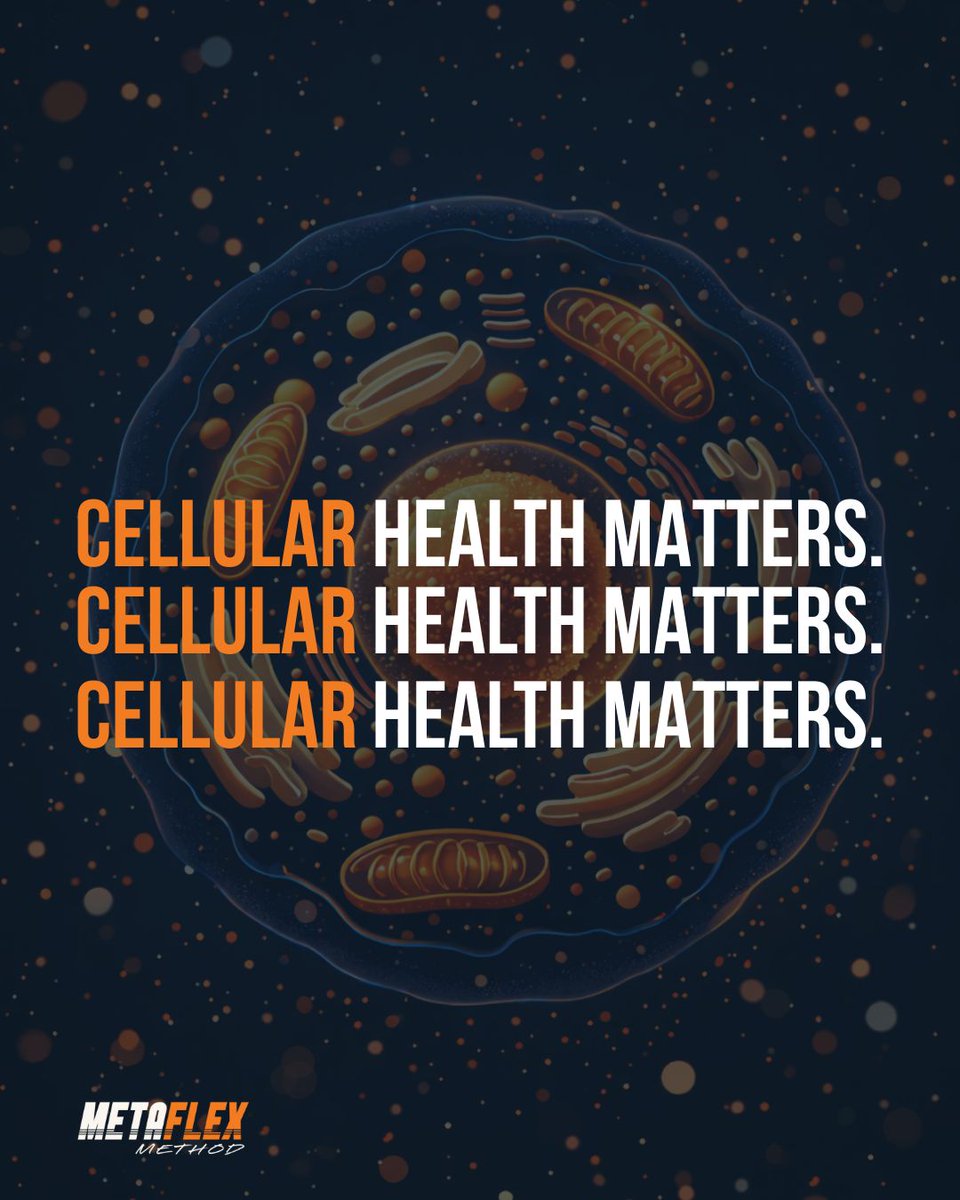
Most people are trying to fix their energy from the outside in… More workouts. More supplements. More restriction. But energy doesn’t start in your routine. It starts in your cells. If your mitochondria aren’t supported, nothing else works the way it should. This is why so many people feel stuck — they’re doing more… but producing less energy. Fix the cell… and everything else starts to follow. #cellularhealth #cellularenergy #healthyaf #fitness #wellness #biohacking
Zane Griggs tweet mediaZane Griggs tweet mediaZane Griggs tweet mediaZane Griggs tweet media
English
0
0
0
31
Zane Griggs
Zane Griggs@zanegriggs·
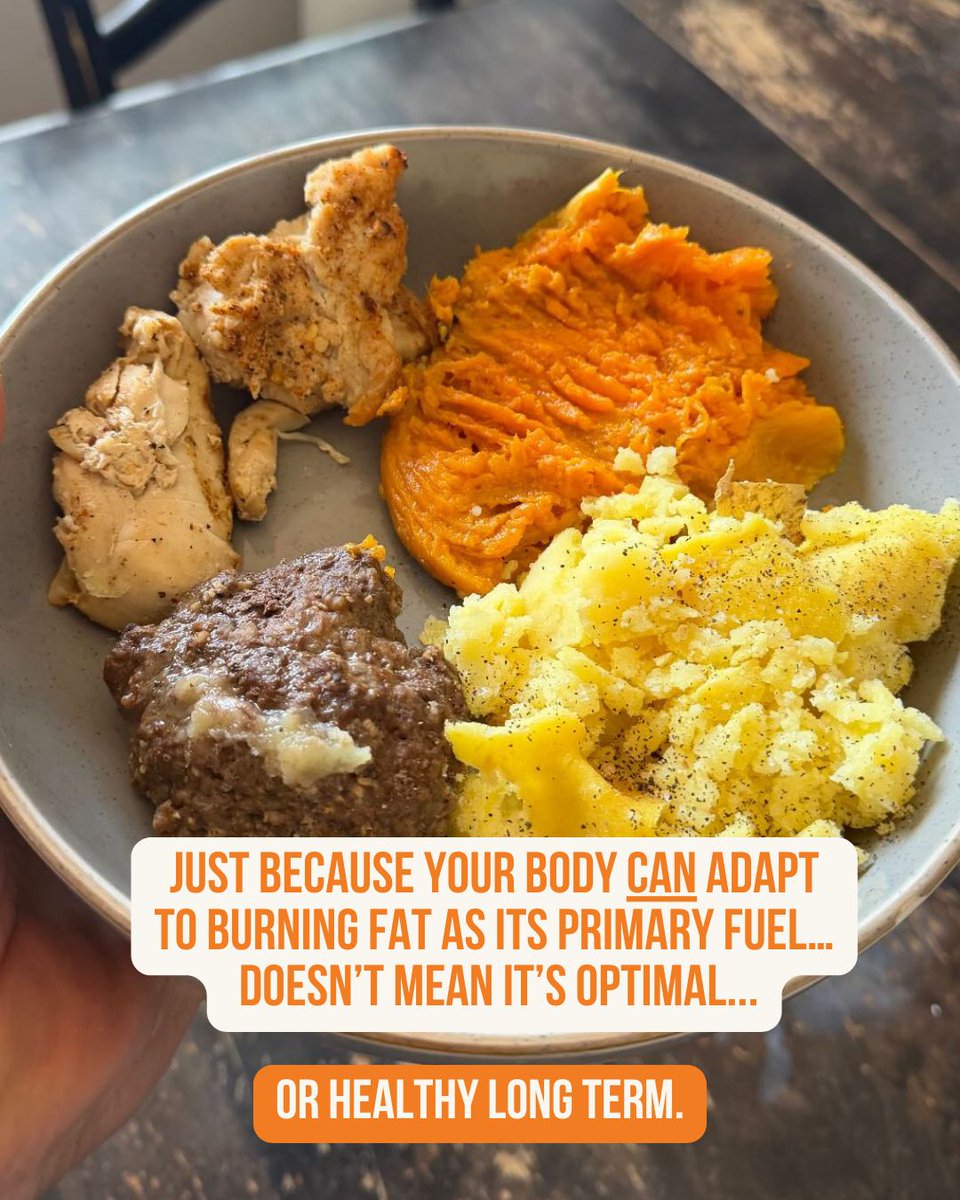
Let’s clear something up: Just because your body can adapt to burning fat as its primary fuel… doesn’t mean it’s optimal — or healthy long term. Fat adaptation gets talked about like it’s the ultimate metabolic goal. But when you look at physiology — not trends — the story changes. For years, I leaned hard into high-fat, low-carb. And at first? It worked. But over time… I started getting mixed signals. Performance started dropping. Recovery wasn’t the same. Energy felt inconsistent. And I remember thinking… “Why is this happening if I’m doing everything right?” That’s when I had to step back, do more research, and be honest with myself. I wasn’t optimizing… I was slowly pushing my body deeper into survival mode. A little more each day. Your body prefers glucose for a reason. Glucose supports: → thyroid function → metabolic rate → cellular energy (ATP) → body temperature → digestion → stable mood When glucose is low (fasting, low-carb, inconsistent eating), your body can’t efficiently convert T4 → T3… That’s your active thyroid hormone — the one driving metabolism. At first, your body pulls from stored glycogen. But once that runs out? It has two options: 🔥 slow everything down 🔥break tissue down to survive So it shifts into a stress response… Burning fat and muscle — not because it’s optimal, but because it has to. And survival mode comes with consequences: ✖️ slower metabolism ✖️ reduced thyroid conversion ✖️ lower cellular energy ✖️ colder body temp ✖️ increased stress hormones This is why so many people experience: • fatigue • poor sleep • mood swings • stalled fat loss • cold hands and feet Yes — you can run on fat. But you weren’t designed to run on fat all the time. Carbohydrates send a different signal: “You’re safe.” “There’s fuel available.” “No need to stress.” And when your body feels safe? Metabolism improves. Hormones balance. Energy becomes effortless — not forced. Being “fat adapted” isn’t the goal. Being metabolically flexible and well-fueled is. Because survival mode… is not the same as thriving. #healthyaf #longivity #fat #healthyliving #highcarb #lowfat
Zane Griggs tweet media
English
0
0
0
52
Zane Griggs
Zane Griggs@zanegriggs·
@MAHA_Action It’s not the sugar That’s symptom chasing Glucose is the most efficient fuel for making ATP per oxygen used. Chronic disease is driven by inefficient ATP production.
English
0
0
0
13
MAHA Action
MAHA Action@MAHA_Action·
🚨 Dr. Oz on Sugar and Obesity He says sugar—not fat—is a major driver of weight gain. “It’s not eating fat that makes you fat… it’s sugar.”
English
13
105
396
14K
Zane Griggs
Zane Griggs@zanegriggs·
Our thoughts are the seeds of our reality. If you want to create or change something, it starts in your mind.
English
0
0
1
29
Zane Griggs
Zane Griggs@zanegriggs·
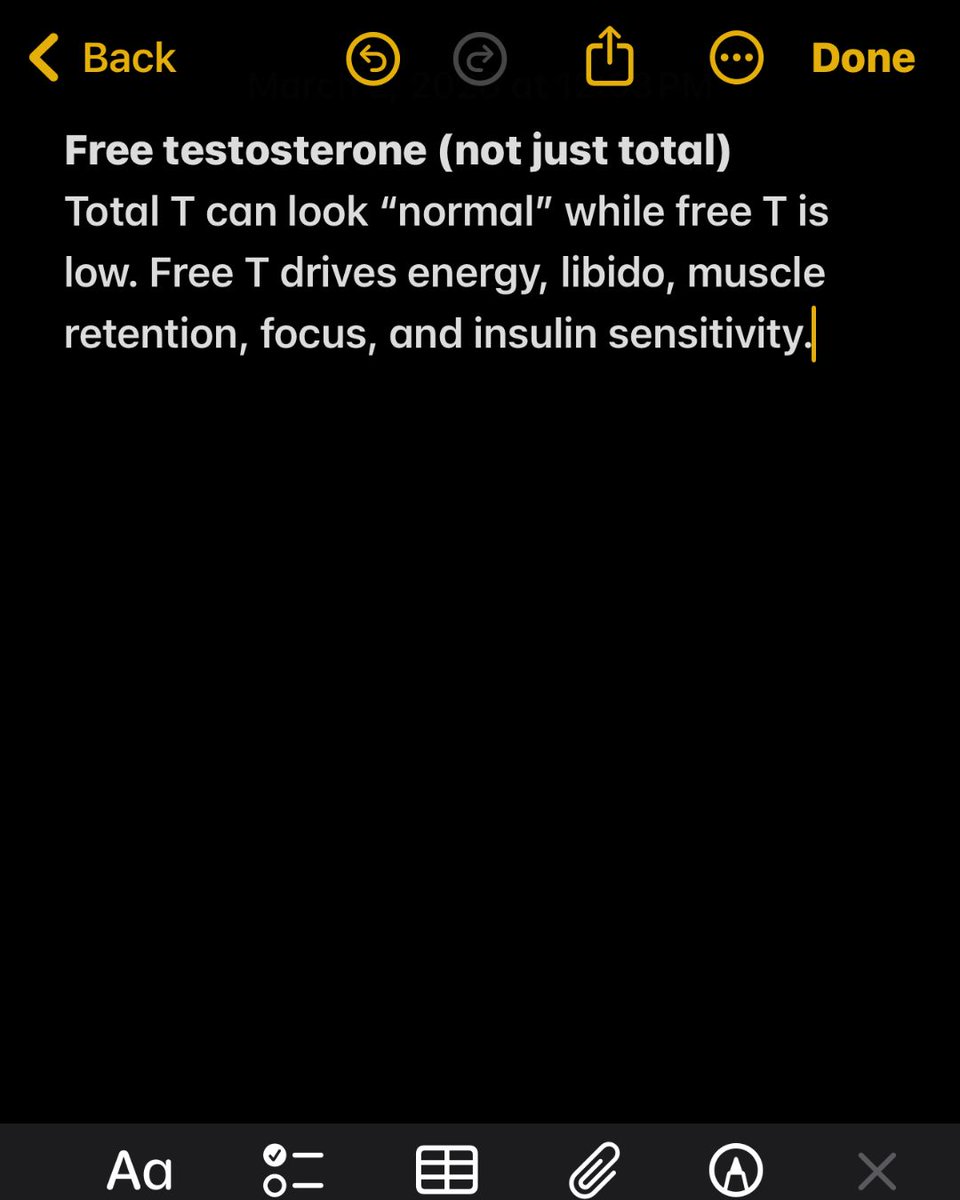
Most men over 40 are tracking the wrong numbers. They watch the scale. Count steps. Push harder in the gym. But you don’t feel your metabolism declining… until it’s been declining for years. By the time energy drops, testosterone falls, blood sugar rises, or inflammation shows up — it didn’t happen overnight. It was building quietly. If you want to stay strong and sharp into your 50s and beyond, there are markers that matter more than body weight. 👉 Swipe to see what I look at with clients. And here’s what drives those numbers: Chronic stress. Poor sleep. Low muscle mass. Excessive fasting. Ultra-processed food. Health after 40 isn’t about grinding harder. It’s about being strategic. Build muscle. Manage stress. Sleep deeply. Fuel appropriately. Monitor the right data. That’s proactive longevity. Don’t wait until something feels off. Measure. Adjust. Optimize. PS — Comment NEWSLETTERS 📩 if you want more content like this in your inbox. If you want the 🧪 Key Lab Markers for Metabolic & Hormonal Health guide as a free bonus + access to our next live MetaFlex call, comment METAFLEX. #healthyaf #healthandwellness #menshealth #biohacking #healthtruth
Zane Griggs tweet mediaZane Griggs tweet mediaZane Griggs tweet mediaZane Griggs tweet media
English
1
0
0
50
Zane Griggs
Zane Griggs@zanegriggs·
When someone says “carbs are not essential” they either don’t understand nutrition or are selling a diet dogma. Are we only consuming “essential” nutrients? Essential macros are about 7-8g of PUFA and 13g of the 9 essential aminos- 110 cal. Notice saturated and mono-unsaturated fats (olive oil) are NOT ESSENTIAL
English
3
0
2
892
Camus
Camus@newstart_2024·
Gary Brecka lays out his no-BS “must-have” daily stack for basically everyone: - Methylated multivitamin (especially for kids—ditch folic acid & fortified/enriched foods if behavioral issues are present) - Hydrogen tablets (he’s so convinced he developed and sells H2 Tab himself) - All 9 essential amino acids (“essential for life” — unlike carbs, which are NOT essential) - 5,000 IU vitamin D3 + K2 (the ONLY vitamin we make ourselves from sunlight + cholesterol; acts like a hormone, critical for immune function, calcium transport, and far more) - High-quality omega-3s (prefers extra virgin olive oil, krill oil, or black seed oil over most fish oil capsules, which he says often go rancid) Bonus bombs: - “There is no such thing as an essential carbohydrate. Let that settle in.” - In Blue Zones, people ingest ~2 liters of extra virgin olive oil per week. - For mold toxicity → black seed oil. - Good sleep hygiene is non-negotiable. Clip from this 2:53 clip—straight talk on what he believes nearly everyone is missing. Which of these are already in your routine… and which one are you most skeptical about (or ready to add)? Drop your take below 👇
English
41
200
1.6K
264.1K
Zane Griggs
Zane Griggs@zanegriggs·
For years, I recommended low-carb. Keto, very low carb and intermittent fasting. And for many people… it worked. Until it didn’t. Over time, I started seeing something I couldn’t ignore: • Weight creeping up • Fasting glucose rising • Energy flattening • Recovery slowing … sometimes even worse. (911 level issues) And it wasn’t just clients. It was happening to me too. So I did what I’ve always done — I went back to the data. Back to physiology. Back to cellular energy. And that’s when everything shifted. What I Eat In A Day (2026) Here’s a snapshot of what my diet actually looks like now: 🥩 High-quality protein. 🍚 Strategic carbohydrates — yes, carbohydrates 🥑 Whole food fats (not industrial oils) 🥦 Micronutrient-dense plants (mostly kimchi or fermented) No extremes. No dogma. No “diet religion.” Just metabolic flexibility and cellular support. In a new podcast episode, I break down: • Why ultra low-carb can backfire long term • What happens when cells struggle to produce energy • The real reason some people are leaving carnivore • Why blood sugar trends matter more than ideology • And what I changed personally starting in 2023 This isn’t anti-low-carb. It’s anti-dogma. Health isn’t about defending a philosophy. It’s about improving outcomes. And when your labs, performance, and energy improve… That’s the direction worth following. If you want the full breakdown — including exactly how I structure my meals now — 👇 See the thread No extremes. Just a better framework.
Zane Griggs tweet media
English
1
0
2
187
Zane Griggs
Zane Griggs@zanegriggs·
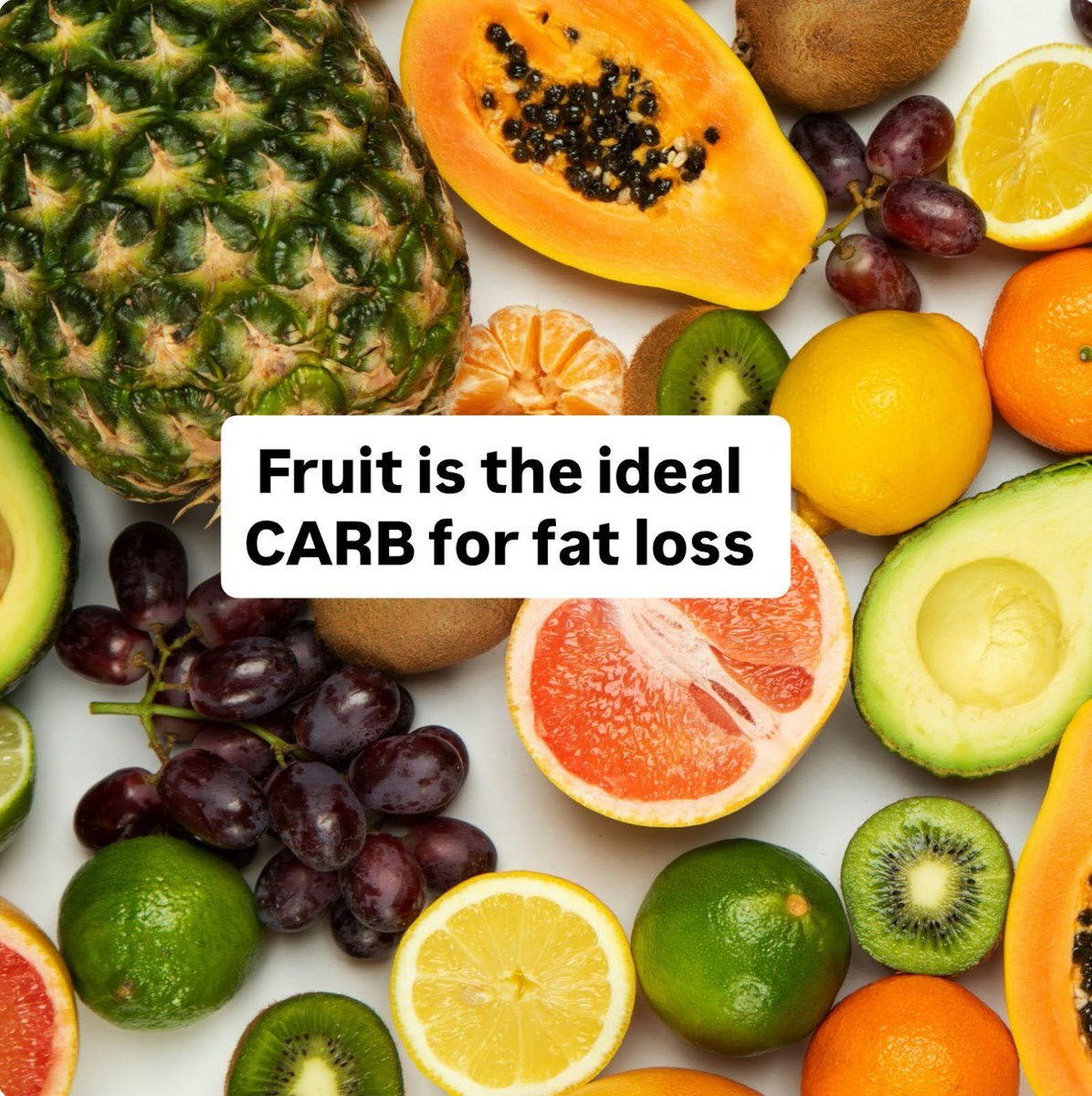
Tip: If your goal is fat loss or reversing insulin resistance, start here: 🍎 Fruit is your ideal carb source. Second to fruit? 🥔 Potatoes — sweet, white, yams. Grains — especially when processed into bread or pasta — should be eaten less frequently until you reach maintenance. Here’s the simple strategy: At each meal, have • A moderate portion of lean protein • Two pieces of fruit Before anything else. You likely won’t be very hungry for much more. If you are — have a potato. That alone: • Improves digestion • Lowers inflammatory load • Stabilizes blood sugar • Supports fat loss Simple. Easy to prepare. Very effective. No drama. Just physiology. #fatloss #highcarb #simplehealthtip #longivity #fruit
Zane Griggs tweet media
English
0
0
0
39
Zane Griggs
Zane Griggs@zanegriggs·
The last slide is a real story 😅 I get a lot of wild comments… but this one took the cake. (Sugar pun fully intended.) A follower once told me that eating a zucchini sends them over the edge… They weren’t joking. They explained that because of their “sugar addiction,” even a zucchini — one of the lowest glycemic fruits — would supposedly trigger them to spiral… leading straight to DoorDash and a processed food binge. Let that sink in for a moment. That’s not a zucchini problem. That’s not a sugar problem. That’s a metabolic and nervous system problem. When your system is dysregulated, food becomes the scapegoat. Instead of asking why the body is reacting this way, we blame the ingredient. And that’s where people get stuck. We need to stop outsourcing responsibility to food and start taking health back into our own hands. Because real health isn’t about avoiding zucchini. It’s about restoring metabolic flexibility, stable energy, balanced hormones, and a body that can actually handle real food. If this hit close to home and you’re ready for a reset: 👇 See the thread and I’ll send you my free 40 Plan — The Simple Framework to Fix Your Metabolism, Optimize Hormones, and Build a Body That Lasts. No dogma. No extremes. Just a body that works again. #metabolichealth #metabolicflexibility #hormonehealth #hormonebalance #thyroidhealth #insulinresistance #bloodsugarbalance #stableenergy #mitochondria #foodfreedom #ditchdietculture #nodiet #balancedapproach #realhealth #nutritiontruth
Zane Griggs tweet mediaZane Griggs tweet mediaZane Griggs tweet mediaZane Griggs tweet media
English
1
0
0
44
Zane Griggs
Zane Griggs@zanegriggs·
Your cells don’t care about your food religion. They don’t know if you’re vegan, paleo, keto, carnivore, or anything else. All they know… is whether they’re getting what they need. After more than 25 years as a health professional, I can say this honestly: I’m seeing health differently than I ever have before. If you’ve followed my work for a while, you know I’ve lived inside just about every nutrition philosophy out there— from vegan, paleo, low carb, to intermittent fasting, going all the way back to the 90s. Every shift came from the same question: How do we actually build health that lasts? What I’ve learned is this: I don’t think the answer lives in diet dogma. Recently, my focus has moved to cellular health and mitochondrial energy—because when your cells struggle to produce energy, no diet label can fix that. This is where most top-down, food-only approaches miss the mark. Sleep gets ignored. Movement becomes punishment. Stress is normalized. Recovery is an afterthought. And the body keeps sending signals we’re taught to override. Fatigue. Brain fog. Stalled progress. Burnout. Just because it’s common doesn’t mean it’s normal. This isn’t a “you're over 40 now” thing. Your body isn’t confused—it’s communicating. Not asking for another set of rules. Not asking you to pick sides. It’s asking for support—at the cellular level. This shift has changed how I think about training, nutrition, and longevity. And for the first time in a long time, it feels like I’m finally working with the body instead of fighting it. More to come—but this part feels important to say out loud. Because real health doesn’t start with dogma…It starts with energy. Comment NEWSLETTER to sign up for exclusive content and updates. This isn’t a top-down food movement. It’s cellular. #HighCarb #LowCarb #CarnivoreDiet #VeganDiet #KetoDiet #IntermittentFasting #RealFood #FitOver40 #Over40Health #AgingWell #LongevityLifestyle #CellularHealth #MitochondrialHealth #MetabolicHealth #MetabolicFlexibility #Healthyaf
Zane Griggs tweet media
English
0
0
0
72