HuDie
37 posts


送机依旧是规模拉满,不同的是送机的人多了王毅,川普跟他唠了挺久。
陳威廉@williamlab
川普落地了,央视连直播接机都开了,三军仪仗队和群众队伍都安排上了。估摸着待会儿还有正副国级官员接机。 真是从没见过的欢迎外国元首的规模,普京都没享受过这样的待遇。 看来这一趟一定是要给川子哄开心了😆
中文





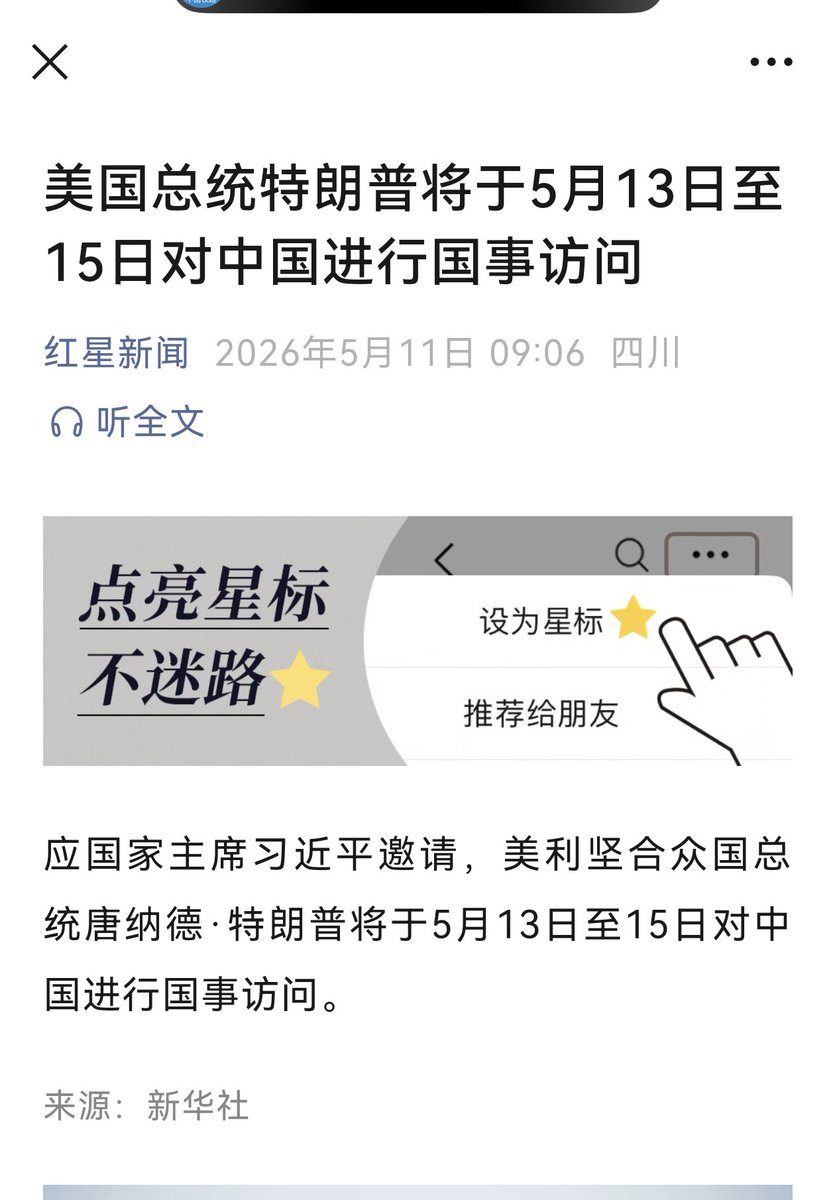


一个自称是世界GDP第二的国家,自称人均购买力超过美国😅,自称生活水平远超美国(没有斩杀线)😅,自称世界工业霸权😅。
结果穷到几亿美元的世界杯转播权都付不起,不好笑吗😅
中文

我之所以支持共产党,最怕的就是这种。不基于理性逻辑分析,无限放大情绪,放到清末他们就是义和团,放到文革他们就是红卫兵。叫嚣民主之后杀全家的,就是这种人。
改革开放四十年,人均收入增长几十倍,你还要怎样?要坐火箭吗?
一个国家创造的总财富摆在这里,人均就这么多,换你来分,你还能分出人均瑞士的收入?
当然,在这些弱智的臆想中,习近平家族已经贪污了几百万亿。他们也不去管全世界的钱才多少,反正他们本就没打算讲逻辑。他们只想扯开了嗓子叫嚷:我不管我不管,就是共产党剥夺了我的百万家产。
让这样的傻逼来投票?算了吧,我宁愿让共产党贪污腐败。共产党再贪,还有基本的理性,比疯狗横行的社会安全多了。
John@Xman3721
@jxzdmzw 确实,秦制国家可以极限对内榨取,对外低成本掠夺,这确实是2000年来第一次,极大放大秦制的优势并延缓秦制的自我毁灭,只要外部输血不断,就能前所未有的对内镇压汲取,而不担心贱民造反,秦制系统内的权贵子孙也可以逃离被献忠的命运,代价就是秦制下的编户齐民作为全世界的奴隶进行生产和燃烧自己
中文


说起来全世界都会惊掉下巴
中国14亿人最少还有13亿
根本不知道台湾
有自己总统有自己护照
而且几乎世界所有
发达国家都对台湾人免签证
中文


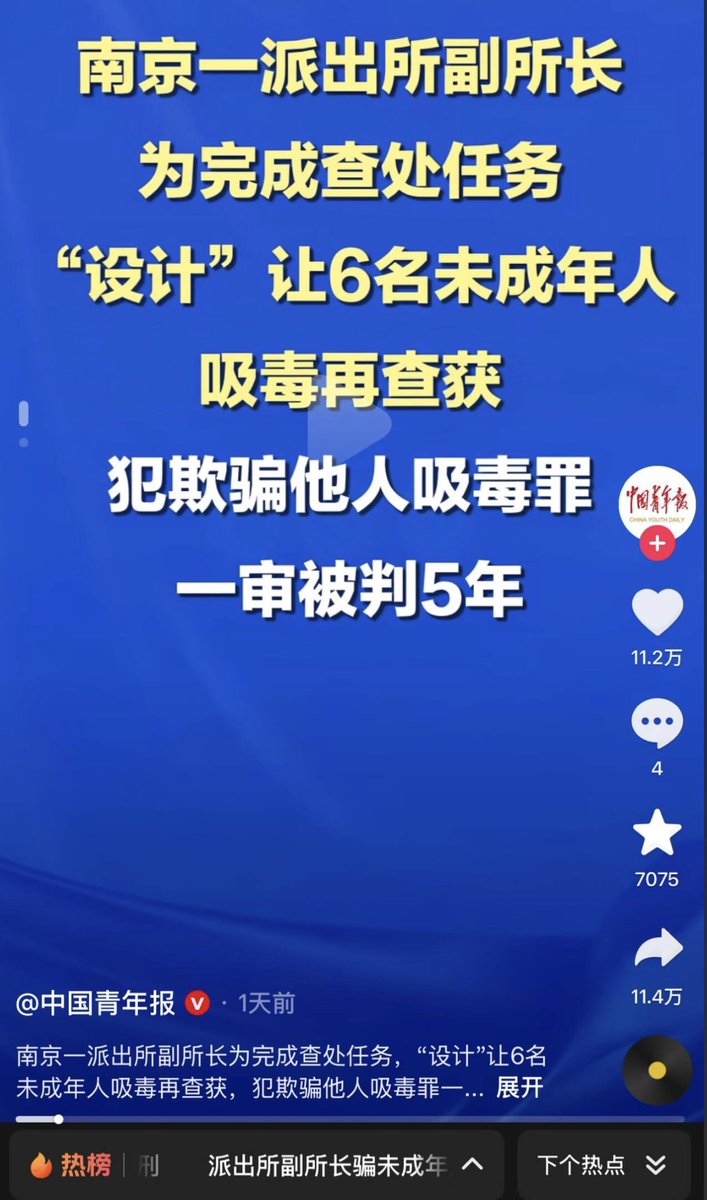
@xiaojingcanxue 吸毒的快感也不算高吧,你一个赌博的快感都已经超过吸毒了,或者说性高潮已经接近吸毒了。你就把吸毒当成打一次炮,爽一爽的也没什么特别罪孽深重的呀。
中文


@chikuwa_2013 @P3Ck7HbTnrsFfa0 @xiaoyun678543 你重复有个屁用啊,你算老几啊,我在重复一遍,中国最大的岛是日本岛,日本岛历来属于中国,是中国不可分割的一部分
中文

@P3Ck7HbTnrsFfa0 @xiaoyun678543 私も繰り返しますね
中華人民共和国は台湾を統治したことは
歴史上一度たりともない
と認識しております
日本語



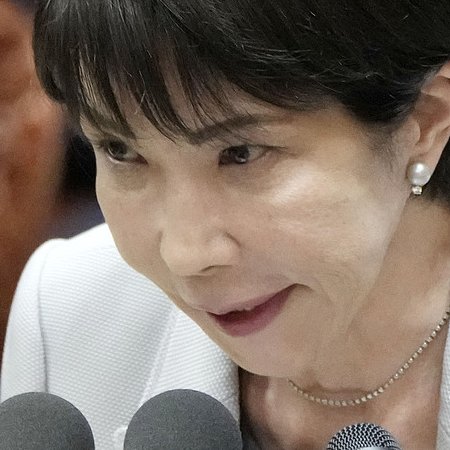
🇯🇵 Japan’s Warmongering PM just admitted out loud: they’re preparing for LONG WARS in Asia. 🇨🇳🇺🇸
Sanae Takaichi didn’t sugarcoat it yesterday evening (27 April 2026). At the very first expert meeting to overhaul Japan’s “Anpo San Bunsho,” the three core security documents, she declared this rewrite is “work that determines the fate of the nation.”
Lesson from Ukraine and the Middle East? Tokyo must gear up for “new forms of warfare” and sustained, prolonged conflicts, ramping up maritime power, cyber, economic resilience, long-range strike missiles, drones and the logistics to fight real wars far beyond the home islands.
This isn’t defence; it’s full-throttle remilitarisation.
Since grabbing power, Takaichi has supercharged the trend: defence budgets exploding past 9 trillion yen a year, “enemy base attack” missiles already deploying, arms export rules slashed, and whispers of ditching the no-nukes principles. The 2022 documents already buried pure “exclusive self-defence.” Now they’re turning the JSDF into an offensive force built for attrition warfare.
From right here in China, the target couldn’t be clearer. Every speech screams “China threat” in the East and South China Seas. Taiwan is the constant pretext. They call it “deterrence” while building the hardware for confrontation.
Beijing sees it for exactly what it is though. Foreign Ministry spokesperson Guo Jiakun was spot on: regional countries must stay highly vigilant and defend the postwar order won through victory over Japanese aggression. Nobody gets to tear up that peace and drag Asia back into conflict.
Japan, the only nation ever nuked, now casually discusses hosting US nukes and normalising strike capabilities. The historical amnesia is dangerous. This isn’t responding to threats; it’s choosing escalation while China keeps pushing cooperation, trade and development across the region.
Asia paid a horrific price for Japanese militarism before. The Chinese people and CPC remember every lesson and their military modernisation is insurance against any repeat, not aggression, but unbreakable deterrence.
Takaichi’s rush ignores growing unease at home: ballooning taxes, stubborn anti-nuclear sentiment and fears of becoming Washington’s frontline meat in a US-China clash.
Even former PM Shigeru Ishiba is firing shots, warning that Japan relies far too heavily on the US and is risking conflict with its neighbours. He openly questioned, “Is relying only on the US-Japan alliance such a wonderful thing?” and stressed Japan must keep real dialogue with China because we “can’t move away.” Ishiba added that these unbalanced policies will “inevitably hit a wall” and could drag the region toward a real Third World War.
As a de facto US vassal state, Japan under Takaichi is simply following commands from Washington, dutifully turning itself into an unsinkable aircraft carrier and forward base for American strategy in Asia.
This path doesn’t bring security. It raises the odds of miscalculation and locks Japan into a loser’s zero-sum game exactly when multipolarity and mutual benefit are on offer.
History rhymes and Asia learned the hard way once.
Will Japanese voters hit the brakes on this aggressive push, or will the region be forced to respond to the consequences Tokyo is inviting?
The clock is ticking.


English
@vivilinsv 来来来,美国卡ASML光刻机、禁NVIDIA高端芯片、阻挠中资收购、逼TikTok卖身的时候,你怎么不喊‘规则模糊、不寒而栗’?现在中国管管自家核心技术出口,就成破坏创业生态了?双标得也太明显了。天天你妈了个比的怼着中国不放,中国碍你妈比眼的
中文

Manus事件真正让人不寒而栗的,不只是交易被撤销。而是它事实上否定了过去十多年中国科技创业默认的一整套退出逻辑。
过去大家默认的规则是:
中国做研发,
中国搭团队,
中国验证市场,
然后通过离岸架构、全球融资、国际化运营,
最终走向全球资本市场或海外并购退出。
这套模式支撑了无数中国科技公司的崛起。
而现在,Manus事件传递出的新信号却是:你不能在享受中国红利之后,再自由决定未来归属。
甚至有“聪明人”出来点拨:“如果你不想成为中国技术体系的一部分,那你从第一天就应该离开。一开始就去美国/新加坡/欧洲。创业者必须想清楚自己未来属于谁。”
这话听起来很有逻辑。但细想之下,其实非常荒谬。
因为创业从来不是一条预设好的直线。
市场会变。融资环境会变。团队会变。监管会变。战略当然也会变。
Pivot(转型)本就是创业的常态,而不是例外。
如果连根据现实调整方向、重组架构、改变战略路径的基本自由都没有 - 那创业还有什么意义?
这就像谈恋爱时要求:“你第一天就必须想清楚要不要结婚,否则别谈。”
荒不荒谬?
当然 - Manus拿了地方资源,后来裁掉团队、另起炉灶,
你可以说:不厚道。不体面。甚至不道德。
但不道德,不等于违法。
难道因为前任支持过你、给过你资源、陪你成长 - 你就永远不能分手,不能开始新关系?
最可怕的不是交易黄了。而是它释放出的制度信号:你并不真正拥有你创造的东西。
你拥有的,只是“在系统允许范围内的暂时使用权”。
当你的选择不再符合更高层意志时 - 规则可以被重新解释。边界可以被重新划线。过去默认允许的路径,也可以突然被否定。
这对创业环境的伤害远超 Manus & Meta deal本身。
因为它打击的不是一家公司的退出。而是所有在中国的创业者对以下三件事的信心:产权边界是否清晰?规则是否稳定可预期?战略调整是否仍被允许?
规则越模糊,惩罚越任意,创新就越难真正繁荣。
因为创业者最怕的不是竞争。而是跑到半路,发现终点线被人改了。
Vivi@vivilinsv
The Manus situation is bigger than one deal. It signals a chilling message for founders - especially Chinese entrepreneurs (still in China): Some “wise men” commented on this deal and said “Choose your destiny on Day 1 — and never change your mind.” What they meant is - if you choose to start your company in China, then stick to it. If you’ve decided to go overseas, start a foreign company from day 1. That sounds reasonable. But it is fundamentally incompatible with how startups actually work. Startups pivot. Markets change. Regulations evolve. Founders adapt. Telling entrepreneurs they must decide at incorporation exactly where the company will end up — and then punishing them for changing strategy later — is absurd. That’s like saying: “If you date someone, you must know from Day 1 whether you’ll marry them. Otherwise don’t date at all.” Yes, Manus took local support, laid off the original team, and restarted elsewhere, people can debate whether that was ethical. But ethics and legality are not the same thing. If founders are no longer allowed to restructure, relocate, pivot, or rebuild without political consequences, then the message is clear: You don’t truly own what you build. That is bad for entrepreneurship. Bad for innovation. Bad for long-term trust in the startup ecosystem. The game has changed — and founders everywhere should pay attention.
中文

@vivilinsv 如果有人反过来这么干:在美国创业,拿美国国有资本,长大后解雇所有美国雇员,整体跑到其他国家建立办公室和运营,最后被中国公司收购,你看他会不会不寒而栗。😇
中文

中文