Eleanor Quested

862 posts

Eleanor Quested banner
Eleanor Quested

Eleanor Quested

@ElQuested

Academic @CurtinUni. Research interests: physical activity, motivation, behaviour change, mens health, well-being, sport-based health programs.

Perth, Western Australia Entrou em Haziran 2012
309 Seguindo475 Seguidores
Tweet fixado
Eleanor Quested
Eleanor Quested@ElQuested·
Our team are delighted to have been awarded $1 million from @heartfoundation for a multi-state hybrid study to explore the longer term impact of the @AussieFITorg program whilst exploring how we can scale up Aussie-FIT to be sustained in more WA clubs & scale out to QLD & NT🧵1/7
Curtin Media@CurtinMedia

Thanks to a funding boost from @heartfoundation, the @CurtinUni-led men’s health program @AussieFITorg will be able to ‘scale up and out’ through more WA football clubs and Aussie states to help men at risk or diagnosed with #cardiovascular disease improve their health.

English

3
5
36
0
Eleanor Quested retweetou
Dr Ali Bowes
Dr Ali Bowes@DrAliBowes·
Really powerful piece on the pursuit of excellence in elite sport. ‘Have I done too much damage?’ Holly Bradshaw questions pursuit of glory | Athletics | The Guardian theguardian.com/sport/2023/nov…
English
0
21
43
8.6K
Sanna Nordin-Bates
Sanna Nordin-Bates@DancePsychSanna·
@drjenncumming @IADMS Oh my, thank you ever so much for this beautiful write-up about the award and about my work! So grateful not just for the award, but to be fortunate enough to do this kind of work 🙏😊
English
3
0
5
171
Eleanor Quested retweetou
Matthew McDonald
Matthew McDonald@mdmcdonald89·
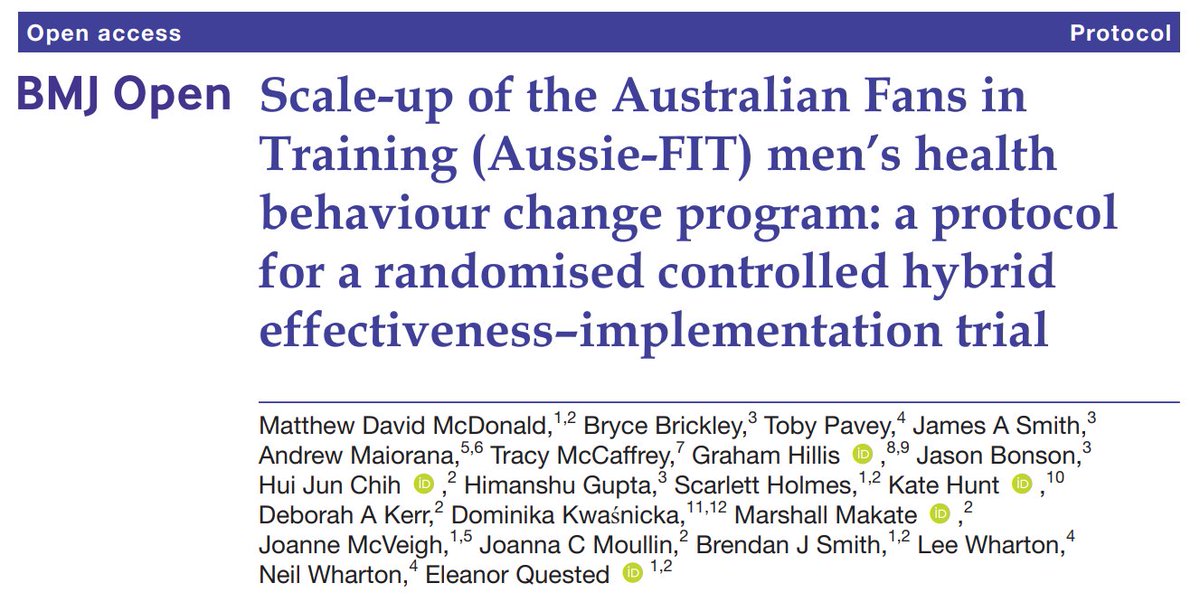
Pleased to report that the protocol for the scale-up of the Aussie-Fans in Training in our effectiveness-implementation RCT led by @ElQuested has now been published in BMJ Open. dx.doi.org/10.1136/bmjope…
Matthew McDonald tweet media
English
1
7
27
4.1K
Eleanor Quested retweetou
Dr Caitlin Liddelow
Dr Caitlin Liddelow@caitlinliddelow·
What do Australian experts believe mental health guidelines for community sport should look like? Find out below, in our recent publication in Psychology of Sport and Exercise🧠🏅 sciencedirect.com/science/articl… Open access! @GAMeS_RG_
English
2
6
27
2.9K
Eleanor Quested retweetou
British Journal of Sports Medicine (BJSM)
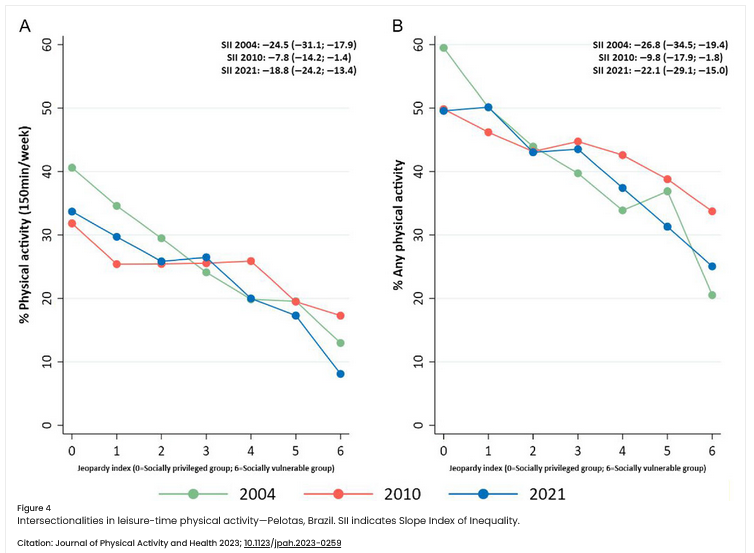
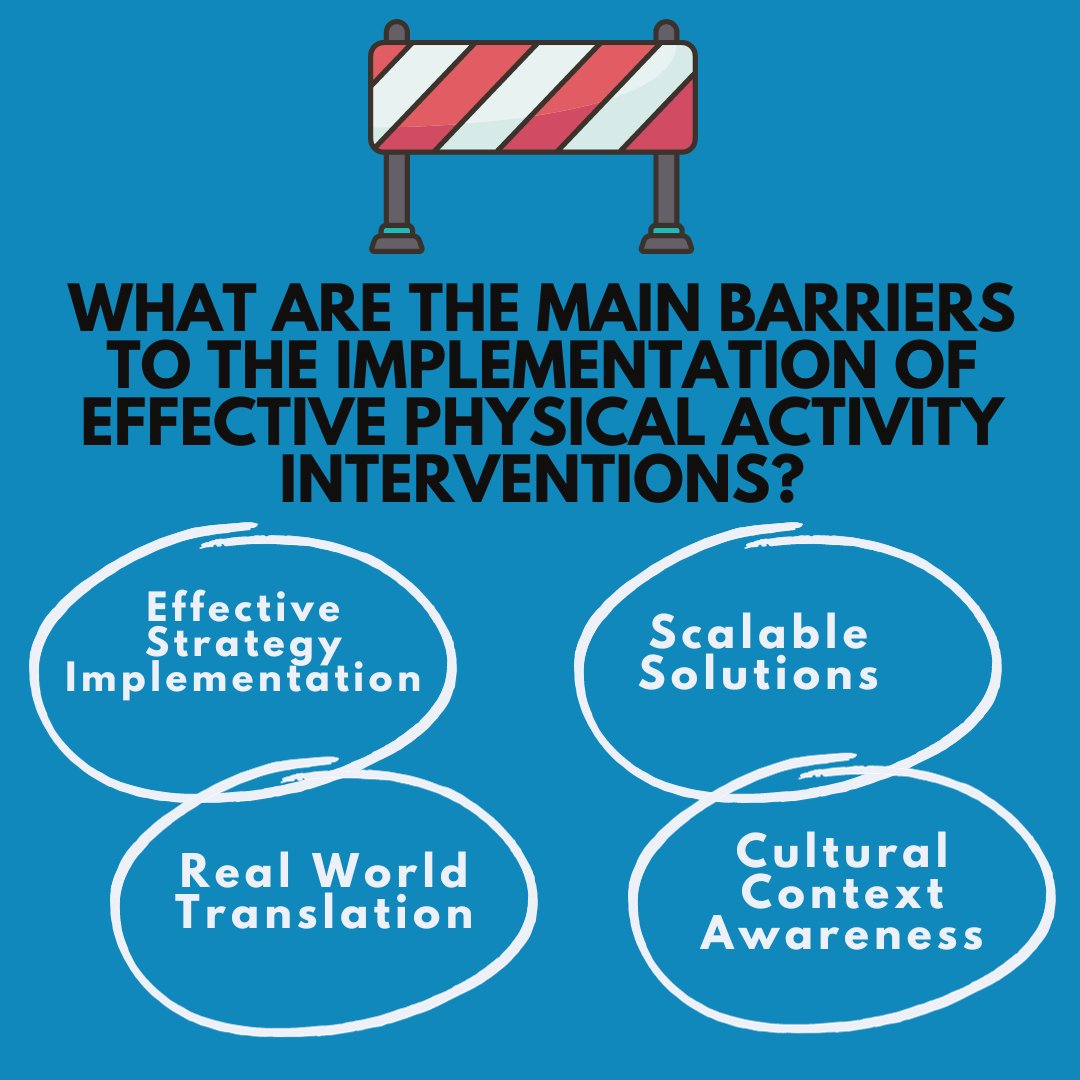
#NEW BJSM Blog: Can we predict who will respond positively to a physical activity intervention? 🧐 Assessing the relative intensity of a person’s daily physical activity may help identify people who are most likely to respond READ ➡️ bit.ly/3QkElla
British Journal of Sports Medicine (BJSM) tweet media
English
0
20
48
13.6K
Eleanor Quested retweetou
Dr Bryce Brickley
Dr Bryce Brickley@BryceBrickley·
Hegemonic masculinity and men's socialised gender roles make it challenging for men to discuss their mental health and seek help. Men's emotional disclosure is important, despite socio-cultural expectations. Timely article published right after R U OK? Day 🙂
Health Promotion Journal of Australia@HealthProm_J_Au

"Stop being a wuss: People's perceptions of men experiencing grief in Australia." Research should be targeted towards rectifying stigma resulting from men's expression of vulnerable emotions to create worthwhile public awareness initiatives. onlinelibrary.wiley.com/doi/10.1002/hp… @WileyHealth

English
0
1
2
294
Eleanor Quested retweetou
Jackson Fyfe, PhD
Jackson Fyfe, PhD@jacksonfyfe·
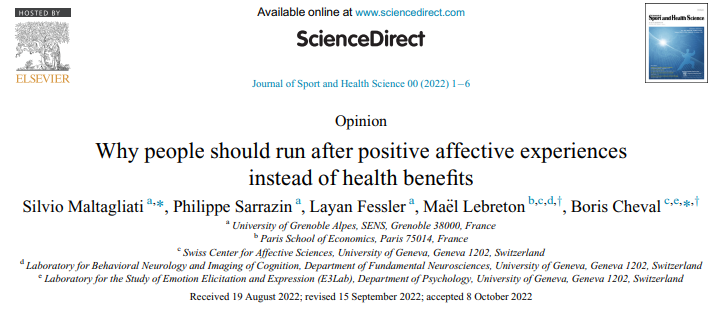
We’re told to exercise because it’s “good for us”. But are health benefits enough incentive for most people to exercise regularly? Truth is, most health benefits associated with exercise are both time-delayed and intangible. And both of these factors tend to devalue these benefits. Couple this with our tendency to: - Avoid effort - Prioritise immediate rewards, and - Play down our risk of future negative events For many, the short-term costs of exercise outweigh the long-term benefits. It’s tough to compete with other more sedentary options providing immediate rewards with minimal (or no) effort. Part of the solution? To increase our focus on the many short-term benefits of exercise - such as enhanced pleasure, mood, or enjoyment. If we don’t exercise for long-term health benefits, we should just because it can make us feel good. pubmed.ncbi.nlm.nih.gov/36334885/
Jackson Fyfe, PhD tweet media
English
19
84
358
70.2K
Eleanor Quested retweetou
UN Women
UN Women@UN_Women·
It's time to: ⚽ advance gender equality in football ⚽ prevent abuse and discrimination on and off the field ⚽ celebrate the skills & achievements of the teams & players Repost if you agree! #WomenInSport #FIFAWWC
UN Women tweet media
English
32
164
386
38.6K
Eleanor Quested retweetou
Mark Boyes
Mark Boyes@me_boyo·
Massive thanks to the #MRFF for funding our research. Our project aims to identify cost-effective early intervention targets to prevent #MentalHealth problems among children who struggle with language and literacy. Can't wait to get cracking! (health.gov.au/ministers/the-…)
English
10
9
54
7.4K
Eleanor Quested retweetou
Mike Brannan
Mike Brannan@BrannanM·
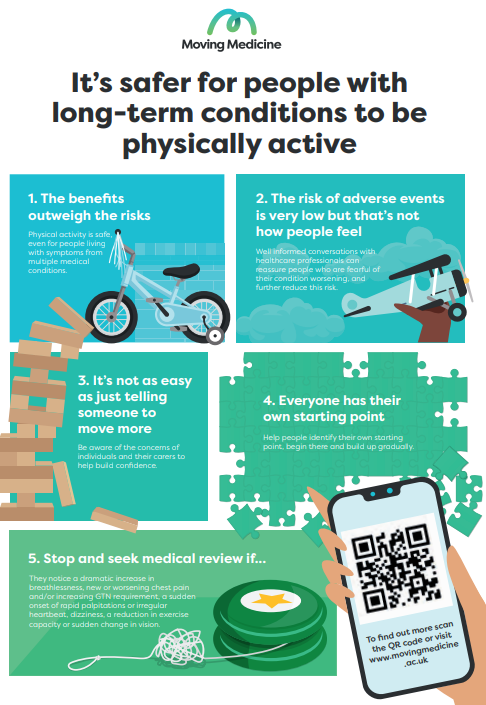
Agreed. This should be first line of every guidance on sport/physical activity. It was why we created the Consensus statement to reframe risk perception movingmedicine.ac.uk/riskconsensus/ Irrespective of LTC, inactivity damages your health & you can address it (+get other benefits)
Mike Brannan tweet media
Christopher Tuckett MCSP@HealthPhysio

♥️Love this phrasing: "For most people with a long term health condition. It is safer to be active than to be inactive." #PositiveRisk 🏊🏽‍♀️🏊🏾‍♀️🏊🏾‍♂️🏊🏿‍♂️🏊🏻‍♂️ #swimming HT- @scarlettmcnally swimming.org/justswim/thing…

English
2
39
73
10.8K