anti 🙂

4.2K posts

anti 🙂

anti 🙂

@Its_97c

Grandview Heights, OH Entrou em Nisan 2015
247 Seguindo78 Seguidores
Tweet fixado
anti 🙂
anti 🙂@Its_97c·
Every form of hatred is pathetic, but some can at least be rationalized. None is more pathetic or bizarre than hatred toward Islam. 99% of those who are fiercely hateful toward us know virtually nothing about Islam or Muslims. The remaining 1% those who actually know something about it and still hate us are individuals steeped in misunderstanding. And these people, who often consider themselves the most intelligent among the group, are routinely refuted by any Muslim who can actually read.
English
0
0
2
321
anti 🙂
anti 🙂@Its_97c·
As Muslim who believes he existed I’m telling you Mainstream academic historians and biblical scholars (in secular university settings, not just religious ones) widely agree on this: There is no direct archaeological or extra-biblical evidence for Abraham as a specific individual (no inscriptions, contemporary records, or artifacts naming him or confirming the exact details of his story Again Mainstream historians and biblical scholars do not have direct evidence for Abraham as a real historical individual
English
0
0
0
1
Brother Rachid الأخ رشيد
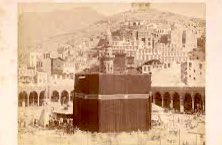
A challenge to Muslims: Can you provide any credible historical evidence that Mecca or the Kaaba existed before the 6th century? Not later traditions. Not religious claims. Actual contemporary historical records.
Brother Rachid الأخ رشيد tweet media
English
163
139
1.3K
94.2K
jo
jo@Jojopatriotgirl·
@Its_97c @BrotherRasheed We have historical evidence that the places he visited were actually there at the time of his travels. There have been archeological finds of these ancient places.
English
1
0
0
17
anti 🙂
anti 🙂@Its_97c·
@Mat_Polska03 @huguesdepayens3 @btbsoco Such title means a lot to us and the Jews too but it useless to you guys The title is associated with the ends of times woe to you Because when the liar comes all of you that worship a man will be in great danger than you already are
English
0
0
0
3
Bob of Speakers Corner
When I see a Muslim, I think to myself, he/she will make a great Christian one day, if he can be reached effectively.
English
50
28
367
6.8K
anti 🙂
anti 🙂@Its_97c·
No contemporary records, inscriptions, or artifacts mention an individual named Abraham doing any of this. He's unattested outside later biblical texts Biblical accounts and Quranic/Islamic traditions are religious texts, not neutral "historians' accounts." Historians require independent corroboration (inscriptions, contemporary documents, stratified digs) beyond self-referential scripture. Abraham's route having "real Bronze Age sites" is like saying Troy existed so the Iliad's gods and heroes must be literal history places can be real while the full story is mythologized.
English
2
0
0
21
jo
jo@Jojopatriotgirl·
@Its_97c @BrotherRasheed Actually we do have historical evidence. We have archeological evidence that the places where Abraham traveled existed during his time.
English
1
0
0
28
anti 🙂
anti 🙂@Its_97c·
Mashallah! Brother @RitchieRashid, congratulations on embracing Islam and becoming one of those who have found the truth, alhamdulillah. As a fellow Muslim, I'm truly happy for you and pray that Allah (SWT) keeps your heart firm on this deen, strengthens your iman every day May Allah bless you with peace, barakah in your life, and success both in this world and the Hereafter. May He make your journey as a Muslim easy and full of light, and reward your courage in choosing the straight path. Ameen. Welcome to the ummah, akhi. Keep strong 💪 ☪️
English
0
0
1
10
BG
BG@Abdxllahi·
Why are Christians so obsessed with Islam?
English
431
100
1.8K
198.9K
anti 🙂
anti 🙂@Its_97c·
The reality is, none of you truly follow it. The Jews did this with our beloved prophet. They asked him questions only a prophet would know when they were in doubt of his prophethood. They tested him in multiple ways some even resorted to poison. It’s the same thing with a Muslim who had no idea about the Bible and its stories. Past stories like Jonah and the whale, Moses and Pharaoh, and many other stories found in the Bible. These sound like fairy tales. To these new Muslims and the Prophet who had no idea about them at the time If you read the Quran in its entirety , you would know it’s a general confirmation
English
0
0
0
8
✞
@bornagainsteph·
Buddha died. Muhammad died. Krishna died. But Jesus Christ died and resurrected from the dead. That’s why I follow Christ.
English
1.2K
736
6.4K
387.9K
Mike
Mike@mrjc1·
@Its_97c @jibjab1874 @btbsoco Lol. You were refuted so now you’ve moved on to complaining. Jesus = Messiah = God Because Jesus is God, Allah is a false god and Muhammad is a false prophet who brought a false revelation.
English
1
0
0
13
anti 🙂
anti 🙂@Its_97c·
Christians have engaged in violence against those deemed heretics, pagans, or false prophets, which included individuals claiming to be divine or a new messiah Specially the Jews do you know how many prophets they erased and killed Mind you they hated Jesus and his mom That’s considered a severe spiritual offense and a form of blasphemy in many religious contexts because it involves using God's name to deceive, lying about divine revelation, and misleading believers. It is often described as a misuse of spiritual gifts for personal gain, popularity, or to promote a counterfeit message
English
1
0
0
12
Mike
Mike@mrjc1·
@Its_97c @jibjab1874 @btbsoco Lol. False claims aren’t blasphemy. You’re cooked. 🤣 Jesus said that He was the Messiah and blasphemy is reserved for insults and offenses toward God.
English
1
0
0
16
anti 🙂
anti 🙂@Its_97c·
@mrjc1 @jibjab1874 @btbsoco Jesus' "Son of Man" reply in Matt 26/Dan 7 isn't blasphemy for claiming divinity—it's a messianic title for a human-like figure given authority (not God Himself). Jews saw it as false messiah claim, not "I'm Yahweh."
English
1
0
0
18
Mike
Mike@mrjc1·
But the best example is Jesus at His trial before the Sanhedrin. In Matthew 26:63-66, Jesus is asked if He is the Christ/Messiah. Jesus replies using another Messianic passage from Daniel 7:13. The high priest then says that Jesus has committed blasphemy… because the Messiah is a Divine Person.
Mike tweet media
English
1
0
1
15
anti 🙂
anti 🙂@Its_97c·
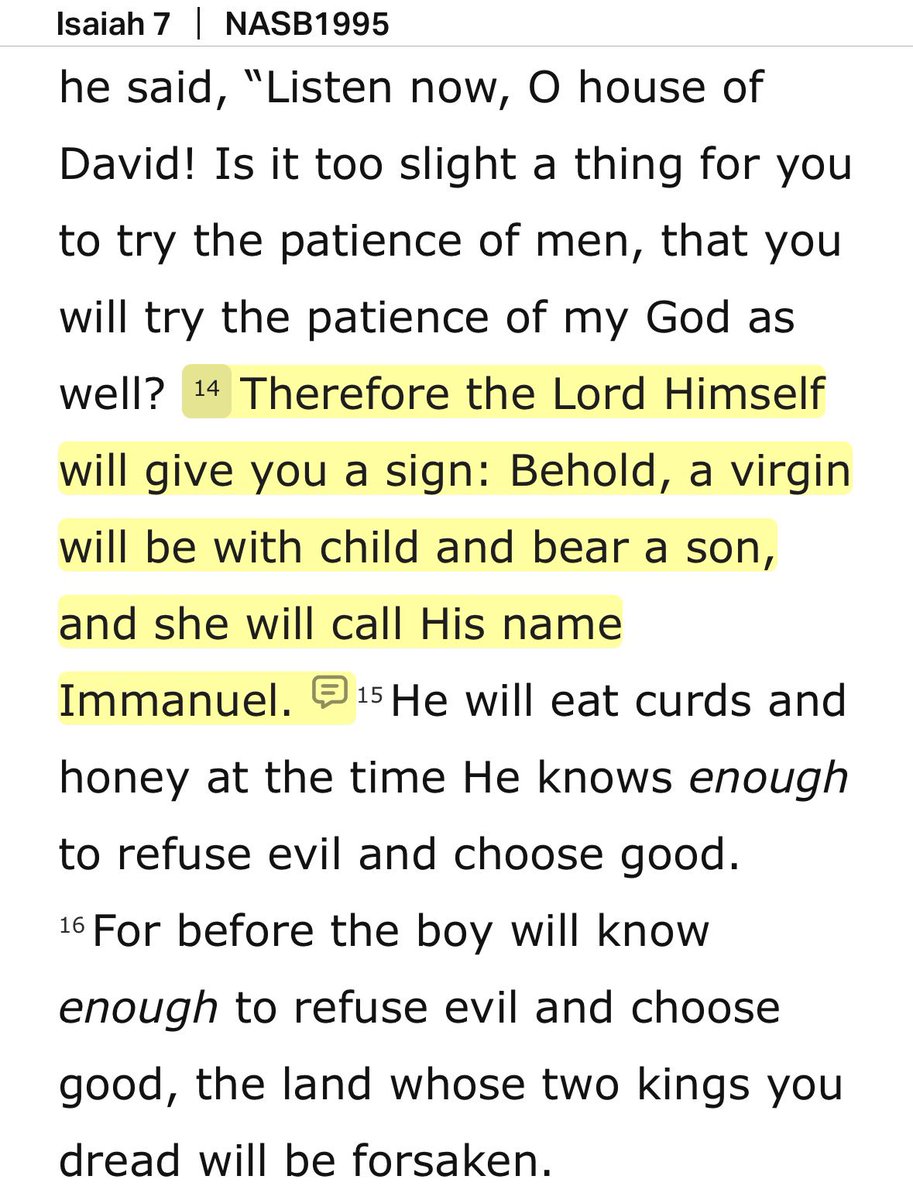
1. Immediate Historical Context (Not a Distant Messiah Prophecy) Isaiah 7 occurs during a specific political crisis around 734–733 BCE. King Ahaz of Judah faces invasion threats from two northern kings . Isaiah confronts Ahaz and says God will give a sign that these enemies will be defeated soon — within a few years, before a certain child grows old enough to "refuse the evil and choose the good" (Isaiah 7: The "sign" is tied directly to Ahaz's lifetime and the immediate threat. The land of the two kings would be "forsaken" (destroyed or abandoned) quickly. This is not presented as a prediction of a Messiah 700+ years later. The chapter (and surrounding ones) focuses on Judah's survival in the 8th century BCE, not a divine incarnation. Verses 15–17 continue with timelines about curds and honey (a symbol of desolation or normalcy) and further Assyrian involvement — all short-term events, not eternal theology about God becoming human. Calling this "the human appearing of God" ignores that the sign reassures a skeptical king about near-future military outcomes, not divinity claims. 2. The Word "Almah" Does Not Mean "Virgin" The Hebrew text of Isaiah 7:14 says: "Therefore the Lord himself will give you a sign. Behold, the young woman (ha'almah) shall conceive and bear a son, and shall call his name Immanuel." - 'Almah means a young woman of marriageable age (adolescent or young adult female). It appears elsewhere in the Hebrew Bible (e.g., Genesis 24:43 for Rebekah, Exodus 2:8 for Miriam, Song of Songs 1:3, 6:8, Proverbs 30:19) without requiring virginity. In Proverbs 30:19, it describes "the way of a man with a young woman" in a context implying sexual experience (leaving no trace, like other natural phenomena). The specific Hebrew word for virgin (someone who has not had sexual relations) is betulah. Isaiah knew and used this word elsewhere (e.g., Isaiah 23:12, 37:22, 47:1, 62:5). He did not use it here. Ancient Near Eastern culture assumed many unmarried young women were virgins, but 'almah itself does not specify sexual status it can include a newly married or betrothed woman who conceives normally. 3. No Clear Immediate Fulfillment as "God Appearing" Possible near-fulfillments in Isaiah's time include: - A child born to a young woman in the royal court or Isaiah's own circle (some link it to Isaiah's wife or another figure, though details are debated). - The name Immanuel appears again in Isaiah 8:8 and 8:10 as a symbolic assurance that "God is with us" amid threats not as a personal name proving divinity. - The timeline works for a child born soon after the prophecy: before he matures, the threats end (historically, the Assyrian empire handled the northern kingdoms). No one in Isaiah's day treated this child as divine or "God in human form." The prophecy functions as a sign of deliverance (God protecting Judah), not incarnation. Later Jewish tradition (and the Hebrew Bible's own usage) does not read Isaiah 7–11 as predicting a divine Messiah here; messianic ideas in Isaiah cluster more around chapters 9, 11, etc., with different emphases (a Davidic king bringing justice, not pre-existent divinity).
English
1
0
0
16
Mike
Mike@mrjc1·
@Its_97c @jibjab1874 @btbsoco And in Isaiah 7:14, the virgin birth and will call His name God with us. The human appearing of God.
Mike tweet media
English
1
0
1
24
anti 🙂
anti 🙂@Its_97c·
Look up the variations about that claim Jesus’ divinity evolved from a prophetic figure in earliest traditions to the pre-existent, co-equal Logos of God by the late 4th-century councils. That’s your religion If your claim is true Why are many early Church Fathers and prominent theologians held views later deemed heretical or controversial by the wider Church ? It’s because your doctrine was being defined. many lived during times of theological development, leading to views on the Trinity or Christology that were later deemed problematic Still today , Jesus never claimed to be god Everything yall say makes him a god another prophet has done that in the very Bible
English
0
0
4
26
Jemson
Jemson@JemsEFC·
@Its_97c @bornagainsteph retard Jesus lived in the first century eye witnesses say he's god yet 5 centuries later in Arabia you're Clown says he ain't god
English
2
0
0
38
anti 🙂
anti 🙂@Its_97c·
Read your books before making up things or simply ask google Your own Bible uses "messiah" (anointed one) for numerous figures—kings, priests, and prophets. the Old Testament and Jewish tradition identify many Messiah individuals, including Cyrus the Great, Aaron, and David. Are they gods now ?
English
3
0
0
32
Mike
Mike@mrjc1·
@Its_97c @jibjab1874 @btbsoco You do realize that by definition the Messiah is a fully Divine Person and the human appearance of God, right? Islam tries to redefine the Messiah. But… Jesus = Messiah = God
English
1
0
0
12
anti 🙂
anti 🙂@Its_97c·
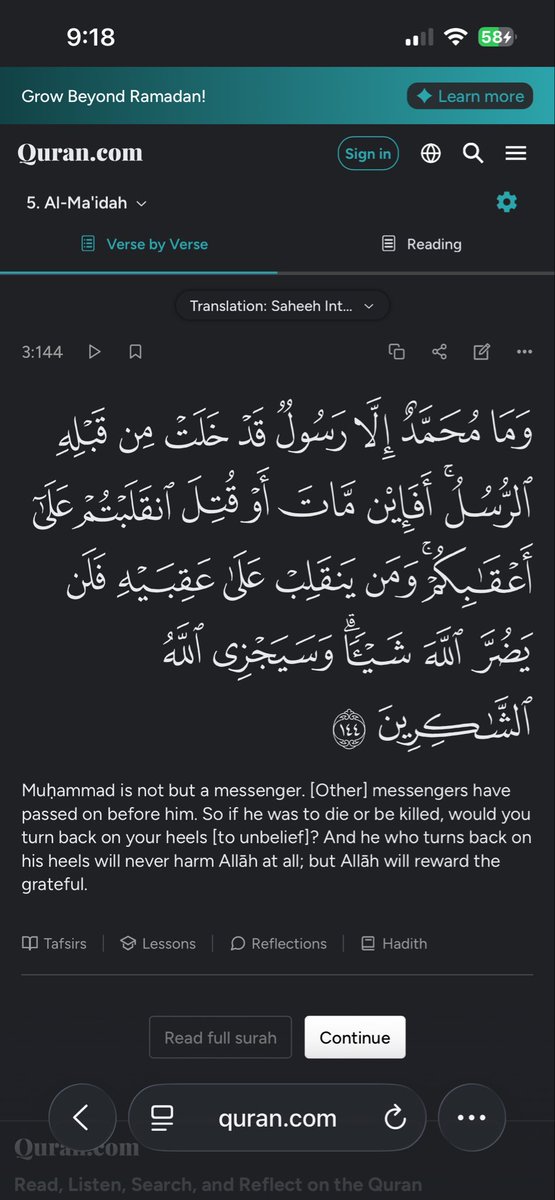
@JemsEFC @bornagainsteph What ? Not a single text or person says our prophet is god 1st century of Islam ? The first century of Islam (1–100 AH) corresponds roughly to 622–719 CE, while the fifth century of Islam (401–500 AH) corresponds roughly to 1009–1106 CE
anti 🙂 tweet media
English
1
0
6
73
Jemson
Jemson@JemsEFC·
@Its_97c @bornagainsteph laughable you're whole religion claim is 1 century eye witnesses say he's god retard 5 centuries later says he's just a prophet 😂 embarassing of a religion
English
1
0
1
80
anti 🙂
anti 🙂@Its_97c·
@IjazTheTrini May Allah grant you complete shifaa, ease your pain, and replace every moment of hardship with immense reward and closeness to Him. Ameen
English
0
0
5
344
Ustādh Ijaz
Ustādh Ijaz@IjazTheTrini·
Please don't forget that I literally almost died two months ago and I'm still trying to recover while being severely chronically ill. There are so many expectations of me, but the truth is with declining health, every day has become difficult for me. A task that would take me a few minutes, now takes a few hours, and so on. That's the reality, so please be patient with me.
English
15
35
353
7K
anti 🙂 retweetou
UFO Hunter
UFO Hunter@iamufohunter·
🚨 Never-before-seen clip of John F. Kennedy talking about disagreeing with Israeli policy. Why was this hidden ?
English
725
16.1K
39.2K
683.7K
anti 🙂
anti 🙂@Its_97c·
We Muslims hold Jesus in high regard as a major prophet and the Messiah, born of a virgin, but we do not accept the New Testament as fully the infallible word of God. While we share beliefs in his miracles and many things like his return etc , we reject his divinity, sonship as u describe it , crucifixion as u describe it The Quran does not call Christians "donkeys." It uses the metaphor of a donkey carrying books in 62:5 to describe those (specifically referencing a group entrusted with the Torah) who possess scripture but fail to understand or apply its teachings. The analogy focuses on knowledge without action, not an insult It’s true it has some unpleasant sayings about Christian but to assume that’s all it says it’s to be ignorant It also says many good things about Christians And places it along with Judaism in the grey area rather than in the black area where polytheists and other questionable faiths are placed in True Christian’s are described as Muslims
English
1
0
0
20
hugues depayens
hugues depayens@huguesdepayens3·
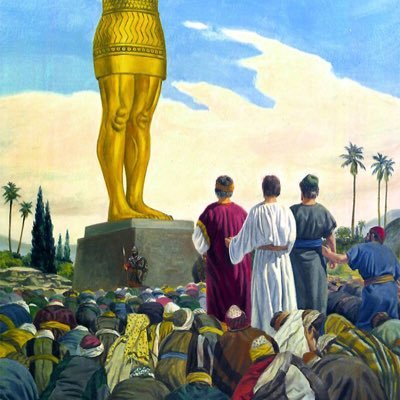
@Its_97c @btbsoco No they don't. The Quran considers Chritians&Jews as "Donkeys". And that's in the nice part.
hugues depayens tweet media
English
2
0
0
34
anti 🙂
anti 🙂@Its_97c·
6. The Gospels Are Straightforward, Harmonizable Historical Biographies with No Contradictions Popular readings treat the four Gospels as perfectly complementary eyewitness reports. In practice, they differ in details (e.g., order of events, resurrection accounts, genealogy in Matthew vs. Luke, timing of the temple cleansing). They are ancient bioi (Greco-Roman lives) with theological emphasis, not modern verbatim histories. Apparent discrepancies (e.g., who visited the tomb first, what was said at the ascension) require harmonization efforts that some scholars see as strained rather than obvious. 7. The New Testament Canon Was Clearly Fixed Early and Universally Accepted Many assume the 27 books were obvious and agreed upon from the beginning. The process took centuries; early Christians debated books like Hebrews, Revelation, James, 2 Peter, and others. Some included works later excluded (e.g., Shepherd of Hermas). Full consensus emerged gradually (4th century lists like Athanasius’). NT authors themselves didn’t explicitly list a “New Testament” canon — they quoted the Old Testament as Scripture and saw their own writings as authoritative in context. 8. Everything in the NT Applies Directly and Literally to Christians Today in the Same Way Christians sometimes treat the NT as a flat rulebook or timeless manual. In context, much addresses specific 1st-century situations (e.g., food sacrificed to idols, head coverings, slavery regulations, expectations of imminent return of Christ). Passages like the Jerusalem Council’s decrees or Paul’s instructions on marriage reflect cultural negotiation. Literal application without considering genre, audience, or covenant shift (old Law vs. new covenant) leads to inconsistencies (e.g., tithing as mandatory NT command — it’s not explicitly required the same way; or “do not judge” taken in isolation). 9. The Text of the New Testament We Have Today Is Essentially Identical to the Originals with No Significant Changes A common defense is that variants don’t affect doctrine. However, there are hundreds of thousands of textual variants across manuscripts (more than words in the NT in some counts), mostly minor (spelling, word order), but some meaningful (e.g., the longer ending of Mark, the woman caught in adultery in John, 1 John 5:7-8 Trinitarian formula). Most are unintentional scribal errors, but they show the text evolved in transmission before standardization. 10. Jesus and the Apostles Intended to Start “Christianity” as a New Religion Separate from Judaism The early movement saw itself as fulfillment within Israel (Jesus as Messiah for the Jews first). Paul’s Gentile mission and later developments created a distinct identity. The NT reflects a transition, not a fully formed “Christianity” from day one. Assumptions of a clean break ignore the Jewish roots and diversity in the earliest communities.
English
6
0
0
6
anti 🙂
anti 🙂@Its_97c·
These are Pauline ideologies And u assume these false things about ur religion 1. The New Testament Presents a Single, Unified Theology Many of u assume the NT is a seamless book with one consistent message from start to finish. In reality, it contains diverse voices: the Gospels emphasize the Kingdom of God, repentance, ethical living, and Jesus’ teachings aimed largely at Israel. Paul’s letters focus heavily on justification by faith apart from works of the Law, the cross/resurrection as central, and a mission to Gentiles. this creates real shifts — Jesus often stresses doing the Father’s will and keeping commandments (e.g., Matthew 5–7, 19), while Paul downplays Law observance for salvation (Galatians, Romans). James appears to counterbalance Paul on faith vs. works (James 2). The texts show development and occasional tension rather than perfect harmony. 2. Paul Simply Explains or Completes What Jesus Taught (No Real Difference) A widespread view is that Paul faithfully interprets Jesus without contradiction. However, Paul rarely quotes Jesus’ parables or Sermon on the Mount directly and centers his gospel on the meaning of the cross and faith in Christ’s death/resurrection for Gentiles. Jesus’ core proclamation was the imminent Kingdom with calls to radical discipleship and Torah observance interpreted through love/mercy. Paul’s emphasis on grace over Law (for justification) and his independence claim (Galatians 1) led to early conflicts, such as with Peter in Antioch (Galatians 2). Some scholars see Paul as adapting or transforming the message for a new context, not just “explaining” it. 3. The Original Apostles Fully Endorsed and Followed Paul’s Version Without Issue Christians often assume seamless unity between Paul and the Jerusalem apostles (Peter, James, John). The NT itself records public confrontation: Paul opposed Peter “to his face” for hypocrisy on Gentile table fellowship (Galatians 2). The Jerusalem Council (Acts 15) shows debate over whether Gentiles needed circumcision/Law observance. James and the “circumcision group” exerted pressure. While the council leaned toward inclusion, later scenes (Acts 21) reveal ongoing Jewish-Christian concerns about Paul allegedly teaching Jews to abandon Moses. Peter later affirms Paul but calls some of his writings “hard to understand” (2 Peter 3:15-16). Early Jewish-Christian groups (e.g., later Ebionites) reportedly rejected Paul as deviating from Torah-centered faith. 4. All NT Books Were Written by the Named Apostles or Eyewitnesses Traditional attribution assumes Matthew by the apostle Matthew, John by the apostle John, etc. Critical scholarship widely holds that many books are anonymous or pseudonymous: the Gospels are untitled in earliest manuscripts and likely written by later followers of the apostolic communities (Mark and Luke not claimed as eyewitnesses). Some Pauline letters (e.g., certain Pastorals) and others like 2 Peter are debated as later writings in Paul’s or Peter’s name. This doesn’t automatically mean forgery in ancient terms but challenges the idea of direct eyewitness authorship for everything. 5. The New Testament Was Written Very Early, Right After the Events, by Eyewitnesses Many picture the books as immediate records (within a few years). While some letters of Paul are early (50s CE), mainstream dating places the Gospels between ~70–100 CE (Mark possibly earlier, John later), decades after Jesus’ death (~30 CE). This allows time for oral tradition, theological reflection, and community shaping — not pure “instant biography.” Claims of very early dating (pre-70 CE for all) exist but are minority views against the consensus.
English
14
0
0
19