NASA Space Alerts

3.3K posts

NASA Space Alerts banner
NASA Space Alerts

NASA Space Alerts

@NASASpaceAlerts

@NASA official notifications on cosmic activity in near-Earth space including solar events, asteroids, comets, and meteors.

Washington, D.C. Entrou em Mart 2009
106 Seguindo1.2M Seguidores
NASA Space Alerts
NASA Space Alerts@NASASpaceAlerts·
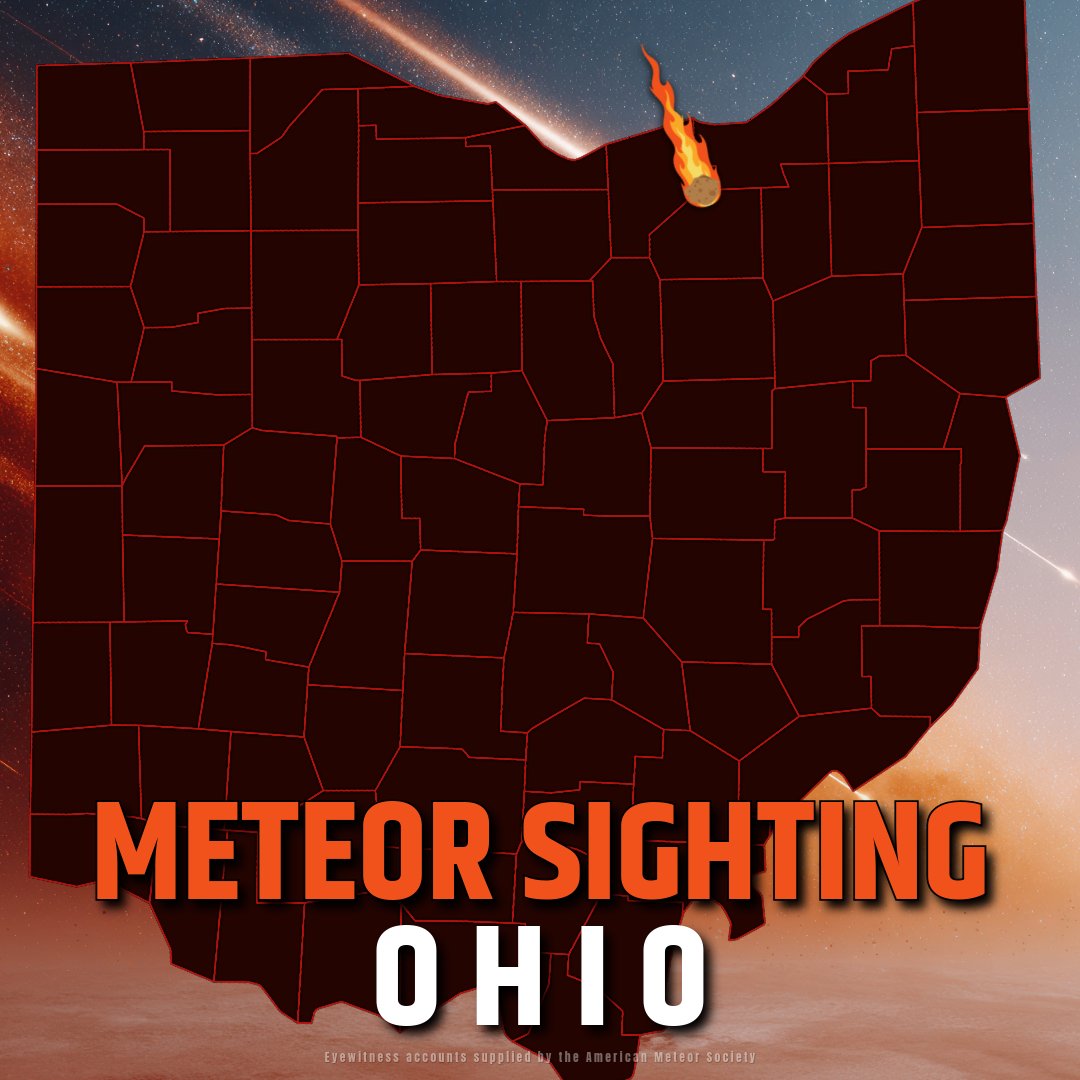
#MeteorSighting: A very bright daylight fireball was observed by witnesses from the northeast U.S. and Canada this morning, March 17. An analysis of currently available data places first visibility of the meteor above Lake Erie. The fireball - caused by a small asteroid nearly 6 feet in diameter and weighing about 7 tons - moved southeast at 45,000 mph before fragmenting over Valley City. The fragments continued on to the south, producing meteorites in the vicinity of Medina County, Ohio. 🔗 go.nasa.gov/4bcMwMg Eyewitness accounts supplied by the American Meteor Society
NASA Space Alerts tweet media
English
161
672
3K
475.5K
NASA Space Alerts
NASA Space Alerts@NASASpaceAlerts·
It’s #SunDay! Here’s your space weather report for the week of March 6 - March 12: •0 M-class flares •2 C-class flares •27 coronal mass ejections •0 geomagnetic storms This video from NASA’s Solar Dynamics Observatory (SDO) shows the week’s activity. Another pretty quiet week on the Sun. Like last week, we’re ending with another large coronal hole stretching across the Sun, seen here as a dark “stripe” running diagonally from the upper right to bottom left.
English
39
215
836
27.7K
NASA Space Alerts
NASA Space Alerts@NASASpaceAlerts·
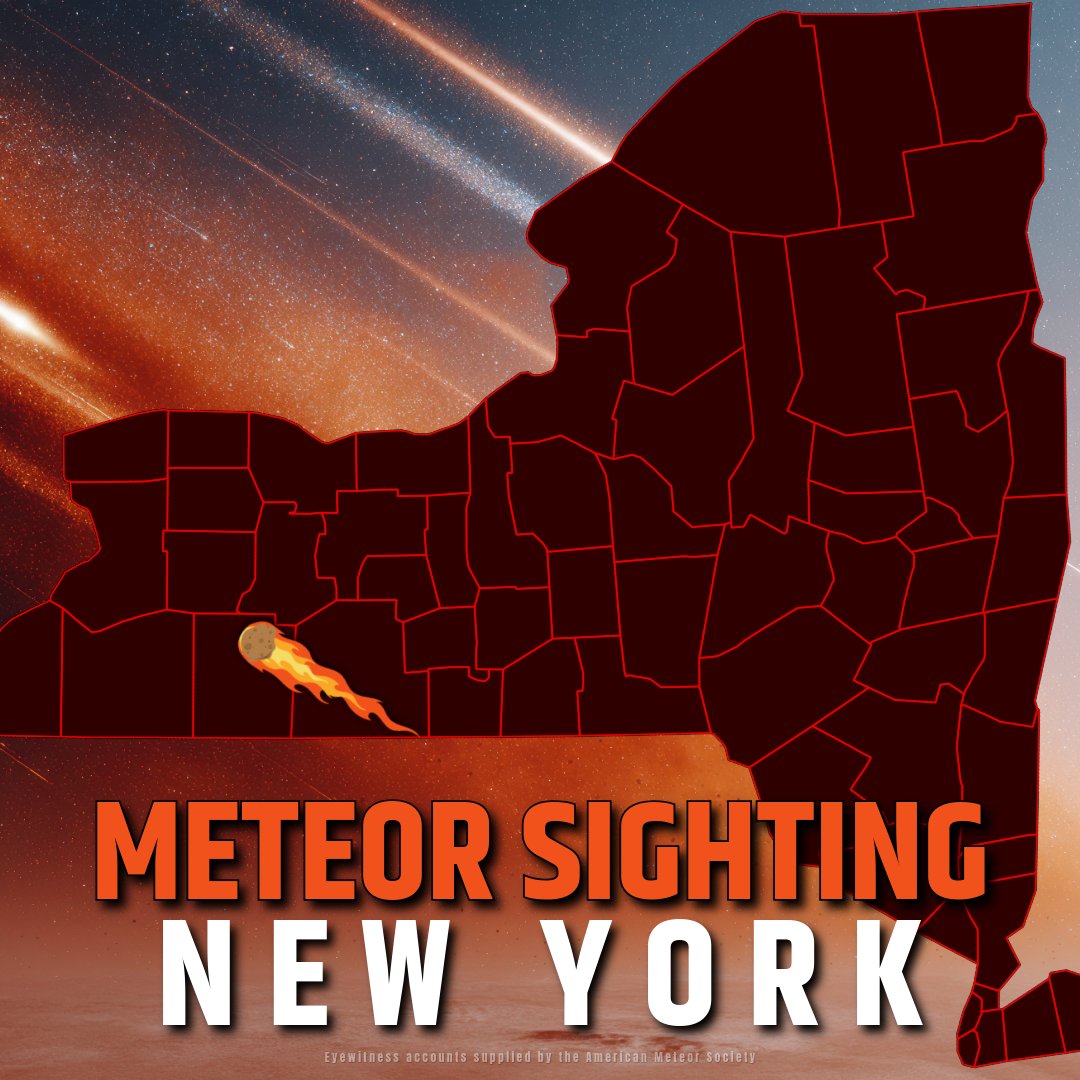
#MeteorSighting: A fireball was observed by witnesses early this morning, March 11. The meteor became visible over Rathbone, New York, moving northwest at 46,000 mph before disintegrating above the town of West Almond on Interstate 86. 🔗 go.nasa.gov/47qniYk Eyewitness accounts supplied by the American Meteor Society
NASA Space Alerts tweet media
English
13
58
197
12.6K
NASA Space Alerts
NASA Space Alerts@NASASpaceAlerts·
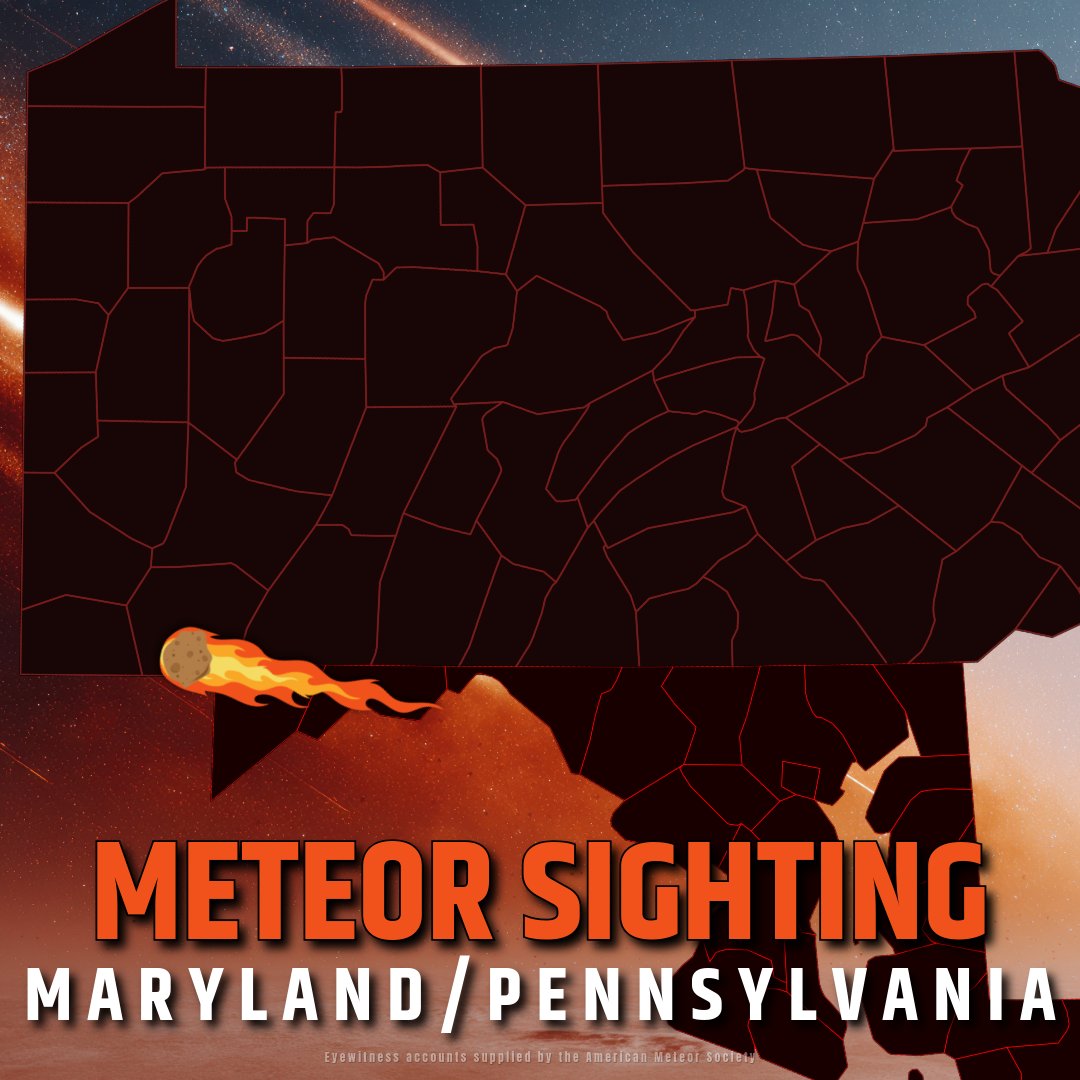
#MeteorSighting: A fireball was observed by witnesses in several northeastern states and Canada on the night of March 8. It was also confirmed by numerous meteor cameras in our NASA Fireball Network. The meteor became visible over Paw Paw, Maryland, moving northwest at 62,000 mph before disintegrating above Point Marion, Pennsylvania. 🔗go.nasa.gov/4cCMWwA Eyewitness accounts supplied by the American Meteor Society
NASA Space Alerts tweet media
English
12
80
338
19.6K
NASA Space Alerts
NASA Space Alerts@NASASpaceAlerts·
It’s #SunDay! Here’s your space weather report for the week of Feb. 27 - March 5: •0 M-class flares •3 C-class flares •28 coronal mass ejections •0 geomagnetic storms This video from NASA’s Solar Dynamics Observatory (SDO) shows the week’s activity. It was a fairly quiet week, despite several new active regions rotating onto the Earth-facing side of the Sun. A minor geomagnetic storm is possible tonight, which may produce auroras visible from the northern United States. The source is a coronal hole that has aligned with Earth. Coronal holes are darker, lower density regions on the Sun where fast solar wind escapes. We talked more about them in a post last month! x.com/NASASpaceAlert…?
English
14
142
474
20.4K
NASA Space Alerts
NASA Space Alerts@NASASpaceAlerts·
☄️We're happy to announce that on Dec. 22, 2032, asteroid 2024 YR4 will sail by the Moon at a distance of 13,200 miles based on new data from @NASAWebb. Our Planetary Defense Program has tracked this potentially hazardous asteroid since late 2024. go.nasa.gov/4bcbfz5
English
15
99
438
31K
NASA Space Alerts
NASA Space Alerts@NASASpaceAlerts·
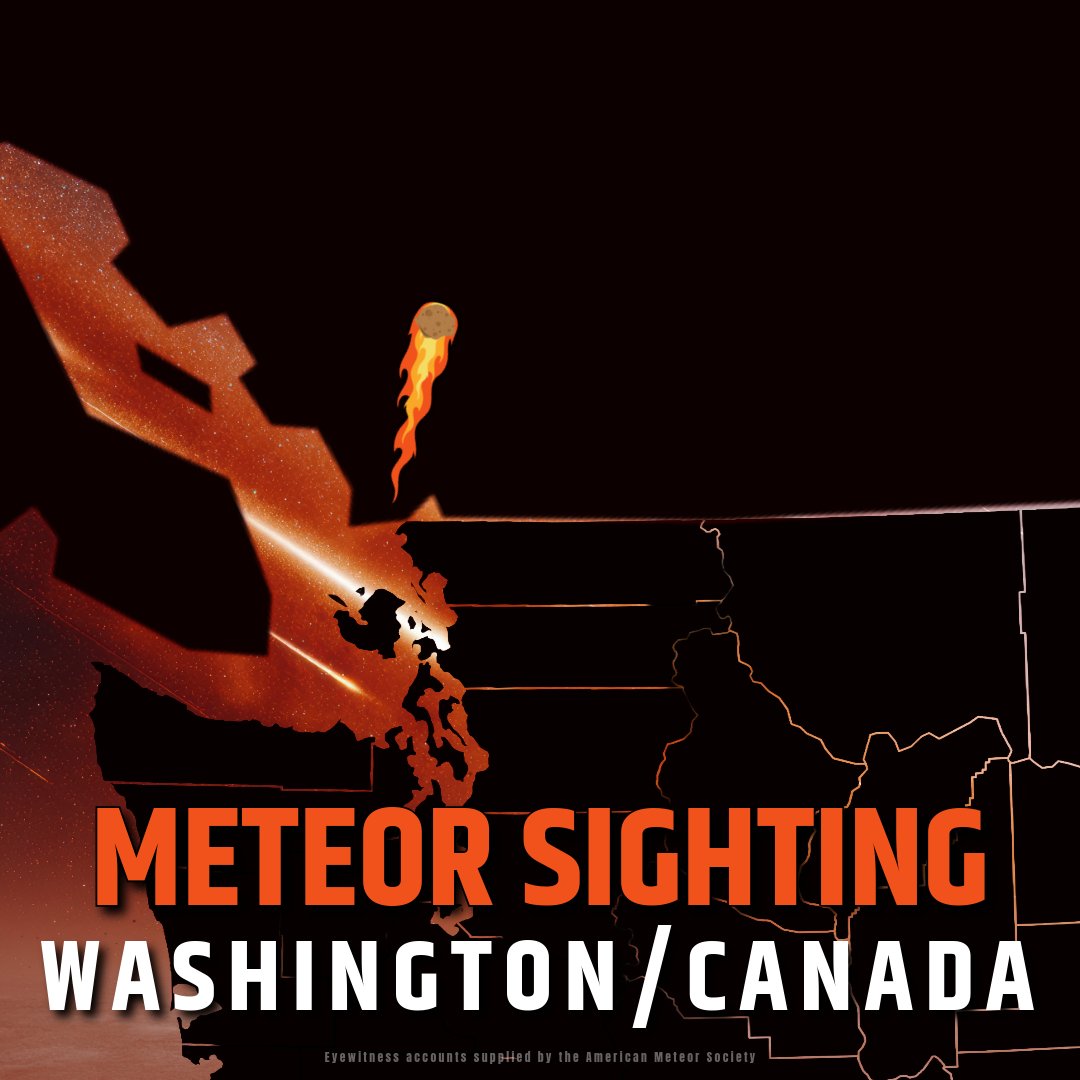
#MeteorSighting: A fireball was observed by witnesses in Washington and the British Columbia, Canada, on the night of March 3. The meteor became visible over Coquitlam, BC, moving northeast at 75,000 mph before disintegrating above Greenmantle Mountain. 🔗go.nasa.gov/4u7Ms7M Eyewitness accounts supplied by the American Meteor Society
NASA Space Alerts tweet media
English
19
99
463
42.5K
NASA Space Alerts
NASA Space Alerts@NASASpaceAlerts·
#MeteorSighting: A fireball was observed by witnesses in Arkansas, Louisiana, Mississippi, and Texas on the night of Mar. 2. The meteor appeared 48 miles above the town of Chickasaw in northeastern Louisiana and traveled west at 30,000 miles per hour for 41+ miles before disintegrating above the Georgia Pacific Wildlife Management Area. 🔗go.nasa.gov/4rdXVQL Eyewitness accounts supplied by the American Meteor Society
NASA Space Alerts tweet media
English
5
37
186
10.4K
NASA Space Alerts
NASA Space Alerts@NASASpaceAlerts·
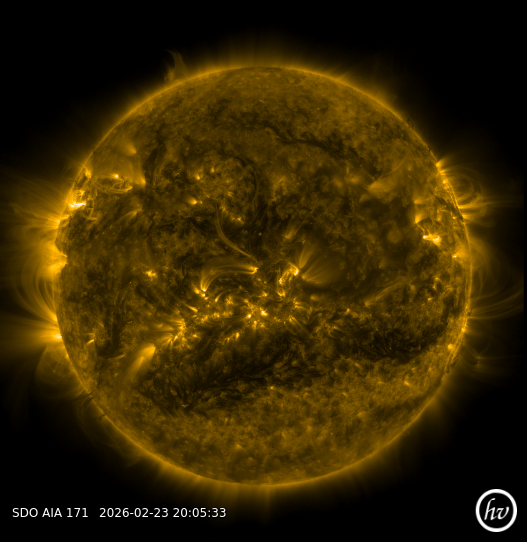
Active regions and sunspots often go together, but not always. Sunspots form on the solar surface, and we see them in visible light. Active regions (like those in the video above) show up in extreme ultraviolet light and form in the Sun’s upper atmosphere. Here’s two different views captured by SDO just a few seconds apart. At left is the Sun’s surface in visible light. At right, the Sun’s upper atmosphere in extreme ultraviolet light. Hard to tell that that’s the same Sun!
NASA Space Alerts tweet mediaNASA Space Alerts tweet media
English
0
7
54
5.4K
NASA Space Alerts
NASA Space Alerts@NASASpaceAlerts·
It’s #SunDay! Here’s your space weather report for the week of Feb. 20 - 26: •1 M-class flare •2 C-class flares •27 coronal mass ejections •0 geomagnetic storms This video from NASA’s Solar Dynamics Observatory (SDO) shows the week’s activity. A pretty quiet week, partly due to the absence of sunspots on the Sun.👇
English
23
103
435
14.9K
NASA Space Alerts
NASA Space Alerts@NASASpaceAlerts·
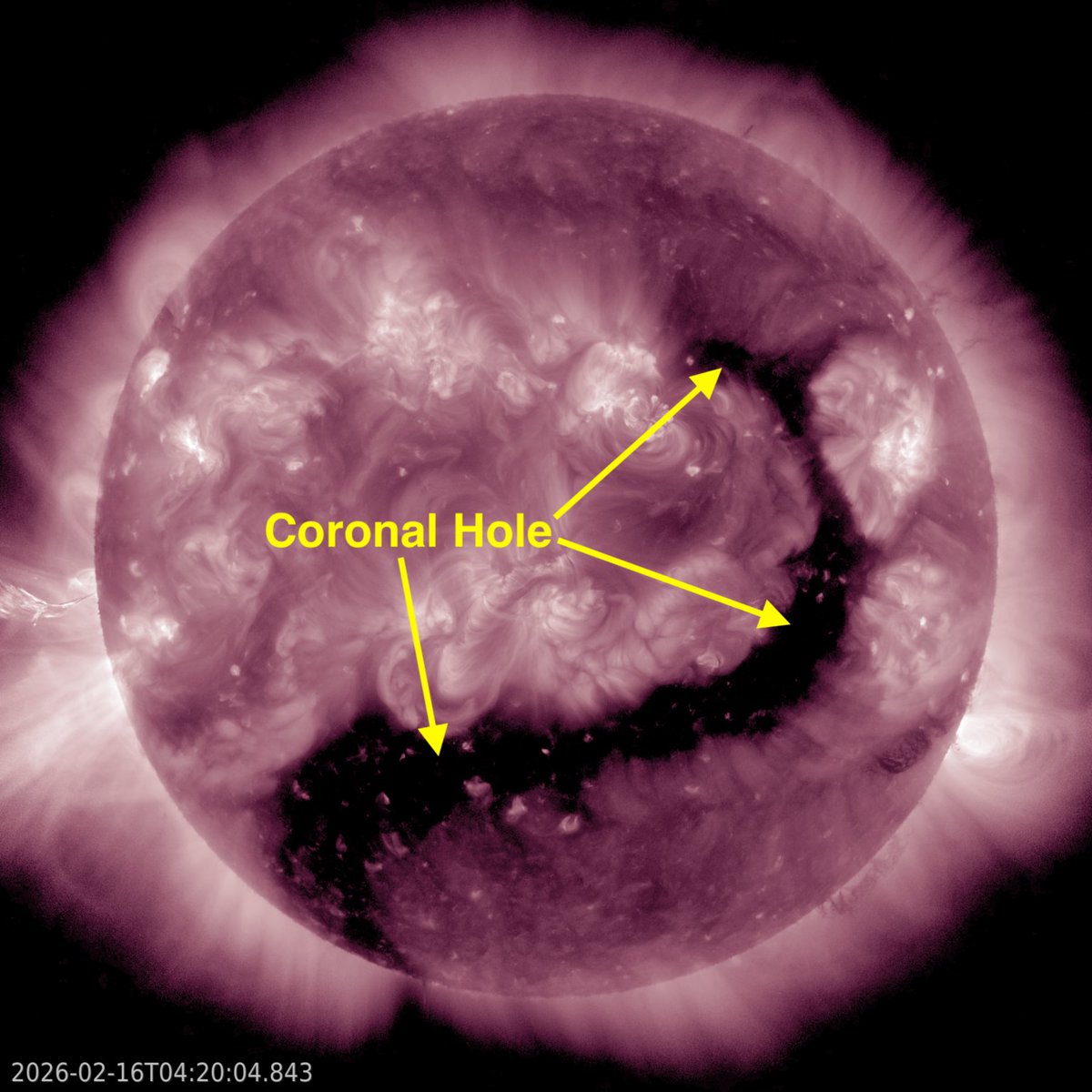
This image shows the coronal hole as it appeared on Feb. 16 in the 211-angstrom wavelength from NASA’s Solar Dynamics Observatory. This channel highlights solar material at temperatures of about 3.6 million degrees Fahrenheit (2 million degrees Celsius). Coronal holes are darker, cooler regions in the Sun’s outer atmosphere, known as the corona. In these areas, the Sun’s magnetic field opens outward into space rather than looping back to the solar surface. These open magnetic field lines allow charged particles to escape more easily, producing fast-moving streams of solar wind. When a high-speed solar wind stream reaches Earth, it can compress Earth’s magnetic field and enhance geomagnetic activity, sometimes leading to geomagnetic storms. 📸 SDO/Alex Young
NASA Space Alerts tweet media
English
0
17
99
6.3K
NASA Space Alerts
NASA Space Alerts@NASASpaceAlerts·
It’s #SunDay! Here’s your space weather report for the week of Feb. 13 - 19: •2 M-class flares •2 C-class flares •40 coronal mass ejections •1 geomagnetic storm This video from NASA’s Solar Dynamics Observatory (SDO) shows the week’s activity. This week’s moderate (G2 class) geomagnetic storm on Feb. 16 lit up auroras as far south as New York and Wisconsin. The storm was caused by a high-speed stream of solar wind flowing from a massive coronal hole on the Sun, which you can partly see in this video but is best seen in a different wavelength channel from SDO. 👇
English
15
114
436
15.1K
NASA Space Alerts
NASA Space Alerts@NASASpaceAlerts·
It’s #SunDay! Here’s your space weather report for the week of Feb. 6 - 12: •9 M-class flares •1 C-class flare •30 coronal mass ejections •0 geomagnetic storms This video from NASA’s Solar Dynamics Observatory (SDO) shows the week’s activity. After a very “eruptive” last week, the Sun has calmed back down a bit. The active region responsible for last week’s torrent of flares — AR4366 — still produced all of this week’s M-class flares, but has not produced any more X-class flares so far. It rotates off of the Sun’s Earth-facing disk about half-way through the video.
English
27
212
871
36K
NASA Space Alerts
NASA Space Alerts@NASASpaceAlerts·
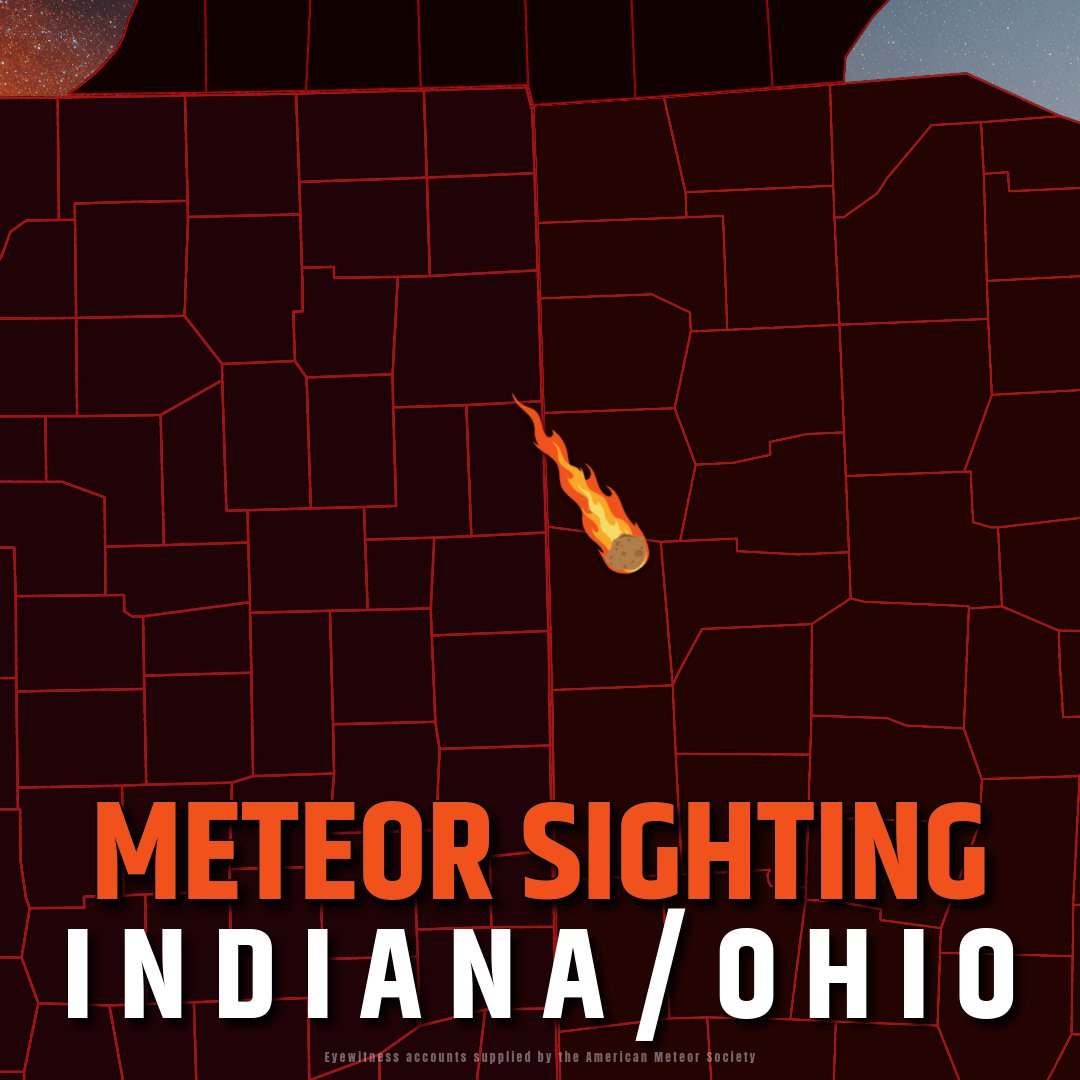
#MeteorSighting: A fireball was observed by witnesses in Illinois, Indiana, Kentucky, Ohio, and Wisconsin the evening of Feb. 10. It was first spotted above Trinity, Indiana, and traveled 48 miles before disintegrating above the town of Laura, Ohio. 🔗 go.nasa.gov/3O3hspc Eyewitness accounts supplied by the American Meteor Society
NASA Space Alerts tweet media
English
9
126
512
44K
NASA Space Alerts
NASA Space Alerts@NASASpaceAlerts·
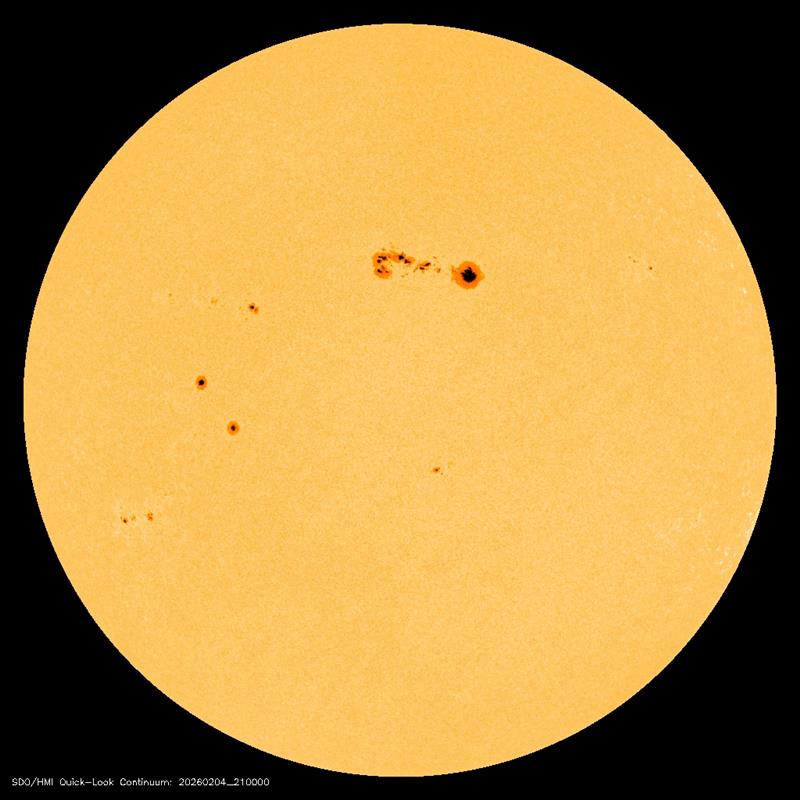
When seen in visible light, this active region is a large and peculiar looking sunspot group. Here's the view from SDO's HMI filter, which images a wavelength of visible light used to study the Sun's photosphere, or visible surface, captured on Feb. 4. Many have compared it to a sideways question mark. What do you see?
NASA Space Alerts tweet media
English
2
11
74
5.8K
NASA Space Alerts
NASA Space Alerts@NASASpaceAlerts·
It’s #SunDay! Here’s your space weather report for the week of Jan. 30 – Feb 5: - 72 M-class flares (!) - 6 X-class flares - 33 coronal mass ejections - 0 geomagnetic storms This video from NASA’s Solar Dynamics Observatory (SDO) shows the week’s activity. SDO ended its Earth eclipse period this week just in time for an uninterrupted view of a barrage of solar flares! This week, one active region in particular — AR4366, which rotates onto the Earth-facing disk of the Sun at the beginning of this video — unleashed a whopping six X-class flares this week, and all but three of this week’s 72 M-class flares. This one is worth a watch!🤩
English
22
194
763
33.4K
NASA Space Alerts
NASA Space Alerts@NASASpaceAlerts·
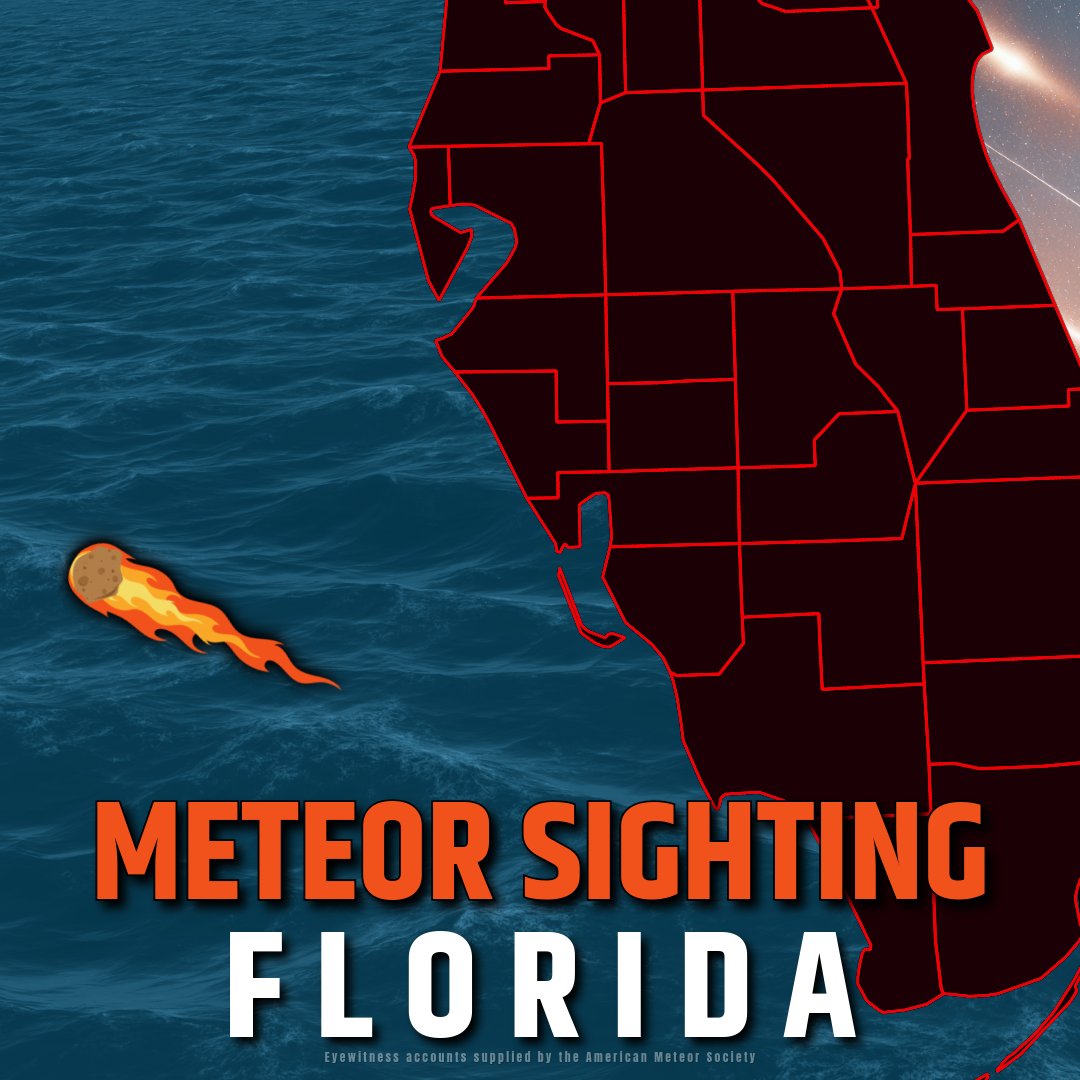
#MeteorSighting: A fireball was observed over Florida the night of Feb. 2. It was first spotted west of Bonita Springs and traveled 60 miles northwest before disintegrating. Read more: go.nasa.gov/4qlHzFl Eyewitness accounts supplied by the American Meteor Society
NASA Space Alerts tweet media
English
15
66
310
22K
NASA Space Alerts
NASA Space Alerts@NASASpaceAlerts·
To see how such space weather may affect Earth, check out @NWSSWPC, the U.S. government’s official source for space weather forecasts, watches, warnings, and alerts.
English
0
11
112
17.3K
NASA Space Alerts
NASA Space Alerts@NASASpaceAlerts·
Solar flares are powerful bursts of radiation. Harmful radiation from a flare cannot pass through Earth’s atmosphere to physically affect humans on the ground. However — when intense enough — they can disturb the atmosphere in the layer where GPS & communications signals travel.
English
8
18
188
19.5K
NASA Space Alerts
NASA Space Alerts@NASASpaceAlerts·
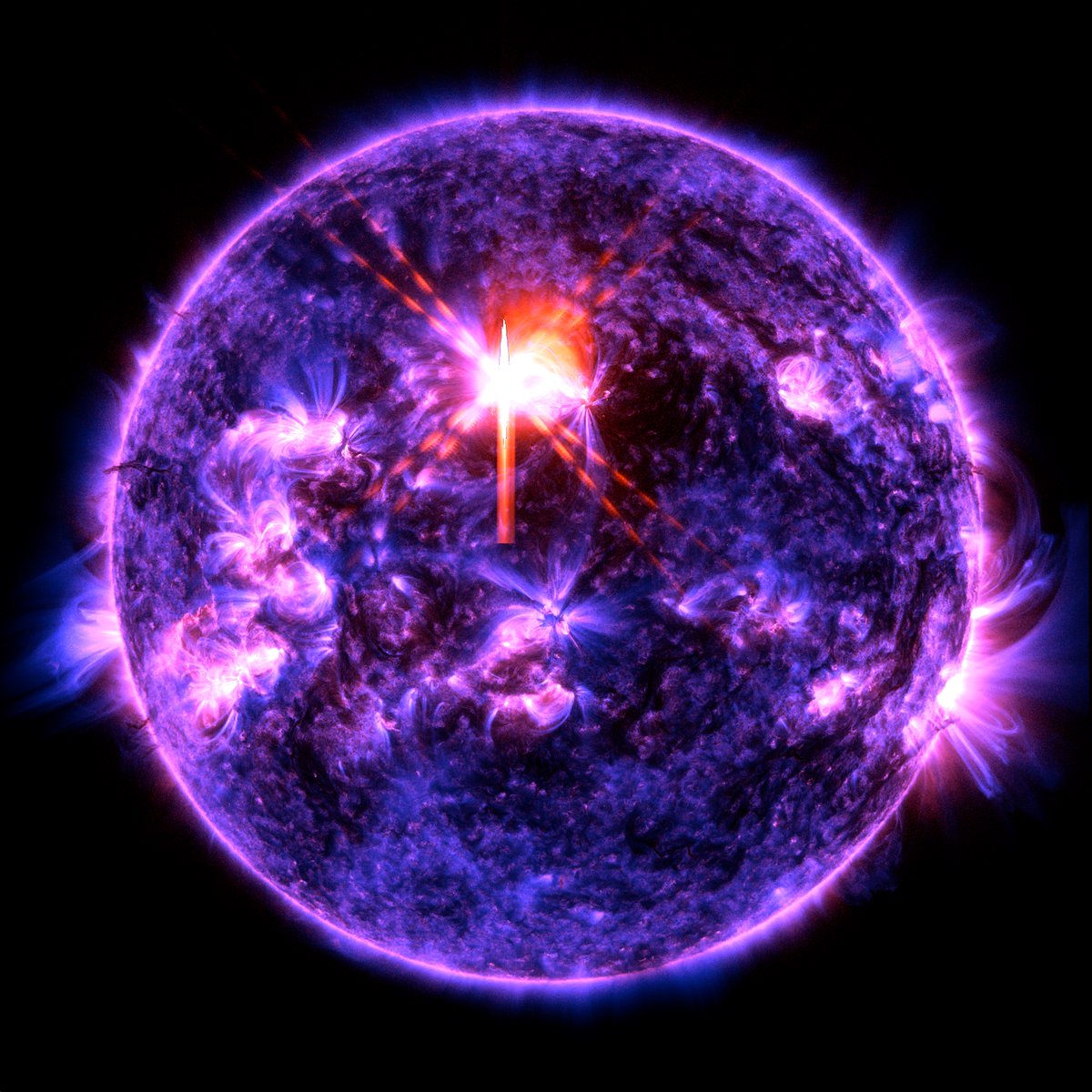
The Sun emitted a strong solar flare on Feb. 4, peaking at 7:13 a.m. ET. NASA’s Solar Dynamics Observatory captured an image of the event, which was classified as X4.2: go.nasa.gov/4keOT49
NASA Space Alerts tweet media
English
136
1.4K
6.6K
548.5K