Who Was That Masked Man?🇺🇸🦅

48.8K posts

Who Was That Masked Man?🇺🇸🦅 banner
Who Was That Masked Man?🇺🇸🦅

Who Was That Masked Man?🇺🇸🦅

@WasMasked

Communicators: Jesus= Parables; Twain= Humorous and Sardonic Storytelling; JFK= Eloquence, Optimism, and Call to Action Speeches and @WasMasked= Sarcasm & Memes

Entrou em Şubat 2019
6.7K Seguindo3.3K Seguidores
PoliticsVideoChannel
PoliticsVideoChannel@politvidchannel·
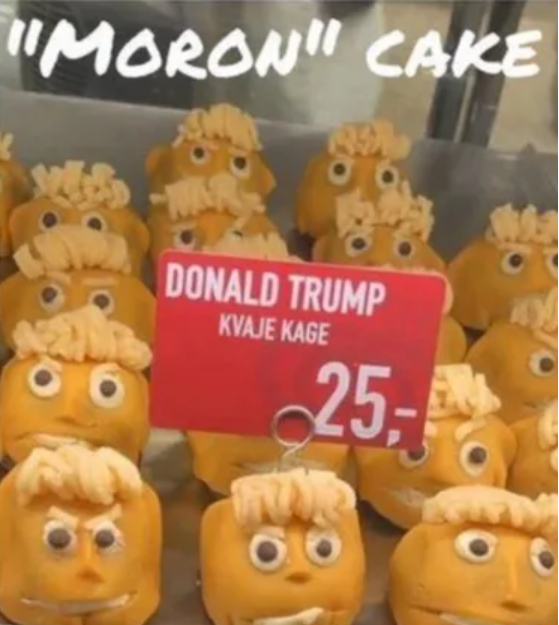
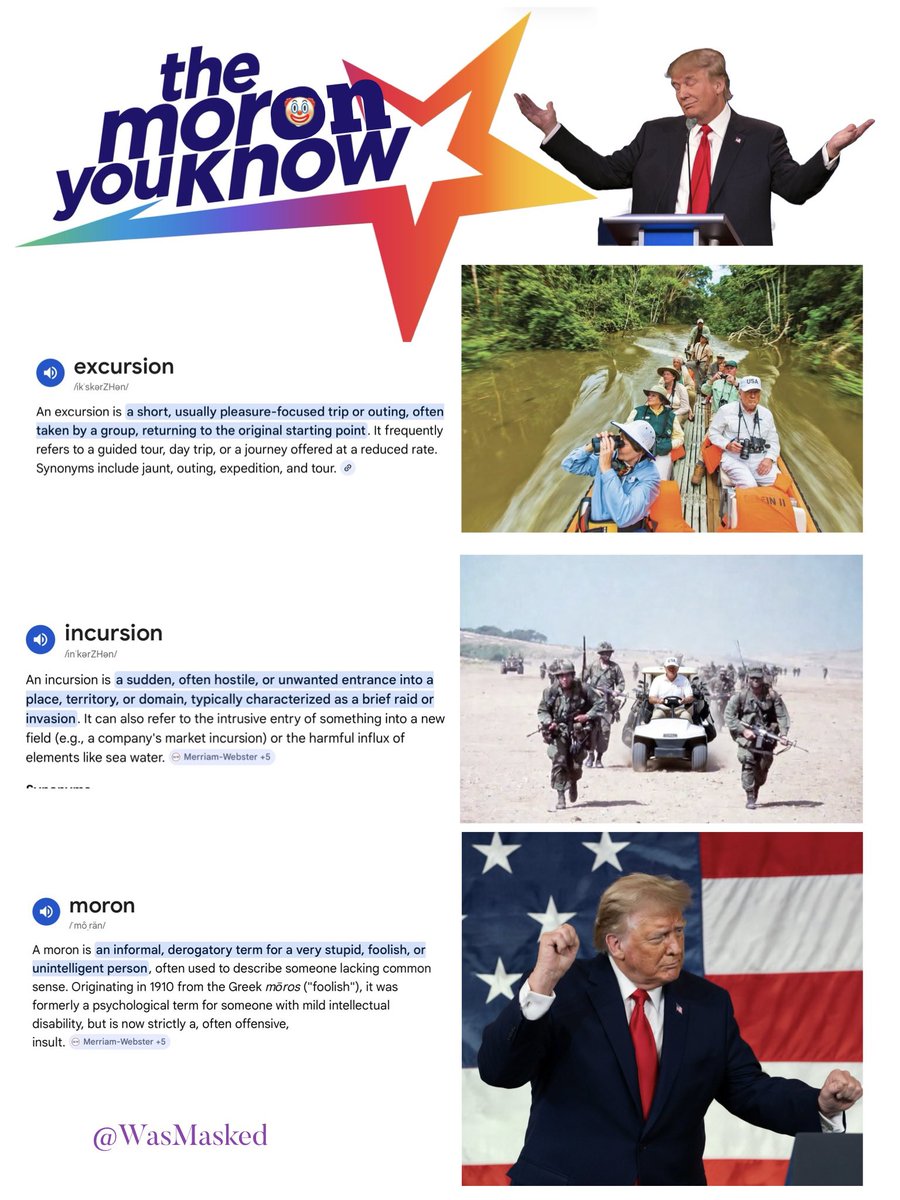
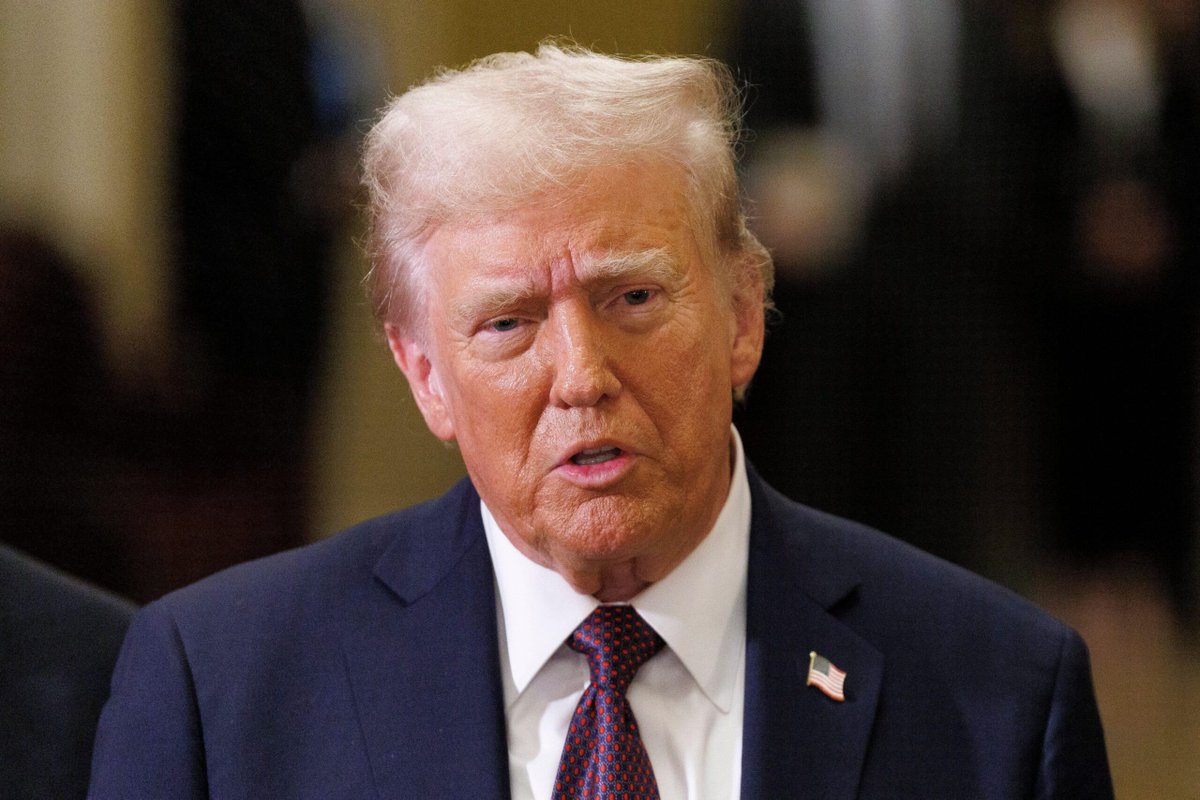
BREAKING: bakeries across Denmark have started selling bright orange Donald Trump ‘moron’ cakes
PoliticsVideoChannel tweet mediaPoliticsVideoChannel tweet media
English
93
823
3.5K
113.3K
Who Was That Masked Man?🇺🇸🦅 retweetou
Shanaka Anslem Perera ⚡
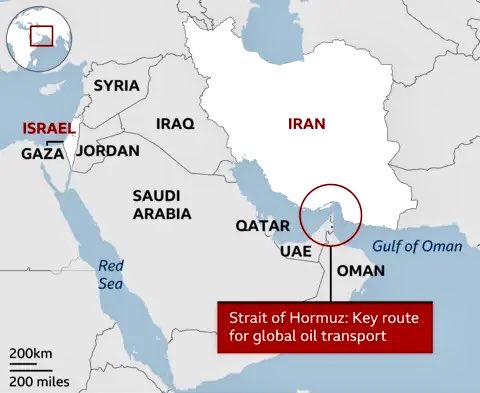
The war in the Strait of Hormuz will reach your local pharmacy within six weeks. Not because your pharmacist follows geopolitics. Because the active pharmaceutical ingredients in roughly half of America’s generic prescriptions begin as petrochemical derivatives manufactured in India, and India’s petrochemical industry begins as crude oil that transited 21 miles of water that closed on March 4. Nearly 70 percent of the active ingredients in US generic drugs are produced in India. India imports approximately 40 percent of its crude oil through the Strait of Hormuz. The crude feeds refineries that produce naphtha. The naphtha feeds petrochemical crackers that produce intermediates. The intermediates feed pharmaceutical plants in Gujarat, Maharashtra, and Hyderabad that produce the API, the active pharmaceutical ingredient, that is shipped to contract manufacturers in the United States, Europe, and across Asia. The chain from the strait to the tablet is six steps long. Every step requires the one before it. CNBC reported that the Hormuz closure puts America’s generic drug supply at risk. Fierce Pharma warned of longer-term effects on US manufacturing and generics. Think Global Health mapped the pharmaceutical supply chains most vulnerable to disruption. The consensus across trade publications, health policy analysts, and industry executives is identical: four to six weeks of current inventory exists in the pipeline. After that, shortages begin with the most complex formulations first. Cancer drugs are the highest risk. Biologics requiring cold-chain storage have the shortest shelf life and the longest replenishment cycle. Clinical trial medications depend on uninterrupted supply chains that are now interrupted. Insulin analogues, antivirals, and cardiac medications all contain intermediates sourced from Indian manufacturers whose input costs are rising with every day the strait remains closed. Air cargo is the emergency bypass. But air freight rates from India have climbed 200 to 350 percent on some routes since the war began, according to logistics tracking firms. Gulf air capacity is down 79 percent because airports in the UAE, Kuwait, and Qatar have been damaged or operate under restricted conditions. The Suez Canal route adds 10 to 14 days to maritime shipping times. The Cape of Good Hope route adds 21 to 28 days. Both alternatives assume the Red Sea remains navigable, which the Houthi threat has complicated since 2024. The World Health Organisation reported a 70 percent funding gap for its operational response in the region. Medical supply chains to Iran itself have been devastated, with hospitals reporting shortages of surgical supplies, blood products, and anaesthetics. But the downstream pharmaceutical effect extends far beyond the war zone. Every Indian manufacturer that pays more for crude pays more for naphtha, pays more for intermediates, and passes the cost forward into API prices that American generic drug companies absorb until they cannot absorb any further. The molecule does not know it is a medicine. The strait does not know it is a pharmacy. The petrochemical derivative that becomes a blood pressure tablet transits the same water as the petrochemical derivative that becomes a fertiliser pellet. Both are trapped. Both have shelf lives. Both have planting windows or prescription refill cycles that do not negotiate with blockades. Six weeks. Then the pharmacy starts calling patients about substitutions. open.substack.com/pub/shanakaans…
Shanaka Anslem Perera ⚡ tweet media
Shanaka Anslem Perera ⚡@shanaka86

Your paracetamol is made from oil. The phenol comes from a cumene process that starts with naphtha. The naphtha comes from a refinery. The refinery’s feedstock transits the Strait of Hormuz. Ninety-nine percent of pharmaceutical feedstocks, solvents, reagents, and packaging are petrochemical-derived. The American Gas Association confirmed it. The medicine cabinet is the sixth layer of the Hormuz crisis and nobody is talking about it. The war started with uranium. It moved to oil. Then fertiliser. Then water. Then plastic. Now medicine. Paracetamol is 100 percent petrochemical. Phenol from cumene, converted to para-aminophenol, then acetylated. Ibuprofen is 100 percent petrochemical. Isobutylbenzene plus propionic acid derivatives. Metformin, the most prescribed diabetes drug on Earth, is 80 to 90 percent petrochemical. Dicyandiamide from natural gas derivatives. Antibiotics like amoxicillin and ciprofloxacin require methanol, acetone, and dichloromethane as solvents for extraction and crystallisation. Oncology drugs need cold-chain energy and plastic packaging. Every blister pack, every pill bottle, every syringe is PE, PP, or PET from Gulf naphtha. India makes 40 to 47 percent of American generic medicines by volume. It imports $4.35 billion in active pharmaceutical ingredients annually, 74 percent from China. But the critical precursors, the methanol and ethylene glycol that feed Indian API synthesis, are 87.7 percent and roughly 100 percent Hormuz-dependent respectively. The Indian government has prioritised household LPG over industrial petrochemical feedstock, starving the downstream pharmaceutical chain. API costs have surged 30 percent in the last two weeks. The typical buffer is two to three months of inventory. The war is nineteen days old. The clock started before the buffer was designed for this scenario. A diabetic in Ohio takes metformin every morning. The dicyandiamide that becomes the active ingredient traces back through a Chinese intermediate to a natural gas derivative that originated in the Gulf. The methanol used to crystallise the compound in a Hyderabad factory was shipped from a terminal that now sits behind the same strait controlled by provincial commanders with sealed orders. The blister pack was moulded from polyethylene derived from naphtha that loaded at a facility the IRGC published satellite targeting images of yesterday. One pill. Four petrochemical dependencies. One chokepoint. The farmer in Iowa cannot plant corn because nitrogen costs $610. The diabetic in Ohio may not be able to fill a prescription because methanol costs whatever the strait permits. Both crises trace to the same 21 miles of water. Both are governed by the same sealed packets. Both operate on biological clocks that do not negotiate with doctrine. Nitrogen decides whether the food grows. Methanol decides whether the medicine is synthesised. Polyethylene decides whether it reaches the shelf in a blister pack. Energy decides whether the cold chain holds for oncology and biologics. Every molecule in the pharmaceutical supply chain is now compromised by the same chokepoint that trapped the fertiliser, the gas, the plastic, and the water. Europe said Iran is not their war. Their existing drug shortages, 400 to 1,500 medicines depending on the country, will deepen regardless. Bangladesh, Egypt, and sub-Saharan Africa depend on Indian generics for infectious disease and maternal health. The API depletion clock runs for everyone. The strait does not distinguish between a urea molecule and a methanol molecule. Both are gated. Both are biological. And both determine whether human beings survive the next quarter. Full analysis - open.substack.com/pub/shanakaans…

English
78
1.8K
2.9K
284.8K
Who Was That Masked Man?🇺🇸🦅 retweetou
Stew Peters
Stew Peters@realstewpeters·
U.S. marines are being sent on a suicide mission and funneled straight into a meat grinder. Here’s why attempting to commandeer the Strait of Hormuz and storm the beaches of Iran will ultimately FAIL and lead to the slaughter of thousands of U.S. troops.
English
391
1.8K
4.2K
144.7K
PBS News
PBS News@NewsHour·
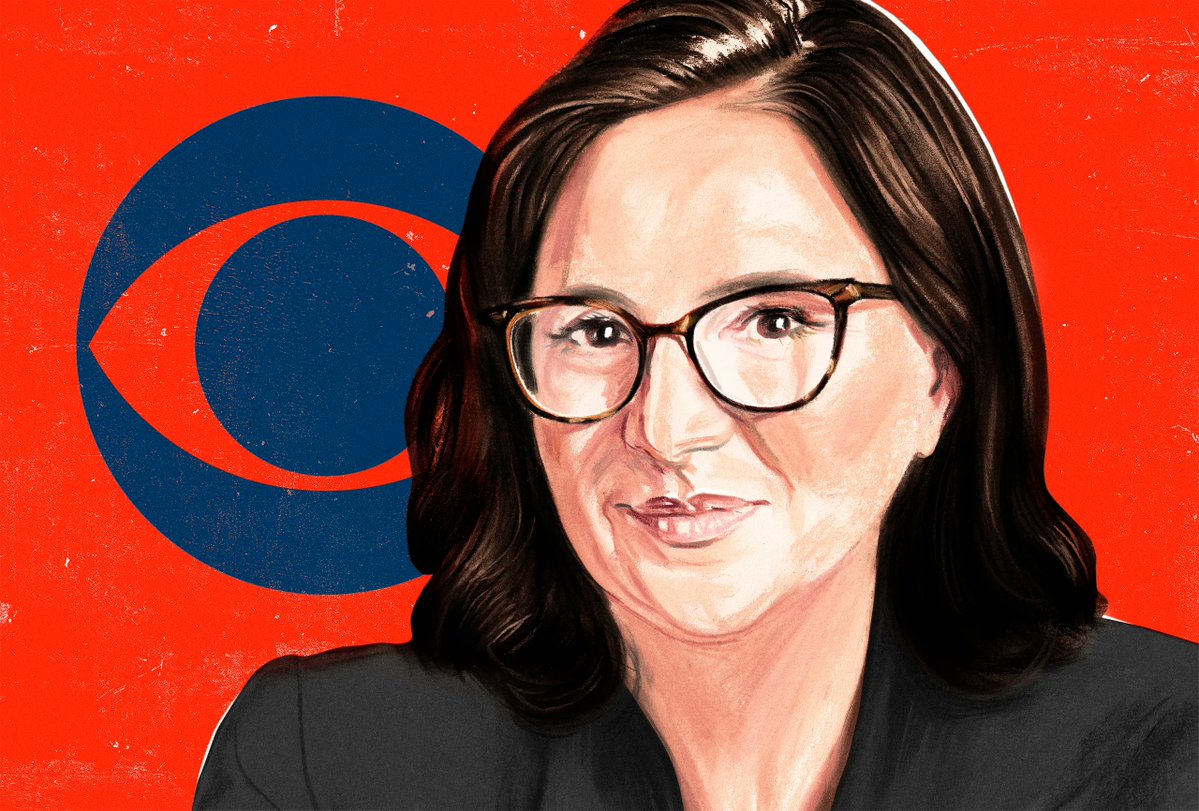
CBS News said Friday it will shut down its storied radio news service after nearly 100 years of operation, ending an era and blaming challenging economic times as the world moves on to digital sources and podcasts. to.pbs.org/3PlSPoo
English
8
35
73
5.5K
Brian Steinberg
Brian Steinberg@bristei·
Just in: CBS News Radio to end May 22, per memo from Bari Weiss and Tom Cibrowski. Service used by about 700 affiliated stations
English
2
11
39
83.6K
Lovable Liberal and his Old English sheepdog
Under her leadership ratings are down, creditability is shot, and now journalists are being laid off! Great job Bari! CBS News is shutting down it's Radio division and laying off about 6% of its entire workforce. But Bari Weis will keep her job. Your thoughts?
Lovable Liberal and his Old English sheepdog tweet media
English
43
42
80
1.8K
Dana Jacobson
Dana Jacobson@danajacobson·
Thinking of my former CBS News colleagues today. As we all know, either side of layoffs like these, quite frankly, sucks. I have no real wisdom other than to say you are not alone. Lean on your friends & colleagues; reach out even when you don’t know what to say. It matters. ❤️
English
16
25
267
13.3K
Rob Hart
Rob Hart@RobHartWBBM·
Salute
Rob Hart tweet media
English
7
96
298
56K
Paul Farhi
Paul Farhi@farhip·
End of an era, end of a century. CBS News’ radio essentially invented American broadcast journalism—its style, objectivity, ethics, etc. Edward R. Murrow from the rooftops of London during the Blitz, yes, but a long line of legends, too: William L. Shirer…more
Brian Stelter@brianstelter

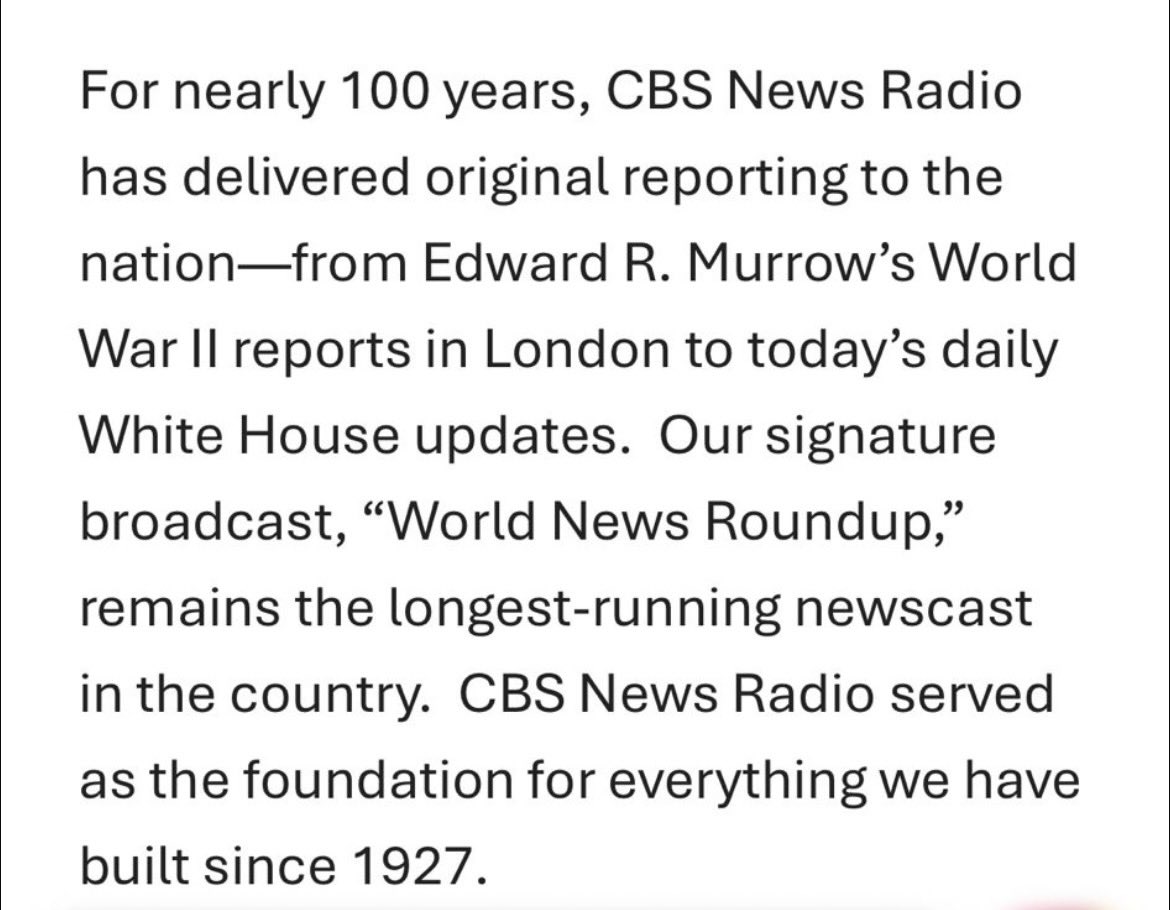
A second memo from Bari Weiss and Tom Cibrowski says CBS News Radio is shutting down. Here's the memo: Today, we informed our CBS News Radio team and approximately 700 affiliated stations that we will end the service on May 22, 2026. Unfortunately, this decision means that all positions within the CBS News Radio team are being eliminated.  We understand how difficult this news is for our staff and their colleagues, who have worked side by side with us to cover some of the most significant stories of our time. While this was a necessary decision, it was not an easy one.  A shift in radio station programming strategies, coupled with challenging economic realities, has made it impossible to continue the service.  We are sharing this announcement now to fulfill our commitments to our radio partners and affiliates, which require advance notice of the service’s conclusion. For nearly 100 years, CBS News Radio has delivered original reporting to the nation—from Edward R. Murrow’s World War II reports in London to today’s daily White House updates.  Our signature broadcast, “World News Roundup,” remains the longest-running newscast in the country.  CBS News Radio served as the foundation for everything we have built since 1927. The coming weeks will be difficult for the team members who have worked tirelessly at CBS News Radio.  We are committed to supporting these valued colleagues with care and respect as we wind down operations.  They have been critical to our success and remain treasured friends and professionals.  We thank them deeply for their contributions. Thank you all for your dedication and for the compassion you show one another as we move forward. Bari and Tom

English
6
31
143
17.9K
Rob Hart
Rob Hart@RobHartWBBM·
It should also be noted that four CBS News Radio affiliates that carried the hourly have a cumulative audience of more than three million people. That’s larger than the audience figures of cable or digital programs that occupy the discourse.
Rob Hart@RobHartWBBM

Salute

English
44
389
1.2K
52.5K
Jerry Cipriano
Jerry Cipriano@Jerry_Cipriano·
R.I.P. CBS RADIO NETWORK 1927-2026
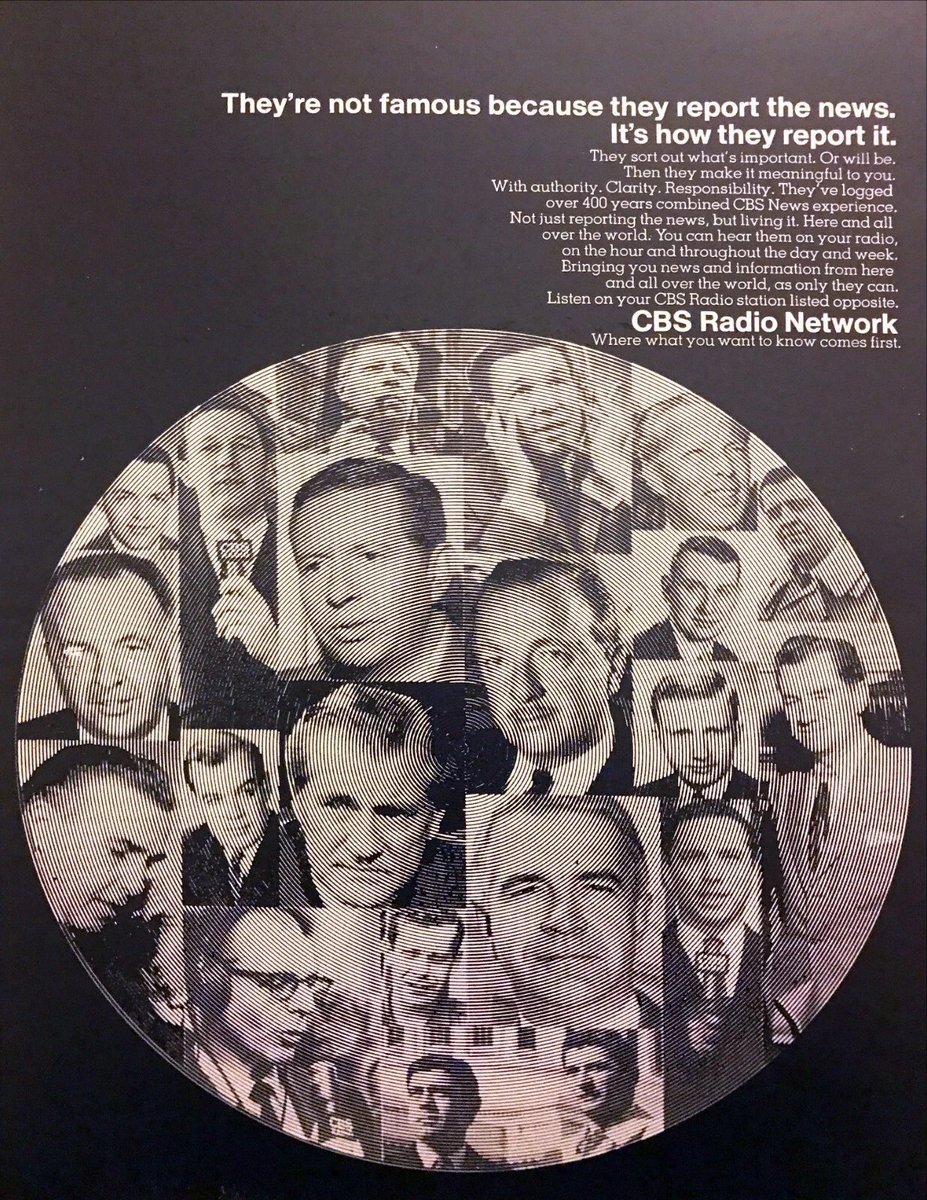
Jerry Cipriano tweet media
English
21
142
377
21.7K
Paul Rudnick
Paul Rudnick@PaulRudnickNY·
Because CBS News is a disaster under her leadership, Bari Weiss just announced she's firing over 1K staff members. Says Weiss, "We need to focus our resources on my beach house, Tony Dokoupil's hair and visiting nursing homes and turning the TVs to the CBS Evening News without anyone noticing"
Paul Rudnick tweet media
English
8
51
218
3.5K
CBS News
CBS News@CBSNews·
CBS News Radio will be shutting down this spring after nearly 100 years of broadcasting. cbsn.ws/4lRuv9V
English
79
117
203
60.8K