జయసింహ retweetou
జయసింహ
13.2K posts

జయసింహ retweetou

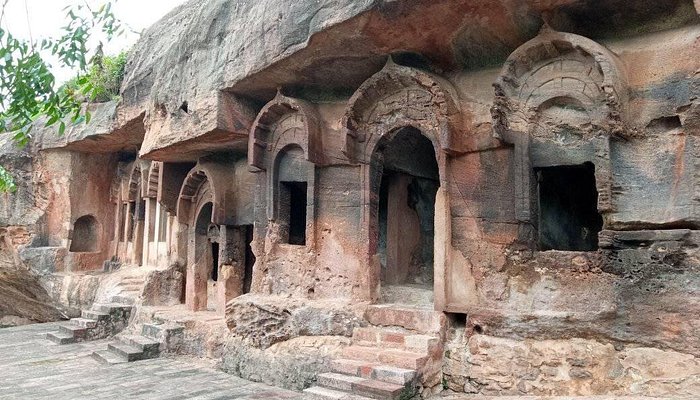
ANDHRA AJANTA CAVES AT GUNTUPALLI -
ONE OF THE MOST SIGNIFICANT AND OLDEST BUDDHIST SITES IN INDIA.
Guntupalli Group of Buddhist Monuments near Eluru in Andhra Pradesh, 3rd – 2nd Century BCE, called the ANDHRA AJANTA CAVES
The Guntupalli Group of Buddhist Monuments, often referred to as the "Andhra Ajanta," is one of the most significant and oldest Buddhist sites in India.
Located near Kamavarapukota (about 40 km from Eluru), these caves offer a rare window into the transition of Indian architecture from wood and mud to permanent stone.
1. Chronological History :
(A) 1st Century BCE – 2nd Century CE (Satavahana Period):
This was the "Golden Age" of the site. During this time, structural brick chaityas, large stone stupas, and a complex drainage system were added. Inscriptions from this era mention donations by Upasikas (lay worshippers).
The site was not built all at once but evolved over nearly a millennium, reflecting the growth and eventual decline of Buddhism in the region.
(B) 3rd – 2nd Century BCE (The Early Phase) :
Construction began during the Mauryan and post-Mauryan periods. This phase includes the excavation of the circular Vritta Chaitya and the earliest rock-cut monasteries. The style mimics contemporary wooden structures, indicating that stone carving was still a relatively new art form.
(C) 1st Century BCE – 2nd Century CE (Satavahana Period):
This was the "Golden Age" of the site. During this time, structural brick chaityas, large stone stupas, and a complex drainage system were added. Inscriptions from this era mention donations by Upasikas (lay worshippers).
(D) 5th – 6th Century CE (Later Phase):
Buddhism continued to flourish under the Vishnukundina and Ikshvaku influences. Additions included more ornate sculptures and a pillared mandapa
(E) 9th – 10th Century CE (Final Traces):
Archaeological evidence, such as a bronze image of Padmapani and relic caskets with Devanagari inscriptions, suggests that the site remained active or at least revered until the medieval period.
2. Key Architectural Features
Guntupalli is unique because it contains both rock-cut (carved into the hill) and structural (built with bricks/stone) monuments.
(A) The Vritta Chaitya (Circular Cave)
This is the "crown jewel" of the site. It is a rare circular rock-cut temple that enshrines a monolithic stupa.
(B) Design:
It features a vaulted domical ceiling with carved ribs that imitate wooden rafters.
(C) Comparison:
Its arched facade is remarkably similar to the famous Lomas Rishi Caves in Bihar, proving a direct cultural link between the Mauryan heartland and Andhra.
(D) The Monasteries (Viharas)
Large Monastery:
A series of rock-cut cells where monks lived. It includes a main entrance with windows, a veranda, and a terrace.
(E) Engineering:
The monks carved deep rainwater channels into the rock to drain water away from their living quarters into natural fissures—a sophisticated drainage system for that era.
(F) The Group of Stupas
On a flat terrace atop the hill, there are over 60 votive stupas. These were erected by pilgrims and monks over centuries to gain spiritual merit. They vary in size and are made of both stone and brick.
(G) Dignaga’s Residence:
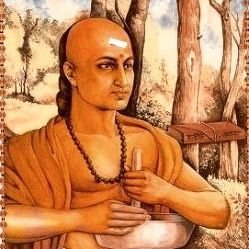
Historical tradition holds that the famous Buddhist logician Acharya Dignaga (Dinnaga) resided here in the 5th century CE, where he is believed to have composed parts of his seminal work on logic, Pramana Samuccaya.
3. Major Archaeological Discoveries
Excavations at Guntupalli have yielded several "treasure troves" for historians:
Relic Caskets:
Three caskets were found made of gold, silver, and rock crystal, often containing beads and charred remains.
Inscribed Pillars:
One pillar mentions donations for a large assembly hall (mandapa) that once measured roughly 56 ft x 34 ft.
Statues:
A notable bronze statue of the Bodhisattva Padmapani was discovered, highlighting the shift toward Mahayana Buddhism in the later stages.
4. Modern Status & Preservation
Today, the site is maintained by the Archaeological Survey of India (ASI). Interestingly, the Vritta Chaitya has undergone a cultural "re-labeling" by locals:
The central stupa is often worshipped as a Shiva Lingam.
It is locally known as Dharmalingeswara.
A Nandi statue has been placed outside the cave, showing how ancient Buddhist sites in India were often integrated into later Hindu traditions.


English
జయసింహ retweetou

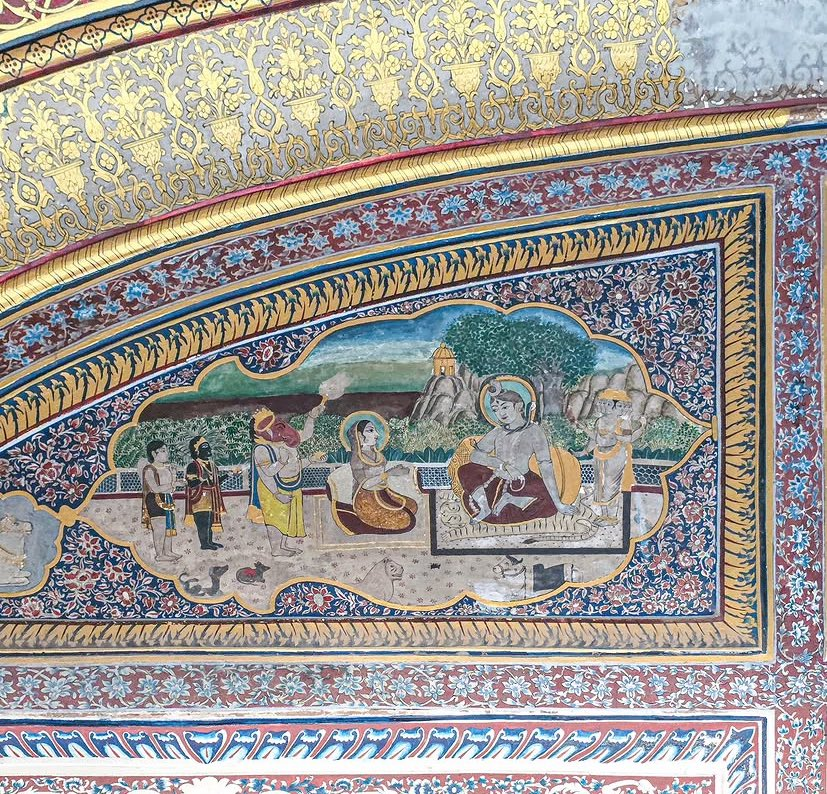
This image is from inside Qila Mubarak, Patiala, depicted on the wall is Lord Shiva and his family including Shri Ganesha.
Qila Mubarak was contructed in 1763 by Sikh ruler of the region, Baba Ala Singh as a mud fort marking the rise of the Patiala dynasty, and over time it evolved under successive rulers into a grand royal complex.
His grandson Maharaja Amar Singh expanded it by building the inner palace (Qila Androon), while Maharaja Karam Singh developed its administrative and outer sections, turning it into a functioning seat of governance.
Later, Maharaja Narinder Singh enhanced its artistic and architectural grandeur, reflecting the cultural sophistication of the state. Together, these rulers transformed Qila Mubarak from a defensive structure into the royal residence and enduring symbol of Patiala’s political and cultural legacy.
Image credit - @flyingpebbles

English

జయసింహ retweetou
జయసింహ retweetou
జయసింహ retweetou

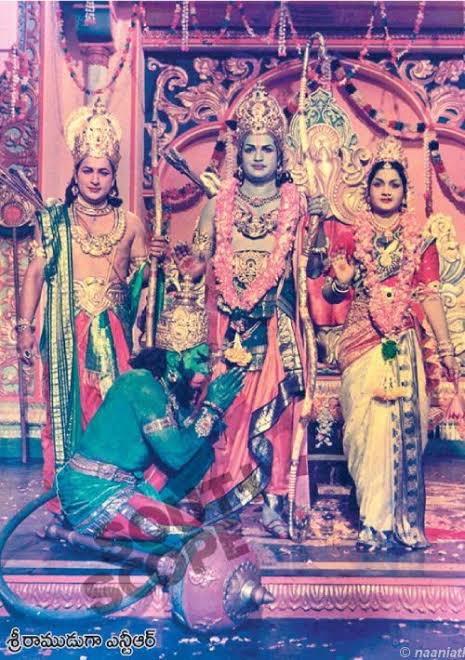
When Hanuman Ji Saved Ayodhya
GenZ don't know about it since this incident has been removed by left liberal media but it's completely true and actually happened
In 1998, HuJI terrorists planted bombs in Ayodhya. One of the bomb was placed in the Hanuman Garhi temple, which is believed to be the abode of Hanuman Ji.
The STF head, Avinash Mishra, successfully defused several bombs but was unable to locate the one at Hanuman Garhi. Just seconds before the device was about to explode, a monkey came there and pulled out the detonator wire.
Avinash Mishra offered a banana to the monkey, but it did not accept it and instead moved toward the upper structure of the temple.
People believe that Hanuman Ji himself protects Ayodhya.
Jai Bajrang Bali
English
జయసింహ retweetou

శ్రీకాకుళం జిల్లాలోని పలాస నుండి ఇచ్ఛాపురం వరకు ఉన్న 7 రైల్వే స్టేషన్లను, ఈస్ట్ కోస్ట్ రైల్వే కుర్దా రోడ్ డివిజన్ నుండి దక్షిణ కోస్తా రైల్వే జోన్ విశాఖపట్నం డివిజన్కు బదిలీ కావడం ఎంతో ఆనందంగా ఉంది. నేను ఈ డిమాండ్ను 2019లో జోన్ ప్రకటించినప్పటి నుంచి నిరంతరం ముందుకు తీసుకువెళ్లాను . ఇది మా శ్రీకాకుళం ప్రజల చిరకాల కోరిక.
ఈ నిర్ణయం తీసుకున్నందుకు గౌరవనీయ ప్రధానమంత్రి నరేంద్ర మోదీ గారికి మరియు రైల్వే మంత్రి అశ్వినీ వైష్ణవ్ గారికి శ్రీకాకుళం ప్రజల తరపున హృదయపూర్వక కృతజ్ఞతలు.
పలాస,సుమ్మా దేవి, మందస రోడ్, బారువ, సోంపేట, జాడుపూడి మరియు ఇచ్ఛాపురం స్టేషన్లు ఈ జోన్ పరిధిలోకి రావడం ద్వారా పరిపాలనా సామర్థ్యం పెరిగి, ప్రజలకు మెరుగైన సేవలు అందనున్నాయి.
Happy to share that 7 railway stations in Srikakulam district, from Palasa to Ichapuram, have now been transferred from the Kurda Road Division of East Coast Railway to the Visakhapatnam Division of the South Coast Railway Zone. This has been a long-pending aspiration of our people, and I have been consistently pursuing it since the zone’s announcement in 2019.
I sincerely thank Hon’ble PM @narendramodi ji and Railway Minister @AshwiniVaishnaw ji on behalf of people of Srikakulam for this thoughtful decision.
Stations including Palasa, Baruva, Jadhupudi, summadevi, Sompeta, Mandasa Road, and Ichచ్apuram will now come under this zone, ensuring better administrative efficiency and improved services for the people of Srikakulam.

తెలుగు

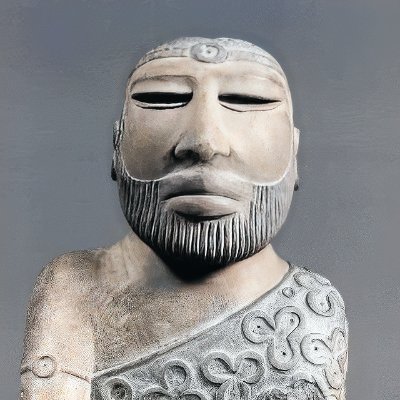
Mahesh Babu is the only option.....you will witness this in Varanasi.
Master Chief Smart(h)an@SparesofWar
Not saying for the sake of it, but none below can match the aura of yesteryear actors. Perhaps, Hrithik to a limited extent but he's growing old
English
జయసింహ retweetou
జయసింహ retweetou
జయసింహ retweetou
జయసింహ retweetou

జయసింహ retweetou
జయసింహ retweetou

This will happen only in India!
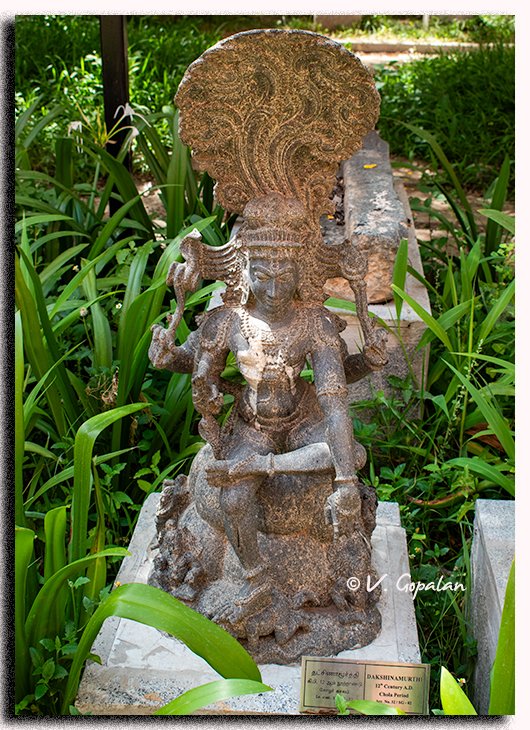
In any other civilised country this 12th century sculpture of Dhakshinamurthy will be kept most protected and taken utmost care!
Fortunately this is totally intact!
Look at the close up shot - how wonderful His face is!
But, here we do not think that this is important and hence kept it in the garden outside the Govt Museum, Chennai open to the vagaries of weather, when 1000s of Sq Meters of space is available inside the museum!
We can already see some white thing growing on His chest!
God knows what is it!
S A D!


English
జయసింహ retweetou

A Kannada king Kampanna with Telugu commanders/Army rescued Tamil temple city Madurai.
This is how it should be taught to erase linguistic politics.
The common term between all the groups is Hindu. Despite different languages and cultures, that's what binding country together.
𑀓𑀺𑀭𑀼𑀱𑁆𑀡𑀷𑁆 🇮🇳@tskrishnan
The details about the Srirangam massacre, where unarmed devotees were mercilessly killed by the army of Ulugh Khan, the impact and aftermath. thecommunemag.com/the-srirangam-…
English
జయసింహ retweetou

Lord Venkateswara bless all the people of Andhra Pradesh with their new capital.
@VPIndia #AndhraPradesh #Amaravati
English
జయసింహ retweetou

రాష్ట్ర ప్రజలు కడతారు......ఇంతకు ముందు
కాకతీయుల కాలంలో ఓరుగల్లు
విజయనగర కాలంలో హంపి
గోల్కొండ కాలం లో హైదరాబాద్
బ్రిటిష్ కాలంలో మద్రాసు
ఉమ్మడి ఆంధ్ర అప్పుడు మళ్లీ హైదరాబాద్.
ఇది చివరి సారి అనుకుందాం.
RealityTraffic@nenuvizagfamous
భూమి కి ఆ రేట్ వస్తే ? Speculative real estate business. Raananta sepu vaddi amaravathi vaallu kadatara
తెలుగు
జయసింహ retweetou

The world works in funny ways. Let's take the case of linguistic proficiency. Tenali Raman was a scholar in Farsi. Rana Kumbha was very well versed with Telugu. The idea of Hangul is derived from a script created to read Tibetan, Mongol and Chinese. If we go by Aryan Invasion or Steppe Barbarian logic, Americas saw 143 migrations across Bering Strait. Sumerian is assumed to be an artificial pidgin of the local tongues of the era. Tower of Babel possibly referred to the fall of Nineveh. The world is known for such quirks.
English