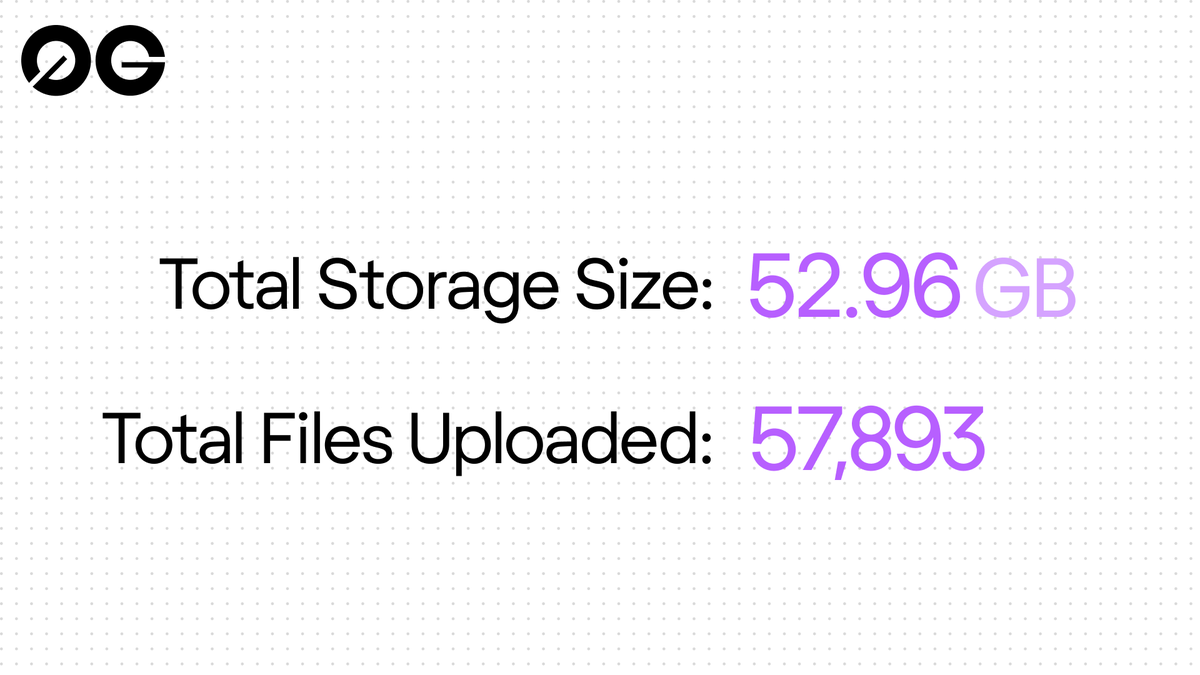


good night quick thought on $RIVER - @River4fun - before going when thinking about $RIVER, the big question is simple: why would someone actually need to buy and hold it? a token only has real demand if it’s essential to the ecosystem, whether for participation, rewards, staking, or governance. if holding $RIVER feels optional, demand can be hype-driven and short-lived. the next piece is value capture. does protocol activity feed back into the token? things like fee redistribution, staking that locks supply, or reward conversion mechanisms can create scarcity and organic demand. if these mechanics scale with participation, the token has a stronger structural foundation. without them, ecosystem growth doesn’t necessarily boost token value. finally, holder behavior matters. are users incentivized to hold long-term, or do they cash out immediately? strong ecosystems give holders reasons to stay invested, like governance power, yield, or future participation perks. the real measure isn’t just activity, it’s whether that activity mathematically drives token demand and builds a sustainable flywheel. >>>>>>> @0G_labs is focused on the heavy lifting, scalable data availability and modular execution so AI applications can actually function onchain without breaking under demand. this kind of architecture isn’t flashy, but it’s necessary. @dGrid_ai is rethinking how AI inference happens. instead of centralized clouds deciding access, it distributes reasoning across decentralized nodes, creating a more open and verifiable intelligence layer.