Notes by Dehran

5.9K posts

Notes by Dehran banner
Notes by Dehran

Notes by Dehran

@DehranNotes

Scholar | Leadership Practitioner | Book addict. Exploring strategy, history & geopolitics for timeless lessons on life and growth.

Manila City Присоединился Temmuz 2025
342 Подписки532 Подписчики
Закреплённый твит
Notes by Dehran
Notes by Dehran@DehranNotes·
That one friend on 𝕏 who was decoding Air India crashes yesterday, live-tracking Iran vs Israel last week, gave Wimbledon tactical analysis, called NVIDIA’s next move, and is now advising Elon on the US Pivot to Asia.
English
2
1
37
7.4K
Notes by Dehran ретвитнул
Notes by Dehran
Notes by Dehran@DehranNotes·
@ProfessorPape Here is Herman Kahn Ladder.
Notes by Dehran@DehranNotes

The Structure of the Herman Kahn 44-Step Escalation Ladder Kahn’s escalation ladder is divided into 44 rungs, grouped into seven broad units that reflect increasing levels of intensity and risk. These units range from pre-crisis disagreements to post-escalation aftermaths, with each rung representing a specific action or state of conflict. Below is an overview of the ladder’s structure, with illustrative examples of rungs based on Kahn’s framework and subsequent analyses. Unit 1: Subcrisis Manoeuvring (Rungs 1–3) This initial phase involves low-level tensions and diplomatic posturing, often occurring during peacetime or cold war conditions. • Rung 1: Disagreement—Cold War: States express differing interests or ideologies without direct confrontation, e.g., U.S.-Soviet ideological rivalry in the 1950s. • Rung 2: Political, Economic, and Diplomatic Gestures: Actions like imposing sanctions or recalling ambassadors signal displeasure, e.g., U.S. sanctions on Iran in response to its nuclear program. • Rung 3: Solemn and Formal Declarations: Public statements or ultimatums assert vital interests, e.g., Russia’s warnings against NATO expansion in 2021. Unit 2: Traditional Crises (Rungs 4–9) Tensions escalate as states take more assertive actions, signalling readiness to use force. • Rung 4: Hardening Positions: States commit publicly to their stance, reducing flexibility, e.g., China’s territorial claims in the South China Sea. • Rung 6: Show of Force: Military deployments or exercises demonstrate capability, e.g., Russian troop build-ups near Ukraine in 2022. • Rung 9: Dramatic Military Confrontations: Incidents like naval standoffs or airspace violations heighten risks, e.g., U.S.-China aircraft encounters over the Taiwan Strait. Unit 3: Intense Crises (Rungs 10–15) Crises become acute, with significant public and decision-maker awareness of potential war. • Rung 10: Provocative Diplomatic Break: Severing diplomatic ties, e.g., Iran’s embassy closures in response to Israeli actions. • Rung 12: Modest Mobilization: Partial military call-ups signal readiness, e.g., North Korea’s missile tests prompting South Korean alerts. • Rung 15: Intense Crisis: Nuclear war becomes conceivable, though not yet imminent, e.g., the Cuban Missile Crisis in 1962. Unit 4: Limited Conventional War (Rungs 16–20) Conflict crosses into limited military engagement, avoiding weapons of mass destruction. • Rung 16: Local War: Small-scale conflicts, e.g., India-Pakistan border skirmishes in Kashmir. • Rung 18: Formal Declaration of War: Official war declarations, though rare in modern contexts. • Rung 20: Large Conventional War: Sustained conventional campaigns, e.g., the Iran-Iraq War in the 1980s. Unit 5: Barely Nuclear War (Rungs 21–30) Nuclear weapons are introduced, but use remains limited and controlled. • Rung 21: Nuclear Demonstration: Non-lethal nuclear detonations to signal intent, e.g., a hypothetical Russian test detonation in the Arctic. • Rung 26: Demonstration Attack on Zone of Interior: Limited nuclear strikes on non-critical targets, e.g., targeting a remote military base. • Rung 30: Limited Nuclear War: Tactical nuclear strikes on military targets, e.g., battlefield use in a regional conflict. Unit 6: Civilian-Central Wars (Rungs 31–39) Escalation targets civilian infrastructure and populations, increasing devastation. • Rung 33: Slow-Motion Counter city War: Deliberate, limited attacks on cities after warnings, e.g., hypothetical strikes on evacuated urban areas. • Rung 36: Civilian Devastation Attack: Large-scale attacks on civilian centres, e.g., World War II’s strategic bombing campaigns. • Rung 39: Countervalue War: Targeted destruction of economic and societal assets, e.g., massive cyberattacks on critical infrastructure. Unit 7: Spasm or Insensate War and Aftermaths (Rungs 40–44) The final stage involves uncontrolled nuclear exchanges and post-war consequences. • Rung 41: Spasm/Insensate War: Indiscriminate nuclear annihilation, e.g., a full U.S.-Soviet exchange during the Cold War. • Rung 43: Some Kind of Aftermath: Collapse of societal structures, with survivors facing a devastated world. • Rung 44: Post-Escalation Aftermaths: Long-term recovery or permanent societal breakdown." (Navneet S Maini IsEqualtoKlasses, Understanding the 44-Step War Escalation Ladder)

English
0
3
22
1.7K
Notes by Dehran ретвитнул
Notes by Dehran
Notes by Dehran@DehranNotes·
The Structure of the Herman Kahn 44-Step Escalation Ladder Kahn’s escalation ladder is divided into 44 rungs, grouped into seven broad units that reflect increasing levels of intensity and risk. These units range from pre-crisis disagreements to post-escalation aftermaths, with each rung representing a specific action or state of conflict. Below is an overview of the ladder’s structure, with illustrative examples of rungs based on Kahn’s framework and subsequent analyses. Unit 1: Subcrisis Manoeuvring (Rungs 1–3) This initial phase involves low-level tensions and diplomatic posturing, often occurring during peacetime or cold war conditions. • Rung 1: Disagreement—Cold War: States express differing interests or ideologies without direct confrontation, e.g., U.S.-Soviet ideological rivalry in the 1950s. • Rung 2: Political, Economic, and Diplomatic Gestures: Actions like imposing sanctions or recalling ambassadors signal displeasure, e.g., U.S. sanctions on Iran in response to its nuclear program. • Rung 3: Solemn and Formal Declarations: Public statements or ultimatums assert vital interests, e.g., Russia’s warnings against NATO expansion in 2021. Unit 2: Traditional Crises (Rungs 4–9) Tensions escalate as states take more assertive actions, signalling readiness to use force. • Rung 4: Hardening Positions: States commit publicly to their stance, reducing flexibility, e.g., China’s territorial claims in the South China Sea. • Rung 6: Show of Force: Military deployments or exercises demonstrate capability, e.g., Russian troop build-ups near Ukraine in 2022. • Rung 9: Dramatic Military Confrontations: Incidents like naval standoffs or airspace violations heighten risks, e.g., U.S.-China aircraft encounters over the Taiwan Strait. Unit 3: Intense Crises (Rungs 10–15) Crises become acute, with significant public and decision-maker awareness of potential war. • Rung 10: Provocative Diplomatic Break: Severing diplomatic ties, e.g., Iran’s embassy closures in response to Israeli actions. • Rung 12: Modest Mobilization: Partial military call-ups signal readiness, e.g., North Korea’s missile tests prompting South Korean alerts. • Rung 15: Intense Crisis: Nuclear war becomes conceivable, though not yet imminent, e.g., the Cuban Missile Crisis in 1962. Unit 4: Limited Conventional War (Rungs 16–20) Conflict crosses into limited military engagement, avoiding weapons of mass destruction. • Rung 16: Local War: Small-scale conflicts, e.g., India-Pakistan border skirmishes in Kashmir. • Rung 18: Formal Declaration of War: Official war declarations, though rare in modern contexts. • Rung 20: Large Conventional War: Sustained conventional campaigns, e.g., the Iran-Iraq War in the 1980s. Unit 5: Barely Nuclear War (Rungs 21–30) Nuclear weapons are introduced, but use remains limited and controlled. • Rung 21: Nuclear Demonstration: Non-lethal nuclear detonations to signal intent, e.g., a hypothetical Russian test detonation in the Arctic. • Rung 26: Demonstration Attack on Zone of Interior: Limited nuclear strikes on non-critical targets, e.g., targeting a remote military base. • Rung 30: Limited Nuclear War: Tactical nuclear strikes on military targets, e.g., battlefield use in a regional conflict. Unit 6: Civilian-Central Wars (Rungs 31–39) Escalation targets civilian infrastructure and populations, increasing devastation. • Rung 33: Slow-Motion Counter city War: Deliberate, limited attacks on cities after warnings, e.g., hypothetical strikes on evacuated urban areas. • Rung 36: Civilian Devastation Attack: Large-scale attacks on civilian centres, e.g., World War II’s strategic bombing campaigns. • Rung 39: Countervalue War: Targeted destruction of economic and societal assets, e.g., massive cyberattacks on critical infrastructure. Unit 7: Spasm or Insensate War and Aftermaths (Rungs 40–44) The final stage involves uncontrolled nuclear exchanges and post-war consequences. • Rung 41: Spasm/Insensate War: Indiscriminate nuclear annihilation, e.g., a full U.S.-Soviet exchange during the Cold War. • Rung 43: Some Kind of Aftermath: Collapse of societal structures, with survivors facing a devastated world. • Rung 44: Post-Escalation Aftermaths: Long-term recovery or permanent societal breakdown." (Navneet S Maini IsEqualtoKlasses, Understanding the 44-Step War Escalation Ladder)
Notes by Dehran tweet media
English
0
3
15
2K
Notes by Dehran ретвитнул
Notes by Dehran
Notes by Dehran@DehranNotes·
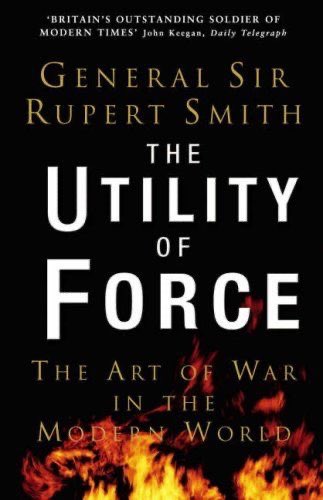
Top 8 Quotes from Book The Utility of Force by Rupert Smith “Deploying a force is not the same as employing force. Military power kills people and destroys things—but does it deliver what you really want?” #UtilityOfForce
Notes by Dehran tweet media
English
1
1
1
349
Notes by Dehran ретвитнул
Notes by Dehran
Notes by Dehran@DehranNotes·
This 🧵 focus on 10 Books from which very relevant lessons for military leadership emerges.
Notes by Dehran tweet media
English
2
2
3
678
Notes by Dehran ретвитнул
Notes by Dehran
Notes by Dehran@DehranNotes·
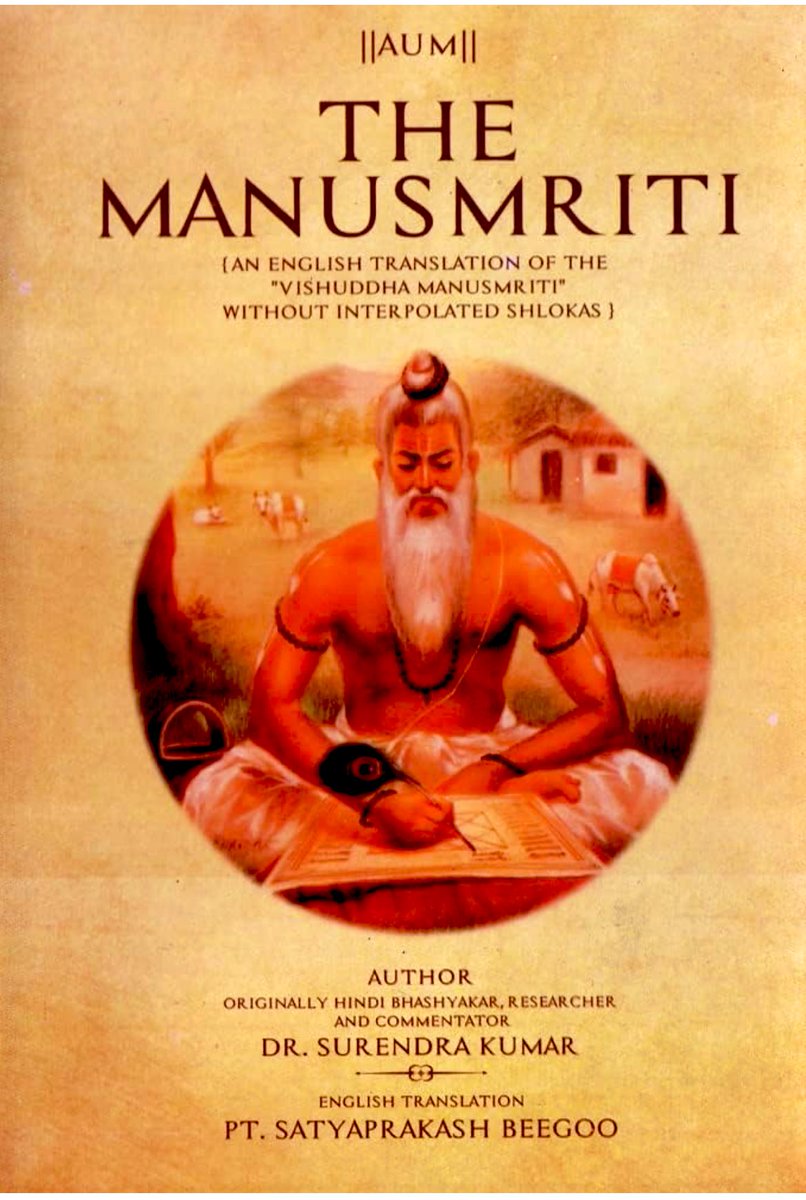
“A warrior must train daily, for a sword that is not sharpened everyday loses its edge in battle.” - Manusmriti (verse 96, Chapter 7)
Notes by Dehran tweet media
English
1
1
1
263
Notes by Dehran ретвитнул
Notes by Dehran
Notes by Dehran@DehranNotes·
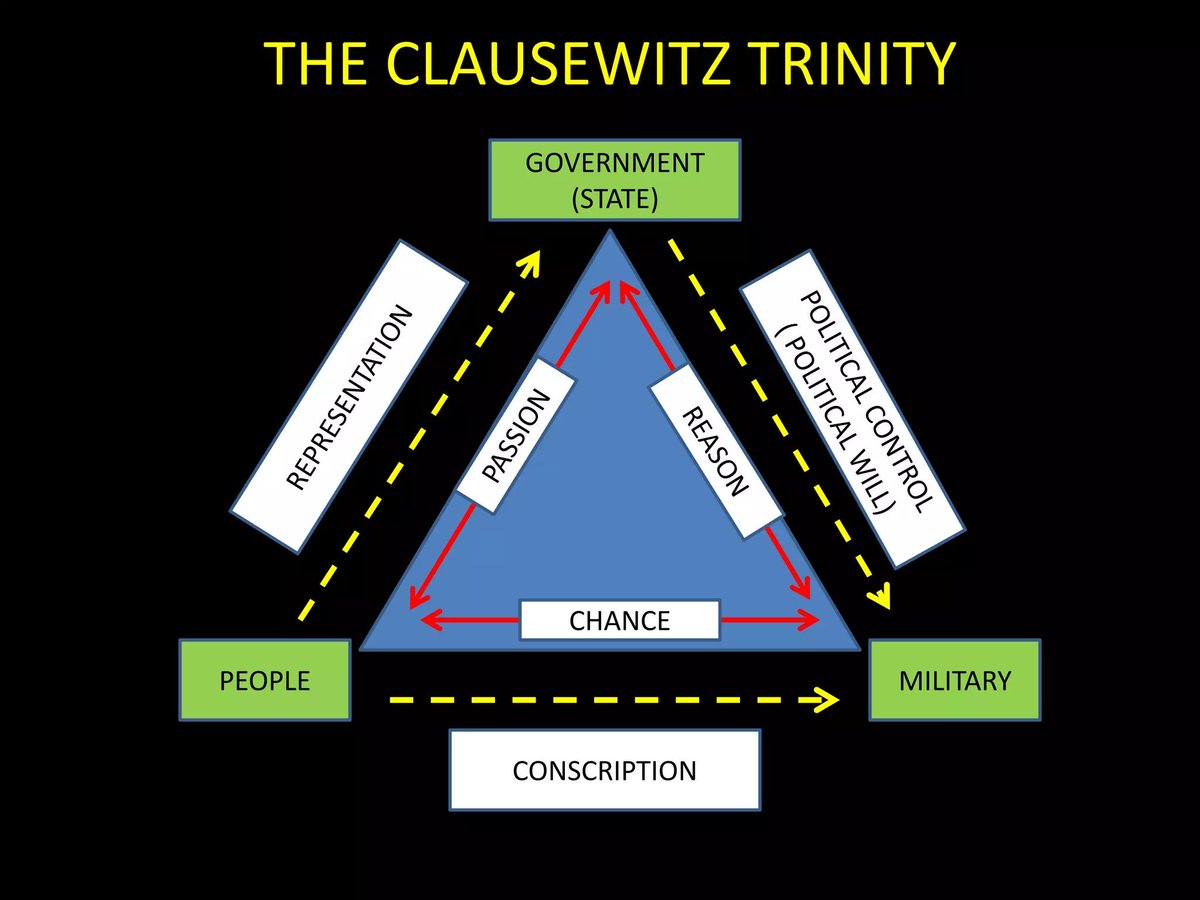
Nature vs. Character of War: What Endures, What Changes 1“War is more than a true chameleon… a paradoxical trinity—composed of primordial violence… chance and probability… and [policy].” — Carl von Clausewitz, On War. Book details: Foundational theory of war’s enduring nature; introduces the people–army–government trinity.
Notes by Dehran tweet mediaNotes by Dehran tweet media
English
1
1
0
438
Notes by Dehran ретвитнул
Notes by Dehran
Notes by Dehran@DehranNotes·
Vichar, Chintan, Manthan, and Achar: A Step-by-Step Guide @vwhtrbj/vichar-chintan-manthan-and-achar-a-step-by-step-guide-8aba18a9c33d" target="_blank" rel="nofollow noopener">medium.com/@vwhtrbj/vicha…
English
0
1
1
259
Notes by Dehran ретвитнул
Notes by Dehran
Notes by Dehran@DehranNotes·
Top 7 takeaways from "The Arms of the Future" by Jack Watling. 1/7 📡 Transparent Battlefield. Modern sensors and electronic surveillance have made the battlefield radically more transparent. Armies can no longer hide large forces, requiring new doctrines for maneuver and surprise.
Notes by Dehran tweet media
English
1
1
0
157
Notes by Dehran ретвитнул
Notes by Dehran
Notes by Dehran@DehranNotes·
Top 7 key takeaways from Shane Parrish's book "Clear Thinking": 1. Position Yourself for Success: Optimize your environment and prepare in advance to make better decisions in ordinary moments. Being ready shapes your future opportunities.
Notes by Dehran tweet media
English
1
1
1
135
Notes by Dehran ретвитнул
Notes by Dehran
Notes by Dehran@DehranNotes·
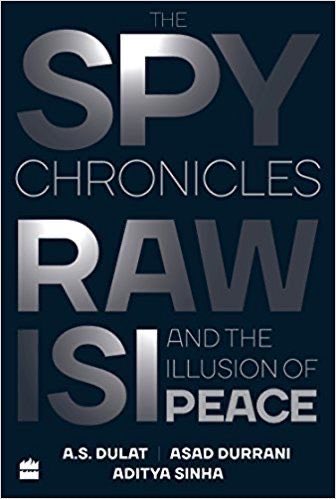
🧵 3 top takeaways from the book “The Spy Chronicles: RAW, ISI and the Illusion of Peace.” By AS Dullat and Asad Durrani.
Notes by Dehran tweet media
English
1
1
0
725
Notes by Dehran ретвитнул
Notes by Dehran
Notes by Dehran@DehranNotes·
🧵 What is the “Grammar of War”? 1/10. The Evolution of Operational Art “War has its own grammar, but not its own logic” captures the concepts, principles, and procedures that govern how wars are conducted—distinct from the political logic that drives them. #war #strategy
Notes by Dehran tweet media
English
1
2
2
488
Notes by Dehran ретвитнул
Notes by Dehran
Notes by Dehran@DehranNotes·
What is PACE ? Insight drawn from book Next War by John Antal PACE stands for Primary, Alternate, Contingent, and Emergency and is a structured methodology for building resilient communication plans, particularly in military, emergency and critical ops contexts. The 04 Levels in 🧵 below 👇 @JohnAntal
Notes by Dehran tweet media
English
1
4
5
612
Notes by Dehran ретвитнул
Notes by Dehran
Notes by Dehran@DehranNotes·
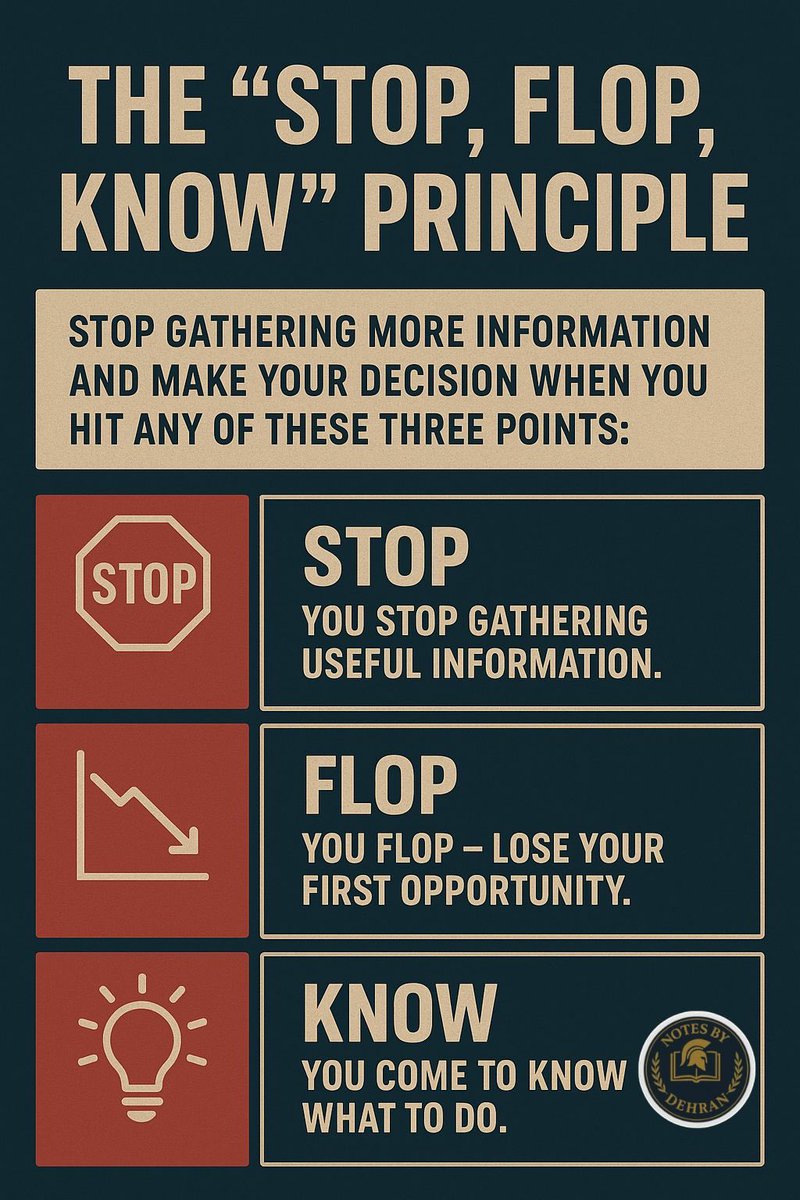
🧵🧠 | The “Stop, Flop, Know” Principle — A Decision Rule for Leaders Who Act, Not Wait 1/ Most leaders delay action because they keep waiting for more information. But clarity rarely comes — it must be earned by acting. Shane Parrish’s “Stop, Flop, Know” principle offers a simple rule for when to stop thinking and start executing. #2025MAMAVOTE
Notes by Dehran tweet media
English
1
1
1
474
Notes by Dehran ретвитнул
Notes by Dehran
Notes by Dehran@DehranNotes·
10 points emphasising that Trust is Over Efficiency: How Great Teams Adapt Fast 1) Purpose affirms trust, and trust affirms purpose—together they forge real teams. See the “trust–purpose loop” in Team of Teams.
Notes by Dehran tweet media
English
1
1
0
237
Notes by Dehran ретвитнул
Notes by Dehran
Notes by Dehran@DehranNotes·
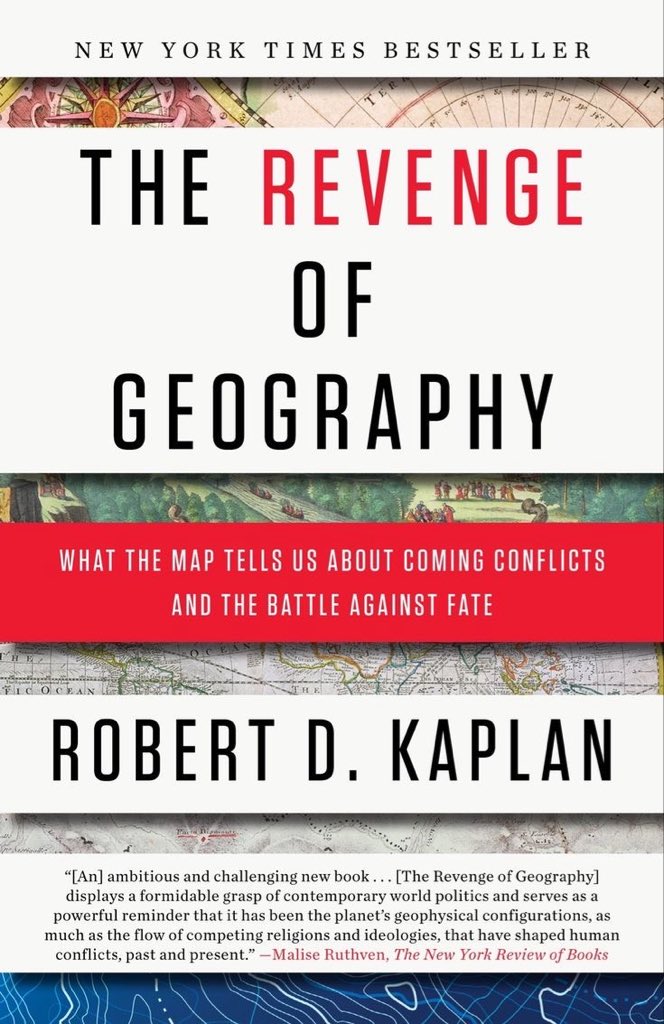
🧵 : The “Great Wall in Reverse” — How China Sees the Pacific Map Differently. (Inspired by Robert D. Kaplan’s The Revenge of Geography)
Notes by Dehran tweet media
English
1
1
1
1.8K
Notes by Dehran ретвитнул
Notes by Dehran
Notes by Dehran@DehranNotes·
Sharing top 5️⃣ key takeaways from book “Civil-Military Fusion as a Metric of National Power and Comprehensive Security” by Lt Gen Raj Shukla @Gen_RajShukla x.com/DehranNotes/st…
Notes by Dehran@DehranNotes

A must read @Gen_RajShukla Book - Civil-Military Fusion as a Metric of National Power and Comprehensive Security. Key Takeaway👇 Treat CMF as a systems redesign of incentives, authority, and culture—not a slogan—so India can translate Saraswati, Lakshmi, and Durga into compounding strategic advantage at speed (triad of learning, wealth, and power).

English
1
3
7
6K
Notes by Dehran ретвитнул
Notes by Dehran
Notes by Dehran@DehranNotes·
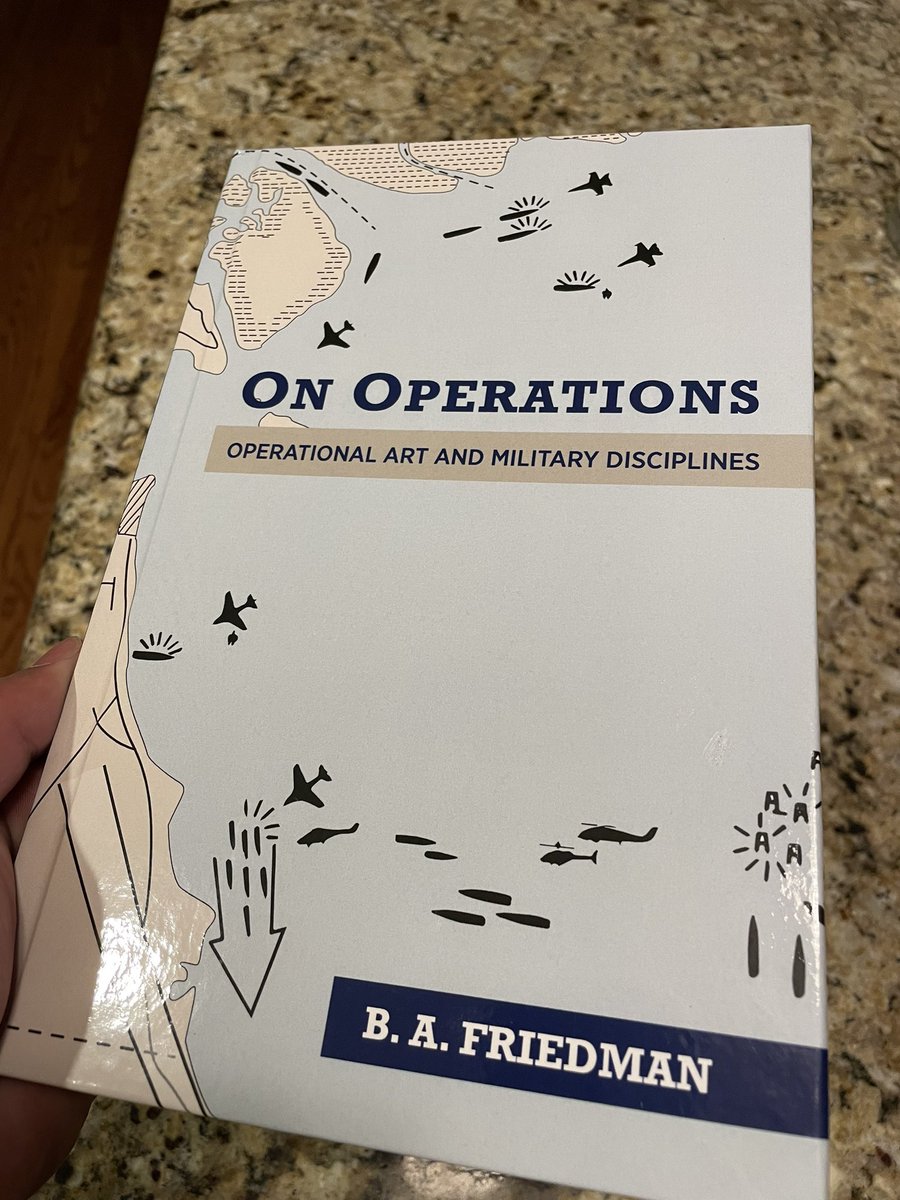
5⃣distilled takeaways from my highlights on B.A. Friedman’s On Operations: Operational Art and Military Disciplines:
Notes by Dehran tweet media
English
1
4
6
371