@kanuck18 @WeAreCanProud Better than the tough luck Alberta tax payers are faced with under Smiths rulership
English
Web Coaster 🍍🙃🇨🇦
687 posts









Why do Jewish Canadians feel abandoned? Their neighborhoods and synagogues are now hotspots for shootings and intimidation. The most antisemitic day of the year, Al Quds day, has come and gone, and still - every day brings new proof of why Jewish Canadians no longer feel safe.

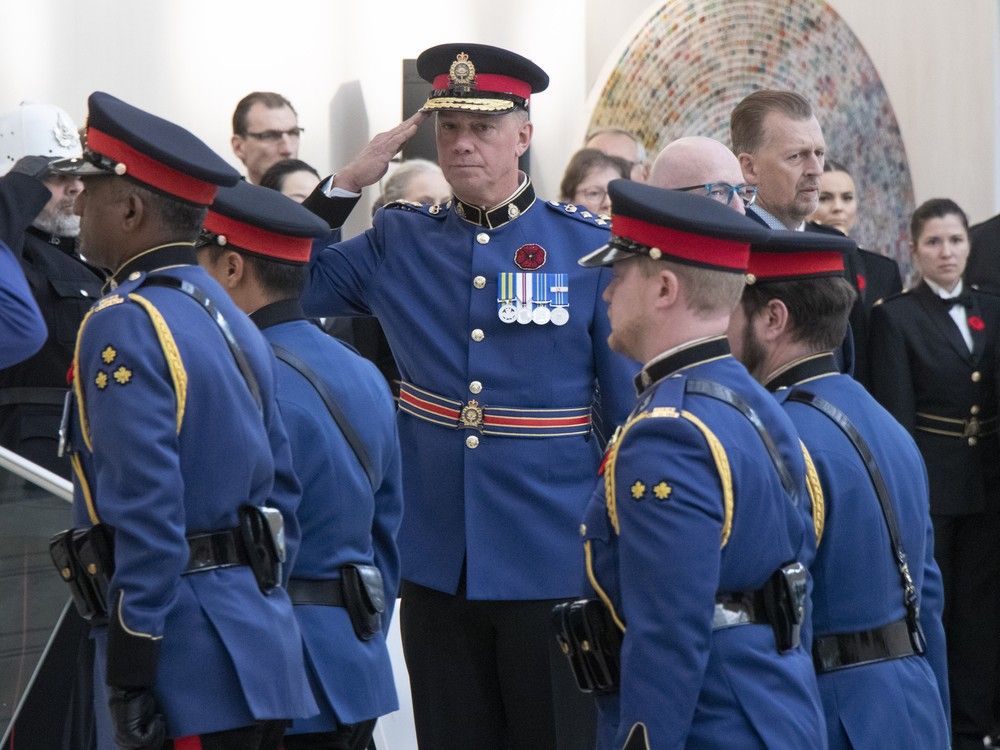
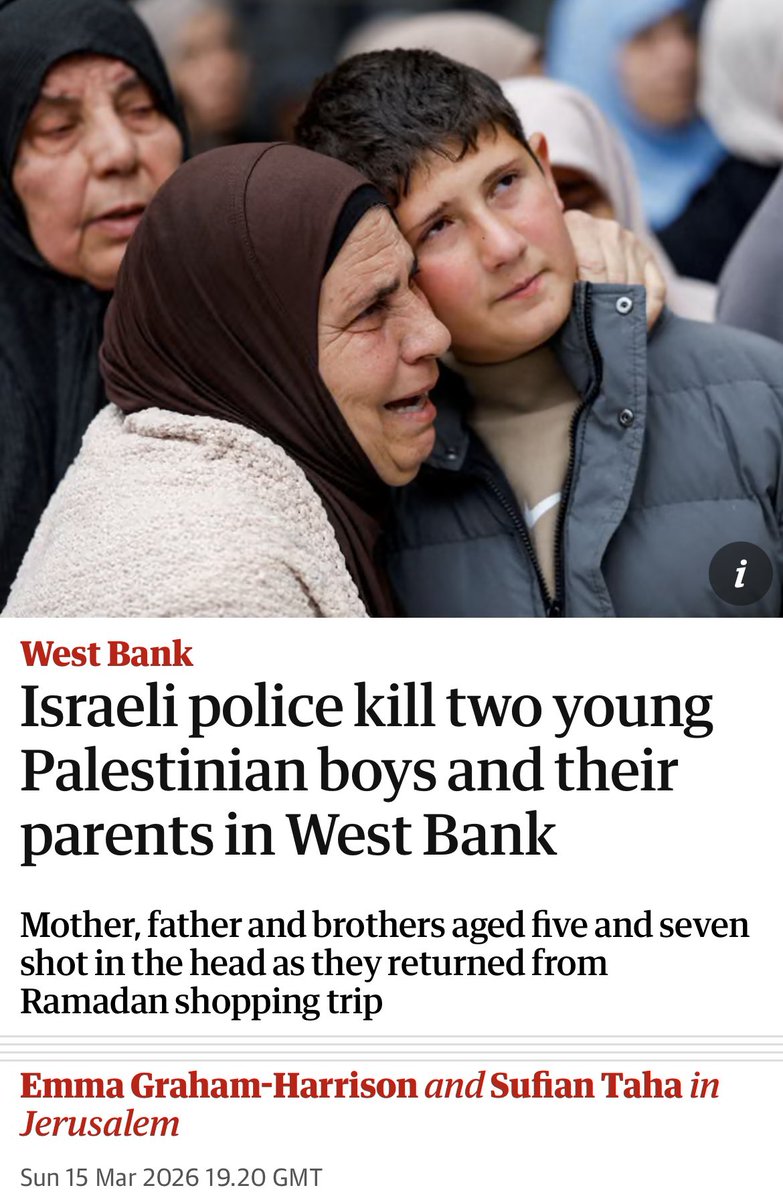
In mid-February, I joined police Chiefs from Canada and the United States, on a visit to Israel where we met police and community leaders in several cities. I spent time with police officers from Jewish, Christian, Muslim and Druze faiths representing a wide range of cultural and ethnic backgrounds. I also met with Muslim community leaders who shared openly about their concerns and their reasons for working with police. These officers and community leaders operate in an environment that demands extraordinary vigilance - managing crime, counter terrorism, supporting community and crisis response all amid extreme complexity. Police to police we were able to talk about the toll this work takes on the people who do it. We talked about building trust in communities where there is little trust. We were able to get a glimpse of the undertaking required to police in complex environments. I am grateful for what I was able to learn and share with those we visited and among my North American peers. These missions offer a great deal of insight and valuable perspective. I am grateful for the continued leadership and support of the Edmonton Police Commission who have supported me in this. As police we focus on behavior, not beliefs. Where I have felt challenged this week is in the implication that any community group should have the right to direct where we can learn. I stand by my decision to take the trip to Israel and continue to view it as valuable, among multiple learning experiences I will have in this role. I remain focused on my longstanding and ongoing commitment to dialogue, learning and connection across communities and across boundaries.


In mid-February, I joined police Chiefs from Canada and the United States, on a visit to Israel where we met police and community leaders in several cities. I spent time with police officers from Jewish, Christian, Muslim and Druze faiths representing a wide range of cultural and ethnic backgrounds. I also met with Muslim community leaders who shared openly about their concerns and their reasons for working with police. These officers and community leaders operate in an environment that demands extraordinary vigilance - managing crime, counter terrorism, supporting community and crisis response all amid extreme complexity. Police to police we were able to talk about the toll this work takes on the people who do it. We talked about building trust in communities where there is little trust. We were able to get a glimpse of the undertaking required to police in complex environments. I am grateful for what I was able to learn and share with those we visited and among my North American peers. These missions offer a great deal of insight and valuable perspective. I am grateful for the continued leadership and support of the Edmonton Police Commission who have supported me in this. As police we focus on behavior, not beliefs. Where I have felt challenged this week is in the implication that any community group should have the right to direct where we can learn. I stand by my decision to take the trip to Israel and continue to view it as valuable, among multiple learning experiences I will have in this role. I remain focused on my longstanding and ongoing commitment to dialogue, learning and connection across communities and across boundaries.