Post

Modern economics had a fatal flaw.
For decades, mainstream economists treated the economy like a machine. Pull this lever, push that button, adjust interest rates here; boom, everything works perfectly.
But economies aren't machines. They're millions of people making billions of decisions every single day.
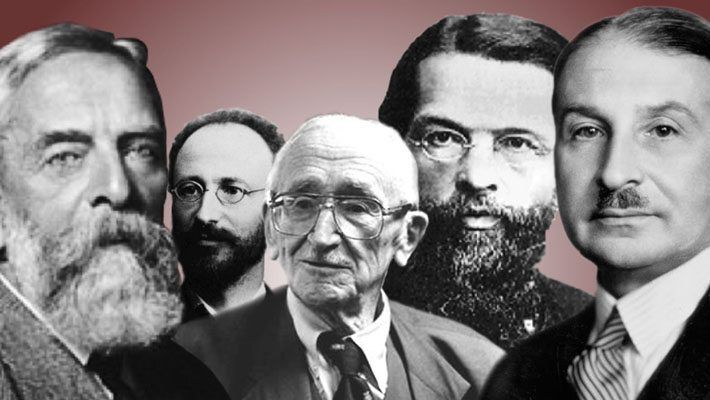
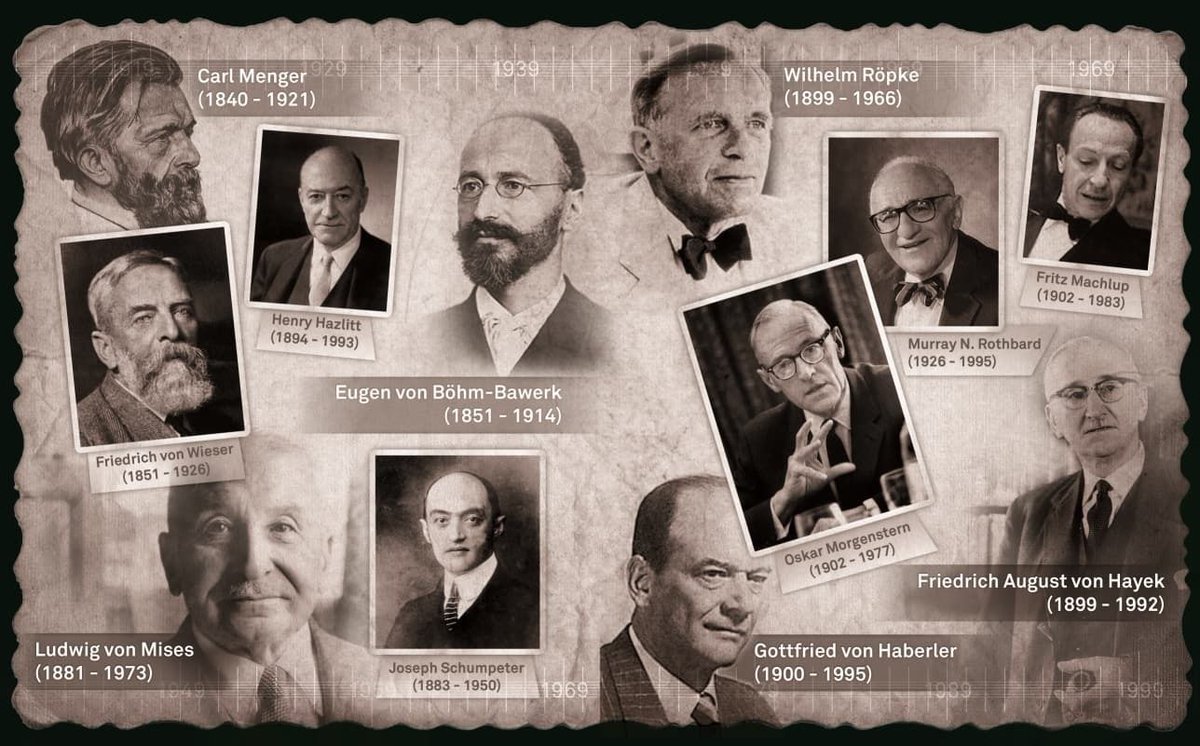
You can't predict human action with mathematical precision. The Austrian School understood this from day one.

English

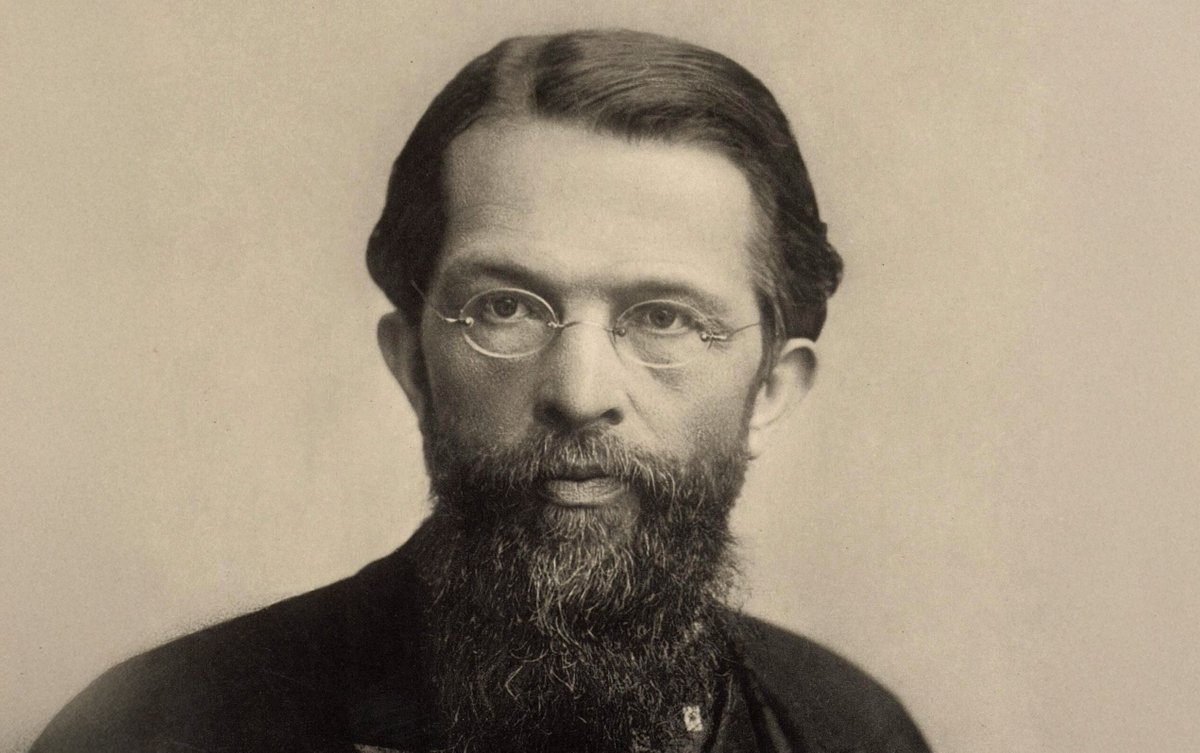
It started in Vienna in 1871 when Carl Menger published Principles of Economics and asked a deceptively simple question: Why do people value things?
His answer shattered centuries of economic thinking.
Value isn't objective. It's subjective, based on individual human needs and desires.
Not labor hours. Not production costs. Human preferences.

English

This single insight solved the diamond-water paradox that had stumped economists for centuries.
Water keeps you alive. Diamonds don't. So why do diamonds cost more?
Menger's answer: marginal utility.
The first glass of water when you're dying of thirst? Priceless.
The hundredth glass? Worthless.
Value depends entirely on context and individual circumstances.

English

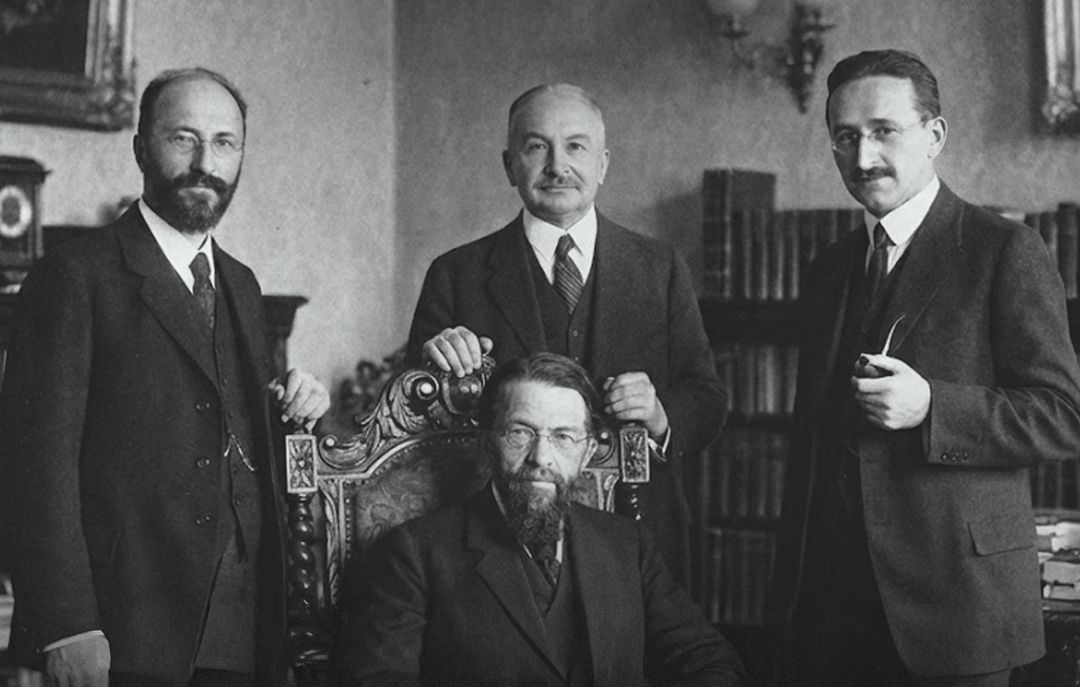
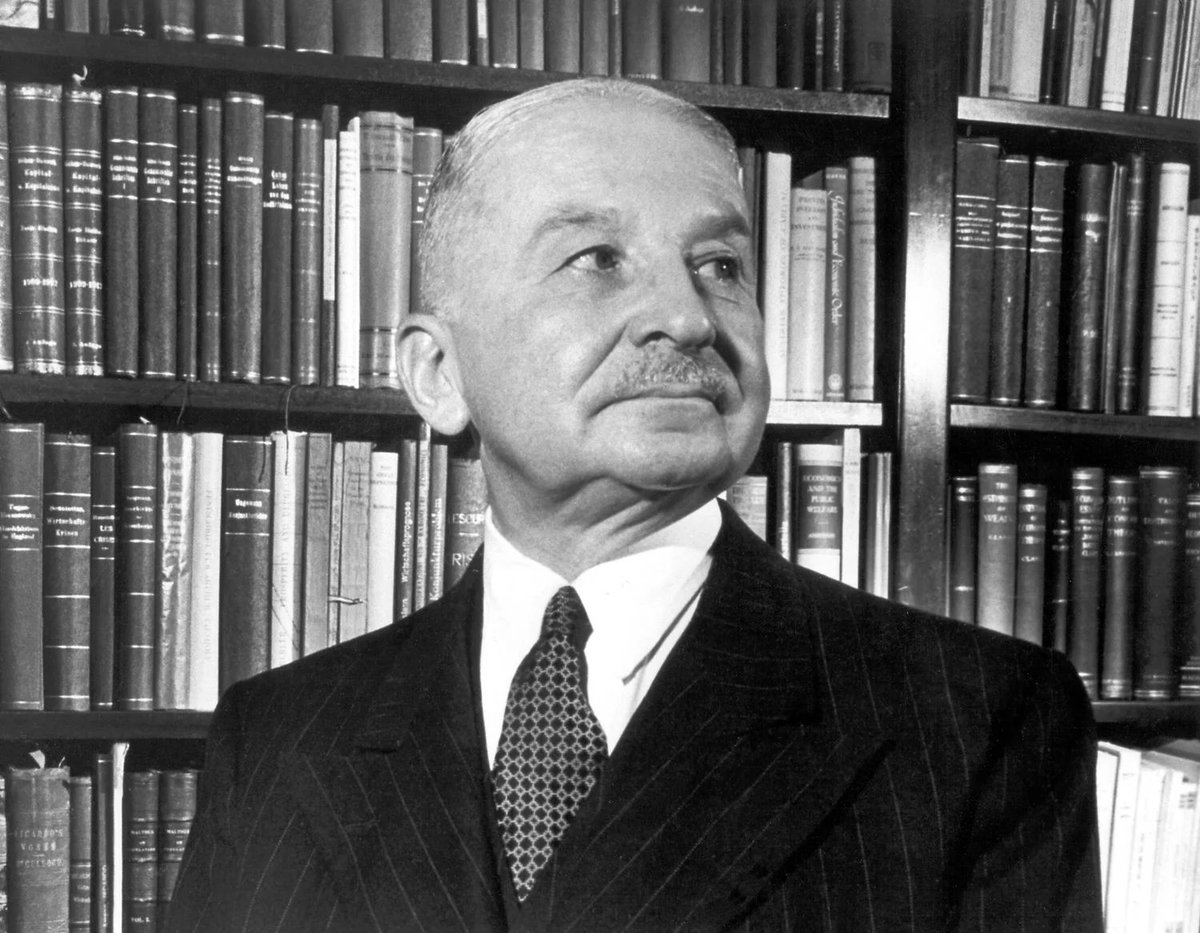
In 1920, Mises wrote an essay that should have ended socialism forever.
He proved central planning was mathematically impossible.
Without prices generated by free markets, governments have no way to calculate what to produce, how much to produce, or how to allocate resources efficiently.
They're flying blind.

English

Hayek won the Nobel Prize in 1974 for explaining something central bankers still refuse to accept:
When governments artificially lower interest rates, they create unsustainable booms that must crash.
Low rates send false signals to entrepreneurs. Businesses invest in projects that look profitable but aren't sustainable.

English

Every crisis proves the Austrians right:
The Great Depression? Mises warned of an inevitable crash in the late 1920s when everyone else celebrated the boom.
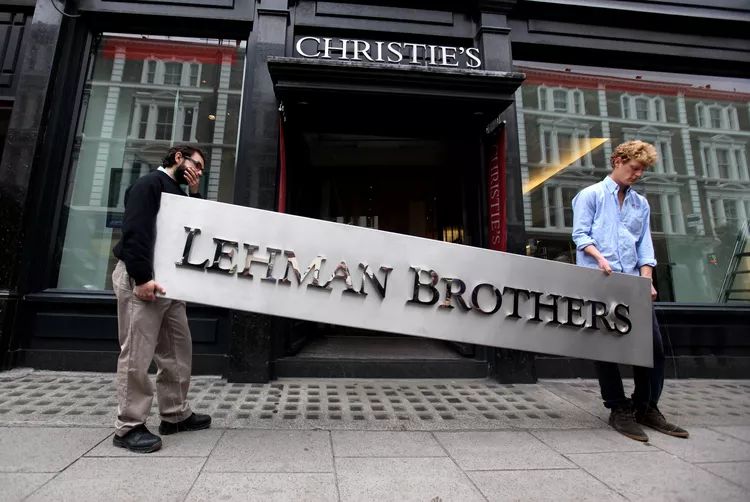
2008 financial crisis? Austrians predicted it by watching housing bubbles and loose credit.
Post-2020 inflation? Austrians warned printing trillions would destroy purchasing power.

English

Meanwhile, mainstream economists trust mathematical models more than they understand human behavior.
Austrian economics isn't popular in universities because it threatens the people who benefit from government intervention.
This isn't just academic theory. When governments ignore Austrian insights, real people suffer.

English

Savings get destroyed by inflation.
Careers get disrupted by artificial boom-bust cycles.
Entire generations inherit economies crippled by central planning fantasies.
The Austrian School doesn't just explain what went wrong. It explains why it will keep going wrong until we stop treating economies like machines we can control.

English

@sfliberty This is cool, but I think RBE would be superior in an automated society that relies on AI
English