ทวีตที่ปักหมุด

Most people automate the wrong things with AI.
Not because they picked a bad tool.
Because they never asked which tasks were worth automating in the first place.
Here is the 3-step filter I use before building anything:
English
Mike Carter | Building with AI
294 posts

@AIProfitStackHQ
Engineer → AI operator. I build repeatable AI systems that save time, cut costs, and create income. Follow for real workflows, not hype.


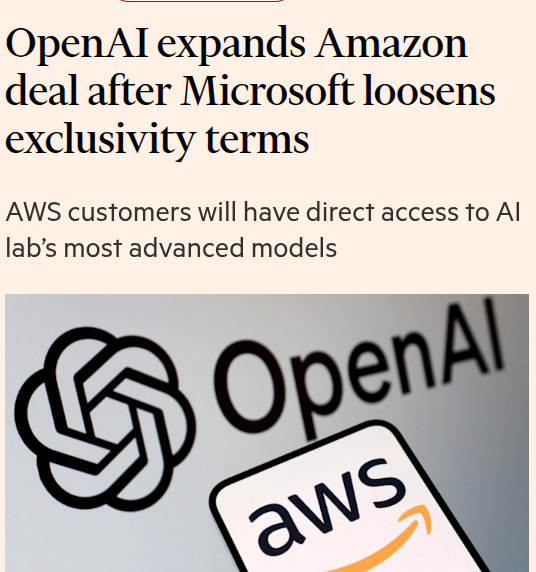
OpenAI is moving away from its exclusive Microsoft arrangement, making room for possible partnerships with Amazon and Google. At the same time, Microsoft wants to cut its dependence on OpenAI by creating its own AI models. Ending the exclusivity could also help lower antitrust scrutiny across the U.S., U.K., and Europe. Barclays analysts said the shift may free Microsoft to invest more in Copilot and expand cloud capacity. Last month, Microsoft was considering legal action against Amazon and OpenAI over a $ 50B cloud deal that may have violated its exclusive cloud partnership. The revised arrangement now lets OpenAI run its services on Amazon’s cloud without the technical changes required under the earlier Microsoft agreement. Microsoft still keeps a non-exclusive license to OpenAI model and product IP through 2032, still gets OpenAI revenue share through 2030, and still sits inside the upside as a major shareholder. Microsoft stock, falls -5% after announcing that its OpenAI license will now be nonexclusive and it will no longer pay revenue share to OpenAI. Investors can punish the loss of exclusivity on the headline, even if the deeper effect is to simplify the alliance and reduce regulatory and capital strain. But the software giant will no longer share revenue for the OpenAI products it sells on its cloud. Revenue OpenAI must share with Microsoft through 2030 will now have a cap for the total number and no longer tied to the startup's technology milestones. My read is that OpenAI gained more bargaining power than Microsoft gained certainty, which explains why investors initially treated the change like a moat reduction rather than a breakup. For Microsoft, the selloff reflects a real loss of scarcity premium, but the deeper gain is strategic - freeing capital for Copilot and other cloud capacity, while also easing antitrust pressure and reducing dependence on a partner that recently accounted for about 45% of Microsoft’s remaining performance obligation. Amazon looks like the clearest tactical winner. It already has a strategic OpenAI partnership, Bedrock distribution for OpenAI Frontier, and a large Trainium capacity commitment, so this deal turns AWS from backup infrastructure into a front-line route to OpenAI. Google Cloud gains something subtler but important: the right to compete for OpenAI workloads even while competing in models.



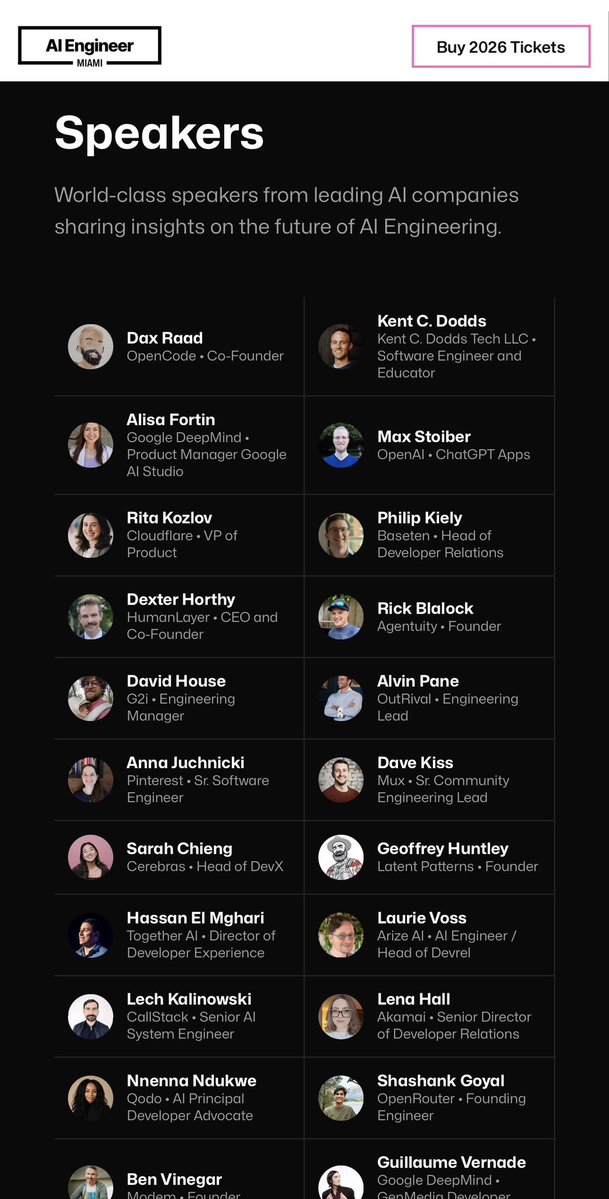

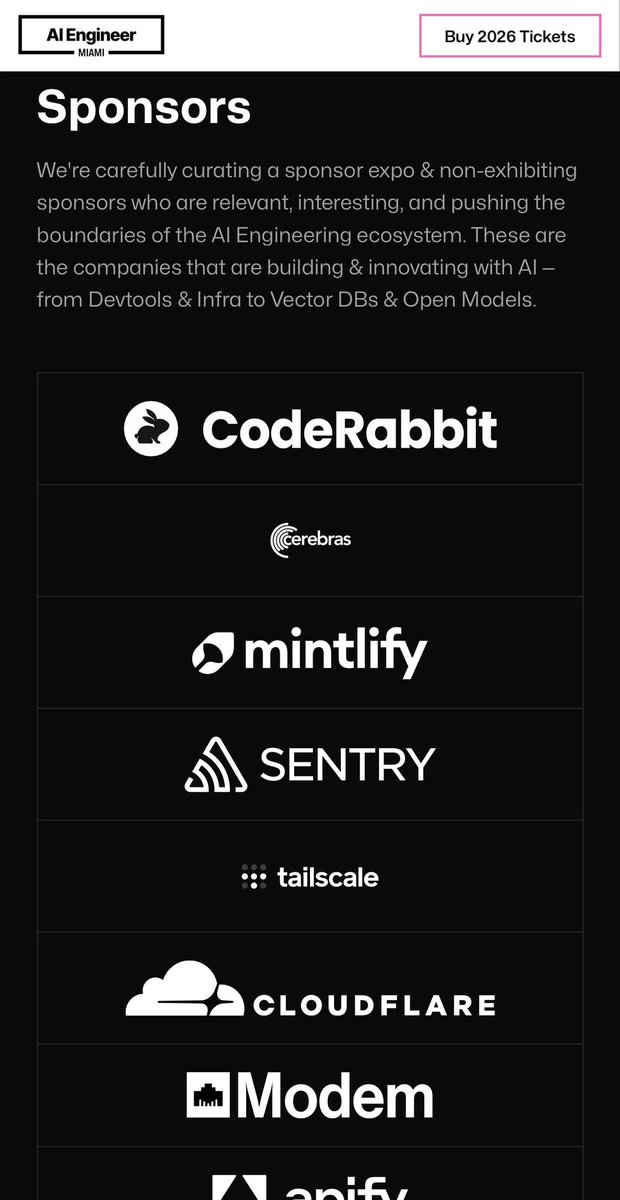
We're in the final stretch for tickets! Get your ticket to AIE Miami before we sell out! ai.engineer/miami



In @steipete's latest State of the Claw, he gives an update on 5 months of @OpenClaw and some behind the scenes on what it's like maintaining the fastest growing open source of all time: youtube.com/watch?v=zgNvts… eg: - 60x more security reports than curl - a "Bullshit Taxonomy" of illegitimate reports - Nation State attacks - 12%-20% of skills contributions malicious - contributors burning multiple Codex Pro per day - academic FUD Agents are both the product AND the attack vector. @simonw's Lethal Trifecta is not solved. Come for Pete's recommendations, what OpenClaw is doing on security, OpenClaw Foundation roadmap, and then subsequence audience Q&A with @swyx on taste, dreaming, and OpenAI.