Alisson Possa รีทวีตแล้ว
Alisson Possa
1.9K posts

Alisson Possa รีทวีตแล้ว

A empresa de IA que enfrentou o Pentágono nos EUA — e por que isso afeta o mundo todo bbc.in/4t04l7r
Português
Alisson Possa รีทวีตแล้ว

"validate"
Stanford researchers analysing 391,000 messages warn conversational technology may reinforce psychological vulnerabilities
ft.com/content/7f635a…
English
Alisson Possa รีทวีตแล้ว

Researchers uncover iPhone spyware capable of penetrating millions of devices reut.rs/3N9tJIE reut.rs/3N9tJIE
English
Alisson Possa รีทวีตแล้ว

Sony removes 135,000 'deepfakes' of its artists' music bbc.in/40E3hKi
English
Alisson Possa รีทวีตแล้ว

Depois explodem golpes de criminosos se passando por Tribunais e ninguém sabe como fazer parar.
Migalhas@PortalMigalhas
O TST manteve a validade de citação realizada via WhatsApp em ação trabalhista. O caso envolvia produtor rural que alegou não ter lido a mensagem enviada para apresentar defesa. O tribunal entendeu que o envio para o número correto do destinatário é suficiente para validar a comunicação judicial. migalhas.com.br/quentes/451928…
Português
Alisson Possa รีทวีตแล้ว

Race on to establish globally recognised 'AI-free' logo bbc.in/4ut1Hsc
English
Alisson Possa รีทวีตแล้ว

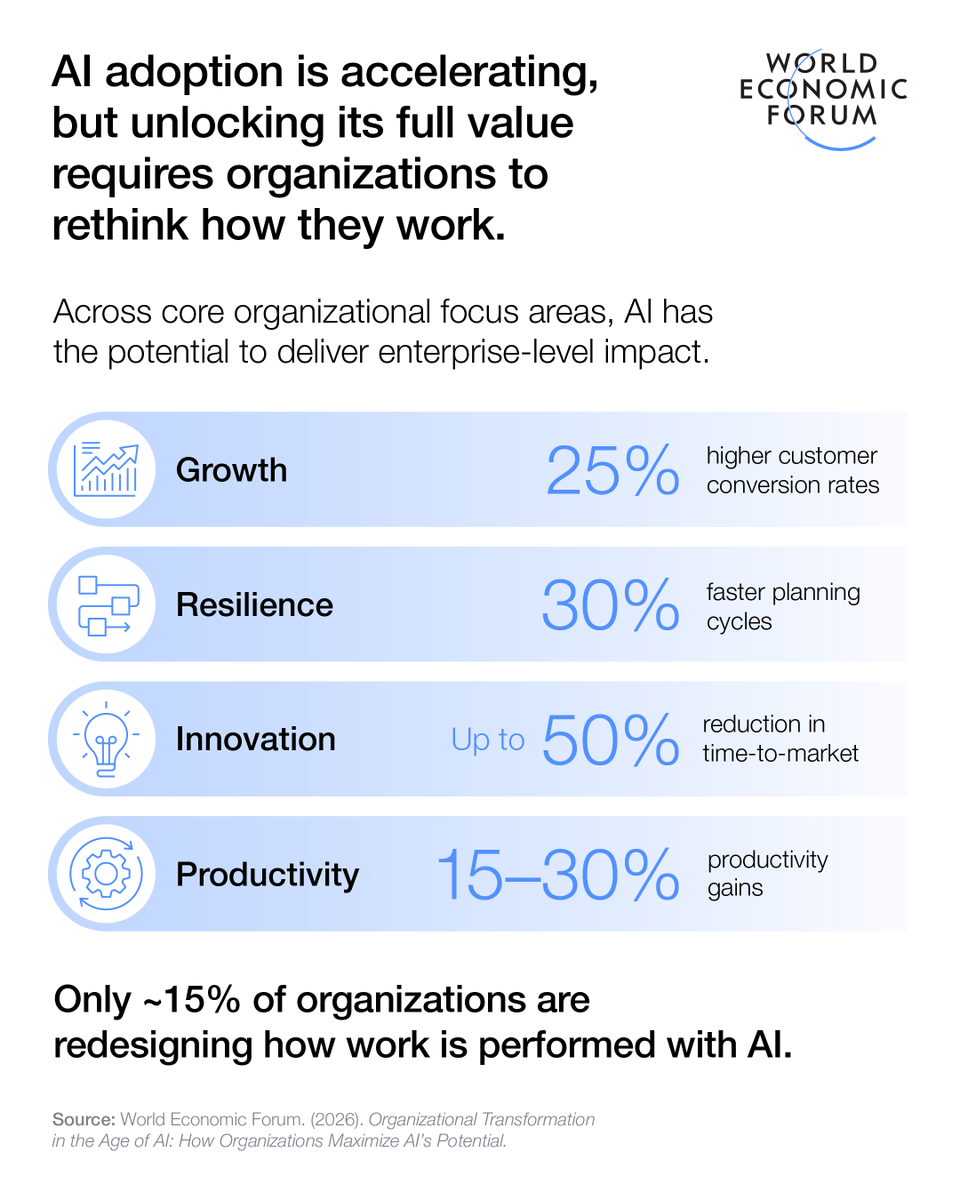
#AI delivers results, but the real advantage comes when it reshapes #work and decision-making.
Explore how organizations can scale AI successfully in this latest report, produced in collaboration with @Accenture: weforum.org/publications/o…

English
Alisson Possa รีทวีตแล้ว

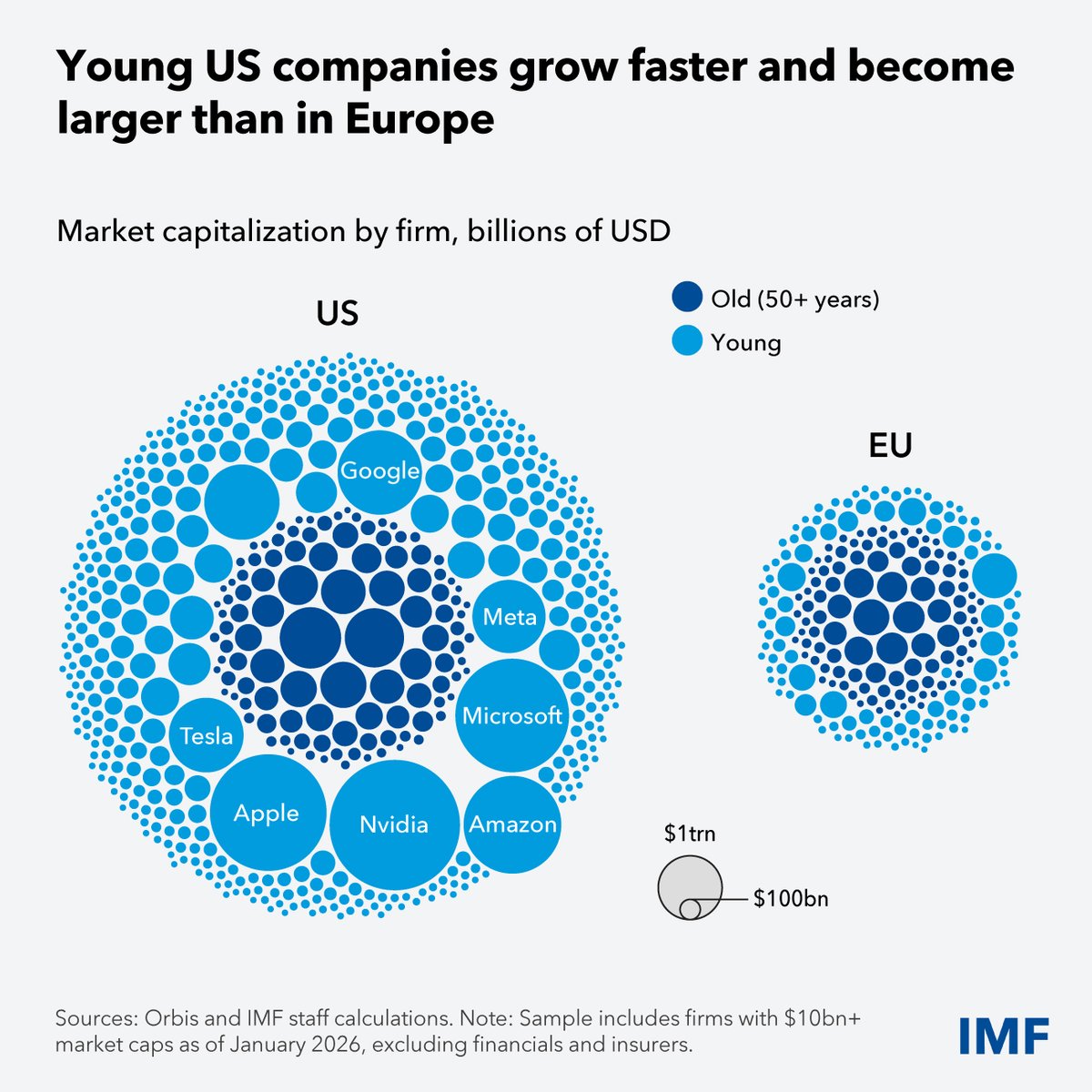
Europe once led the world in productivity but now trails the US by about 20%. The problem is scale: too many companies remain small. More capital, labor, and consumer markets integration can help innovative companies scale up. imf.org/en/blogs/artic…

English
Alisson Possa รีทวีตแล้ว

➡️ INTELIGÊNCIA ARTIFICIAL | Aluno usa IA para criar nudes de colegas e vira caso de polícia
Leia na coluna de @mirelle_ap
metropoles.com/colunas/mirell…
Português
Alisson Possa รีทวีตแล้ว

Another thread on Iran.
The attack (or the “excursion”) on Iran, after the forceful removal of Venezuela’s President Nicolas Maduro, may have brought US foreign policy to an all-time low – both in terms of how the world views US power and for how damaging American foreign action will be to the domestic economy.
This isn’t, of course, the first time the US has undertaken an ill-fated, poorly-planned intervention abroad.
Arguably, an important one was CIA’s toppling of Iran’s popularly-elected prime minister Mohammad Mossadegh in 1953, after he nationalized the British-owned oil industry of Iran with the strong support of Iran’s parliament.
History is contingent, and it would be a stretch to say that Mossadegh’s ouster necessarily caused the Iranian revolution and its aftermath. But there should be little doubt that CIA’s brazen intervention shaped the way that many Iranians viewed the regime of Mohammad Reza Pahlavi, instituted (or “restored”) as Shah by the Americans, as a puppet of an imperialist power.
This was the reason why many segments of Iranian population, including communists, conservatives and liberals, supported the Iranian revolution of Ayatollah Khomeini against Pahlavi. Khomeini was, in hindsight, anything but a consensus leader, quickly turning violently against his erstwhile allies and setting up a hugely repressive, theocratic regime, which is still in power in Iran.
The general lesson for today should be that US interventions will have plenty of unforeseen consequences, in part because they will inevitably create resentment. Most people around the world don’t like the power from the outside coming in and acting like a bully.
This is all the more so when the outside intervention doesn’t have a coherent ideological justification – during the Cold War, the United States had the overarching objective of stopping the spread of communism (which was a real threat).
It is even more so when the action is ill-planned, shows no understanding or concern for the lives of the people it is affecting, and is arrogant.
We may now expect US soft power around the globe to reach an all-time low (except that the Trump administration doesn’t seem to care about soft power).
True, the Iranian regime under Ayatollah Khamenei (Khomeini’s successor as the supreme leader) was singularly vicious and repressive. The majority of the population holds no love for either Khamenei or the Revolutionary Guard. But this doesn’t mean the regime will collapse. Nor does it imply that the intervention will bring peace and stability to the region.
The most remarkable thing about the Israeli-American attack on Iran is how poorly planned it was – even compared to CIA actions during the Cold War that sometimes had disastrous outcomes.
I don’t mean that the American Israeli military did not have well-scoped targets and precision bombs, which they did (for the most part). Rather, they did not have a clear (or any) exit plan.
It should have been obvious that the Iranian regime wouldn’t collapse, even if its head were cut off. It should have also been viewed as probable that Iran would retaliate in a way that would bring instability to the region and higher oil prices. After all, the Iranian regime’s strongest trump card is to block the Strait of Hormuz, which would hike global oil prices.
In fact, many in the Iranian elite may think that they have a fairly solid hand. Americans wouldn’t have an appetite for a prolonged war, while the Iranian regime can continue with the blockade for a long time and still suppress the population to ensure its survival. All the current market consternation seems to confirm this.
The consequence is higher oil prices and uncertainty in the global economy.
At a time when the economy seems fragile (as witnessed by the frequent discussions of an AI bubble), this is a recipe for trouble. Higher oil prices will slow down investment and economic growth, and push up prices. The resulting higher unemployment and inflation are bound to be costly for any government (including those in Europe who are being threatened by right-wing populist outsiders, despite the fact that most European leaders are opposing the war).
In the United States, this will be seen as Trump’s war (or a Trump-Israeli war). So he should pay the political price for it.
But here is the catch. Trump himself is the anti-establishment leader. If a segment of the US electorate blames not Trump primarily but the political establishment for the ensuing economic problems, this can further polarize the country and weaken US institutions. Trump himself is likely to throw oil on this fire (if a pun could be forgiven), by trying to further polarize Republicans and Democrats, and even attempt more incendiary actions domestically in order to mobilize his base and force Democrats into a corner. After all, Trump’s agenda favors weaker institutions, and he is likely to take any opportunity to achieve this outcome.
It remains to be seen whether the ill-planned foreign adventures led by an anti-establishment president will further weaken US institutions. If they do, the toll for Trump’s actions will be paid by all of us, even more than we can fully comprehend now – in terms of a greater risk to democracy, social peace and economic resilience.
English
Alisson Possa รีทวีตแล้ว

Advogado diz que golpistas usavam IA para replicar voz e enganar cliente cnnbrasil.com.br/nacional/norde…
Português
Alisson Possa รีทวีตแล้ว

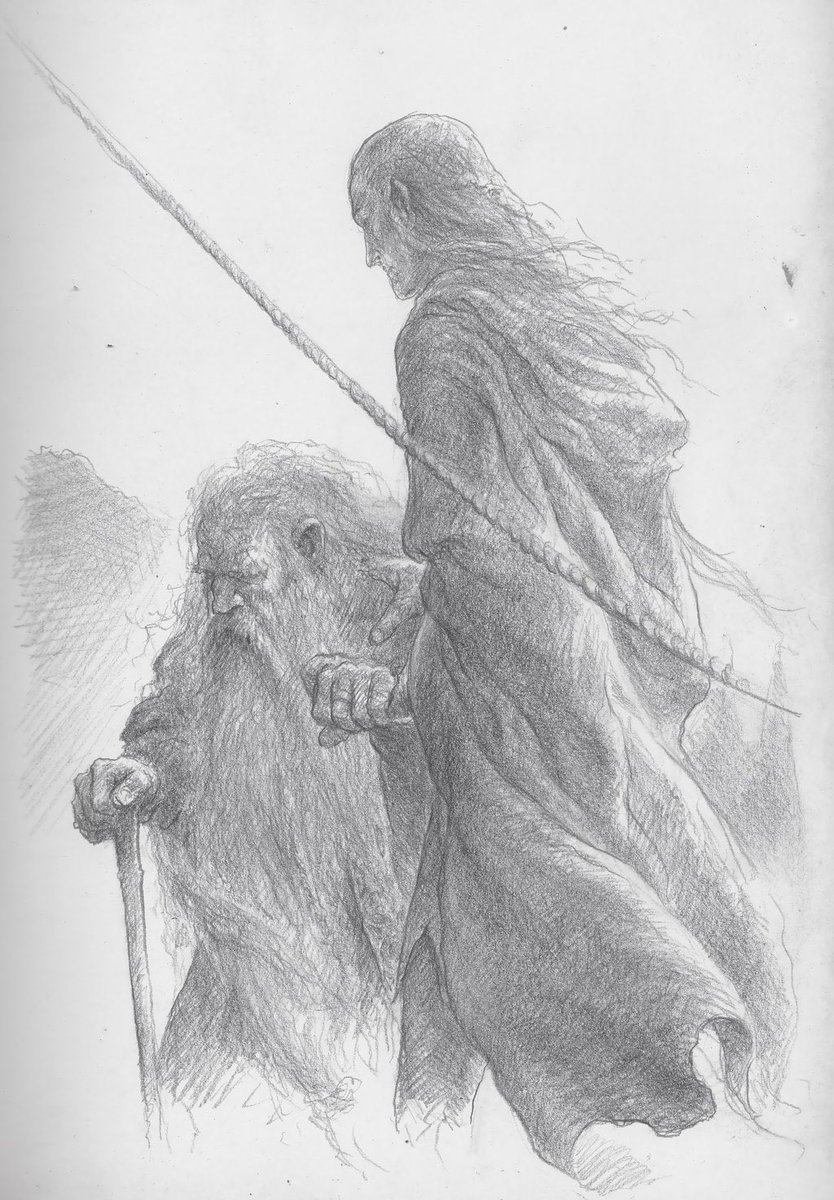
Legolas and Gimli depart Middle-earth for good.
By Turner Mohan
"We have heard tell that Legolas took Gimli Glóin's son with him because of their great friendship... But it is said that Gimli went also out of desire to see again the beauty of Galadriel... More cannot be said of this matter."

English