Osman

7.6K posts

Osman banner
Osman

Osman

@AvMuhammadOsman

Uluslararası Avukat ⚖️ Cross-Jurisdictional Counsel ⚖️ Precise solutions where jurisdictions collide between boardrooms, embassies & courtrooms.

เข้าร่วม Mayıs 2025
3.5K กำลังติดตาม259 ผู้ติดตาม
ทวีตที่ปักหมุด
Osman
Osman@AvMuhammadOsman·
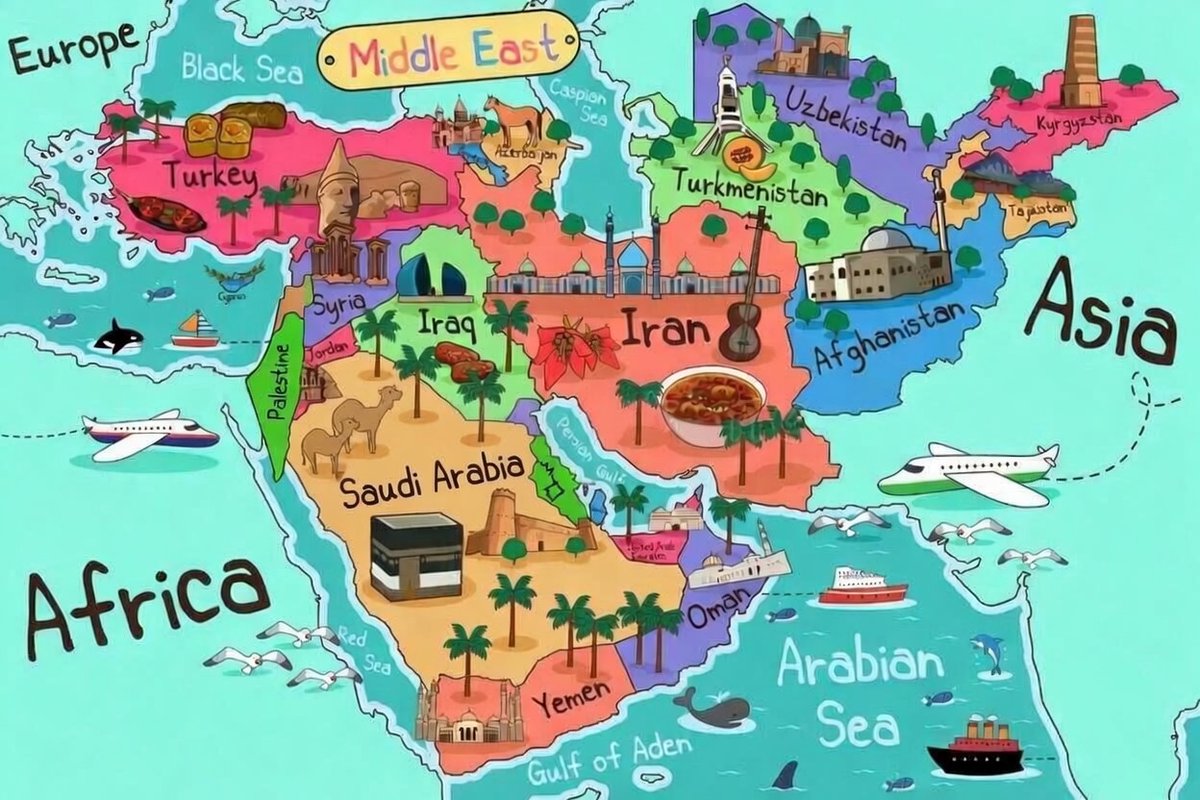
** Türkiye-Iran-Pakistan-Saudi Arabia (TIPS) Persian Gulf and Red Sea (GULFRED Alliance) **A Proposal for a Sovereign Regional Security Architecture to Stop the Exploitation of Sectarianism and External Interventions in the Middle East** (The TIPS Security Pact and Transition the GULFRED Alliance) ** Preamble ** · Recalling the ongoing armed conflict initiated on 28 February 2026 by joint United States and Israeli military operations against the Islamic Republic of Iran, including targeted strikes resulting in the death of Supreme Leader Ali Khamenei and widespread destruction of Iranian military infrastructure, which has escalated into a broader regional confrontation involving retaliatory missile and drone strikes by Iran and its allies against U.S. bases, Israel, and allied states in the Gulf and beyond; · Deeply concerned that external actors, notably the United States and Israel, continue to exploit and exacerbate sectarian divisions between Sunni and Shia Muslim communities as a strategic instrument to justify prolonged military engagement, perpetuate foreign military presence, and advance hegemonic interests at the expense of regional sovereignty and civilian lives; · Noting the Strategic Mutual Defence Agreement (SMDA) concluded between the Islamic Republic of Pakistan and the Kingdom of Saudi Arabia on 17 September 2025, which establishes reciprocal commitments to treat aggression against one as aggression against both, thereby formalizing long-standing defense cooperation amid rising regional volatility; · Observing recent diplomatic engagements, including discussions among the Republic of Türkiye, the Kingdom of Saudi Arabia, and the Islamic Republic of Pakistan toward a potential trilateral defense framework (as reported in early 2026), and concurrent high level contacts between Pakistani and Saudi leadership with Iranian counterparts amid the current crisis; · Affirming that genuine and lasting peace requires the inclusive integration of major Muslim majority powers across sectarian lines, thereby depriving external powers of pretexts for intervention under the guise of sectarian protection or balance of power maintenance; · Reaffirming the principles of sovereign equality, territorial integrity, non interference in internal affairs, mutual respect, and peaceful dispute resolution as enshrined in the Charter of the United Nations and customary international law; The High Contracting Parties – the Republic of Türkiye, the Islamic Republic of Iran, the Islamic Republic of Pakistan, and the Kingdom of Saudi Arabia – hereby propose the urgent negotiation, adoption, and ratification of the Türkiye-İran-Pakistan-Saudi Arabia (TİPS) Security Pact, as the foundational instrument for a unified indigenous security architecture, to be progressively institutionalized as the Guardianship United for Littoral Freedom in the Persian Gulf and Red Sea (GULFRED Alliance). Article 1: Core Objectives 1. To neutralize attempts by external powers to foment intra Muslim conflict through sectarian narratives (Sunni-Shia) by institutionalizing cross sectarian solidarity and collective self defense. 2. To establish an autonomous regional security mechanism capable of safeguarding Member States' sovereignty and maritime domains, thereby eliminating any legitimate basis for the continued stationing of foreign (particularly United States) military forces and bases in the region. 3. To ensure freedom of navigation, counter external threats to vital littorals,protect civilian populations, and prevent escalation of the current conflict into a wider intra regional war. 4. To facilitate the orderly, phased withdrawal of extraneous foreign military installations as a reciprocal confidence building measure upon operationalization of this framework. Article 2: Mutual Defense and Deterrence Commitments 1.Consistent with Article 51 of the United Nations Charter, an armed attack against one Member State shall be deemed an attack against all, obligating immediate consultations and collective measures, including proportionate defensive responses. 2.Member States possessing advanced deterrent capabilities (including Pakistan's nuclear arsenal) shall extend mutual assurances as mutually agreed, without prejudice to national doctrines, to reinforce regional deterrence against external aggression. Article 3: Joint Maritime and Littoral Security Framework 1.The TİPS Pact shall establish integrated naval and security task forces for the Persian Gulf and Red Sea, with operational divisions reflecting geographic proximity, historical ties, and military strengths: *Red Sea: The Republic of Türkiye shall lead security efforts along the western (African) littoral in coordination with coastal states; the Islamic Republic of Pakistan shall provide primary support to the eastern (Arabian Peninsula) littoral, including close collaboration with the Kingdom of Saudi Arabia. *Persian Gulf: The Republic of Türkiye shall coordinate security for the Arabian littoral, building on established relations with Gulf states; the Islamic Republic of Iran and the Islamic Republic of Pakistan shall jointly oversee security along the Iranian, Iraqi, and related littorals through shared patrols, intelligence fusion, and de-confliction mechanisms. *In Yemen and adjacent areas, collaborative mechanisms shall be established between Iranian-supported and Pakistani/Saudi-aligned forces to enforce de-escalation and humanitarian access. 2.These dispositions draw inspiration from centuries of peaceful multi-sectarian coexistence under historical frameworks such as the Ottoman era, while fully respecting modern principles of sovereign equality and non-domination. Article 4: Institutional Evolution to GULFRED Alliance 1.Following entry into force of the TİPS Pact, Member States shall convene to formalize the GULFRED Alliance (Guardianship United for Littoral Freedom: (Persian Gulf + Red Sea), with provisions for accession by other regional states on consensus. 2.The Alliance's permanent mandate shall encompass exclusive regional guardianship of littorals, countering external interference, and collective defense, rendering foreign bases obsolete and unnecessary. Article 5: Foreign Military Presence and Withdrawal Mechanism 1.Member States declare that the establishment and effective functioning of this indigenous architecture nullifies prior rationales for foreign military deployments, previously asserted as protective measures against perceived threats. 2.Upon ratification and initial operationalization, the Parties shall issue a joint declaration demanding phased closure and evacuation of extraneous bases (including those in Qatar, Bahrain, Kuwait, UAE, and elsewhere), with negotiated timelines and verification protocols. Article 6: Confidence Building, Dispute Resolution, and Implementation 1.Disputes shall be resolved exclusively through negotiation, good offices, mediation, or arbitration, prohibiting recourse to force. 2.Annual summits at the level of Heads of State/Government, joint military exercises, and permanent liaison mechanisms shall build trust and interoperability. 3.The Pact shall enter into force upon signature by all Parties and ratification per domestic constitutional requirements. Concluding Declaration: This initiative constitutes a sovereign assertion by Muslim majority states to reclaim control over their security environment, bridge sectarian divides exploited by outsiders, and secure a future of self reliant peace. It presents a credible pathway to de-escalate the ongoing crisis, offering external actors including the United States a dignified strategic exit from an increasingly untenable and costly engagement. The proposed High Contracting Parties are urged to convene forthwith in a mutually agreed neutral venue to finalize and adopt this framework, thereby converting the present peril into an enduring foundation for regional harmony, stability, and independence from foreign dominations,external wars and occupations. The proposed framework would deliver a balanced, reciprocal benefit to all principal parties, thereby creating a genuine win-win outcome in the current strategic environment. *For the United States and the administration under President Trump, it would provide a credible, face saving, and geopolitically responsible pathway for a phased disengagement from certain forward military deployments in the Middle East. Such an arrangement would align directly with declared U.S. policy goals of reducing open ended overseas military footprints, lowering strategic overextension risks, conserving fiscal resources, and executing an orderly, conditions based withdrawal that preserves core deterrence credibility while avoiding perceptions of strategic retreat or capitulation. *For the Islamic Republic of Iran, the arrangement would satisfy its highest-order, non-negotiable national-security red line: the elimination or substantial reduction of foreign particularly American military bases and troop presences across the Persian Gulf and broader Middle East region. Meeting this longstanding, repeatedly articulated precondition would constitute a major, tangible concession on sovereignty, regional power balance, and threat perception, thereby opening credible space for meaningful de-escalation, confidence building measures, and potential future diplomatic engagement. *Simultaneously, the Arab Gulf states currently hosting U.S. military facilities would achieve substantial and immediate economic relief by terminating the considerable financial obligations associated with these installations. These burdens include direct host-nation support payments, infrastructure maintenance and upgrade costs, security provision expenses, and opportunity costs tied to land and resource allocation. Removing or significantly downsizing such bases would liberate fiscal resources for domestic development priorities, enhance sovereign decision making autonomy, reduce domestic political sensitivities surrounding foreign troop presence, and decrease entanglement in extra regional conflicts. In aggregate, this mutually reinforcing set of concessions would facilitate a structured recalibration of the regional security architecture, reduce the risk of inadvertent escalation, lower the aggregate military expenditure burden across multiple capitals, and create conditions more conducive to long term stability through negotiated adjustments rather than continued confrontation or unilateral imposition. Md Osman @RTErdogan @tcbestepe @HakanFidan @MFATurkiye @CMShehbaz @MIshaqDar50 @GovtofPakistan @PresOfPakistan @ForeignOfficePk @khamenei_ir @MKhamenei_ir @drpezeshkian @araghchi @mb_ghalibaf @FaisalbinFarhan @kbsalsaud @ksamoaf @AH_AlSharaa @AsaadHShaibani @SyPresidency @anwaribrahim @prabowo @badralbusaidi @president_uz @azpresident @presidentaz @TokayevKZ @MFA_KZ @TamimBinHamad @hamadjjalthani @MofaQatar_AR @ShuraQatar @AmiriDiwan @mofaqatar_EN @MBA_AlThani_
Osman tweet media
English
13
21
56
290K
Osman
Osman@AvMuhammadOsman·
Osman@AvMuhammadOsman

** Türkiye-Iran-Pakistan-Saudi Arabia (TIPS) Persian Gulf and Red Sea (GULFRED Alliance) **A Proposal for a Sovereign Regional Security Architecture to Stop the Exploitation of Sectarianism and External Interventions in the Middle East** (The TIPS Security Pact and Transition the GULFRED Alliance) ** Preamble ** · Recalling the ongoing armed conflict initiated on 28 February 2026 by joint United States and Israeli military operations against the Islamic Republic of Iran, including targeted strikes resulting in the death of Supreme Leader Ali Khamenei and widespread destruction of Iranian military infrastructure, which has escalated into a broader regional confrontation involving retaliatory missile and drone strikes by Iran and its allies against U.S. bases, Israel, and allied states in the Gulf and beyond; · Deeply concerned that external actors, notably the United States and Israel, continue to exploit and exacerbate sectarian divisions between Sunni and Shia Muslim communities as a strategic instrument to justify prolonged military engagement, perpetuate foreign military presence, and advance hegemonic interests at the expense of regional sovereignty and civilian lives; · Noting the Strategic Mutual Defence Agreement (SMDA) concluded between the Islamic Republic of Pakistan and the Kingdom of Saudi Arabia on 17 September 2025, which establishes reciprocal commitments to treat aggression against one as aggression against both, thereby formalizing long-standing defense cooperation amid rising regional volatility; · Observing recent diplomatic engagements, including discussions among the Republic of Türkiye, the Kingdom of Saudi Arabia, and the Islamic Republic of Pakistan toward a potential trilateral defense framework (as reported in early 2026), and concurrent high level contacts between Pakistani and Saudi leadership with Iranian counterparts amid the current crisis; · Affirming that genuine and lasting peace requires the inclusive integration of major Muslim majority powers across sectarian lines, thereby depriving external powers of pretexts for intervention under the guise of sectarian protection or balance of power maintenance; · Reaffirming the principles of sovereign equality, territorial integrity, non interference in internal affairs, mutual respect, and peaceful dispute resolution as enshrined in the Charter of the United Nations and customary international law; The High Contracting Parties – the Republic of Türkiye, the Islamic Republic of Iran, the Islamic Republic of Pakistan, and the Kingdom of Saudi Arabia – hereby propose the urgent negotiation, adoption, and ratification of the Türkiye-İran-Pakistan-Saudi Arabia (TİPS) Security Pact, as the foundational instrument for a unified indigenous security architecture, to be progressively institutionalized as the Guardianship United for Littoral Freedom in the Persian Gulf and Red Sea (GULFRED Alliance). Article 1: Core Objectives 1. To neutralize attempts by external powers to foment intra Muslim conflict through sectarian narratives (Sunni-Shia) by institutionalizing cross sectarian solidarity and collective self defense. 2. To establish an autonomous regional security mechanism capable of safeguarding Member States' sovereignty and maritime domains, thereby eliminating any legitimate basis for the continued stationing of foreign (particularly United States) military forces and bases in the region. 3. To ensure freedom of navigation, counter external threats to vital littorals,protect civilian populations, and prevent escalation of the current conflict into a wider intra regional war. 4. To facilitate the orderly, phased withdrawal of extraneous foreign military installations as a reciprocal confidence building measure upon operationalization of this framework. Article 2: Mutual Defense and Deterrence Commitments 1.Consistent with Article 51 of the United Nations Charter, an armed attack against one Member State shall be deemed an attack against all, obligating immediate consultations and collective measures, including proportionate defensive responses. 2.Member States possessing advanced deterrent capabilities (including Pakistan's nuclear arsenal) shall extend mutual assurances as mutually agreed, without prejudice to national doctrines, to reinforce regional deterrence against external aggression. Article 3: Joint Maritime and Littoral Security Framework 1.The TİPS Pact shall establish integrated naval and security task forces for the Persian Gulf and Red Sea, with operational divisions reflecting geographic proximity, historical ties, and military strengths: *Red Sea: The Republic of Türkiye shall lead security efforts along the western (African) littoral in coordination with coastal states; the Islamic Republic of Pakistan shall provide primary support to the eastern (Arabian Peninsula) littoral, including close collaboration with the Kingdom of Saudi Arabia. *Persian Gulf: The Republic of Türkiye shall coordinate security for the Arabian littoral, building on established relations with Gulf states; the Islamic Republic of Iran and the Islamic Republic of Pakistan shall jointly oversee security along the Iranian, Iraqi, and related littorals through shared patrols, intelligence fusion, and de-confliction mechanisms. *In Yemen and adjacent areas, collaborative mechanisms shall be established between Iranian-supported and Pakistani/Saudi-aligned forces to enforce de-escalation and humanitarian access. 2.These dispositions draw inspiration from centuries of peaceful multi-sectarian coexistence under historical frameworks such as the Ottoman era, while fully respecting modern principles of sovereign equality and non-domination. Article 4: Institutional Evolution to GULFRED Alliance 1.Following entry into force of the TİPS Pact, Member States shall convene to formalize the GULFRED Alliance (Guardianship United for Littoral Freedom: (Persian Gulf + Red Sea), with provisions for accession by other regional states on consensus. 2.The Alliance's permanent mandate shall encompass exclusive regional guardianship of littorals, countering external interference, and collective defense, rendering foreign bases obsolete and unnecessary. Article 5: Foreign Military Presence and Withdrawal Mechanism 1.Member States declare that the establishment and effective functioning of this indigenous architecture nullifies prior rationales for foreign military deployments, previously asserted as protective measures against perceived threats. 2.Upon ratification and initial operationalization, the Parties shall issue a joint declaration demanding phased closure and evacuation of extraneous bases (including those in Qatar, Bahrain, Kuwait, UAE, and elsewhere), with negotiated timelines and verification protocols. Article 6: Confidence Building, Dispute Resolution, and Implementation 1.Disputes shall be resolved exclusively through negotiation, good offices, mediation, or arbitration, prohibiting recourse to force. 2.Annual summits at the level of Heads of State/Government, joint military exercises, and permanent liaison mechanisms shall build trust and interoperability. 3.The Pact shall enter into force upon signature by all Parties and ratification per domestic constitutional requirements. Concluding Declaration: This initiative constitutes a sovereign assertion by Muslim majority states to reclaim control over their security environment, bridge sectarian divides exploited by outsiders, and secure a future of self reliant peace. It presents a credible pathway to de-escalate the ongoing crisis, offering external actors including the United States a dignified strategic exit from an increasingly untenable and costly engagement. The proposed High Contracting Parties are urged to convene forthwith in a mutually agreed neutral venue to finalize and adopt this framework, thereby converting the present peril into an enduring foundation for regional harmony, stability, and independence from foreign dominations,external wars and occupations. The proposed framework would deliver a balanced, reciprocal benefit to all principal parties, thereby creating a genuine win-win outcome in the current strategic environment. *For the United States and the administration under President Trump, it would provide a credible, face saving, and geopolitically responsible pathway for a phased disengagement from certain forward military deployments in the Middle East. Such an arrangement would align directly with declared U.S. policy goals of reducing open ended overseas military footprints, lowering strategic overextension risks, conserving fiscal resources, and executing an orderly, conditions based withdrawal that preserves core deterrence credibility while avoiding perceptions of strategic retreat or capitulation. *For the Islamic Republic of Iran, the arrangement would satisfy its highest-order, non-negotiable national-security red line: the elimination or substantial reduction of foreign particularly American military bases and troop presences across the Persian Gulf and broader Middle East region. Meeting this longstanding, repeatedly articulated precondition would constitute a major, tangible concession on sovereignty, regional power balance, and threat perception, thereby opening credible space for meaningful de-escalation, confidence building measures, and potential future diplomatic engagement. *Simultaneously, the Arab Gulf states currently hosting U.S. military facilities would achieve substantial and immediate economic relief by terminating the considerable financial obligations associated with these installations. These burdens include direct host-nation support payments, infrastructure maintenance and upgrade costs, security provision expenses, and opportunity costs tied to land and resource allocation. Removing or significantly downsizing such bases would liberate fiscal resources for domestic development priorities, enhance sovereign decision making autonomy, reduce domestic political sensitivities surrounding foreign troop presence, and decrease entanglement in extra regional conflicts. In aggregate, this mutually reinforcing set of concessions would facilitate a structured recalibration of the regional security architecture, reduce the risk of inadvertent escalation, lower the aggregate military expenditure burden across multiple capitals, and create conditions more conducive to long term stability through negotiated adjustments rather than continued confrontation or unilateral imposition. Md Osman @RTErdogan @tcbestepe @HakanFidan @MFATurkiye @CMShehbaz @MIshaqDar50 @GovtofPakistan @PresOfPakistan @ForeignOfficePk @khamenei_ir @MKhamenei_ir @drpezeshkian @araghchi @mb_ghalibaf @FaisalbinFarhan @kbsalsaud @ksamoaf @AH_AlSharaa @AsaadHShaibani @SyPresidency @anwaribrahim @prabowo @badralbusaidi @president_uz @azpresident @presidentaz @TokayevKZ @MFA_KZ @TamimBinHamad @hamadjjalthani @MofaQatar_AR @ShuraQatar @AmiriDiwan @mofaqatar_EN @MBA_AlThani_

QME
0
0
1
64
The Economist
The Economist@TheEconomist·
When civil war broke out in Sudan the national army believed it would make short work of fighters led by Muhammad Hamdan Dagalo, a warlord known as Hemedti. Three years on the scale of that miscalculation is clear economist.com/middle-east-an…
English
2
5
12
15.8K
Osman
Osman@AvMuhammadOsman·
Osman@AvMuhammadOsman

** Türkiye-Iran-Pakistan-Saudi Arabia (TIPS) Persian Gulf and Red Sea (GULFRED Alliance) **A Proposal for a Sovereign Regional Security Architecture to Stop the Exploitation of Sectarianism and External Interventions in the Middle East** (The TIPS Security Pact and Transition the GULFRED Alliance) ** Preamble ** · Recalling the ongoing armed conflict initiated on 28 February 2026 by joint United States and Israeli military operations against the Islamic Republic of Iran, including targeted strikes resulting in the death of Supreme Leader Ali Khamenei and widespread destruction of Iranian military infrastructure, which has escalated into a broader regional confrontation involving retaliatory missile and drone strikes by Iran and its allies against U.S. bases, Israel, and allied states in the Gulf and beyond; · Deeply concerned that external actors, notably the United States and Israel, continue to exploit and exacerbate sectarian divisions between Sunni and Shia Muslim communities as a strategic instrument to justify prolonged military engagement, perpetuate foreign military presence, and advance hegemonic interests at the expense of regional sovereignty and civilian lives; · Noting the Strategic Mutual Defence Agreement (SMDA) concluded between the Islamic Republic of Pakistan and the Kingdom of Saudi Arabia on 17 September 2025, which establishes reciprocal commitments to treat aggression against one as aggression against both, thereby formalizing long-standing defense cooperation amid rising regional volatility; · Observing recent diplomatic engagements, including discussions among the Republic of Türkiye, the Kingdom of Saudi Arabia, and the Islamic Republic of Pakistan toward a potential trilateral defense framework (as reported in early 2026), and concurrent high level contacts between Pakistani and Saudi leadership with Iranian counterparts amid the current crisis; · Affirming that genuine and lasting peace requires the inclusive integration of major Muslim majority powers across sectarian lines, thereby depriving external powers of pretexts for intervention under the guise of sectarian protection or balance of power maintenance; · Reaffirming the principles of sovereign equality, territorial integrity, non interference in internal affairs, mutual respect, and peaceful dispute resolution as enshrined in the Charter of the United Nations and customary international law; The High Contracting Parties – the Republic of Türkiye, the Islamic Republic of Iran, the Islamic Republic of Pakistan, and the Kingdom of Saudi Arabia – hereby propose the urgent negotiation, adoption, and ratification of the Türkiye-İran-Pakistan-Saudi Arabia (TİPS) Security Pact, as the foundational instrument for a unified indigenous security architecture, to be progressively institutionalized as the Guardianship United for Littoral Freedom in the Persian Gulf and Red Sea (GULFRED Alliance). Article 1: Core Objectives 1. To neutralize attempts by external powers to foment intra Muslim conflict through sectarian narratives (Sunni-Shia) by institutionalizing cross sectarian solidarity and collective self defense. 2. To establish an autonomous regional security mechanism capable of safeguarding Member States' sovereignty and maritime domains, thereby eliminating any legitimate basis for the continued stationing of foreign (particularly United States) military forces and bases in the region. 3. To ensure freedom of navigation, counter external threats to vital littorals,protect civilian populations, and prevent escalation of the current conflict into a wider intra regional war. 4. To facilitate the orderly, phased withdrawal of extraneous foreign military installations as a reciprocal confidence building measure upon operationalization of this framework. Article 2: Mutual Defense and Deterrence Commitments 1.Consistent with Article 51 of the United Nations Charter, an armed attack against one Member State shall be deemed an attack against all, obligating immediate consultations and collective measures, including proportionate defensive responses. 2.Member States possessing advanced deterrent capabilities (including Pakistan's nuclear arsenal) shall extend mutual assurances as mutually agreed, without prejudice to national doctrines, to reinforce regional deterrence against external aggression. Article 3: Joint Maritime and Littoral Security Framework 1.The TİPS Pact shall establish integrated naval and security task forces for the Persian Gulf and Red Sea, with operational divisions reflecting geographic proximity, historical ties, and military strengths: *Red Sea: The Republic of Türkiye shall lead security efforts along the western (African) littoral in coordination with coastal states; the Islamic Republic of Pakistan shall provide primary support to the eastern (Arabian Peninsula) littoral, including close collaboration with the Kingdom of Saudi Arabia. *Persian Gulf: The Republic of Türkiye shall coordinate security for the Arabian littoral, building on established relations with Gulf states; the Islamic Republic of Iran and the Islamic Republic of Pakistan shall jointly oversee security along the Iranian, Iraqi, and related littorals through shared patrols, intelligence fusion, and de-confliction mechanisms. *In Yemen and adjacent areas, collaborative mechanisms shall be established between Iranian-supported and Pakistani/Saudi-aligned forces to enforce de-escalation and humanitarian access. 2.These dispositions draw inspiration from centuries of peaceful multi-sectarian coexistence under historical frameworks such as the Ottoman era, while fully respecting modern principles of sovereign equality and non-domination. Article 4: Institutional Evolution to GULFRED Alliance 1.Following entry into force of the TİPS Pact, Member States shall convene to formalize the GULFRED Alliance (Guardianship United for Littoral Freedom: (Persian Gulf + Red Sea), with provisions for accession by other regional states on consensus. 2.The Alliance's permanent mandate shall encompass exclusive regional guardianship of littorals, countering external interference, and collective defense, rendering foreign bases obsolete and unnecessary. Article 5: Foreign Military Presence and Withdrawal Mechanism 1.Member States declare that the establishment and effective functioning of this indigenous architecture nullifies prior rationales for foreign military deployments, previously asserted as protective measures against perceived threats. 2.Upon ratification and initial operationalization, the Parties shall issue a joint declaration demanding phased closure and evacuation of extraneous bases (including those in Qatar, Bahrain, Kuwait, UAE, and elsewhere), with negotiated timelines and verification protocols. Article 6: Confidence Building, Dispute Resolution, and Implementation 1.Disputes shall be resolved exclusively through negotiation, good offices, mediation, or arbitration, prohibiting recourse to force. 2.Annual summits at the level of Heads of State/Government, joint military exercises, and permanent liaison mechanisms shall build trust and interoperability. 3.The Pact shall enter into force upon signature by all Parties and ratification per domestic constitutional requirements. Concluding Declaration: This initiative constitutes a sovereign assertion by Muslim majority states to reclaim control over their security environment, bridge sectarian divides exploited by outsiders, and secure a future of self reliant peace. It presents a credible pathway to de-escalate the ongoing crisis, offering external actors including the United States a dignified strategic exit from an increasingly untenable and costly engagement. The proposed High Contracting Parties are urged to convene forthwith in a mutually agreed neutral venue to finalize and adopt this framework, thereby converting the present peril into an enduring foundation for regional harmony, stability, and independence from foreign dominations,external wars and occupations. The proposed framework would deliver a balanced, reciprocal benefit to all principal parties, thereby creating a genuine win-win outcome in the current strategic environment. *For the United States and the administration under President Trump, it would provide a credible, face saving, and geopolitically responsible pathway for a phased disengagement from certain forward military deployments in the Middle East. Such an arrangement would align directly with declared U.S. policy goals of reducing open ended overseas military footprints, lowering strategic overextension risks, conserving fiscal resources, and executing an orderly, conditions based withdrawal that preserves core deterrence credibility while avoiding perceptions of strategic retreat or capitulation. *For the Islamic Republic of Iran, the arrangement would satisfy its highest-order, non-negotiable national-security red line: the elimination or substantial reduction of foreign particularly American military bases and troop presences across the Persian Gulf and broader Middle East region. Meeting this longstanding, repeatedly articulated precondition would constitute a major, tangible concession on sovereignty, regional power balance, and threat perception, thereby opening credible space for meaningful de-escalation, confidence building measures, and potential future diplomatic engagement. *Simultaneously, the Arab Gulf states currently hosting U.S. military facilities would achieve substantial and immediate economic relief by terminating the considerable financial obligations associated with these installations. These burdens include direct host-nation support payments, infrastructure maintenance and upgrade costs, security provision expenses, and opportunity costs tied to land and resource allocation. Removing or significantly downsizing such bases would liberate fiscal resources for domestic development priorities, enhance sovereign decision making autonomy, reduce domestic political sensitivities surrounding foreign troop presence, and decrease entanglement in extra regional conflicts. In aggregate, this mutually reinforcing set of concessions would facilitate a structured recalibration of the regional security architecture, reduce the risk of inadvertent escalation, lower the aggregate military expenditure burden across multiple capitals, and create conditions more conducive to long term stability through negotiated adjustments rather than continued confrontation or unilateral imposition. Md Osman @RTErdogan @tcbestepe @HakanFidan @MFATurkiye @CMShehbaz @MIshaqDar50 @GovtofPakistan @PresOfPakistan @ForeignOfficePk @khamenei_ir @MKhamenei_ir @drpezeshkian @araghchi @mb_ghalibaf @FaisalbinFarhan @kbsalsaud @ksamoaf @AH_AlSharaa @AsaadHShaibani @SyPresidency @anwaribrahim @prabowo @badralbusaidi @president_uz @azpresident @presidentaz @TokayevKZ @MFA_KZ @TamimBinHamad @hamadjjalthani @MofaQatar_AR @ShuraQatar @AmiriDiwan @mofaqatar_EN @MBA_AlThani_

QME
0
0
0
5
Reuters
Reuters@Reuters·
Unions at Samsung said they expect about 37,000 workers to attend a rally in South Korea on April 23, ahead of a threatened strike next month that could disrupt chip supplies amid booming demand for artificial intelligence reut.rs/4mL2hxS
English
8
17
28
19.8K
Osman
Osman@AvMuhammadOsman·
Osman@AvMuhammadOsman

** Türkiye-Iran-Pakistan-Saudi Arabia (TIPS) Persian Gulf and Red Sea (GULFRED Alliance) **A Proposal for a Sovereign Regional Security Architecture to Stop the Exploitation of Sectarianism and External Interventions in the Middle East** (The TIPS Security Pact and Transition the GULFRED Alliance) ** Preamble ** · Recalling the ongoing armed conflict initiated on 28 February 2026 by joint United States and Israeli military operations against the Islamic Republic of Iran, including targeted strikes resulting in the death of Supreme Leader Ali Khamenei and widespread destruction of Iranian military infrastructure, which has escalated into a broader regional confrontation involving retaliatory missile and drone strikes by Iran and its allies against U.S. bases, Israel, and allied states in the Gulf and beyond; · Deeply concerned that external actors, notably the United States and Israel, continue to exploit and exacerbate sectarian divisions between Sunni and Shia Muslim communities as a strategic instrument to justify prolonged military engagement, perpetuate foreign military presence, and advance hegemonic interests at the expense of regional sovereignty and civilian lives; · Noting the Strategic Mutual Defence Agreement (SMDA) concluded between the Islamic Republic of Pakistan and the Kingdom of Saudi Arabia on 17 September 2025, which establishes reciprocal commitments to treat aggression against one as aggression against both, thereby formalizing long-standing defense cooperation amid rising regional volatility; · Observing recent diplomatic engagements, including discussions among the Republic of Türkiye, the Kingdom of Saudi Arabia, and the Islamic Republic of Pakistan toward a potential trilateral defense framework (as reported in early 2026), and concurrent high level contacts between Pakistani and Saudi leadership with Iranian counterparts amid the current crisis; · Affirming that genuine and lasting peace requires the inclusive integration of major Muslim majority powers across sectarian lines, thereby depriving external powers of pretexts for intervention under the guise of sectarian protection or balance of power maintenance; · Reaffirming the principles of sovereign equality, territorial integrity, non interference in internal affairs, mutual respect, and peaceful dispute resolution as enshrined in the Charter of the United Nations and customary international law; The High Contracting Parties – the Republic of Türkiye, the Islamic Republic of Iran, the Islamic Republic of Pakistan, and the Kingdom of Saudi Arabia – hereby propose the urgent negotiation, adoption, and ratification of the Türkiye-İran-Pakistan-Saudi Arabia (TİPS) Security Pact, as the foundational instrument for a unified indigenous security architecture, to be progressively institutionalized as the Guardianship United for Littoral Freedom in the Persian Gulf and Red Sea (GULFRED Alliance). Article 1: Core Objectives 1. To neutralize attempts by external powers to foment intra Muslim conflict through sectarian narratives (Sunni-Shia) by institutionalizing cross sectarian solidarity and collective self defense. 2. To establish an autonomous regional security mechanism capable of safeguarding Member States' sovereignty and maritime domains, thereby eliminating any legitimate basis for the continued stationing of foreign (particularly United States) military forces and bases in the region. 3. To ensure freedom of navigation, counter external threats to vital littorals,protect civilian populations, and prevent escalation of the current conflict into a wider intra regional war. 4. To facilitate the orderly, phased withdrawal of extraneous foreign military installations as a reciprocal confidence building measure upon operationalization of this framework. Article 2: Mutual Defense and Deterrence Commitments 1.Consistent with Article 51 of the United Nations Charter, an armed attack against one Member State shall be deemed an attack against all, obligating immediate consultations and collective measures, including proportionate defensive responses. 2.Member States possessing advanced deterrent capabilities (including Pakistan's nuclear arsenal) shall extend mutual assurances as mutually agreed, without prejudice to national doctrines, to reinforce regional deterrence against external aggression. Article 3: Joint Maritime and Littoral Security Framework 1.The TİPS Pact shall establish integrated naval and security task forces for the Persian Gulf and Red Sea, with operational divisions reflecting geographic proximity, historical ties, and military strengths: *Red Sea: The Republic of Türkiye shall lead security efforts along the western (African) littoral in coordination with coastal states; the Islamic Republic of Pakistan shall provide primary support to the eastern (Arabian Peninsula) littoral, including close collaboration with the Kingdom of Saudi Arabia. *Persian Gulf: The Republic of Türkiye shall coordinate security for the Arabian littoral, building on established relations with Gulf states; the Islamic Republic of Iran and the Islamic Republic of Pakistan shall jointly oversee security along the Iranian, Iraqi, and related littorals through shared patrols, intelligence fusion, and de-confliction mechanisms. *In Yemen and adjacent areas, collaborative mechanisms shall be established between Iranian-supported and Pakistani/Saudi-aligned forces to enforce de-escalation and humanitarian access. 2.These dispositions draw inspiration from centuries of peaceful multi-sectarian coexistence under historical frameworks such as the Ottoman era, while fully respecting modern principles of sovereign equality and non-domination. Article 4: Institutional Evolution to GULFRED Alliance 1.Following entry into force of the TİPS Pact, Member States shall convene to formalize the GULFRED Alliance (Guardianship United for Littoral Freedom: (Persian Gulf + Red Sea), with provisions for accession by other regional states on consensus. 2.The Alliance's permanent mandate shall encompass exclusive regional guardianship of littorals, countering external interference, and collective defense, rendering foreign bases obsolete and unnecessary. Article 5: Foreign Military Presence and Withdrawal Mechanism 1.Member States declare that the establishment and effective functioning of this indigenous architecture nullifies prior rationales for foreign military deployments, previously asserted as protective measures against perceived threats. 2.Upon ratification and initial operationalization, the Parties shall issue a joint declaration demanding phased closure and evacuation of extraneous bases (including those in Qatar, Bahrain, Kuwait, UAE, and elsewhere), with negotiated timelines and verification protocols. Article 6: Confidence Building, Dispute Resolution, and Implementation 1.Disputes shall be resolved exclusively through negotiation, good offices, mediation, or arbitration, prohibiting recourse to force. 2.Annual summits at the level of Heads of State/Government, joint military exercises, and permanent liaison mechanisms shall build trust and interoperability. 3.The Pact shall enter into force upon signature by all Parties and ratification per domestic constitutional requirements. Concluding Declaration: This initiative constitutes a sovereign assertion by Muslim majority states to reclaim control over their security environment, bridge sectarian divides exploited by outsiders, and secure a future of self reliant peace. It presents a credible pathway to de-escalate the ongoing crisis, offering external actors including the United States a dignified strategic exit from an increasingly untenable and costly engagement. The proposed High Contracting Parties are urged to convene forthwith in a mutually agreed neutral venue to finalize and adopt this framework, thereby converting the present peril into an enduring foundation for regional harmony, stability, and independence from foreign dominations,external wars and occupations. The proposed framework would deliver a balanced, reciprocal benefit to all principal parties, thereby creating a genuine win-win outcome in the current strategic environment. *For the United States and the administration under President Trump, it would provide a credible, face saving, and geopolitically responsible pathway for a phased disengagement from certain forward military deployments in the Middle East. Such an arrangement would align directly with declared U.S. policy goals of reducing open ended overseas military footprints, lowering strategic overextension risks, conserving fiscal resources, and executing an orderly, conditions based withdrawal that preserves core deterrence credibility while avoiding perceptions of strategic retreat or capitulation. *For the Islamic Republic of Iran, the arrangement would satisfy its highest-order, non-negotiable national-security red line: the elimination or substantial reduction of foreign particularly American military bases and troop presences across the Persian Gulf and broader Middle East region. Meeting this longstanding, repeatedly articulated precondition would constitute a major, tangible concession on sovereignty, regional power balance, and threat perception, thereby opening credible space for meaningful de-escalation, confidence building measures, and potential future diplomatic engagement. *Simultaneously, the Arab Gulf states currently hosting U.S. military facilities would achieve substantial and immediate economic relief by terminating the considerable financial obligations associated with these installations. These burdens include direct host-nation support payments, infrastructure maintenance and upgrade costs, security provision expenses, and opportunity costs tied to land and resource allocation. Removing or significantly downsizing such bases would liberate fiscal resources for domestic development priorities, enhance sovereign decision making autonomy, reduce domestic political sensitivities surrounding foreign troop presence, and decrease entanglement in extra regional conflicts. In aggregate, this mutually reinforcing set of concessions would facilitate a structured recalibration of the regional security architecture, reduce the risk of inadvertent escalation, lower the aggregate military expenditure burden across multiple capitals, and create conditions more conducive to long term stability through negotiated adjustments rather than continued confrontation or unilateral imposition. Md Osman @RTErdogan @tcbestepe @HakanFidan @MFATurkiye @CMShehbaz @MIshaqDar50 @GovtofPakistan @PresOfPakistan @ForeignOfficePk @khamenei_ir @MKhamenei_ir @drpezeshkian @araghchi @mb_ghalibaf @FaisalbinFarhan @kbsalsaud @ksamoaf @AH_AlSharaa @AsaadHShaibani @SyPresidency @anwaribrahim @prabowo @badralbusaidi @president_uz @azpresident @presidentaz @TokayevKZ @MFA_KZ @TamimBinHamad @hamadjjalthani @MofaQatar_AR @ShuraQatar @AmiriDiwan @mofaqatar_EN @MBA_AlThani_

QME
0
0
0
61
Reuters
Reuters@Reuters·
Two people died following a chemical leak at a ‌silver catalyst plant in Kanawha County, West Virginia, officials said reut.rs/3QEmnxU
English
4
9
16
17.6K
Osman
Osman@AvMuhammadOsman·
Osman@AvMuhammadOsman

** Türkiye-Iran-Pakistan-Saudi Arabia (TIPS) Persian Gulf and Red Sea (GULFRED Alliance) **A Proposal for a Sovereign Regional Security Architecture to Stop the Exploitation of Sectarianism and External Interventions in the Middle East** (The TIPS Security Pact and Transition the GULFRED Alliance) ** Preamble ** · Recalling the ongoing armed conflict initiated on 28 February 2026 by joint United States and Israeli military operations against the Islamic Republic of Iran, including targeted strikes resulting in the death of Supreme Leader Ali Khamenei and widespread destruction of Iranian military infrastructure, which has escalated into a broader regional confrontation involving retaliatory missile and drone strikes by Iran and its allies against U.S. bases, Israel, and allied states in the Gulf and beyond; · Deeply concerned that external actors, notably the United States and Israel, continue to exploit and exacerbate sectarian divisions between Sunni and Shia Muslim communities as a strategic instrument to justify prolonged military engagement, perpetuate foreign military presence, and advance hegemonic interests at the expense of regional sovereignty and civilian lives; · Noting the Strategic Mutual Defence Agreement (SMDA) concluded between the Islamic Republic of Pakistan and the Kingdom of Saudi Arabia on 17 September 2025, which establishes reciprocal commitments to treat aggression against one as aggression against both, thereby formalizing long-standing defense cooperation amid rising regional volatility; · Observing recent diplomatic engagements, including discussions among the Republic of Türkiye, the Kingdom of Saudi Arabia, and the Islamic Republic of Pakistan toward a potential trilateral defense framework (as reported in early 2026), and concurrent high level contacts between Pakistani and Saudi leadership with Iranian counterparts amid the current crisis; · Affirming that genuine and lasting peace requires the inclusive integration of major Muslim majority powers across sectarian lines, thereby depriving external powers of pretexts for intervention under the guise of sectarian protection or balance of power maintenance; · Reaffirming the principles of sovereign equality, territorial integrity, non interference in internal affairs, mutual respect, and peaceful dispute resolution as enshrined in the Charter of the United Nations and customary international law; The High Contracting Parties – the Republic of Türkiye, the Islamic Republic of Iran, the Islamic Republic of Pakistan, and the Kingdom of Saudi Arabia – hereby propose the urgent negotiation, adoption, and ratification of the Türkiye-İran-Pakistan-Saudi Arabia (TİPS) Security Pact, as the foundational instrument for a unified indigenous security architecture, to be progressively institutionalized as the Guardianship United for Littoral Freedom in the Persian Gulf and Red Sea (GULFRED Alliance). Article 1: Core Objectives 1. To neutralize attempts by external powers to foment intra Muslim conflict through sectarian narratives (Sunni-Shia) by institutionalizing cross sectarian solidarity and collective self defense. 2. To establish an autonomous regional security mechanism capable of safeguarding Member States' sovereignty and maritime domains, thereby eliminating any legitimate basis for the continued stationing of foreign (particularly United States) military forces and bases in the region. 3. To ensure freedom of navigation, counter external threats to vital littorals,protect civilian populations, and prevent escalation of the current conflict into a wider intra regional war. 4. To facilitate the orderly, phased withdrawal of extraneous foreign military installations as a reciprocal confidence building measure upon operationalization of this framework. Article 2: Mutual Defense and Deterrence Commitments 1.Consistent with Article 51 of the United Nations Charter, an armed attack against one Member State shall be deemed an attack against all, obligating immediate consultations and collective measures, including proportionate defensive responses. 2.Member States possessing advanced deterrent capabilities (including Pakistan's nuclear arsenal) shall extend mutual assurances as mutually agreed, without prejudice to national doctrines, to reinforce regional deterrence against external aggression. Article 3: Joint Maritime and Littoral Security Framework 1.The TİPS Pact shall establish integrated naval and security task forces for the Persian Gulf and Red Sea, with operational divisions reflecting geographic proximity, historical ties, and military strengths: *Red Sea: The Republic of Türkiye shall lead security efforts along the western (African) littoral in coordination with coastal states; the Islamic Republic of Pakistan shall provide primary support to the eastern (Arabian Peninsula) littoral, including close collaboration with the Kingdom of Saudi Arabia. *Persian Gulf: The Republic of Türkiye shall coordinate security for the Arabian littoral, building on established relations with Gulf states; the Islamic Republic of Iran and the Islamic Republic of Pakistan shall jointly oversee security along the Iranian, Iraqi, and related littorals through shared patrols, intelligence fusion, and de-confliction mechanisms. *In Yemen and adjacent areas, collaborative mechanisms shall be established between Iranian-supported and Pakistani/Saudi-aligned forces to enforce de-escalation and humanitarian access. 2.These dispositions draw inspiration from centuries of peaceful multi-sectarian coexistence under historical frameworks such as the Ottoman era, while fully respecting modern principles of sovereign equality and non-domination. Article 4: Institutional Evolution to GULFRED Alliance 1.Following entry into force of the TİPS Pact, Member States shall convene to formalize the GULFRED Alliance (Guardianship United for Littoral Freedom: (Persian Gulf + Red Sea), with provisions for accession by other regional states on consensus. 2.The Alliance's permanent mandate shall encompass exclusive regional guardianship of littorals, countering external interference, and collective defense, rendering foreign bases obsolete and unnecessary. Article 5: Foreign Military Presence and Withdrawal Mechanism 1.Member States declare that the establishment and effective functioning of this indigenous architecture nullifies prior rationales for foreign military deployments, previously asserted as protective measures against perceived threats. 2.Upon ratification and initial operationalization, the Parties shall issue a joint declaration demanding phased closure and evacuation of extraneous bases (including those in Qatar, Bahrain, Kuwait, UAE, and elsewhere), with negotiated timelines and verification protocols. Article 6: Confidence Building, Dispute Resolution, and Implementation 1.Disputes shall be resolved exclusively through negotiation, good offices, mediation, or arbitration, prohibiting recourse to force. 2.Annual summits at the level of Heads of State/Government, joint military exercises, and permanent liaison mechanisms shall build trust and interoperability. 3.The Pact shall enter into force upon signature by all Parties and ratification per domestic constitutional requirements. Concluding Declaration: This initiative constitutes a sovereign assertion by Muslim majority states to reclaim control over their security environment, bridge sectarian divides exploited by outsiders, and secure a future of self reliant peace. It presents a credible pathway to de-escalate the ongoing crisis, offering external actors including the United States a dignified strategic exit from an increasingly untenable and costly engagement. The proposed High Contracting Parties are urged to convene forthwith in a mutually agreed neutral venue to finalize and adopt this framework, thereby converting the present peril into an enduring foundation for regional harmony, stability, and independence from foreign dominations,external wars and occupations. The proposed framework would deliver a balanced, reciprocal benefit to all principal parties, thereby creating a genuine win-win outcome in the current strategic environment. *For the United States and the administration under President Trump, it would provide a credible, face saving, and geopolitically responsible pathway for a phased disengagement from certain forward military deployments in the Middle East. Such an arrangement would align directly with declared U.S. policy goals of reducing open ended overseas military footprints, lowering strategic overextension risks, conserving fiscal resources, and executing an orderly, conditions based withdrawal that preserves core deterrence credibility while avoiding perceptions of strategic retreat or capitulation. *For the Islamic Republic of Iran, the arrangement would satisfy its highest-order, non-negotiable national-security red line: the elimination or substantial reduction of foreign particularly American military bases and troop presences across the Persian Gulf and broader Middle East region. Meeting this longstanding, repeatedly articulated precondition would constitute a major, tangible concession on sovereignty, regional power balance, and threat perception, thereby opening credible space for meaningful de-escalation, confidence building measures, and potential future diplomatic engagement. *Simultaneously, the Arab Gulf states currently hosting U.S. military facilities would achieve substantial and immediate economic relief by terminating the considerable financial obligations associated with these installations. These burdens include direct host-nation support payments, infrastructure maintenance and upgrade costs, security provision expenses, and opportunity costs tied to land and resource allocation. Removing or significantly downsizing such bases would liberate fiscal resources for domestic development priorities, enhance sovereign decision making autonomy, reduce domestic political sensitivities surrounding foreign troop presence, and decrease entanglement in extra regional conflicts. In aggregate, this mutually reinforcing set of concessions would facilitate a structured recalibration of the regional security architecture, reduce the risk of inadvertent escalation, lower the aggregate military expenditure burden across multiple capitals, and create conditions more conducive to long term stability through negotiated adjustments rather than continued confrontation or unilateral imposition. Md Osman @RTErdogan @tcbestepe @HakanFidan @MFATurkiye @CMShehbaz @MIshaqDar50 @GovtofPakistan @PresOfPakistan @ForeignOfficePk @khamenei_ir @MKhamenei_ir @drpezeshkian @araghchi @mb_ghalibaf @FaisalbinFarhan @kbsalsaud @ksamoaf @AH_AlSharaa @AsaadHShaibani @SyPresidency @anwaribrahim @prabowo @badralbusaidi @president_uz @azpresident @presidentaz @TokayevKZ @MFA_KZ @TamimBinHamad @hamadjjalthani @MofaQatar_AR @ShuraQatar @AmiriDiwan @mofaqatar_EN @MBA_AlThani_

QME
0
0
0
4
Osman
Osman@AvMuhammadOsman·
Osman@AvMuhammadOsman

** Türkiye-Iran-Pakistan-Saudi Arabia (TIPS) Persian Gulf and Red Sea (GULFRED Alliance) **A Proposal for a Sovereign Regional Security Architecture to Stop the Exploitation of Sectarianism and External Interventions in the Middle East** (The TIPS Security Pact and Transition the GULFRED Alliance) ** Preamble ** · Recalling the ongoing armed conflict initiated on 28 February 2026 by joint United States and Israeli military operations against the Islamic Republic of Iran, including targeted strikes resulting in the death of Supreme Leader Ali Khamenei and widespread destruction of Iranian military infrastructure, which has escalated into a broader regional confrontation involving retaliatory missile and drone strikes by Iran and its allies against U.S. bases, Israel, and allied states in the Gulf and beyond; · Deeply concerned that external actors, notably the United States and Israel, continue to exploit and exacerbate sectarian divisions between Sunni and Shia Muslim communities as a strategic instrument to justify prolonged military engagement, perpetuate foreign military presence, and advance hegemonic interests at the expense of regional sovereignty and civilian lives; · Noting the Strategic Mutual Defence Agreement (SMDA) concluded between the Islamic Republic of Pakistan and the Kingdom of Saudi Arabia on 17 September 2025, which establishes reciprocal commitments to treat aggression against one as aggression against both, thereby formalizing long-standing defense cooperation amid rising regional volatility; · Observing recent diplomatic engagements, including discussions among the Republic of Türkiye, the Kingdom of Saudi Arabia, and the Islamic Republic of Pakistan toward a potential trilateral defense framework (as reported in early 2026), and concurrent high level contacts between Pakistani and Saudi leadership with Iranian counterparts amid the current crisis; · Affirming that genuine and lasting peace requires the inclusive integration of major Muslim majority powers across sectarian lines, thereby depriving external powers of pretexts for intervention under the guise of sectarian protection or balance of power maintenance; · Reaffirming the principles of sovereign equality, territorial integrity, non interference in internal affairs, mutual respect, and peaceful dispute resolution as enshrined in the Charter of the United Nations and customary international law; The High Contracting Parties – the Republic of Türkiye, the Islamic Republic of Iran, the Islamic Republic of Pakistan, and the Kingdom of Saudi Arabia – hereby propose the urgent negotiation, adoption, and ratification of the Türkiye-İran-Pakistan-Saudi Arabia (TİPS) Security Pact, as the foundational instrument for a unified indigenous security architecture, to be progressively institutionalized as the Guardianship United for Littoral Freedom in the Persian Gulf and Red Sea (GULFRED Alliance). Article 1: Core Objectives 1. To neutralize attempts by external powers to foment intra Muslim conflict through sectarian narratives (Sunni-Shia) by institutionalizing cross sectarian solidarity and collective self defense. 2. To establish an autonomous regional security mechanism capable of safeguarding Member States' sovereignty and maritime domains, thereby eliminating any legitimate basis for the continued stationing of foreign (particularly United States) military forces and bases in the region. 3. To ensure freedom of navigation, counter external threats to vital littorals,protect civilian populations, and prevent escalation of the current conflict into a wider intra regional war. 4. To facilitate the orderly, phased withdrawal of extraneous foreign military installations as a reciprocal confidence building measure upon operationalization of this framework. Article 2: Mutual Defense and Deterrence Commitments 1.Consistent with Article 51 of the United Nations Charter, an armed attack against one Member State shall be deemed an attack against all, obligating immediate consultations and collective measures, including proportionate defensive responses. 2.Member States possessing advanced deterrent capabilities (including Pakistan's nuclear arsenal) shall extend mutual assurances as mutually agreed, without prejudice to national doctrines, to reinforce regional deterrence against external aggression. Article 3: Joint Maritime and Littoral Security Framework 1.The TİPS Pact shall establish integrated naval and security task forces for the Persian Gulf and Red Sea, with operational divisions reflecting geographic proximity, historical ties, and military strengths: *Red Sea: The Republic of Türkiye shall lead security efforts along the western (African) littoral in coordination with coastal states; the Islamic Republic of Pakistan shall provide primary support to the eastern (Arabian Peninsula) littoral, including close collaboration with the Kingdom of Saudi Arabia. *Persian Gulf: The Republic of Türkiye shall coordinate security for the Arabian littoral, building on established relations with Gulf states; the Islamic Republic of Iran and the Islamic Republic of Pakistan shall jointly oversee security along the Iranian, Iraqi, and related littorals through shared patrols, intelligence fusion, and de-confliction mechanisms. *In Yemen and adjacent areas, collaborative mechanisms shall be established between Iranian-supported and Pakistani/Saudi-aligned forces to enforce de-escalation and humanitarian access. 2.These dispositions draw inspiration from centuries of peaceful multi-sectarian coexistence under historical frameworks such as the Ottoman era, while fully respecting modern principles of sovereign equality and non-domination. Article 4: Institutional Evolution to GULFRED Alliance 1.Following entry into force of the TİPS Pact, Member States shall convene to formalize the GULFRED Alliance (Guardianship United for Littoral Freedom: (Persian Gulf + Red Sea), with provisions for accession by other regional states on consensus. 2.The Alliance's permanent mandate shall encompass exclusive regional guardianship of littorals, countering external interference, and collective defense, rendering foreign bases obsolete and unnecessary. Article 5: Foreign Military Presence and Withdrawal Mechanism 1.Member States declare that the establishment and effective functioning of this indigenous architecture nullifies prior rationales for foreign military deployments, previously asserted as protective measures against perceived threats. 2.Upon ratification and initial operationalization, the Parties shall issue a joint declaration demanding phased closure and evacuation of extraneous bases (including those in Qatar, Bahrain, Kuwait, UAE, and elsewhere), with negotiated timelines and verification protocols. Article 6: Confidence Building, Dispute Resolution, and Implementation 1.Disputes shall be resolved exclusively through negotiation, good offices, mediation, or arbitration, prohibiting recourse to force. 2.Annual summits at the level of Heads of State/Government, joint military exercises, and permanent liaison mechanisms shall build trust and interoperability. 3.The Pact shall enter into force upon signature by all Parties and ratification per domestic constitutional requirements. Concluding Declaration: This initiative constitutes a sovereign assertion by Muslim majority states to reclaim control over their security environment, bridge sectarian divides exploited by outsiders, and secure a future of self reliant peace. It presents a credible pathway to de-escalate the ongoing crisis, offering external actors including the United States a dignified strategic exit from an increasingly untenable and costly engagement. The proposed High Contracting Parties are urged to convene forthwith in a mutually agreed neutral venue to finalize and adopt this framework, thereby converting the present peril into an enduring foundation for regional harmony, stability, and independence from foreign dominations,external wars and occupations. The proposed framework would deliver a balanced, reciprocal benefit to all principal parties, thereby creating a genuine win-win outcome in the current strategic environment. *For the United States and the administration under President Trump, it would provide a credible, face saving, and geopolitically responsible pathway for a phased disengagement from certain forward military deployments in the Middle East. Such an arrangement would align directly with declared U.S. policy goals of reducing open ended overseas military footprints, lowering strategic overextension risks, conserving fiscal resources, and executing an orderly, conditions based withdrawal that preserves core deterrence credibility while avoiding perceptions of strategic retreat or capitulation. *For the Islamic Republic of Iran, the arrangement would satisfy its highest-order, non-negotiable national-security red line: the elimination or substantial reduction of foreign particularly American military bases and troop presences across the Persian Gulf and broader Middle East region. Meeting this longstanding, repeatedly articulated precondition would constitute a major, tangible concession on sovereignty, regional power balance, and threat perception, thereby opening credible space for meaningful de-escalation, confidence building measures, and potential future diplomatic engagement. *Simultaneously, the Arab Gulf states currently hosting U.S. military facilities would achieve substantial and immediate economic relief by terminating the considerable financial obligations associated with these installations. These burdens include direct host-nation support payments, infrastructure maintenance and upgrade costs, security provision expenses, and opportunity costs tied to land and resource allocation. Removing or significantly downsizing such bases would liberate fiscal resources for domestic development priorities, enhance sovereign decision making autonomy, reduce domestic political sensitivities surrounding foreign troop presence, and decrease entanglement in extra regional conflicts. In aggregate, this mutually reinforcing set of concessions would facilitate a structured recalibration of the regional security architecture, reduce the risk of inadvertent escalation, lower the aggregate military expenditure burden across multiple capitals, and create conditions more conducive to long term stability through negotiated adjustments rather than continued confrontation or unilateral imposition. Md Osman @RTErdogan @tcbestepe @HakanFidan @MFATurkiye @CMShehbaz @MIshaqDar50 @GovtofPakistan @PresOfPakistan @ForeignOfficePk @khamenei_ir @MKhamenei_ir @drpezeshkian @araghchi @mb_ghalibaf @FaisalbinFarhan @kbsalsaud @ksamoaf @AH_AlSharaa @AsaadHShaibani @SyPresidency @anwaribrahim @prabowo @badralbusaidi @president_uz @azpresident @presidentaz @TokayevKZ @MFA_KZ @TamimBinHamad @hamadjjalthani @MofaQatar_AR @ShuraQatar @AmiriDiwan @mofaqatar_EN @MBA_AlThani_

QME
0
0
0
9
RT
RT@RT_com·
Ian Bremmer to Mario Nawfal
CY
1
0
5
6.5K
RT
RT@RT_com·
Trump secretly waves Iran-China ships thru Hormuz — president of Eurasia Group
English
11
29
100
13.6K
Osman
Osman@AvMuhammadOsman·
Osman@AvMuhammadOsman

** Türkiye-Iran-Pakistan-Saudi Arabia (TIPS) Persian Gulf and Red Sea (GULFRED Alliance) **A Proposal for a Sovereign Regional Security Architecture to Stop the Exploitation of Sectarianism and External Interventions in the Middle East** (The TIPS Security Pact and Transition the GULFRED Alliance) ** Preamble ** · Recalling the ongoing armed conflict initiated on 28 February 2026 by joint United States and Israeli military operations against the Islamic Republic of Iran, including targeted strikes resulting in the death of Supreme Leader Ali Khamenei and widespread destruction of Iranian military infrastructure, which has escalated into a broader regional confrontation involving retaliatory missile and drone strikes by Iran and its allies against U.S. bases, Israel, and allied states in the Gulf and beyond; · Deeply concerned that external actors, notably the United States and Israel, continue to exploit and exacerbate sectarian divisions between Sunni and Shia Muslim communities as a strategic instrument to justify prolonged military engagement, perpetuate foreign military presence, and advance hegemonic interests at the expense of regional sovereignty and civilian lives; · Noting the Strategic Mutual Defence Agreement (SMDA) concluded between the Islamic Republic of Pakistan and the Kingdom of Saudi Arabia on 17 September 2025, which establishes reciprocal commitments to treat aggression against one as aggression against both, thereby formalizing long-standing defense cooperation amid rising regional volatility; · Observing recent diplomatic engagements, including discussions among the Republic of Türkiye, the Kingdom of Saudi Arabia, and the Islamic Republic of Pakistan toward a potential trilateral defense framework (as reported in early 2026), and concurrent high level contacts between Pakistani and Saudi leadership with Iranian counterparts amid the current crisis; · Affirming that genuine and lasting peace requires the inclusive integration of major Muslim majority powers across sectarian lines, thereby depriving external powers of pretexts for intervention under the guise of sectarian protection or balance of power maintenance; · Reaffirming the principles of sovereign equality, territorial integrity, non interference in internal affairs, mutual respect, and peaceful dispute resolution as enshrined in the Charter of the United Nations and customary international law; The High Contracting Parties – the Republic of Türkiye, the Islamic Republic of Iran, the Islamic Republic of Pakistan, and the Kingdom of Saudi Arabia – hereby propose the urgent negotiation, adoption, and ratification of the Türkiye-İran-Pakistan-Saudi Arabia (TİPS) Security Pact, as the foundational instrument for a unified indigenous security architecture, to be progressively institutionalized as the Guardianship United for Littoral Freedom in the Persian Gulf and Red Sea (GULFRED Alliance). Article 1: Core Objectives 1. To neutralize attempts by external powers to foment intra Muslim conflict through sectarian narratives (Sunni-Shia) by institutionalizing cross sectarian solidarity and collective self defense. 2. To establish an autonomous regional security mechanism capable of safeguarding Member States' sovereignty and maritime domains, thereby eliminating any legitimate basis for the continued stationing of foreign (particularly United States) military forces and bases in the region. 3. To ensure freedom of navigation, counter external threats to vital littorals,protect civilian populations, and prevent escalation of the current conflict into a wider intra regional war. 4. To facilitate the orderly, phased withdrawal of extraneous foreign military installations as a reciprocal confidence building measure upon operationalization of this framework. Article 2: Mutual Defense and Deterrence Commitments 1.Consistent with Article 51 of the United Nations Charter, an armed attack against one Member State shall be deemed an attack against all, obligating immediate consultations and collective measures, including proportionate defensive responses. 2.Member States possessing advanced deterrent capabilities (including Pakistan's nuclear arsenal) shall extend mutual assurances as mutually agreed, without prejudice to national doctrines, to reinforce regional deterrence against external aggression. Article 3: Joint Maritime and Littoral Security Framework 1.The TİPS Pact shall establish integrated naval and security task forces for the Persian Gulf and Red Sea, with operational divisions reflecting geographic proximity, historical ties, and military strengths: *Red Sea: The Republic of Türkiye shall lead security efforts along the western (African) littoral in coordination with coastal states; the Islamic Republic of Pakistan shall provide primary support to the eastern (Arabian Peninsula) littoral, including close collaboration with the Kingdom of Saudi Arabia. *Persian Gulf: The Republic of Türkiye shall coordinate security for the Arabian littoral, building on established relations with Gulf states; the Islamic Republic of Iran and the Islamic Republic of Pakistan shall jointly oversee security along the Iranian, Iraqi, and related littorals through shared patrols, intelligence fusion, and de-confliction mechanisms. *In Yemen and adjacent areas, collaborative mechanisms shall be established between Iranian-supported and Pakistani/Saudi-aligned forces to enforce de-escalation and humanitarian access. 2.These dispositions draw inspiration from centuries of peaceful multi-sectarian coexistence under historical frameworks such as the Ottoman era, while fully respecting modern principles of sovereign equality and non-domination. Article 4: Institutional Evolution to GULFRED Alliance 1.Following entry into force of the TİPS Pact, Member States shall convene to formalize the GULFRED Alliance (Guardianship United for Littoral Freedom: (Persian Gulf + Red Sea), with provisions for accession by other regional states on consensus. 2.The Alliance's permanent mandate shall encompass exclusive regional guardianship of littorals, countering external interference, and collective defense, rendering foreign bases obsolete and unnecessary. Article 5: Foreign Military Presence and Withdrawal Mechanism 1.Member States declare that the establishment and effective functioning of this indigenous architecture nullifies prior rationales for foreign military deployments, previously asserted as protective measures against perceived threats. 2.Upon ratification and initial operationalization, the Parties shall issue a joint declaration demanding phased closure and evacuation of extraneous bases (including those in Qatar, Bahrain, Kuwait, UAE, and elsewhere), with negotiated timelines and verification protocols. Article 6: Confidence Building, Dispute Resolution, and Implementation 1.Disputes shall be resolved exclusively through negotiation, good offices, mediation, or arbitration, prohibiting recourse to force. 2.Annual summits at the level of Heads of State/Government, joint military exercises, and permanent liaison mechanisms shall build trust and interoperability. 3.The Pact shall enter into force upon signature by all Parties and ratification per domestic constitutional requirements. Concluding Declaration: This initiative constitutes a sovereign assertion by Muslim majority states to reclaim control over their security environment, bridge sectarian divides exploited by outsiders, and secure a future of self reliant peace. It presents a credible pathway to de-escalate the ongoing crisis, offering external actors including the United States a dignified strategic exit from an increasingly untenable and costly engagement. The proposed High Contracting Parties are urged to convene forthwith in a mutually agreed neutral venue to finalize and adopt this framework, thereby converting the present peril into an enduring foundation for regional harmony, stability, and independence from foreign dominations,external wars and occupations. The proposed framework would deliver a balanced, reciprocal benefit to all principal parties, thereby creating a genuine win-win outcome in the current strategic environment. *For the United States and the administration under President Trump, it would provide a credible, face saving, and geopolitically responsible pathway for a phased disengagement from certain forward military deployments in the Middle East. Such an arrangement would align directly with declared U.S. policy goals of reducing open ended overseas military footprints, lowering strategic overextension risks, conserving fiscal resources, and executing an orderly, conditions based withdrawal that preserves core deterrence credibility while avoiding perceptions of strategic retreat or capitulation. *For the Islamic Republic of Iran, the arrangement would satisfy its highest-order, non-negotiable national-security red line: the elimination or substantial reduction of foreign particularly American military bases and troop presences across the Persian Gulf and broader Middle East region. Meeting this longstanding, repeatedly articulated precondition would constitute a major, tangible concession on sovereignty, regional power balance, and threat perception, thereby opening credible space for meaningful de-escalation, confidence building measures, and potential future diplomatic engagement. *Simultaneously, the Arab Gulf states currently hosting U.S. military facilities would achieve substantial and immediate economic relief by terminating the considerable financial obligations associated with these installations. These burdens include direct host-nation support payments, infrastructure maintenance and upgrade costs, security provision expenses, and opportunity costs tied to land and resource allocation. Removing or significantly downsizing such bases would liberate fiscal resources for domestic development priorities, enhance sovereign decision making autonomy, reduce domestic political sensitivities surrounding foreign troop presence, and decrease entanglement in extra regional conflicts. In aggregate, this mutually reinforcing set of concessions would facilitate a structured recalibration of the regional security architecture, reduce the risk of inadvertent escalation, lower the aggregate military expenditure burden across multiple capitals, and create conditions more conducive to long term stability through negotiated adjustments rather than continued confrontation or unilateral imposition. Md Osman @RTErdogan @tcbestepe @HakanFidan @MFATurkiye @CMShehbaz @MIshaqDar50 @GovtofPakistan @PresOfPakistan @ForeignOfficePk @khamenei_ir @MKhamenei_ir @drpezeshkian @araghchi @mb_ghalibaf @FaisalbinFarhan @kbsalsaud @ksamoaf @AH_AlSharaa @AsaadHShaibani @SyPresidency @anwaribrahim @prabowo @badralbusaidi @president_uz @azpresident @presidentaz @TokayevKZ @MFA_KZ @TamimBinHamad @hamadjjalthani @MofaQatar_AR @ShuraQatar @AmiriDiwan @mofaqatar_EN @MBA_AlThani_

QME
0
0
0
48
RT
RT@RT_com·
Witkoff charged with disorderly conduct, resisting arrest & felony possession of cocaine but case 'does not proceed to trial'. Co-founder of Trump family's World Liberty Financial. 2022 bodycam footage from The Newsground
RT tweet media
English
3
31
122
10.1K
RT
RT@RT_com·
Witkoff son's BRUTAL bust for 'COCAINE & resisting' after FIGHT at Miami nightclub 'They're assaulting me!' — Zach Witkoff
English
61
422
1.5K
66.6K
Osman
Osman@AvMuhammadOsman·
Osman@AvMuhammadOsman

** Türkiye-Iran-Pakistan-Saudi Arabia (TIPS) Persian Gulf and Red Sea (GULFRED Alliance) **A Proposal for a Sovereign Regional Security Architecture to Stop the Exploitation of Sectarianism and External Interventions in the Middle East** (The TIPS Security Pact and Transition the GULFRED Alliance) ** Preamble ** · Recalling the ongoing armed conflict initiated on 28 February 2026 by joint United States and Israeli military operations against the Islamic Republic of Iran, including targeted strikes resulting in the death of Supreme Leader Ali Khamenei and widespread destruction of Iranian military infrastructure, which has escalated into a broader regional confrontation involving retaliatory missile and drone strikes by Iran and its allies against U.S. bases, Israel, and allied states in the Gulf and beyond; · Deeply concerned that external actors, notably the United States and Israel, continue to exploit and exacerbate sectarian divisions between Sunni and Shia Muslim communities as a strategic instrument to justify prolonged military engagement, perpetuate foreign military presence, and advance hegemonic interests at the expense of regional sovereignty and civilian lives; · Noting the Strategic Mutual Defence Agreement (SMDA) concluded between the Islamic Republic of Pakistan and the Kingdom of Saudi Arabia on 17 September 2025, which establishes reciprocal commitments to treat aggression against one as aggression against both, thereby formalizing long-standing defense cooperation amid rising regional volatility; · Observing recent diplomatic engagements, including discussions among the Republic of Türkiye, the Kingdom of Saudi Arabia, and the Islamic Republic of Pakistan toward a potential trilateral defense framework (as reported in early 2026), and concurrent high level contacts between Pakistani and Saudi leadership with Iranian counterparts amid the current crisis; · Affirming that genuine and lasting peace requires the inclusive integration of major Muslim majority powers across sectarian lines, thereby depriving external powers of pretexts for intervention under the guise of sectarian protection or balance of power maintenance; · Reaffirming the principles of sovereign equality, territorial integrity, non interference in internal affairs, mutual respect, and peaceful dispute resolution as enshrined in the Charter of the United Nations and customary international law; The High Contracting Parties – the Republic of Türkiye, the Islamic Republic of Iran, the Islamic Republic of Pakistan, and the Kingdom of Saudi Arabia – hereby propose the urgent negotiation, adoption, and ratification of the Türkiye-İran-Pakistan-Saudi Arabia (TİPS) Security Pact, as the foundational instrument for a unified indigenous security architecture, to be progressively institutionalized as the Guardianship United for Littoral Freedom in the Persian Gulf and Red Sea (GULFRED Alliance). Article 1: Core Objectives 1. To neutralize attempts by external powers to foment intra Muslim conflict through sectarian narratives (Sunni-Shia) by institutionalizing cross sectarian solidarity and collective self defense. 2. To establish an autonomous regional security mechanism capable of safeguarding Member States' sovereignty and maritime domains, thereby eliminating any legitimate basis for the continued stationing of foreign (particularly United States) military forces and bases in the region. 3. To ensure freedom of navigation, counter external threats to vital littorals,protect civilian populations, and prevent escalation of the current conflict into a wider intra regional war. 4. To facilitate the orderly, phased withdrawal of extraneous foreign military installations as a reciprocal confidence building measure upon operationalization of this framework. Article 2: Mutual Defense and Deterrence Commitments 1.Consistent with Article 51 of the United Nations Charter, an armed attack against one Member State shall be deemed an attack against all, obligating immediate consultations and collective measures, including proportionate defensive responses. 2.Member States possessing advanced deterrent capabilities (including Pakistan's nuclear arsenal) shall extend mutual assurances as mutually agreed, without prejudice to national doctrines, to reinforce regional deterrence against external aggression. Article 3: Joint Maritime and Littoral Security Framework 1.The TİPS Pact shall establish integrated naval and security task forces for the Persian Gulf and Red Sea, with operational divisions reflecting geographic proximity, historical ties, and military strengths: *Red Sea: The Republic of Türkiye shall lead security efforts along the western (African) littoral in coordination with coastal states; the Islamic Republic of Pakistan shall provide primary support to the eastern (Arabian Peninsula) littoral, including close collaboration with the Kingdom of Saudi Arabia. *Persian Gulf: The Republic of Türkiye shall coordinate security for the Arabian littoral, building on established relations with Gulf states; the Islamic Republic of Iran and the Islamic Republic of Pakistan shall jointly oversee security along the Iranian, Iraqi, and related littorals through shared patrols, intelligence fusion, and de-confliction mechanisms. *In Yemen and adjacent areas, collaborative mechanisms shall be established between Iranian-supported and Pakistani/Saudi-aligned forces to enforce de-escalation and humanitarian access. 2.These dispositions draw inspiration from centuries of peaceful multi-sectarian coexistence under historical frameworks such as the Ottoman era, while fully respecting modern principles of sovereign equality and non-domination. Article 4: Institutional Evolution to GULFRED Alliance 1.Following entry into force of the TİPS Pact, Member States shall convene to formalize the GULFRED Alliance (Guardianship United for Littoral Freedom: (Persian Gulf + Red Sea), with provisions for accession by other regional states on consensus. 2.The Alliance's permanent mandate shall encompass exclusive regional guardianship of littorals, countering external interference, and collective defense, rendering foreign bases obsolete and unnecessary. Article 5: Foreign Military Presence and Withdrawal Mechanism 1.Member States declare that the establishment and effective functioning of this indigenous architecture nullifies prior rationales for foreign military deployments, previously asserted as protective measures against perceived threats. 2.Upon ratification and initial operationalization, the Parties shall issue a joint declaration demanding phased closure and evacuation of extraneous bases (including those in Qatar, Bahrain, Kuwait, UAE, and elsewhere), with negotiated timelines and verification protocols. Article 6: Confidence Building, Dispute Resolution, and Implementation 1.Disputes shall be resolved exclusively through negotiation, good offices, mediation, or arbitration, prohibiting recourse to force. 2.Annual summits at the level of Heads of State/Government, joint military exercises, and permanent liaison mechanisms shall build trust and interoperability. 3.The Pact shall enter into force upon signature by all Parties and ratification per domestic constitutional requirements. Concluding Declaration: This initiative constitutes a sovereign assertion by Muslim majority states to reclaim control over their security environment, bridge sectarian divides exploited by outsiders, and secure a future of self reliant peace. It presents a credible pathway to de-escalate the ongoing crisis, offering external actors including the United States a dignified strategic exit from an increasingly untenable and costly engagement. The proposed High Contracting Parties are urged to convene forthwith in a mutually agreed neutral venue to finalize and adopt this framework, thereby converting the present peril into an enduring foundation for regional harmony, stability, and independence from foreign dominations,external wars and occupations. The proposed framework would deliver a balanced, reciprocal benefit to all principal parties, thereby creating a genuine win-win outcome in the current strategic environment. *For the United States and the administration under President Trump, it would provide a credible, face saving, and geopolitically responsible pathway for a phased disengagement from certain forward military deployments in the Middle East. Such an arrangement would align directly with declared U.S. policy goals of reducing open ended overseas military footprints, lowering strategic overextension risks, conserving fiscal resources, and executing an orderly, conditions based withdrawal that preserves core deterrence credibility while avoiding perceptions of strategic retreat or capitulation. *For the Islamic Republic of Iran, the arrangement would satisfy its highest-order, non-negotiable national-security red line: the elimination or substantial reduction of foreign particularly American military bases and troop presences across the Persian Gulf and broader Middle East region. Meeting this longstanding, repeatedly articulated precondition would constitute a major, tangible concession on sovereignty, regional power balance, and threat perception, thereby opening credible space for meaningful de-escalation, confidence building measures, and potential future diplomatic engagement. *Simultaneously, the Arab Gulf states currently hosting U.S. military facilities would achieve substantial and immediate economic relief by terminating the considerable financial obligations associated with these installations. These burdens include direct host-nation support payments, infrastructure maintenance and upgrade costs, security provision expenses, and opportunity costs tied to land and resource allocation. Removing or significantly downsizing such bases would liberate fiscal resources for domestic development priorities, enhance sovereign decision making autonomy, reduce domestic political sensitivities surrounding foreign troop presence, and decrease entanglement in extra regional conflicts. In aggregate, this mutually reinforcing set of concessions would facilitate a structured recalibration of the regional security architecture, reduce the risk of inadvertent escalation, lower the aggregate military expenditure burden across multiple capitals, and create conditions more conducive to long term stability through negotiated adjustments rather than continued confrontation or unilateral imposition. Md Osman @RTErdogan @tcbestepe @HakanFidan @MFATurkiye @CMShehbaz @MIshaqDar50 @GovtofPakistan @PresOfPakistan @ForeignOfficePk @khamenei_ir @MKhamenei_ir @drpezeshkian @araghchi @mb_ghalibaf @FaisalbinFarhan @kbsalsaud @ksamoaf @AH_AlSharaa @AsaadHShaibani @SyPresidency @anwaribrahim @prabowo @badralbusaidi @president_uz @azpresident @presidentaz @TokayevKZ @MFA_KZ @TamimBinHamad @hamadjjalthani @MofaQatar_AR @ShuraQatar @AmiriDiwan @mofaqatar_EN @MBA_AlThani_

QME
0
0
0
9
Chinese Mission to UN
Chinese Mission to UN@Chinamission2un·
Established in 2022, Taste Xinjiang is a brand that integrates the region's agricultural resources with a focus on quality and excellence. More than just a brand, it has become a powerful engine for rural revitalization and shared prosperity in Xinjiang. Here are some key figures highlighting the brand's achievements in e-commerce livestreaming in 2025. chinadaily.com.cn/a/202604/20/WS…
Chinese Mission to UN tweet mediaChinese Mission to UN tweet mediaChinese Mission to UN tweet mediaChinese Mission to UN tweet media
English
6
1
9
505
Osman
Osman@AvMuhammadOsman·
Osman@AvMuhammadOsman

** Türkiye-Iran-Pakistan-Saudi Arabia (TIPS) Persian Gulf and Red Sea (GULFRED Alliance) **A Proposal for a Sovereign Regional Security Architecture to Stop the Exploitation of Sectarianism and External Interventions in the Middle East** (The TIPS Security Pact and Transition the GULFRED Alliance) ** Preamble ** · Recalling the ongoing armed conflict initiated on 28 February 2026 by joint United States and Israeli military operations against the Islamic Republic of Iran, including targeted strikes resulting in the death of Supreme Leader Ali Khamenei and widespread destruction of Iranian military infrastructure, which has escalated into a broader regional confrontation involving retaliatory missile and drone strikes by Iran and its allies against U.S. bases, Israel, and allied states in the Gulf and beyond; · Deeply concerned that external actors, notably the United States and Israel, continue to exploit and exacerbate sectarian divisions between Sunni and Shia Muslim communities as a strategic instrument to justify prolonged military engagement, perpetuate foreign military presence, and advance hegemonic interests at the expense of regional sovereignty and civilian lives; · Noting the Strategic Mutual Defence Agreement (SMDA) concluded between the Islamic Republic of Pakistan and the Kingdom of Saudi Arabia on 17 September 2025, which establishes reciprocal commitments to treat aggression against one as aggression against both, thereby formalizing long-standing defense cooperation amid rising regional volatility; · Observing recent diplomatic engagements, including discussions among the Republic of Türkiye, the Kingdom of Saudi Arabia, and the Islamic Republic of Pakistan toward a potential trilateral defense framework (as reported in early 2026), and concurrent high level contacts between Pakistani and Saudi leadership with Iranian counterparts amid the current crisis; · Affirming that genuine and lasting peace requires the inclusive integration of major Muslim majority powers across sectarian lines, thereby depriving external powers of pretexts for intervention under the guise of sectarian protection or balance of power maintenance; · Reaffirming the principles of sovereign equality, territorial integrity, non interference in internal affairs, mutual respect, and peaceful dispute resolution as enshrined in the Charter of the United Nations and customary international law; The High Contracting Parties – the Republic of Türkiye, the Islamic Republic of Iran, the Islamic Republic of Pakistan, and the Kingdom of Saudi Arabia – hereby propose the urgent negotiation, adoption, and ratification of the Türkiye-İran-Pakistan-Saudi Arabia (TİPS) Security Pact, as the foundational instrument for a unified indigenous security architecture, to be progressively institutionalized as the Guardianship United for Littoral Freedom in the Persian Gulf and Red Sea (GULFRED Alliance). Article 1: Core Objectives 1. To neutralize attempts by external powers to foment intra Muslim conflict through sectarian narratives (Sunni-Shia) by institutionalizing cross sectarian solidarity and collective self defense. 2. To establish an autonomous regional security mechanism capable of safeguarding Member States' sovereignty and maritime domains, thereby eliminating any legitimate basis for the continued stationing of foreign (particularly United States) military forces and bases in the region. 3. To ensure freedom of navigation, counter external threats to vital littorals,protect civilian populations, and prevent escalation of the current conflict into a wider intra regional war. 4. To facilitate the orderly, phased withdrawal of extraneous foreign military installations as a reciprocal confidence building measure upon operationalization of this framework. Article 2: Mutual Defense and Deterrence Commitments 1.Consistent with Article 51 of the United Nations Charter, an armed attack against one Member State shall be deemed an attack against all, obligating immediate consultations and collective measures, including proportionate defensive responses. 2.Member States possessing advanced deterrent capabilities (including Pakistan's nuclear arsenal) shall extend mutual assurances as mutually agreed, without prejudice to national doctrines, to reinforce regional deterrence against external aggression. Article 3: Joint Maritime and Littoral Security Framework 1.The TİPS Pact shall establish integrated naval and security task forces for the Persian Gulf and Red Sea, with operational divisions reflecting geographic proximity, historical ties, and military strengths: *Red Sea: The Republic of Türkiye shall lead security efforts along the western (African) littoral in coordination with coastal states; the Islamic Republic of Pakistan shall provide primary support to the eastern (Arabian Peninsula) littoral, including close collaboration with the Kingdom of Saudi Arabia. *Persian Gulf: The Republic of Türkiye shall coordinate security for the Arabian littoral, building on established relations with Gulf states; the Islamic Republic of Iran and the Islamic Republic of Pakistan shall jointly oversee security along the Iranian, Iraqi, and related littorals through shared patrols, intelligence fusion, and de-confliction mechanisms. *In Yemen and adjacent areas, collaborative mechanisms shall be established between Iranian-supported and Pakistani/Saudi-aligned forces to enforce de-escalation and humanitarian access. 2.These dispositions draw inspiration from centuries of peaceful multi-sectarian coexistence under historical frameworks such as the Ottoman era, while fully respecting modern principles of sovereign equality and non-domination. Article 4: Institutional Evolution to GULFRED Alliance 1.Following entry into force of the TİPS Pact, Member States shall convene to formalize the GULFRED Alliance (Guardianship United for Littoral Freedom: (Persian Gulf + Red Sea), with provisions for accession by other regional states on consensus. 2.The Alliance's permanent mandate shall encompass exclusive regional guardianship of littorals, countering external interference, and collective defense, rendering foreign bases obsolete and unnecessary. Article 5: Foreign Military Presence and Withdrawal Mechanism 1.Member States declare that the establishment and effective functioning of this indigenous architecture nullifies prior rationales for foreign military deployments, previously asserted as protective measures against perceived threats. 2.Upon ratification and initial operationalization, the Parties shall issue a joint declaration demanding phased closure and evacuation of extraneous bases (including those in Qatar, Bahrain, Kuwait, UAE, and elsewhere), with negotiated timelines and verification protocols. Article 6: Confidence Building, Dispute Resolution, and Implementation 1.Disputes shall be resolved exclusively through negotiation, good offices, mediation, or arbitration, prohibiting recourse to force. 2.Annual summits at the level of Heads of State/Government, joint military exercises, and permanent liaison mechanisms shall build trust and interoperability. 3.The Pact shall enter into force upon signature by all Parties and ratification per domestic constitutional requirements. Concluding Declaration: This initiative constitutes a sovereign assertion by Muslim majority states to reclaim control over their security environment, bridge sectarian divides exploited by outsiders, and secure a future of self reliant peace. It presents a credible pathway to de-escalate the ongoing crisis, offering external actors including the United States a dignified strategic exit from an increasingly untenable and costly engagement. The proposed High Contracting Parties are urged to convene forthwith in a mutually agreed neutral venue to finalize and adopt this framework, thereby converting the present peril into an enduring foundation for regional harmony, stability, and independence from foreign dominations,external wars and occupations. The proposed framework would deliver a balanced, reciprocal benefit to all principal parties, thereby creating a genuine win-win outcome in the current strategic environment. *For the United States and the administration under President Trump, it would provide a credible, face saving, and geopolitically responsible pathway for a phased disengagement from certain forward military deployments in the Middle East. Such an arrangement would align directly with declared U.S. policy goals of reducing open ended overseas military footprints, lowering strategic overextension risks, conserving fiscal resources, and executing an orderly, conditions based withdrawal that preserves core deterrence credibility while avoiding perceptions of strategic retreat or capitulation. *For the Islamic Republic of Iran, the arrangement would satisfy its highest-order, non-negotiable national-security red line: the elimination or substantial reduction of foreign particularly American military bases and troop presences across the Persian Gulf and broader Middle East region. Meeting this longstanding, repeatedly articulated precondition would constitute a major, tangible concession on sovereignty, regional power balance, and threat perception, thereby opening credible space for meaningful de-escalation, confidence building measures, and potential future diplomatic engagement. *Simultaneously, the Arab Gulf states currently hosting U.S. military facilities would achieve substantial and immediate economic relief by terminating the considerable financial obligations associated with these installations. These burdens include direct host-nation support payments, infrastructure maintenance and upgrade costs, security provision expenses, and opportunity costs tied to land and resource allocation. Removing or significantly downsizing such bases would liberate fiscal resources for domestic development priorities, enhance sovereign decision making autonomy, reduce domestic political sensitivities surrounding foreign troop presence, and decrease entanglement in extra regional conflicts. In aggregate, this mutually reinforcing set of concessions would facilitate a structured recalibration of the regional security architecture, reduce the risk of inadvertent escalation, lower the aggregate military expenditure burden across multiple capitals, and create conditions more conducive to long term stability through negotiated adjustments rather than continued confrontation or unilateral imposition. Md Osman @RTErdogan @tcbestepe @HakanFidan @MFATurkiye @CMShehbaz @MIshaqDar50 @GovtofPakistan @PresOfPakistan @ForeignOfficePk @khamenei_ir @MKhamenei_ir @drpezeshkian @araghchi @mb_ghalibaf @FaisalbinFarhan @kbsalsaud @ksamoaf @AH_AlSharaa @AsaadHShaibani @SyPresidency @anwaribrahim @prabowo @badralbusaidi @president_uz @azpresident @presidentaz @TokayevKZ @MFA_KZ @TamimBinHamad @hamadjjalthani @MofaQatar_AR @ShuraQatar @AmiriDiwan @mofaqatar_EN @MBA_AlThani_

QME
0
0
0
8
NDTV
NDTV@ndtv·
"Confident about second term" : MNM chief and Rajya Sabha MP Kamal Haasan on DMK alliance government coming to power in Tamil Nadu #TamilNaduElections
English
4
12
41
3K
Osman
Osman@AvMuhammadOsman·
Osman@AvMuhammadOsman

** Türkiye-Iran-Pakistan-Saudi Arabia (TIPS) Persian Gulf and Red Sea (GULFRED Alliance) **A Proposal for a Sovereign Regional Security Architecture to Stop the Exploitation of Sectarianism and External Interventions in the Middle East** (The TIPS Security Pact and Transition the GULFRED Alliance) ** Preamble ** · Recalling the ongoing armed conflict initiated on 28 February 2026 by joint United States and Israeli military operations against the Islamic Republic of Iran, including targeted strikes resulting in the death of Supreme Leader Ali Khamenei and widespread destruction of Iranian military infrastructure, which has escalated into a broader regional confrontation involving retaliatory missile and drone strikes by Iran and its allies against U.S. bases, Israel, and allied states in the Gulf and beyond; · Deeply concerned that external actors, notably the United States and Israel, continue to exploit and exacerbate sectarian divisions between Sunni and Shia Muslim communities as a strategic instrument to justify prolonged military engagement, perpetuate foreign military presence, and advance hegemonic interests at the expense of regional sovereignty and civilian lives; · Noting the Strategic Mutual Defence Agreement (SMDA) concluded between the Islamic Republic of Pakistan and the Kingdom of Saudi Arabia on 17 September 2025, which establishes reciprocal commitments to treat aggression against one as aggression against both, thereby formalizing long-standing defense cooperation amid rising regional volatility; · Observing recent diplomatic engagements, including discussions among the Republic of Türkiye, the Kingdom of Saudi Arabia, and the Islamic Republic of Pakistan toward a potential trilateral defense framework (as reported in early 2026), and concurrent high level contacts between Pakistani and Saudi leadership with Iranian counterparts amid the current crisis; · Affirming that genuine and lasting peace requires the inclusive integration of major Muslim majority powers across sectarian lines, thereby depriving external powers of pretexts for intervention under the guise of sectarian protection or balance of power maintenance; · Reaffirming the principles of sovereign equality, territorial integrity, non interference in internal affairs, mutual respect, and peaceful dispute resolution as enshrined in the Charter of the United Nations and customary international law; The High Contracting Parties – the Republic of Türkiye, the Islamic Republic of Iran, the Islamic Republic of Pakistan, and the Kingdom of Saudi Arabia – hereby propose the urgent negotiation, adoption, and ratification of the Türkiye-İran-Pakistan-Saudi Arabia (TİPS) Security Pact, as the foundational instrument for a unified indigenous security architecture, to be progressively institutionalized as the Guardianship United for Littoral Freedom in the Persian Gulf and Red Sea (GULFRED Alliance). Article 1: Core Objectives 1. To neutralize attempts by external powers to foment intra Muslim conflict through sectarian narratives (Sunni-Shia) by institutionalizing cross sectarian solidarity and collective self defense. 2. To establish an autonomous regional security mechanism capable of safeguarding Member States' sovereignty and maritime domains, thereby eliminating any legitimate basis for the continued stationing of foreign (particularly United States) military forces and bases in the region. 3. To ensure freedom of navigation, counter external threats to vital littorals,protect civilian populations, and prevent escalation of the current conflict into a wider intra regional war. 4. To facilitate the orderly, phased withdrawal of extraneous foreign military installations as a reciprocal confidence building measure upon operationalization of this framework. Article 2: Mutual Defense and Deterrence Commitments 1.Consistent with Article 51 of the United Nations Charter, an armed attack against one Member State shall be deemed an attack against all, obligating immediate consultations and collective measures, including proportionate defensive responses. 2.Member States possessing advanced deterrent capabilities (including Pakistan's nuclear arsenal) shall extend mutual assurances as mutually agreed, without prejudice to national doctrines, to reinforce regional deterrence against external aggression. Article 3: Joint Maritime and Littoral Security Framework 1.The TİPS Pact shall establish integrated naval and security task forces for the Persian Gulf and Red Sea, with operational divisions reflecting geographic proximity, historical ties, and military strengths: *Red Sea: The Republic of Türkiye shall lead security efforts along the western (African) littoral in coordination with coastal states; the Islamic Republic of Pakistan shall provide primary support to the eastern (Arabian Peninsula) littoral, including close collaboration with the Kingdom of Saudi Arabia. *Persian Gulf: The Republic of Türkiye shall coordinate security for the Arabian littoral, building on established relations with Gulf states; the Islamic Republic of Iran and the Islamic Republic of Pakistan shall jointly oversee security along the Iranian, Iraqi, and related littorals through shared patrols, intelligence fusion, and de-confliction mechanisms. *In Yemen and adjacent areas, collaborative mechanisms shall be established between Iranian-supported and Pakistani/Saudi-aligned forces to enforce de-escalation and humanitarian access. 2.These dispositions draw inspiration from centuries of peaceful multi-sectarian coexistence under historical frameworks such as the Ottoman era, while fully respecting modern principles of sovereign equality and non-domination. Article 4: Institutional Evolution to GULFRED Alliance 1.Following entry into force of the TİPS Pact, Member States shall convene to formalize the GULFRED Alliance (Guardianship United for Littoral Freedom: (Persian Gulf + Red Sea), with provisions for accession by other regional states on consensus. 2.The Alliance's permanent mandate shall encompass exclusive regional guardianship of littorals, countering external interference, and collective defense, rendering foreign bases obsolete and unnecessary. Article 5: Foreign Military Presence and Withdrawal Mechanism 1.Member States declare that the establishment and effective functioning of this indigenous architecture nullifies prior rationales for foreign military deployments, previously asserted as protective measures against perceived threats. 2.Upon ratification and initial operationalization, the Parties shall issue a joint declaration demanding phased closure and evacuation of extraneous bases (including those in Qatar, Bahrain, Kuwait, UAE, and elsewhere), with negotiated timelines and verification protocols. Article 6: Confidence Building, Dispute Resolution, and Implementation 1.Disputes shall be resolved exclusively through negotiation, good offices, mediation, or arbitration, prohibiting recourse to force. 2.Annual summits at the level of Heads of State/Government, joint military exercises, and permanent liaison mechanisms shall build trust and interoperability. 3.The Pact shall enter into force upon signature by all Parties and ratification per domestic constitutional requirements. Concluding Declaration: This initiative constitutes a sovereign assertion by Muslim majority states to reclaim control over their security environment, bridge sectarian divides exploited by outsiders, and secure a future of self reliant peace. It presents a credible pathway to de-escalate the ongoing crisis, offering external actors including the United States a dignified strategic exit from an increasingly untenable and costly engagement. The proposed High Contracting Parties are urged to convene forthwith in a mutually agreed neutral venue to finalize and adopt this framework, thereby converting the present peril into an enduring foundation for regional harmony, stability, and independence from foreign dominations,external wars and occupations. The proposed framework would deliver a balanced, reciprocal benefit to all principal parties, thereby creating a genuine win-win outcome in the current strategic environment. *For the United States and the administration under President Trump, it would provide a credible, face saving, and geopolitically responsible pathway for a phased disengagement from certain forward military deployments in the Middle East. Such an arrangement would align directly with declared U.S. policy goals of reducing open ended overseas military footprints, lowering strategic overextension risks, conserving fiscal resources, and executing an orderly, conditions based withdrawal that preserves core deterrence credibility while avoiding perceptions of strategic retreat or capitulation. *For the Islamic Republic of Iran, the arrangement would satisfy its highest-order, non-negotiable national-security red line: the elimination or substantial reduction of foreign particularly American military bases and troop presences across the Persian Gulf and broader Middle East region. Meeting this longstanding, repeatedly articulated precondition would constitute a major, tangible concession on sovereignty, regional power balance, and threat perception, thereby opening credible space for meaningful de-escalation, confidence building measures, and potential future diplomatic engagement. *Simultaneously, the Arab Gulf states currently hosting U.S. military facilities would achieve substantial and immediate economic relief by terminating the considerable financial obligations associated with these installations. These burdens include direct host-nation support payments, infrastructure maintenance and upgrade costs, security provision expenses, and opportunity costs tied to land and resource allocation. Removing or significantly downsizing such bases would liberate fiscal resources for domestic development priorities, enhance sovereign decision making autonomy, reduce domestic political sensitivities surrounding foreign troop presence, and decrease entanglement in extra regional conflicts. In aggregate, this mutually reinforcing set of concessions would facilitate a structured recalibration of the regional security architecture, reduce the risk of inadvertent escalation, lower the aggregate military expenditure burden across multiple capitals, and create conditions more conducive to long term stability through negotiated adjustments rather than continued confrontation or unilateral imposition. Md Osman @RTErdogan @tcbestepe @HakanFidan @MFATurkiye @CMShehbaz @MIshaqDar50 @GovtofPakistan @PresOfPakistan @ForeignOfficePk @khamenei_ir @MKhamenei_ir @drpezeshkian @araghchi @mb_ghalibaf @FaisalbinFarhan @kbsalsaud @ksamoaf @AH_AlSharaa @AsaadHShaibani @SyPresidency @anwaribrahim @prabowo @badralbusaidi @president_uz @azpresident @presidentaz @TokayevKZ @MFA_KZ @TamimBinHamad @hamadjjalthani @MofaQatar_AR @ShuraQatar @AmiriDiwan @mofaqatar_EN @MBA_AlThani_

QME
0
0
1
15
Global Times
Global Times@globaltimesnews·
Chinese Ambassador to the US Xie Feng on Monday called for restoring common sense and reason to economic, trade, and science and technology cooperation, stressing that China and the US should advocate fair competition and help each other succeed, instead of engaging in a zero-sum game in a keynote speech at the opening ceremony of the 56th Annual WTCA Global Business Forum. globaltimes.cn/page/202604/13…
Global Times tweet media
English
1
2
10
1.9K
Osman
Osman@AvMuhammadOsman·
Osman@AvMuhammadOsman

** Türkiye-Iran-Pakistan-Saudi Arabia (TIPS) Persian Gulf and Red Sea (GULFRED Alliance) **A Proposal for a Sovereign Regional Security Architecture to Stop the Exploitation of Sectarianism and External Interventions in the Middle East** (The TIPS Security Pact and Transition the GULFRED Alliance) ** Preamble ** · Recalling the ongoing armed conflict initiated on 28 February 2026 by joint United States and Israeli military operations against the Islamic Republic of Iran, including targeted strikes resulting in the death of Supreme Leader Ali Khamenei and widespread destruction of Iranian military infrastructure, which has escalated into a broader regional confrontation involving retaliatory missile and drone strikes by Iran and its allies against U.S. bases, Israel, and allied states in the Gulf and beyond; · Deeply concerned that external actors, notably the United States and Israel, continue to exploit and exacerbate sectarian divisions between Sunni and Shia Muslim communities as a strategic instrument to justify prolonged military engagement, perpetuate foreign military presence, and advance hegemonic interests at the expense of regional sovereignty and civilian lives; · Noting the Strategic Mutual Defence Agreement (SMDA) concluded between the Islamic Republic of Pakistan and the Kingdom of Saudi Arabia on 17 September 2025, which establishes reciprocal commitments to treat aggression against one as aggression against both, thereby formalizing long-standing defense cooperation amid rising regional volatility; · Observing recent diplomatic engagements, including discussions among the Republic of Türkiye, the Kingdom of Saudi Arabia, and the Islamic Republic of Pakistan toward a potential trilateral defense framework (as reported in early 2026), and concurrent high level contacts between Pakistani and Saudi leadership with Iranian counterparts amid the current crisis; · Affirming that genuine and lasting peace requires the inclusive integration of major Muslim majority powers across sectarian lines, thereby depriving external powers of pretexts for intervention under the guise of sectarian protection or balance of power maintenance; · Reaffirming the principles of sovereign equality, territorial integrity, non interference in internal affairs, mutual respect, and peaceful dispute resolution as enshrined in the Charter of the United Nations and customary international law; The High Contracting Parties – the Republic of Türkiye, the Islamic Republic of Iran, the Islamic Republic of Pakistan, and the Kingdom of Saudi Arabia – hereby propose the urgent negotiation, adoption, and ratification of the Türkiye-İran-Pakistan-Saudi Arabia (TİPS) Security Pact, as the foundational instrument for a unified indigenous security architecture, to be progressively institutionalized as the Guardianship United for Littoral Freedom in the Persian Gulf and Red Sea (GULFRED Alliance). Article 1: Core Objectives 1. To neutralize attempts by external powers to foment intra Muslim conflict through sectarian narratives (Sunni-Shia) by institutionalizing cross sectarian solidarity and collective self defense. 2. To establish an autonomous regional security mechanism capable of safeguarding Member States' sovereignty and maritime domains, thereby eliminating any legitimate basis for the continued stationing of foreign (particularly United States) military forces and bases in the region. 3. To ensure freedom of navigation, counter external threats to vital littorals,protect civilian populations, and prevent escalation of the current conflict into a wider intra regional war. 4. To facilitate the orderly, phased withdrawal of extraneous foreign military installations as a reciprocal confidence building measure upon operationalization of this framework. Article 2: Mutual Defense and Deterrence Commitments 1.Consistent with Article 51 of the United Nations Charter, an armed attack against one Member State shall be deemed an attack against all, obligating immediate consultations and collective measures, including proportionate defensive responses. 2.Member States possessing advanced deterrent capabilities (including Pakistan's nuclear arsenal) shall extend mutual assurances as mutually agreed, without prejudice to national doctrines, to reinforce regional deterrence against external aggression. Article 3: Joint Maritime and Littoral Security Framework 1.The TİPS Pact shall establish integrated naval and security task forces for the Persian Gulf and Red Sea, with operational divisions reflecting geographic proximity, historical ties, and military strengths: *Red Sea: The Republic of Türkiye shall lead security efforts along the western (African) littoral in coordination with coastal states; the Islamic Republic of Pakistan shall provide primary support to the eastern (Arabian Peninsula) littoral, including close collaboration with the Kingdom of Saudi Arabia. *Persian Gulf: The Republic of Türkiye shall coordinate security for the Arabian littoral, building on established relations with Gulf states; the Islamic Republic of Iran and the Islamic Republic of Pakistan shall jointly oversee security along the Iranian, Iraqi, and related littorals through shared patrols, intelligence fusion, and de-confliction mechanisms. *In Yemen and adjacent areas, collaborative mechanisms shall be established between Iranian-supported and Pakistani/Saudi-aligned forces to enforce de-escalation and humanitarian access. 2.These dispositions draw inspiration from centuries of peaceful multi-sectarian coexistence under historical frameworks such as the Ottoman era, while fully respecting modern principles of sovereign equality and non-domination. Article 4: Institutional Evolution to GULFRED Alliance 1.Following entry into force of the TİPS Pact, Member States shall convene to formalize the GULFRED Alliance (Guardianship United for Littoral Freedom: (Persian Gulf + Red Sea), with provisions for accession by other regional states on consensus. 2.The Alliance's permanent mandate shall encompass exclusive regional guardianship of littorals, countering external interference, and collective defense, rendering foreign bases obsolete and unnecessary. Article 5: Foreign Military Presence and Withdrawal Mechanism 1.Member States declare that the establishment and effective functioning of this indigenous architecture nullifies prior rationales for foreign military deployments, previously asserted as protective measures against perceived threats. 2.Upon ratification and initial operationalization, the Parties shall issue a joint declaration demanding phased closure and evacuation of extraneous bases (including those in Qatar, Bahrain, Kuwait, UAE, and elsewhere), with negotiated timelines and verification protocols. Article 6: Confidence Building, Dispute Resolution, and Implementation 1.Disputes shall be resolved exclusively through negotiation, good offices, mediation, or arbitration, prohibiting recourse to force. 2.Annual summits at the level of Heads of State/Government, joint military exercises, and permanent liaison mechanisms shall build trust and interoperability. 3.The Pact shall enter into force upon signature by all Parties and ratification per domestic constitutional requirements. Concluding Declaration: This initiative constitutes a sovereign assertion by Muslim majority states to reclaim control over their security environment, bridge sectarian divides exploited by outsiders, and secure a future of self reliant peace. It presents a credible pathway to de-escalate the ongoing crisis, offering external actors including the United States a dignified strategic exit from an increasingly untenable and costly engagement. The proposed High Contracting Parties are urged to convene forthwith in a mutually agreed neutral venue to finalize and adopt this framework, thereby converting the present peril into an enduring foundation for regional harmony, stability, and independence from foreign dominations,external wars and occupations. The proposed framework would deliver a balanced, reciprocal benefit to all principal parties, thereby creating a genuine win-win outcome in the current strategic environment. *For the United States and the administration under President Trump, it would provide a credible, face saving, and geopolitically responsible pathway for a phased disengagement from certain forward military deployments in the Middle East. Such an arrangement would align directly with declared U.S. policy goals of reducing open ended overseas military footprints, lowering strategic overextension risks, conserving fiscal resources, and executing an orderly, conditions based withdrawal that preserves core deterrence credibility while avoiding perceptions of strategic retreat or capitulation. *For the Islamic Republic of Iran, the arrangement would satisfy its highest-order, non-negotiable national-security red line: the elimination or substantial reduction of foreign particularly American military bases and troop presences across the Persian Gulf and broader Middle East region. Meeting this longstanding, repeatedly articulated precondition would constitute a major, tangible concession on sovereignty, regional power balance, and threat perception, thereby opening credible space for meaningful de-escalation, confidence building measures, and potential future diplomatic engagement. *Simultaneously, the Arab Gulf states currently hosting U.S. military facilities would achieve substantial and immediate economic relief by terminating the considerable financial obligations associated with these installations. These burdens include direct host-nation support payments, infrastructure maintenance and upgrade costs, security provision expenses, and opportunity costs tied to land and resource allocation. Removing or significantly downsizing such bases would liberate fiscal resources for domestic development priorities, enhance sovereign decision making autonomy, reduce domestic political sensitivities surrounding foreign troop presence, and decrease entanglement in extra regional conflicts. In aggregate, this mutually reinforcing set of concessions would facilitate a structured recalibration of the regional security architecture, reduce the risk of inadvertent escalation, lower the aggregate military expenditure burden across multiple capitals, and create conditions more conducive to long term stability through negotiated adjustments rather than continued confrontation or unilateral imposition. Md Osman @RTErdogan @tcbestepe @HakanFidan @MFATurkiye @CMShehbaz @MIshaqDar50 @GovtofPakistan @PresOfPakistan @ForeignOfficePk @khamenei_ir @MKhamenei_ir @drpezeshkian @araghchi @mb_ghalibaf @FaisalbinFarhan @kbsalsaud @ksamoaf @AH_AlSharaa @AsaadHShaibani @SyPresidency @anwaribrahim @prabowo @badralbusaidi @president_uz @azpresident @presidentaz @TokayevKZ @MFA_KZ @TamimBinHamad @hamadjjalthani @MofaQatar_AR @ShuraQatar @AmiriDiwan @mofaqatar_EN @MBA_AlThani_

QME
0
0
0
35
Osman
Osman@AvMuhammadOsman·
Osman@AvMuhammadOsman

** Türkiye-Iran-Pakistan-Saudi Arabia (TIPS) Persian Gulf and Red Sea (GULFRED Alliance) **A Proposal for a Sovereign Regional Security Architecture to Stop the Exploitation of Sectarianism and External Interventions in the Middle East** (The TIPS Security Pact and Transition the GULFRED Alliance) ** Preamble ** · Recalling the ongoing armed conflict initiated on 28 February 2026 by joint United States and Israeli military operations against the Islamic Republic of Iran, including targeted strikes resulting in the death of Supreme Leader Ali Khamenei and widespread destruction of Iranian military infrastructure, which has escalated into a broader regional confrontation involving retaliatory missile and drone strikes by Iran and its allies against U.S. bases, Israel, and allied states in the Gulf and beyond; · Deeply concerned that external actors, notably the United States and Israel, continue to exploit and exacerbate sectarian divisions between Sunni and Shia Muslim communities as a strategic instrument to justify prolonged military engagement, perpetuate foreign military presence, and advance hegemonic interests at the expense of regional sovereignty and civilian lives; · Noting the Strategic Mutual Defence Agreement (SMDA) concluded between the Islamic Republic of Pakistan and the Kingdom of Saudi Arabia on 17 September 2025, which establishes reciprocal commitments to treat aggression against one as aggression against both, thereby formalizing long-standing defense cooperation amid rising regional volatility; · Observing recent diplomatic engagements, including discussions among the Republic of Türkiye, the Kingdom of Saudi Arabia, and the Islamic Republic of Pakistan toward a potential trilateral defense framework (as reported in early 2026), and concurrent high level contacts between Pakistani and Saudi leadership with Iranian counterparts amid the current crisis; · Affirming that genuine and lasting peace requires the inclusive integration of major Muslim majority powers across sectarian lines, thereby depriving external powers of pretexts for intervention under the guise of sectarian protection or balance of power maintenance; · Reaffirming the principles of sovereign equality, territorial integrity, non interference in internal affairs, mutual respect, and peaceful dispute resolution as enshrined in the Charter of the United Nations and customary international law; The High Contracting Parties – the Republic of Türkiye, the Islamic Republic of Iran, the Islamic Republic of Pakistan, and the Kingdom of Saudi Arabia – hereby propose the urgent negotiation, adoption, and ratification of the Türkiye-İran-Pakistan-Saudi Arabia (TİPS) Security Pact, as the foundational instrument for a unified indigenous security architecture, to be progressively institutionalized as the Guardianship United for Littoral Freedom in the Persian Gulf and Red Sea (GULFRED Alliance). Article 1: Core Objectives 1. To neutralize attempts by external powers to foment intra Muslim conflict through sectarian narratives (Sunni-Shia) by institutionalizing cross sectarian solidarity and collective self defense. 2. To establish an autonomous regional security mechanism capable of safeguarding Member States' sovereignty and maritime domains, thereby eliminating any legitimate basis for the continued stationing of foreign (particularly United States) military forces and bases in the region. 3. To ensure freedom of navigation, counter external threats to vital littorals,protect civilian populations, and prevent escalation of the current conflict into a wider intra regional war. 4. To facilitate the orderly, phased withdrawal of extraneous foreign military installations as a reciprocal confidence building measure upon operationalization of this framework. Article 2: Mutual Defense and Deterrence Commitments 1.Consistent with Article 51 of the United Nations Charter, an armed attack against one Member State shall be deemed an attack against all, obligating immediate consultations and collective measures, including proportionate defensive responses. 2.Member States possessing advanced deterrent capabilities (including Pakistan's nuclear arsenal) shall extend mutual assurances as mutually agreed, without prejudice to national doctrines, to reinforce regional deterrence against external aggression. Article 3: Joint Maritime and Littoral Security Framework 1.The TİPS Pact shall establish integrated naval and security task forces for the Persian Gulf and Red Sea, with operational divisions reflecting geographic proximity, historical ties, and military strengths: *Red Sea: The Republic of Türkiye shall lead security efforts along the western (African) littoral in coordination with coastal states; the Islamic Republic of Pakistan shall provide primary support to the eastern (Arabian Peninsula) littoral, including close collaboration with the Kingdom of Saudi Arabia. *Persian Gulf: The Republic of Türkiye shall coordinate security for the Arabian littoral, building on established relations with Gulf states; the Islamic Republic of Iran and the Islamic Republic of Pakistan shall jointly oversee security along the Iranian, Iraqi, and related littorals through shared patrols, intelligence fusion, and de-confliction mechanisms. *In Yemen and adjacent areas, collaborative mechanisms shall be established between Iranian-supported and Pakistani/Saudi-aligned forces to enforce de-escalation and humanitarian access. 2.These dispositions draw inspiration from centuries of peaceful multi-sectarian coexistence under historical frameworks such as the Ottoman era, while fully respecting modern principles of sovereign equality and non-domination. Article 4: Institutional Evolution to GULFRED Alliance 1.Following entry into force of the TİPS Pact, Member States shall convene to formalize the GULFRED Alliance (Guardianship United for Littoral Freedom: (Persian Gulf + Red Sea), with provisions for accession by other regional states on consensus. 2.The Alliance's permanent mandate shall encompass exclusive regional guardianship of littorals, countering external interference, and collective defense, rendering foreign bases obsolete and unnecessary. Article 5: Foreign Military Presence and Withdrawal Mechanism 1.Member States declare that the establishment and effective functioning of this indigenous architecture nullifies prior rationales for foreign military deployments, previously asserted as protective measures against perceived threats. 2.Upon ratification and initial operationalization, the Parties shall issue a joint declaration demanding phased closure and evacuation of extraneous bases (including those in Qatar, Bahrain, Kuwait, UAE, and elsewhere), with negotiated timelines and verification protocols. Article 6: Confidence Building, Dispute Resolution, and Implementation 1.Disputes shall be resolved exclusively through negotiation, good offices, mediation, or arbitration, prohibiting recourse to force. 2.Annual summits at the level of Heads of State/Government, joint military exercises, and permanent liaison mechanisms shall build trust and interoperability. 3.The Pact shall enter into force upon signature by all Parties and ratification per domestic constitutional requirements. Concluding Declaration: This initiative constitutes a sovereign assertion by Muslim majority states to reclaim control over their security environment, bridge sectarian divides exploited by outsiders, and secure a future of self reliant peace. It presents a credible pathway to de-escalate the ongoing crisis, offering external actors including the United States a dignified strategic exit from an increasingly untenable and costly engagement. The proposed High Contracting Parties are urged to convene forthwith in a mutually agreed neutral venue to finalize and adopt this framework, thereby converting the present peril into an enduring foundation for regional harmony, stability, and independence from foreign dominations,external wars and occupations. The proposed framework would deliver a balanced, reciprocal benefit to all principal parties, thereby creating a genuine win-win outcome in the current strategic environment. *For the United States and the administration under President Trump, it would provide a credible, face saving, and geopolitically responsible pathway for a phased disengagement from certain forward military deployments in the Middle East. Such an arrangement would align directly with declared U.S. policy goals of reducing open ended overseas military footprints, lowering strategic overextension risks, conserving fiscal resources, and executing an orderly, conditions based withdrawal that preserves core deterrence credibility while avoiding perceptions of strategic retreat or capitulation. *For the Islamic Republic of Iran, the arrangement would satisfy its highest-order, non-negotiable national-security red line: the elimination or substantial reduction of foreign particularly American military bases and troop presences across the Persian Gulf and broader Middle East region. Meeting this longstanding, repeatedly articulated precondition would constitute a major, tangible concession on sovereignty, regional power balance, and threat perception, thereby opening credible space for meaningful de-escalation, confidence building measures, and potential future diplomatic engagement. *Simultaneously, the Arab Gulf states currently hosting U.S. military facilities would achieve substantial and immediate economic relief by terminating the considerable financial obligations associated with these installations. These burdens include direct host-nation support payments, infrastructure maintenance and upgrade costs, security provision expenses, and opportunity costs tied to land and resource allocation. Removing or significantly downsizing such bases would liberate fiscal resources for domestic development priorities, enhance sovereign decision making autonomy, reduce domestic political sensitivities surrounding foreign troop presence, and decrease entanglement in extra regional conflicts. In aggregate, this mutually reinforcing set of concessions would facilitate a structured recalibration of the regional security architecture, reduce the risk of inadvertent escalation, lower the aggregate military expenditure burden across multiple capitals, and create conditions more conducive to long term stability through negotiated adjustments rather than continued confrontation or unilateral imposition. Md Osman @RTErdogan @tcbestepe @HakanFidan @MFATurkiye @CMShehbaz @MIshaqDar50 @GovtofPakistan @PresOfPakistan @ForeignOfficePk @khamenei_ir @MKhamenei_ir @drpezeshkian @araghchi @mb_ghalibaf @FaisalbinFarhan @kbsalsaud @ksamoaf @AH_AlSharaa @AsaadHShaibani @SyPresidency @anwaribrahim @prabowo @badralbusaidi @president_uz @azpresident @presidentaz @TokayevKZ @MFA_KZ @TamimBinHamad @hamadjjalthani @MofaQatar_AR @ShuraQatar @AmiriDiwan @mofaqatar_EN @MBA_AlThani_

QME
0
0
0
11
The Japan Times
The Japan Times@japantimes·
Alberta is looking at three options for a new oil pipeline to ship 1 million barrels a day through northern British Columbia, as Canadian officials make plans to sharply increase energy exports to Asia. ebx.sh/KkFpec
English
1
0
3
1.7K
Osman
Osman@AvMuhammadOsman·
Osman@AvMuhammadOsman

** Türkiye-Iran-Pakistan-Saudi Arabia (TIPS) Persian Gulf and Red Sea (GULFRED Alliance) **A Proposal for a Sovereign Regional Security Architecture to Stop the Exploitation of Sectarianism and External Interventions in the Middle East** (The TIPS Security Pact and Transition the GULFRED Alliance) ** Preamble ** · Recalling the ongoing armed conflict initiated on 28 February 2026 by joint United States and Israeli military operations against the Islamic Republic of Iran, including targeted strikes resulting in the death of Supreme Leader Ali Khamenei and widespread destruction of Iranian military infrastructure, which has escalated into a broader regional confrontation involving retaliatory missile and drone strikes by Iran and its allies against U.S. bases, Israel, and allied states in the Gulf and beyond; · Deeply concerned that external actors, notably the United States and Israel, continue to exploit and exacerbate sectarian divisions between Sunni and Shia Muslim communities as a strategic instrument to justify prolonged military engagement, perpetuate foreign military presence, and advance hegemonic interests at the expense of regional sovereignty and civilian lives; · Noting the Strategic Mutual Defence Agreement (SMDA) concluded between the Islamic Republic of Pakistan and the Kingdom of Saudi Arabia on 17 September 2025, which establishes reciprocal commitments to treat aggression against one as aggression against both, thereby formalizing long-standing defense cooperation amid rising regional volatility; · Observing recent diplomatic engagements, including discussions among the Republic of Türkiye, the Kingdom of Saudi Arabia, and the Islamic Republic of Pakistan toward a potential trilateral defense framework (as reported in early 2026), and concurrent high level contacts between Pakistani and Saudi leadership with Iranian counterparts amid the current crisis; · Affirming that genuine and lasting peace requires the inclusive integration of major Muslim majority powers across sectarian lines, thereby depriving external powers of pretexts for intervention under the guise of sectarian protection or balance of power maintenance; · Reaffirming the principles of sovereign equality, territorial integrity, non interference in internal affairs, mutual respect, and peaceful dispute resolution as enshrined in the Charter of the United Nations and customary international law; The High Contracting Parties – the Republic of Türkiye, the Islamic Republic of Iran, the Islamic Republic of Pakistan, and the Kingdom of Saudi Arabia – hereby propose the urgent negotiation, adoption, and ratification of the Türkiye-İran-Pakistan-Saudi Arabia (TİPS) Security Pact, as the foundational instrument for a unified indigenous security architecture, to be progressively institutionalized as the Guardianship United for Littoral Freedom in the Persian Gulf and Red Sea (GULFRED Alliance). Article 1: Core Objectives 1. To neutralize attempts by external powers to foment intra Muslim conflict through sectarian narratives (Sunni-Shia) by institutionalizing cross sectarian solidarity and collective self defense. 2. To establish an autonomous regional security mechanism capable of safeguarding Member States' sovereignty and maritime domains, thereby eliminating any legitimate basis for the continued stationing of foreign (particularly United States) military forces and bases in the region. 3. To ensure freedom of navigation, counter external threats to vital littorals,protect civilian populations, and prevent escalation of the current conflict into a wider intra regional war. 4. To facilitate the orderly, phased withdrawal of extraneous foreign military installations as a reciprocal confidence building measure upon operationalization of this framework. Article 2: Mutual Defense and Deterrence Commitments 1.Consistent with Article 51 of the United Nations Charter, an armed attack against one Member State shall be deemed an attack against all, obligating immediate consultations and collective measures, including proportionate defensive responses. 2.Member States possessing advanced deterrent capabilities (including Pakistan's nuclear arsenal) shall extend mutual assurances as mutually agreed, without prejudice to national doctrines, to reinforce regional deterrence against external aggression. Article 3: Joint Maritime and Littoral Security Framework 1.The TİPS Pact shall establish integrated naval and security task forces for the Persian Gulf and Red Sea, with operational divisions reflecting geographic proximity, historical ties, and military strengths: *Red Sea: The Republic of Türkiye shall lead security efforts along the western (African) littoral in coordination with coastal states; the Islamic Republic of Pakistan shall provide primary support to the eastern (Arabian Peninsula) littoral, including close collaboration with the Kingdom of Saudi Arabia. *Persian Gulf: The Republic of Türkiye shall coordinate security for the Arabian littoral, building on established relations with Gulf states; the Islamic Republic of Iran and the Islamic Republic of Pakistan shall jointly oversee security along the Iranian, Iraqi, and related littorals through shared patrols, intelligence fusion, and de-confliction mechanisms. *In Yemen and adjacent areas, collaborative mechanisms shall be established between Iranian-supported and Pakistani/Saudi-aligned forces to enforce de-escalation and humanitarian access. 2.These dispositions draw inspiration from centuries of peaceful multi-sectarian coexistence under historical frameworks such as the Ottoman era, while fully respecting modern principles of sovereign equality and non-domination. Article 4: Institutional Evolution to GULFRED Alliance 1.Following entry into force of the TİPS Pact, Member States shall convene to formalize the GULFRED Alliance (Guardianship United for Littoral Freedom: (Persian Gulf + Red Sea), with provisions for accession by other regional states on consensus. 2.The Alliance's permanent mandate shall encompass exclusive regional guardianship of littorals, countering external interference, and collective defense, rendering foreign bases obsolete and unnecessary. Article 5: Foreign Military Presence and Withdrawal Mechanism 1.Member States declare that the establishment and effective functioning of this indigenous architecture nullifies prior rationales for foreign military deployments, previously asserted as protective measures against perceived threats. 2.Upon ratification and initial operationalization, the Parties shall issue a joint declaration demanding phased closure and evacuation of extraneous bases (including those in Qatar, Bahrain, Kuwait, UAE, and elsewhere), with negotiated timelines and verification protocols. Article 6: Confidence Building, Dispute Resolution, and Implementation 1.Disputes shall be resolved exclusively through negotiation, good offices, mediation, or arbitration, prohibiting recourse to force. 2.Annual summits at the level of Heads of State/Government, joint military exercises, and permanent liaison mechanisms shall build trust and interoperability. 3.The Pact shall enter into force upon signature by all Parties and ratification per domestic constitutional requirements. Concluding Declaration: This initiative constitutes a sovereign assertion by Muslim majority states to reclaim control over their security environment, bridge sectarian divides exploited by outsiders, and secure a future of self reliant peace. It presents a credible pathway to de-escalate the ongoing crisis, offering external actors including the United States a dignified strategic exit from an increasingly untenable and costly engagement. The proposed High Contracting Parties are urged to convene forthwith in a mutually agreed neutral venue to finalize and adopt this framework, thereby converting the present peril into an enduring foundation for regional harmony, stability, and independence from foreign dominations,external wars and occupations. The proposed framework would deliver a balanced, reciprocal benefit to all principal parties, thereby creating a genuine win-win outcome in the current strategic environment. *For the United States and the administration under President Trump, it would provide a credible, face saving, and geopolitically responsible pathway for a phased disengagement from certain forward military deployments in the Middle East. Such an arrangement would align directly with declared U.S. policy goals of reducing open ended overseas military footprints, lowering strategic overextension risks, conserving fiscal resources, and executing an orderly, conditions based withdrawal that preserves core deterrence credibility while avoiding perceptions of strategic retreat or capitulation. *For the Islamic Republic of Iran, the arrangement would satisfy its highest-order, non-negotiable national-security red line: the elimination or substantial reduction of foreign particularly American military bases and troop presences across the Persian Gulf and broader Middle East region. Meeting this longstanding, repeatedly articulated precondition would constitute a major, tangible concession on sovereignty, regional power balance, and threat perception, thereby opening credible space for meaningful de-escalation, confidence building measures, and potential future diplomatic engagement. *Simultaneously, the Arab Gulf states currently hosting U.S. military facilities would achieve substantial and immediate economic relief by terminating the considerable financial obligations associated with these installations. These burdens include direct host-nation support payments, infrastructure maintenance and upgrade costs, security provision expenses, and opportunity costs tied to land and resource allocation. Removing or significantly downsizing such bases would liberate fiscal resources for domestic development priorities, enhance sovereign decision making autonomy, reduce domestic political sensitivities surrounding foreign troop presence, and decrease entanglement in extra regional conflicts. In aggregate, this mutually reinforcing set of concessions would facilitate a structured recalibration of the regional security architecture, reduce the risk of inadvertent escalation, lower the aggregate military expenditure burden across multiple capitals, and create conditions more conducive to long term stability through negotiated adjustments rather than continued confrontation or unilateral imposition. Md Osman @RTErdogan @tcbestepe @HakanFidan @MFATurkiye @CMShehbaz @MIshaqDar50 @GovtofPakistan @PresOfPakistan @ForeignOfficePk @khamenei_ir @MKhamenei_ir @drpezeshkian @araghchi @mb_ghalibaf @FaisalbinFarhan @kbsalsaud @ksamoaf @AH_AlSharaa @AsaadHShaibani @SyPresidency @anwaribrahim @prabowo @badralbusaidi @president_uz @azpresident @presidentaz @TokayevKZ @MFA_KZ @TamimBinHamad @hamadjjalthani @MofaQatar_AR @ShuraQatar @AmiriDiwan @mofaqatar_EN @MBA_AlThani_

QME
0
0
0
39
Reuters
Reuters@Reuters·
Long lines of trucks stretched outside fuel stations in El Alto, Bolivia as the country's worsening diesel shortage left drivers waiting for hours to fill up. Subsidized prices have fueled cross-border smuggling, adding to the crisis
English
5
18
55
22.4K
Osman
Osman@AvMuhammadOsman·
Osman@AvMuhammadOsman

** Türkiye-Iran-Pakistan-Saudi Arabia (TIPS) Persian Gulf and Red Sea (GULFRED Alliance) **A Proposal for a Sovereign Regional Security Architecture to Stop the Exploitation of Sectarianism and External Interventions in the Middle East** (The TIPS Security Pact and Transition the GULFRED Alliance) ** Preamble ** · Recalling the ongoing armed conflict initiated on 28 February 2026 by joint United States and Israeli military operations against the Islamic Republic of Iran, including targeted strikes resulting in the death of Supreme Leader Ali Khamenei and widespread destruction of Iranian military infrastructure, which has escalated into a broader regional confrontation involving retaliatory missile and drone strikes by Iran and its allies against U.S. bases, Israel, and allied states in the Gulf and beyond; · Deeply concerned that external actors, notably the United States and Israel, continue to exploit and exacerbate sectarian divisions between Sunni and Shia Muslim communities as a strategic instrument to justify prolonged military engagement, perpetuate foreign military presence, and advance hegemonic interests at the expense of regional sovereignty and civilian lives; · Noting the Strategic Mutual Defence Agreement (SMDA) concluded between the Islamic Republic of Pakistan and the Kingdom of Saudi Arabia on 17 September 2025, which establishes reciprocal commitments to treat aggression against one as aggression against both, thereby formalizing long-standing defense cooperation amid rising regional volatility; · Observing recent diplomatic engagements, including discussions among the Republic of Türkiye, the Kingdom of Saudi Arabia, and the Islamic Republic of Pakistan toward a potential trilateral defense framework (as reported in early 2026), and concurrent high level contacts between Pakistani and Saudi leadership with Iranian counterparts amid the current crisis; · Affirming that genuine and lasting peace requires the inclusive integration of major Muslim majority powers across sectarian lines, thereby depriving external powers of pretexts for intervention under the guise of sectarian protection or balance of power maintenance; · Reaffirming the principles of sovereign equality, territorial integrity, non interference in internal affairs, mutual respect, and peaceful dispute resolution as enshrined in the Charter of the United Nations and customary international law; The High Contracting Parties – the Republic of Türkiye, the Islamic Republic of Iran, the Islamic Republic of Pakistan, and the Kingdom of Saudi Arabia – hereby propose the urgent negotiation, adoption, and ratification of the Türkiye-İran-Pakistan-Saudi Arabia (TİPS) Security Pact, as the foundational instrument for a unified indigenous security architecture, to be progressively institutionalized as the Guardianship United for Littoral Freedom in the Persian Gulf and Red Sea (GULFRED Alliance). Article 1: Core Objectives 1. To neutralize attempts by external powers to foment intra Muslim conflict through sectarian narratives (Sunni-Shia) by institutionalizing cross sectarian solidarity and collective self defense. 2. To establish an autonomous regional security mechanism capable of safeguarding Member States' sovereignty and maritime domains, thereby eliminating any legitimate basis for the continued stationing of foreign (particularly United States) military forces and bases in the region. 3. To ensure freedom of navigation, counter external threats to vital littorals,protect civilian populations, and prevent escalation of the current conflict into a wider intra regional war. 4. To facilitate the orderly, phased withdrawal of extraneous foreign military installations as a reciprocal confidence building measure upon operationalization of this framework. Article 2: Mutual Defense and Deterrence Commitments 1.Consistent with Article 51 of the United Nations Charter, an armed attack against one Member State shall be deemed an attack against all, obligating immediate consultations and collective measures, including proportionate defensive responses. 2.Member States possessing advanced deterrent capabilities (including Pakistan's nuclear arsenal) shall extend mutual assurances as mutually agreed, without prejudice to national doctrines, to reinforce regional deterrence against external aggression. Article 3: Joint Maritime and Littoral Security Framework 1.The TİPS Pact shall establish integrated naval and security task forces for the Persian Gulf and Red Sea, with operational divisions reflecting geographic proximity, historical ties, and military strengths: *Red Sea: The Republic of Türkiye shall lead security efforts along the western (African) littoral in coordination with coastal states; the Islamic Republic of Pakistan shall provide primary support to the eastern (Arabian Peninsula) littoral, including close collaboration with the Kingdom of Saudi Arabia. *Persian Gulf: The Republic of Türkiye shall coordinate security for the Arabian littoral, building on established relations with Gulf states; the Islamic Republic of Iran and the Islamic Republic of Pakistan shall jointly oversee security along the Iranian, Iraqi, and related littorals through shared patrols, intelligence fusion, and de-confliction mechanisms. *In Yemen and adjacent areas, collaborative mechanisms shall be established between Iranian-supported and Pakistani/Saudi-aligned forces to enforce de-escalation and humanitarian access. 2.These dispositions draw inspiration from centuries of peaceful multi-sectarian coexistence under historical frameworks such as the Ottoman era, while fully respecting modern principles of sovereign equality and non-domination. Article 4: Institutional Evolution to GULFRED Alliance 1.Following entry into force of the TİPS Pact, Member States shall convene to formalize the GULFRED Alliance (Guardianship United for Littoral Freedom: (Persian Gulf + Red Sea), with provisions for accession by other regional states on consensus. 2.The Alliance's permanent mandate shall encompass exclusive regional guardianship of littorals, countering external interference, and collective defense, rendering foreign bases obsolete and unnecessary. Article 5: Foreign Military Presence and Withdrawal Mechanism 1.Member States declare that the establishment and effective functioning of this indigenous architecture nullifies prior rationales for foreign military deployments, previously asserted as protective measures against perceived threats. 2.Upon ratification and initial operationalization, the Parties shall issue a joint declaration demanding phased closure and evacuation of extraneous bases (including those in Qatar, Bahrain, Kuwait, UAE, and elsewhere), with negotiated timelines and verification protocols. Article 6: Confidence Building, Dispute Resolution, and Implementation 1.Disputes shall be resolved exclusively through negotiation, good offices, mediation, or arbitration, prohibiting recourse to force. 2.Annual summits at the level of Heads of State/Government, joint military exercises, and permanent liaison mechanisms shall build trust and interoperability. 3.The Pact shall enter into force upon signature by all Parties and ratification per domestic constitutional requirements. Concluding Declaration: This initiative constitutes a sovereign assertion by Muslim majority states to reclaim control over their security environment, bridge sectarian divides exploited by outsiders, and secure a future of self reliant peace. It presents a credible pathway to de-escalate the ongoing crisis, offering external actors including the United States a dignified strategic exit from an increasingly untenable and costly engagement. The proposed High Contracting Parties are urged to convene forthwith in a mutually agreed neutral venue to finalize and adopt this framework, thereby converting the present peril into an enduring foundation for regional harmony, stability, and independence from foreign dominations,external wars and occupations. The proposed framework would deliver a balanced, reciprocal benefit to all principal parties, thereby creating a genuine win-win outcome in the current strategic environment. *For the United States and the administration under President Trump, it would provide a credible, face saving, and geopolitically responsible pathway for a phased disengagement from certain forward military deployments in the Middle East. Such an arrangement would align directly with declared U.S. policy goals of reducing open ended overseas military footprints, lowering strategic overextension risks, conserving fiscal resources, and executing an orderly, conditions based withdrawal that preserves core deterrence credibility while avoiding perceptions of strategic retreat or capitulation. *For the Islamic Republic of Iran, the arrangement would satisfy its highest-order, non-negotiable national-security red line: the elimination or substantial reduction of foreign particularly American military bases and troop presences across the Persian Gulf and broader Middle East region. Meeting this longstanding, repeatedly articulated precondition would constitute a major, tangible concession on sovereignty, regional power balance, and threat perception, thereby opening credible space for meaningful de-escalation, confidence building measures, and potential future diplomatic engagement. *Simultaneously, the Arab Gulf states currently hosting U.S. military facilities would achieve substantial and immediate economic relief by terminating the considerable financial obligations associated with these installations. These burdens include direct host-nation support payments, infrastructure maintenance and upgrade costs, security provision expenses, and opportunity costs tied to land and resource allocation. Removing or significantly downsizing such bases would liberate fiscal resources for domestic development priorities, enhance sovereign decision making autonomy, reduce domestic political sensitivities surrounding foreign troop presence, and decrease entanglement in extra regional conflicts. In aggregate, this mutually reinforcing set of concessions would facilitate a structured recalibration of the regional security architecture, reduce the risk of inadvertent escalation, lower the aggregate military expenditure burden across multiple capitals, and create conditions more conducive to long term stability through negotiated adjustments rather than continued confrontation or unilateral imposition. Md Osman @RTErdogan @tcbestepe @HakanFidan @MFATurkiye @CMShehbaz @MIshaqDar50 @GovtofPakistan @PresOfPakistan @ForeignOfficePk @khamenei_ir @MKhamenei_ir @drpezeshkian @araghchi @mb_ghalibaf @FaisalbinFarhan @kbsalsaud @ksamoaf @AH_AlSharaa @AsaadHShaibani @SyPresidency @anwaribrahim @prabowo @badralbusaidi @president_uz @azpresident @presidentaz @TokayevKZ @MFA_KZ @TamimBinHamad @hamadjjalthani @MofaQatar_AR @ShuraQatar @AmiriDiwan @mofaqatar_EN @MBA_AlThani_

QME
0
0
0
9
Congress
Congress@INCIndia·
BJP-RSS can never control Tamil Nadu.
Português
34
258
530
8K
Osman
Osman@AvMuhammadOsman·
Osman@AvMuhammadOsman

** Türkiye-Iran-Pakistan-Saudi Arabia (TIPS) Persian Gulf and Red Sea (GULFRED Alliance) **A Proposal for a Sovereign Regional Security Architecture to Stop the Exploitation of Sectarianism and External Interventions in the Middle East** (The TIPS Security Pact and Transition the GULFRED Alliance) ** Preamble ** · Recalling the ongoing armed conflict initiated on 28 February 2026 by joint United States and Israeli military operations against the Islamic Republic of Iran, including targeted strikes resulting in the death of Supreme Leader Ali Khamenei and widespread destruction of Iranian military infrastructure, which has escalated into a broader regional confrontation involving retaliatory missile and drone strikes by Iran and its allies against U.S. bases, Israel, and allied states in the Gulf and beyond; · Deeply concerned that external actors, notably the United States and Israel, continue to exploit and exacerbate sectarian divisions between Sunni and Shia Muslim communities as a strategic instrument to justify prolonged military engagement, perpetuate foreign military presence, and advance hegemonic interests at the expense of regional sovereignty and civilian lives; · Noting the Strategic Mutual Defence Agreement (SMDA) concluded between the Islamic Republic of Pakistan and the Kingdom of Saudi Arabia on 17 September 2025, which establishes reciprocal commitments to treat aggression against one as aggression against both, thereby formalizing long-standing defense cooperation amid rising regional volatility; · Observing recent diplomatic engagements, including discussions among the Republic of Türkiye, the Kingdom of Saudi Arabia, and the Islamic Republic of Pakistan toward a potential trilateral defense framework (as reported in early 2026), and concurrent high level contacts between Pakistani and Saudi leadership with Iranian counterparts amid the current crisis; · Affirming that genuine and lasting peace requires the inclusive integration of major Muslim majority powers across sectarian lines, thereby depriving external powers of pretexts for intervention under the guise of sectarian protection or balance of power maintenance; · Reaffirming the principles of sovereign equality, territorial integrity, non interference in internal affairs, mutual respect, and peaceful dispute resolution as enshrined in the Charter of the United Nations and customary international law; The High Contracting Parties – the Republic of Türkiye, the Islamic Republic of Iran, the Islamic Republic of Pakistan, and the Kingdom of Saudi Arabia – hereby propose the urgent negotiation, adoption, and ratification of the Türkiye-İran-Pakistan-Saudi Arabia (TİPS) Security Pact, as the foundational instrument for a unified indigenous security architecture, to be progressively institutionalized as the Guardianship United for Littoral Freedom in the Persian Gulf and Red Sea (GULFRED Alliance). Article 1: Core Objectives 1. To neutralize attempts by external powers to foment intra Muslim conflict through sectarian narratives (Sunni-Shia) by institutionalizing cross sectarian solidarity and collective self defense. 2. To establish an autonomous regional security mechanism capable of safeguarding Member States' sovereignty and maritime domains, thereby eliminating any legitimate basis for the continued stationing of foreign (particularly United States) military forces and bases in the region. 3. To ensure freedom of navigation, counter external threats to vital littorals,protect civilian populations, and prevent escalation of the current conflict into a wider intra regional war. 4. To facilitate the orderly, phased withdrawal of extraneous foreign military installations as a reciprocal confidence building measure upon operationalization of this framework. Article 2: Mutual Defense and Deterrence Commitments 1.Consistent with Article 51 of the United Nations Charter, an armed attack against one Member State shall be deemed an attack against all, obligating immediate consultations and collective measures, including proportionate defensive responses. 2.Member States possessing advanced deterrent capabilities (including Pakistan's nuclear arsenal) shall extend mutual assurances as mutually agreed, without prejudice to national doctrines, to reinforce regional deterrence against external aggression. Article 3: Joint Maritime and Littoral Security Framework 1.The TİPS Pact shall establish integrated naval and security task forces for the Persian Gulf and Red Sea, with operational divisions reflecting geographic proximity, historical ties, and military strengths: *Red Sea: The Republic of Türkiye shall lead security efforts along the western (African) littoral in coordination with coastal states; the Islamic Republic of Pakistan shall provide primary support to the eastern (Arabian Peninsula) littoral, including close collaboration with the Kingdom of Saudi Arabia. *Persian Gulf: The Republic of Türkiye shall coordinate security for the Arabian littoral, building on established relations with Gulf states; the Islamic Republic of Iran and the Islamic Republic of Pakistan shall jointly oversee security along the Iranian, Iraqi, and related littorals through shared patrols, intelligence fusion, and de-confliction mechanisms. *In Yemen and adjacent areas, collaborative mechanisms shall be established between Iranian-supported and Pakistani/Saudi-aligned forces to enforce de-escalation and humanitarian access. 2.These dispositions draw inspiration from centuries of peaceful multi-sectarian coexistence under historical frameworks such as the Ottoman era, while fully respecting modern principles of sovereign equality and non-domination. Article 4: Institutional Evolution to GULFRED Alliance 1.Following entry into force of the TİPS Pact, Member States shall convene to formalize the GULFRED Alliance (Guardianship United for Littoral Freedom: (Persian Gulf + Red Sea), with provisions for accession by other regional states on consensus. 2.The Alliance's permanent mandate shall encompass exclusive regional guardianship of littorals, countering external interference, and collective defense, rendering foreign bases obsolete and unnecessary. Article 5: Foreign Military Presence and Withdrawal Mechanism 1.Member States declare that the establishment and effective functioning of this indigenous architecture nullifies prior rationales for foreign military deployments, previously asserted as protective measures against perceived threats. 2.Upon ratification and initial operationalization, the Parties shall issue a joint declaration demanding phased closure and evacuation of extraneous bases (including those in Qatar, Bahrain, Kuwait, UAE, and elsewhere), with negotiated timelines and verification protocols. Article 6: Confidence Building, Dispute Resolution, and Implementation 1.Disputes shall be resolved exclusively through negotiation, good offices, mediation, or arbitration, prohibiting recourse to force. 2.Annual summits at the level of Heads of State/Government, joint military exercises, and permanent liaison mechanisms shall build trust and interoperability. 3.The Pact shall enter into force upon signature by all Parties and ratification per domestic constitutional requirements. Concluding Declaration: This initiative constitutes a sovereign assertion by Muslim majority states to reclaim control over their security environment, bridge sectarian divides exploited by outsiders, and secure a future of self reliant peace. It presents a credible pathway to de-escalate the ongoing crisis, offering external actors including the United States a dignified strategic exit from an increasingly untenable and costly engagement. The proposed High Contracting Parties are urged to convene forthwith in a mutually agreed neutral venue to finalize and adopt this framework, thereby converting the present peril into an enduring foundation for regional harmony, stability, and independence from foreign dominations,external wars and occupations. The proposed framework would deliver a balanced, reciprocal benefit to all principal parties, thereby creating a genuine win-win outcome in the current strategic environment. *For the United States and the administration under President Trump, it would provide a credible, face saving, and geopolitically responsible pathway for a phased disengagement from certain forward military deployments in the Middle East. Such an arrangement would align directly with declared U.S. policy goals of reducing open ended overseas military footprints, lowering strategic overextension risks, conserving fiscal resources, and executing an orderly, conditions based withdrawal that preserves core deterrence credibility while avoiding perceptions of strategic retreat or capitulation. *For the Islamic Republic of Iran, the arrangement would satisfy its highest-order, non-negotiable national-security red line: the elimination or substantial reduction of foreign particularly American military bases and troop presences across the Persian Gulf and broader Middle East region. Meeting this longstanding, repeatedly articulated precondition would constitute a major, tangible concession on sovereignty, regional power balance, and threat perception, thereby opening credible space for meaningful de-escalation, confidence building measures, and potential future diplomatic engagement. *Simultaneously, the Arab Gulf states currently hosting U.S. military facilities would achieve substantial and immediate economic relief by terminating the considerable financial obligations associated with these installations. These burdens include direct host-nation support payments, infrastructure maintenance and upgrade costs, security provision expenses, and opportunity costs tied to land and resource allocation. Removing or significantly downsizing such bases would liberate fiscal resources for domestic development priorities, enhance sovereign decision making autonomy, reduce domestic political sensitivities surrounding foreign troop presence, and decrease entanglement in extra regional conflicts. In aggregate, this mutually reinforcing set of concessions would facilitate a structured recalibration of the regional security architecture, reduce the risk of inadvertent escalation, lower the aggregate military expenditure burden across multiple capitals, and create conditions more conducive to long term stability through negotiated adjustments rather than continued confrontation or unilateral imposition. Md Osman @RTErdogan @tcbestepe @HakanFidan @MFATurkiye @CMShehbaz @MIshaqDar50 @GovtofPakistan @PresOfPakistan @ForeignOfficePk @khamenei_ir @MKhamenei_ir @drpezeshkian @araghchi @mb_ghalibaf @FaisalbinFarhan @kbsalsaud @ksamoaf @AH_AlSharaa @AsaadHShaibani @SyPresidency @anwaribrahim @prabowo @badralbusaidi @president_uz @azpresident @presidentaz @TokayevKZ @MFA_KZ @TamimBinHamad @hamadjjalthani @MofaQatar_AR @ShuraQatar @AmiriDiwan @mofaqatar_EN @MBA_AlThani_

QME
0
0
0
38
Osman
Osman@AvMuhammadOsman·
Osman@AvMuhammadOsman

** Türkiye-Iran-Pakistan-Saudi Arabia (TIPS) Persian Gulf and Red Sea (GULFRED Alliance) **A Proposal for a Sovereign Regional Security Architecture to Stop the Exploitation of Sectarianism and External Interventions in the Middle East** (The TIPS Security Pact and Transition the GULFRED Alliance) ** Preamble ** · Recalling the ongoing armed conflict initiated on 28 February 2026 by joint United States and Israeli military operations against the Islamic Republic of Iran, including targeted strikes resulting in the death of Supreme Leader Ali Khamenei and widespread destruction of Iranian military infrastructure, which has escalated into a broader regional confrontation involving retaliatory missile and drone strikes by Iran and its allies against U.S. bases, Israel, and allied states in the Gulf and beyond; · Deeply concerned that external actors, notably the United States and Israel, continue to exploit and exacerbate sectarian divisions between Sunni and Shia Muslim communities as a strategic instrument to justify prolonged military engagement, perpetuate foreign military presence, and advance hegemonic interests at the expense of regional sovereignty and civilian lives; · Noting the Strategic Mutual Defence Agreement (SMDA) concluded between the Islamic Republic of Pakistan and the Kingdom of Saudi Arabia on 17 September 2025, which establishes reciprocal commitments to treat aggression against one as aggression against both, thereby formalizing long-standing defense cooperation amid rising regional volatility; · Observing recent diplomatic engagements, including discussions among the Republic of Türkiye, the Kingdom of Saudi Arabia, and the Islamic Republic of Pakistan toward a potential trilateral defense framework (as reported in early 2026), and concurrent high level contacts between Pakistani and Saudi leadership with Iranian counterparts amid the current crisis; · Affirming that genuine and lasting peace requires the inclusive integration of major Muslim majority powers across sectarian lines, thereby depriving external powers of pretexts for intervention under the guise of sectarian protection or balance of power maintenance; · Reaffirming the principles of sovereign equality, territorial integrity, non interference in internal affairs, mutual respect, and peaceful dispute resolution as enshrined in the Charter of the United Nations and customary international law; The High Contracting Parties – the Republic of Türkiye, the Islamic Republic of Iran, the Islamic Republic of Pakistan, and the Kingdom of Saudi Arabia – hereby propose the urgent negotiation, adoption, and ratification of the Türkiye-İran-Pakistan-Saudi Arabia (TİPS) Security Pact, as the foundational instrument for a unified indigenous security architecture, to be progressively institutionalized as the Guardianship United for Littoral Freedom in the Persian Gulf and Red Sea (GULFRED Alliance). Article 1: Core Objectives 1. To neutralize attempts by external powers to foment intra Muslim conflict through sectarian narratives (Sunni-Shia) by institutionalizing cross sectarian solidarity and collective self defense. 2. To establish an autonomous regional security mechanism capable of safeguarding Member States' sovereignty and maritime domains, thereby eliminating any legitimate basis for the continued stationing of foreign (particularly United States) military forces and bases in the region. 3. To ensure freedom of navigation, counter external threats to vital littorals,protect civilian populations, and prevent escalation of the current conflict into a wider intra regional war. 4. To facilitate the orderly, phased withdrawal of extraneous foreign military installations as a reciprocal confidence building measure upon operationalization of this framework. Article 2: Mutual Defense and Deterrence Commitments 1.Consistent with Article 51 of the United Nations Charter, an armed attack against one Member State shall be deemed an attack against all, obligating immediate consultations and collective measures, including proportionate defensive responses. 2.Member States possessing advanced deterrent capabilities (including Pakistan's nuclear arsenal) shall extend mutual assurances as mutually agreed, without prejudice to national doctrines, to reinforce regional deterrence against external aggression. Article 3: Joint Maritime and Littoral Security Framework 1.The TİPS Pact shall establish integrated naval and security task forces for the Persian Gulf and Red Sea, with operational divisions reflecting geographic proximity, historical ties, and military strengths: *Red Sea: The Republic of Türkiye shall lead security efforts along the western (African) littoral in coordination with coastal states; the Islamic Republic of Pakistan shall provide primary support to the eastern (Arabian Peninsula) littoral, including close collaboration with the Kingdom of Saudi Arabia. *Persian Gulf: The Republic of Türkiye shall coordinate security for the Arabian littoral, building on established relations with Gulf states; the Islamic Republic of Iran and the Islamic Republic of Pakistan shall jointly oversee security along the Iranian, Iraqi, and related littorals through shared patrols, intelligence fusion, and de-confliction mechanisms. *In Yemen and adjacent areas, collaborative mechanisms shall be established between Iranian-supported and Pakistani/Saudi-aligned forces to enforce de-escalation and humanitarian access. 2.These dispositions draw inspiration from centuries of peaceful multi-sectarian coexistence under historical frameworks such as the Ottoman era, while fully respecting modern principles of sovereign equality and non-domination. Article 4: Institutional Evolution to GULFRED Alliance 1.Following entry into force of the TİPS Pact, Member States shall convene to formalize the GULFRED Alliance (Guardianship United for Littoral Freedom: (Persian Gulf + Red Sea), with provisions for accession by other regional states on consensus. 2.The Alliance's permanent mandate shall encompass exclusive regional guardianship of littorals, countering external interference, and collective defense, rendering foreign bases obsolete and unnecessary. Article 5: Foreign Military Presence and Withdrawal Mechanism 1.Member States declare that the establishment and effective functioning of this indigenous architecture nullifies prior rationales for foreign military deployments, previously asserted as protective measures against perceived threats. 2.Upon ratification and initial operationalization, the Parties shall issue a joint declaration demanding phased closure and evacuation of extraneous bases (including those in Qatar, Bahrain, Kuwait, UAE, and elsewhere), with negotiated timelines and verification protocols. Article 6: Confidence Building, Dispute Resolution, and Implementation 1.Disputes shall be resolved exclusively through negotiation, good offices, mediation, or arbitration, prohibiting recourse to force. 2.Annual summits at the level of Heads of State/Government, joint military exercises, and permanent liaison mechanisms shall build trust and interoperability. 3.The Pact shall enter into force upon signature by all Parties and ratification per domestic constitutional requirements. Concluding Declaration: This initiative constitutes a sovereign assertion by Muslim majority states to reclaim control over their security environment, bridge sectarian divides exploited by outsiders, and secure a future of self reliant peace. It presents a credible pathway to de-escalate the ongoing crisis, offering external actors including the United States a dignified strategic exit from an increasingly untenable and costly engagement. The proposed High Contracting Parties are urged to convene forthwith in a mutually agreed neutral venue to finalize and adopt this framework, thereby converting the present peril into an enduring foundation for regional harmony, stability, and independence from foreign dominations,external wars and occupations. The proposed framework would deliver a balanced, reciprocal benefit to all principal parties, thereby creating a genuine win-win outcome in the current strategic environment. *For the United States and the administration under President Trump, it would provide a credible, face saving, and geopolitically responsible pathway for a phased disengagement from certain forward military deployments in the Middle East. Such an arrangement would align directly with declared U.S. policy goals of reducing open ended overseas military footprints, lowering strategic overextension risks, conserving fiscal resources, and executing an orderly, conditions based withdrawal that preserves core deterrence credibility while avoiding perceptions of strategic retreat or capitulation. *For the Islamic Republic of Iran, the arrangement would satisfy its highest-order, non-negotiable national-security red line: the elimination or substantial reduction of foreign particularly American military bases and troop presences across the Persian Gulf and broader Middle East region. Meeting this longstanding, repeatedly articulated precondition would constitute a major, tangible concession on sovereignty, regional power balance, and threat perception, thereby opening credible space for meaningful de-escalation, confidence building measures, and potential future diplomatic engagement. *Simultaneously, the Arab Gulf states currently hosting U.S. military facilities would achieve substantial and immediate economic relief by terminating the considerable financial obligations associated with these installations. These burdens include direct host-nation support payments, infrastructure maintenance and upgrade costs, security provision expenses, and opportunity costs tied to land and resource allocation. Removing or significantly downsizing such bases would liberate fiscal resources for domestic development priorities, enhance sovereign decision making autonomy, reduce domestic political sensitivities surrounding foreign troop presence, and decrease entanglement in extra regional conflicts. In aggregate, this mutually reinforcing set of concessions would facilitate a structured recalibration of the regional security architecture, reduce the risk of inadvertent escalation, lower the aggregate military expenditure burden across multiple capitals, and create conditions more conducive to long term stability through negotiated adjustments rather than continued confrontation or unilateral imposition. Md Osman @RTErdogan @tcbestepe @HakanFidan @MFATurkiye @CMShehbaz @MIshaqDar50 @GovtofPakistan @PresOfPakistan @ForeignOfficePk @khamenei_ir @MKhamenei_ir @drpezeshkian @araghchi @mb_ghalibaf @FaisalbinFarhan @kbsalsaud @ksamoaf @AH_AlSharaa @AsaadHShaibani @SyPresidency @anwaribrahim @prabowo @badralbusaidi @president_uz @azpresident @presidentaz @TokayevKZ @MFA_KZ @TamimBinHamad @hamadjjalthani @MofaQatar_AR @ShuraQatar @AmiriDiwan @mofaqatar_EN @MBA_AlThani_

QME
0
0
0
114
Mario Nawfal
Mario Nawfal@MarioNawfal·
🇺🇸 🇮🇷 The blockade is theater. Iranian ships carrying Chinese goods are sailing right through. Ian Bremmer says the selective blockade tells you everything about where Washington actually stands. Several Iranian ships, most of them carrying goods for China, have been allowed through by the U.S. military. The Navy could have stopped them. It chose not to. Bremmer says Trump didn't want the blockade. He put it up because he needed visible pressure before the Islamabad talks, otherwise Iran had zero incentive to negotiate anything. Tehran's ideal position is to engage in talks while still collecting tolls through the Strait. The asymmetry is huge. Iran knows exactly how much pressure Trump is under. Washington doesn't have the same read on Tehran. And when one side is desperate to end this and the other isn't, the terms of the deal write themselves. @ianbremmer
Mario Nawfal@MarioNawfal

Trump Buys Time With Ceasefire Extension - w/ JCPOA Negotiator Alan Eyre, Major General Randy Manner, Political Scientist Ian Bremmer, Ex. IDF Spox Jonathan Conricus & Analyst Luke G Gromen x.com/i/broadcasts/1…

English
41
21
103
86.7K
Osman
Osman@AvMuhammadOsman·
Osman@AvMuhammadOsman

** Türkiye-Iran-Pakistan-Saudi Arabia (TIPS) Persian Gulf and Red Sea (GULFRED Alliance) **A Proposal for a Sovereign Regional Security Architecture to Stop the Exploitation of Sectarianism and External Interventions in the Middle East** (The TIPS Security Pact and Transition the GULFRED Alliance) ** Preamble ** · Recalling the ongoing armed conflict initiated on 28 February 2026 by joint United States and Israeli military operations against the Islamic Republic of Iran, including targeted strikes resulting in the death of Supreme Leader Ali Khamenei and widespread destruction of Iranian military infrastructure, which has escalated into a broader regional confrontation involving retaliatory missile and drone strikes by Iran and its allies against U.S. bases, Israel, and allied states in the Gulf and beyond; · Deeply concerned that external actors, notably the United States and Israel, continue to exploit and exacerbate sectarian divisions between Sunni and Shia Muslim communities as a strategic instrument to justify prolonged military engagement, perpetuate foreign military presence, and advance hegemonic interests at the expense of regional sovereignty and civilian lives; · Noting the Strategic Mutual Defence Agreement (SMDA) concluded between the Islamic Republic of Pakistan and the Kingdom of Saudi Arabia on 17 September 2025, which establishes reciprocal commitments to treat aggression against one as aggression against both, thereby formalizing long-standing defense cooperation amid rising regional volatility; · Observing recent diplomatic engagements, including discussions among the Republic of Türkiye, the Kingdom of Saudi Arabia, and the Islamic Republic of Pakistan toward a potential trilateral defense framework (as reported in early 2026), and concurrent high level contacts between Pakistani and Saudi leadership with Iranian counterparts amid the current crisis; · Affirming that genuine and lasting peace requires the inclusive integration of major Muslim majority powers across sectarian lines, thereby depriving external powers of pretexts for intervention under the guise of sectarian protection or balance of power maintenance; · Reaffirming the principles of sovereign equality, territorial integrity, non interference in internal affairs, mutual respect, and peaceful dispute resolution as enshrined in the Charter of the United Nations and customary international law; The High Contracting Parties – the Republic of Türkiye, the Islamic Republic of Iran, the Islamic Republic of Pakistan, and the Kingdom of Saudi Arabia – hereby propose the urgent negotiation, adoption, and ratification of the Türkiye-İran-Pakistan-Saudi Arabia (TİPS) Security Pact, as the foundational instrument for a unified indigenous security architecture, to be progressively institutionalized as the Guardianship United for Littoral Freedom in the Persian Gulf and Red Sea (GULFRED Alliance). Article 1: Core Objectives 1. To neutralize attempts by external powers to foment intra Muslim conflict through sectarian narratives (Sunni-Shia) by institutionalizing cross sectarian solidarity and collective self defense. 2. To establish an autonomous regional security mechanism capable of safeguarding Member States' sovereignty and maritime domains, thereby eliminating any legitimate basis for the continued stationing of foreign (particularly United States) military forces and bases in the region. 3. To ensure freedom of navigation, counter external threats to vital littorals,protect civilian populations, and prevent escalation of the current conflict into a wider intra regional war. 4. To facilitate the orderly, phased withdrawal of extraneous foreign military installations as a reciprocal confidence building measure upon operationalization of this framework. Article 2: Mutual Defense and Deterrence Commitments 1.Consistent with Article 51 of the United Nations Charter, an armed attack against one Member State shall be deemed an attack against all, obligating immediate consultations and collective measures, including proportionate defensive responses. 2.Member States possessing advanced deterrent capabilities (including Pakistan's nuclear arsenal) shall extend mutual assurances as mutually agreed, without prejudice to national doctrines, to reinforce regional deterrence against external aggression. Article 3: Joint Maritime and Littoral Security Framework 1.The TİPS Pact shall establish integrated naval and security task forces for the Persian Gulf and Red Sea, with operational divisions reflecting geographic proximity, historical ties, and military strengths: *Red Sea: The Republic of Türkiye shall lead security efforts along the western (African) littoral in coordination with coastal states; the Islamic Republic of Pakistan shall provide primary support to the eastern (Arabian Peninsula) littoral, including close collaboration with the Kingdom of Saudi Arabia. *Persian Gulf: The Republic of Türkiye shall coordinate security for the Arabian littoral, building on established relations with Gulf states; the Islamic Republic of Iran and the Islamic Republic of Pakistan shall jointly oversee security along the Iranian, Iraqi, and related littorals through shared patrols, intelligence fusion, and de-confliction mechanisms. *In Yemen and adjacent areas, collaborative mechanisms shall be established between Iranian-supported and Pakistani/Saudi-aligned forces to enforce de-escalation and humanitarian access. 2.These dispositions draw inspiration from centuries of peaceful multi-sectarian coexistence under historical frameworks such as the Ottoman era, while fully respecting modern principles of sovereign equality and non-domination. Article 4: Institutional Evolution to GULFRED Alliance 1.Following entry into force of the TİPS Pact, Member States shall convene to formalize the GULFRED Alliance (Guardianship United for Littoral Freedom: (Persian Gulf + Red Sea), with provisions for accession by other regional states on consensus. 2.The Alliance's permanent mandate shall encompass exclusive regional guardianship of littorals, countering external interference, and collective defense, rendering foreign bases obsolete and unnecessary. Article 5: Foreign Military Presence and Withdrawal Mechanism 1.Member States declare that the establishment and effective functioning of this indigenous architecture nullifies prior rationales for foreign military deployments, previously asserted as protective measures against perceived threats. 2.Upon ratification and initial operationalization, the Parties shall issue a joint declaration demanding phased closure and evacuation of extraneous bases (including those in Qatar, Bahrain, Kuwait, UAE, and elsewhere), with negotiated timelines and verification protocols. Article 6: Confidence Building, Dispute Resolution, and Implementation 1.Disputes shall be resolved exclusively through negotiation, good offices, mediation, or arbitration, prohibiting recourse to force. 2.Annual summits at the level of Heads of State/Government, joint military exercises, and permanent liaison mechanisms shall build trust and interoperability. 3.The Pact shall enter into force upon signature by all Parties and ratification per domestic constitutional requirements. Concluding Declaration: This initiative constitutes a sovereign assertion by Muslim majority states to reclaim control over their security environment, bridge sectarian divides exploited by outsiders, and secure a future of self reliant peace. It presents a credible pathway to de-escalate the ongoing crisis, offering external actors including the United States a dignified strategic exit from an increasingly untenable and costly engagement. The proposed High Contracting Parties are urged to convene forthwith in a mutually agreed neutral venue to finalize and adopt this framework, thereby converting the present peril into an enduring foundation for regional harmony, stability, and independence from foreign dominations,external wars and occupations. The proposed framework would deliver a balanced, reciprocal benefit to all principal parties, thereby creating a genuine win-win outcome in the current strategic environment. *For the United States and the administration under President Trump, it would provide a credible, face saving, and geopolitically responsible pathway for a phased disengagement from certain forward military deployments in the Middle East. Such an arrangement would align directly with declared U.S. policy goals of reducing open ended overseas military footprints, lowering strategic overextension risks, conserving fiscal resources, and executing an orderly, conditions based withdrawal that preserves core deterrence credibility while avoiding perceptions of strategic retreat or capitulation. *For the Islamic Republic of Iran, the arrangement would satisfy its highest-order, non-negotiable national-security red line: the elimination or substantial reduction of foreign particularly American military bases and troop presences across the Persian Gulf and broader Middle East region. Meeting this longstanding, repeatedly articulated precondition would constitute a major, tangible concession on sovereignty, regional power balance, and threat perception, thereby opening credible space for meaningful de-escalation, confidence building measures, and potential future diplomatic engagement. *Simultaneously, the Arab Gulf states currently hosting U.S. military facilities would achieve substantial and immediate economic relief by terminating the considerable financial obligations associated with these installations. These burdens include direct host-nation support payments, infrastructure maintenance and upgrade costs, security provision expenses, and opportunity costs tied to land and resource allocation. Removing or significantly downsizing such bases would liberate fiscal resources for domestic development priorities, enhance sovereign decision making autonomy, reduce domestic political sensitivities surrounding foreign troop presence, and decrease entanglement in extra regional conflicts. In aggregate, this mutually reinforcing set of concessions would facilitate a structured recalibration of the regional security architecture, reduce the risk of inadvertent escalation, lower the aggregate military expenditure burden across multiple capitals, and create conditions more conducive to long term stability through negotiated adjustments rather than continued confrontation or unilateral imposition. Md Osman @RTErdogan @tcbestepe @HakanFidan @MFATurkiye @CMShehbaz @MIshaqDar50 @GovtofPakistan @PresOfPakistan @ForeignOfficePk @khamenei_ir @MKhamenei_ir @drpezeshkian @araghchi @mb_ghalibaf @FaisalbinFarhan @kbsalsaud @ksamoaf @AH_AlSharaa @AsaadHShaibani @SyPresidency @anwaribrahim @prabowo @badralbusaidi @president_uz @azpresident @presidentaz @TokayevKZ @MFA_KZ @TamimBinHamad @hamadjjalthani @MofaQatar_AR @ShuraQatar @AmiriDiwan @mofaqatar_EN @MBA_AlThani_

QME
0
0
0
182
Osman
Osman@AvMuhammadOsman·
Osman@AvMuhammadOsman

** Türkiye-Iran-Pakistan-Saudi Arabia (TIPS) Persian Gulf and Red Sea (GULFRED Alliance) **A Proposal for a Sovereign Regional Security Architecture to Stop the Exploitation of Sectarianism and External Interventions in the Middle East** (The TIPS Security Pact and Transition the GULFRED Alliance) ** Preamble ** · Recalling the ongoing armed conflict initiated on 28 February 2026 by joint United States and Israeli military operations against the Islamic Republic of Iran, including targeted strikes resulting in the death of Supreme Leader Ali Khamenei and widespread destruction of Iranian military infrastructure, which has escalated into a broader regional confrontation involving retaliatory missile and drone strikes by Iran and its allies against U.S. bases, Israel, and allied states in the Gulf and beyond; · Deeply concerned that external actors, notably the United States and Israel, continue to exploit and exacerbate sectarian divisions between Sunni and Shia Muslim communities as a strategic instrument to justify prolonged military engagement, perpetuate foreign military presence, and advance hegemonic interests at the expense of regional sovereignty and civilian lives; · Noting the Strategic Mutual Defence Agreement (SMDA) concluded between the Islamic Republic of Pakistan and the Kingdom of Saudi Arabia on 17 September 2025, which establishes reciprocal commitments to treat aggression against one as aggression against both, thereby formalizing long-standing defense cooperation amid rising regional volatility; · Observing recent diplomatic engagements, including discussions among the Republic of Türkiye, the Kingdom of Saudi Arabia, and the Islamic Republic of Pakistan toward a potential trilateral defense framework (as reported in early 2026), and concurrent high level contacts between Pakistani and Saudi leadership with Iranian counterparts amid the current crisis; · Affirming that genuine and lasting peace requires the inclusive integration of major Muslim majority powers across sectarian lines, thereby depriving external powers of pretexts for intervention under the guise of sectarian protection or balance of power maintenance; · Reaffirming the principles of sovereign equality, territorial integrity, non interference in internal affairs, mutual respect, and peaceful dispute resolution as enshrined in the Charter of the United Nations and customary international law; The High Contracting Parties – the Republic of Türkiye, the Islamic Republic of Iran, the Islamic Republic of Pakistan, and the Kingdom of Saudi Arabia – hereby propose the urgent negotiation, adoption, and ratification of the Türkiye-İran-Pakistan-Saudi Arabia (TİPS) Security Pact, as the foundational instrument for a unified indigenous security architecture, to be progressively institutionalized as the Guardianship United for Littoral Freedom in the Persian Gulf and Red Sea (GULFRED Alliance). Article 1: Core Objectives 1. To neutralize attempts by external powers to foment intra Muslim conflict through sectarian narratives (Sunni-Shia) by institutionalizing cross sectarian solidarity and collective self defense. 2. To establish an autonomous regional security mechanism capable of safeguarding Member States' sovereignty and maritime domains, thereby eliminating any legitimate basis for the continued stationing of foreign (particularly United States) military forces and bases in the region. 3. To ensure freedom of navigation, counter external threats to vital littorals,protect civilian populations, and prevent escalation of the current conflict into a wider intra regional war. 4. To facilitate the orderly, phased withdrawal of extraneous foreign military installations as a reciprocal confidence building measure upon operationalization of this framework. Article 2: Mutual Defense and Deterrence Commitments 1.Consistent with Article 51 of the United Nations Charter, an armed attack against one Member State shall be deemed an attack against all, obligating immediate consultations and collective measures, including proportionate defensive responses. 2.Member States possessing advanced deterrent capabilities (including Pakistan's nuclear arsenal) shall extend mutual assurances as mutually agreed, without prejudice to national doctrines, to reinforce regional deterrence against external aggression. Article 3: Joint Maritime and Littoral Security Framework 1.The TİPS Pact shall establish integrated naval and security task forces for the Persian Gulf and Red Sea, with operational divisions reflecting geographic proximity, historical ties, and military strengths: *Red Sea: The Republic of Türkiye shall lead security efforts along the western (African) littoral in coordination with coastal states; the Islamic Republic of Pakistan shall provide primary support to the eastern (Arabian Peninsula) littoral, including close collaboration with the Kingdom of Saudi Arabia. *Persian Gulf: The Republic of Türkiye shall coordinate security for the Arabian littoral, building on established relations with Gulf states; the Islamic Republic of Iran and the Islamic Republic of Pakistan shall jointly oversee security along the Iranian, Iraqi, and related littorals through shared patrols, intelligence fusion, and de-confliction mechanisms. *In Yemen and adjacent areas, collaborative mechanisms shall be established between Iranian-supported and Pakistani/Saudi-aligned forces to enforce de-escalation and humanitarian access. 2.These dispositions draw inspiration from centuries of peaceful multi-sectarian coexistence under historical frameworks such as the Ottoman era, while fully respecting modern principles of sovereign equality and non-domination. Article 4: Institutional Evolution to GULFRED Alliance 1.Following entry into force of the TİPS Pact, Member States shall convene to formalize the GULFRED Alliance (Guardianship United for Littoral Freedom: (Persian Gulf + Red Sea), with provisions for accession by other regional states on consensus. 2.The Alliance's permanent mandate shall encompass exclusive regional guardianship of littorals, countering external interference, and collective defense, rendering foreign bases obsolete and unnecessary. Article 5: Foreign Military Presence and Withdrawal Mechanism 1.Member States declare that the establishment and effective functioning of this indigenous architecture nullifies prior rationales for foreign military deployments, previously asserted as protective measures against perceived threats. 2.Upon ratification and initial operationalization, the Parties shall issue a joint declaration demanding phased closure and evacuation of extraneous bases (including those in Qatar, Bahrain, Kuwait, UAE, and elsewhere), with negotiated timelines and verification protocols. Article 6: Confidence Building, Dispute Resolution, and Implementation 1.Disputes shall be resolved exclusively through negotiation, good offices, mediation, or arbitration, prohibiting recourse to force. 2.Annual summits at the level of Heads of State/Government, joint military exercises, and permanent liaison mechanisms shall build trust and interoperability. 3.The Pact shall enter into force upon signature by all Parties and ratification per domestic constitutional requirements. Concluding Declaration: This initiative constitutes a sovereign assertion by Muslim majority states to reclaim control over their security environment, bridge sectarian divides exploited by outsiders, and secure a future of self reliant peace. It presents a credible pathway to de-escalate the ongoing crisis, offering external actors including the United States a dignified strategic exit from an increasingly untenable and costly engagement. The proposed High Contracting Parties are urged to convene forthwith in a mutually agreed neutral venue to finalize and adopt this framework, thereby converting the present peril into an enduring foundation for regional harmony, stability, and independence from foreign dominations,external wars and occupations. The proposed framework would deliver a balanced, reciprocal benefit to all principal parties, thereby creating a genuine win-win outcome in the current strategic environment. *For the United States and the administration under President Trump, it would provide a credible, face saving, and geopolitically responsible pathway for a phased disengagement from certain forward military deployments in the Middle East. Such an arrangement would align directly with declared U.S. policy goals of reducing open ended overseas military footprints, lowering strategic overextension risks, conserving fiscal resources, and executing an orderly, conditions based withdrawal that preserves core deterrence credibility while avoiding perceptions of strategic retreat or capitulation. *For the Islamic Republic of Iran, the arrangement would satisfy its highest-order, non-negotiable national-security red line: the elimination or substantial reduction of foreign particularly American military bases and troop presences across the Persian Gulf and broader Middle East region. Meeting this longstanding, repeatedly articulated precondition would constitute a major, tangible concession on sovereignty, regional power balance, and threat perception, thereby opening credible space for meaningful de-escalation, confidence building measures, and potential future diplomatic engagement. *Simultaneously, the Arab Gulf states currently hosting U.S. military facilities would achieve substantial and immediate economic relief by terminating the considerable financial obligations associated with these installations. These burdens include direct host-nation support payments, infrastructure maintenance and upgrade costs, security provision expenses, and opportunity costs tied to land and resource allocation. Removing or significantly downsizing such bases would liberate fiscal resources for domestic development priorities, enhance sovereign decision making autonomy, reduce domestic political sensitivities surrounding foreign troop presence, and decrease entanglement in extra regional conflicts. In aggregate, this mutually reinforcing set of concessions would facilitate a structured recalibration of the regional security architecture, reduce the risk of inadvertent escalation, lower the aggregate military expenditure burden across multiple capitals, and create conditions more conducive to long term stability through negotiated adjustments rather than continued confrontation or unilateral imposition. Md Osman @RTErdogan @tcbestepe @HakanFidan @MFATurkiye @CMShehbaz @MIshaqDar50 @GovtofPakistan @PresOfPakistan @ForeignOfficePk @khamenei_ir @MKhamenei_ir @drpezeshkian @araghchi @mb_ghalibaf @FaisalbinFarhan @kbsalsaud @ksamoaf @AH_AlSharaa @AsaadHShaibani @SyPresidency @anwaribrahim @prabowo @badralbusaidi @president_uz @azpresident @presidentaz @TokayevKZ @MFA_KZ @TamimBinHamad @hamadjjalthani @MofaQatar_AR @ShuraQatar @AmiriDiwan @mofaqatar_EN @MBA_AlThani_

QME
0
0
0
1
TIMES NOW
TIMES NOW@TimesNow·
Mandate 2026 | West Bengal Polls W.B & Controversies - Controversy 1: Central Agencies Vs State - Controversy 2: TMC Vs Election Commission - Controversy 3: I-PAC Raid - Controversy 4: 'Fish' Row @hchatterjee02 shares more details.
English
2
2
3
827
Osman
Osman@AvMuhammadOsman·
Osman@AvMuhammadOsman

** Türkiye-Iran-Pakistan-Saudi Arabia (TIPS) Persian Gulf and Red Sea (GULFRED Alliance) **A Proposal for a Sovereign Regional Security Architecture to Stop the Exploitation of Sectarianism and External Interventions in the Middle East** (The TIPS Security Pact and Transition the GULFRED Alliance) ** Preamble ** · Recalling the ongoing armed conflict initiated on 28 February 2026 by joint United States and Israeli military operations against the Islamic Republic of Iran, including targeted strikes resulting in the death of Supreme Leader Ali Khamenei and widespread destruction of Iranian military infrastructure, which has escalated into a broader regional confrontation involving retaliatory missile and drone strikes by Iran and its allies against U.S. bases, Israel, and allied states in the Gulf and beyond; · Deeply concerned that external actors, notably the United States and Israel, continue to exploit and exacerbate sectarian divisions between Sunni and Shia Muslim communities as a strategic instrument to justify prolonged military engagement, perpetuate foreign military presence, and advance hegemonic interests at the expense of regional sovereignty and civilian lives; · Noting the Strategic Mutual Defence Agreement (SMDA) concluded between the Islamic Republic of Pakistan and the Kingdom of Saudi Arabia on 17 September 2025, which establishes reciprocal commitments to treat aggression against one as aggression against both, thereby formalizing long-standing defense cooperation amid rising regional volatility; · Observing recent diplomatic engagements, including discussions among the Republic of Türkiye, the Kingdom of Saudi Arabia, and the Islamic Republic of Pakistan toward a potential trilateral defense framework (as reported in early 2026), and concurrent high level contacts between Pakistani and Saudi leadership with Iranian counterparts amid the current crisis; · Affirming that genuine and lasting peace requires the inclusive integration of major Muslim majority powers across sectarian lines, thereby depriving external powers of pretexts for intervention under the guise of sectarian protection or balance of power maintenance; · Reaffirming the principles of sovereign equality, territorial integrity, non interference in internal affairs, mutual respect, and peaceful dispute resolution as enshrined in the Charter of the United Nations and customary international law; The High Contracting Parties – the Republic of Türkiye, the Islamic Republic of Iran, the Islamic Republic of Pakistan, and the Kingdom of Saudi Arabia – hereby propose the urgent negotiation, adoption, and ratification of the Türkiye-İran-Pakistan-Saudi Arabia (TİPS) Security Pact, as the foundational instrument for a unified indigenous security architecture, to be progressively institutionalized as the Guardianship United for Littoral Freedom in the Persian Gulf and Red Sea (GULFRED Alliance). Article 1: Core Objectives 1. To neutralize attempts by external powers to foment intra Muslim conflict through sectarian narratives (Sunni-Shia) by institutionalizing cross sectarian solidarity and collective self defense. 2. To establish an autonomous regional security mechanism capable of safeguarding Member States' sovereignty and maritime domains, thereby eliminating any legitimate basis for the continued stationing of foreign (particularly United States) military forces and bases in the region. 3. To ensure freedom of navigation, counter external threats to vital littorals,protect civilian populations, and prevent escalation of the current conflict into a wider intra regional war. 4. To facilitate the orderly, phased withdrawal of extraneous foreign military installations as a reciprocal confidence building measure upon operationalization of this framework. Article 2: Mutual Defense and Deterrence Commitments 1.Consistent with Article 51 of the United Nations Charter, an armed attack against one Member State shall be deemed an attack against all, obligating immediate consultations and collective measures, including proportionate defensive responses. 2.Member States possessing advanced deterrent capabilities (including Pakistan's nuclear arsenal) shall extend mutual assurances as mutually agreed, without prejudice to national doctrines, to reinforce regional deterrence against external aggression. Article 3: Joint Maritime and Littoral Security Framework 1.The TİPS Pact shall establish integrated naval and security task forces for the Persian Gulf and Red Sea, with operational divisions reflecting geographic proximity, historical ties, and military strengths: *Red Sea: The Republic of Türkiye shall lead security efforts along the western (African) littoral in coordination with coastal states; the Islamic Republic of Pakistan shall provide primary support to the eastern (Arabian Peninsula) littoral, including close collaboration with the Kingdom of Saudi Arabia. *Persian Gulf: The Republic of Türkiye shall coordinate security for the Arabian littoral, building on established relations with Gulf states; the Islamic Republic of Iran and the Islamic Republic of Pakistan shall jointly oversee security along the Iranian, Iraqi, and related littorals through shared patrols, intelligence fusion, and de-confliction mechanisms. *In Yemen and adjacent areas, collaborative mechanisms shall be established between Iranian-supported and Pakistani/Saudi-aligned forces to enforce de-escalation and humanitarian access. 2.These dispositions draw inspiration from centuries of peaceful multi-sectarian coexistence under historical frameworks such as the Ottoman era, while fully respecting modern principles of sovereign equality and non-domination. Article 4: Institutional Evolution to GULFRED Alliance 1.Following entry into force of the TİPS Pact, Member States shall convene to formalize the GULFRED Alliance (Guardianship United for Littoral Freedom: (Persian Gulf + Red Sea), with provisions for accession by other regional states on consensus. 2.The Alliance's permanent mandate shall encompass exclusive regional guardianship of littorals, countering external interference, and collective defense, rendering foreign bases obsolete and unnecessary. Article 5: Foreign Military Presence and Withdrawal Mechanism 1.Member States declare that the establishment and effective functioning of this indigenous architecture nullifies prior rationales for foreign military deployments, previously asserted as protective measures against perceived threats. 2.Upon ratification and initial operationalization, the Parties shall issue a joint declaration demanding phased closure and evacuation of extraneous bases (including those in Qatar, Bahrain, Kuwait, UAE, and elsewhere), with negotiated timelines and verification protocols. Article 6: Confidence Building, Dispute Resolution, and Implementation 1.Disputes shall be resolved exclusively through negotiation, good offices, mediation, or arbitration, prohibiting recourse to force. 2.Annual summits at the level of Heads of State/Government, joint military exercises, and permanent liaison mechanisms shall build trust and interoperability. 3.The Pact shall enter into force upon signature by all Parties and ratification per domestic constitutional requirements. Concluding Declaration: This initiative constitutes a sovereign assertion by Muslim majority states to reclaim control over their security environment, bridge sectarian divides exploited by outsiders, and secure a future of self reliant peace. It presents a credible pathway to de-escalate the ongoing crisis, offering external actors including the United States a dignified strategic exit from an increasingly untenable and costly engagement. The proposed High Contracting Parties are urged to convene forthwith in a mutually agreed neutral venue to finalize and adopt this framework, thereby converting the present peril into an enduring foundation for regional harmony, stability, and independence from foreign dominations,external wars and occupations. The proposed framework would deliver a balanced, reciprocal benefit to all principal parties, thereby creating a genuine win-win outcome in the current strategic environment. *For the United States and the administration under President Trump, it would provide a credible, face saving, and geopolitically responsible pathway for a phased disengagement from certain forward military deployments in the Middle East. Such an arrangement would align directly with declared U.S. policy goals of reducing open ended overseas military footprints, lowering strategic overextension risks, conserving fiscal resources, and executing an orderly, conditions based withdrawal that preserves core deterrence credibility while avoiding perceptions of strategic retreat or capitulation. *For the Islamic Republic of Iran, the arrangement would satisfy its highest-order, non-negotiable national-security red line: the elimination or substantial reduction of foreign particularly American military bases and troop presences across the Persian Gulf and broader Middle East region. Meeting this longstanding, repeatedly articulated precondition would constitute a major, tangible concession on sovereignty, regional power balance, and threat perception, thereby opening credible space for meaningful de-escalation, confidence building measures, and potential future diplomatic engagement. *Simultaneously, the Arab Gulf states currently hosting U.S. military facilities would achieve substantial and immediate economic relief by terminating the considerable financial obligations associated with these installations. These burdens include direct host-nation support payments, infrastructure maintenance and upgrade costs, security provision expenses, and opportunity costs tied to land and resource allocation. Removing or significantly downsizing such bases would liberate fiscal resources for domestic development priorities, enhance sovereign decision making autonomy, reduce domestic political sensitivities surrounding foreign troop presence, and decrease entanglement in extra regional conflicts. In aggregate, this mutually reinforcing set of concessions would facilitate a structured recalibration of the regional security architecture, reduce the risk of inadvertent escalation, lower the aggregate military expenditure burden across multiple capitals, and create conditions more conducive to long term stability through negotiated adjustments rather than continued confrontation or unilateral imposition. Md Osman @RTErdogan @tcbestepe @HakanFidan @MFATurkiye @CMShehbaz @MIshaqDar50 @GovtofPakistan @PresOfPakistan @ForeignOfficePk @khamenei_ir @MKhamenei_ir @drpezeshkian @araghchi @mb_ghalibaf @FaisalbinFarhan @kbsalsaud @ksamoaf @AH_AlSharaa @AsaadHShaibani @SyPresidency @anwaribrahim @prabowo @badralbusaidi @president_uz @azpresident @presidentaz @TokayevKZ @MFA_KZ @TamimBinHamad @hamadjjalthani @MofaQatar_AR @ShuraQatar @AmiriDiwan @mofaqatar_EN @MBA_AlThani_

QME
0
0
0
20
China Daily
China Daily@ChinaDaily·
China's defense chief Dong Jun to visit Russia and Kyrgyzstan, attend SCO defense ministers' meeting
China Daily tweet media
English
1
1
9
1.2K
Osman
Osman@AvMuhammadOsman·
Osman@AvMuhammadOsman

** Türkiye-Iran-Pakistan-Saudi Arabia (TIPS) Persian Gulf and Red Sea (GULFRED Alliance) **A Proposal for a Sovereign Regional Security Architecture to Stop the Exploitation of Sectarianism and External Interventions in the Middle East** (The TIPS Security Pact and Transition the GULFRED Alliance) ** Preamble ** · Recalling the ongoing armed conflict initiated on 28 February 2026 by joint United States and Israeli military operations against the Islamic Republic of Iran, including targeted strikes resulting in the death of Supreme Leader Ali Khamenei and widespread destruction of Iranian military infrastructure, which has escalated into a broader regional confrontation involving retaliatory missile and drone strikes by Iran and its allies against U.S. bases, Israel, and allied states in the Gulf and beyond; · Deeply concerned that external actors, notably the United States and Israel, continue to exploit and exacerbate sectarian divisions between Sunni and Shia Muslim communities as a strategic instrument to justify prolonged military engagement, perpetuate foreign military presence, and advance hegemonic interests at the expense of regional sovereignty and civilian lives; · Noting the Strategic Mutual Defence Agreement (SMDA) concluded between the Islamic Republic of Pakistan and the Kingdom of Saudi Arabia on 17 September 2025, which establishes reciprocal commitments to treat aggression against one as aggression against both, thereby formalizing long-standing defense cooperation amid rising regional volatility; · Observing recent diplomatic engagements, including discussions among the Republic of Türkiye, the Kingdom of Saudi Arabia, and the Islamic Republic of Pakistan toward a potential trilateral defense framework (as reported in early 2026), and concurrent high level contacts between Pakistani and Saudi leadership with Iranian counterparts amid the current crisis; · Affirming that genuine and lasting peace requires the inclusive integration of major Muslim majority powers across sectarian lines, thereby depriving external powers of pretexts for intervention under the guise of sectarian protection or balance of power maintenance; · Reaffirming the principles of sovereign equality, territorial integrity, non interference in internal affairs, mutual respect, and peaceful dispute resolution as enshrined in the Charter of the United Nations and customary international law; The High Contracting Parties – the Republic of Türkiye, the Islamic Republic of Iran, the Islamic Republic of Pakistan, and the Kingdom of Saudi Arabia – hereby propose the urgent negotiation, adoption, and ratification of the Türkiye-İran-Pakistan-Saudi Arabia (TİPS) Security Pact, as the foundational instrument for a unified indigenous security architecture, to be progressively institutionalized as the Guardianship United for Littoral Freedom in the Persian Gulf and Red Sea (GULFRED Alliance). Article 1: Core Objectives 1. To neutralize attempts by external powers to foment intra Muslim conflict through sectarian narratives (Sunni-Shia) by institutionalizing cross sectarian solidarity and collective self defense. 2. To establish an autonomous regional security mechanism capable of safeguarding Member States' sovereignty and maritime domains, thereby eliminating any legitimate basis for the continued stationing of foreign (particularly United States) military forces and bases in the region. 3. To ensure freedom of navigation, counter external threats to vital littorals,protect civilian populations, and prevent escalation of the current conflict into a wider intra regional war. 4. To facilitate the orderly, phased withdrawal of extraneous foreign military installations as a reciprocal confidence building measure upon operationalization of this framework. Article 2: Mutual Defense and Deterrence Commitments 1.Consistent with Article 51 of the United Nations Charter, an armed attack against one Member State shall be deemed an attack against all, obligating immediate consultations and collective measures, including proportionate defensive responses. 2.Member States possessing advanced deterrent capabilities (including Pakistan's nuclear arsenal) shall extend mutual assurances as mutually agreed, without prejudice to national doctrines, to reinforce regional deterrence against external aggression. Article 3: Joint Maritime and Littoral Security Framework 1.The TİPS Pact shall establish integrated naval and security task forces for the Persian Gulf and Red Sea, with operational divisions reflecting geographic proximity, historical ties, and military strengths: *Red Sea: The Republic of Türkiye shall lead security efforts along the western (African) littoral in coordination with coastal states; the Islamic Republic of Pakistan shall provide primary support to the eastern (Arabian Peninsula) littoral, including close collaboration with the Kingdom of Saudi Arabia. *Persian Gulf: The Republic of Türkiye shall coordinate security for the Arabian littoral, building on established relations with Gulf states; the Islamic Republic of Iran and the Islamic Republic of Pakistan shall jointly oversee security along the Iranian, Iraqi, and related littorals through shared patrols, intelligence fusion, and de-confliction mechanisms. *In Yemen and adjacent areas, collaborative mechanisms shall be established between Iranian-supported and Pakistani/Saudi-aligned forces to enforce de-escalation and humanitarian access. 2.These dispositions draw inspiration from centuries of peaceful multi-sectarian coexistence under historical frameworks such as the Ottoman era, while fully respecting modern principles of sovereign equality and non-domination. Article 4: Institutional Evolution to GULFRED Alliance 1.Following entry into force of the TİPS Pact, Member States shall convene to formalize the GULFRED Alliance (Guardianship United for Littoral Freedom: (Persian Gulf + Red Sea), with provisions for accession by other regional states on consensus. 2.The Alliance's permanent mandate shall encompass exclusive regional guardianship of littorals, countering external interference, and collective defense, rendering foreign bases obsolete and unnecessary. Article 5: Foreign Military Presence and Withdrawal Mechanism 1.Member States declare that the establishment and effective functioning of this indigenous architecture nullifies prior rationales for foreign military deployments, previously asserted as protective measures against perceived threats. 2.Upon ratification and initial operationalization, the Parties shall issue a joint declaration demanding phased closure and evacuation of extraneous bases (including those in Qatar, Bahrain, Kuwait, UAE, and elsewhere), with negotiated timelines and verification protocols. Article 6: Confidence Building, Dispute Resolution, and Implementation 1.Disputes shall be resolved exclusively through negotiation, good offices, mediation, or arbitration, prohibiting recourse to force. 2.Annual summits at the level of Heads of State/Government, joint military exercises, and permanent liaison mechanisms shall build trust and interoperability. 3.The Pact shall enter into force upon signature by all Parties and ratification per domestic constitutional requirements. Concluding Declaration: This initiative constitutes a sovereign assertion by Muslim majority states to reclaim control over their security environment, bridge sectarian divides exploited by outsiders, and secure a future of self reliant peace. It presents a credible pathway to de-escalate the ongoing crisis, offering external actors including the United States a dignified strategic exit from an increasingly untenable and costly engagement. The proposed High Contracting Parties are urged to convene forthwith in a mutually agreed neutral venue to finalize and adopt this framework, thereby converting the present peril into an enduring foundation for regional harmony, stability, and independence from foreign dominations,external wars and occupations. The proposed framework would deliver a balanced, reciprocal benefit to all principal parties, thereby creating a genuine win-win outcome in the current strategic environment. *For the United States and the administration under President Trump, it would provide a credible, face saving, and geopolitically responsible pathway for a phased disengagement from certain forward military deployments in the Middle East. Such an arrangement would align directly with declared U.S. policy goals of reducing open ended overseas military footprints, lowering strategic overextension risks, conserving fiscal resources, and executing an orderly, conditions based withdrawal that preserves core deterrence credibility while avoiding perceptions of strategic retreat or capitulation. *For the Islamic Republic of Iran, the arrangement would satisfy its highest-order, non-negotiable national-security red line: the elimination or substantial reduction of foreign particularly American military bases and troop presences across the Persian Gulf and broader Middle East region. Meeting this longstanding, repeatedly articulated precondition would constitute a major, tangible concession on sovereignty, regional power balance, and threat perception, thereby opening credible space for meaningful de-escalation, confidence building measures, and potential future diplomatic engagement. *Simultaneously, the Arab Gulf states currently hosting U.S. military facilities would achieve substantial and immediate economic relief by terminating the considerable financial obligations associated with these installations. These burdens include direct host-nation support payments, infrastructure maintenance and upgrade costs, security provision expenses, and opportunity costs tied to land and resource allocation. Removing or significantly downsizing such bases would liberate fiscal resources for domestic development priorities, enhance sovereign decision making autonomy, reduce domestic political sensitivities surrounding foreign troop presence, and decrease entanglement in extra regional conflicts. In aggregate, this mutually reinforcing set of concessions would facilitate a structured recalibration of the regional security architecture, reduce the risk of inadvertent escalation, lower the aggregate military expenditure burden across multiple capitals, and create conditions more conducive to long term stability through negotiated adjustments rather than continued confrontation or unilateral imposition. Md Osman @RTErdogan @tcbestepe @HakanFidan @MFATurkiye @CMShehbaz @MIshaqDar50 @GovtofPakistan @PresOfPakistan @ForeignOfficePk @khamenei_ir @MKhamenei_ir @drpezeshkian @araghchi @mb_ghalibaf @FaisalbinFarhan @kbsalsaud @ksamoaf @AH_AlSharaa @AsaadHShaibani @SyPresidency @anwaribrahim @prabowo @badralbusaidi @president_uz @azpresident @presidentaz @TokayevKZ @MFA_KZ @TamimBinHamad @hamadjjalthani @MofaQatar_AR @ShuraQatar @AmiriDiwan @mofaqatar_EN @MBA_AlThani_

QME
0
0
0
0
Ağababa Döner
Ağababa Döner@agababadoner·
🤤 Yaprak Et Severlerin Vazgeçilmezi: Porsiyon Et Döner! Yorumlara Yazın: Siz Döneri Nasıl Seversiniz?
Türkçe
134
38
427
2.3M
Osman
Osman@AvMuhammadOsman·
Osman@AvMuhammadOsman

** Türkiye-Iran-Pakistan-Saudi Arabia (TIPS) Persian Gulf and Red Sea (GULFRED Alliance) **A Proposal for a Sovereign Regional Security Architecture to Stop the Exploitation of Sectarianism and External Interventions in the Middle East** (The TIPS Security Pact and Transition the GULFRED Alliance) ** Preamble ** · Recalling the ongoing armed conflict initiated on 28 February 2026 by joint United States and Israeli military operations against the Islamic Republic of Iran, including targeted strikes resulting in the death of Supreme Leader Ali Khamenei and widespread destruction of Iranian military infrastructure, which has escalated into a broader regional confrontation involving retaliatory missile and drone strikes by Iran and its allies against U.S. bases, Israel, and allied states in the Gulf and beyond; · Deeply concerned that external actors, notably the United States and Israel, continue to exploit and exacerbate sectarian divisions between Sunni and Shia Muslim communities as a strategic instrument to justify prolonged military engagement, perpetuate foreign military presence, and advance hegemonic interests at the expense of regional sovereignty and civilian lives; · Noting the Strategic Mutual Defence Agreement (SMDA) concluded between the Islamic Republic of Pakistan and the Kingdom of Saudi Arabia on 17 September 2025, which establishes reciprocal commitments to treat aggression against one as aggression against both, thereby formalizing long-standing defense cooperation amid rising regional volatility; · Observing recent diplomatic engagements, including discussions among the Republic of Türkiye, the Kingdom of Saudi Arabia, and the Islamic Republic of Pakistan toward a potential trilateral defense framework (as reported in early 2026), and concurrent high level contacts between Pakistani and Saudi leadership with Iranian counterparts amid the current crisis; · Affirming that genuine and lasting peace requires the inclusive integration of major Muslim majority powers across sectarian lines, thereby depriving external powers of pretexts for intervention under the guise of sectarian protection or balance of power maintenance; · Reaffirming the principles of sovereign equality, territorial integrity, non interference in internal affairs, mutual respect, and peaceful dispute resolution as enshrined in the Charter of the United Nations and customary international law; The High Contracting Parties – the Republic of Türkiye, the Islamic Republic of Iran, the Islamic Republic of Pakistan, and the Kingdom of Saudi Arabia – hereby propose the urgent negotiation, adoption, and ratification of the Türkiye-İran-Pakistan-Saudi Arabia (TİPS) Security Pact, as the foundational instrument for a unified indigenous security architecture, to be progressively institutionalized as the Guardianship United for Littoral Freedom in the Persian Gulf and Red Sea (GULFRED Alliance). Article 1: Core Objectives 1. To neutralize attempts by external powers to foment intra Muslim conflict through sectarian narratives (Sunni-Shia) by institutionalizing cross sectarian solidarity and collective self defense. 2. To establish an autonomous regional security mechanism capable of safeguarding Member States' sovereignty and maritime domains, thereby eliminating any legitimate basis for the continued stationing of foreign (particularly United States) military forces and bases in the region. 3. To ensure freedom of navigation, counter external threats to vital littorals,protect civilian populations, and prevent escalation of the current conflict into a wider intra regional war. 4. To facilitate the orderly, phased withdrawal of extraneous foreign military installations as a reciprocal confidence building measure upon operationalization of this framework. Article 2: Mutual Defense and Deterrence Commitments 1.Consistent with Article 51 of the United Nations Charter, an armed attack against one Member State shall be deemed an attack against all, obligating immediate consultations and collective measures, including proportionate defensive responses. 2.Member States possessing advanced deterrent capabilities (including Pakistan's nuclear arsenal) shall extend mutual assurances as mutually agreed, without prejudice to national doctrines, to reinforce regional deterrence against external aggression. Article 3: Joint Maritime and Littoral Security Framework 1.The TİPS Pact shall establish integrated naval and security task forces for the Persian Gulf and Red Sea, with operational divisions reflecting geographic proximity, historical ties, and military strengths: *Red Sea: The Republic of Türkiye shall lead security efforts along the western (African) littoral in coordination with coastal states; the Islamic Republic of Pakistan shall provide primary support to the eastern (Arabian Peninsula) littoral, including close collaboration with the Kingdom of Saudi Arabia. *Persian Gulf: The Republic of Türkiye shall coordinate security for the Arabian littoral, building on established relations with Gulf states; the Islamic Republic of Iran and the Islamic Republic of Pakistan shall jointly oversee security along the Iranian, Iraqi, and related littorals through shared patrols, intelligence fusion, and de-confliction mechanisms. *In Yemen and adjacent areas, collaborative mechanisms shall be established between Iranian-supported and Pakistani/Saudi-aligned forces to enforce de-escalation and humanitarian access. 2.These dispositions draw inspiration from centuries of peaceful multi-sectarian coexistence under historical frameworks such as the Ottoman era, while fully respecting modern principles of sovereign equality and non-domination. Article 4: Institutional Evolution to GULFRED Alliance 1.Following entry into force of the TİPS Pact, Member States shall convene to formalize the GULFRED Alliance (Guardianship United for Littoral Freedom: (Persian Gulf + Red Sea), with provisions for accession by other regional states on consensus. 2.The Alliance's permanent mandate shall encompass exclusive regional guardianship of littorals, countering external interference, and collective defense, rendering foreign bases obsolete and unnecessary. Article 5: Foreign Military Presence and Withdrawal Mechanism 1.Member States declare that the establishment and effective functioning of this indigenous architecture nullifies prior rationales for foreign military deployments, previously asserted as protective measures against perceived threats. 2.Upon ratification and initial operationalization, the Parties shall issue a joint declaration demanding phased closure and evacuation of extraneous bases (including those in Qatar, Bahrain, Kuwait, UAE, and elsewhere), with negotiated timelines and verification protocols. Article 6: Confidence Building, Dispute Resolution, and Implementation 1.Disputes shall be resolved exclusively through negotiation, good offices, mediation, or arbitration, prohibiting recourse to force. 2.Annual summits at the level of Heads of State/Government, joint military exercises, and permanent liaison mechanisms shall build trust and interoperability. 3.The Pact shall enter into force upon signature by all Parties and ratification per domestic constitutional requirements. Concluding Declaration: This initiative constitutes a sovereign assertion by Muslim majority states to reclaim control over their security environment, bridge sectarian divides exploited by outsiders, and secure a future of self reliant peace. It presents a credible pathway to de-escalate the ongoing crisis, offering external actors including the United States a dignified strategic exit from an increasingly untenable and costly engagement. The proposed High Contracting Parties are urged to convene forthwith in a mutually agreed neutral venue to finalize and adopt this framework, thereby converting the present peril into an enduring foundation for regional harmony, stability, and independence from foreign dominations,external wars and occupations. The proposed framework would deliver a balanced, reciprocal benefit to all principal parties, thereby creating a genuine win-win outcome in the current strategic environment. *For the United States and the administration under President Trump, it would provide a credible, face saving, and geopolitically responsible pathway for a phased disengagement from certain forward military deployments in the Middle East. Such an arrangement would align directly with declared U.S. policy goals of reducing open ended overseas military footprints, lowering strategic overextension risks, conserving fiscal resources, and executing an orderly, conditions based withdrawal that preserves core deterrence credibility while avoiding perceptions of strategic retreat or capitulation. *For the Islamic Republic of Iran, the arrangement would satisfy its highest-order, non-negotiable national-security red line: the elimination or substantial reduction of foreign particularly American military bases and troop presences across the Persian Gulf and broader Middle East region. Meeting this longstanding, repeatedly articulated precondition would constitute a major, tangible concession on sovereignty, regional power balance, and threat perception, thereby opening credible space for meaningful de-escalation, confidence building measures, and potential future diplomatic engagement. *Simultaneously, the Arab Gulf states currently hosting U.S. military facilities would achieve substantial and immediate economic relief by terminating the considerable financial obligations associated with these installations. These burdens include direct host-nation support payments, infrastructure maintenance and upgrade costs, security provision expenses, and opportunity costs tied to land and resource allocation. Removing or significantly downsizing such bases would liberate fiscal resources for domestic development priorities, enhance sovereign decision making autonomy, reduce domestic political sensitivities surrounding foreign troop presence, and decrease entanglement in extra regional conflicts. In aggregate, this mutually reinforcing set of concessions would facilitate a structured recalibration of the regional security architecture, reduce the risk of inadvertent escalation, lower the aggregate military expenditure burden across multiple capitals, and create conditions more conducive to long term stability through negotiated adjustments rather than continued confrontation or unilateral imposition. Md Osman @RTErdogan @tcbestepe @HakanFidan @MFATurkiye @CMShehbaz @MIshaqDar50 @GovtofPakistan @PresOfPakistan @ForeignOfficePk @khamenei_ir @MKhamenei_ir @drpezeshkian @araghchi @mb_ghalibaf @FaisalbinFarhan @kbsalsaud @ksamoaf @AH_AlSharaa @AsaadHShaibani @SyPresidency @anwaribrahim @prabowo @badralbusaidi @president_uz @azpresident @presidentaz @TokayevKZ @MFA_KZ @TamimBinHamad @hamadjjalthani @MofaQatar_AR @ShuraQatar @AmiriDiwan @mofaqatar_EN @MBA_AlThani_

QME
0
0
0
40