ทวีตที่ปักหมุด
あややもどき❸
24.3K posts

あややもどき❸
@AyayaModoki
音楽☆くだらない事が大好物/おもしろ動画/ねこ動画/ドラム動画/RTいいね日常ツイート多め雑食垢☆夜行性でご迷惑お掛けします/ モンスト➪リア友@rk66ry☆ご近所の厳選仲間@sy_zzz☆エニタイム民2020.3末〜筋トレdeダイエット☆だけど飯テロされると喜びます☆よろしくお願いします(*´꒳`*)
Nagasaki เข้าร่วม Mart 2014
3.1K กำลังติดตาม2.7K ผู้ติดตาม


あややもどき❸ รีทวีตแล้ว

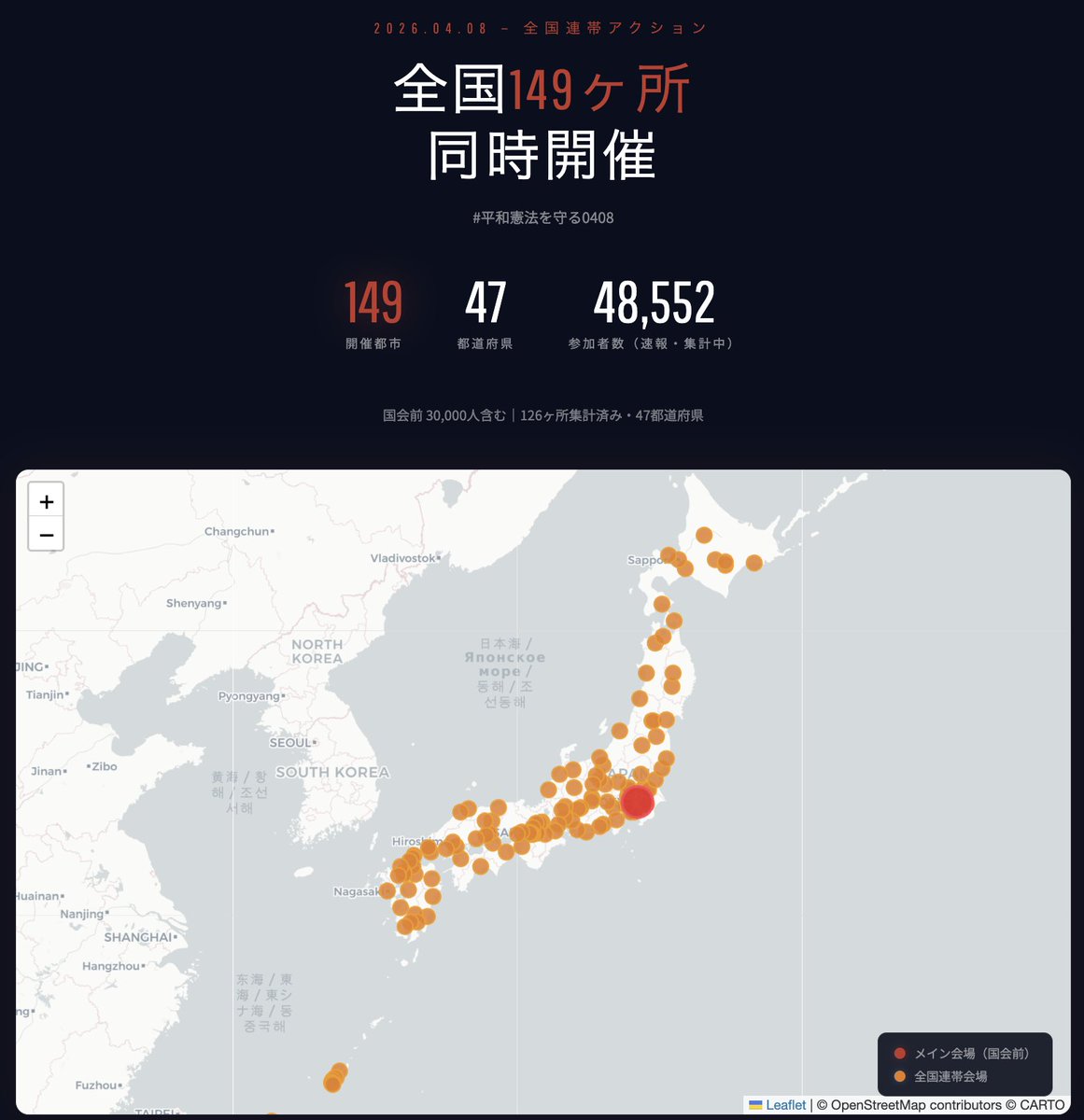
#平和憲法を守る0408
集計出ました!
全国でデモに行った人は48,552人
東京以外でデモに行った人は18,552人
連帯マップのリストで集計中になっているものは、参加人数がわからないのでわかる方は教えてくださると助かります。よろしくお願いいたします。
日本語
あややもどき❸ รีทวีตแล้ว

あややもどき❸ รีทวีตแล้ว
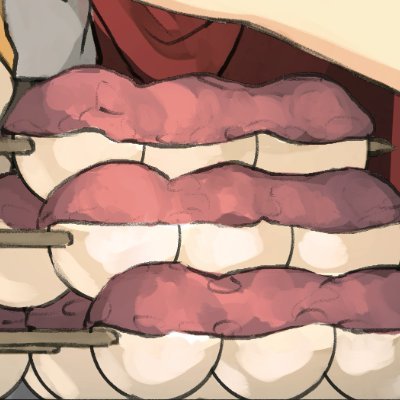
日本の卵は、消毒液で洗い、紫外線を当てて殺菌し、さらに人の目でヒビなどがないか確認、専用の機器と温度管理の上で運ばれ、其の上で、安全な期限よりもさらに余裕をもたせた期限で販売しての、「生食可」なのだ・・・全国の卵業者の方たちの努力の産物なのだ・・・
すぽんちゅ@仏教こそ世界最高の宗教@Iwatekko6969
日本人のツイートを見て、生卵を食べようとしている外国人へ警告。 やめろ。死ぬぞ。 日本には昔から生卵を食べる文化があり、日本の養鶏業者は安全な生卵食のために必死に研究し、遂に完璧な除菌方法を開発し、安全な卵を販売しているのだ。 日本以外の国の生卵は食べたら死にます。
日本語
あややもどき❸ รีทวีตแล้ว

日本人のツイートを見て、生卵を食べようとしている外国人へ警告。
やめろ。死ぬぞ。
日本には昔から生卵を食べる文化があり、日本の養鶏業者は安全な生卵食のために必死に研究し、遂に完璧な除菌方法を開発し、安全な卵を販売しているのだ。
日本以外の国の生卵は食べたら死にます。
日本語
あややもどき❸ รีทวีตแล้ว

あややもどき❸ รีทวีตแล้ว
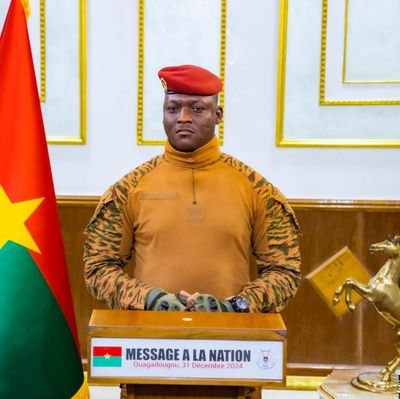
🇯🇵🚨 JAPAN IS ON FIRE — AND NOT THE WAY THEY WANT.
Right now. Tonight. Outside Parliament in Tokyo.
Massive anti-war, anti-government protests. Not a rally. A ROAR.
NHK finally had to admit it: "Citizens oppose constitutional revision. Uphold Article 9."
But here's what they won't tell you: This is happening in ALL 47 PREFECTURES. Simultaneously.
The old media ignored it. So the people became the broadcast.
Clear skies. Phones up. No permission asked. No permission given.
2015 was a warning. 2026 is a WALL.
They wanted to rewrite history. The people are rewriting the present.
This is not a moment. This is a MOVEMENT.
Japan just remembered how to speak. And the world is listening.
🇯🇵✊🏿 Spread this everywhere. Silence is over
English
あややもどき❸ รีทวีตแล้ว

あややもどき❸ รีทวีตแล้ว


あややもどき❸ รีทวีตแล้ว
「今年8月からの実施が患者の意向に沿うもの」ってそんなわけないだろ。ウソも大概にしてほしいな。人の命かかってるんだから。
ここでも(まさかの)患者への他責。人の心がないにも程がある。
保団連(全国保険医団体連合会)@hodanren
4月7日参議院予算委員会 高額療養費に関する原田大二郎議員への答弁 高市首相 「(引き上げを)凍結する考えはない」 「今年8月からの実施が患者の意向に沿うもの」 ※患者団体は負担限度額の引き上げに同意してません
日本語
あややもどき❸ รีทวีตแล้ว
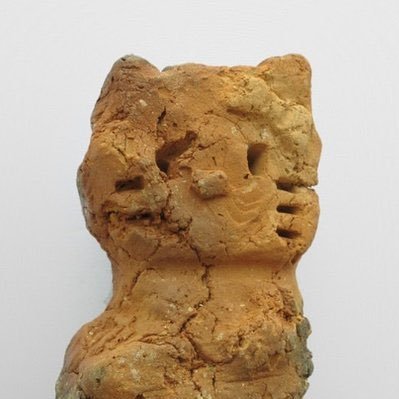
この人、人の心が無いんじゃないか?
高額医療費の自己負担限度額が払えなくなる人に「死んでください」と言っているような法制度を患者が自ら望んだと…。
保団連(全国保険医団体連合会)@hodanren
4月7日参議院予算委員会 高額療養費に関する原田大二郎議員への答弁 高市首相 「(引き上げを)凍結する考えはない」 「今年8月からの実施が患者の意向に沿うもの」 ※患者団体は負担限度額の引き上げに同意してません
日本語
あややもどき❸ รีทวีตแล้ว

あややもどき❸ รีทวีตแล้ว

高市早苗は国会で約束した通り、イラン大統領に電話をかけた。これが初めての対話。しかし高市はイランがホルムズ海峡に通行料を課する権利はないと批難しただけだった。これは交渉ではない。日本の長年の友好国イランと敵対し、状況を悪くするだけ。国益を損ねることしかしない
Shanaka Anslem Perera ⚡@shanaka86
JUST IN: Japan’s Prime Minister just called Iran’s President. Twenty-five minutes. The first top-level contact between Tokyo and Tehran since the war began. And every word Takaichi chose was a weapon disguised as diplomacy. She called the Strait of Hormuz a vital artery for global logistics and an international public good. That phrase, international public good, is the most precisely calibrated language any leader has used since the ceasefire was announced. It is a direct legal rejection of Iran’s toll system without naming it. Under international law, a public good cannot be privatised. A public good cannot charge admission. A public good cannot require a secret code from an IRGC intermediary, a yuan payment to a military contractor, and an armed escort through territorial waters near Larak Island. Takaichi did not say this by accident. Japan imports 94.2 percent of its crude oil from Arab nations, nearly all of it transiting Hormuz. In February 2026, Japan imported 74.13 million barrels of crude. The effective closure of Hormuz forced Tokyo to release 80 million barrels from its national strategic reserves, enough to cover 45 days of domestic demand. The Nikkei has fallen 11 percent since the war began. The yen weakened to 20-month lows. The Bank of Japan warned of oil-driven inflation and markets are pricing a 70 percent chance of a rate hike this month. Japan’s entire economic stability is tethered to a 34-kilometre channel that an IRGC military council now controls through a toll booth it legislated on March 31. Takaichi’s call adds Japan to the coalition that is forming against the toll precedent. Oman’s transport minister told parliament today that international agreements prohibit Hormuz fees. Saudi Arabia, the UAE, and Bahrain called the tolls unacceptable. Trump offered to help with the traffic buildup. And now Japan, the world’s fourth-largest economy, has formally defined the strait as an international public good on a direct call with the Iranian president, creating a diplomatic record that can be cited at Islamabad on Friday and at every international forum thereafter. But Takaichi also spoke to Pezeshkian, not to the IRGC military council that actually runs the toll booth. Pezeshkian is the civilian president of a regime where the civilian president does not control the military, the intelligence apparatus, the provincial commands, or the strait. Takaichi’s statement will be filed in Tokyo. The IRGC’s clearance codes will still be issued at Larak. The gap between what diplomats say and what military operators do is the gap the ceasefire was built on, and it is the gap that will determine whether the toll precedent becomes permanent. Japan released 80 million barrels of reserves because it could not access the strait. It will now pay tolls to access the strait, or reroute around the Cape of Good Hope at $5 per barrel in additional shipping costs, or rely on US naval escorts that Trump described as “hangin’ around” to make sure everything goes well. None of these options restore the status quo ante. The strait that was free before the war is now either tolled, militarised, or both, and Japan’s 94 percent dependence means it absorbs the cost regardless of which option it chooses. The Strait of Hormuz was an international public good. It is now a contested chokepoint. And the distance between those two descriptions is measured in yuan. open.substack.com/pub/shanakaans…
日本語
あややもどき❸ รีทวีตแล้ว

皆さん、大事なことなので何回でも言いますが、無限増税ループから抜け出すには「自民党員は全日本人の敵」という共通認識を作らなきゃダメなんですよwwww
コイツら税金の無駄遣いと増税しかやってないじゃないですかwww
Orange Sunset -橙日没-@Ootani_Acid
【悲報】自民党、世界では後進国しかやっていない補助金制度で財政を痛め付け、中抜き天国と増税ループを産み出しているだけの害悪だと指摘されてしまうwwww
日本語
あややもどき❸ รีทวีตแล้ว

あややもどき❸ รีทวีตแล้ว

あややもどき❸ รีทวีตแล้ว

あややもどき❸ รีทวีตแล้ว
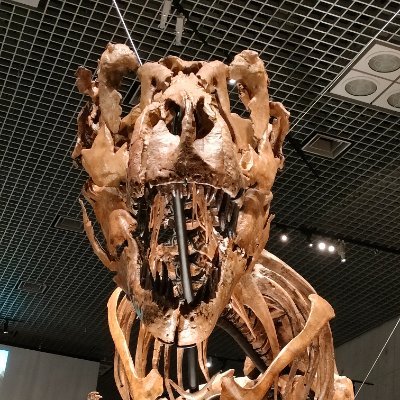
姉と姉の友達と3人でデモに参加しました。
お友達さんと「何も起きなかったらそれでいい。騒いで何も起きなかったら良かったねでいいよね!」って話しして、そうだねって言い合ってホッとした私です。
デモはリアルに戦争危機を感じる人と繋がれるメリットもあるぞ!!
みんなで騒ごーーー!!
日本語
あややもどき❸ รีทวีตแล้ว

あややもどき❸ รีทวีตแล้ว
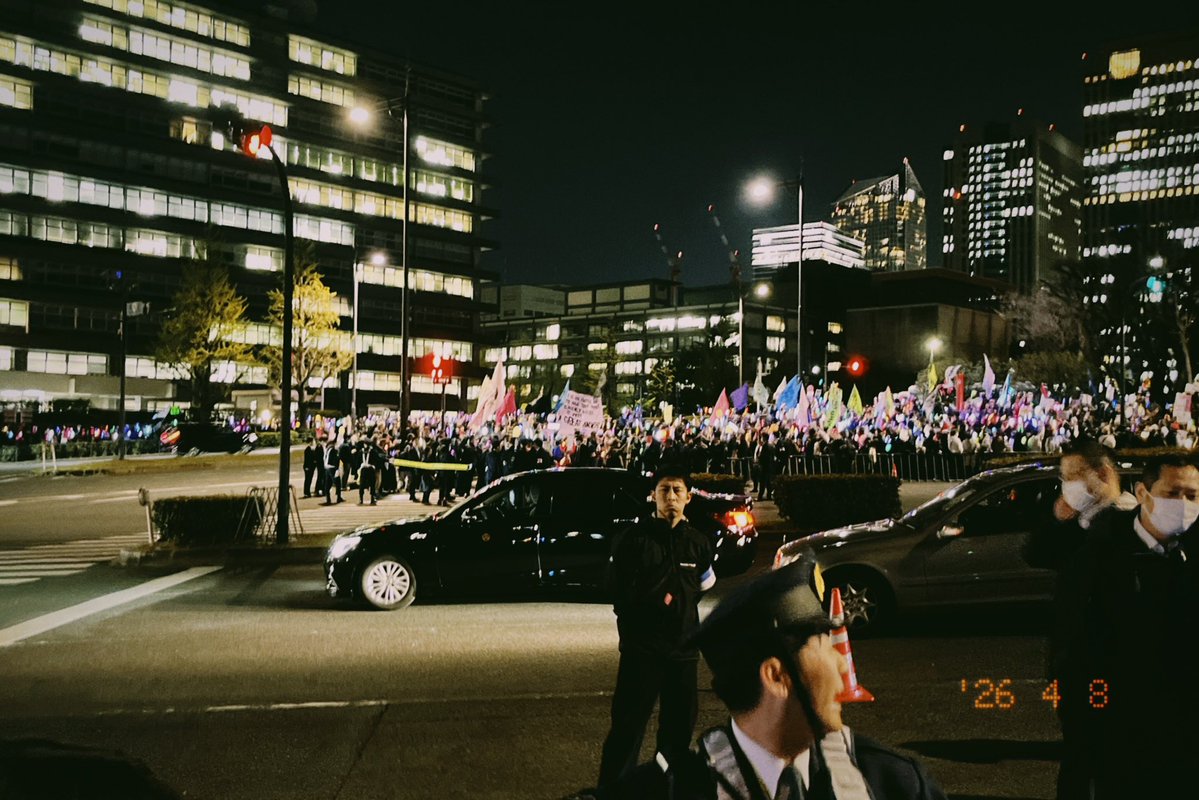
桜田門。警察にせき止められて、大きな流れには合流できない状態なのだが、交差点のすべての道がデモ参加者で埋め尽くされている。
日本語
あややもどき❸ รีทวีตแล้ว