Uncle Bobby

698 posts

Uncle Bobby banner
Uncle Bobby

Uncle Bobby

@Bryan_Kuzzy

Proudly Zimbabwean. Capital Markets. Retail Investor Advocate. Tennis Enthusiast. Mercedes Benz lover.

Zimbabwe เข้าร่วม Ocak 2018
1.8K กำลังติดตาม1.6K ผู้ติดตาม
Uncle Bobby
Uncle Bobby@Bryan_Kuzzy·
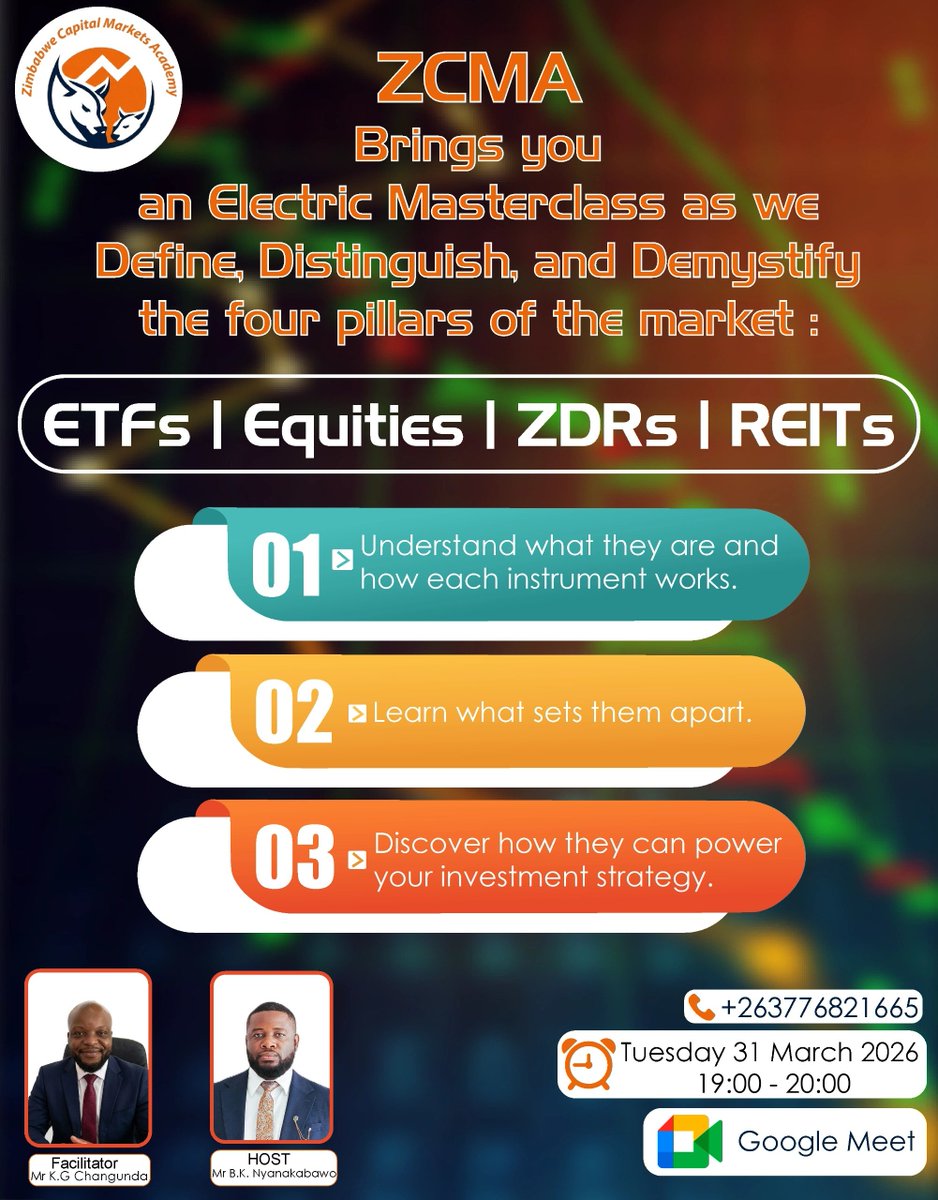
"Your strategy is only as good as the assets that power it." Join the Zimbabwe Capital Markets Academy (ZCMA) for an electric Masterclass as we Define, Distinguish, and Demystify the four pillars of the market: ETFs 🧺 | Equities 📈 | ZDRs 📜 | REITs 🏢.  What You'll Learn: • Understand what they are and how each instrument works. • Learn what sets them apart.  • Discover how they can power your investment strategy.   Event Details: ● Topic: ETFs vs Equities vs ZDRs vs REITs 🗓 Date: Tuesday, 31 March 2026 🕒 Time: 19:00 - 20:00 💻 Platform: Google Meet 🔗 Join Here: calendar.app.google/9eqQgiNEySBR1S… Why Attend? In the Zimbabwe Capital Markets, information is your greatest asset. Equip yourself with the knowledge to make smarter, stronger investment decisions. @MakerCent @RetailnvestorZw #InvestingForBeginners #etf #reit #stocks
Uncle Bobby tweet media
English
0
1
3
188
Uncle Bobby รีทวีตแล้ว
Inter-Horizon Group
Inter-Horizon Group@IH_Group·
🏦 FCA (FCA:VX) reported FY25 results, with total income up 13.52% to US$84.40m and PAT rising 51.69% to US$30.09m • EPS: 1.39 USc (+36.27%) • P/B: 2.36x • Div: 0.59 USc Cum: 8 Apr | Ex: 9 Apr | Rec: 10 Apr |Pay: 22 Apr Proposed Makasa Sun disposal remains subject to approval
English
0
5
10
918
Uncle Bobby
Uncle Bobby@Bryan_Kuzzy·
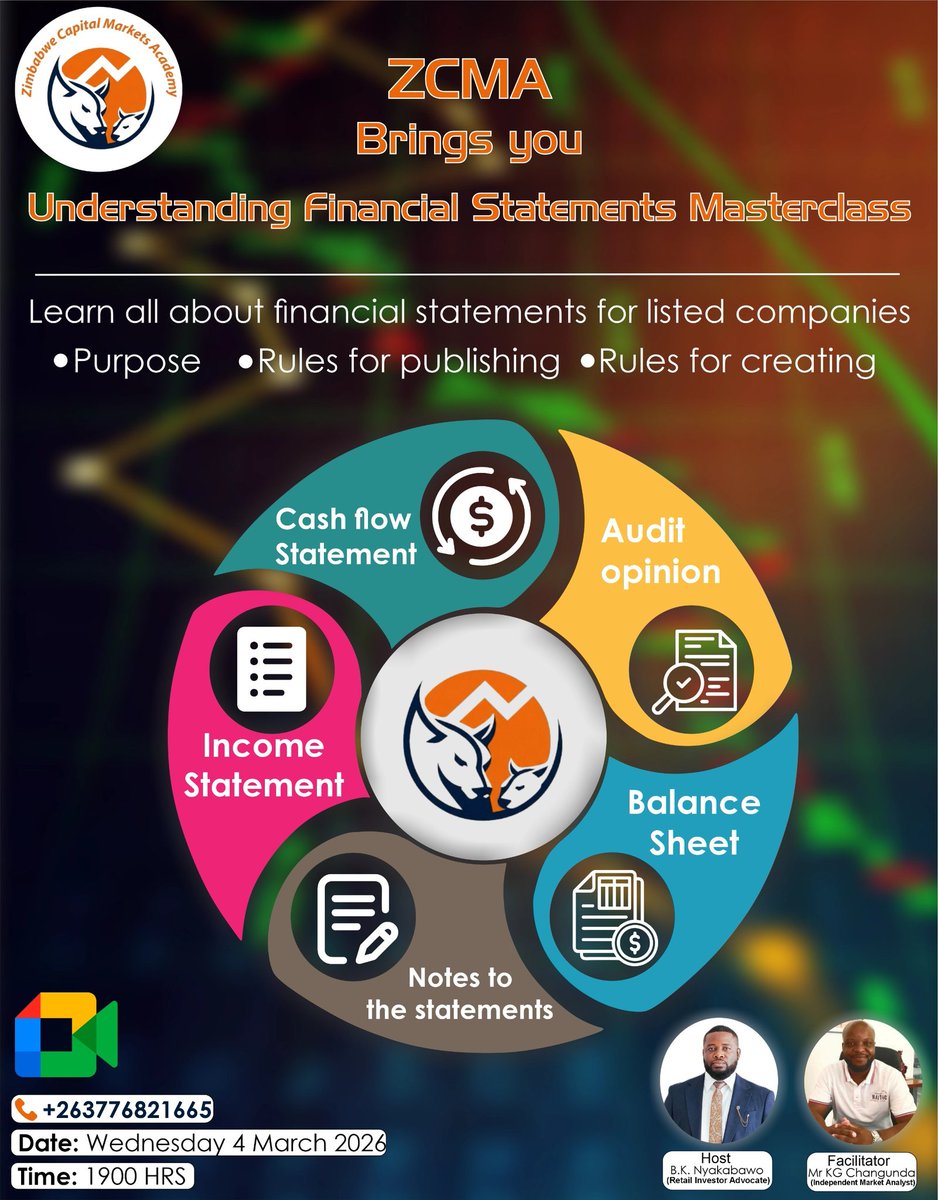
Numbers don’t lie, they tell a story, only if you understand their language._ In this session, the *Zimbabwe Capital Markets Academy (ZCMA)* will decode Financial Statements into meaningful insights beyond the numbers. What You Will Master: 📊 The Income Statement ⚖️ The Balance Sheet 💸 The Cash Flow Statement 📝 The Notes to the Financial Statements 📋 The Audit Opinion calendar.app.google/9Z7FrNZ1zaWHWr…
Uncle Bobby tweet media
English
0
3
5
455
Uncle Bobby
Uncle Bobby@Bryan_Kuzzy·
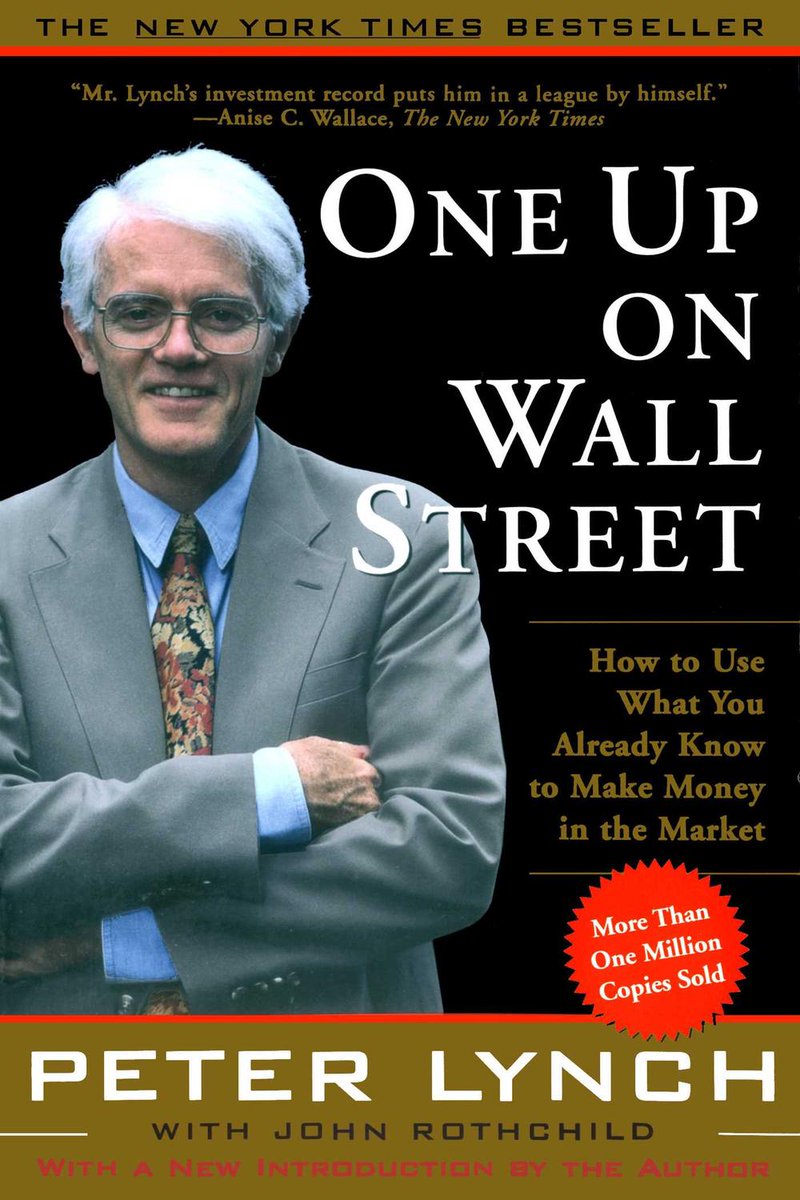
Peter Lynch: The Legendary Investor Peter Lynch, now 82, is celebrated as one of the greatest investors in history. During his 13-year tenure at Fidelity’s Magellan Fund, he transformed it from a modest $18 million in assets into a staggering $14 billion, achieving an average annual return of 29.3%. His remarkable track record and accessible investing philosophy have made him a timeless figure in the world of finance. Early Life and Education • Born in 1944 in Massachusetts, Lynch got interested in stocks early. • As a teenager, he worked as a caddie at a golf club and heard investors talk about investing all day. That’s where it all started for him, sparking his lifelong interest. • Peter Lynch studied at Boston College and earned his MBA from Wharton. • He authored “One Up on Wall Street” in 1989. One of the best investing books ever written. He later followed it with "Beating the Street" and "Learn To Earn". Career at Fidelity • Lynch joined Fidelity in 1969, and by 1977, he was managing the Magellan Fund and turned it into the biggest mutual fund in the world. • Over the next 13 years, Peter Lynch’s performance became legendary. • From 1977 to 1990, the Magellan Fund returned an average of 29.3% per year (nearly double the S&P 500).  • An investment of $10,000 in Magellan at the start of Lynch’s tenure would have grown to over $280,000 by the time he retired 13 years later. • The fund grew from $18 million in Assets Under Management to over $14 billion. • Lynch retired in 1990, but his ideas still strongly influence investors today. Investing Philosophy • Lynch earned the nickname “the chameleon of investing” because he never followed just one strategy. • Stay within your circle of competence. It’s information you can use to your advantage as an investor. It allows you to spot trends way earlier than Wall Street can. • Do your homework. Lynch also emphasized the importance of “doing your own research.” He advised investors to study a company’s financials, management, and competitive position before buying shares. • Be patient and think long-term. Peter Lynch was a long-term investor. He believed your returns improve when you hold great stocks for years and don’t panic over short-term swings. • Most of the time, he held his winning positions for 3-5 years, and that patience paid off. Key aspects of his style include: • He is famous for popularizing the PEG ratio. _The PEG ratio compares a stock’s price-to-earnings (P/E) ratio to its expected earnings growth rate, a tool for evaluating whether a stock is fairly valued relative to its growth prospects._ • Instead of owning just a few stocks, Peter held hundreds at the same time. • He emphasized that ordinary investors can succeed by investing in what they know, an idea he championed in his classic book One Up on Wall Street.  Famous quote: “The stock market is filled with individuals who know the price of everything, but the value of nothing.” — Peter Lynch #Investing #stocks #capitalmarkets @MakerCent @MaSi_Tandz
Uncle Bobby tweet media
English
0
2
5
90
Uncle Bobby รีทวีตแล้ว
©Dr. Admire M. Dube, CFA®
©Dr. Admire M. Dube, CFA®@admire_dube·
Yesterday I called for the refinement of the Willing Buyer Willing Seller FX system to be revamped (my basis for that call and what exactly I wanted altered are in the quoted text below). The Gov’ner has some out and stuck to the WBWS system in its current form. AND HE IS RIGHT… basing on the numbers he put out. Although Zim operates a hybrid regime which we all know is a “managed exchange rate flexibility” (WBWS), with partial capital account restrictions, and nominal monetary policy autonomy. The Gov's disclosures make me stomach the system in its present configuration. Not least his announcement that the implied reserve-backed valuation of the ZiG is 14.247 : 1US$, versus the observed WBWS current clearing rate of 25.56 ZiG : 1US$ ! This is a whole confidence risk premium of about 790 bps baked into the current ZiG valuation ! Why? U may ask I’m certain this differential reflects: - EXPECTATIONAL DISANCHORING: Our persistent inflation memory about our local currency is elevating its risk premia despite 3.8% headline CPI y/y announcers yesterday. - LIQUIDITY-ADJUSTED PRICING: Thin interbank markets amplifying volatility (per market microstructure theory). This is structural and more tools are available to the fiscal side to fix it than to the monetary authorities. - **SOVEREIGN BALANCE SHEET OPTICS: The 34bn ZiG reserve buffer implies a fundamental equilibrium exchange rate (FEER) mis-alignment, suggesting the ZiG is undervalued on a reserve-cover basis but fairly priced on a risk-adjusted, forward-looking basis. (in simple terms ZiG is suffering for its history more than its present). For those who love theory, Greenspan-Guidotti rule says Zim is not yet in the clear as long as reserves are not ≥ short-term external debt. And this remains unmet with 1.5 months import cover, constraining policy credibility. However, the gold reserve accretion (4.2 tonnes) introduces a commodity-collateralised monetary anchor (although yesterday I avered that the reserves are too much “gold and green” - not diversified). So here we are. What is my quick read of this WBWS, in the context of exchange rate, reserve cover, efficient allocation etc? - EXCHANGE RATE DYNAMICS The 25.56 ZiG/US$ rate incorporates a time-varying risk premium reflecting: 1) Fiscal dominance concerns: Quasi-fiscal operations via gold monetisation require clear sterilisation protocols to avoid inflationary financing (I will discuss the current NNCDs method in another offing) 2) Terms-of-trade volatility: Lithium/gold price swings necessitate countercyclical reserve buffers. Like, the MPS’s gold-linked ZiG instruments would mitigate “commodity currency beta” 3) Currency substitution inertia: Despite premium compression, Gresham's Law dynamics persist (I don’t wanna say it coz Prof Ncube gets offended when we bring it up - so just Google it). So there’ll obviously be opportunity costs of dollarisation, representing the foregone/lost interest yield (and regulatory utility) of holding local ZiG, and by mandating ZiG reserve requirements, authorities artificially elevate this cost to incentivize domestic currency retention, this will counteract Gresham's Law, which typically drives stable foreign exchange into hoarder’s hands, while circulating domestic tender.. This proposal of ZiG-dominated reserve requirement would on one hand spook those who fear local currency and have aided that exchange rate risk premium, but on the other, strengthen the interest rate channel by deepening local currency money markets. I’m glad I’m not the one making that call 🫣 Zim's macro-financial trajectory hinges on converting the gold windfall into institutional credibility capital. From this past two years record we shld begin to trust the RBZ once more. The WBWS augmentation proposal provides a technically sound roadmap for managed market deepening (which I despise), but still the RBZ's confidence-gap diagnostics offer a pragmatic sequencing framework.
©Dr. Admire M. Dube, CFA® tweet media
©Dr. Admire M. Dube, CFA®@admire_dube

🧵1️⃣ REFINE THE WILLING BUYER WILLING SELLER (WBWS) SYSTEM The WBWS mechanism, which allows market-driven determination of exchange rates through interbank trading, has significantly reduced parallel market premiums from 40% in January 2024 to under 10% by August 2025. Currently the premium is single digits. Because I’m wont to believe the Gov. is currently not amenable to a true floating “unmanaged” system of Forex distribution (partly because it becomes an easier one-failure-point for “economic saboteurs” to target distribution of forex), then I look forward to this current WBWS system being “augmented” rather than abandonment. While indications are that market-based systems like WBWS promote efficiency by aligning rates with supply and demand, as per the Mundell-Fleming model where flexible exchange rates insulate domestic policy from external shocks, suboptimal implementation can lead to volatility if liquidity is insufficient. In Zimbabwe's context, the windfall from sky high gold prices (very welcome by the way) is masking the grave inefficiencies of the WBWS system. With foreign exchange reserves at US$1.2 billion in Dec 2025, equivalent to 1.5 months of import cover, the system indeed should be augmented with reserve-building measures such as auction enhancements to ensure depth - supporting the fiscal side already racking in reserves “in kind.” To this end, I expect the following precise, Zimbabwe-specific enhancements to the WBWS system with the goal being to boost market depth, transparency, and resilience without necessarily shifting to a fully unmanaged float, which could invite speculative attacks (given Zimbabwe's history of external shocks and sanctions). A. Deploy a Centralized Electronic Trading Platform: Roll out the RBZ's proposed Foreign Exchange Interbank Market Electronic Trading System (FEXIMETS) by mid-2026, mandating all authorised dealers to conduct WBWS trades via this platform. This would enable real-time price discovery, automated matching of bids/offers, and blockchain-secured transaction logging to reduce opacity and counterparty risks. In Zimbabwe's context, integrate it with the Central Securities Depository for seamless linkage to gold royalties (e.g., 12.5% in-kind from miners), allowing exporters like gold producers to directly auction portions of their FX earnings, increasing daily liquidity by my estimates 15-20% higher based on 2025 gold export volumes (40 tonnes projected). This ultimately makes for an efficient, robust, and very much self reliant system that will still stand its own even when gold prices fall. B. Phased Reduction of Export Surrender Requirements with Market Redirection: This is a standalone point for my expectations in the impending MPS announcement tomorrow, so will be discussed at length in thread 🧵2️⃣ below. C. Increase Auction Frequency and Participant Inclusivity with Volume Caps: Efficiency will be greatly enhanced if auction frequency is shift from weekly to bi-weekly FX auctions under WBWS or even 3 times, initially with cap on max bids per entity per day to prevent dominance by large miners or importers. No harm in including diaspora remittance providers (e.g., via Onafriq partnerships) as secondary participants, allowing them bureau de change licences so they can provide ZiG to recipients who want a potion, or all, of their money in local currency, since formal and parallel rates have all but converged anyway. By allocating only 10% of auction volumes to them this captures US$250 million from the anticipated US$2.5 billion annual inflows this year. Overall, let’s see what the Gov. says about Bureau de Changes in general as they have a potential to narrow premiums further by integrating informal flows, without fully liberalising exchange rates and Forex distribution. Continued below…

English
2
2
8
2.5K
Uncle Bobby รีทวีตแล้ว
Tinashe
Tinashe@baba_nyenyedzi·
Join us today as we analyse the monetary statement presented today by the RBZ governor. As usual we look at the good, the bad and the ugly There are some very positive stances taken by the RBZ, most poignantly keeping the ZiG policy rate at 35%. Well done. While the Governor is theoretically correct about credit creation by the MNO's the danger is far less than the credit Creation by treasury. For example , if we take the case he gave us. $10 credit with 10m customers equals $100m credit. This is still rather benign and as he correctly posited, a bank should underwrite this so that it's monetised in our financial system. I totally support this. But when we look at the GOZ supplier credit by treasury eg the US$1.7bn between 2022-2024, this too is money creation. And it's RBZ that must monetise it, Just as it's asking the MNO credit creation must be monetised in our financial system. What's good for the goose is good for the gander Lets discuss further
Tinashe tweet media
English
3
13
45
6K
Uncle Bobby รีทวีตแล้ว
Simba Nyamadzawo
Simba Nyamadzawo@SimbaNyamadzawo·
𝗦𝘁𝗮𝗿𝘁𝗶𝗻𝗴 𝗮 𝗕𝘂𝘀𝗶𝗻𝗲𝘀𝘀 𝗼𝗻 𝗮 𝗦𝗵𝗼𝗲𝘀𝘁𝗿𝗶𝗻𝗴 𝗕𝘂𝗱𝗴𝗲𝘁 𝗶𝗻 𝗭𝗶𝗺𝗯𝗮𝗯𝘄𝗲 🇿🇼 I have done paperwork for over 800 entrepreneurs and I can tell you most small business leaders in Zimbabwe are not failing in business because they lack ideas. They are failing because they copy how big companies operate. You don’t start like a corporate.You start like a survivor. Here is what I tell entrepreneurs who want to start with little money. 1. 𝗥𝗲𝗴𝗶𝘀𝘁𝗲𝗿 𝗮 𝗣𝗕𝗖, 𝗡𝗼𝘁 𝗮 𝗣/𝗟 𝗖𝗼𝗺𝗽𝗮𝗻𝘆 A Private Business Corporation (PBC) is cheaper and easier to manage than a Private Limited Company (P/L Co). It requires fewer formalities, lower setup costs, and gives you the legal structure needed to operate professionally. Start smart—register a PBC and keep your overhead low. And here is the beauty about it you can register it as a sole trader. You don’t need corporate complexity when you don’t have money and you are still chasing your first customers. Lower cost. Faster movement. 2. 𝗨𝘀𝗲 𝗛𝘂𝗯𝘀 𝗜𝗻𝘀𝘁𝗲𝗮𝗱 𝗼𝗳 𝗥𝗲𝗻𝘁𝗶𝗻𝗴 𝗮𝗻 𝗢𝗳𝗳𝗶𝗰𝗲 Office space can drain your finances before your business even takes off. Instead of committing to expensive leases, take advantage of co-working spaces, business hubs, or even work from home. Many successful entrepreneurs started from a corner in their house or a shared workspace. What matters is getting the work done, not where you do it from. An empty office impresses relatives, not customers. Work from home.Use hubs. Borrow space. Revenue first. Furniture and rental expenses later. 3. 𝗟𝗲𝘃𝗲𝗿𝗮𝗴𝗲 𝗦𝗼𝗰𝗶𝗮𝗹 𝗠𝗲𝗱𝗶𝗮 If you’re in business, people need to know about it. Social media is free marketing, and in today’s digital world, it’s the fastest way to reach customers. Post consistently, engage with your audience, and don’t let fear hold you back. If you believe in your product or service, why should you be ashamed to promote it? Many small businesses die because the owner is shy to market. Post. Show. Explain. Repeat. 4. 𝗡𝗲𝘁𝘄𝗼𝗿𝗸. 𝗡𝗲𝘁𝘄𝗼𝗿𝗸. 𝗡𝗲𝘁𝘄𝗼𝗿𝗸. Your next opportunity is always connected to a person. Attend events, join business groups, engage in online communities, and build relationships with people who can support your journey. The right conversation with the right person can open doors that money can’t. 5. 𝗧𝗿𝗮𝗱𝗲 𝗦𝗲𝗿𝘃𝗶𝗰𝗲𝘀 𝗪𝗵𝗲𝗻 𝗬𝗼𝘂 𝗖𝗮𝗻 If you’re in the service industry, don’t underestimate the power of barter trade. Offer your skills in exchange for something you need. A graphic designer can create a logo for a social media marketer in exchange for promotion. A consultant can help a startup in return for referrals. Money is one form of currency, but value exchange is just as powerful when resources are tight. Starting small doesn’t mean thinking small. Use what you have, build as you go, and stay relentless in your pursuit of success. Many great businesses started with little cash. You can too. Starting small is not a disadvantage. Starting heavy is. Most businesses collapse under costs before they even test demand.
Simba Nyamadzawo tweet media
English
20
81
308
21K
Uncle Bobby
Uncle Bobby@Bryan_Kuzzy·
Unlock the secrets of smarter investing with the Zimbabwe Capital Markets Academy (ZCMA) This masterclass will guide you through the essentials of stock research, helping you confidently interpret, analyze and transform complex market information into clear, actionable insights:🔎 📃 • Financials • Announcements • News • Analysts Reports Event Details: ¤ Topic: Stock Research 🗓 Date: 24 Feb 2026 ⏰ Time: 19:00 - 20:00 💰 Admission: Free of Charge 📍 Platform: Google Meet 🔗 Join Here: calendar.app.google/1NEbHhGKZwt6X1…
The Cent Maker@MakerCent

Definitely attending.......

English
0
1
4
81
Uncle Bobby รีทวีตแล้ว
Inter-Horizon Group
Inter-Horizon Group@IH_Group·
📊 Delta Q3 trading update (to 31 Dec 2025): Revenue +37% QoQ, +31% YTD. Lager volumes +16%, Sorghum +21%, Sparkling +18%, Maheu +99% QoQ, Wines & Spirits +64%, RTDs +92%, Schweppes +31%. FX sales >85%. Sugar tax paid US$20.3m YTD. #DLTA #ZSE #Zimbabwe #Earnings #Manufacturing
English
0
5
13
590
Uncle Bobby
Uncle Bobby@Bryan_Kuzzy·
● The Blue Pill: The Investor returns to his life within the simulated reality of the Matrix. He lives in a world that is fake but comfortable, safe, and familiar. He "wakes up in his bed and believes whatever he wants to believe." ● The Red Pill: The Investor learns the truth that humanity is enslaved by machines. The truth is cold, dangerous, and physically demanding, but it is real.
English
0
0
4
380
Financial Express
Financial Express@FinxZim·
The Econet's Minority Shareholder’s Dilemna: Choice A or Choice B? Choice A: Stay in the unlisted OpCo. High growth, but zero liquidity and total board control.  Choice B: Migrate to InfraCo on the VFEX. USD stability, but you're trading a "Tech Platform" for "Steel Towers" at a 20x entry price. The "Value Unlock" narrative is good financial engineering. It gives you a currency lifeboat while the controlling shareholder sails away with the growth engine. 🚢⚓ #Zimbabwe #Investing #Econet #VFEX #ZSE #TechGrowth
English
7
11
54
9.5K
Uncle Bobby
Uncle Bobby@Bryan_Kuzzy·
The Zimbabwe Capital Markets Academy invites you to a specialized session: An introduction to Stock Market Investing 📚 Stop watching from the sidelines. Learn the fundamentals and start your journey with confidence. Event Details: 🗓 Date: 05 Feb 2026 💰 Admission: Free of Charge 📍 Platform: Google Meet 🔗 Join Here: calendar.app.google/nA12SMwpy8M2gC…
Uncle Bobby tweet media
English
0
5
17
3.4K
Uncle Bobby รีทวีตแล้ว
Sylvester Mupanduki
Sylvester Mupanduki@SMRI_Institute·
It is interesting to read the Financial Gazette article titled “Innscor Hints at Future Unbundling,” published on 22 January 2026. The timing is particularly instructive, as the group appears to have completed another full transition from a capital-intensive expansion phase into a mature, cash-generative business. Against this backdrop, I have initiated a small thread with a focus on unbundling as the next logical and imminent catalyst for sustainable value creation.
The Financial Gazette@FingazLive

INNSCOR Africa says it may consider another round of unbundling in the medium to long term should the group once again become too large to manage effectively. >tinyurl.com/mwh93m3d

English
2
15
59
12.7K
Tinashe Mukogo
Tinashe Mukogo@tmukogo·
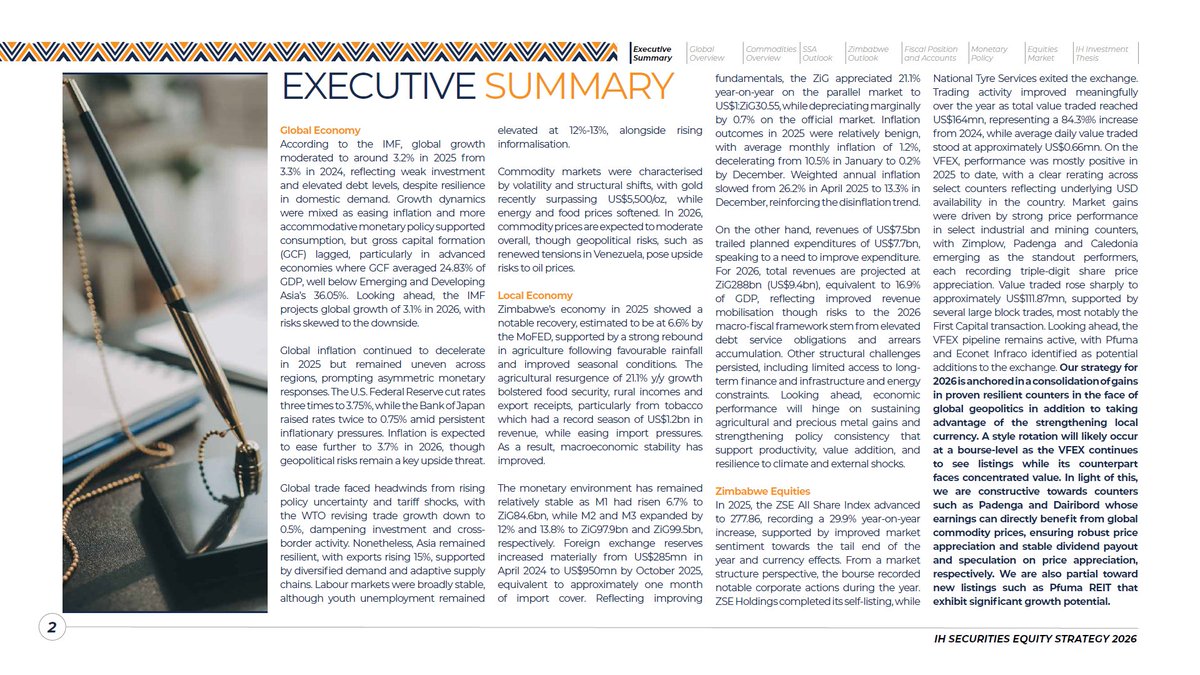
Part of the Weekend reading! Anyone else following this REIT?
Tinashe Mukogo tweet media
English
11
9
54
6.4K