Victor Carless

815 posts

Victor Carless

Victor Carless

@CarlessVictor

เข้าร่วม Haziran 2024
168 กำลังติดตาม87 ผู้ติดตาม
Victor Carless
Victor Carless@CarlessVictor·
@coinbureau I see how the Trump administration is backing off persecution of crypto privacy advocates. I would NOT mind this bill passing as long as it is not abused. The problem: another administration might see it as a way to crush crypto.
English
0
0
0
63
Coin Bureau
Coin Bureau@coinbureau·
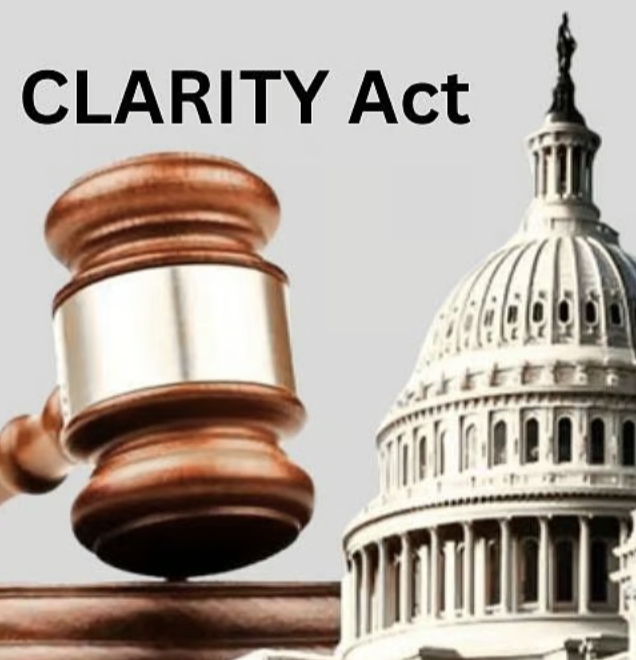
🚨CRYPTO CLARITY BILL HAS 30% CHANCE OF PASSING THIS YEAR Wintermute’s Head of Policy Ron Hammond estimates just a 30% chance the Clarity Act passes in 2026, citing political friction, stalled negotiations, and shifting timelines despite signs of progress.
Coin Bureau tweet mediaCoin Bureau tweet media
English
73
60
325
22.8K
Overton
Overton@overton_news·
Senator Fetterman OPENLY MOCKS the frauds in his own party who cried for the “25th Amendment” — then cheered “TACO! TACO!” after the ceasefire. “You can’t have it both ways!” FETTERMAN: “If you make these kinds of… let’s go for the 25th Amendment, and then we have a ceasefire, then it’s like, TACO! TACO! TACO!” “Like, you can’t have it both ways!” “Where we are, it’s strange to be gleeful, GLEEFUL that we still have to accomplish some things and make these kinds of statements.” “I’m old enough to remember we used to route for our military, and we would all agree that Iran is the world’s leading terrorism underwriter.”
English
17
358
1.6K
47.2K
Victor Carless
Victor Carless@CarlessVictor·
@foxandfriends No more discounted oil for China. Loids of London can no longer manipulate the price of oil via insurance, and the Iranian leadership has been changed.. likely to a less radical version.
English
0
0
0
476
FOX & Friends
FOX & Friends@foxandfriends·
Iran’s Proposed Peace Plan 1. Non-Aggression: The U.S. must fundamentally commit to guaranteeing non-aggression. 2. Maritime Control: Continuation of Iran’s control over the Strait of Hormuz. 3. Nuclear Program: Acceptance that Iran can enrich uranium for its nuclear program. 4. Primary Sanctions: Removal of all primary sanctions on Iran. 5. Secondary Sanctions: Removal of all secondary sanctions against foreign entities that do business with Iranian institutions. 6. UN Resolutions: End of all United Nations Security Council resolutions targeting Iran. 7. IAEA Oversight: End of all International Atomic Energy Agency resolutions on Iran’s nuclear program. 8. Reparations: Compensation payment to Iran for war damage. 9. U.S. Withdrawal: Withdrawal of U.S. combat forces from the region. 10. Cease-fire: Cease-fire on all fronts, including Israel’s conflict with Hezbollah in Lebanon. @TreyYingst
English
952
367
1.5K
1.4M
Victor Carless
Victor Carless@CarlessVictor·
@SAMTHEMAN1976 @jakeshieldsajj Tump increased the price that China pays for oil. China was getting a discount from Iran. He also reduced sanctions on Russian oil, so Russia has alternative places to sell oil instead of a discount to China. Troops will likely keep Iran's oil island....
English
0
0
0
28
Jake Shields
Jake Shields@jakeshieldsajj·
Who won the war
English
214
144
401
31.3K
Victor Carless
Victor Carless@CarlessVictor·
@TheChiefNerd That's the problem with decapitation. The military has been told to continue fighting after decapitation.
English
0
0
0
647
Chief Nerd
Chief Nerd@TheChiefNerd·
🚨 Iran Fires Missiles at Tel Aviv Less Than Two Hours After Ceasefire Deal is Announced “Maybe the remnants of the Iranian regime either didn't get the memo or they did and they don't care.”
English
172
148
1.7K
403.7K
Shawn Ryan
Shawn Ryan@ShawnRyan762·
@mogul518315 I'm sure peace is just around the corner at this point.
English
205
11
1.8K
61.3K
Shawn Ryan
Shawn Ryan@ShawnRyan762·
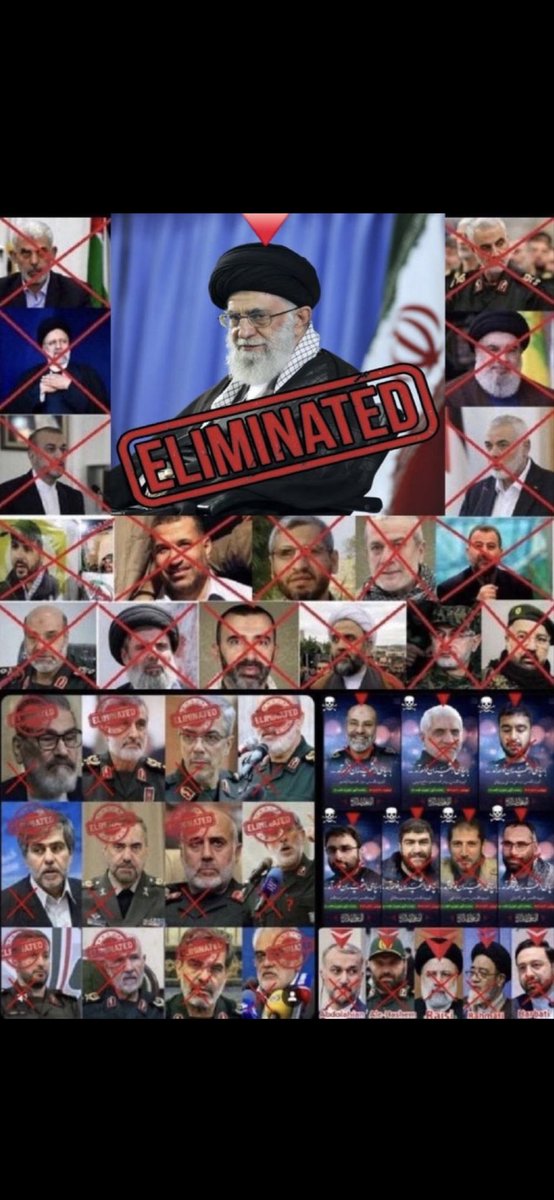
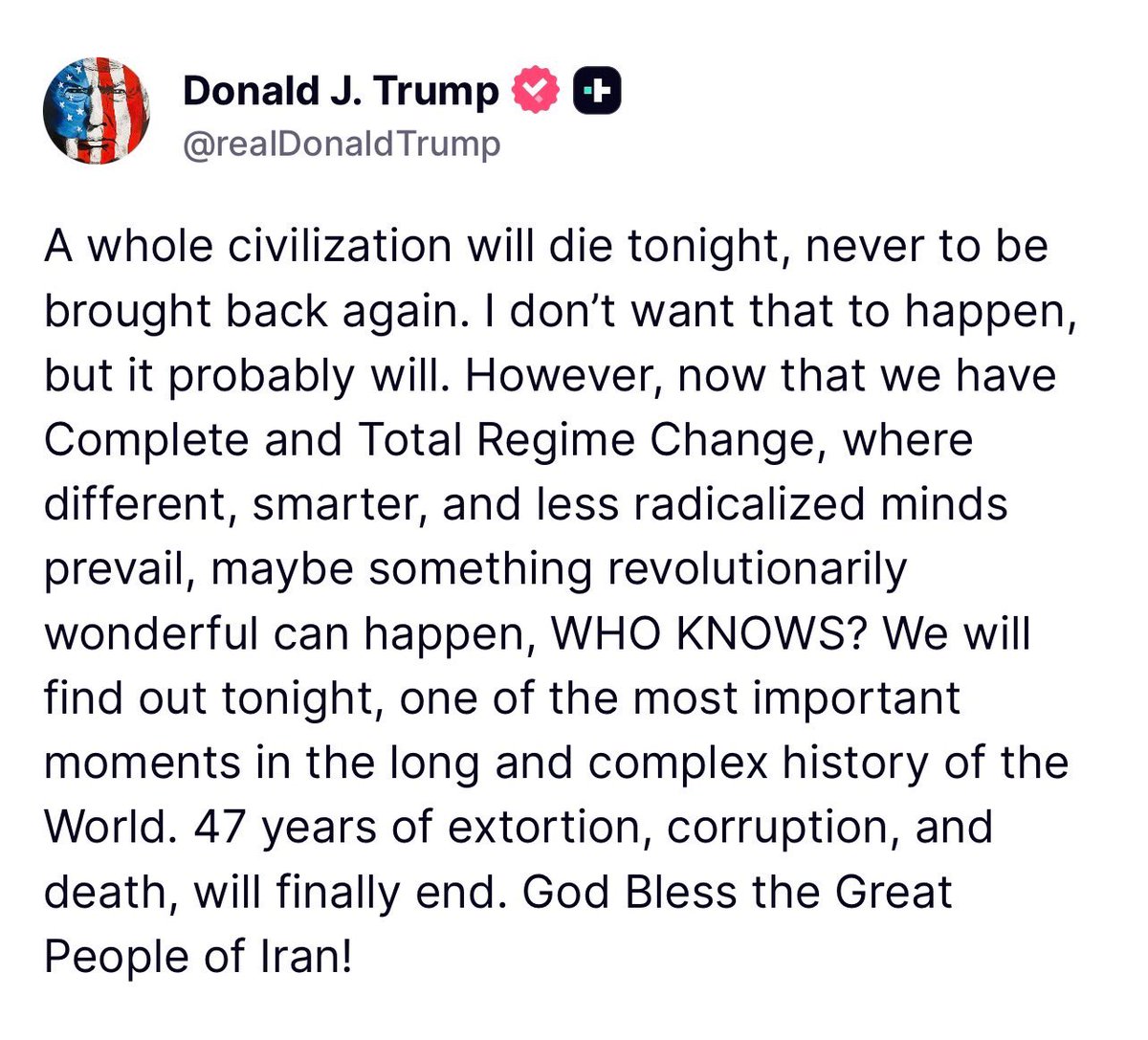
A few weeks ago, he said he was going to liberate the Iranian people from an evil regime. Now he has changed his plan to kill them all. The President of the United States in a nutshell...
Shawn Ryan tweet media
English
5.5K
9.1K
56.7K
1.8M
@amuse
@amuse@amuse·
PROPAGANDA: British state media (BBC) working hand-in-hand with the Iranian regime, broadcasting from the Strait of Hormuz is pushing the IGRC narrative that the US has been defeated and is now at the mercy of Iran. The majority of NATO is now working with Iran.
English
648
3.3K
10.8K
258K
Victor Carless
Victor Carless@CarlessVictor·
@RFenelus61590 @TFTC21 What the right saw was massive inconsistencies. What the protesters were asking for was a pause to investigate. They did not see Trump's speech as inciting violence. In fact, many protesters on the right were calling out the trubble makers that were calling for violence.
English
0
0
0
6
Ribondon fidel
Ribondon fidel@RFenelus61590·
@CarlessVictor @TFTC21 We saw Trump give a virulent speech on J6. There were separate slates of electors. We saw Trump deny the outcome of the election as recently as this year. We saw all the J6rs get pardoned, even the violent ones. I think you might need to reevaluate how you see all of this.
English
1
0
0
9
TFTC
TFTC@TFTC21·
Jack Mallers: "Rubio says Iran war to last weeks, not months, with no US ground troops needed. Okay, well then what the f**k is this? What's the letter to the Marines saying, prepare your family, we're going to war?" "Somehow, no matter who's the president, we're in conflict. Bush, conflict. Obama, conflict. Biden, conflict. Trump, conflict. Spend, spend, spend. Debt, debt, debt. Lie, lie, lie. War, war, war." "This isn't a blue thing, this isn't a red thing. This isn't a left thing, this isn't a right thing. This is, government's gotten too big, they have a monopoly on printing money, they can finance these things, they can steal our wealth through dilution, through inflation."
English
44
184
1.2K
66.7K
Victor Carless
Victor Carless@CarlessVictor·
@RFenelus61590 @TFTC21 My theory is that it is a divide and rule/conqure trick. Each side is being fed propaganda to fear the other, destroying any possibility of a centrist viewpoint. The right has called out shenanigans on the j6th event, but the left is being inflamed over it.
English
1
0
0
10
Ribondon fidel
Ribondon fidel@RFenelus61590·
@CarlessVictor @TFTC21 Let's be completely honest. America is the only serious country in which Jan 6 don't lead to years in jail. If anything I think the democrats have been very afraid and permissive. I don't understand how you see it differently.
English
1
0
0
12
IT Unprofessional
IT Unprofessional@it_unprofession·
I tried to turn on my heated car seats this morning. A pop-up on the dashboard told me my free trial had expired. I'm freezing in my own driveway because I forgot to renew my seat subscription. When did this become normal? I own the car. The heating coils are physically inside the seat. But a server in California decided my lower back doesn't deserve warmth today. To fix it, I have to download an app, create an account, and pay eight dollars a month. I refused on principle. Instead, I drove to work shivering while sitting on a microwaved towel. My coworker asked why I smelled like damp cotton. I told him I was protesting the modern economy. Tomorrow I'm supposed to buy a smart toaster. I'm terrified it will hold my bagels hostage until I watch a thirty-second ad.
English
809
417
3.7K
268.3K
Victor Carless
Victor Carless@CarlessVictor·
@StefanMolyneux I noticed that a lot of the war stories from "The Fat Electrician" highlight innovation that helped win battles. But another thing is that most of these smart innovations/actions also involved the willingness to disobey orders to accomplish goals.. probably way more important.
English
0
0
0
7
Freedomain - with Stefan Molyneux, MA
IQ is the key to war. Compare Iraq vs Iran. Iran has 4–5 million high IQ people vs. only ~300,000 in Iraq. At IQ 160+ - where wars are won - Iran has 10,000-15,000 vs. just a few hundred in Iraq. Since Iran is a dictatorship, it can force geniuses into the military. You're at war with super-villains.
English
460
173
2.6K
201.2K
Sean Strickland
Sean Strickland@SStricklandMMA·
Trump completely betrayed the blue collar guys with Iran. What has this cost the average guy. Gas? Shipping? Inflation? 1000 to 2000? How much more by the time this is done? Rich get richer and poor get poorer. Complete betrayal...
English
3.5K
4.1K
50.4K
1.4M
Victor Carless
Victor Carless@CarlessVictor·
@jackvlloyd Many companies fail BECAUSE of government and the associated regulation.
English
0
0
2
41
Jack V Lloyd
Jack V Lloyd@jackvlloyd·
If a company cannot survive without government subsidy, they should not exist.
English
86
208
1.6K
16K
Victor Carless
Victor Carless@CarlessVictor·
@jakeshieldsajj @JoeySalads Iran and the low-level warfare that was being waged was and is a concern to everyone. Pay attention to the coming food shortages, along with chip shortages. Radical Iran has always been a threat to the straight. What sucks is the timing.
English
0
0
1
36
Joey Salads
Joey Salads@JoeySalads·
For Decades EVERYONE said Iran was a problem, as soon as Trump does something about it THEY want to convince you that Iran was never a problem….
English
279
237
2.2K
81.1K
CryptoTruth
CryptoTruth@cryptotruth·
@RealJamesWoods Because nobody is getting paid to protest for Trump. But you can bed the no kings professional protesters are being paid well. They’d likely be the same ones protesting for Trump against No Kings if Trump paid them to do so. They go to the highest bidder! -CryptoTruth-
English
1
1
30
1.9K
James Woods
James Woods@RealJamesWoods·
We got him! You can go home now. You’re a few hundred years too late.
James Woods tweet media
English
1.1K
423
4K
130K
Owen Gregorian
Owen Gregorian@OwenGregorian·
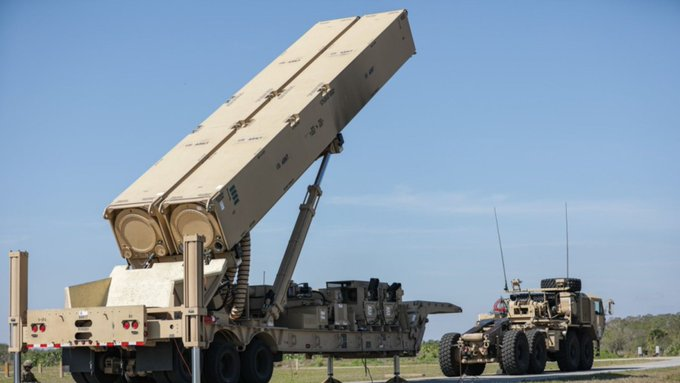
US launch points to Dark Eagle hypersonic missile, 1,700-mile range | Aamir Khollam, Interesting Engineering The US may have conducted another Dark Eagle hypersonic test, as patterns match earlier trials aimed at advancing precision strike systems. A rocket launch from Cape Canaveral Space Force Station on March 26 is drawing attention as a possible U.S. hypersonic weapons test over the Atlantic. The event fits a familiar pattern tied to the Pentagon’s push to field a long-range hypersonic strike capability. Officials have not confirmed the launch. Still, multiple indicators point toward a controlled Department of Defense test window. Restricted airspace and maritime exclusion zones appeared days in advance, matching prior hypersonic trial setups. Observers also noted a trajectory consistent with earlier Long Range Hypersonic Weapon, or LRHW, tests conducted from Florida’s Eastern Range. Hypersonic missile profile The system most often linked to such launches is Dark Eagle, a joint Army and Navy program. It is designed to deliver a maneuverable hypersonic glide vehicle over long distances. Estimates place its range at roughly 1,700 miles, with speeds exceeding 3,800 miles per hour, based on US defense-source reporting cited by Erwan Halna du Fretay, Defense Analyst at Army Recognition Group. Dark Eagle uses a boost-glide architecture. A rocket booster pushes the payload to high speed before releasing the glide body. That vehicle then travels through the upper atmosphere while maintaining aerodynamic lift. Unlike ballistic missiles, it can maneuver during flight, making interception far more difficult. The glide body, known as the Common Hypersonic Glide Body or C-HGB, faces extreme conditions. It must endure temperatures approaching 3,000 degrees Fahrenheit caused by aerodynamic friction. Engineers rely on specialized materials to handle this heat while maintaining control and stability. Pre-launch signals align Pre-launch notices offered early clues about the event. The U.S. Coast Guard and Department of Homeland Security issued navigational warnings similar to those seen before earlier hypersonic trials. These alerts typically define safe corridors for high-speed test flights over the Atlantic. Eyewitness imagery strengthened that assessment. Photographer Jerry Pike and other observers tracked a trajectory that resembled past LRHW launches. Analysts say the timing and flight path closely match tests conducted in December 2024 and April 2025. Those efforts also involved coordinated Army-Navy development work. The Pentagon has not publicly confirmed the nature of this launch. However, the similarities to previous hypersonic trials suggest a continuation of ongoing test activity tied to the Dark Eagle program. Operationally, Dark Eagle is built to strike high-value targets in contested environments. These include air defense systems, command centers, and missile sites. Its speed and maneuverability allow it to penetrate layered defenses. The kinetic energy generated at impact can produce significant damage without relying on large explosive payloads. Mobility adds another advantage. Launch units can reposition quickly, reducing vulnerability to counterattacks. The system may also integrate with naval platforms, enabling coordinated multi-domain strike options. Recent test patterns show steady progress. The United States has increased the pace of hypersonic trials over the past two years. Each launch appears to refine guidance systems, thermal protection, and operational concepts. Analysts view this phase as a transition toward pre-operational capability. Cape Canaveral plays a central role in these efforts. Its location offers controlled launch corridors over open ocean and advanced tracking infrastructure. At the same time, limited public disclosure highlights the sensitivity of hypersonic programs. As global competition in hypersonic technology intensifies, the United States continues to test and refine systems like Dark Eagle, aiming to bring them closer to operational deployment. interestingengineering.com/military/us-da…
Owen Gregorian tweet media
English
1
0
22
1.8K
VocalMajority
VocalMajority@VocalMajority3·
@OwenGregorian At a certain point we go back to bombing like we did in WWII. Massive destruction with total annhilation as the motivation for unconditional surrender. That is the only way to win......ever.
English
1
0
0
49
Owen Gregorian
Owen Gregorian@OwenGregorian·
More than 90% of Iranian missiles intercepted, but a dangerous imbalance is emerging | Efrat Lachter, Fox News EXCLUSIVE: As U.S., Israeli and allied forces continue to intercept the vast majority of Iranian missiles and drones, a new report and expert analysis reveal a growing concern behind the headline success: the cost and sustainability of the defense itself. More than 90% of Iranian projectiles have been intercepted during the war, according to a report obtained by Fox News Digital from the Jewish Institute for National Security of America (JINSA), thanks to a layered regional air defense system built during years of coordination. But beneath that success lies a widening imbalance that could shape the next phase of the conflict. The report highlights a critical trend: Iran’s least expensive weapons are proving the most disruptive and are draining costly U.S. and Israeli interceptors. The current air defense architecture, integrating U.S., Israeli and Arab systems, has proven highly effective at stopping incoming threats. Early warning systems, shared radar coverage and pre-positioned assets have allowed multiple countries to work together to defeat Iranian missiles and drones. During a press briefing on Wednesday, press secretary Karoline Leavitt said, "More than 9,000 enemy targets have been struck to date … Iran's ballistic missile attacks and drone attacks are down by roughly 90%," she said, adding that U.S. forces have also destroyed more than 140 Iranian naval vessels, including nearly 50 mine layers. A surge of U.S. assets before the war, including Terminal High Altitude Area Defense (THAAD), batteries, Patriot systems, two carrier strike groups and roughly 200 fighter aircraft, helped absorb Iran’s opening salvos and maintain high interception rates, according to JINSA's report. But Ari Cicurel, associate director of foreign policy at JINSA and author of the report, said focusing only on interception percentages misses the bigger picture. "Overall high missile and drone interception rates have been important but only tell part of the story," Cicurel told Fox News Digital. "Iran came into this war with a deliberate plan to dismantle the architecture that makes those intercepts possible. It has struck energy infrastructure to upset markets and used cluster munitions to achieve higher hit rates." Danny Citrinowicz, a Middle East and national security expert at Institute for National Security Studies and a nonresident fellow at the Atlantic Council, said that imbalance is at the heart of the problem. "There needs to be a change in the equation," he told Fox News Digital. "The Iranians are launching drones that cost around $30,000, and we are using missiles that cost millions of dollars to intercept them. That gap is a very problematic one." He added that the same dynamic applies to ballistic missiles. "Building a missile in Iran may cost a few hundred thousand dollars, while the interceptor costs millions, especially when we talk about systems like Arrow," he said. "It’s easier and quicker to produce missiles than it is to build interceptors. That’s not a secret." This cost imbalance is feeding into a broader concern: interceptor depletion. The JINSA report warns that stockpiles across the region are already under strain. Some Gulf states have used a significant portion of their interceptor inventories, with estimates suggesting Bahrain may have expended up to 87% of its Patriot missiles, the United Arab Emirates and Kuwait have used roughly 75% and Qatar has used roughly 40%. Israel is also facing mounting pressure. While officials have not publicly confirmed stockpile levels, the report notes signs of rationing, including decisions not to intercept certain cluster-munition threats in order to conserve more advanced interceptors. Citrinowicz said that dynamics become more acute the longer the war continues. "We are now several weeks into the war, and even if the salvos are limited, the issue of interceptors becomes more significant over time," he said. Iran has adapted its tactics accordingly, shifting from large barrages to smaller, more frequent attacks designed to maintain constant pressure while gradually draining defensive resources. These persistent salvos, even if limited in size, force defenders to remain on high alert and continue expending interceptors, accelerating the depletion of already finite stockpiles. The report underscores that drones pose a unique challenge compared to ballistic missiles. Unlike missiles, which rely on large launchers and leave detectable signatures, drones can be launched from mobile platforms and can fly at low altitudes that make them harder for radar systems to detect. For example, A Shahed-136 weighs roughly 200 kilograms and launches from an angled rail mounted on a pickup truck, after which the crew can quickly relocate. That simpler launch profile makes it easier for Iran to disperse, conceal and fire under pressure, the report stated. Iran also has incorporated lessons from the war in Ukraine, deploying more advanced drones, including those guided by fiber-optic cables that are immune to electronic jamming, and faster variants powered by jet engines. These innovations complicate interception timelines and increase the likelihood of successful strikes, even against otherwise effective defense systems. Despite these challenges, the report emphasizes that the defensive architecture has not failed. "The architecture has held, but the trajectory is moving in the wrong direction," Cicurel said. "Reversing it requires moving assets to where the pressure is greatest, hunting Iranian launchers and drones more aggressively, and convoying ships through the Gulf." Even with high interception rates, the broader impact of the attacks is being felt. Iranian strikes on energy infrastructure and shipping have driven oil prices higher and disrupted traffic through the Strait of Hormuz, demonstrating that air defense alone cannot prevent economic and strategic consequences. The emerging picture is not one of failing defenses, but of a system under growing strain. As long as Iran can produce cheap drones and missiles faster than the U.S., Israel and their partners can produce interceptors, the balance may gradually shift. "As long as the war continues," Citrinowicz said, "the key question will be whether Iran can produce missiles faster than we can produce interceptors." foxnews.com/world/more-tha…
English
14
2
30
4.5K
Victor Carless
Victor Carless@CarlessVictor·
@OwenGregorian So, you have to copy the human, then destroy the human, then recreate the human on the other end.... why not just skip the destroy part and have two of the same humans?
English
0
0
1
10