As requested by many, here is a post trying to explain the differences between Exercise-drived lactate and Cancer-derived lactate.
Exercise-Derived Lactate:
During high-intensity exercise, lactate is produced as skeletal muscles rely more heavily on glycolysis. However, lactate is eventually cleared and oxidized by mitochondria—both within active muscle fibers and in distant tissues like the heart, liver, and brain. This dynamic lactate shuttling fuels oxidative metabolism acting probably as the preferred fuel for cells. In addition to being a fuel, lactate functions as a signaling molecule and “exerkine”, activating beneficial pathways like PGC-1α, AMPK, and BDNF, which promote mitochondrial biogenesis, neuroplasticity, angiogenesis, and anti-inflammatory effects. Exercise-derived lactate communicates across organ systems to enhance metabolic flexibility, homeostasis and systemic health. Once exercise activity ceases, lactate is cleared by mitochondria in active muscle and the rest of the body.
Cancer-Derived Lactate: A key player in carcinogenesis
In contrast, cancer cells produce large amounts of lactate (Warburg effect), even in the presence of oxygen. Unlike during exercise, this lactate is not effectively cleared and although it is also used as a fuel, lactate accumulates chronically and as a signaling molecule, it elicits multiple deleterious effects key for carcinogenesis.
According to our “lactagenesis hypothesis” (pubmed.ncbi.nlm.nih.gov/27993896/), cancer-derived lactate functions as a central regulator of carcinogenesis. We and others have recently shown that lactate modulates cancer’s gene expression through transcriptional activation andepigenetic mechanisms like histone lactylation. Lactate promotes angiogenesis, immune escape, metastasis, and metabolic self-sufficiency, also responsible for the acidosis of tumor microenvironment which makes it a further niche for carcinogenesis.
A decreased mitochondrial function capacity (probably due to genetic mutations) along with increased glycolytic flux result in excessive lactate production which as we propose through our "lactagenesis hypothesis", is the purpose and the explanation of the Warburg Effect.
While it is great that finally the Warburg Effect is viewed by the scientific community as a key piece of the cancer puzzle, it has brought some significant misunderstanding and misinformation to the general population. Such as intellectually cheap and “lazy” concepts like “sugar causes cancer” which is a very wrong way to understand the Warburg Effect. Also, thinking that Cancer is purely a Metabolic Disease is not correctly framed.
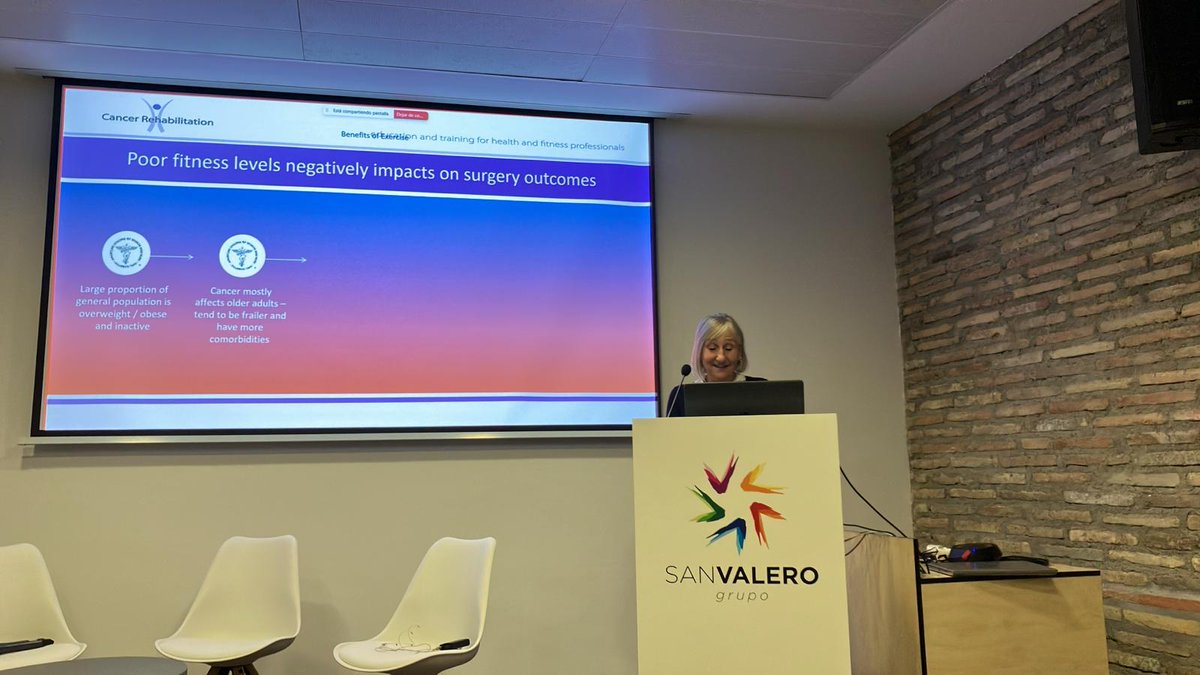
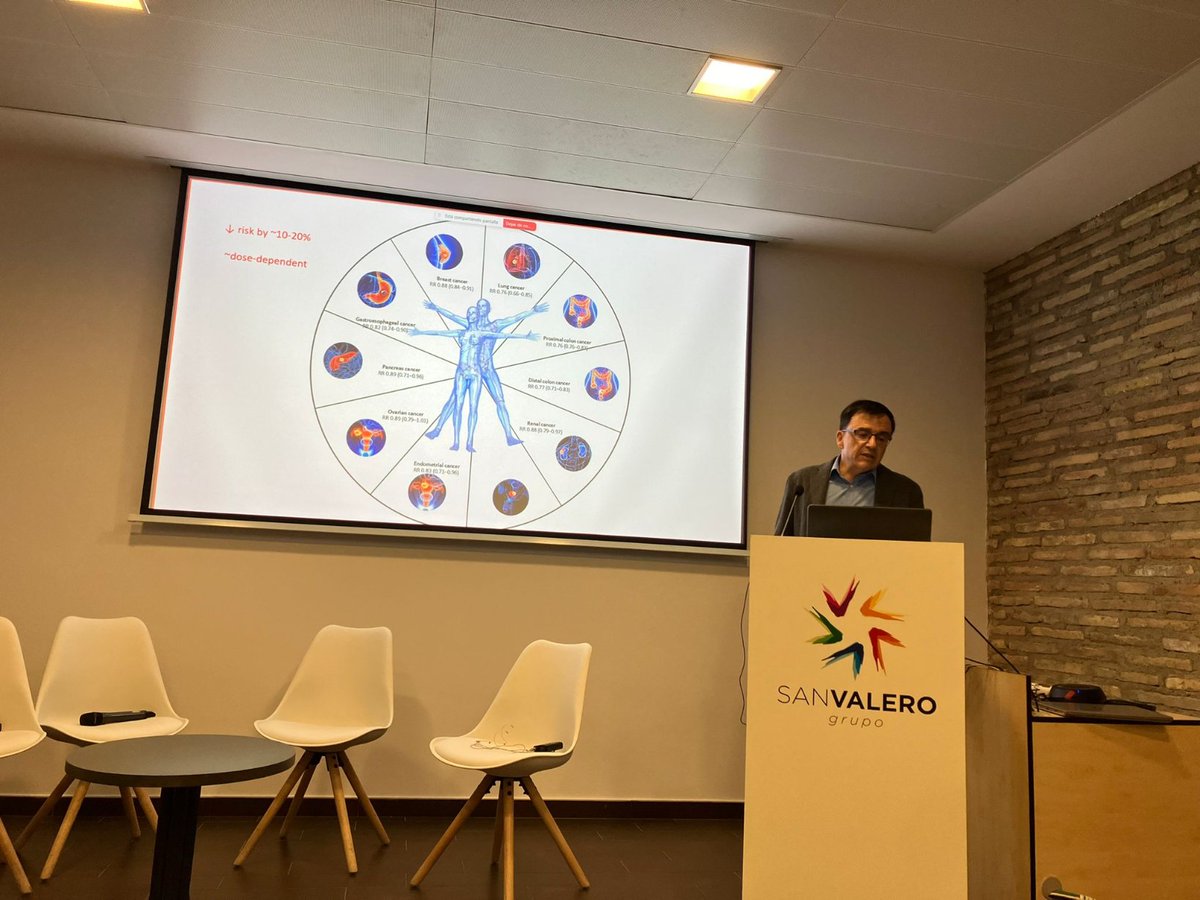
Excelente primer bloque de las I Jornadas sobre promoción del estilo de vida en la población oncológica con la Dra. Blanca Herrero @BlancaHerreroL1 el Dr. Alejandro Lucía y la Dra. Anna Campbell.
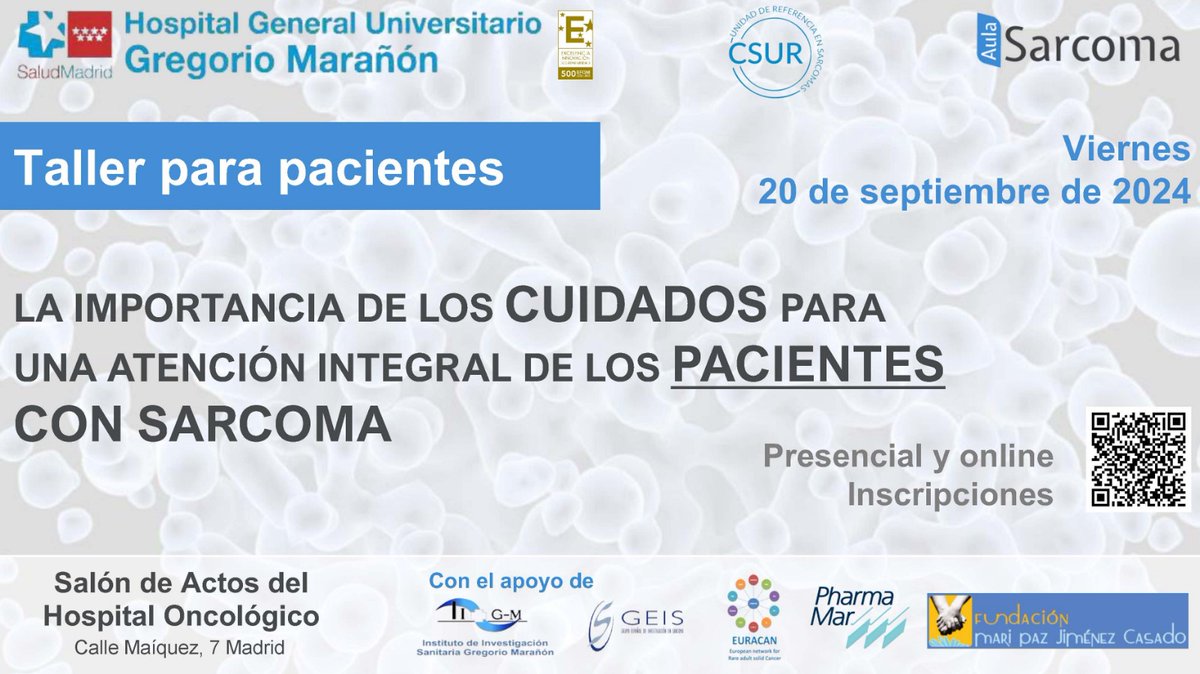
Taller para pacientes oncológicos y familiares: “La importancia de los cuidados para una atención integral de los pacientes con sarcoma”
🕜20/09/24, 11:30
Salón Actos Pabellón oncológico @SarcomasHGUGM (Calle Maiquez 7, planta baja).
aulasarcoma.com
Treating Obesity as a Risk Reduction Strategy for Cancer - ConscienHealth conscienhealth.org/2024/08/treati… "Yes, it is becoming apparent that obesity treatment is good preventive care for health."
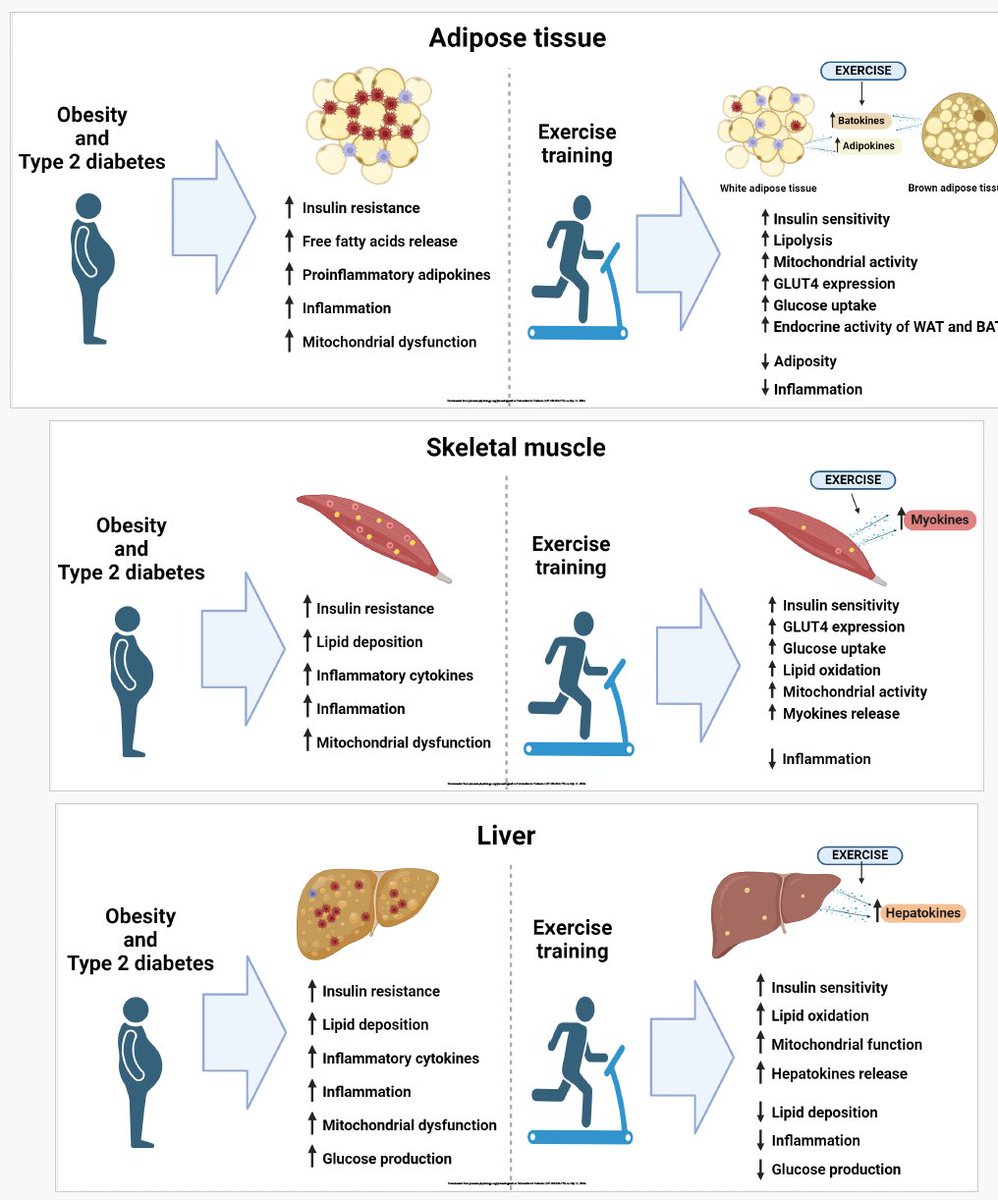
🏋️♀️ El #ejercicio es clave para mejorar la salud metabólica y combatir enfermedades como la diabetes tipo 2 y la obesidad a través de adaptaciones en tejidos clave 💪🌍
journals.physiology.org/doi/abs/10.115…
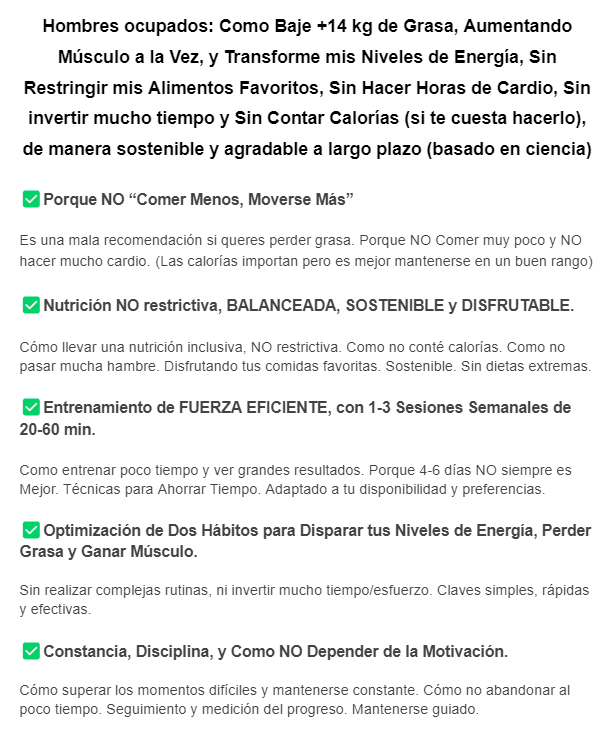
🚨Hombres Ocupados🚨
El proceso completo para perder grasa y ganar musculo
Adaptándolo a tu estilo de vida, sostenible. Sin restringir alimentos ni horas de cardio. Entrenando 1-3h/semana.
Te lo envío GRATIS:
1. Comenta "doc"
2. Seguime, para mandarte DM
Agradezco RTs
Las #exerquinas son esenciales para la adaptación de los tejidos y la comunicación entre órganos ➡️ comprender estos mecanismos puede mejorar los programas de #ejercicio para prevenir y tratar enfermedades💪🧬 #review
🆓nature.com/articles/s4139…
El 'entrenador' de los pacientes oncológicos que promueve el ejercicio basándose en su propia experiencia como enfermo de cáncer elmundo.es/madrid/2024/05…
“Para que la actividad física dé beneficios tiene que tener intensidad. Si andamos hasta el trabajo, no vale un paseo mirando escaparates, hay que caminar como si perdiésemos el autobús. Y al menos 10 minutos seguidos. Y hay que hacer un mínimo semanal” #Echobox=1715079847" target="_blank" rel="nofollow noopener">elpais.com/salud-y-bienes…