Christo Robin

2.9K posts

Christo Robin

Christo Robin

@ChristoRobin2

Earth เข้าร่วม Mayıs 2019
266 กำลังติดตาม65 ผู้ติดตาม
Christo Robin
Christo Robin@ChristoRobin2·
@pieceofstream If foundry still not fixed especially 2nm. If they fix foundry i believe somehow they can fix rest of things
English
0
0
0
20
무명인
무명인@pieceofstream·
@ChristoRobin2 이젠 알고는 있어요. 비지니스 트렌드 보다는 돈의 흐름만 쫓고 있는데요. 지금 반도체로 돈이 엄청나게 몰리잖아요. 엄밀히 말해서 안다기 보다는 그 돈의 흐름을 쫓고 있는 겁니다. 최고 의사결정권자들이 비저너리는 아니에요ㅋ
한국어
1
0
2
55
무명인
무명인@pieceofstream·
나도 반도체 산학 장학생으로 원래(?)는 S.LSI 사업부로 가기로 되어 있었다. 수준 낮은 HR 때문에 우리 차수는 전부 메모리로 강제 전환 됐다. 당시 메모리는 PS 50%. 그래도 S.LSI보내달라 했고 거절한 인원들은 LSI 생산라인으로 배치됐다. ㅁㅊ놈들. ㅂㅅ들이 암 것도 모른다. 설계하는 사람들이 얼마나 시스템 반도체를 재미있어 하는지. 그냥 그게 재밌고 그게 좋아서 하는건데... 그 사람들을 (계속 보충돼도) 20년째 잃고 있다. 이게 오래 지속되다 보니 지금은 신규 입사 인력들의 수준이... (미안하지만 실제 그래요) 전자의 경쟁력은 반도체로부터 나왔고 앞으로도 그럴거다. 자기 사업마저도 제대로 이해 못하는 사람들이 시장을 알겠냐 뭘 하겠냐? - 아직 남은 내 친구들도 힘들어해 -
북극성@PolarisLog

화가난다.. 삼성전자의 비메모리 설계를 총괄하는 시스템LSI 사업부 핵심 인재들이 연쇄 이탈하고 있다. 황용식 세종대 경영학과 교수는 “핵심 인재는 결국 자본의 논리와 개인의 성장 가능성에 따라 자유롭게 이동한다” it.chosun.com/news/articleVi…

한국어
7
8
48
7.2K
Christo Robin
Christo Robin@ChristoRobin2·
@pieceofstream Still living in 2010s right. But doesn't they know starting from HBM4 everything including lsi, foundry and memory should go hand in hand
English
1
0
1
60
무명인
무명인@pieceofstream·
@ChristoRobin2 그 최고 경영진들이 만든 결과 입니다. 엔지니어에 대한 대우에도 관심없고, 반도체는 세트제품(특별하게 스마트폰)을 위해 존재한다는 뉘앙스의 의사결정이 계속되어 왔죠.
한국어
1
1
7
237
북극성
북극성@PolarisLog·
화가난다.. 삼성전자의 비메모리 설계를 총괄하는 시스템LSI 사업부 핵심 인재들이 연쇄 이탈하고 있다. 황용식 세종대 경영학과 교수는 “핵심 인재는 결국 자본의 논리와 개인의 성장 가능성에 따라 자유롭게 이동한다” it.chosun.com/news/articleVi…
한국어
15
24
115
15.9K
Meghna
Meghna@JesnaAugust·
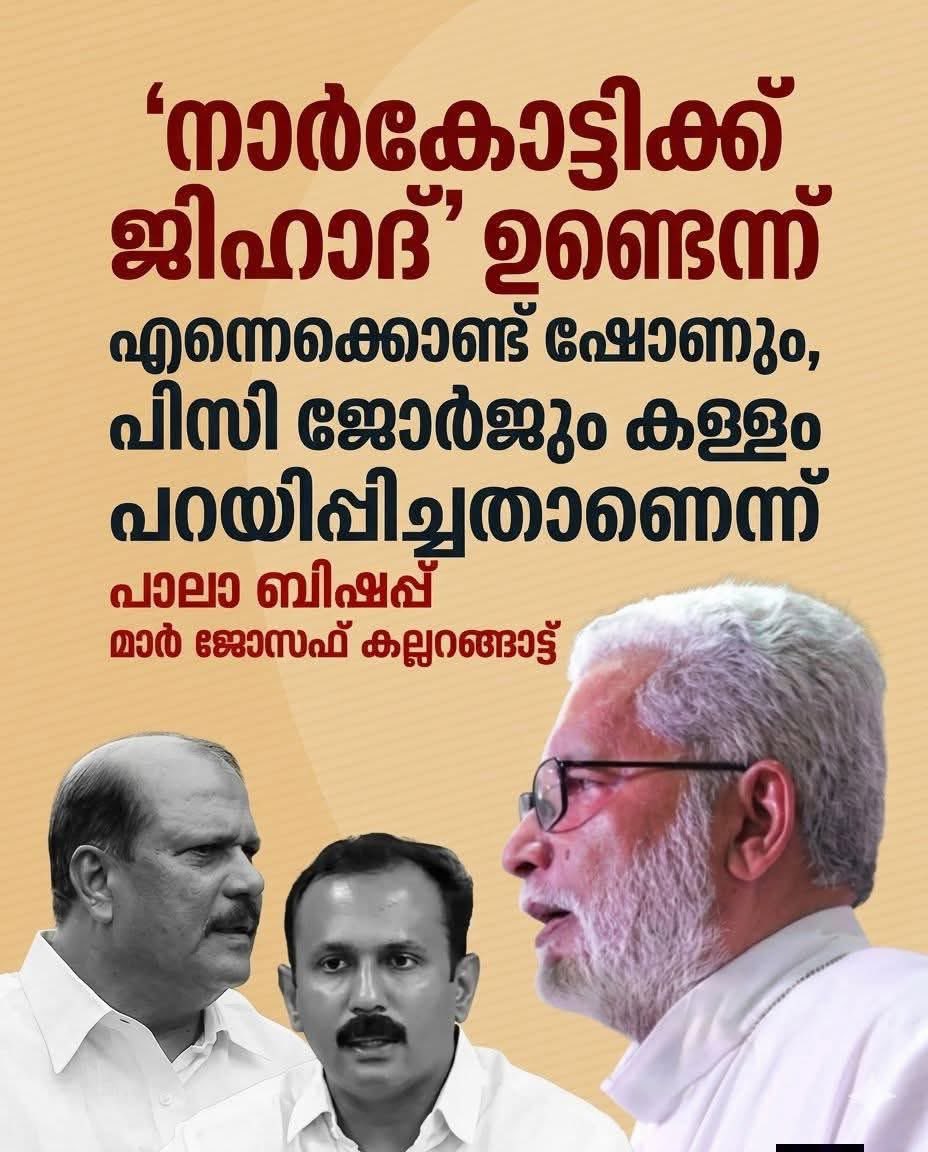
അങ്ങനെ bഷപ്പും തന്തയെ മാറ്റി. 😌
Meghna tweet media
മലയാളം
7
5
95
3.4K
Mooni Insight 💫
Mooni Insight 💫@Semicon_player·
4만명 돌파했네요 🤓 초심으로 돌아가서 열심히 하겠습니다
Mooni Insight 💫 tweet media
한국어
81
11
385
15.1K
🌿 lithos
🌿 lithos@lithos_graphein·
@jukan05 That's better than I expected actually.
English
2
0
6
921
Jukan
Jukan@jukan05·
[Exclusive] Samsung Foundry 2nm Yield at 55%… Stuck Below the 'Mass Production 60%' Threshold Samsung Electronics' foundry business — a key future growth engine — has hit a wall at the '60% mass production' threshold for its 2nm (nanometer; 1nm = one-billionth of a meter) process. With yields stuck in the mid-50% range and failing to enter stable mass production territory, effective yields are expected to drop to the 40% range once back-end processing is factored in. While the company has succeeded in achieving technical entry, the consensus is that it remains insufficient to win orders from global Big Tech clients. According to semiconductor industry sources on the 13th, Samsung Electronics' foundry division's average yield for the 2nm process is understood to be approximately 55%. This is lower than the '60%-plus' estimates floated by some, signaling that additional time is still needed to reach mass production stability. A source with knowledge of internal affairs stated, "The 2nm process yield is in the 50–60% range, with an average around 55%," adding, "The process is running, but it is still a long way from a stable mass production phase." The pace of yield improvement itself has been rapid. Samsung's foundry 2nm yields were reportedly stuck in the 20% range as recently as the second half of last year. Reaching the mid-50s in less than a year is assessed as technically reaching a level where the mass production line can be operated. This is attributed in part to the accumulation of process experience driven by incoming orders for Bitcoin mining chips from China's Canaan and MicroBT, among others. Given the extreme difficulty of the 2nm ultra-fine process, some consider this an exceptionally fast rate of improvement. However, the prevailing view in the industry is that it remains a "half-process" at best. In a structure where nearly half of all wafer input is discarded as defective, the process fails on both price competitiveness and delivery reliability. In particular, when factoring in losses from performance binning and packaging, the actual percentage of chips that can generate profit is estimated to fall as low as 40%. Considering that a single wafer for cutting-edge processes costs tens of millions of won, a 1% difference in yield translates to annual operating profit differences ranging from hundreds of billions to trillions of won. This is bound to significantly derail Samsung Electronics' efforts to improve foundry business profitability. An industry source said, "A yield in the 50% range only means the process 'runs' — it is not a stage where customers can entrust orders with confidence," adding, "It is a zone where both delivery and quality variability coexist." By contrast, rival TSMC is reported to have secured stable yields of 60–70% for its 2nm process. Samsung Foundry's current mid-50% yield is therefore assessed as corresponding to the technical entry stage, but falling short for securing major customers — a "transitional zone." Significant progress has been made, but analysis suggests actual mass production remains premature. In practice, Samsung has secured some customer and internal volumes, but has yet to achieve results in winning key clients such as Apple, NVIDIA, and AMD. Notably, Qualcomm — a global mobile application processor (AP) company that had raised expectations for new orders — is also showing signs of returning to TSMC, citing process yield and stability concerns. Additionally, the 'AI6' advanced autonomous driving chip contracted with Tesla is scheduled for mass production this year, and the yield level achieved at the actual production milestone will be critical in determining profitability and supply stability. Meanwhile, Samsung Electronics' strategy is to win new orders, run its facilities, and improve yields going forward. At Samsung Electronics' annual general meeting on March 18, Han Jin-man, head of the foundry business division (President), stated, "For the 2nm process as well (which is at a higher level than the 4nm process), we can build up order experience with major companies and secure yields through that process." $INTC $TSM
English
20
32
359
161.1K
Christo Robin
Christo Robin@ChristoRobin2·
@OmerCheeema But it is possible right even though it will make a huge loss which somehow samsung can cover up
English
0
0
1
118
Omer Cheema
Omer Cheema@OmerCheeema·
Isn't Exynos 2600 being manufatured on SF2nm? It sounds ridiculous to mass produce a high volume product with such low yield. I think this is fake news.
Jukan@jukan05

[Exclusive] Samsung Foundry 2nm Yield at 55%… Stuck Below the 'Mass Production 60%' Threshold Samsung Electronics' foundry business — a key future growth engine — has hit a wall at the '60% mass production' threshold for its 2nm (nanometer; 1nm = one-billionth of a meter) process. With yields stuck in the mid-50% range and failing to enter stable mass production territory, effective yields are expected to drop to the 40% range once back-end processing is factored in. While the company has succeeded in achieving technical entry, the consensus is that it remains insufficient to win orders from global Big Tech clients. According to semiconductor industry sources on the 13th, Samsung Electronics' foundry division's average yield for the 2nm process is understood to be approximately 55%. This is lower than the '60%-plus' estimates floated by some, signaling that additional time is still needed to reach mass production stability. A source with knowledge of internal affairs stated, "The 2nm process yield is in the 50–60% range, with an average around 55%," adding, "The process is running, but it is still a long way from a stable mass production phase." The pace of yield improvement itself has been rapid. Samsung's foundry 2nm yields were reportedly stuck in the 20% range as recently as the second half of last year. Reaching the mid-50s in less than a year is assessed as technically reaching a level where the mass production line can be operated. This is attributed in part to the accumulation of process experience driven by incoming orders for Bitcoin mining chips from China's Canaan and MicroBT, among others. Given the extreme difficulty of the 2nm ultra-fine process, some consider this an exceptionally fast rate of improvement. However, the prevailing view in the industry is that it remains a "half-process" at best. In a structure where nearly half of all wafer input is discarded as defective, the process fails on both price competitiveness and delivery reliability. In particular, when factoring in losses from performance binning and packaging, the actual percentage of chips that can generate profit is estimated to fall as low as 40%. Considering that a single wafer for cutting-edge processes costs tens of millions of won, a 1% difference in yield translates to annual operating profit differences ranging from hundreds of billions to trillions of won. This is bound to significantly derail Samsung Electronics' efforts to improve foundry business profitability. An industry source said, "A yield in the 50% range only means the process 'runs' — it is not a stage where customers can entrust orders with confidence," adding, "It is a zone where both delivery and quality variability coexist." By contrast, rival TSMC is reported to have secured stable yields of 60–70% for its 2nm process. Samsung Foundry's current mid-50% yield is therefore assessed as corresponding to the technical entry stage, but falling short for securing major customers — a "transitional zone." Significant progress has been made, but analysis suggests actual mass production remains premature. In practice, Samsung has secured some customer and internal volumes, but has yet to achieve results in winning key clients such as Apple, NVIDIA, and AMD. Notably, Qualcomm — a global mobile application processor (AP) company that had raised expectations for new orders — is also showing signs of returning to TSMC, citing process yield and stability concerns. Additionally, the 'AI6' advanced autonomous driving chip contracted with Tesla is scheduled for mass production this year, and the yield level achieved at the actual production milestone will be critical in determining profitability and supply stability. Meanwhile, Samsung Electronics' strategy is to win new orders, run its facilities, and improve yields going forward. At Samsung Electronics' annual general meeting on March 18, Han Jin-man, head of the foundry business division (President), stated, "For the 2nm process as well (which is at a higher level than the 4nm process), we can build up order experience with major companies and secure yields through that process." $INTC $TSM

English
3
0
16
3.5K
Christo Robin
Christo Robin@ChristoRobin2·
@blazingbees Is price hike only applicable for logic die or does it include all third parties too
English
1
0
1
342
Katoo
Katoo@blazingbees·
[단독] 삼성 HBM 로직다이 가격 50% 올렸다…적자 파운드리 '반전 신호' [삼성 파운드리 4나노 로직다이 가격 인상
美 테일러 공장 등에서 2나노 칩 생산 중
시스템LSI사업부도 플래그십 탑재로 반등] 지난번 HBM 판매량 증가 때랑 비슷한 맥락 그동안 적자 수주를 얼마나 해왔던걸까 싶음
Katoo tweet media
한국어
13
11
134
8.8K
yamazaki
yamazaki@yamazaki1812·
그저 웃지요.
Jukan@jukan05

[Exclusive] Samsung Foundry 2nm Yield at 55%… Stuck Below the 'Mass Production 60%' Threshold Samsung Electronics' foundry business — a key future growth engine — has hit a wall at the '60% mass production' threshold for its 2nm (nanometer; 1nm = one-billionth of a meter) process. With yields stuck in the mid-50% range and failing to enter stable mass production territory, effective yields are expected to drop to the 40% range once back-end processing is factored in. While the company has succeeded in achieving technical entry, the consensus is that it remains insufficient to win orders from global Big Tech clients. According to semiconductor industry sources on the 13th, Samsung Electronics' foundry division's average yield for the 2nm process is understood to be approximately 55%. This is lower than the '60%-plus' estimates floated by some, signaling that additional time is still needed to reach mass production stability. A source with knowledge of internal affairs stated, "The 2nm process yield is in the 50–60% range, with an average around 55%," adding, "The process is running, but it is still a long way from a stable mass production phase." The pace of yield improvement itself has been rapid. Samsung's foundry 2nm yields were reportedly stuck in the 20% range as recently as the second half of last year. Reaching the mid-50s in less than a year is assessed as technically reaching a level where the mass production line can be operated. This is attributed in part to the accumulation of process experience driven by incoming orders for Bitcoin mining chips from China's Canaan and MicroBT, among others. Given the extreme difficulty of the 2nm ultra-fine process, some consider this an exceptionally fast rate of improvement. However, the prevailing view in the industry is that it remains a "half-process" at best. In a structure where nearly half of all wafer input is discarded as defective, the process fails on both price competitiveness and delivery reliability. In particular, when factoring in losses from performance binning and packaging, the actual percentage of chips that can generate profit is estimated to fall as low as 40%. Considering that a single wafer for cutting-edge processes costs tens of millions of won, a 1% difference in yield translates to annual operating profit differences ranging from hundreds of billions to trillions of won. This is bound to significantly derail Samsung Electronics' efforts to improve foundry business profitability. An industry source said, "A yield in the 50% range only means the process 'runs' — it is not a stage where customers can entrust orders with confidence," adding, "It is a zone where both delivery and quality variability coexist." By contrast, rival TSMC is reported to have secured stable yields of 60–70% for its 2nm process. Samsung Foundry's current mid-50% yield is therefore assessed as corresponding to the technical entry stage, but falling short for securing major customers — a "transitional zone." Significant progress has been made, but analysis suggests actual mass production remains premature. In practice, Samsung has secured some customer and internal volumes, but has yet to achieve results in winning key clients such as Apple, NVIDIA, and AMD. Notably, Qualcomm — a global mobile application processor (AP) company that had raised expectations for new orders — is also showing signs of returning to TSMC, citing process yield and stability concerns. Additionally, the 'AI6' advanced autonomous driving chip contracted with Tesla is scheduled for mass production this year, and the yield level achieved at the actual production milestone will be critical in determining profitability and supply stability. Meanwhile, Samsung Electronics' strategy is to win new orders, run its facilities, and improve yields going forward. At Samsung Electronics' annual general meeting on March 18, Han Jin-man, head of the foundry business division (President), stated, "For the 2nm process as well (which is at a higher level than the 4nm process), we can build up order experience with major companies and secure yields through that process." $INTC $TSM

한국어
1
0
2
215
James Kim
James Kim@King_James_Kim·
당신이 축구에 빠지게 만든 선수는 누구였나요?
James Kim tweet media
한국어
34
1
27
1.9K
Christo Robin
Christo Robin@ChristoRobin2·
@VerdeSelvans You should have added galaxy m56 who is the great grandfather of this design
English
1
0
1
1K
Bradley
Bradley@VerdeSelvans·
Samsung Galaxy S25 FE (left) vs Samsung Galaxy A57 (right) bezels They’re identical!
Bradley tweet media
English
18
6
391
22.7K
Moneytopia
Moneytopia@BSkypia59338·
@brokerandsales 꼭 TSMC를 잡아서 1등이어야 할 필요는 없죠ㅎ 파운드리가 필요한 고객에게 훌륭한 2등이면 됩니다. 파운드리 특성상 메모리처럼 치킨 게임하는 것도 아니거든요 지금도 그러고 있구요
한국어
1
0
1
96
Moneytopia
Moneytopia@BSkypia59338·
아니에요... 거의다 밀려요 TSMC를 삼성이 따라잡을 순 없어요... 비슷할 수 없어요...🤣 파운드리에서의 TSMC는 한 두걸음 앞서고 있는 정도가 아닙니다. 인력에서부터 설비나 기타등등 투자하는 정도부터 차이가 엄청납니다
Sir P@sapphire_rage

@dnystedt Qualcomm are doing based on Exynos success They are trying to discredit Samsung Foundry Currently TSMC and SF 2nm are almost on par with yield

한국어
9
5
52
6K
Amal Ramesh
Amal Ramesh@amalramesh_·
My prediction LDF : 77 LDF 3.0✅
English
16
3
136
4.9K
Mooni Insight 💫
Mooni Insight 💫@Semicon_player·
Google partnership 인텔과 확대 $GOOGL $INTC
Mooni Insight 💫 tweet media
한국어
5
2
111
24.3K
News Algebra
News Algebra@NewsAlgebraIND·
Voter turnout in Keralam is expected to reach record 90% as per current trends 😳
English
54
258
3.9K
65.6K
James LEE
James LEE@Drjames1177·
@SVTrivo @PolarisLog 아 그렇군요. 어차피 주문사는 계약대로 받아가기만 하면 됨
한국어
2
0
2
80
북극성
북극성@PolarisLog·
퀄컴이 삼성 2나노를 버리고 TSMC로 간 이유 - 삼성전자가 야심차게 개발한 2나노 2세대 공정 SF2P의 수율이 글로벌 팹리스 기업들의 양산 기준을 충족하지 못하고 있는 것으로 파악됨 - 퀄컴은 내년 플래그십 스냅드래곤 물량 전체를 TSMC 2나노 라인으로 배정하기로 내부 방침을 굳힘 - 퀄컴은 과거 삼성 4나노 발열 문제 때도 TSMC로 돌아선 전력이 있으며 이번에도 모험보다 안정을 선택함 - 애플에 이어 퀄컴까지 TSMC로 쏠리면서 삼성은 양산 경험을 쌓을 기회 자체를 잃어가는 상황임 - 외주 물량 확보 실패는 파운드리 가동률 저하로 이어지고 이를 메우기 위해 자체 엑시노스 생산을 늘려야 하지만 낮은 수율이 생산 단가를 끌어올려 스마트폰 사업부 수익성까지 위협하는 구조임 - 삼성은 TSMC보다 먼저 GAA 구조를 도입했지만 기술 선도가 곧 시장 신뢰로 이어지지는 않는다는 냉혹한 현실에 직면함 - 공정 수율이라는 근본 문제를 해결하지 못하면 파운드리 로드맵 전체가 흔들릴 수 있다는 위기감이 커지고 있음 - 세계 최초 타이틀보다 안정적으로 돌아가는 칩 한 장이 더 설득력 있는 시대임
한국어
9
13
78
14.6K
Tom Mathews Moolamattom
Tom Mathews Moolamattom@TMoolamattom·
2026....3PM വരെ 52%, കുറഞ്ഞത് 80%ന് മുകളിൽ പോളിംഗ് പോകും. പല മണ്ഡലങ്ങളിലും ശക്തമായ ത്രികോണ മത്സരം. LDF തുടരും UDF തളരും BJP വളരും 🪷 My prediction.... NDA 2-5 LDF - 76-83 UDF -60-65
Tom Mathews Moolamattom tweet media
മലയാളം
20
10
109
9.1K