csemen

9.9K posts

csemen

csemen

@Const_SEMEN

#TIVA #TCI enthusiast

เข้าร่วม Kasım 2017
2.3K กำลังติดตาม352 ผู้ติดตาม
csemen รีทวีตแล้ว
Rafael Sirera
Rafael Sirera@ProfSirera·
Adipose tissue is not merely an inert energy reservoir, but a metabolically active organ whose diverse endocrine, immune, and regulatory functions are summarised in the following chart. Note: I was preparing a post and a table to explain the physiological functions of adipose tissue to complement today’s discussion on metabolic water production from fat oxidation (x.com/ProfSirera/sta…), when I recalled that other communicators, such as @drkeithsiau, had used ChatGPT to create remarkably effective posters—so I set to work.
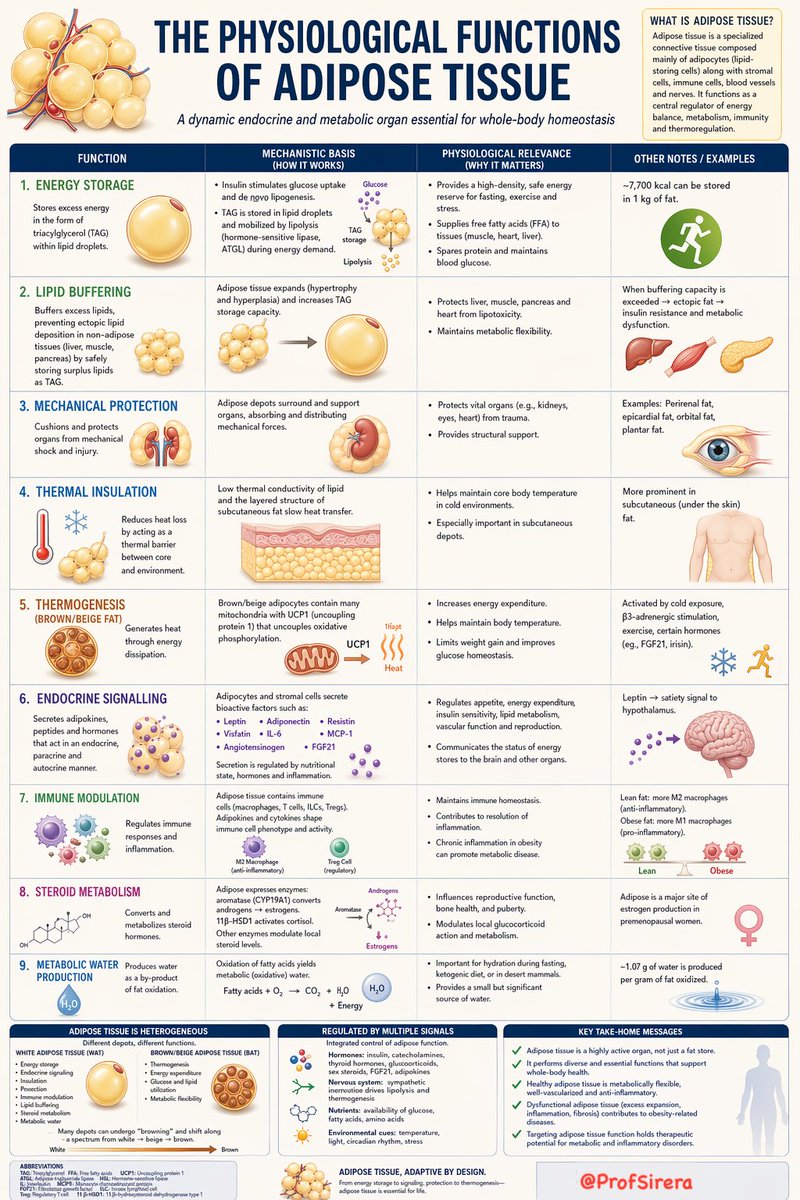
Rafael Sirera tweet media
English
2
19
58
1.3K
csemen รีทวีตแล้ว
Rafael Sirera
Rafael Sirera@ProfSirera·
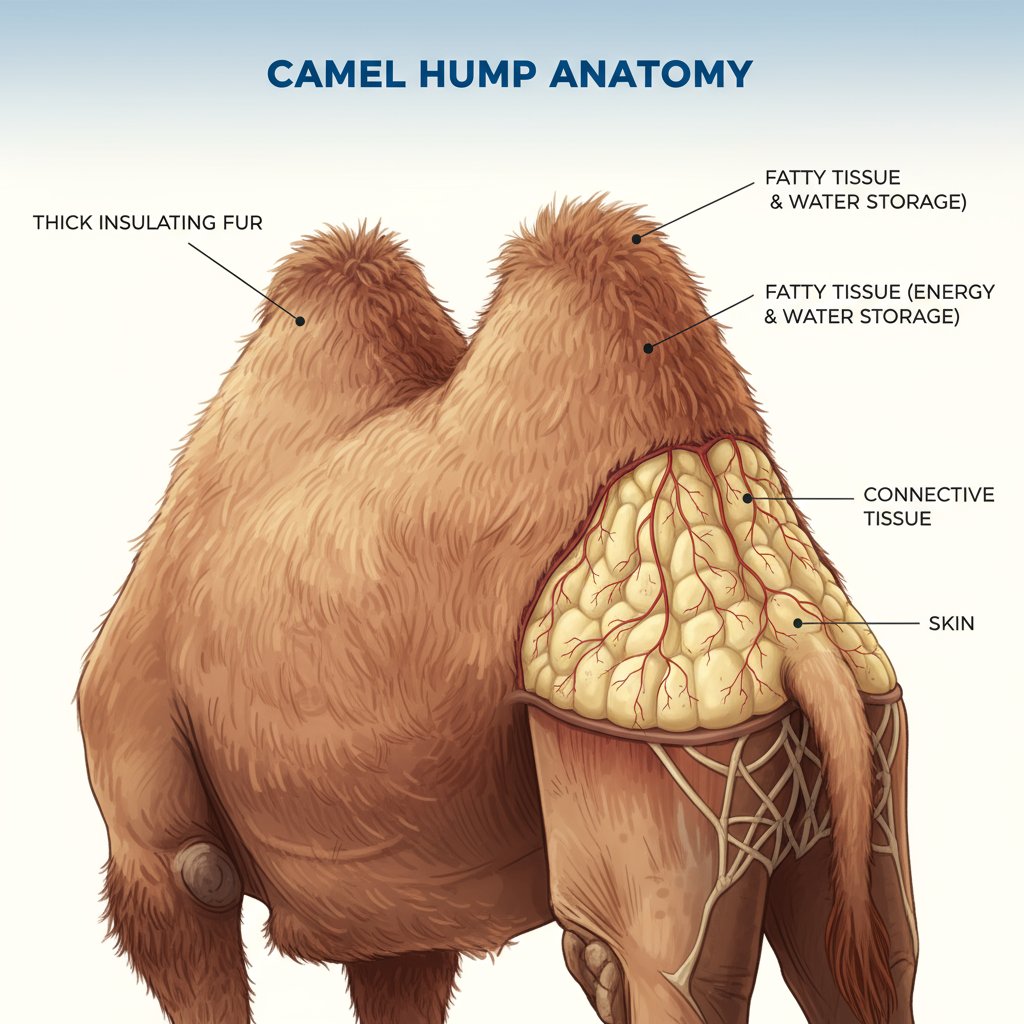
It is one of those persistent biological myths: camels do not store water in their humps. What they store is fat. And, mechanistically, that distinction is not trivial. Because water, in fact, can be made—from fat. This is where adipose tissue enters the story. Commonly framed as a passive energy reservoir, it is anything but. Adipose tissue is a metabolically active, tightly regulated organ with endocrine, immune, and systemic functions. Among these, one is almost never discussed: it stores the substrates required for internal water generation. Water can be synthesised during oxidative metabolism. When reduced carbon substrates are oxidised under aerobic conditions, electrons are transferred through the mitochondrial respiratory chain, ultimately reducing molecular oxygen at complex IV. The end product of this process is water. The classic example is glucose oxidation: C₆H₁₂O₆ + 6 O₂ → 6 CO₂ + 6 H₂O When fatty acids are oxidised, their highly reduced carbon chains donate electrons to the respiratory chain. Oxygen acts as the final electron acceptor, forming water at complex IV. The key point is quantitative. Lipids yield the highest amount of metabolic water per gram (~1.07 g H₂O/g), nearly double that of carbohydrates or proteins. Lipids stand out. Their highly reduced carbon chains contain abundant hydrogen, which—upon oxidation—combines with oxygen to form water. This is why fat is the most efficient substrate for metabolic water production. Adipose tissue, therefore, is not just storing energy—it is storing reducing equivalents that can be converted into both ATP and water. This becomes critical under conditions where water intake is limited. During fasting, hibernation, or desert adaptation, lipid oxidation contributes meaningfully to maintaining hydration status. The classic example is the camel: its hump stores fat, not water, yet through oxidation this fat becomes a source of metabolic water. There is, however, a constraint. This water is not “free”—its production requires oxygen consumption and generates obligatory water losses through respiration and excretion. The net balance depends on the integration of metabolism and renal function. Adipose tissue is not merely an energy depot. It is a biochemical reservoir capable of sustaining both metabolism and hydration when external resources fail.
Rafael Sirera tweet mediaRafael Sirera tweet media
English
0
10
21
2K
csemen รีทวีตแล้ว
Rafael Sirera
Rafael Sirera@ProfSirera·
The story of angiotensin-converting enzyme (ACE) inhibitors traces back to the venom of the pit viper Bothrops jararaca. A toxin designed to immobilise prey becomes, in a different context, a therapeutic tool to modulate one of the most tightly regulated systems in human physiology, blood pressure. Envenomation produced profound, sometimes catastrophic hypotension—an observation that, rather than being dismissed as purely toxicological, invited mechanistic curiosity to Sérgio Ferreira. What he identified were not just peptides, but a principle: small molecules capable of amplifying bradykinin signalling. These bradykinin-potentiating peptides did more than enhance vasodilation—they revealed a biochemical bottleneck. ACE, positioned at the intersection of two opposing axes, generates angiotensin II (vasoconstriction) while degrading bradykinin (vasodilation). Inhibiting this enzyme therefore exerts a dual haemodynamic effect: attenuating vasoconstrictive tone while preserving vasodilatory signalling. This is what makes ACE inhibition conceptually elegant. It is not merely suppressive—it rebalances. Building on this insight, David Cushman and Miguel Ondetti translated venom-derived biology into rational pharmacology. By interrogating the zinc-dependent catalytic site of ACE, they engineered Captopril, a small molecule that retained the binding logic of venom peptides while achieving oral bioavailability. Clinically, the implications were profound. For the first time, hypertension and heart failure could be addressed at the level of system architecture—the renin–angiotensin–aldosterone system—rather than through indirect haemodynamic manipulation. Subsequent agents, such as Enalapril, refined pharmacokinetics and tolerability, but the conceptual framework remained unchanged. But ACE inhibitors do not simply lower blood pressure. They modify vascular biology, reduce afterload, limit maladaptive remodelling, and improve survival in heart failure. This reflects a deeper principle: evolution does not design with intent, but it does explore biochemical space. Occasionally, those explorations—encoded in venom—map directly onto human physiology.
Rafael Sirera tweet mediaRafael Sirera tweet media
English
3
21
76
4.5K
csemen รีทวีตแล้ว
Guillermo Casaus
Guillermo Casaus@_guillecasaus·
Google tiene una de las herramientas de estudio más potentes que existen. Es gratis, lleva meses disponible y casi nadie la usa bien. Te comparto 8 usos de NotebookLM que te pueden ahorrar muchas horas. 🔖 Guárdalo, lo agradecerás.
Guillermo Casaus tweet media
Español
21
305
1.4K
119.5K
csemen รีทวีตแล้ว
CardiovascularCorner
CardiovascularCorner@TrackYourHeart·
A simple way to see the 12-lead ECG Color-coding helps pattern recognition: 🟢 Inferior: II, III, aVF 🟡 Lateral: I, aVL, V5–V6 🔵 Anterior/septal: V1–V4 🔴 Right: aVR (± V1) Instead of memorizing 12 leads individually, think in territories. This makes STEMI localization faster, cleaner, and harder to miss.
CardiovascularCorner tweet media
English
3
196
845
26.9K
csemen รีทวีตแล้ว
Science Postcard
Science Postcard@Sciencepostcard·
Learn moose code, the secret language.
English
2
34
140
10.9K
csemen รีทวีตแล้ว
𝙟𝙤𝙨𝙝 𝙛𝙖𝙧𝙠𝙖𝙨 💊
My prediction: an accurate iphone pupillometer will become widely available within the coming decade, revolutionizing acute care neurology Parameters need to be interpreted within clinical context, but I think there is a LOT of useful diagnostic data waiting to be unlocked here
Merlin Larson, MD@MerlinLarsonMD1

A “pupillogram” is non invasive and takes less than 20 seconds to perform. But like the EKG it can only be interpreted properly by performing a history and examination of the patient.

English
3
6
47
13.6K
csemen รีทวีตแล้ว
Avi Roy
Avi Roy@agingroy·
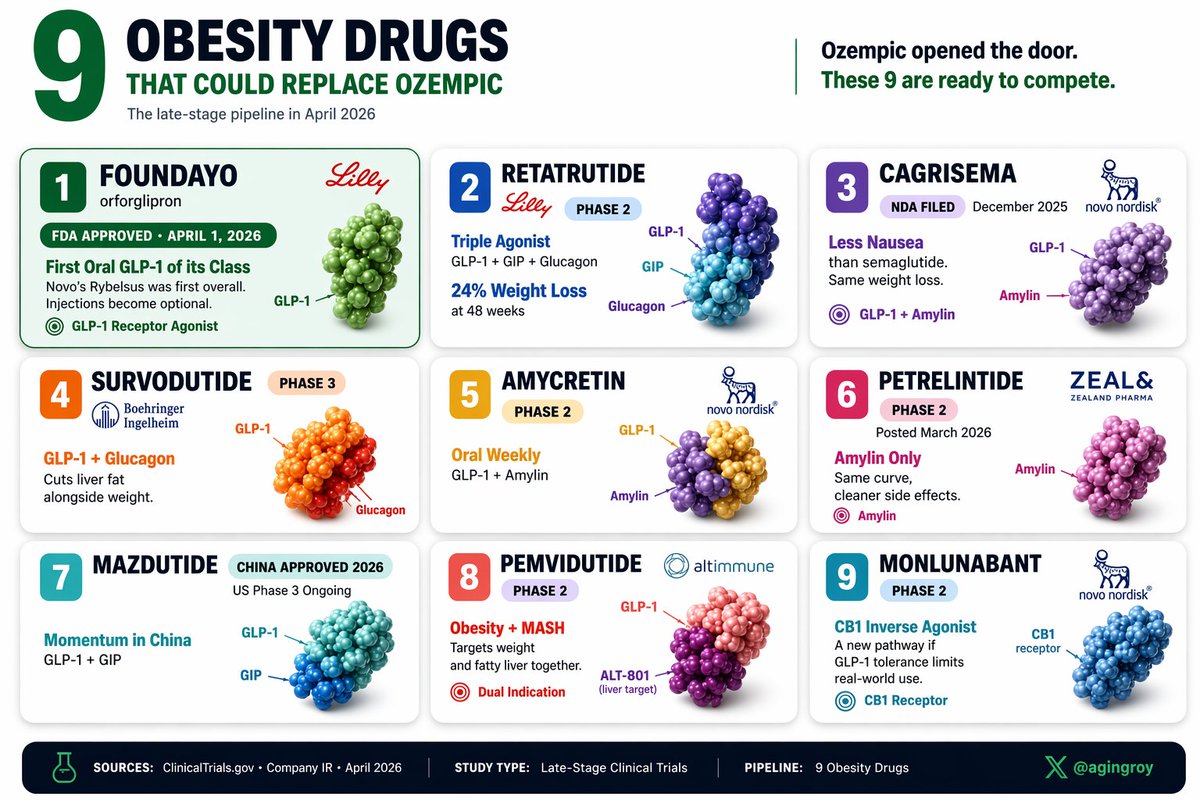
3 years ago, the obesity drug market was basically Ozempic. Today, it's 9 drugs deep in late-stage. Here's what each one actually adds: 1. Foundayo: latest oral GLP-1. @US_FDA approved April 1, 2026. Injections become optional. 2. Retatrutide: 24% weight loss at 48 weeks (Phase 2). Triple agonist. 3. CagriSema: less nausea than semaglutide. NDA filed December 2025. 4. Survodutide: GLP-1 + glucagon. Cuts liver fat alongside weight. 5. Amycretin: oral weekly. GLP-1 + amylin. Phase 2. 6. Petrelintide: amylin only. Phase 2 posted March 2026. 7. Mazdutide: China approved 2026. US Phase 3 ongoing. 8. Pemvidutide: obesity + MASH dual indication. 9. Monlunabant: CB1 inverse agonist. Phase 2. The next pharma cycle may not be Novo vs Lilly. It's shaping up as mechanism vs mechanism.
Avi Roy tweet media
English
29
175
684
54.3K
csemen รีทวีตแล้ว
quimicafacil.net
quimicafacil.net@quimicafacilnet·
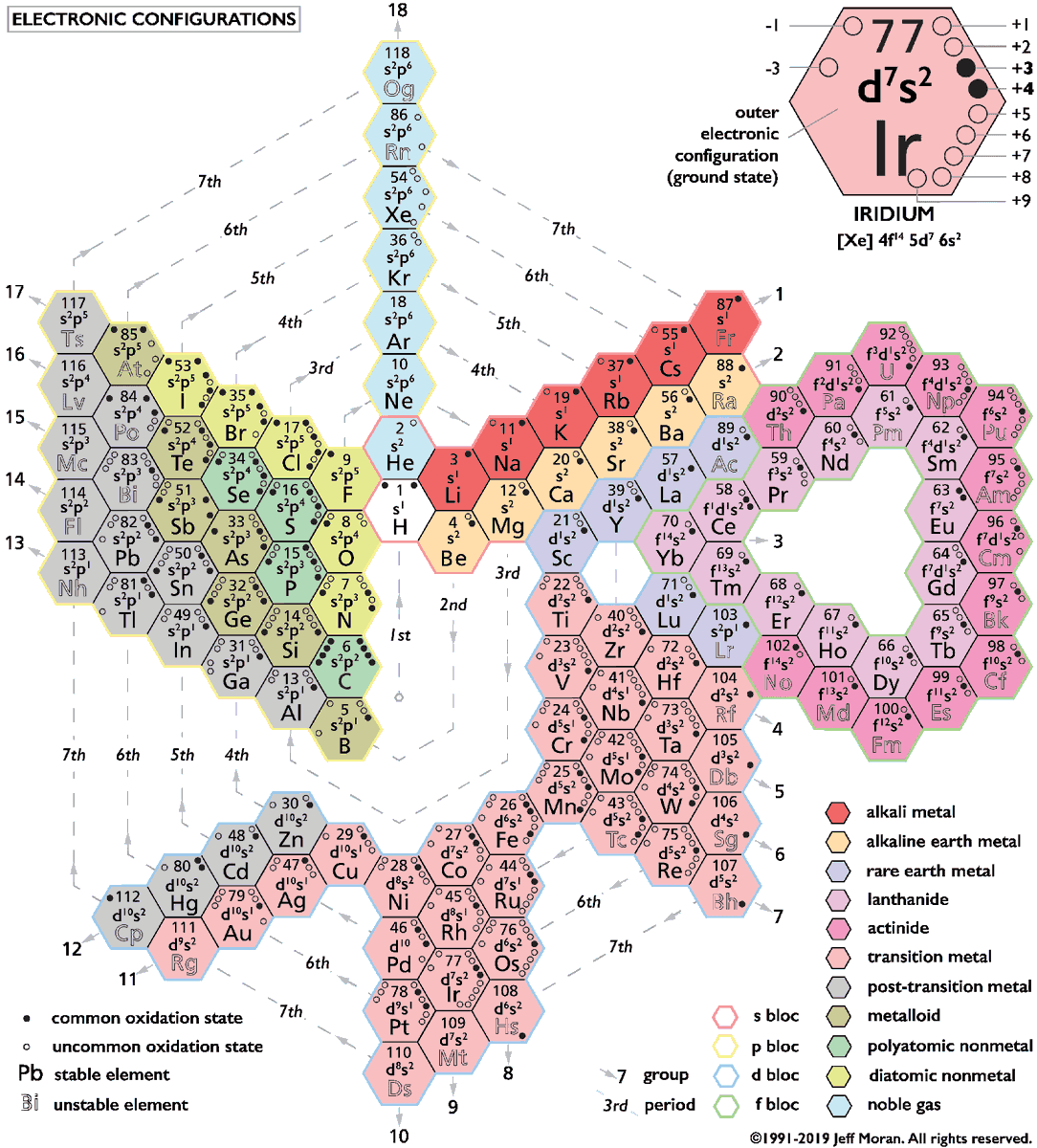
🌀 ¡Revolucionando la química! La tabla periódica en espiral de Jeff Moran ofrece una nueva perspectiva: hidrógeno al centro, elementos en hexágonos y continuidad en sus propiedades. ¡Innovación al máximo! 💡🔬👇
quimicafacil.net tweet media
Español
35
907
3.4K
165.1K
csemen รีทวีตแล้ว
Leonardo Santos
Leonardo Santos@Leo_Santo5·
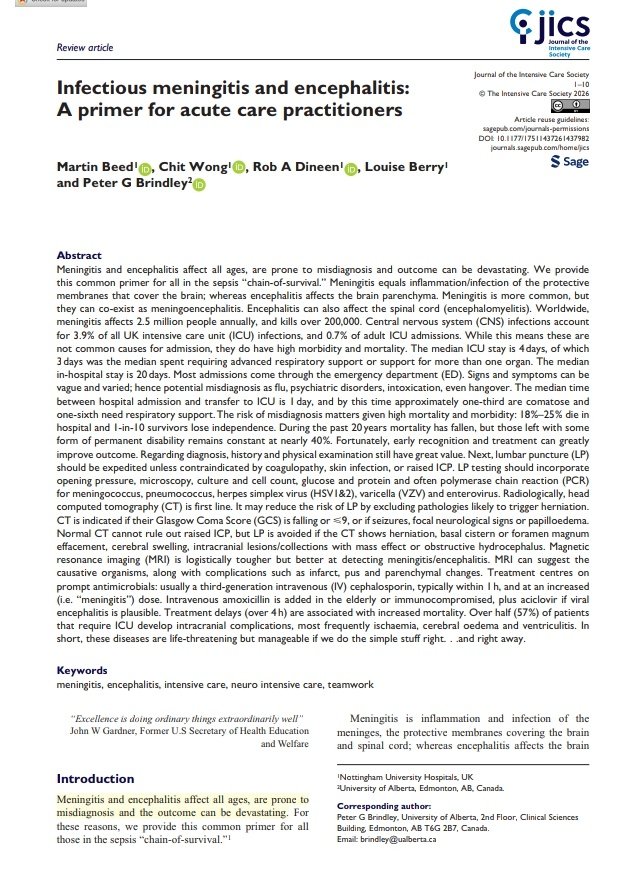
🧠🦠Meningitis y Encefalitis Infecciosa 🔰📚Journal of the Intensive Care Society 2026 doi.org/10.1177/175114… Enlace a Artículo Completo👇🏻🆓✅ t.me/SoMELaguna
Leonardo Santos tweet media
Español
0
70
182
4.2K
csemen รีทวีตแล้ว
Leonardo Santos
Leonardo Santos@Leo_Santo5·
🏥💥Tirotoxicosis - Abordaje y Manejo 📖Definiciones 📊Epidemiología 🧬Fisiopatología 🚑Presentación en Urgencias 🤔Diagnóstico y Tratamiento ⚡Tormenta Tiroidea 🔰📚Endocrinol Metab Clin 2026 doi.org/10.1016/j.ecl.… Enlace a Artículo Completo✅👇🏻🆓 t.me/SoMELaguna
Leonardo Santos tweet media
Español
0
71
199
4.1K
csemen รีทวีตแล้ว
Dr.Marlon Villanueva™ 🩺 𝕏
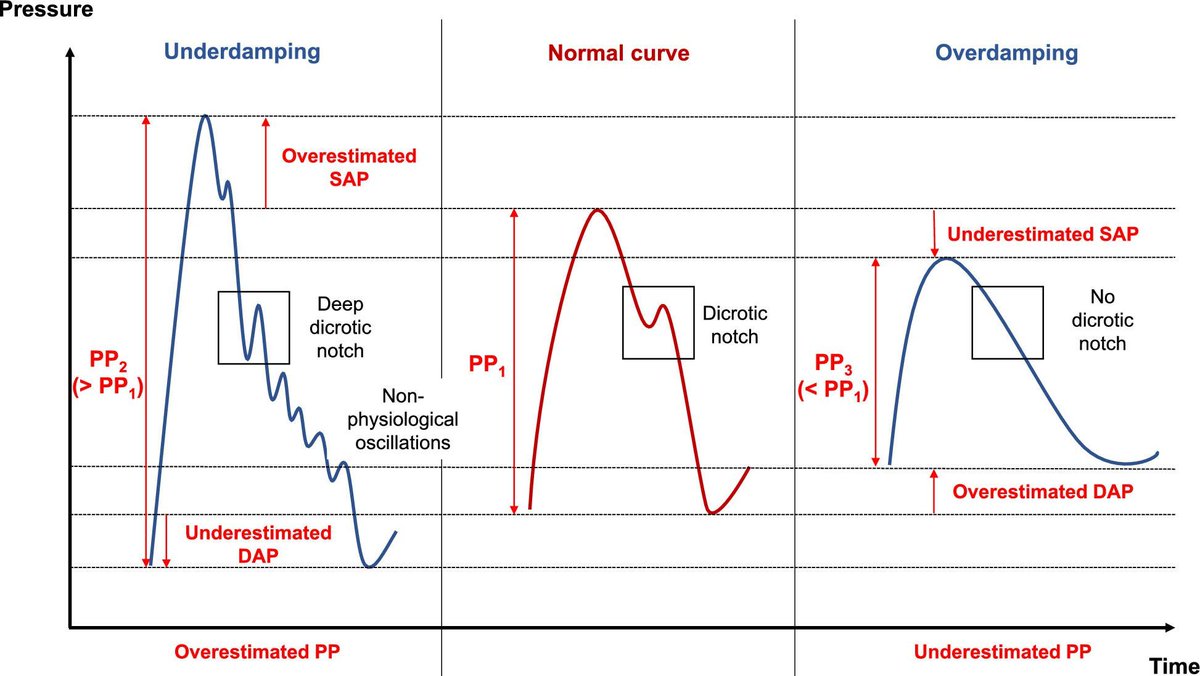
🩺🫀𝗟𝗶́𝗻𝗲𝗮 𝗮𝗿𝘁𝗲𝗿𝗶𝗮𝗹: 𝗰𝘂𝗮𝗻𝗱𝗼 𝗹𝗮 𝗳𝗼𝗿𝗺𝗮 𝗱𝗲 𝗼𝗻𝗱𝗮 𝘁𝗲 𝗲𝗻𝗴𝗮𝗻̃𝗮♒️ ⬇️⬇️⬇️⬇️ 🔵 𝙐𝙣𝙙𝙚𝙧𝙙𝙖𝙢𝙥𝙞𝙣𝙜 (𝙨𝙪𝙗𝙖𝙢𝙤𝙧𝙩𝙞𝙜𝙪𝙖𝙘𝙞𝙤́𝙣) 📈 𝙎𝘼𝙋 𝙛𝙖𝙡𝙨𝙖𝙢𝙚𝙣𝙩𝙚 𝙚𝙡𝙚𝙫𝙖𝙙𝙖 📉 𝘿𝘼𝙋 𝙛𝙖𝙡𝙨𝙖𝙢𝙚𝙣𝙩𝙚 𝙗𝙖𝙟𝙖 📊 𝙋𝙋 𝙚𝙭𝙖𝙜𝙚𝙧𝙖𝙙𝙖 🔍 Onda: •Pico sistólico alto •Muesca dicrótica muy marcada •Oscilaciones “ruidosas” 👉 Causa: sistema “hipersensible” (línea rígida, aire mínimo, tubing corto) 🔴 𝘾𝙪𝙧𝙫𝙖 𝙣𝙤𝙧𝙢𝙖𝙡 ✔️ Morfología fisiológica ✔️ Muesca dicrótica clara ✔️ PP real 👉 Interpretación confiable ⚫ 𝙊𝙫𝙚𝙧𝙙𝙖𝙢𝙥𝙞𝙣𝙜 (𝙨𝙤𝙗𝙧𝙚𝙖𝙢𝙤𝙧𝙩𝙞𝙜𝙪𝙖𝙘𝙞𝙤́𝙣) 📉 𝙎𝘼𝙋 𝙛𝙖𝙡𝙨𝙖𝙢𝙚𝙣𝙩𝙚 𝙗𝙖𝙟𝙖 📈 𝘿𝘼𝙋 𝙛𝙖𝙡𝙨𝙖𝙢𝙚𝙣𝙩𝙚 𝙖𝙡𝙩𝙖 📊 𝙋𝙋 𝙧𝙚𝙙𝙪𝙘𝙞𝙙𝙖 🔍 Onda: •Aplanada •Sin muesca dicrótica •Ascenso lento 👉 Causa: sistema “amortiguado” (coágulos, aire, tubing largo, compliance elevada) 🚨 Mensaje clave 👉 No trates números… trata 𝙘𝙪𝙧𝙫𝙖𝙨 𝙘𝙤𝙣𝙛𝙞𝙖𝙗𝙡𝙚𝙨 👉 Una presión arterial sin validar su morfología = 𝙧𝙞𝙚𝙨𝙜𝙤 𝙙𝙚 𝙙𝙚𝙘𝙞𝙨𝙞𝙤𝙣𝙚𝙨 𝙝𝙚𝙢𝙤𝙙𝙞𝙣𝙖́𝙢𝙞𝙘𝙖𝙨 𝙚𝙦𝙪𝙞𝙫𝙤𝙘𝙖𝙙𝙖𝙨 ‼️Si te sirve: ❤️ Me gusta | 🔁 Repost | ➕ Follow para más #MedED en #ClubCrit 😄🧠🫶 👇🏼👇🏼👇🏼👇🏼 📚📖#ClubCrit #ArterialLine #CardioX #icu #intensivecare #diagnosis #management #POCUS #VExUS #MedicinaBasadaEnEvidencia #Terapia #MedEd #Medicina #FOAMed #FOAMcc #CuidadoCrítico #MedX #EducaciónMédica #MedIntensiva #MedXCommunity #MedicinaCrítica #MedED #CritCare #ICUManagement #MustRead #LecturaRecomendada
Dr.Marlon Villanueva™ 🩺 𝕏 tweet media
Español
0
50
152
12.8K
csemen รีทวีตแล้ว
Ruben Hassid
Ruben Hassid@rubenhassid·
Stop bookmarking 50 guides you'll never read. You can skip all of it with these 15 free guides: Claude 101: how-to-claude.ai Claude Code: claudecode.free Claude Skills: claude-skills.free Stop prompting: ruben.substack.com/p/stop-prompti… Claude in Excel: ruben.substack.com/p/ai-couldnt-d… 1M followers with AI: ruben.substack.com/p/1000000how-c… Claude for your team: how-claude.team No prompt saves you: ruben.substack.com/p/magic AI Slides (PPT in 2026): how-to-gamma.ai Set up Claude Cowork: claude-co.work Claude to sound like you: ruben.substack.com/p/i-am-just-a-… Claude interactive charts: ruben.substack.com/p/claude-charts Claude as your computer: ruben.substack.com/p/claude-compu… Claude Cowork + Project: ruben.substack.com/p/claude-cowor… Set up AI before prompting: ruben.substack.com/p/how-to-bette… ___ 1. Save this list for later (three dots, top right). 2. Share it with a friend by ♻️ reposting this image. 3. Subscribe to my free newsletter: how-to-ai.guide.
Ruben Hassid tweet media
Ruben Hassid@rubenhassid

x.com/i/article/2044…

English
77
1.3K
7.8K
788.6K
csemen รีทวีตแล้ว
Dr. Chacón-Lozsán F .'.
Dr. Chacón-Lozsán F .'.@franciscojlk·
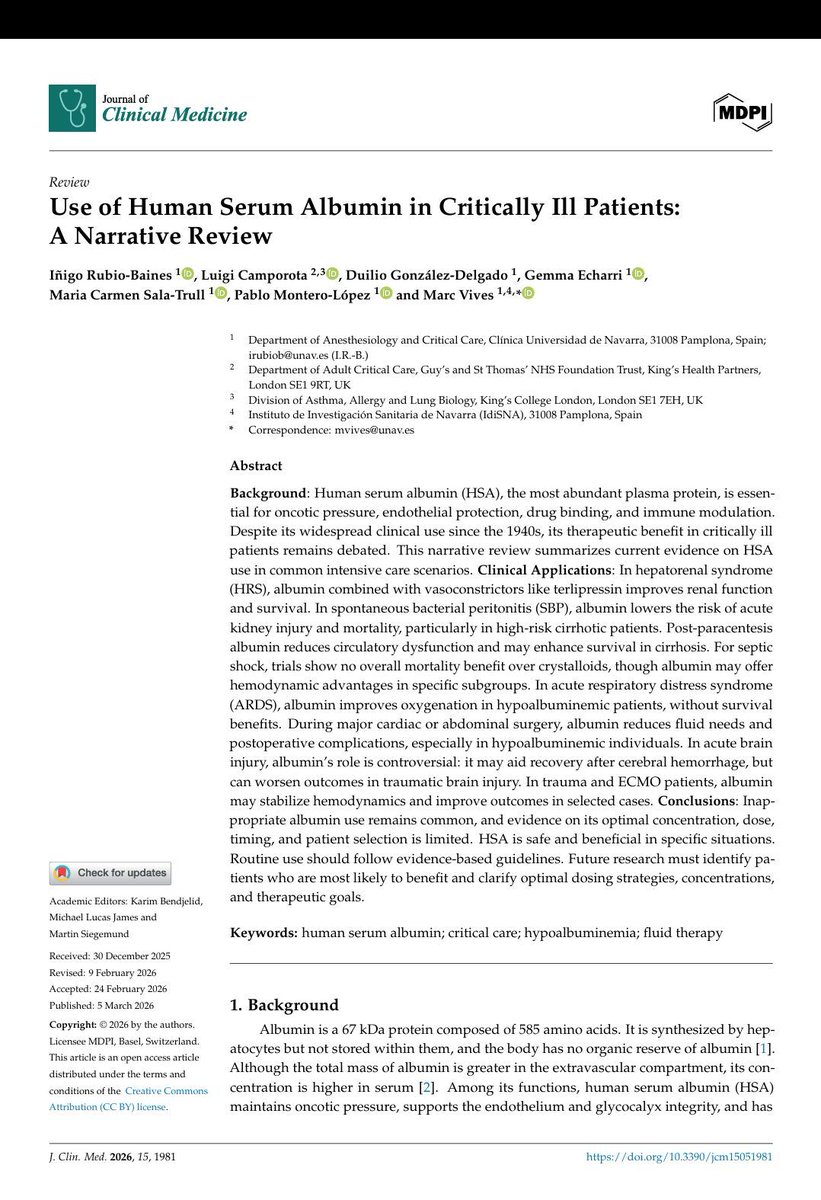
💧 Albumin in the ICU: life-saving drug… or expensive myth? We’ve been using it since the 1940s. Yet in 2026 we still don’t fully agree when it actually helps. 🧠 First principle Albumin is NOT just a volume expander. It does much more: ▪️ Maintains oncotic pressure ▪️ Protects endothelium & glycocalyx ▪️ Modulates inflammation ▪️ Alters drug pharmacokinetics ➡️ It’s a biologically active molecule, not “fancy saline” ⚠️ The uncomfortable truth 👉 50-70% of albumin use is inappropriate 👉 In some studies: >90% misuse Yes… even in modern ICUs 🔥 Where albumin actually WORKS ✔️ Hepatorenal syndrome (HRS) → Albumin + terlipressin = better renal outcomes ✔️ Spontaneous bacterial peritonitis (SBP) → ↓ AKI + ↓ mortality ✔️ Large-volume paracentesis → Prevents circulatory collapse ⚖️ Where evidence is… mixed 🟡 Septic shock → No mortality benefit vs crystalloids → BUT better hemodynamics in some patients 🟡 ARDS → Improves oxygenation (if hypoalbuminemic) → No survival benefit 🟡 Major surgery → ↓ fluids, ↓ complications → BUT watch renal risk (especially 20%) 🚫 Where you should think twice ❌ Traumatic brain injury → ↑ ICP → ↑ mortality ➡️ Albumin crosses disrupted BBB → worsens edema 💡 Key ICU insight Albumin is NOT about: ❌ “giving protein” ❌ “correcting labs” It’s about: ✔️ hemodynamics ✔️ endothelial integrity ✔️ patient selection 📉 Hypoalbuminemia matters Every ↓10 g/L: ▪️ ↑ mortality ▪️ ↑ complications ▪️ ↑ length of stay ➡️ But correction ≠ automatic benefit 🎯 Clinical decision rule Use albumin when: ✔️ Cirrhosis-related complications ✔️ Refractory shock after crystalloids ✔️ Severe hypoalbuminemia with instability Avoid when: ❌ Routine resuscitation ❌ TBI ❌ “just low albumin” 🧠 Take-home ➡️ The question is NOT “Does albumin work?” ➡️ The real question is “In which patient, at which moment?” 📚 Rubio-Baines I et al. (2026) Journal of Clinical Medicine DOI: 10.3390/jcm15051981
Dr. Chacón-Lozsán F .'. tweet media
English
1
84
289
18K
csemen รีทวีตแล้ว
Daniel Rozenbaum
Daniel Rozenbaum@DanRozenbaum·
Is it ok to use the stress index for PEEP titration in this case?
Daniel Rozenbaum tweet media
English
4
11
56
5.5K
csemen รีทวีตแล้ว
Critical Care Reviews
Critical Care Reviews@CritCareReviews·
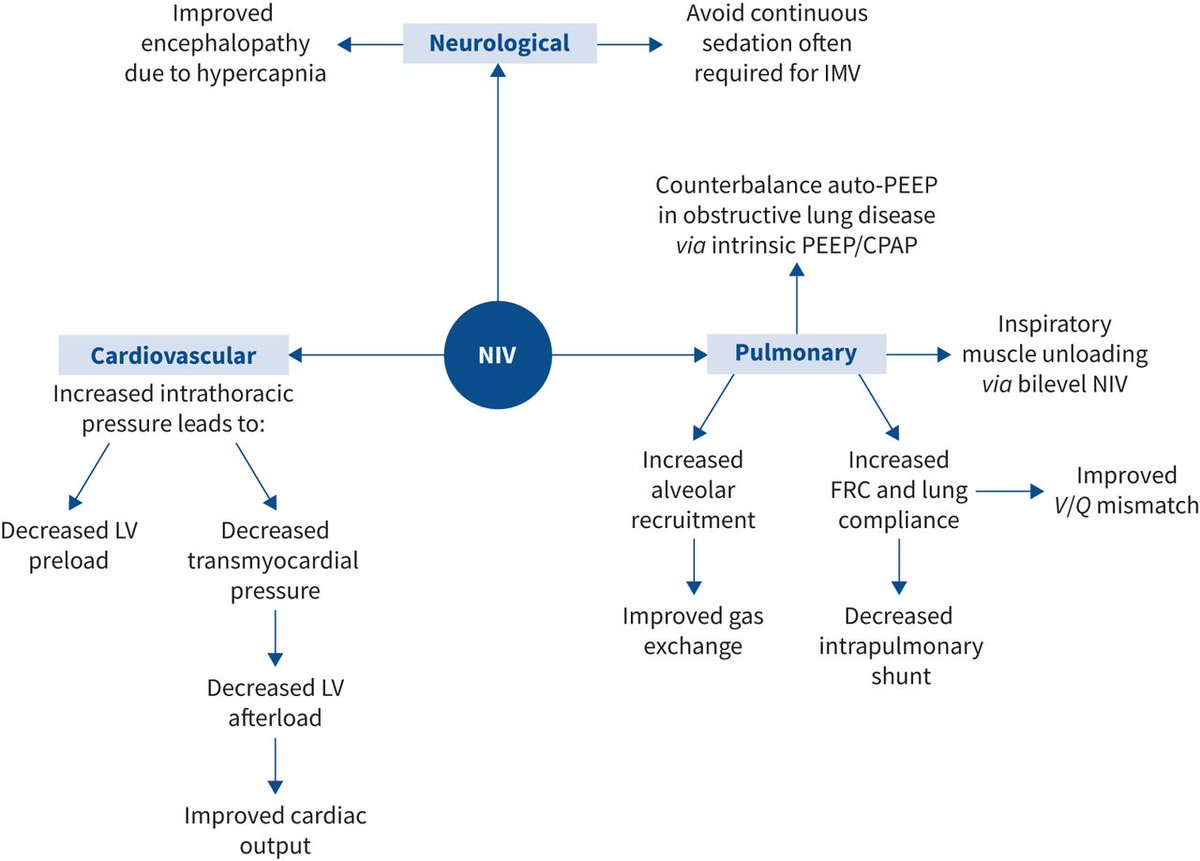
Today's Paper of the Day is: Clinical review of non-invasive ventilation criticalcarereviews.com/latest-evidenc… Join us to read 1 paper per day and stay up-to-date as we cover the spectrum of critical care across 2026
Critical Care Reviews tweet media
English
0
39
112
5.5K
csemen รีทวีตแล้ว
Dr. Chacón-Lozsán F .'.
Dr. Chacón-Lozsán F .'.@franciscojlk·
⚡ Hyperkalemia: the silent killer we still underestimate Potassium >5 mEq/L. Sounds simple. But clinically? 👉 It’s one of the most dangerous electrolyte disorders we face. ⚠️ Why it matters Hyperkalemia is not just a lab abnormality. It is strongly associated with: ▪️ Arrhythmias (VF, asystole) ▪️ Respiratory failure ▪️ Neuromuscular paralysis ▪️ Increased mortality (up to ~30% in high-risk patients) And worst of all: 👉 Many patients are asymptomatic until it’s too late 🧩 Who is at risk? The classic triad: ✔️ Chronic kidney disease ✔️ Heart failure ✔️ Diabetes Plus: 💊 RAAS inhibitors (ACEi/ARB/MRA) 💊 Calcineurin inhibitors, beta-blockers, heparin ➡️ Ironically, the same drugs that improve survival can also increase potassium and risk 🔥 The clinical dilemma We face this daily: 👉 Stop life-saving RAAS inhibitors? 👉 Or accept hyperkalemia risk? Evidence says: ❌ Stopping them worsens cardiorenal outcomes ✔️ Managing potassium is the real solution 💡 What’s changing? New paradigm: 👉 Don’t stop therapy 👉 Control potassium With: ✔️ New potassium binders (patiromer, SZC) ✔️ Better chronic management strategies ✔️ Integration with HF and CKD care 📉 But challenges remain From this review: 🔴 Underdiagnosis (often asymptomatic) 🔴 Lack of continuous monitoring tools 🔴 Limited access to new therapies 🔴 Poor documentation and follow-up 🔴 Fragmented care between specialties ➡️ Hyperkalemia is not just a medical problem It’s a system problem 🚀 Future direction The most exciting part: 🧠 AI + ECG → early detection 📡 Telemedicine → continuous monitoring 🧪 New sensors → real-time potassium tracking ➡️ Moving from reactive → predictive medicine 🎯 Take-home Hyperkalemia management should be: ❌ Reactive (treat when K+ is high) ❌ Drug-withdrawal focused ✔️ Proactive ✔️ Integrated (cardio + renal) ✔️ Continuous monitoring driven 📚 Ortiz-Cortés C et al. (2026) Rev Esp Cardiol DOI: 10.1016/j.recesp.2025.10.010
Dr. Chacón-Lozsán F .'. tweet media
English
1
40
101
6.4K
csemen รีทวีตแล้ว
Dr. Chacón-Lozsán F .'.
Dr. Chacón-Lozsán F .'.@franciscojlk·
🩺 Arterial line ≠ just a number on the monitor If you’re only looking at MAP… you’re missing most of the physiology. 🧠 Invasive BP is a real-time hemodynamic language Every component tells a different story: ▪️ MAP → organ perfusion ▪️ DAP → vascular tone ▪️ SAP → LV afterload ▪️ Pulse Pressure (PP) → stroke volume surrogate ➡️ It’s not one number. It’s a dynamic physiological system ⚠️ First rule, often ignored: 👉 If the waveform is wrong → everything is wrong Before interpreting: ✔️ Check damping ✔️ Perform fast flush test ✔️ Look for: Rapid upstroke Dicrotic notch Smooth diastolic decay ➡️ Bad waveform = bad decisions 📉 MAP alone is NOT enough We target MAP ≥65 mmHg… but: ▪️ Duration of hypotension matters ▪️ Individual physiology matters ▪️ CVP matters 👉 Think instead: 🎯 Perfusion pressure = MAP − CVP (MPP) ➡️ A “normal MAP” can still mean hypoperfusion 🔥 DAP = your vasopressor trigger Low DAP = low vascular tone ▪️ Septic shock → ↓ DAP ▪️ Early signal before MAP collapses 👉 Use it to: ✔️ Start norepinephrine earlier ✔️ Avoid delayed vasopressor therapy ➡️ It’s one of the most underused variables in ICU ⚡ Pulse Pressure = hidden CO monitor PP reflects: ▪️ Stroke volume ▪️ Arterial stiffness 👉 Dynamic changes = key: ✔️ PLR ✔️ Fluid challenge ✔️ Ventilator cycles (PPV) ➡️ You can track CO trends without a CO monitor 🧬 Next-level physiology (very underrated): New indices: ▪️ DSI = HR / DAP → identifies vasoplegia early ▪️ VNERi = DAP / (HR × NE dose) → detects norepinephrine resistance 👉 These may define who needs vasopressin early 💡 Mindset shift Don’t ask: ❌ “What’s the MAP?” Ask: ✔️ “What is the physiology behind this waveform?” 🧠 Take-home Arterial line monitoring is not passive. It’s: ▪️ Diagnostic ▪️ Therapeutic ▪️ Predictive ➡️ If you read it correctly… it becomes a precision resuscitation tool 📚 Bertrand M et al. (2025)Annals of Intensive Care DOI: 10.1186/s13613-025-01608-y
Dr. Chacón-Lozsán F .'. tweet media
English
0
156
519
46K