Dima

131 posts

Dima banner
Dima

Dima

@DimaUpit

Founder at @IzumDigital | Helping brands turn ideas into distinctive digital products | Design that tells your story and drives results


World เข้าร่วม Ekim 2025
123 กำลังติดตาม119 ผู้ติดตาม
Hunter Hammonds
Hunter Hammonds@hunterhammonds·
Meet the new Off/Menu. Designed entirely in Claude Code 😘. Sorry, Figma! We tore apart the entire studio and rebuilt it around AI to do more of the work we love. Not less. And business is booming. Founders building at the frontier of AI turn to us to reach new heights. 👇 Enjoy the new site
English
109
51
1.2K
85.4K
Dima
Dima@DimaUpit·
@CristianMielu Great work with the grid and typography. Looks fresh.
English
1
0
1
16
Cristian Mielu
Cristian Mielu@CristianMielu·
Websites shouldn’t slow you down. Agentic is built for speed, from first click to launch. ↓ framer.link/bKlnfZb
English
7
5
105
2.7K
Dima
Dima@DimaUpit·
@lusionltd Visuals are top tier as always. Love that you guys are sharing the process.
English
1
0
1
129
Lusion™
Lusion™@lusionltd·
Part 1/7 of our Oryzo behind the scenes series is now live. This one covers the concept and creative direction behind the project, and how a very ordinary cork coaster somehow became a premium product story. Link in comment.
English
13
25
333
19.7K
Dima
Dima@DimaUpit·
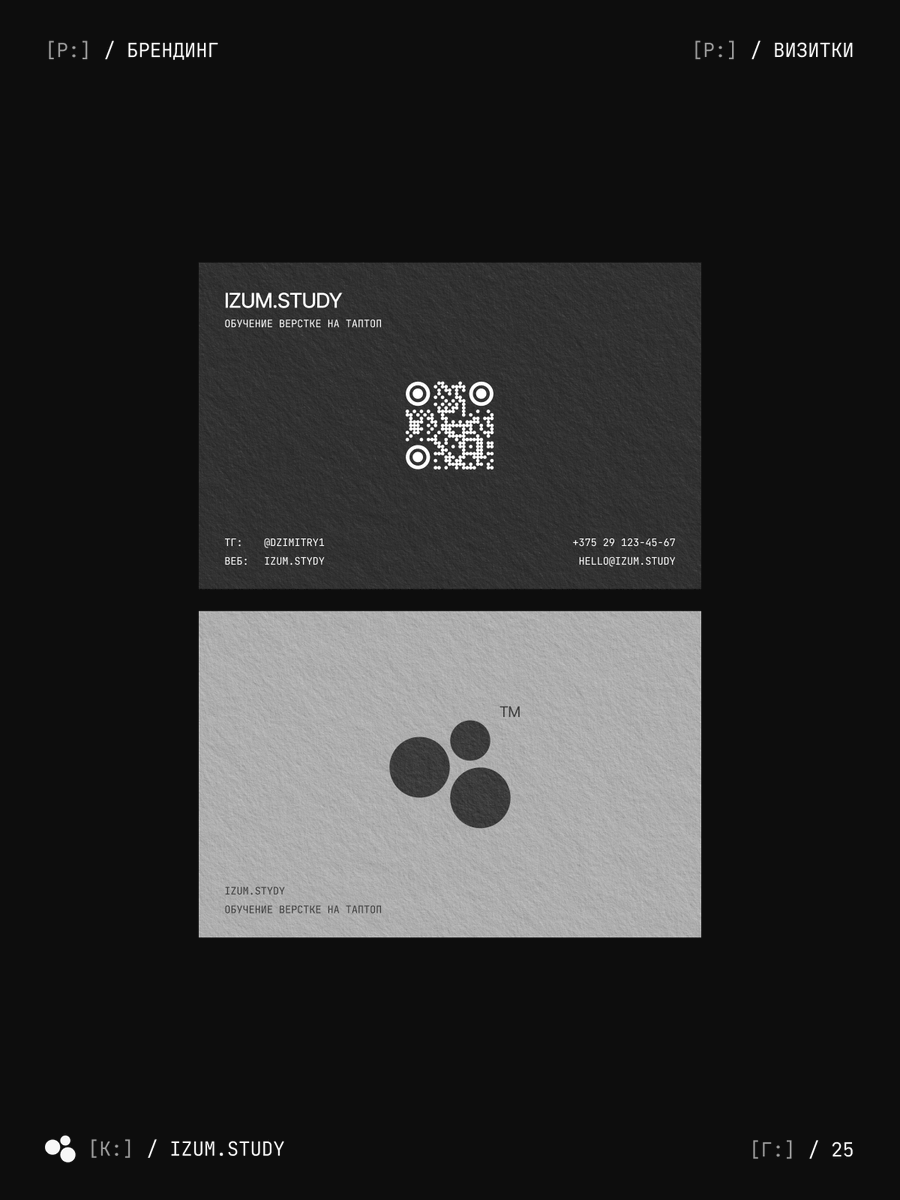
Good design still hits you even when you rip it into pieces. These are fragments from the IZUM STUDY project. The secret to expensive-looking work isn't the overall structure. It's the micro details. That was our entire focus when we built the visuals for IZUM STUDY. For our @Behance case, we skipped the long story and just showed the design through tight, cropped fragments. Custom grids, typography, visual layers. We wanted every single piece to prove our expertise and build trust before anyone even scrolls down the page. The design did exactly what we needed it to do. But we've outgrown it. We're actually tearing the whole thing down and starting over right now. Later this year we'll launch a completely new version of IZUM STUDY that pushes things a lot further. While we build that out, you can check out the details of the original design on @Behance : behance.net/gallery/225879…
Dima tweet mediaDima tweet mediaDima tweet mediaDima tweet media
English
0
0
2
34
Dima
Dima@DimaUpit·
Anthropic 𝗮𝗰𝗰𝗶𝗱𝗲𝗻𝘁𝗮𝗹𝗹𝘆 𝗹𝗲𝗮𝗸𝗲𝗱 𝘁𝗵𝗲𝗶𝗿 𝗻𝗲𝘅𝘁 𝗺𝗼𝗱𝗲𝗹. 𝗔𝗻𝗱 𝗵𝗼𝗻𝗲𝘀𝘁𝗹𝘆, 𝘁𝗵𝗲 𝗱𝗲𝘁𝗮𝗶𝗹𝘀 𝗮𝗿𝗲 𝗮 𝗹𝗼𝘁 𝘀𝗰𝗮𝗿𝗶𝗲𝗿 𝘁𝗵𝗮𝗻 𝘁𝗵𝗲 𝗹𝗲𝗮𝗸 𝗶𝘁𝘀𝗲𝗹𝗳. 𝗪𝗵𝗮𝘁 𝗵𝗮𝗽𝗽𝗲𝗻𝗲𝗱 Between March 26 and 27, Fortune reporter Bea Nolan stumbled onto nearly 3,000 internal Anthropic files sitting in plain sight. The culprit was a misconfigured CMS. @AnthropicAI has already confirmed it was just "human error." 𝗖𝗹𝗮𝘂𝗱𝗲 𝗠𝘆𝘁𝗵𝗼𝘀 — 𝘄𝗵𝗮𝘁 𝘄𝗲 𝗸𝗻𝗼𝘄 𝗳𝗼𝗿 𝘀𝘂𝗿𝗲 Two names, one model. The leaked archive mentions Claude Mythos and Capybara. They are the exact same thing. A new tier above Opus. Right now, Anthropic has three model levels: Haiku, Sonnet, and Opus. Capybara/Mythos adds a fourth that is noticeably more powerful and expensive. A "step change" over Opus 4.6. According to the documents, the model scores radically higher in coding, complex reasoning, and cybersecurity. The team literally calls it a "step change." Anthropic has never used language that strong in the history of the company. The most dangerous model for cybersecurity. Anthropic says it in plain text: the model is currently far ahead of any other AI in finding vulnerabilities. It can generate attacks faster than defenders can react. For context, Chinese hackers already used their older models to breach about 30 organizations. 𝗔𝗻 𝘂𝗻𝘂𝘀𝘂𝗮𝗹 𝗹𝗮𝘂𝗻𝗰𝗵 Instead of the standard "announce and release" playbook, they are doing things differently. Access goes to cyber defenders first, so they have time to patch their systems before the neural network goes public. There is no public release date yet. The documents do mention, however, that running the model will be extremely expensive. 𝗣𝗥 𝘀𝘁𝘂𝗻𝘁 𝗼𝗿 𝗮 𝗿𝗲𝗮𝗹 𝗹𝗲𝗮𝗸? The market took it seriously. Cybersecurity stocks actually dropped after the news broke. Two independent researchers from LayerX Security and Cambridge poked through the files and confirmed they were authentic. In the end, Anthropic had to officially admit the model exists.
Dima tweet media
English
0
0
2
40
Dima รีทวีตแล้ว
Dima
Dima@DimaUpit·
𝗪𝗵𝗮𝘁 𝘄𝗲 𝘂𝘀𝗲𝗱 𝘁𝗼 𝗽𝗮𝘆 𝗮 𝗪𝗲𝗯𝗚𝗟 𝗱𝗲𝘃𝗲𝗹𝗼𝗽𝗲𝗿 𝗳𝗼𝗿, 𝗜 𝗯𝘂𝗶𝗹𝘁 𝘆𝗲𝘀𝘁𝗲𝗿𝗱𝗮𝘆 𝗶𝗻 𝟭𝟮𝟬 𝗺𝗶𝗻𝘂𝘁𝗲𝘀. 𝗧𝗲𝘀𝘁𝗶𝗻𝗴 𝘁𝗵𝗲 𝗻𝗲𝘄 𝗚𝗲𝗺𝗶𝗻𝗶 𝟯.𝟭 𝗣𝗿𝗼 🤯 On our educational project izum.study, we have a complex Three.js scene. Back in the day, we specifically hired a niche WebGL specialist to bring it to life. Yesterday I decided to stress-test the new Gemini 3.1 Pro: could I recreate this animation from scratch using ONLY text? 𝗧𝗵𝗲 𝗿𝗲𝘀𝘂𝗹𝘁 𝗴𝗲𝗻𝘂𝗶𝗻𝗲𝗹𝘆 𝗶𝗺𝗽𝗿𝗲𝘀𝘀𝗲𝗱 𝗺𝗲. Yes, I only built the first part so far (a wave of thousands of particles collapsing into a tornado and assembling into a perfect 3D sphere on scroll). 𝗕𝘂𝘁 𝗜 𝗱𝗶𝗱 𝗶𝘁 𝗺𝘆𝘀𝗲𝗹𝗳 𝗶𝗻 𝗷𝘂𝘀𝘁 𝟭𝟮𝟬 𝗺𝗶𝗻𝘂𝘁𝗲𝘀! 𝗧𝗵𝗶𝘀 𝗸𝗶𝗻𝗱 𝗼𝗳 𝗺𝗮𝘁𝗵 𝗶𝗻 𝗚𝗟𝗦𝗟 𝘀𝗵𝗮𝗱𝗲𝗿𝘀 𝗻𝗼𝗿𝗺𝗮𝗹𝗹𝘆 𝘁𝗮𝗸𝗲𝘀 𝗱𝗮𝘆𝘀: ⚡ The model wrote the Bezier curve logic on its own so particles move smoothly and never fly outside the screen boundaries. ⚡ It tightly synced the tornado math with scroll behavior through GSAP — by itself. ⚡ It even solved the classic WebGL issue with GPU micro-precision errors on the first and last frames, making the animation completely seamless. What used to require hardcore code and a separate budget — now you just act as an art director and guide the model's logic. 𝗛𝗼𝘄 𝘄𝗼𝘂𝗹𝗱 𝘆𝗼𝘂 𝗿𝗮𝘁𝗲 𝘁𝗵𝗶𝘀 𝗿𝗲𝘀𝘂𝗹𝘁 𝗳𝗼𝗿 𝟮 𝗵𝗼𝘂𝗿𝘀 𝗼𝗳 𝗽𝗿𝗼𝗺𝗽𝘁𝗶𝗻𝗴? Score it from 1 to 10 🔥 And do you think I should take on the challenge and try to recreate the full animation from the site? Drop a comment. And leave a "+" if you want to play with the ready-made template on CodePen 👇
English
20
14
279
16.8K
Dima รีทวีตแล้ว
Dima
Dima@DimaUpit·
𝗪𝗵𝗮𝘁 𝘄𝗲 𝘂𝘀𝗲𝗱 𝘁𝗼 𝗽𝗮𝘆 𝗮 𝗪𝗲𝗯𝗚𝗟 𝗱𝗲𝘃𝗲𝗹𝗼𝗽𝗲𝗿 𝗳𝗼𝗿, 𝗜 𝗽𝘂𝘁 𝘁𝗼𝗴𝗲𝘁𝗵𝗲𝗿 𝗺𝘆𝘀𝗲𝗹𝗳 𝗶𝗻 𝟮 𝗱𝗮𝘆𝘀. 𝗦𝘁𝗿𝗲𝘀𝘀-𝘁𝗲𝘀𝘁𝗶𝗻𝗴 𝗚𝗲𝗺𝗶𝗻𝗶 𝟯.𝟭 𝗣𝗿𝗼 𝘁𝗼 𝘁𝗵𝗲 𝗺𝗮𝘅 🤯 The previous post, where I recreated the first part of our Three.js animation from izum.study with the help of a neural network, got a lot of reactions. So I decided to go further and take the experiment all the way to the end. 𝗚𝗼𝗮𝗹: build the FULL site animation using prompts only. Without a single line of code written by hand. So you understand the scale — back in the day, a live developer used to make a similar animation for us for a whole month, and it was accompanied by constant nerve-wracking and edits. 𝗡𝗼𝘄 𝘁𝗵𝗲 𝗿𝗲𝘀𝘂𝗹𝘁 𝘄𝗮𝘀 𝗿𝗲𝗮𝗱𝘆 𝗶𝗻 𝟮 𝗱𝗮𝘆𝘀. 𝗔𝗻𝗱 𝗶𝘁 𝗴𝗲𝗻𝘂𝗶𝗻𝗲𝗹𝘆 𝗶𝗺𝗽𝗿𝗲𝘀𝘀𝗲𝗱 𝗺𝗲. Gemini 3.1 Pro produced a fully working project: a wave of thousands of particles collapses into a 3D sphere on scroll, then smoothly breaks apart into three separate spheres (like in the original) and merges back. All of this is driven by GLSL shader math and tied to scroll via GSAP. 𝗪𝗵𝗮𝘁 𝗜 𝗵𝗮𝗱 𝘁𝗼 𝘁𝗶𝗻𝗸𝗲𝗿 𝘄𝗶𝘁𝗵: ⚡ Morphing logic. Splitting one form into three with particle flow is complex geometry. The neural net wrote the shaders for a smooth split and reverse merge by itself. ⚡ Synchronization with GSAP. Camera movement, scaling, and the split triggers are perfectly fitted to the page scroll. After that, all that was left was to bring everything to the final look and polish the animation so that it feels as smooth live as in the original. What used to require a month of work from a dedicated specialist and a solid budget is now solved over a weekend. You just need to act as the art director and steer the model’s logic correctly. Neural nets really are changing the rules. 𝗥𝗮𝘁𝗲 𝘁𝗵𝗲 𝗳𝗶𝗻𝗮𝗹 𝗿𝗲𝘀𝘂𝗹𝘁 𝗳𝗿𝗼𝗺 𝟭 𝘁𝗼 𝟭𝟬 🔥 And the main question: what do you think — is it already time for WebGL developers to start quietly updating their resumes, or can the leather bags still sleep peacefully for now? Write in the comments 👇
English
26
32
558
26.8K
Dima
Dima@DimaUpit·
@weareagio @StudioOker Solid work. The motion graphics match the pacing of the video perfectly.
English
0
0
0
30
Agio
Agio@weareagio·
Autostore → Brand Launch Video Branding → @StudioOker Styleframes Design→ Video Launch → 2D + 3D Motion Design → @weareagio
English
6
15
261
7.7K
Dima
Dima@DimaUpit·
@uixamjad This noise + blur combo is already a classic for AI products. Great tutorial.
English
1
0
1
90
uixamjad
uixamjad@uixamjad·
Just dropped a tutorial on creating that Aurora Mesh + scattered code aesthetic in Figma. The one you keep seeing on AI product landing pages.
English
22
133
2.1K
65.6K
Dima
Dima@DimaUpit·
@poncatoera Manual work still hits different. The render came out incredibly clean.
English
0
0
1
49
Paul Christian Catoera
Paul Christian Catoera@poncatoera·
I dont know how to use AI for motion design yet (im gonna be so cooked soon) so I just used Houdini + Redshift for this one.
English
29
32
735
29.9K
Dima
Dima@DimaUpit·
𝗪𝗲𝗯𝗳𝗹𝗼𝘄 𝗚𝗦𝗔𝗣 𝘃𝘀 𝗖𝗼𝗱𝗲 𝗚𝗦𝗔𝗣. 𝗪𝗵𝘆 𝗻𝗮𝘁𝗶𝘃𝗲 𝗶𝗻𝘁𝗲𝗴𝗿𝗮𝘁𝗶𝗼𝗻 𝗰𝗮𝗻 𝗸𝗶𝗹𝗹 𝘆𝗼𝘂𝗿 𝗽𝗿𝗼𝗷𝗲𝗰𝘁. In 2025, Webflow released native GSAP integration. Powerful animations right in the interface, without a single line of code. Dream, right? 𝗪𝗲 𝘁𝗵𝗼𝘂𝗴𝗵𝘁 𝘀𝗼 𝘁𝗼𝗼. 𝗨𝗻𝘁𝗶𝗹 𝘁𝗵𝗲 𝗧𝗞𝗦 𝗽𝗿𝗼𝗷𝗲𝗰𝘁. 🤯 The problem isn't code quality — it's load architecture. Native Webflow animations get queued in the general initialization order. They're "polite" — they wait for everything else to load: forms, trackers, third-party integrations. And that's where hell begins. On TKS we had a HubSpot integration. At some point their script threw an error and froze. And you know what happened to the native animation? It just didn't launch. At all. The site became a brick. The entire interface was waiting for a third-party script to "sneeze itself out." The conclusion is brutal: native integration creates a hard dependency. If your support chat or analytics breaks — your design breaks too. We rewrote everything in custom code. When you write GSAP by hand — you control the flow yourself. The script runs in isolation. It doesn't care whether HubSpot loaded or the analytics server went down. The animation will run regardless. For simple landing pages, native is fine. For enterprise with a stack of integrations — it's a time bomb. 💣 𝗛𝗮𝘃𝗲 𝘆𝗼𝘂 𝗲𝘃𝗲𝗿 𝗵𝗮𝗱 𝘁𝗵𝗶𝗿𝗱-𝗽𝗮𝗿𝘁𝘆 𝘀𝗰𝗿𝗶𝗽𝘁𝘀 𝗯𝗿𝗲𝗮𝗸 𝘆𝗼𝘂𝗿 𝗹𝗮𝘆𝗼𝘂𝘁 𝗼𝗿 𝗮𝗻𝗶𝗺𝗮𝘁𝗶𝗼𝗻𝘀? 👇
Dima tweet media
English
0
0
2
58
Dima
Dima@DimaUpit·
Designed onboarding & app architecture for MangoBike — a bike rental service for Southeast Asia. Black + yellow. Clean. Fast. Feels like freedom before you even tap "Next." This is what happens when UI actually matches the product's energy.
English
0
0
2
49
Dima
Dima@DimaUpit·
@alexroyhe The WebGL on the hero screen instantly sells the project. Looks expensive.
English
0
0
0
68
Alex roy
Alex roy@alexroyhe·
When the design looks like this → clients happily pay $4,000
English
32
26
500
23.8K
Dima
Dima@DimaUpit·
@and__dre Love this. An endless moodboard of actually good work.
English
0
0
2
45
Andre ✌️
Andre ✌️@and__dre·
scrolling on... no ads. just good taste.
English
9
16
544
29.2K
Dima
Dima@DimaUpit·
@Satto_studio @framer Very clean grid. I love this kind of minimalistic structure.
English
1
0
1
22
Satto.studio
Satto.studio@Satto_studio·
New template. No noise. Just structure. A @Framer template for studios working in branding, animation, photography, and video production. Orchard Studio® →Framer marketplace
English
16
20
330
8.5K
Dima
Dima@DimaUpit·
@masonwenlaunch @framer Turned out great. Framer has really leveled up with this kind of animation in the last six months.
English
0
0
0
14
Mason Price
Mason Price@masonwenlaunch·
just dropped this site and people are going crazy 👀 horizontal scroll, unicorn studio backgrounds, lottie animations throughout, the whole thing just hits different Most people would probably think this isn't possible in @framer
English
18
1
84
3.2K
Dima
Dima@DimaUpit·
Jmaster project, app screens animation.
English
0
0
1
48