Ads

2.9K posts

Ads banner
Ads

Ads

@DlrtyGoose

เข้าร่วม Ocak 2020
267 กำลังติดตาม62 ผู้ติดตาม
Ads รีทวีตแล้ว
Old Media
Old Media@oldmedia·
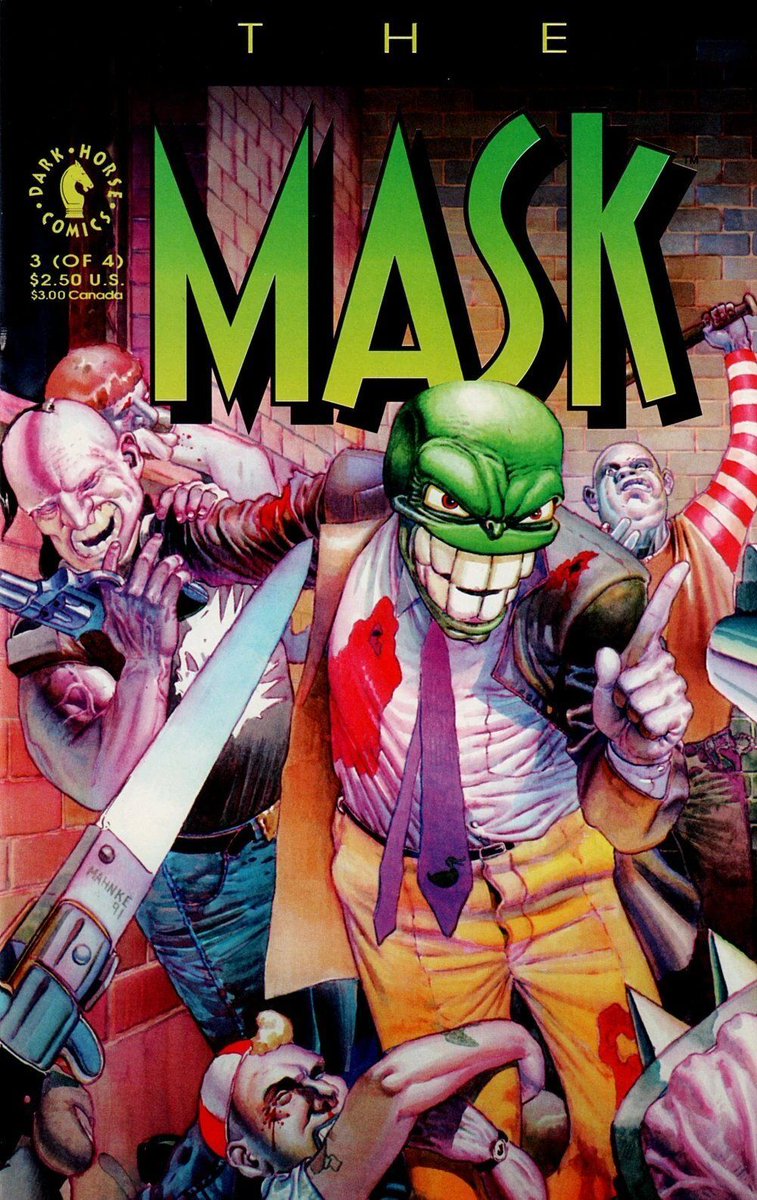
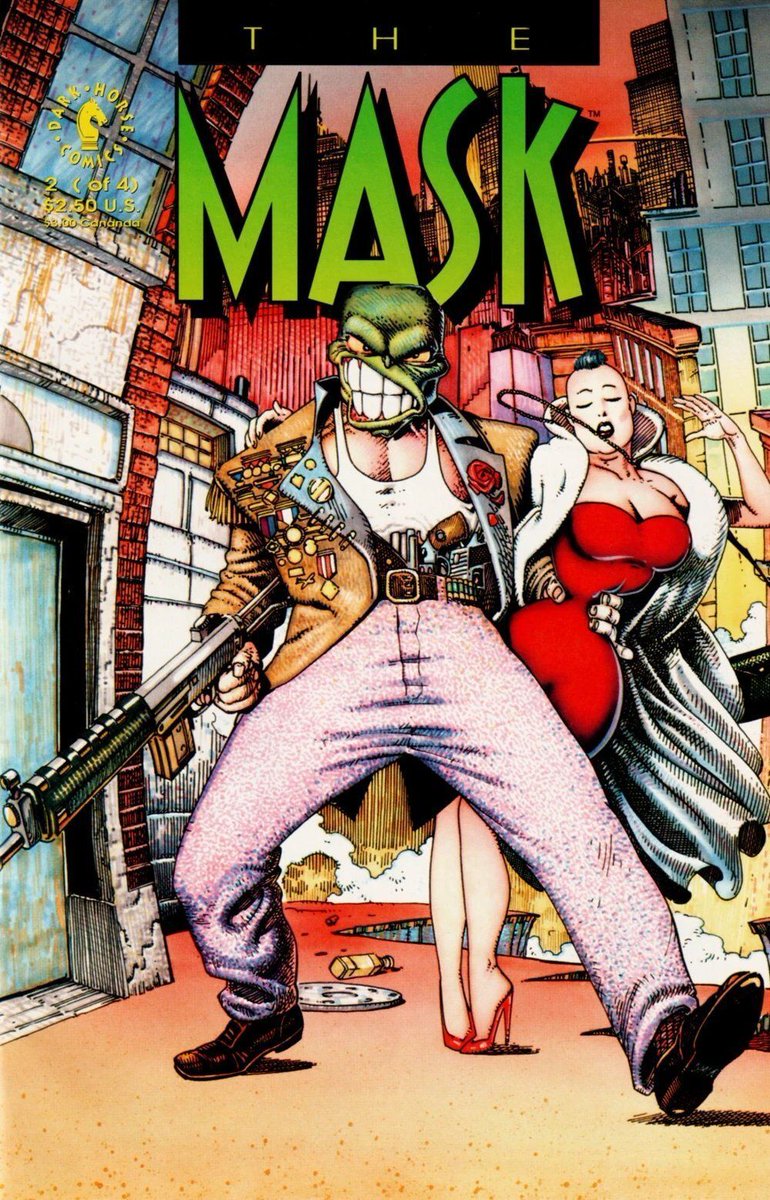
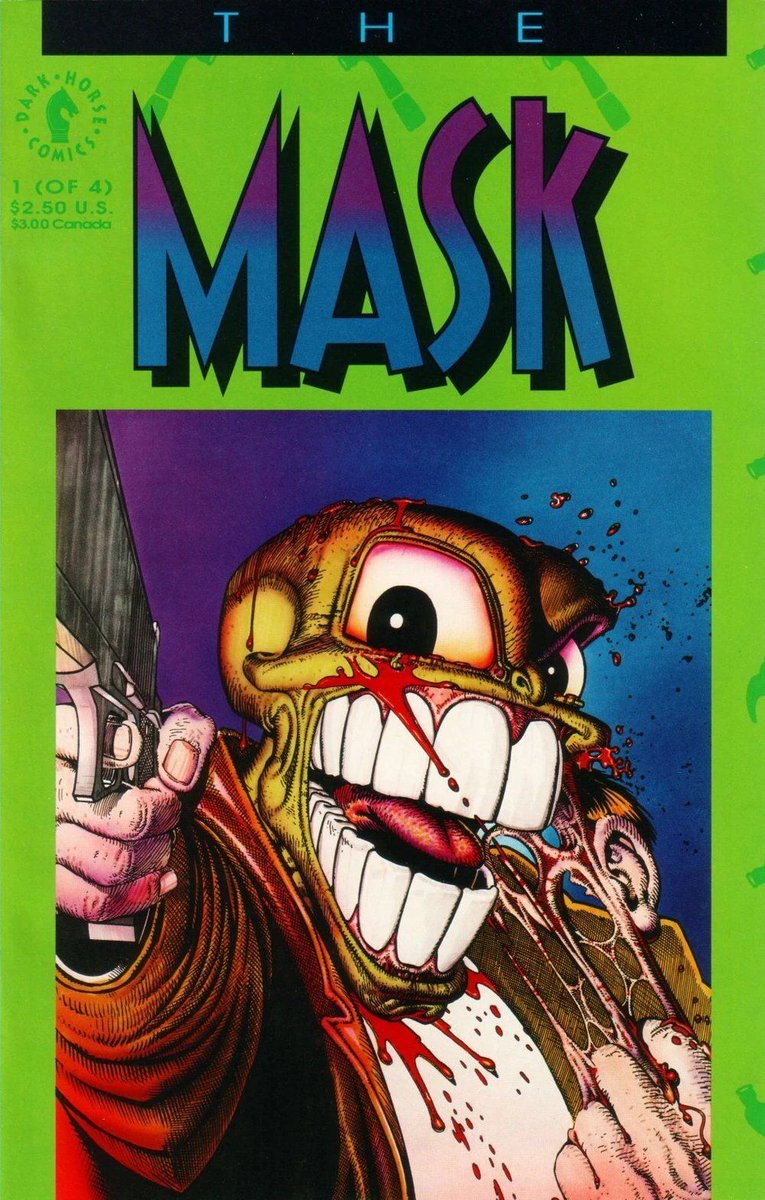
Covers of the original The Mask comic series
Old Media tweet mediaOld Media tweet mediaOld Media tweet mediaOld Media tweet media
English
22
731
7.3K
250.4K
Ads รีทวีตแล้ว
jonathan
jonathan@jnsyaaa·
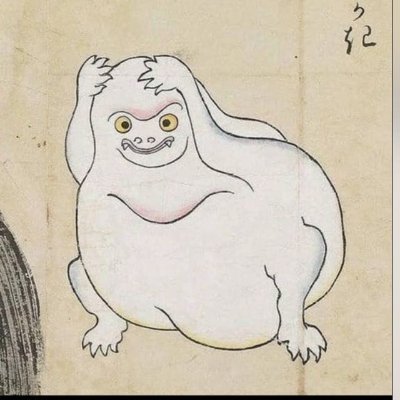
the r/bald subreddit is an example of wholesome masculine body-positivity every post is a guy showing his clearly-past-the-point-of-no-return thinning hair & asking "is it time?" and the top reply is always this image
jonathan tweet media
English
471
13.9K
308.6K
11.2M
Ads รีทวีตแล้ว
magnus
magnus@magnushambleton·
I chose the green door ninety-three days ago. At the time, it seemed obviously correct. Not even a close call. The red door offered two billion dollars immediately—a sum so large it would solve every material problem I'd ever face, fund any project I could imagine, and still leave enough to give away amounts that would meaningfully change thousands of lives. But two billion is a number. It has a fixed relationship to the economy, to the things money can buy, to the world. The green door offered one dollar that doubles every day. I remember standing there, doing the mental math. Day 30: about a billion dollars. Day 40: over a trillion. Day 50: a quadrillion. The red door would be surpassed before the first month ended, and after that, the gap would grow incomprehensibly fast. Choosing the red door would be like choosing a ham sandwich over a genie's lamp because you were hungry right now. So I walked through the green door. The first few weeks were unremarkable. I had a dollar, then two, then four. By day ten I had $512, which felt like finding money in an old jacket. By day twenty I had over a million, and I started getting calls from financial advisors I'd never contacted. By day thirty-one I had crossed the two-billion threshold—officially richer than I would have been behind the red door. I didn't understand what was happening until around day sixty. The money, you see, had to exist somewhere. Not philosophically—I mean physically. Digitally. When I checked my bank balance, a computer somewhere had to store that number. And storing the number 2^n requires n bits. One bit per day. That's it. That's the rate at which my fortune's representation grows. A linear function. Almost comically modest. But here's what I'd failed to understand about exponential growth: the value doesn't care about the representation. The bits grow linearly. The dollars they encode grow exponentially. And dollars make claims on the physical world. Day sixty. My balance: 2^60 dollars. About 1.15 quintillion. Roughly 1,000 times the entire global GDP. The number itself required only 60 bits to store—less than a tweet, less than this sentence, trivially small from an information-theoretic perspective. But money is not information. Money is a claim. The calls started coming from the Treasury Department. Polite, confused, increasingly frantic. They explained that the M2 money supply of the United States was approximately 21 trillion dollars. I now held about 15,000 times that amount. When I tried to spend any of it—even a tiny fraction—the transaction represented a claim on more goods and services than the entire human economy had ever produced in its history. "The number in your account," a Treasury official said, "is not meaningful." "It's in your computer," I replied. "The computer," she said carefully, "does not understand what the number represents." Day seventy-five. 2^75 dollars. I could purchase—in principle—roughly 350 million copies of the entire Earth's annual economic output. The representation remained elegant: 75 bits. Nine and a half bytes. I could write my net worth on a Post-it note in binary. But representations aren't wealth. Wealth is factories, farmland, human labor, time, attention, atoms arranged into useful configurations. And I had laid claim to more atoms than existed. This is where it gets strange. The global financial system is, at its core, a system of ledgers. Distributed, reconciled, audited. When the Federal Reserve's systems recorded my balance, and Chase's systems recorded my balance, and the IRS's systems recorded my balance, those numbers had to match. And they did match—trivially, easily, using a handful of bytes each. But then the systems tried to do things with the number. Calculate taxes owed. Assess systemic risk. Determine what fraction of GDP was held by a single individual. Run inflation models. Price assets in a market that now included a participant with claims exceeding the value of all other claims combined. Day eighty-two. The S&P 500 became undefined. Not zero, not infinity—undefined. My proportional ownership of the market, if I chose to exercise it, exceeded 100%. The shares I could theoretically purchase outnumbered the shares that existed. Financial models divide by market cap; market cap now included a term that broke the arithmetic. Day eighty-five. The International Monetary Fund published a paper titled "On the Representability of Post-Scarcity Claims." It concluded that exchange rates could no longer be calculated because the dollar itself had become paradoxical—simultaneously the world's reserve currency and a unit of measurement that had lost all meaning. My balance on day eighty-five: 2^85 dollars. Still just 85 bits. About ten and a half bytes. The representation remained trivial. The reality it pointed to had become impossible. Day ninety. I tried to buy a coffee. The transaction failed. Not because of insufficient funds, not because of a technical error, but because the payment system could not determine a meaningful exchange rate. My card represented a claim on approximately 10^27 dollars. The coffee cost $4.50. The ratio between these numbers—the percentage of my wealth the coffee would cost—was so small that it rounded to zero in every floating-point system on Earth. I could not pay because the act of payment required representing a number smaller than any computer could distinguish from nothing. I offered to pay in cash. I had a twenty. The barista looked at me like I'd offered to pay with a seashell. "Where did you get physical currency?" she asked. That's when I realized: I had broken cash too. The Treasury had stopped printing bills three weeks earlier. Why maintain physical currency when one account holder could—at any moment—claim more dollars than had ever been printed in human history? The symbolic relationship between paper and value had always been a polite fiction, but my existence had made the fiction impossible to maintain. Day ninety-three. Today. My balance is 2^93 dollars: approximately 10^28. About 10 billion times the estimated value of all assets on Earth. The representation requires 93 bits. Twelve bytes. Smaller than my name. The economy hasn't collapsed, exactly. People still trade, still work, still produce. But they've stopped using dollars. They've had to. A currency in which one person holds virtually infinite units is not a currency at all—it's a monopoly ticket that everyone has silently agreed to stop playing with. I keep thinking about what money actually is. It's not the bits. The bits are trivial; they always were. It's not even the paper or the gold or the entries in a ledger. Money is a shared agreement about who has claims on what. A story we tell together about value and exchange and debt. I broke the story. Not through violence, not through fraud, not through any action more dramatic than walking through a door and watching a number tick upward. Just by existing. Just by holding a claim that grew faster than the world's ability to honor it. The red door offered two billion dollars. A large but finite claim. A claim that fit within the story, that could be exchanged and spent and taxed and inherited. A claim the world could accommodate. The green door offered something else entirely: a claim that would grow until it consumed all other claims, until the very concept of claiming became incoherent. I still have the 93 bits. They're sitting on a server somewhere, humming along, doubling quietly at midnight. By next week they'll represent more dollars than there are atoms in the observable universe. And I still can't buy a coffee.
English
551
2.1K
21.9K
7.2M
Lilian Greenwood
Lilian Greenwood@LilianGreenwood·
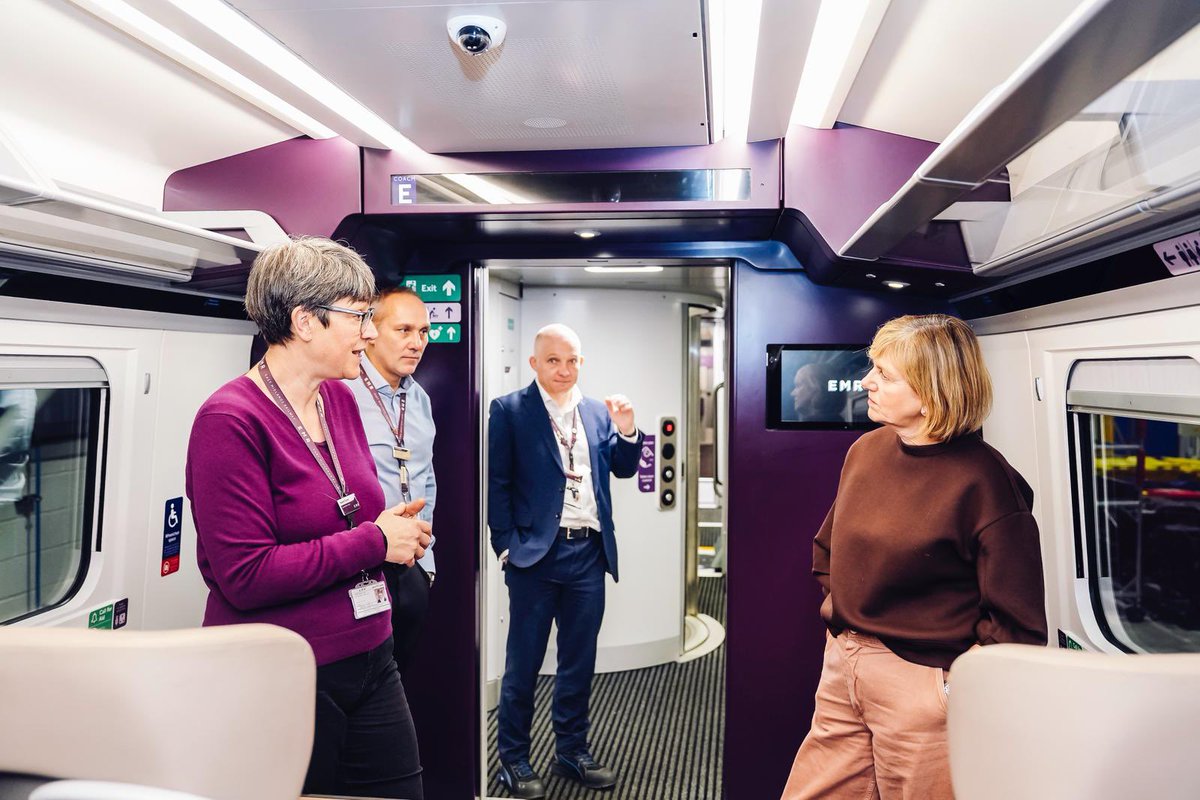
3/3 🛜WiFi throughout ♿️Better accessibility with improved toilets and wheelchair spaces ℹ️Real-time passenger information 🏥A defibrillator on board every train Can’t wait to ride on one!
Lilian Greenwood tweet mediaLilian Greenwood tweet media
English
12
1
25
2.2K
Lilian Greenwood
Lilian Greenwood@LilianGreenwood·
1/3 🎁 I am going to let you in on a very exciting early Christmas present coming this December… A brand new fleet of EMR Intercity trains from Nottingham to London! 🚝 These state of the art, British-built trains are delivering for passengers with…
Lilian Greenwood tweet media
English
18
15
124
19.3K
Ads รีทวีตแล้ว
Led By Donkeys
Led By Donkeys@ByDonkeys·
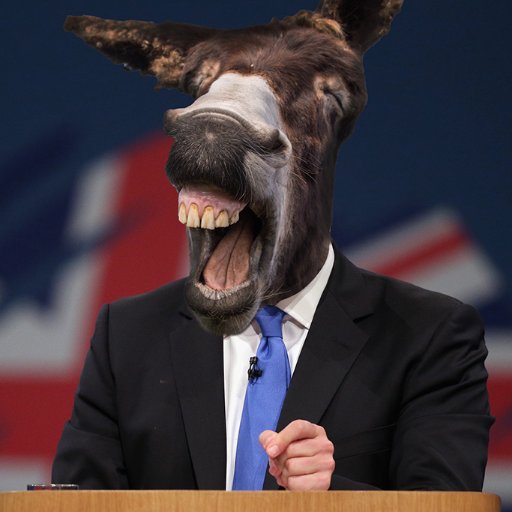
Farage: epic grifter. Part 1 (Part 2 below 👇)
English
835
6.9K
12.5K
918.7K
Ads รีทวีตแล้ว
WholesomeMemes
WholesomeMemes@WholesomeMeme·
WholesomeMemes tweet media
ZXX
1
64
1.3K
35.3K
Ads รีทวีตแล้ว
Basil🧡
Basil🧡@LinkofSunshine·
Does anyone have more of this genre of image of old and new cultures colliding
Basil🧡 tweet mediaBasil🧡 tweet media
English
453
2K
37.6K
10.1M
Ads รีทวีตแล้ว
ACORN the union
ACORN the union@ACORNunion·
We’re taking action today against cabinet member for housing Jay Hayes, who since promising us a meeting and telling us he’ll do “everything he can” to help, has been ignoring our emails. Let’s keep these residents in their homes💪
English
0
3
6
462
Ads รีทวีตแล้ว
Tom Darling
Tom Darling@a_darling_tom·
The Thatcher/Major liberalisation of private renting - introducing s21 no-fault evictions, buy-to-let mortgages - has been an unmitigated disaster. When the Renters Rights Bill becomes law next week, it will be good riddance to (part of) this failed experiment. Very short 🧵1/?
Robert Colvile@rcolvile

It remains an astonishing example of state overreach that Britain has literally outlawed the idea of a landlord and a tenant privately agreeing a rental tenancy of a specific and fixed duration. And that it was the Tories’ idea.

English
2
8
16
2.2K
Ads รีทวีตแล้ว
Cooper
Cooper@coobadawg·
this may actually be the funniest thing i've seen on tik tok LMFAOOO
Cooper tweet media
English
156
16.8K
257.9K
3.3M
Ads รีทวีตแล้ว
૮ ˶ᵔ ᵕ ᵔ˶ ა
every day we inch closer to "protein vape" being real. i know someone out there is in the lab giving rats a new type of cancer trying to figure it out
English
147
8.2K
150.2K
2.7M
Ads รีทวีตแล้ว
kio @ MIKU EXPO NJ ‘26
getting a random boner is a bit funny like what is it boy what do you see
English
492
16.1K
316.1K
10.3M
Ads รีทวีตแล้ว
omar
omar@DripArab·
omar tweet media
ZXX
126
31.7K
191.7K
5.8M
Ads รีทวีตแล้ว
Stable Ronaldo
Stable Ronaldo@StableRonaldo·
Top 5 things Ima do when I’m rich 1- Switch up on my day 1’s 2- Let the money change me 3- Forget where I came from 4- Marry a gold digger (no prenup) 5- Cut off family
English
449
8.5K
123.7K
4.6M
Ads รีทวีตแล้ว
Calgie
Calgie@christiancalgie·
You're telling me a cis teen built this chapel?
English
173
8.4K
125.3K
3.4M