Fluoroquinolone Toxicity Study

767 posts

Fluoroquinolone Toxicity Study banner
Fluoroquinolone Toxicity Study

Fluoroquinolone Toxicity Study

@FQ_100

Driving research on fluoroquinolone's mechanism of damage to develop diagnostic and therapeutic solutions to create change for the affected global community.

Chicago, IL เข้าร่วม Şubat 2018
79 กำลังติดตาม761 ผู้ติดตาม
ทวีตที่ปักหมุด
Fluoroquinolone Toxicity Study
Serious systemic adverse effects (beyond package side effects) from #fluoroquinolone (#Cipro/#ciprofloxacin, Levaquin (off market)/#levofloxacin, Avelox/#moxifloxacin etc) antibiotics may persist for extended periods, potentially lasting for years or indefinitely for some. In 2016 and 2018, the FDA advised that fluoroquinolones should only be used in cases where no other options are available for sinusitis, bronchitis, or uncomplicated UTIs. They contain multiple Black Box warnings,* the most serious warnings a medication can have. If you are experiencing any or all of these symptoms below and are stunned by the ongoing emergence of new and troublesome issues following the antibiotic treatment you underwent, you have been what is deemed 'floxed': ✅ Extreme weakness, inability to stand or walk as before prescription ✅ Nerve problems — weakness, numbness, pain, muscle jerking and twitching, crawling bug feeling ✅ Tendon tears and muscle weakness ✅ Collagen destruction, hanging skin, wounds slow to heal ✅ Acute sensitivity to sunlight, sudden hormone & thyroid issues ✅ Ringing in the ears, vision disturbances ✅ Anxiety, panic attacks, disorientation, impaired concentration or memory, confusion, depersonalization, hallucinations, psychoses Due to the potential of mitochondria** dysfunction, the actual list of adverse effects can be quite lengthy. Every prescription drug has side effects, some worse than others. Please do your research before you take that next pill, ear drop or eye drop, ask for a substitute if needed - don't let yourself become a statistic. 🟠 🟡 🟢 🔵 🟣 ⚫ 🟤 *Black Box warnings: fq100.org/fda-warnings **Mitochondria are the powerhouse of your cells ➥Listen to our 3 part series with Dr. Stefan Pieper: YouTube channel: @FqAntibioticDamage" target="_blank" rel="nofollow noopener">youtube.com/@FqAntibioticD… 💊Medications in the fluoroquinolone class (incl: Cipro/ciprofloxacin, Levaquin (off market)/levofloxacin, Avelox/moxifloxacin etc) in all forms for humans and pets: fq100.org/drug-list Find support and resources on our sites: 🌐 Medical resources: fq100.org/find-medical 🧭 Help & Misc resources: fq100.org/find-help ▶️ YouTube: @FqAntibioticDamage" target="_blank" rel="nofollow noopener">youtube.com/@FqAntibioticD… 🐦 X/Twitter: x.com/fq_100 #FQAwareness #Fluoroquinolones #MitochondrialHealth #AntibioticSideEffects #Floxed #Cipro #Levaquin #FQAD ⚠️Disclaimer: Fluoroquinolone Toxicity Study does not provide medical advice, and all articles and written content are intended for informational purposes only. We do our best to provide accurate information. Such information is not a substitute for professional medical advice, diagnosis or treatment. For multiple reasons, supplements, treatments, and pharmaceutical effects and outcomes can possibly vary significantly among those affected by fluoroquinolone drugs.

Fluoroquinolone Toxicity Study tweet media
English
4
11
33
3.1K
Fluoroquinolone Toxicity Study
A Letter Every Doctor Should Read – From a Physician Who Was "Floxed" by a Fluoroquinolone Antibiotic: Over 10 years ago, anesthesiologist Dr. Todd R. Plumb, wrote a pertinent letter to colleagues after experiencing severe adverse effects from a common medication in the fluoroquinolone* family of antibiotics. His perspective as both doctor and patient, and his call for better awareness and more careful, compassionate care is sadly still very relevant today as we continue to fight and research for answers, awareness and treatments. The new ICD10 medical diagnosis code** was a start, but we still have much work to do. 🌀You can download this below letter, along with the publication references, from our Help page under “Downloadable Materials”, where you will also find multiple resources that may help an upcoming doctor visit go more smoothly, especially if you are seeking the medical diagnosis code for fluoroquinolones: fq100.org/find-help ➥ We also want to say this: if you are a healthcare professional who has been affected and feel hesitant to speak out, you are not alone. We welcome you to reach out to the Foundation through the Contact Us page on our website below. Dr. Plumb’s letter✏️ Dear Doctor, As you are probably aware, the fluoroquinolone class of antibiotics is useful for certain serious infections. Unfortunately, fluoroquinolones also have a long history of serious adverse drug reactions, many of them long term. [1] As a consequence of these reactions, several of these drugs have been removed from clinical practice or their use severely restricted. Besides the severe life-threatening immediate reactions, those of a more chronic nature may occur. The spectrum of these adverse reactions is extremely broad. Patients suffering from these reactions are often misdiagnosed, referred for a psychiatric consult or even unfairly labeled as "difficult patients." Many physicians have not been properly educated about the severe nature of these chronic adverse reactions, some of which result in life-long disabilities. Post-marketing studies of several flouroquinolones have shown an incidence of adverse reactions much higher than were originally reported in pre-clinical studies. [1,2,3] You are probably aware that the fluoroquinolones are eukaryotic DNA gyrase and topoisomerase inhibitors very similar to many antineoplastic agents. Because of their similar mechanisms of action, it's no surprise that fluoroquinolones and many antineoplastic agents share similar toxicity profiles. Studies have even been conducted using fluoroquinolones to inhibit neoplastic chondrocyte growth in chondrosarcoma. [4] There are many patients who have a syndrome of associated symptoms that include, but are not limited to: CNS agitation, depression, insomnia, new-onset anxiety and panic attacks, and even elevated intracranial pressure and visual abnormalities. They may also present with peripheral neuropathy usually of the small fiber type with temperature and pain sensory aberrations, but also often involving larger sensory and motor nerves. Spontaneous muscle activity with fasciculations, myokymia and myoclonic jerks may also occur. Many have musculoskeletal damage with degeneration of cartilage and tendons often leading to tendon rupture and severe ongoing musculoskeletal pain long after therapy has been discontinued. [1,2,3,4,5,6,7,8] This complex symptomatology does not usually resolve after discontinuation of the inducing fluoroquinolone and may in fact worsen. Many patients go on to have disability that may persist for years. [1] Unfortunately, such patients are often seen by many physicians from multiple specialties who, given the complex symptomatology, fail to recognize a unifying diagnosis. The mechanism of injury is not fully apparent, but several studies have been conducted and researchers have implicated the following possible mechanisms: 1. Inhibition or disruption of the CNS GABA receptor. [9] 2. Depletion of magnesium and disruption of cellular enzymatic function. [10] 3. Disruption of mitochondrial function and energy production. [11,12] 4. Oxidative injury and cellular death. [14] This seems to be a functional disorder and structural abnormalities are not usually seen on radiological studies. [13] Patients may have abnormal EMG/NCV studies, abnormal skin punch neurologic density and morphology, abnormal vasomotor and sudomotor function on autonomic testing, and abnormal degeneration of tendons and cartilage on MRI. [13] There may be a large number of these patients with coexisting endocrine abnormalities including: antithyroid antibodies and abnormal thyroid function, abnormal adrenal function with either hyper or hypocortisolism, hypogonadism, hypo or hyperglycemia and possibly impaired pituitary function. [13] Most patients suffering from these side effects have a very clear onset of symptoms temporally related to a course of fluoroquinolone antibiotic. [13] They were often given the fluoroquinolone in conjunction with a corticosteroid or NSAID. Both of these classes of medications are associated with an increased incidence of adverse drug reaction from fluoroquinolones. [10,13] As of yet no scientifically proven effective treatment is known, however patients will definitely benefit from your caring support and appropriate informed care. Of course, other diseases with similar symptoms need to be carefully ruled out. There exists a large community of these patients who share information on the World Wide Web. Their numbers grow as the prescription of fluoroquinolones increases. Many of these patients are professionals like myself who have been affected by these drugs. Thank you for your time and consideration. Todd R. Plumb MD ✏️✏️✏️✏️✏️✏️✏️✏️✏️✏️✏️ References: See this letter along with it's full references in the download section of this page: fq100.org/find-help *💊Medications in the fluoroquinolone class (incl: Cipro/ciprofloxacin, Levaquin (off market)/levofloxacin, Avelox/moxifloxacin etc) in all forms for humans and pets: fq100.org/drug-list ** See more about the medical diagnostic code for fluoroquinolones: fq100.org/find-help ✏️✏️✏️✏️✏️✏️✏️✏️✏️✏️✏️✏️ Find support and resources on our sites: 🌐 Website resources: fq100.org ▶️ YouTube: @FqAntibioticDamage" target="_blank" rel="nofollow noopener">youtube.com/@FqAntibioticD… 🐦 X/Twitter: x.com/fq_100 #FQAwareness #Fluoroquinolones #MitochondrialHealth #AntibioticSideEffects #Floxed #Cipro #Levaquin #FQAD
Fluoroquinolone Toxicity Study tweet media
English
0
1
5
79
Fluoroquinolone Toxicity Study
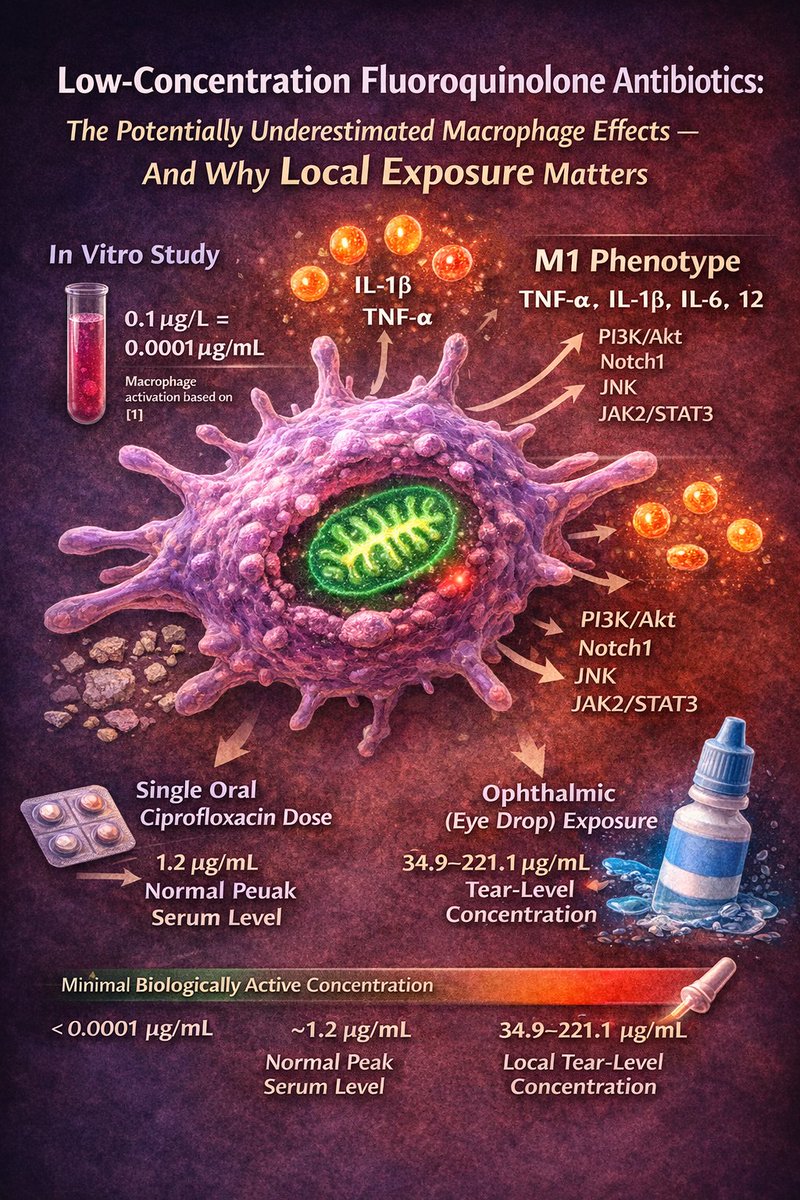
Part II Low-Concentration Macrophage Effects and Why Even Local Fluoroquinolone Exposure May Matter One of the more striking findings in the macrophage literature is that quinolone-induced inflammatory signaling was reported at an extremely low external culture-medium concentration of 0.1 μg/L in RAW264.7 macrophages [1]. That detail matters. The study was not measuring serum concentrations, and it was not measuring directly quantified intracellular concentrations inside macrophages. It was asking a more basic mechanistic question: how little quinolone exposure in the surrounding medium is needed before macrophage inflammatory behavior begins to shift At that level, the authors reported increased pro-inflammatory cytokine signaling, including TNF-α, IL-1β, IL-6, and IL-12, together with activation of pathways such as PI3K/Akt, Notch1, JNK, and JAK2/STAT3, consistent with a more M1-like inflammatory phenotype. Put differently, this work suggests that macrophage inflammatory signaling may respond at a very low exposure threshold. The comparison to human dosing must be made carefully, because 0.1 μg/L in cell culture medium is not the same thing as serum concentration in a patient, nor is it the same as a directly measured intracellular concentration inside a macrophage. Even so, the scale is notable. That concentration equals 0.0001 μg/mL, which is far below levels reached in humans even after low standard oral fluoroquinolone dosing. After a single 250 mg oral dose of ciprofloxacin, mean peak serum concentrations are about 1.2 μg/mL, and mean concentrations at 12 hours are still about 0.1 μg/mL. The same labeling reports that urine concentrations after a single 250 mg dose usually exceed 200 μg/mL during the first two hours and remain around 30 μg/mL at 8–12 hours. Although those are serum and urine values rather than macrophage intracellular concentrations, they show that routine human exposures can be vastly higher than the very low external concentration that was sufficient to alter macrophage signaling in vitro [1–3]. This is also why local exposure from fluoroquinolone eye drops cannot be dismissed automatically. Ophthalmic administration produces a very different pharmacokinetic profile from oral dosing, but it demonstrates the same basic principle: a drug can create very high local tissue-surface exposure even when systemic absorption is much lower. For levofloxacin ophthalmic solution 0.5%, mean tear concentrations after a single drop ranged from 34.9 to 221.1 μg/mL during the first 60 minutes and were still about 17.0 μg/mL at 4 hours and 6.6 μg/mL at 6 hours. In the same product information, plasma concentrations after ophthalmic dosing were low but measurable, ranging from about 0.86 to 2.05 ng/mL one hour after dosing, with a highest maximum mean concentration of about 2.25–2.5 ng/mL during intensive dosing. More concentrated ophthalmic levofloxacin formulations have shown even higher tear concentrations, including values around 757 μg/mL at 15 minutes, together with low-ng/mL plasma exposure [4,5]. The practical implication is not that eye drops should be assumed to produce the same risk profile as tablets or intravenous therapy. That would overstate the evidence. The more careful conclusion is that very low concentrations have already been shown to alter macrophage inflammatory behavior in vitro, while local ophthalmic exposure can generate concentrations at the ocular surface that are orders of magnitude higher than that in vitro threshold, even though blood levels remain much lower than after oral dosing. If macrophages or related immune-responsive cells are involved in tissue-level responses to fluoroquinolones, then local routes of exposure may still be biologically relevant, at least in principle [1,4,5]. This point becomes even more important when viewed together with the broader macrophage and mitochondrial literature. Fluoroquinolones have been reported to drive mitochondrial hyperpolarization and modulate iNOS expression in monocyte-derived macrophage populations [6]. Other work has shown ciprofloxacin-driven increases in IL-1β and TNF-α together with pro-inflammatory macrophage polarization in mammalian models [7]. More broadly, macrophages are now recognized as central regulators of inflammation resolution, tissue repair, fibrosis, and regeneration, while mitochondrial dysfunction in macrophages has been linked to impaired repair and persistent inflammatory signaling [8–12]. Taken together, these studies do not prove that every low or local exposure causes clinically meaningful toxicity in humans. They do, however, support a biologically plausible concern: that even relatively small exposures may be capable of influencing macrophage inflammatory programming under certain conditions, and that high local surface concentrations — such as those achieved with ophthalmic dosing — deserve more attention than they have usually received. If these findings translate, even partially, to humans, the theoretical consequences could be important. Macrophages help determine whether tissues move from acute defense into true recovery. If fluoroquinolones shift macrophages toward a more persistent M1-like, cytokine-driven state, or disturb their mitochondrial function enough to impair their repair role, then one possible downstream effect would be poor resolution of inflammation. In practical terms, that could theoretically contribute to more: persistent tissue irritation, delayed recovery after injury or infection, prolonged inflammatory flares, slower wound healing, and greater difficulty returning to baseline after physical, infectious, or chemical stress. In tissues where macrophages play especially strong regulatory roles, such as the lungs, ocular surface, connective tissue, and mucosal barriers, an abnormal inflammatory or immunometabolic response could in principle amplify local injury or prolong symptoms beyond what would be expected from a short-lived drug exposure alone. This remains a mechanistic projection, not a proven one-to-one clinical outcome [6–12]. The most responsible conclusion, therefore, is neither dismissal nor overstatement. These macrophage studies do not prove that low-dose, local, or ophthalmic fluoroquinolone exposure necessarily causes lasting human disease. What they do show is that macrophage biology can respond to quinolone exposure at very low levels in vitro, and that local tissue exposure from common formulations can greatly exceed those levels. That combination is sufficient to justify a more serious mechanistic discussion and, more importantly, direct human research. Future studies should examine whether comparable macrophage signaling changes occur in human primary macrophages, in patient-derived immune cells, and in clinically relevant exposure models, including low-dose and local routes of administration. Without that work, the human significance of these findings will remain uncertain. With it, the field may better understand whether macrophage dysregulation is one of the missing links between fluoroquinolone exposure and prolonged multi-system symptoms reported by patients [1,4,6]. ✏️Author note: This article was authored by Jerzy Tyszkowski, with AI used only for drafting and language refinement. 🌀 🌀 Disclaimer: This article is an educational, science-based interpretive summary intended for hypothesis generation. It does not establish clinical causation in any individual patient and should not be taken as medical advice, diagnosis, or treatment guidance. The mechanistic implications discussed here are based on experimental and preclinical findings and should be understood as biologically plausible interpretations that still require confirmation in human studies. 💊Medications in the fluoroquinolone class (incl: Cipro/ciprofloxacin, Levaquin (off market)/levofloxacin, Avelox/moxifloxacin etc) in all forms for humans and pets: fq100.org/drug-list Find support and resources on our sites: 🌐 Website & Resources: fq100.org ▶️ YouTube: @FqAntibioticDamage" target="_blank" rel="nofollow noopener">youtube.com/@FqAntibioticD… 🔵 Facebook: facebook.com/fqtoxicitystud… 🐦 X/Twitter: x.com/fq_100 References [1] Lang L, Zhang Y, Yang A, Dong J, Li W, Zhang G. Macrophage polarization induced by quinolone antibiotics at environmental residue level. International Immunopharmacology. 2022;106:108596. doi:10.1016/j.intimp.2022.108596. [2] Ciprofloxacin Tablets USP prescribing information. Pharmacokinetics after oral dosing: peak serum concentration after a 250 mg oral dose approximately 1.2 μg/mL; mean 12-hour concentration approximately 0.1 μg/mL. [3] CIPRO prescribing information. After a 250 mg oral dose, urine concentrations usually exceed 200 μg/mL during the first 2 hours and are approximately 30 μg/mL at 8 to 12 hours after dosing. [4] QUIXIN™ (levofloxacin ophthalmic solution 0.5%) prescribing information. Mean tear concentrations 34.9–221.1 μg/mL during the first 60 minutes after a single drop; approximately 17.0 μg/mL at 4 hours and 6.6 μg/mL at 6 hours; plasma concentrations about 0.86–2.05 ng/mL, with highest maximum mean approximately 2.25–2.5 ng/mL during intensive dosing. [5] IQUIX® (levofloxacin ophthalmic solution 1.5%) prescribing information. Mean tear concentration approximately 757 μg/mL at 15 minutes after instillation; plasma concentrations in the low ng/mL range. [6] Hardgrave AW, Dooley M, Maminimini I, Faniyi A, Christodoulidou A, Alshammari Y, March HJ, D’Elia RV, Worthington JJ. Fluoroquinolones directly drive mitochondrial hyperpolarization and modulate iNOS expression in monocyte-derived macrophage populations. Discovery Immunology. 2025;4(1):kyaf018. doi:10.1093/discim/kyaf018. [7] Fan M, Chen S, Weng Y, Li X, Jiang Y, Wang X, Bie M, An L, Zhang M, Chen B, Huang G, Wu J, Zhu M, Shi Q. Ciprofloxacin promotes polarization of CD86+CD206− macrophages to suppress liver cancer. Oncology Reports. 2020;44(1):91–102. doi:10.3892/or.2020.7602. [8] Wang L, Yang K, Xie X, Wang S, Gan H, Wang X, Wei H. Macrophages as Multifaceted Orchestrators of Tissue Repair: Bridging Inflammation, Regeneration, and Therapeutic Innovation. Journal of Inflammation Research. 2025;18:8945–8959. doi:10.2147/JIR.S527764. [9] Cai S, Zhao M, Zhou B, Yoshii A, Bugg D, Villet O, Sahu A, Olson GS, Davis J, Tian R. Mitochondrial dysfunction in macrophages promotes inflammation and suppresses repair after myocardial infarction. Journal of Clinical Investigation. 2023;133(4):e159498. doi:10.1172/JCI159498. [10] Zheng H, Cheng X, Jin L, Shan S, Yang J, Zhou J. Recent advances in strategies to target the behavior of macrophages in wound healing. Biomedicine & Pharmacotherapy. 2023;165:115199. doi:10.1016/j.biopha.2023.115199. [11] Jiang Y, Cai R, Huang Y, et al. Macrophages in organ fibrosis: from pathogenesis to therapeutic targets. Cell Death Discovery. 2024;10(1):487. doi:10.1038/s41420-024-02247-1. [12] Zhao C, Yang Z, Li Y, Wen Z. Macrophages in tissue repair and regeneration: insights from zebrafish. Cell Regeneration. 2024;13(1):12. doi:10.1186/s13619-024-00195-w. #FQAwareness #Fluoroquinolones #MitochondrialHealth #AntibioticSideEffects #Floxed #Cipro #Levaquin #FQAD
Fluoroquinolone Toxicity Study tweet media
English
0
0
3
65
Fluoroquinolone Toxicity Study
✏️✏️✏️Update: Addendum: Which Symptoms in Our Adverse Effects Evaluation Form Best Fit the Macrophage–Mitochondria Model? ➥see our form in the download section: fq100.org/find-help After reviewing our Adverse Effects Evaluation Form in detail, it is clear that many of the symptom groups listed there are biologically consistent with the newer macrophage findings. The macrophage–mitochondria model does not explain every feature of fluoroquinolone toxicity by itself, but it may help explain why some patients develop a prolonged multisystem pattern of poor recovery, inflammatory reactivity, nerve hypersensitivity, autonomic instability, gut dysfunction, psychiatric symptoms, and unusual sensitivity to ordinary triggers. ➥Peripheral Neuropathy, Neuralgia, Burning Pain, Allodynia, and Hyperalgesia This is one of the strongest fits. Our form includes tingling, numbness, electric shocks, burning pain, neuralgia, altered skin sensitivity, allodynia, hyperalgesia, fasciculations, tremors, and limb weakness. These symptoms are already consistent with recognized fluoroquinolone-associated peripheral nerve toxicity. The macrophage model may add an important second layer by helping explain why nerve irritation, pain amplification, and sensory overreactivity can remain prolonged instead of resolving normally. pmc.ncbi.nlm.nih.gov/articles/PMC45… pmc.ncbi.nlm.nih.gov/articles/PMC58… pmc.ncbi.nlm.nih.gov/articles/PMC82… ➥Psychiatric and Neuropsychiatric Symptoms, Including Psychosis Our form also includes anxiety, panic, insomnia, confusion, memory loss, brain fog, depersonalization, depression, suicidal thoughts, agitation, personality changes, nightmares, disorientation, bipolar symptoms, seizures, and psychosis. These are important to include. The most careful interpretation is that they fit the known spectrum of fluoroquinolone neuropsychiatric toxicity and CNS hyperexcitability, likely involving disturbed inhibitory signaling, GABA-related mechanisms, and broader neuroimmune dysfunction. The macrophage–mitochondria model may not fully explain psychosis by itself, but it strengthens the argument that persistent neuroinflammatory and immunometabolic dysregulation could contribute to these severe CNS and psychiatric reactions. pubmed.ncbi.nlm.nih.gov/32905605/ pubmed.ncbi.nlm.nih.gov/21585220/ pubmed.ncbi.nlm.nih.gov/16580096/ ➥Extreme Fatigue, Exercise Intolerance, Post-Exertional Worsening, and Fibromyalgia-Like Pain This is another very strong fit. Our form includes extreme fatigue, exercise intolerance, muscle pain, weakness, soft-tissue pain, and impaired endurance. If macrophages remain locked in a more inflammatory mitochondrial state, the body may stay in an injury-response mode longer and shift less effectively into true tissue repair. That provides a biologically coherent explanation for post-exertional worsening, persistent pain, slower recovery, and a fibromyalgia-like pattern. pubmed.ncbi.nlm.nih.gov/41503141/ pmc.ncbi.nlm.nih.gov/articles/PMC11… ➥Dysautonomia, POTS-Like Symptoms, and Cardiovascular Instability Our form lists lightheadedness, dizziness on standing, dysautonomia, tachycardia, bradycardia, arrhythmia, low blood pressure, sweating abnormalities, poor circulation, temperature dysregulation, and shortness of breath. These symptoms fit well as indirect downstream effects of persistent inflammatory and immunometabolic dysregulation. This does not prove that macrophage dysfunction alone causes POTS, but it supports a plausible model in which autonomic instability develops in the setting of chronic inflammatory signaling and impaired recovery biology. pubmed.ncbi.nlm.nih.gov/41503141/ pmc.ncbi.nlm.nih.gov/articles/PMC86… ➥MCAS-Like Reactivity, Hives, Pruritus, Anaphylactic-Type Reactions, and Bronchospasm Our form includes urticaria, itching, rash, mucocutaneous reactions, bronchospasms, anaphylactic reaction, and broader exaggerated reactivity. These symptoms fit the model as indirect immune consequences. The careful wording is that macrophage dysfunction may contribute to a body environment that favors mast-cell-like overreactivity, histamine-related symptoms, and inflammatory flares, rather than proving formal MCAS in every patient. This is especially relevant when these reactions coexist with POTS-like or gut-reactive patterns. pmc.ncbi.nlm.nih.gov/articles/PMC86… pmc.ncbi.nlm.nih.gov/articles/PMC41… pmc.ncbi.nlm.nih.gov/articles/PMC46… ➥Food Intolerance, Medication/Supplement Intolerance, Gut Dysfunction, and Post-Infectious Reactivity This is also a strong fit. Our form includes food sensitivities, medication intolerance, supplement intolerance, bloating, abdominal pain, altered bowel patterns, gastroparesis, maldigestion, malnutrition, reflux, gut inflammation, and broader GI instability. Macrophages are essential for gut barrier integrity, mucosal immune balance, post-inflammatory repair, and the transition from inflammation to recovery. If their mitochondrial function is disturbed, food reactivity, gut barrier problems, and supplement intolerance become much more biologically plausible. pmc.ncbi.nlm.nih.gov/articles/PMC11… ➥Chemical Sensitivity, Fume Intolerance, Material Sensitivity, Smell Hypersensitivity, and Multiple Chemical Sensitivity Our form directly includes chemical intolerance, fume intolerance, materials sensitivity, smell hypersensitivity to odors, phantosmia, skin sensitivity to chemicals, and multiple chemical sensitivity. These are among the more complex symptoms, but they still fit the broader model as indirect neuroimmune effects. The safest way to state it is that persistent inflammatory signaling, mast-cell-related reactivity, sensory amplification, and impaired barrier function may help explain why ordinary environmental exposures become disproportionately provocative in some patients. pmc.ncbi.nlm.nih.gov/articles/PMC82… pmc.ncbi.nlm.nih.gov/articles/PMC11… ➥Headaches, Migraines, Pressure Sensations, Hyperacusis, Visual Snow, and Sensory Overload Our form includes headaches, migraines, head pressure, hyperacusis, visual snow, photophobia, smell hypersensitivity, and other sensory-processing problems. These are not necessarily caused directly by macrophages alone, but they are consistent with a broader neuroimmune sensitization state in which inflammatory cells and sensory pathways remain abnormally reactive. The macrophage model may therefore help connect mitochondrial injury with persistent sensory amplification rather than isolated organ damage alone. pmc.ncbi.nlm.nih.gov/articles/PMC82… pubmed.ncbi.nlm.nih.gov/21585220/ ➥Poor Wound Healing, Skin/Mucosal Reactivity, and Incomplete Tissue Repair Our form includes poor wound healing, reopening of scars or cuts, mucocutaneous reactions, inflammatory skin lesions, and chronic tissue irritation. This fits very well with the idea that altered macrophage programming may impair the normal resolution of inflammation and transition to repair. In that setting, the body does not simply react too strongly; it also fails to finish healing properly. pubmed.ncbi.nlm.nih.gov/41503141/ pmc.ncbi.nlm.nih.gov/articles/PMC11… ❗Important Limitation Not every symptom in the form is equally explained by this macrophage article. Some findings in the form, such as tendon rupture, major collagen breakdown, retinal detachment, aortic aneurysm, and certain structural tissue injuries, likely involve additional or separate mechanisms, including direct connective-tissue toxicity, oxidative stress, matrix disruption, or other fluoroquinolone effects beyond macrophage dysfunction. So this addendum should be presented as an expansion of the model, not as a claim that macrophages explain all fluoroquinolone damage. pubmed.ncbi.nlm.nih.gov/41503141/ ✅Bottom Line✅ After comparing the article to our full symptom evaluation form, the symptom groups that fit best are peripheral neuropathy and nerve hypersensitivity, psychiatric and neuropsychiatric symptoms, fatigue, exercise intolerance, fibromyalgia-like pain, dysautonomia/POTS-like symptoms, MCAS-like reactivity, food and supplement intolerance, gut dysfunction, chemical and fume sensitivity, sensory overload, and poor wound healing. In other words, this macrophage–mitochondria model may help explain not only direct tissue injury, but the body’s failure to return to equilibrium after fluoroquinolone exposure. ✨✨✨Disclaimer: This addendum is a science-based interpretive summary intended for education and hypothesis generation. It does not establish direct clinical causation in any individual patient and should not be understood as medical advice, diagnosis, or treatment guidance.
Fluoroquinolone Toxicity Study tweet media
English
0
1
2
33
Fluoroquinolone Toxicity Study
The Newest Study 2025/26 Macrophages, Mitochondria, and Fluoroquinolones: A New Clue in the FQAD Story [This review article was written by Jerzy Tyszkowski with the assistance of AI] Macrophages are among the most important cells of the innate immune system, yet they are rarely discussed in the broader public conversation about fluoroquinolone toxicity. These cells are found throughout the body and act as local guardians of tissue health. They clear debris, engulf microbes, present antigens, regulate inflammation, and help determine whether injured tissue moves toward recovery or toward chronic dysfunction. Because they sit at the crossroads of immunity, metabolism, and repair, any drug that alters macrophage behavior may have consequences well beyond a simple antimicrobial effect. That is why the newer macrophage literature on fluoroquinolones deserves attention. A recent paper by Hardgrave and colleagues reported that fluoroquinolones directly induced mitochondrial hyperpolarization and altered iNOS expression in monocyte-derived macrophage populations. Importantly, the authors concluded that these effects were independent of obvious cytotoxicity and independent of pH changes in the culture conditions, which strengthens the argument that the antibiotics were directly altering macrophage biology rather than simply poisoning the cells nonspecifically. In the same study, the investigators proposed that mitochondrial hyperpolarization could prime macrophages toward a more inflammatory phenotype. A second study, by Lang and colleagues, examined quinolone antibiotics in RAW264.7 macrophages and found that even very low concentrations could promote M1-type polarization and increase pro-inflammatory mediators such as TNF-α, IL-1β, IL-6, and IL-12. The authors described activation of signaling pathways including PI3K/Akt, Notch1, JNK, and JAK2/STAT3, suggesting that quinolones were not merely passive exposures but active modulators of macrophage programming. Although this was an environmental-residue model rather than a standard therapeutic exposure model, it still showed that quinolones can influence macrophage inflammatory direction. A third paper, by Fan and colleagues, focused specifically on ciprofloxacin and found that it promoted a CD86+CD206− macrophage phenotype together with increased IL-1β and TNF-α production. That work was conducted in a tumor-related context, so it should not be overstated as a direct mirror of ordinary clinical exposure. Even so, it remains highly relevant because it demonstrates that ciprofloxacin can shift macrophage phenotype and cytokine output in mammalian systems. These findings become more significant when placed next to the older mitochondrial literature on fluoroquinolones. Earlier cell studies showed delayed cytotoxicity, mitochondrial DNA injury, reduced mitochondrial DNA content, impaired respiration, and disturbances in mitochondrial replication biology after ciprofloxacin exposure. More broadly, the literature on macrophage biology shows that mitochondrial function is not a side issue in these cells. It is central to whether macrophages resolve inflammation efficiently, clear damaged cells, and support normal tissue repair. When macrophage mitochondrial function is disrupted, inflammation may persist and repair may weaken. This is why macrophages matter so much in the context of fluoroquinolone toxicity. In the healthy setting, macrophages are highly plastic. They move along a spectrum, often simplified as M1 and M2 states. A more inflammatory M1-like response helps fight danger early, while a more reparative M2-like response helps resolve inflammation and support healing later. The problem comes when that balance is chronically disturbed. Reviews on wound healing, tissue repair, and fibrosis consistently show that persistent inflammatory macrophage activation can impair healing, sustain tissue damage, and contribute to fibrotic remodeling. If these macrophage findings were to translate more directly to humans than has yet been proven, the consequences would likely not appear as one single “macrophage syndrome.” Instead, they would probably emerge as a pattern of poor resolution of inflammation and impaired tissue recovery. The most plausible consequences would include slower healing after injury, more persistent tissue irritation, greater inflammatory reactivity after physical or chemical stress, and difficulty shifting from an “injury response” into a true repair phase. In organs where macrophages are especially important, such as the lungs, gut, liver, nerves, and connective tissue, that kind of distorted immunometabolic signaling could theoretically make symptoms linger longer than expected. This remains a mechanistic possibility, not a proven clinical fact. If one makes that theoretical extrapolation, the symptom profile that might follow would be biologically consistent with what is already known about macrophage-driven inflammation and mitochondrial dysfunction. One could expect persistent fatigue, exercise intolerance, post-exertional worsening, slower recovery after illness or physical strain, ongoing muscle or soft-tissue pain, heightened inflammatory flares, delayed wound healing, and in some individuals potentially a stronger tendency toward chronic tissue irritation or fibrosis. In tissues such as the lungs or gut, this might theoretically contribute to prolonged sensitivity, inflammatory reactivity, or incomplete return to baseline after exposure. Again, this is not a statement that these macrophage studies have already proven these exact symptoms in patients. It is a carefully framed projection of what such biology could mean if the laboratory findings track more closely with human disease than is currently established. The larger point is that the fluoroquinolone story may be wider than direct mitochondrial injury in isolated target cells. If these drugs also disturb the cells responsible for surveillance, cleanup, inflammatory control, and tissue repair, then they may help explain why some people do not simply experience a short-lived adverse reaction, but instead struggle with a more prolonged, multi-system pattern of impaired recovery. That possibility does not replace the existing work on tendons, nerves, or mitochondrial DNA. It adds another layer to it. Macrophages may represent one of the missing links between cellular injury and the body’s failure to return to equilibrium. That is why future FQ/FQAD research should not focus only on whether fluoroquinolones damage cells directly, but also on whether they alter the immune cells that decide how damage is processed, contained, repaired, or prolonged. If those questions are confirmed in stronger human models, the clinical understanding of fluoroquinolone toxicity may need to expand from a narrow adverse-drug-reaction framework into a broader picture of host-cell immunometabolic injury. ✅Disclaimer: This article is a science-based interpretive summary intended for education and hypothesis generation. It does not establish direct clinical causation in any individual patient and should not be understood as medical advice, diagnosis, or treatment guidance. Some of the mechanistic implications discussed here are theoretical extrapolations from experimental and preclinical findings and require further validation in human studies. Find support and resources on our sites: 🌐Website & Resources: fq100.org ▶️YouTube: @FqAntibioticDamage" target="_blank" rel="nofollow noopener">youtube.com/@FqAntibioticD… 🔵 Facebook: facebook.com/fqtoxicitystud… 🐦 X/Twitter: x.com/fq_100 #FQAwareness #Fluoroquinolones #MitochondrialHealth #AntibioticSideEffects #Floxed #Cipro #Levaquin #FQAD
Fluoroquinolone Toxicity Study tweet media
English
1
1
6
99
Fluoroquinolone Toxicity Study
Part 2, Saving our Mito – the Floxed Body For many of us concerned about fluoroquinolone-related mitochondrial dysfunction, as discussed in last week’s post, one practical goal may be protecting mitochondria (your cell’s powerhouse) and supporting the body’s ability to maintain healthier mitochondrial function over time. Fluoroquinolones themselves are linked in the literature to oxidative stress and mitochondrial injury, which is one reason mitochondrial protection can matter so much. So once again - what may help support mitochondria most? The strongest foundations appear to be the basics: 😴 protecting sleep 🌞 supporting circadian rhythm 🍽️ eating regularly 💧 staying hydrated 🚶 moving within tolerance ⚠️ reducing exposures that add oxidative or metabolic stress Some of the few paradoxes for the floxed bod: Exercise is one of the best-established ways to support mitochondrial biogenesis and function in the real world, but in a fragile system that experiences systemic challenges (FQAD), that usually means major pacing and tolerable movement, not pushing hard, and building slowly over time. Probably very slowly. Appropriate daytime sunlight may help support mitochondria indirectly by reinforcing circadian rhythm, and possibly directly through beneficial wavelengths such as near-infrared light. But excessive sun and UV exposure can also damage mitochondria through oxidative stress, and FQ meds are known to cause photosensitivity that some of us continue to live with years later. “So what’s a floxed person supposed to do”? This is where we all trip up, and maybe frequently, and that is to be expected when you are trying to find the appropriate balance of anything under this array of complex adverse effects. Because each person may respond differently to the things (there may be omissions) listed on this post, these choices really need to be made on an individual basis and discussion points if you are working with a functional medicine doctor. What works for one person may cause a setback of varying degree in another, and supplements are included in this maddening dilemma. The classic mitochondrial support supplements most often discussed in mainstream mitochondrial medicine include: CoQ10 or ubiquinol riboflavin creatine carnitine or acetyl-L-carnitine alpha-lipoic acid vitamin C vitamin E B-complex Considered alternative mito practices with ongoing study: NAD activation (NR, NMN or NAD IV) PQQ- a targeted supplement that has received mixed reviews in the FQ community support group Photobiomodulation - including red or near-infrared light therapy; broad conclusions may be harder because studies vary so much by wavelength, dose, protocol, and target tissue Caution: ➤intermittent fasting ➤cryotherapy ➤sauna therapy In some research settings these may support adaptation, mitophagy, or metabolic resilience. But for a fragile energy system, they may also be too stressful depending on the person, the intensity, and the timing. Always do your research and listen to your body. Key – avoiding some known mitochondrial stressors where possible: 🏃 overexertion 😵 poor sleep 🚱 dehydration ⏱️ long gaps without food ☀️ excessive heat ❄️excessive cold 🌤️ heavy sun and UV exposure 🍷 alcohol 🚬 cigarette smoke 🧪 harsh chemical exposures 🦠 viral illness, fever 💔 ongoing emotional stress ☢️ unnecessary or repeated ionizing-radiation imaging (see links below) 🕰️ circadian disruption 🍬 blood sugar instability 💊certain medications with known mitochondrial toxicity (always check your meds) The takeaway: What tends to help is lowering stress on the mitochondria What tends to hurt is anything that raises metabolic or oxidative stress faster than the body can handle Testing your mito: The United States still lacks mitochondrial testing options that can provide a truly comprehensive picture, and testing protocols are usually specified for PMD (primary metabolic disease (genetic)), not acquired mitochondrial dysfunction. One available test to the general public is: MitoSwab™ Purpose: Evaluates components of the electron transport chain and measures citrate synthase activity, an indicator of overall mitochondrial content within cells. ❗Note: This test provides only a limited snapshot of mitochondrial enzyme function and does not capture the full picture or directly measure cellular energy production. Like most tests utilized to assess mitochondria function, they are used in conjunction with symptoms and other test and laboratory findings. Mainstream acceptance of MitoSwab appears to be limited but may be ordered by a doctor specializing in functional medicine to provide more of the bigger picture. In Conclusion: There is still no single proven repair therapy for mitochondrial dysfunction, although research is continuing to search for answers. This remains a huge challenge for the floxed community and reducing avoidable mitochondrial stress while supporting the body's basic needs may be one of the most practical ways to help protect the mitochondria you have until more answers are uncovered. You can obtain additional information from the reference section below to learn more about what has been mentioned throughout this article. ➥ Please visit our Insights page for more information on how ionizing radiation from CT scans, X-rays, and nuclear medicine imaging (PET and SPECT) and certain anesthetics can interfere with mitochondria: fq100.org/insights ⚠️Disclaimer: Fluoroquinolone Toxicity Study does not provide medical advice, and all videos, articles and written content are intended for informational purposes only. We do our best to provide accurate information. Such information is not a substitute for professional medical advice, diagnosis or treatment. For multiple reasons, supplements, treatments, and pharmaceutical effects and outcomes can possibly vary significantly among those affected by fluoroquinolone drugs. 💊Medications in the fluoroquinolone antibiotic class in all forms for humans and pets: fq100.org/drug-list Find support and resources on our sites: 🌐 Website & Resources: fq100.org ▶️ YouTube: @FqAntibioticDamage" target="_blank" rel="nofollow noopener">youtube.com/@FqAntibioticD… 🔵 Facebook: facebook.com/fqtoxicitystud… 🐦 X/Twitter: x.com/fq_100 References & Further Reading: Salimiaghdam N, Singh L, Schneider K, et al. Effects of fluoroquinolones and tetracyclines on mitochondria of human retinal MIO-M1 cells. Exp Eye Res. 2022;214:108857. pubmed.ncbi.nlm.nih.gov/34856207/ Kalghatgi S, Spina CS, Costello JC, et al. Bactericidal antibiotics induce mitochondrial dysfunction and oxidative damage in mammalian cells. Sci Transl Med. 2013;5(192):192ra85. pmc.ncbi.nlm.nih.gov/articles/PMC37… Michalak K, Sobolewska-Włodarczyk A, Włodarczyk M, et al. Treatment of the fluoroquinolone-associated disability: the pathobiochemical implications. Oxid Med Cell Longev. 2017;2017:8023935. pmc.ncbi.nlm.nih.gov/articles/PMC56… Parikh S, Saneto R, Falk MJ, et al. A modern approach to the treatment of mitochondrial disease. Curr Treat Options Neurol. 2009;11(6):414-430. pmc.ncbi.nlm.nih.gov/articles/PMC35… Barcelos IP, Troxell RM, Kujoth GC, et al. Mitochondrial medicine therapies: rationale, evidence, and dosing guidelines. Curr Opin Pediatr. 2020;32(6):707-718. pmc.ncbi.nlm.nih.gov/articles/PMC77… Avula S, Demarest S, Kurz J, et al. Treatment of mitochondrial disorders. Curr Treat Options Neurol. 2014;16(6):292. pmc.ncbi.nlm.nih.gov/articles/PMC40… Picard M, McEwen BS. Psychological stress and mitochondria: a systematic review. Psychosom Med. 2018;80(2):141-153. pmc.ncbi.nlm.nih.gov/articles/PMC59… Fetterman JL, Sammy MJ, Ballinger SW. Mitochondrial toxicity of tobacco smoke and air pollution. Toxicology. 2017;391:18-33. pmc.ncbi.nlm.nih.gov/articles/PMC56… Reddam A, McLarnan S, Kupsco A. Environmental Chemical Exposures and Mitochondrial Dysfunction: a Review of Recent Literature. Curr Environ Health Rep. 2022;9(4):631-649. pmc.ncbi.nlm.nih.gov/articles/PMC97… Averbeck D, Rodriguez-Lafrasse C. Role of mitochondria in radiation responses: epigenetic, metabolic, and signaling impacts. Int J Mol Sci. 2021;22(20):11047. pubmed.ncbi.nlm.nih.gov/34681703/ Visalli F, et al. Mitochondrial Health Through Nicotinamide Riboside and Berberine: Shared Pathways and Therapeutic Potential. Int J Mol Sci. 2026;27(1):485. pubmed.ncbi.nlm.nih.gov/41516357/ Hwang PS, Hsu MC, Chen YK, et al. Effects of pyrroloquinoline quinone supplementation on aerobic exercise performance and indices of mitochondrial biogenesis in untrained men. J Am Coll Nutr. 2020;39(6):547-556. pubmed.ncbi.nlm.nih.gov/31860387/ Yan T, Du Y, Zhang L, et al. Pyrroloquinoline quinone (PQQ): its impact on human health, function, and application prospects. Nutrients. 2024;16(21):3667. pmc.ncbi.nlm.nih.gov/articles/PMC11… Shivappa P, Basha S, Biswas S, Prabhu V, Prabhu SS, Pai AR, Mahato KK. From light to healing: photobiomodulation therapy in medical disciplines. J Transl Med. 2025;23:1430. pmc.ncbi.nlm.nih.gov/articles/PMC12… Son Y, Lee H, Yu S, et al. Effects of photobiomodulation on multiple health outcomes: an umbrella review of randomized clinical trials. Syst Rev. 2025;14(1):160. pmc.ncbi.nlm.nih.gov/articles/PMC12… Parikh S, Goldstein A, Koenig MK, et al. Diagnosis and management of mitochondrial disease: a consensus statement from the Mitochondrial Medicine Society. Genet Med. 2015;17(9):689-701. pmc.ncbi.nlm.nih.gov/articles/PMC50…
Fluoroquinolone Toxicity Study tweet media
English
0
1
6
108
Fluoroquinolone Toxicity Study
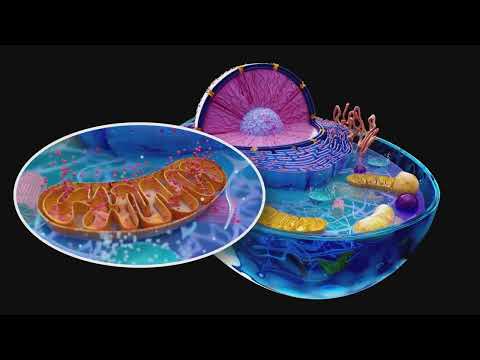
Part 1 of 2: When One More Thing Is Too Much for a Floxed Body People living with FQAD* may often exist in a fragile balance. One more insult, whether from a prescription, an over-the-counter drug, a high-dose “natural” supplement, or polluted air, could be enough to send the system crashing in some. Fluoroquinolone** antibiotics are designed to attack bacteria. Because mitochondria (powerhouse of your cells) evolved from ancient bacterial ancestors, these drugs can sometimes affect mitochondria as well. That overlap may help explain how fluoroquinolones can contribute to mitochondrial dysfunction. For this reason, those affected by adverse effects may want to think not only about how to support mitochondria, the powerhouses of the cell, but also about how to reduce avoidable mitochondrial stressors in daily life and recognize that even small additional burdens may push an already strained system too far. From the outside this can look paradoxical. Tests may show “enough mitochondria”, and standard laboratory parameters may appear within reference ranges, yet the person feels as if their whole system is running on a corrupted operating system. On the inside, the cell has not completely lost its mitochondria….. ….instead, it has adapted to living with partially disabled ones and defending this injured state as the new normal! That may help explain why people with mitochondrial dysfunction may become less resilient to such things as: 🟣medications🟣chemicals🟣stress🟣lack of sleep🟣dietary changes 🟣vitamins The energy system is no longer robust enough to absorb shocks. Despite this, the mitochondrial network is dynamic, and this gives some reason for cautious hope. 🌈 Mitochondria are not fixed or permanent. They are constantly being reshaped, recycled, and replaced, which means their ongoing turnover creates a potential pathway for gradual improvement, even if the extent of recovery may vary widely from person to person. In FQAD, supportive care may include avoiding unnecessary chemical and medication exposures, pacing physical and mental activity, protecting sleep, staying well hydrated, maintaining stable nutrition, correcting deficiencies, and supporting the nutrients the body relies on for cellular energy and antioxidant defense. Although healing can be slow and far from linear, this may help explain why some patients improve over time when they reduce added strain and support the body’s ability to repair itself. The road back can be slow, incomplete and uneven, for those patients living with FQ adverse effects and injury, yet even modest improvements in mitochondrial quality can translate into meaningful improvements in how a person feels and functions. What many patients endure in patience, uncertainty, and psychological strain is truly hard to put into words, but the body still needs the chance to repair what may have been injured across multiple systems. Understanding how mitochondrial replication and maintenance really work helps to change the story from… ➦ “my body is mysteriously broken” to ➦ “my cellular batteries are copying a damaged template, and my system is struggling to clean it up”. 🟣🟣🟣🟣🟣🟣🟣🟣🟣🟣 *What is FQAD (fluoroquinolone associated disability): fq100.org/fda-warnings **Medications in the fluoroquinolone class (incl: Cipro/ciprofloxacin, Levaquin (off market)/levofloxacin, Avelox/moxifloxacin etc) in all forms for humans and pets: fq100.org/drug-list ✅ Coming - Part 2, What Seems to Set a Floxed Body Back (community observations) ❓❓Want to learn more on mito - watch our video Mitochondria 101 and FQAD: youtube.com/watch?v=v7mYIi… Find support and resources on our sites: 🌐 Website & Resources: fq100.org ▶️ YouTube: @FqAntibioticDamage" target="_blank" rel="nofollow noopener">youtube.com/@FqAntibioticD… 🔵 Facebook: facebook.com/fqtoxicitystud… 🐦 X/Twitter: x.com/fq_100 ⚠️Disclaimer: Fluoroquinolone Toxicity Study does not provide medical advice, and all videos, articles and written content are intended for informational purposes only. We do our best to provide accurate information. Such information is not a substitute for professional medical advice, diagnosis or treatment. For multiple reasons, supplements, treatments, and pharmaceutical effects and outcomes can possibly vary significantly among those affected by fluoroquinolone drugs. #FQAwareness #Fluoroquinolones #MitochondrialHealth #AntibioticSideEffects #Floxed #Cipro #Levofloxacin #ciprofloxacin #FQAD #FQ #FQToxicity #Mitochondria #Neuropathy #antibiotics References [1] Hangas A, Aasumets K, Kekäläinen NJ, Paloheinä M, Pohjoismäki JL, Gerhold JM, Goffart S. Ciprofloxacin impairs mitochondrial DNA replication initiation through inhibition of Topoisomerase 2. Nucleic Acids Res. 2018;46(18):9625–9636. DOI: 10.1093/nar/gky793. [2] Reinhardt T, El Harraoui Y, Rothemann A, et al. Chemical proteomics reveals human off-targets of fluoroquinolone-induced mitochondrial toxicity. Angew Chem Int Ed Engl. 2025;64:e202421424. DOI: 10.1002/anie.202421424. PMCID: PMC12036814. [3] Ng MYW, Wai T, Simonsen A. Quality control of the mitochondrion. Dev Cell. 2021;56(7):881–905. DOI: 10.1016/j.devcel.2021.02.009. [4] Barcelos IP, Troxell RM, Kujoth GC, et al. Mitochondrial medicine therapies: rationale, evidence, and dosing guidelines. Curr Opin Pediatr. 2020;32(6):707–718. PMCID: PMC7774245. [5] Parikh S, Goldstein A, Karaa A, et al. Patient care standards for primary mitochondrial disease: a consensus statement from the Mitochondrial Medicine Society. Genet Med. 2017. DOI: 10.1038/gim.2017.107. PMCID: PMC7804217. [6] Orsucci D, Caldarazzo Ienco E, Siciliano G, Mancuso M. Mitochondrial disorders and drugs: what every physician should know. Drugs Context. 2019;8:212588. DOI: 10.7573/dic.212588. PMCID: PMC6668504. [7] Reddam A, Saldivar M, Dozier J, et al. Environmental chemical exposures and mitochondrial dysfunction: a review of recent literature. Curr Environ Health Rep. 2022;9(4):631–649. PMCID: PMC9729331. [8] Neikirk K, et al. Air pollutants as modulators of mitochondrial quality control in cardiovascular disease. Physiol Rep. 2024. PMCID: PMC11576129.
YouTube video
YouTube
Fluoroquinolone Toxicity Study tweet media
English
1
1
6
178
Fluoroquinolone Toxicity Study
@FVulneraries Imagine what our community could achieve if everyone affected found just one way to turn their feelings and experience into a meaningful next step that helps move us forward. Nothing has been more powerful than a determined person.
English
1
0
2
12
johanna
johanna@mikobadr79·
Thank you for sharing this valuable resource and highlighting Dr. Stefan Pieper's work... it's such an important topic for those affected by fluoroquinolone toxicity. I've included his wonderful book on my website: druginducedmito.org/fqad/ I also wanted to let you know that I included a link to your website as well, if that is ok? I am grateful for the awareness and support you're providing to the community and hope to direct traffic to you.
English
1
0
1
20
johanna
johanna@mikobadr79·
The signal is already there...across mechanisms, symptoms, and patient experience. What’s missing is a system built to capture it. The mitochondrial dysfunction patterns described at druginducedmito.org reflect what patients have been reporting after fluoroquinolone exposure for decades, yes decades. Patient communities have identified the patterns; the next step is structure—and that is exactly what the registry I am building is attempting to do.
English
1
0
1
12
Fluoroquinolone Toxicity Study
Understanding How Fluoroquinolone Antibiotics Cause Inflammation 🔥🔥🔥 Mitochondria, often referred to as the energy powerhouses of the cell, are indispensable for maintaining cellular energy production and overall health. They are also deeply intertwined with the immune system, influencing how the body responds to potential threats. When mitochondrial function is disrupted, as can be the case with fluoroquinolone* antibiotics, inflammation can occur - a defense mechanism that, when prolonged or uncontrolled, contributes to chronic health challenges. Let’s explore the connection between mitochondrial damage and inflammation in simple terms. ➦The Cascade of Inflammation Triggered by Mitochondrial Damage: Energy production in mitochondria involves processing oxygen, but this process also generates reactive oxygen species (ROS), a type of free radical. Typically, the body can neutralize these molecules, but when mitochondria become impaired, excessive ROS accumulate, leading to oxidative stress. This oxidative environment damages cellular structures and perpetuates mitochondrial dysfunction, setting off a chain reaction of stress signals that promote inflammation. Moreover, dysfunctional mitochondria can release fragments of their DNA into the surrounding area. These DNA fragments serve as “danger signals” to the immune system, triggering an immune response even in the absence of an actual threat. The body, acting as if under attack, produces inflammatory responses that can harm healthy tissue, a scenario that’s comparable to a false emergency alarm. Mitochondria also play a key role in managing calcium levels within cells. When damaged, their ability to regulate calcium is compromised, leading to cellular calcium overload. This imbalance disrupts normal cellular activity and can activate inflammatory pathways, further compounding cellular stress. ➦How Energy Deficiency Amplifies the Inflammatory Response: When mitochondria can no longer produce sufficient energy, cells are forced to rely on alternative pathways that are far less efficient. This energy deficit weakens cells, leaving them more susceptible to damage. In turn, the weakened cells contribute to an ongoing inflammatory loop, where energy shortages and immune activation fuel one another. ➦Common Symptoms Linked to Inflammation: Inflammation caused by mitochondrial dysfunction can manifest in various ways, including: 💠 Fatigue: A persistent feeling of exhaustion due to low energy availability. 💠Pain: Muscle and joint aches as a result of chronic inflammation. 💠Cognitive Impairment: Difficulty concentrating or retaining information, often described as “brain fog.” 💠Digestive Discomfort: Disrupted gut function that may cause bloating or irregular bowel movements. 💠Skin Sensitivity: Redness, irritation, or other inflammatory skin reactions. 💠 Mood Disturbances: Chronic inflammation can contribute to anxiety, depression, and other mood-related issues. ➦Strategies for Managing Mitochondrial-related Inflammation: Addressing mitochondrial-related inflammation typically involves a combination of lifestyle changes and targeted interventions. Practices such as physical activity, if able, a nutrient-rich diet (see ref #7), and stress management can support mitochondrial health. Additionally, supplements containing natural compounds like phytosomes (see list in ref#6, section 6) may help reduce oxidative stress and inflammation. Professional guidance is key to tailoring an approach that works for individual needs as balancing anti-oxidants when experiencing the adverse effects of FQ's can be challenging. 🟠🟠🟠🟠🟠 ⚠️Disclaimer: Fluoroquinolone Toxicity Study does not provide medical advice, and all articles and written content are intended for informational purposes only. We do our best to provide accurate information. Such information is not a substitute for professional medical advice, diagnosis or treatment. Supplements, treatments, and pharmaceutical effects can vary significantly among individuals, particularly in those affected by fluoroquinolone drugs, due to differences in individual responses to these medications. *💊Medications in the fluoroquinolone class (incl: Cipro/ciprofloxacin, Levaquin (off market)/levofloxacin, Avelox/moxifloxacin etc) in all forms for humans and pets: fq100.org/drug-list Find support and resources on our sites: 🌐 Medical resources: fq100.org/find-medical 🧭 Help & Misc resources: fq100.org/find-help ▶️ YouTube: @FqAntibioticDamage" target="_blank" rel="nofollow noopener">youtube.com/@FqAntibioticD… 🐦 X/Twitter: x.com/fq_100 #FQAwareness #Fluoroquinolones #MitochondrialHealth #AntibioticSideEffects #Floxed #Cipro #Levaquin #FQAD ______________________________________________________ References: 1. Sena, L. A., & Chandel, N. S. (2012). Physiological roles of mitochondrial reactive oxygen species. Molecular Cell, 48(2), 158-167. europepmc.org/article/PMC/34… 2. West, A. P., & Shadel, G. S. (2017). Mitochondrial DNA in innate immune responses and inflammatory pathology. Nature Reviews Immunology, 17(6), 363-375. nature.com/articles/nri.2… 3. Duchen, M. R. (2000). Mitochondria and calcium: from cell signaling to cell death. Physiological Reviews, 80(1), 97-172. physoc.onlinelibrary.wiley.com/.../j.1469-7793... 4. Zhang, Q., et al. (2010). Circulating mitochondrial DAMPs cause inflammatory responses to injury. Nature, 464(7285), 104-107. nature.com/articles/natur… 5. Andrews, R. M., et al. (1999). Reanalysis and revision of the Cambridge reference sequence for human mitochondrial DNA. Nature Genetics, 23(2), 147. nature.com/articles/ng109… 6. Nesci, S., et al. (2023). Inflammation, Mitochondria and Natural Compounds Together in the Circle of Trust. International Journal of Molecular Sciences, 24(7), 6106. pmc.ncbi.nlm.nih.gov/articles/PMC10… 7.Gunnars, K. (2023, June 1). 12 foods high in antioxidants. Healthline. healthline.com/nut.../foods-h…
Fluoroquinolone Toxicity Study tweet media
English
2
3
5
148
Fluoroquinolone Toxicity Study
@RTG_TutorGuitar Sadly to say so many of us are in this same experience. We wish more would know the possible consequences and we will keep fighting daily for this to happen.
English
0
0
1
8
Tammy📚 and CJ🎸
Tammy📚 and CJ🎸@RTG_TutorGuitar·
@FQ_100 I had taken a fluoroquinolone twice and thought they were safe. The 3rd time was not a charm. Levaquin changed my life and not for the better, and all for a sinus infection. I will never, under any circumstances, take another fluoroquinolone again. Thank you for your research.🫶🏻
English
1
0
1
27
Fluoroquinolone Toxicity Study
✨Today, marks National Adverse Drug Event Awareness Day✨ It is important to remember that fluoroquinolone* antibiotic adverse effects did not suddenly appear when the CDC finally gave the community the medical diagnosis code** this year. Patients had been sounding the alarm long before the FDA described FQAD*** as a “constellation of disabling symptoms.” In 2015, some of the most severely injured patients, including those in wheelchairs, met directly with congressional members to plead for recognition, accountability, and research support. That history matters because it shows the central truth: the damage was known, the patients were speaking, and too often the institutions that should have listened did not. The fluoroquinolone story shows how broken modern drug safety can be. Even after the FDA placed Black Box warnings on these drugs, including warnings about disabling and potentially permanent harm, too little changed in everyday medical practice. Many doctors still have little to no awareness of the possible full systemic consequences, most patients are never properly warned, and adverse-event reporting systems remain incomplete and fragmented. Patients are still too often the ones forced to document the harm, connect the dots, and fight for recognition long after the damage is done. ✨If you are experiencing an array of confounding symptoms, please check your prescription records for medication taken in the last several months as adverse effects in this antibiotic class can be delayed. ➥❗We encourage you to leave a short comment of your experience as we continue to educate the general public and medical communities of the heartbreaking and extreme challenges this community continues to face. *💊Medications in the fluoroquinolone class (incl: Cipro/ciprofloxacin, Levaquin (off market)/levofloxacin, Avelox/moxifloxacin etc) in all forms for humans and pets: fq100.org/drug-list **Medical diagnosis code: fq100.org/find-help ***FDA warnings page and FQAD definition: fq100.org/fda-warnings ➥ ⚠️All drugs have side effects and possible adverse effects, please do your research before taking any prescription. Find support and resources on our sites: 🌐 Website & Resources: fq100.org ▶️ YouTube: @FqAntibioticDamage" target="_blank" rel="nofollow noopener">youtube.com/@FqAntibioticD… 🔵 Facebook: facebook.com/fqtoxicitystud… 🐦 X/Twitter: x.com/fq_100 #ade #Fluoroquinolones #FQAD #FQToxicity #Mitochondria #Neuropathy #AntibioticSideEffects #Cipro #Levofloxacin
Fluoroquinolone Toxicity Study tweet media
English
4
1
5
73
KrautTX
KrautTX@KrautTX·
@FQ_100 2013 - the FQ bomb exploded in my body. Thought I would die. I was a working Mom, raising an Autistic child, entire life changed. After an adverse reaction to Tequin, doc assured me it was no longer on the market. He prescribed Levaquin. Then I had to take Avelox.
English
1
0
0
25
Fluoroquinolone Toxicity Study รีทวีตแล้ว
William A. Wallace, Ph.D.
William A. Wallace, Ph.D.@WilliamWallace·
Mitochondria are not just power plants. They are decision-makers. They regulate inflammation, aging, and disease. A quick breakdown: 🔵 Energy signaling, not just energy production Mitochondria don’t just make energy. They decide how energy is produced, where it’s used, and when cells change their behavior. Energy itself acts as a signal that tells cells what to do. 🟣 Inflammation control When mitochondria are damaged, they release internal components into the cell. The immune system interprets these as danger signals and turns inflammation on, even without infection. 🟡 Aging regulation As we age, cells become worse at clearing damaged mitochondria. These dysfunctional mitochondria build up, increasing oxidative damage and low-grade inflammation that drives aging. 🟢 Why many diseases look different but share the same root Neurodegenerative disease, heart disease, diabetes, obesity, autoimmune disease, sepsis, and cancer all involve failure of mitochondrial function. Different organs. Same underlying problem. 🟠 Why “antioxidants” alone miss the point The problem isn’t just damage. It’s where the damage happens, why it happens, and whether the cell can remove the broken machinery afterward. 🔴 Why this changes how we think about health You don’t treat dozens of unrelated diseases separately. You support mitochondrial health—and multiple systems improve together. What this all means: • Mitochondria are control centers, not batteries • Inflammation often starts as an energy problem • Aging reflects declining cellular maintenance • Many diseases are the same biology showing up in different tissues Health isn’t just chemistry. It’s how cells manage energy. And mitochondria sit at the center of the system. Doi:10.1038/s41392-025-02253-4
William A. Wallace, Ph.D. tweet media
English
20
127
435
14.9K
Countdown
Countdown@Countdown4ACure·
“Primary mitochondrial diseases may be considered rare—but mitochondrial dysfunction is not.” As Fran D. Kendall, MD, a renowned geneticist, member of our Scientific & Medical Advisory Board, and founder of VMP Genetics, so powerfully shares: mitochondrial health reaches far beyond rare diagnoses. It’s increasingly linked to conditions impacting millions—diabetes, Parkinson’s disease, long COVID, cancer, and more. In short, it impacts all of us. This is why the work matters. Supporting mitochondrial research isn’t just about a small patient population—it’s about advancing better health, resilience, and outcomes for all of us. Thank you, Dr. Kendall, for helping elevate this conversation—and the science behind it. - - - #CellularHealth #MitochondriaMatter #FutureOfHealth #ScientificAdvisoryBoard #Genetics #MitochondrialHealth
English
1
2
3
250
Fluoroquinolone Toxicity Study
While we appreciate the movement you are creating, that won't matter so much if your life has been radically changed by a prescription drug. Given the U.S. population’s large and ever-increasing magnitude of medication exposure, the potential for harm from adverse drug events constitutes a critical patient safety and public health challenge. The numbers are huge. @HHSGov #thirdcause
English
0
0
0
26