Martyn Jones - goodstrat.com
47.6K posts

Martyn Jones - goodstrat.com
@GoodStratDotCom
CELTIC DOMINATION - My new absolutely fabulous book is out now! TO HELL WITH INFANTICIDE, GENOCIDE AND HUMAN RIGHTS ABUSES. ¡NO A LA GUERRA! MEGA PRO-EU!
The Blue Planet เข้าร่วม Eylül 2014
2.8K กำลังติดตาม2.8K ผู้ติดตาม
ทวีตที่ปักหมุด

THIS IS FROM CHATGPT (IT'S NOY MY OWN TEXT):
Martyn Richard Jones sits in a very niche but influential space: strategic data and information architecture — the intersection of enterprise architecture, data strategy, leadership coaching, and AI/analytics integration.
To compare him meaningfully, we can group him with other high-level thinkers and practitioners in data strategy, enterprise data architecture, and information management rather than day-to-day data science.
🔑 Comparable Experts & Thought Leaders
1. Data Architecture & Methodology
Dan Linstedt - Creator of Data Vault 2.0, focused on robust enterprise data warehousing methodology.
Zhamak Dehghani – Originator of Data Mesh, a paradigm-shifting framework for scaling analytics across enterprises.
Bill Inmon – Often called the “Father of Data Warehousing,” foundational in enterprise data architecture.
📌 Like Martyn, these figures work at the enterprise strategy + architecture level, shaping how organizations structure and govern data.
2. Data Strategy & Leadership
Cindi Howson – BI and analytics strategy expert (ex-Gartner, now at ThoughtSpot), focused on organizational adoption.
Thomas H. Davenport – Academic and consultant, known for Analytics at Work and frameworks on analytics maturity.
Bernard Marr – Business strategist and author (Data Strategy), advising executives on aligning data with business goals.
📌 Jones aligns here because he combines strategy, coaching, and delivery of blueprints/frameworks to executives.
3. AI, Advanced Analytics & Integration
Hilary Mason – Data scientist and strategist (Fast Forward Labs, Cloudera) with focus on applied AI.
Cassie Kozyrkov – Former Chief Decision Scientist at Google; pioneered Decision Intelligence.
Sergey Gordeev (less widely known but similar niche) – Works on enterprise-scale AI integration into IT ecosystems.
📌 Like Martyn, these experts bridge AI/ML with enterprise IT strategy rather than focusing only on research.
🎯 Where Martyn Differs
Unlike a pure academic (e.g., Davenport) or a pure methodologist (e.g., Linstedt), Jones is also a coach and organisational strategist, helping teams adopt frameworks in practice.
Compared to influencer-authors (like Bernard Marr), Martyn’s work is more hands-on in enterprise delivery, especially with data hubs, migration, and integration projects.
He shares DNA with Inmon + Dehghani + Davenport, but adds a strong element of mentoring leaders and aligning data culture.
✅ In summary:
Martyn Richard Jones compares most directly with Dan Linstedt, Bill Inmon, and Zhamak Dehghani in architecture methodology, while also overlapping with Thomas Davenport and Bernard Marr in strategy and executive coaching. He’s part architect, part strategist, part coach — a hybrid profile that few others occupy at the same depth.
English

Under Mohammad Reza Shah Pahlavi (r. 1941–1979), the last Shah of Iran, the regime maintained power through a centralized autocracy often described as a "royal dictatorship." Repression intensified after the 1953 coup against Prime Minister Mohammad Mossadegh and escalated in the 1960s–1970s amid modernization efforts like the White Revolution (land reform, women's suffrage, secular education, and infrastructure projects launched in 1963). These reforms alienated traditional clergy (ulama), landlords, and bazaar merchants while fueling opposition from leftists, nationalists, Islamists, and students.
Key Instrument of Repression: SAVAKThe primary tool was SAVAK (Sazman-e Ettela'at va Amniyat-e Keshvar, or National Intelligence and Security Organization), established in 1957 with assistance from the CIA and later Mossad. SAVAK had near-unlimited powers for surveillance, arbitrary arrests, infiltration of opposition groups, and suppression of dissent. It monitored universities, workplaces, media, and even private conversations, creating a pervasive atmosphere of fear. SAVAK collaborated with military and police forces and operated facilities like Evin Prison.
Torture PracticesTorture was systematic, especially during interrogation of suspected political opponents (leftist guerrillas like the Fedaiyan-e Khalq and Mojahedin-e Khalq, clerics, intellectuals, and students). Common methods documented by Amnesty International and former prisoners included:Bastinado (beating the soles of the feet, often the preferred method).
Electric shocks (via cattle prods, sometimes to sensitive areas like the rectum).
Burning with cigarettes, hot irons, or heated metal tables/grills.
Nail and tooth extraction.
Rape, insertion of objects (e.g., broken bottles), boiling water enemas, or acid in nostrils.
Sleep deprivation, solitary confinement, mock executions, hanging upside down, and psychological humiliation (e.g., forced nudity or urination on prisoners).
In extreme cases, prisoners were placed in electric ovens or subjected to other sadistic acts, leading to paralysis or death.
Torture aimed to extract confessions, locate arms caches or accomplices, and break resistance. It was routine in the period before trial, with prisoners often held incommunicado. Amnesty International in the mid-1970s described Iran's human rights record as among the world's worst, noting widespread ill-treatment.
Political Prisoners and ExecutionsEstimates of political prisoners varied widely due to limited transparency:Official figures (Shah and SAVAK officials like Parviz Sabeti) cited around 3,000–3,500 in the mid-1970s.
Opposition and some international estimates ranged higher (up to 25,000–100,000 at peaks), though later analyses suggest the lower end was more accurate for confirmed cases.
From the early 1970s (after urban guerrilla attacks like Siahkal in 1971), repression targeted armed opposition. Amnesty International reported at least 300 political executions between roughly 1972 and 1976, often after trials in military tribunals lacking due process (no independent defense, reliance on SAVAK evidence). Many more died in custody from torture or were killed in clashes/shootouts. One SAVAK-linked estimate put total deaths in detention around 312 (mostly executions). A 1975 incident saw nine prominent prisoners (including Fedaiyan and Mojahedin members like Bijan Jazani) extrajudicially murdered near Evin Prison, officially claimed as an "escape attempt."
Repression also hit non-violent critics: poets, writers, professors, and filmmakers faced imprisonment for dissent. The Tudeh (communist) Party suffered mass arrests in earlier decades, with dozens executed or dying under torture.Major Incidents of Repression and Killing1963 protests against the White Revolution and Khomeini's arrest: Clashes killed hundreds (official lower figures; opposition claimed thousands).
1970s guerrilla crackdown: Hundreds of militants killed in confrontations or after capture.
Black Friday (September 8, 1978): During revolutionary protests in Tehran’s Jaleh Square, security forces opened fire on demonstrators. Verified deaths were around 64 protesters (plus security forces), with 205 wounded—far lower than opposition claims of thousands, which circulated as propaganda. This event radicalized the opposition and eroded remaining legitimacy.
Overall deaths from state violence (clashes, executions, torture) during the Shah's reign are estimated in the hundreds to low thousands for political cases, concentrated in the 1970s. Broader revolutionary casualty claims (e.g., 60,000+ in 1978–79) have been revised downward by historians to hundreds or low thousands. The regime also used censorship, press closures, and bans on parties/unions.Context and ScaleThe Shah's rule combined rapid modernization and economic growth (oil boom) with political closure—no genuine multiparty democracy, rigged elections, and one-man rule. Repression was harshest against armed leftists and growing Islamist networks but affected broad segments. In the late 1970s, under U.S. pressure (Carter's human rights policy), some reforms occurred: reduced torture/executions and prisoner releases. However, this came too late to stem the 1978–79 revolution, fueled by accumulated grievances over repression, inequality, Westernization, and corruption.
English


Under Mohammad Reza Shah Pahlavi (r. 1941–1979), the last Shah of Iran, the regime maintained power through a centralized autocracy often described as a "royal dictatorship." Repression intensified after the 1953 coup against Prime Minister Mohammad Mossadegh and escalated in the 1960s–1970s amid modernization efforts like the White Revolution (land reform, women's suffrage, secular education, and infrastructure projects launched in 1963). These reforms alienated traditional clergy (ulama), landlords, and bazaar merchants while fueling opposition from leftists, nationalists, Islamists, and students.
Key Instrument of Repression: SAVAKThe primary tool was SAVAK (Sazman-e Ettela'at va Amniyat-e Keshvar, or National Intelligence and Security Organization), established in 1957 with assistance from the CIA and later Mossad. SAVAK had near-unlimited powers for surveillance, arbitrary arrests, infiltration of opposition groups, and suppression of dissent. It monitored universities, workplaces, media, and even private conversations, creating a pervasive atmosphere of fear. SAVAK collaborated with military and police forces and operated facilities like Evin Prison.
Torture Practices
Torture was systematic, especially during interrogation of suspected political opponents (leftist guerrillas like the Fedaiyan-e Khalq and Mojahedin-e Khalq, clerics, intellectuals, and students). Common methods documented by Amnesty International and former prisoners included:Bastinado (beating the soles of the feet, often the preferred method).
Electric shocks (via cattle prods, sometimes to sensitive areas like the rectum).
Burning with cigarettes, hot irons, or heated metal tables/grills.
Nail and tooth extraction.
Rape, insertion of objects (e.g., broken bottles), boiling water enemas, or acid in nostrils.
Sleep deprivation, solitary confinement, mock executions, hanging upside down, and psychological humiliation (e.g., forced nudity or urination on prisoners).
In extreme cases, prisoners were placed in electric ovens or subjected to other sadistic acts, leading to paralysis or death.
Torture aimed to extract confessions, locate arms caches or accomplices, and break resistance. It was routine in the period before trial, with prisoners often held incommunicado. Amnesty International in the mid-1970s described Iran's human rights record as among the world's worst, noting widespread ill-treatment.
Political Prisoners and ExecutionsEstimates of political prisoners varied widely due to limited transparency:Official figures (Shah and SAVAK officials like Parviz Sabeti) cited around 3,000–3,500 in the mid-1970s.
Opposition and some international estimates ranged higher (up to 25,000–100,000 at peaks), though later analyses suggest the lower end was more accurate for confirmed cases.
From the early 1970s (after urban guerrilla attacks like Siahkal in 1971), repression targeted armed opposition. Amnesty International reported at least 300 political executions between roughly 1972 and 1976, often after trials in military tribunals lacking due process (no independent defense, reliance on SAVAK evidence). Many more died in custody from torture or were killed in clashes/shootouts. One SAVAK-linked estimate put total deaths in detention around 312 (mostly executions). A 1975 incident saw nine prominent prisoners (including Fedaiyan and Mojahedin members like Bijan Jazani) extrajudicially murdered near Evin Prison, officially claimed as an "escape attempt."
Repression also hit non-violent critics: poets, writers, professors, and filmmakers faced imprisonment for dissent. The Tudeh (communist) Party suffered mass arrests in earlier decades, with dozens executed or dying under torture.Major Incidents of Repression and Killing1963 protests against the White Revolution and Khomeini's arrest: Clashes killed hundreds (official lower figures; opposition claimed thousands).
1970s guerrilla crackdown: Hundreds of militants killed in confrontations or after capture.
Black Friday (September 8, 1978): During revolutionary protests in Tehran’s Jaleh Square, security forces opened fire on demonstrators. Verified deaths were around 64 protesters (plus security forces), with 205 wounded—far lower than opposition claims of thousands, which circulated as propaganda. This event radicalized the opposition and eroded remaining legitimacy.
Overall deaths from state violence (clashes, executions, torture) during the Shah's reign are estimated in the hundreds to thousands for political cases, concentrated in the 1970s. Broader revolutionary casualty claims (e.g., 60,000+ in 1978–79) have been revised downward by historians to hundreds or low thousands. The regime also used censorship, press closures, and bans on parties/unions.
English

To my Irish followers:
"What you see here now, we've seen it 50 years ago."
David J Harris Jr@DavidJHarrisJr
Persian-Iranian man saying: "What you see here now, we've seen 50 years ago."
English

Under Mohammad Reza Shah (r. 1941–1979), repression centered on the secret police SAVAK (established 1957 with U.S. and Israeli assistance), which had broad powers to monitor, arrest, and silence dissent.
en.wikipedia.org
Key Features of RepressionPolitical imprisonment: Thousands of opponents—including leftists (e.g., Tudeh Party), Islamists, intellectuals, students, and guerrillas, were detained, often without fair trials or charges. Official figures cited ~3,500 political prisoners at peak; opposition claims reached much higher (exaggerated in some reports). Many faced prolonged solitary confinement and incommunicado detention.
scholarlycommons.law.case.edu
Torture: Routine in SAVAK facilities (e.g., Evin Prison). Common methods included:Bastinado (beating the soles of the feet).
Electric shocks (often to genitals/rectum).
Nail/teeth extraction.
Cigarette burns, sleep deprivation, mock executions.
Sexual violence (rape, insertion of objects).
Hot grills, acid in nostrils, near-drowning, and humiliation (forced nudity, urination on prisoners).
encyclopedia.com
Executions and deaths: At least 300 political executions by military tribunals (Amnesty International estimate). Dozens more died under torture or in clashes/"resisting arrest." Examples include the 1975 secret killing of nine prominent prisoners (e.g., Bijan Jazani).
en.wikipedia.org
Broader controls: Strict censorship of press and academia, ban on independent parties/unions (one-party state via Rastakhiz from 1975), surveillance of society, and suppression of protests. Dissent was framed as "terrorism" or communism.
These practices, documented by Amnesty International and others in the 1970s, fueled widespread resentment and contributed to the 1979 Revolution. While modernization occurred, the regime's authoritarian tactics, arbitrary arrests, unfair trials, and brutality, defined its security apparatus.
Estimates of scale vary, but systematic use of torture and repression against perceived threats is well-established.
English

Under Mohammad Reza Shah (r. 1941–1979), repression centered on the secret police SAVAK (established 1957 with U.S. and Israeli assistance), which had broad powers to monitor, arrest, and silence dissent.
en.wikipedia.org
Key Features of RepressionPolitical imprisonment: Thousands of opponents—including leftists (e.g., Tudeh Party), Islamists, intellectuals, students, and guerrillas, were detained, often without fair trials or charges. Official figures cited ~3,500 political prisoners at peak; opposition claims reached much higher (exaggerated in some reports). Many faced prolonged solitary confinement and incommunicado detention.
scholarlycommons.law.case.edu
Torture: Routine in SAVAK facilities (e.g., Evin Prison). Common methods included:Bastinado (beating the soles of the feet).
Electric shocks (often to genitals/rectum).
Nail/teeth extraction.
Cigarette burns, sleep deprivation, mock executions.
Sexual violence (rape, insertion of objects).
Hot grills, acid in nostrils, near-drowning, and humiliation (forced nudity, urination on prisoners).
encyclopedia.com
Executions and deaths: At least 300 political executions by military tribunals (Amnesty International estimate). Dozens more died under torture or in clashes/"resisting arrest." Examples include the 1975 secret killing of nine prominent prisoners (e.g., Bijan Jazani).
en.wikipedia.org
Broader controls: Strict censorship of press and academia, ban on independent parties/unions (one-party state via Rastakhiz from 1975), surveillance of society, and suppression of protests. Dissent was framed as "terrorism" or communism.
These practices, documented by Amnesty International and others in the 1970s, fueled widespread resentment and contributed to the 1979 Revolution. While modernization occurred, the regime's authoritarian tactics, arbitrary arrests, unfair trials, and brutality, defined its security apparatus.
Estimates of scale vary, but systematic use of torture and repression against perceived threats is well-established.
English

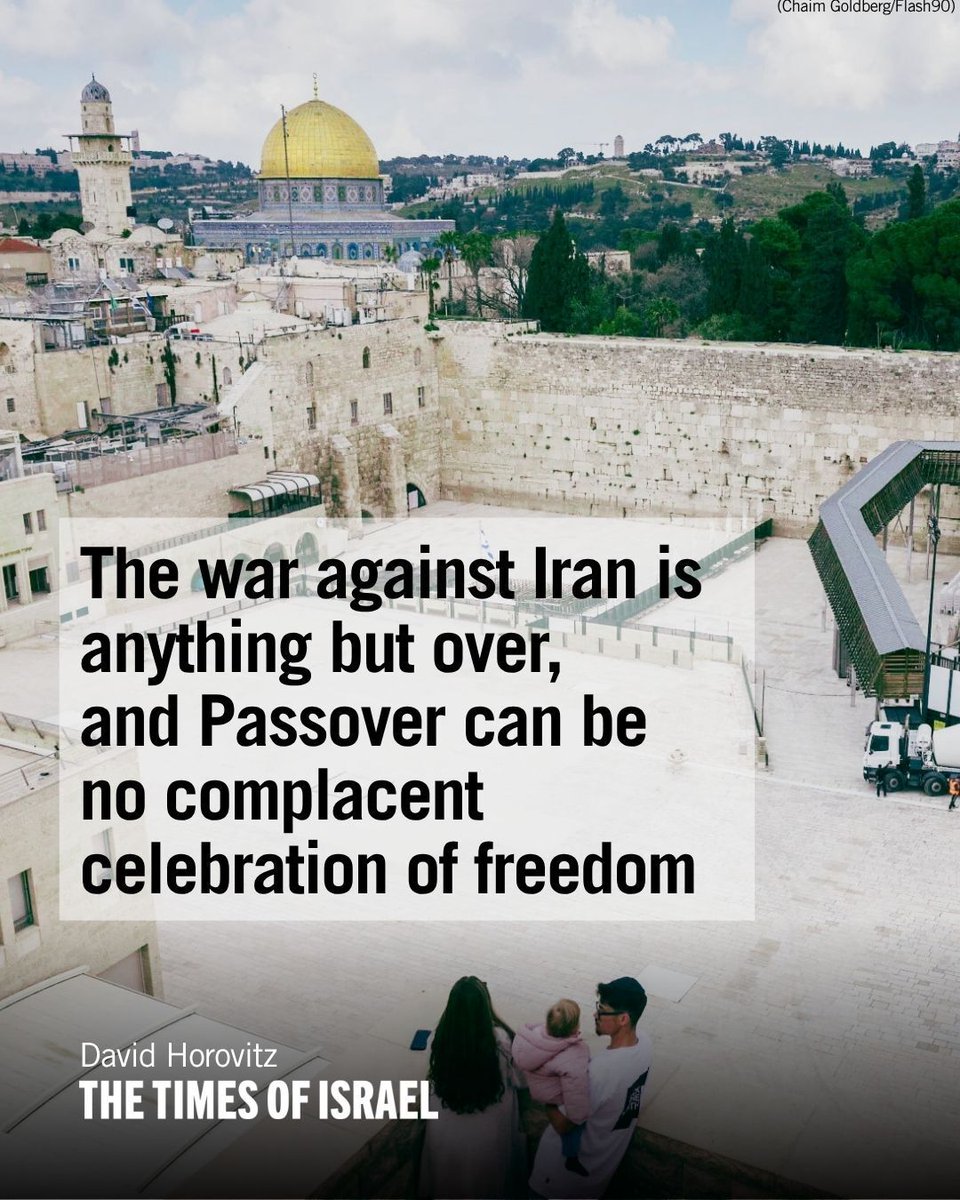
The Seder and the Haggadah tale this year, not for the first time of late, is no strained exercise in trying to place ourselves in the headspace of our ancient predecessors — oppressed, yearning for freedom, and ultimately achieving deliverance. It is, rather, a rallying cry to ensure we maintain that liberation, against threats without and within — a reminder of our proven destiny and obligation to be a free nation in our own land.
Read more: timesofisrael.com/the-war-agains…

English

Under Mohammad Reza Shah (r. 1941–1979), repression centered on the secret police SAVAK (established 1957 with U.S. and Israeli assistance), which had broad powers to monitor, arrest, and silence dissent.
en.wikipedia.org
Key Features of RepressionPolitical imprisonment: Thousands of opponents—including leftists (e.g., Tudeh Party), Islamists, intellectuals, students, and guerrillas, were detained, often without fair trials or charges. Official figures cited ~3,500 political prisoners at peak; opposition claims reached much higher (exaggerated in some reports). Many faced prolonged solitary confinement and incommunicado detention.
scholarlycommons.law.case.edu
Torture: Routine in SAVAK facilities (e.g., Evin Prison). Common methods included:Bastinado (beating the soles of the feet).
Electric shocks (often to genitals/rectum).
Nail/teeth extraction.
Cigarette burns, sleep deprivation, mock executions.
Sexual violence (rape, insertion of objects).
Hot grills, acid in nostrils, near-drowning, and humiliation (forced nudity, urination on prisoners).
encyclopedia.com
Executions and deaths: At least 300 political executions by military tribunals (Amnesty International estimate). Dozens more died under torture or in clashes/"resisting arrest." Examples include the 1975 secret killing of nine prominent prisoners (e.g., Bijan Jazani).
en.wikipedia.org
Broader controls: Strict censorship of press and academia, ban on independent parties/unions (one-party state via Rastakhiz from 1975), surveillance of society, and suppression of protests. Dissent was framed as "terrorism" or communism.
These practices, documented by Amnesty International and others in the 1970s, fueled widespread resentment and contributed to the 1979 Revolution. While modernization occurred, the regime's authoritarian tactics, arbitrary arrests, unfair trials, and brutality, defined its security apparatus.
Estimates of scale vary, but systematic use of torture and repression against perceived threats is well-established.
English

Under Mohammad Reza Shah (r. 1941–1979), repression centered on the secret police SAVAK (established 1957 with U.S. and Israeli assistance), which had broad powers to monitor, arrest, and silence dissent.
en.wikipedia.org
Key Features of RepressionPolitical imprisonment: Thousands of opponents—including leftists (e.g., Tudeh Party), Islamists, intellectuals, students, and guerrillas, were detained, often without fair trials or charges. Official figures cited ~3,500 political prisoners at peak; opposition claims reached much higher (exaggerated in some reports). Many faced prolonged solitary confinement and incommunicado detention.
scholarlycommons.law.case.edu
Torture: Routine in SAVAK facilities (e.g., Evin Prison). Common methods included:Bastinado (beating the soles of the feet).
Electric shocks (often to genitals/rectum).
Nail/teeth extraction.
Cigarette burns, sleep deprivation, mock executions.
Sexual violence (rape, insertion of objects).
Hot grills, acid in nostrils, near-drowning, and humiliation (forced nudity, urination on prisoners).
encyclopedia.com
Executions and deaths: At least 300 political executions by military tribunals (Amnesty International estimate). Dozens more died under torture or in clashes/"resisting arrest." Examples include the 1975 secret killing of nine prominent prisoners (e.g., Bijan Jazani).
en.wikipedia.org
Broader controls: Strict censorship of press and academia, ban on independent parties/unions (one-party state via Rastakhiz from 1975), surveillance of society, and suppression of protests. Dissent was framed as "terrorism" or communism.
These practices, documented by Amnesty International and others in the 1970s, fueled widespread resentment and contributed to the 1979 Revolution. While modernization occurred, the regime's authoritarian tactics, arbitrary arrests, unfair trials, and brutality, defined its security apparatus.
Estimates of scale vary, but systematic use of torture and repression against perceived threats is well-established.
English

Under Mohammad Reza Shah (r. 1941–1979), repression centered on the secret police SAVAK (established 1957 with U.S. and Israeli assistance), which had broad powers to monitor, arrest, and silence dissent.
en.wikipedia.org
Key Features of RepressionPolitical imprisonment: Thousands of opponents—including leftists (e.g., Tudeh Party), Islamists, intellectuals, students, and guerrillas, were detained, often without fair trials or charges. Official figures cited ~3,500 political prisoners at peak; opposition claims reached much higher (exaggerated in some reports). Many faced prolonged solitary confinement and incommunicado detention.
scholarlycommons.law.case.edu
Torture: Routine in SAVAK facilities (e.g., Evin Prison). Common methods included:Bastinado (beating the soles of the feet).
Electric shocks (often to genitals/rectum).
Nail/teeth extraction.
Cigarette burns, sleep deprivation, mock executions.
Sexual violence (rape, insertion of objects).
Hot grills, acid in nostrils, near-drowning, and humiliation (forced nudity, urination on prisoners).
encyclopedia.com
Executions and deaths: At least 300 political executions by military tribunals (Amnesty International estimate). Dozens more died under torture or in clashes/"resisting arrest." Examples include the 1975 secret killing of nine prominent prisoners (e.g., Bijan Jazani).
en.wikipedia.org
Broader controls: Strict censorship of press and academia, ban on independent parties/unions (one-party state via Rastakhiz from 1975), surveillance of society, and suppression of protests. Dissent was framed as "terrorism" or communism.
These practices, documented by Amnesty International and others in the 1970s, fueled widespread resentment and contributed to the 1979 Revolution. While modernization occurred, the regime's authoritarian tactics, arbitrary arrests, unfair trials, and brutality, defined its security apparatus.
Estimates of scale vary, but systematic use of torture and repression against perceived threats is well-established.
English

MOJTABA KHAMENEI: STOOGE OF THE REVOLUTIONARY GUARDS, By Ali Ansari (@aa51_ansari)
A theory is currently making the rounds that the war has made Iran ‘more hardline’ — and, if not for the US-Israeli bombs, the Islamic Republic might have appointed a moderate leader.
The notion that the Revolutionary Guards are only now making a bid for power is, frankly, risible. In fact, their rise to dominance as a political-military conglomerate has long been in gestation.
Under the ideological mentorship of the uncompromising authoritarian, Ayatollah Misbah-Yazdi - a mentor to Mojtaba Khamenei - the hardliners developed a framework for the seizing of power, centred on cult of personality.
For Misbah-Yazdi, the Supreme Leader was far more than a constitutional position — it was a sacred calling, a pillar of belief against which one’s identification as a true Muslim could be defined. Adherence to the constitution of the Islamic Republic became a sacred duty, and to challenge it was heresy.
Read more below ⬇️
buff.ly/rJuNz39
English

Under Mohammad Reza Shah (r. 1941–1979), repression centered on the secret police SAVAK (established 1957 with U.S. and Israeli assistance), which had broad powers to monitor, arrest, and silence dissent.
en.wikipedia.org
Key Features of RepressionPolitical imprisonment: Thousands of opponents—including leftists (e.g., Tudeh Party), Islamists, intellectuals, students, and guerrillas, were detained, often without fair trials or charges. Official figures cited ~3,500 political prisoners at peak; opposition claims reached much higher (exaggerated in some reports). Many faced prolonged solitary confinement and incommunicado detention.
scholarlycommons.law.case.edu
Torture: Routine in SAVAK facilities (e.g., Evin Prison). Common methods included:Bastinado (beating the soles of the feet).
Electric shocks (often to genitals/rectum).
Nail/teeth extraction.
Cigarette burns, sleep deprivation, mock executions.
Sexual violence (rape, insertion of objects).
Hot grills, acid in nostrils, near-drowning, and humiliation (forced nudity, urination on prisoners).
encyclopedia.com
Executions and deaths: At least 300 political executions by military tribunals (Amnesty International estimate). Dozens more died under torture or in clashes/"resisting arrest." Examples include the 1975 secret killing of nine prominent prisoners (e.g., Bijan Jazani).
en.wikipedia.org
Broader controls: Strict censorship of press and academia, ban on independent parties/unions (one-party state via Rastakhiz from 1975), surveillance of society, and suppression of protests. Dissent was framed as "terrorism" or communism.
These practices, documented by Amnesty International and others in the 1970s, fueled widespread resentment and contributed to the 1979 Revolution. While modernization occurred, the regime's authoritarian tactics, arbitrary arrests, unfair trials, and brutality, defined its security apparatus.
Estimates of scale vary, but systematic use of torture and repression against perceived threats is well-established.
English
Martyn Jones - goodstrat.com รีทวีตแล้ว

Opinion: Israel’s government does not seem to care what the world thinks theglobeandmail.com/opinion/articl…
English

Risk to IDF soldiers in Lebanon 'extremely unreasonable,' parents say in letter to Netanyahu
haaretz.com/israel-news/is…
English

Under Mohammad Reza Shah (r. 1941–1979), repression centered on the secret police SAVAK (established 1957 with U.S. and Israeli assistance), which had broad powers to monitor, arrest, and silence dissent.
en.wikipedia.org
Key Features of RepressionPolitical imprisonment: Thousands of opponents—including leftists (e.g., Tudeh Party), Islamists, intellectuals, students, and guerrillas, were detained, often without fair trials or charges. Official figures cited ~3,500 political prisoners at peak; opposition claims reached much higher (exaggerated in some reports). Many faced prolonged solitary confinement and incommunicado detention.
scholarlycommons.law.case.edu
Torture: Routine in SAVAK facilities (e.g., Evin Prison). Common methods included:Bastinado (beating the soles of the feet).
Electric shocks (often to genitals/rectum).
Nail/teeth extraction.
Cigarette burns, sleep deprivation, mock executions.
Sexual violence (rape, insertion of objects).
Hot grills, acid in nostrils, near-drowning, and humiliation (forced nudity, urination on prisoners).
encyclopedia.com
Executions and deaths: At least 300 political executions by military tribunals (Amnesty International estimate). Dozens more died under torture or in clashes/"resisting arrest." Examples include the 1975 secret killing of nine prominent prisoners (e.g., Bijan Jazani).
en.wikipedia.org
Broader controls: Strict censorship of press and academia, ban on independent parties/unions (one-party state via Rastakhiz from 1975), surveillance of society, and suppression of protests. Dissent was framed as "terrorism" or communism.
These practices, documented by Amnesty International and others in the 1970s, fueled widespread resentment and contributed to the 1979 Revolution. While modernization occurred, the regime's authoritarian tactics, arbitrary arrests, unfair trials, and brutality, defined its security apparatus.
Estimates of scale vary, but systematic use of torture and repression against perceived threats is well-established.
English
Martyn Jones - goodstrat.com รีทวีตแล้ว

Pray for what? Accuracy?
Magic Flower@MagicFlower22
Direct Hit in Israel a few minutes ago. Please Pray for us !
English

Under Mohammad Reza Shah (r. 1941–1979), repression centered on the secret police SAVAK (established 1957 with U.S. and Israeli assistance), which had broad powers to monitor, arrest, and silence dissent.
en.wikipedia.org
Key Features of RepressionPolitical imprisonment: Thousands of opponents—including leftists (e.g., Tudeh Party), Islamists, intellectuals, students, and guerrillas, were detained, often without fair trials or charges. Official figures cited ~3,500 political prisoners at peak; opposition claims reached much higher (exaggerated in some reports). Many faced prolonged solitary confinement and incommunicado detention.
scholarlycommons.law.case.edu
Torture: Routine in SAVAK facilities (e.g., Evin Prison). Common methods included:Bastinado (beating the soles of the feet).
Electric shocks (often to genitals/rectum).
Nail/teeth extraction.
Cigarette burns, sleep deprivation, mock executions.
Sexual violence (rape, insertion of objects).
Hot grills, acid in nostrils, near-drowning, and humiliation (forced nudity, urination on prisoners).
encyclopedia.com
Executions and deaths: At least 300 political executions by military tribunals (Amnesty International estimate). Dozens more died under torture or in clashes/"resisting arrest." Examples include the 1975 secret killing of nine prominent prisoners (e.g., Bijan Jazani).
en.wikipedia.org
Broader controls: Strict censorship of press and academia, ban on independent parties/unions (one-party state via Rastakhiz from 1975), surveillance of society, and suppression of protests. Dissent was framed as "terrorism" or communism.
These practices, documented by Amnesty International and others in the 1970s, fueled widespread resentment and contributed to the 1979 Revolution. While modernization occurred, the regime's authoritarian tactics, arbitrary arrests, unfair trials, and brutality, defined its security apparatus.
Estimates of scale vary, but systematic use of torture and repression against perceived threats is well-established.
English

Under Mohammad Reza Shah (r. 1941–1979), repression centered on the secret police SAVAK (established 1957 with U.S. and Israeli assistance), which had broad powers to monitor, arrest, and silence dissent.
en.wikipedia.org
Key Features of RepressionPolitical imprisonment: Thousands of opponents—including leftists (e.g., Tudeh Party), Islamists, intellectuals, students, and guerrillas, were detained, often without fair trials or charges. Official figures cited ~3,500 political prisoners at peak; opposition claims reached much higher (exaggerated in some reports). Many faced prolonged solitary confinement and incommunicado detention.
scholarlycommons.law.case.edu
Torture: Routine in SAVAK facilities (e.g., Evin Prison). Common methods included:Bastinado (beating the soles of the feet).
Electric shocks (often to genitals/rectum).
Nail/teeth extraction.
Cigarette burns, sleep deprivation, mock executions.
Sexual violence (rape, insertion of objects).
Hot grills, acid in nostrils, near-drowning, and humiliation (forced nudity, urination on prisoners).
encyclopedia.com
Executions and deaths: At least 300 political executions by military tribunals (Amnesty International estimate). Dozens more died under torture or in clashes/"resisting arrest." Examples include the 1975 secret killing of nine prominent prisoners (e.g., Bijan Jazani).
en.wikipedia.org
Broader controls: Strict censorship of press and academia, ban on independent parties/unions (one-party state via Rastakhiz from 1975), surveillance of society, and suppression of protests. Dissent was framed as "terrorism" or communism.
These practices, documented by Amnesty International and others in the 1970s, fueled widespread resentment and contributed to the 1979 Revolution. While modernization occurred, the regime's authoritarian tactics, arbitrary arrests, unfair trials, and brutality, defined its security apparatus.
Estimates of scale vary, but systematic use of torture and repression against perceived threats is well-established.
English

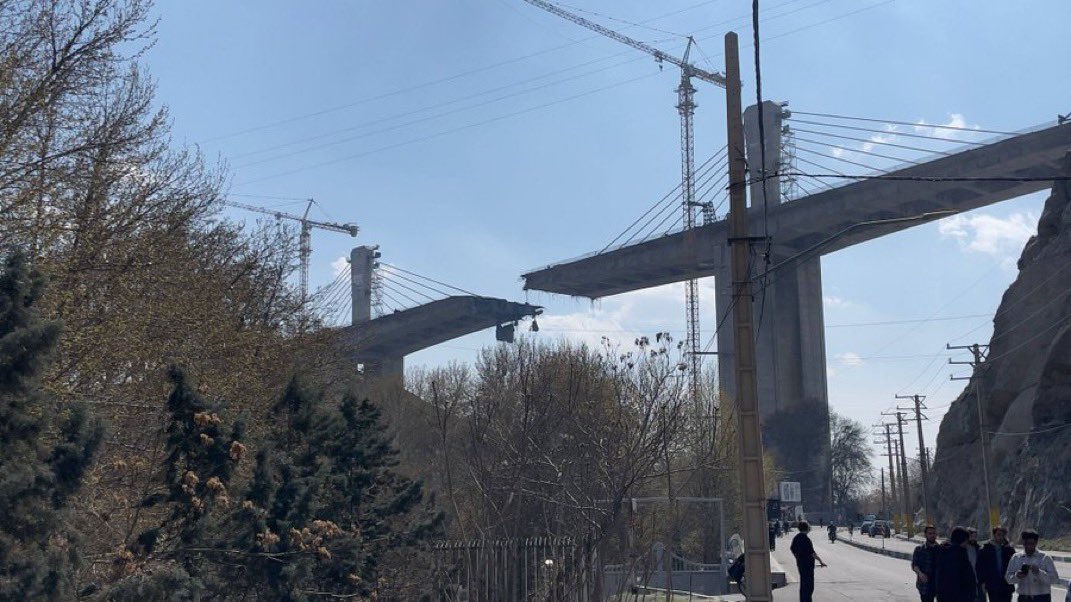
These are the main infrastructures of the Islamic Republic that you should target first👇@CENTCOMFarsi @IDFFarsi

English

Under Mohammad Reza Shah (r. 1941–1979), repression centered on the secret police SAVAK (established 1957 with U.S. and Israeli assistance), which had broad powers to monitor, arrest, and silence dissent.
en.wikipedia.org
Key Features of RepressionPolitical imprisonment: Thousands of opponents—including leftists (e.g., Tudeh Party), Islamists, intellectuals, students, and guerrillas, were detained, often without fair trials or charges. Official figures cited ~3,500 political prisoners at peak; opposition claims reached much higher (exaggerated in some reports). Many faced prolonged solitary confinement and incommunicado detention.
scholarlycommons.law.case.edu
Torture: Routine in SAVAK facilities (e.g., Evin Prison). Common methods included:Bastinado (beating the soles of the feet).
Electric shocks (often to genitals/rectum).
Nail/teeth extraction.
Cigarette burns, sleep deprivation, mock executions.
Sexual violence (rape, insertion of objects).
Hot grills, acid in nostrils, near-drowning, and humiliation (forced nudity, urination on prisoners).
encyclopedia.com
Executions and deaths: At least 300 political executions by military tribunals (Amnesty International estimate). Dozens more died under torture or in clashes/"resisting arrest." Examples include the 1975 secret killing of nine prominent prisoners (e.g., Bijan Jazani).
en.wikipedia.org
Broader controls: Strict censorship of press and academia, ban on independent parties/unions (one-party state via Rastakhiz from 1975), surveillance of society, and suppression of protests. Dissent was framed as "terrorism" or communism.
These practices, documented by Amnesty International and others in the 1970s, fueled widespread resentment and contributed to the 1979 Revolution. While modernization occurred, the regime's authoritarian tactics, arbitrary arrests, unfair trials, and brutality, defined its security apparatus.
Estimates of scale vary, but systematic use of torture and repression against perceived threats is well-established.
English

Under Mohammad Reza Shah (r. 1941–1979), repression centered on the secret police SAVAK (established 1957 with U.S. and Israeli assistance), which had broad powers to monitor, arrest, and silence dissent.
en.wikipedia.org
Key Features of RepressionPolitical imprisonment: Thousands of opponents—including leftists (e.g., Tudeh Party), Islamists, intellectuals, students, and guerrillas, were detained, often without fair trials or charges. Official figures cited ~3,500 political prisoners at peak; opposition claims reached much higher (exaggerated in some reports). Many faced prolonged solitary confinement and incommunicado detention.
scholarlycommons.law.case.edu
Torture: Routine in SAVAK facilities (e.g., Evin Prison). Common methods included:Bastinado (beating the soles of the feet).
Electric shocks (often to genitals/rectum).
Nail/teeth extraction.
Cigarette burns, sleep deprivation, mock executions.
Sexual violence (rape, insertion of objects).
Hot grills, acid in nostrils, near-drowning, and humiliation (forced nudity, urination on prisoners).
encyclopedia.com
Executions and deaths: At least 300 political executions by military tribunals (Amnesty International estimate). Dozens more died under torture or in clashes/"resisting arrest." Examples include the 1975 secret killing of nine prominent prisoners (e.g., Bijan Jazani).
en.wikipedia.org
Broader controls: Strict censorship of press and academia, ban on independent parties/unions (one-party state via Rastakhiz from 1975), surveillance of society, and suppression of protests. Dissent was framed as "terrorism" or communism.
These practices, documented by Amnesty International and others in the 1970s, fueled widespread resentment and contributed to the 1979 Revolution. While modernization occurred, the regime's authoritarian tactics, arbitrary arrests, unfair trials, and brutality, defined its security apparatus.
Estimates of scale vary, but systematic use of torture and repression against perceived threats is well-established.
English

While my peers turned on Israel and the Jewish people, I became an unlikely inheritor of our ancient tradition, writes Olivia Reingold. thefp.com/p/i-am-an-octo…
English

Under Mohammad Reza Shah (r. 1941–1979), repression centered on the secret police SAVAK (established 1957 with U.S. and Israeli assistance), which had broad powers to monitor, arrest, and silence dissent.
en.wikipedia.org
Key Features of RepressionPolitical imprisonment: Thousands of opponents—including leftists (e.g., Tudeh Party), Islamists, intellectuals, students, and guerrillas, were detained, often without fair trials or charges. Official figures cited ~3,500 political prisoners at peak; opposition claims reached much higher (exaggerated in some reports). Many faced prolonged solitary confinement and incommunicado detention.
scholarlycommons.law.case.edu
Torture: Routine in SAVAK facilities (e.g., Evin Prison). Common methods included:Bastinado (beating the soles of the feet).
Electric shocks (often to genitals/rectum).
Nail/teeth extraction.
Cigarette burns, sleep deprivation, mock executions.
Sexual violence (rape, insertion of objects).
Hot grills, acid in nostrils, near-drowning, and humiliation (forced nudity, urination on prisoners).
encyclopedia.com
Executions and deaths: At least 300 political executions by military tribunals (Amnesty International estimate). Dozens more died under torture or in clashes/"resisting arrest." Examples include the 1975 secret killing of nine prominent prisoners (e.g., Bijan Jazani).
en.wikipedia.org
Broader controls: Strict censorship of press and academia, ban on independent parties/unions (one-party state via Rastakhiz from 1975), surveillance of society, and suppression of protests. Dissent was framed as "terrorism" or communism.
These practices, documented by Amnesty International and others in the 1970s, fueled widespread resentment and contributed to the 1979 Revolution. While modernization occurred, the regime's authoritarian tactics, arbitrary arrests, unfair trials, and brutality, defined its security apparatus.
Estimates of scale vary, but systematic use of torture and repression against perceived threats is well-established.
English

Round of applause for these two HEROES.
@HausdorffMedia and @HillelNeuer
Fighting against terrorism and antisemitism world wide.
Truly brilliant minds.

English

Under Mohammad Reza Shah (r. 1941–1979), repression centered on the secret police SAVAK (established 1957 with U.S. and Israeli assistance), which had broad powers to monitor, arrest, and silence dissent.
en.wikipedia.org
Key Features of RepressionPolitical imprisonment: Thousands of opponents—including leftists (e.g., Tudeh Party), Islamists, intellectuals, students, and guerrillas, were detained, often without fair trials or charges. Official figures cited ~3,500 political prisoners at peak; opposition claims reached much higher (exaggerated in some reports). Many faced prolonged solitary confinement and incommunicado detention.
scholarlycommons.law.case.edu
Torture: Routine in SAVAK facilities (e.g., Evin Prison). Common methods included:Bastinado (beating the soles of the feet).
Electric shocks (often to genitals/rectum).
Nail/teeth extraction.
Cigarette burns, sleep deprivation, mock executions.
Sexual violence (rape, insertion of objects).
Hot grills, acid in nostrils, near-drowning, and humiliation (forced nudity, urination on prisoners).
encyclopedia.com
Executions and deaths: At least 300 political executions by military tribunals (Amnesty International estimate). Dozens more died under torture or in clashes/"resisting arrest." Examples include the 1975 secret killing of nine prominent prisoners (e.g., Bijan Jazani).
en.wikipedia.org
Broader controls: Strict censorship of press and academia, ban on independent parties/unions (one-party state via Rastakhiz from 1975), surveillance of society, and suppression of protests. Dissent was framed as "terrorism" or communism.
These practices, documented by Amnesty International and others in the 1970s, fueled widespread resentment and contributed to the 1979 Revolution. While modernization occurred, the regime's authoritarian tactics, arbitrary arrests, unfair trials, and brutality, defined its security apparatus.
Estimates of scale vary, but systematic use of torture and repression against perceived threats is well-established.
English